Designers
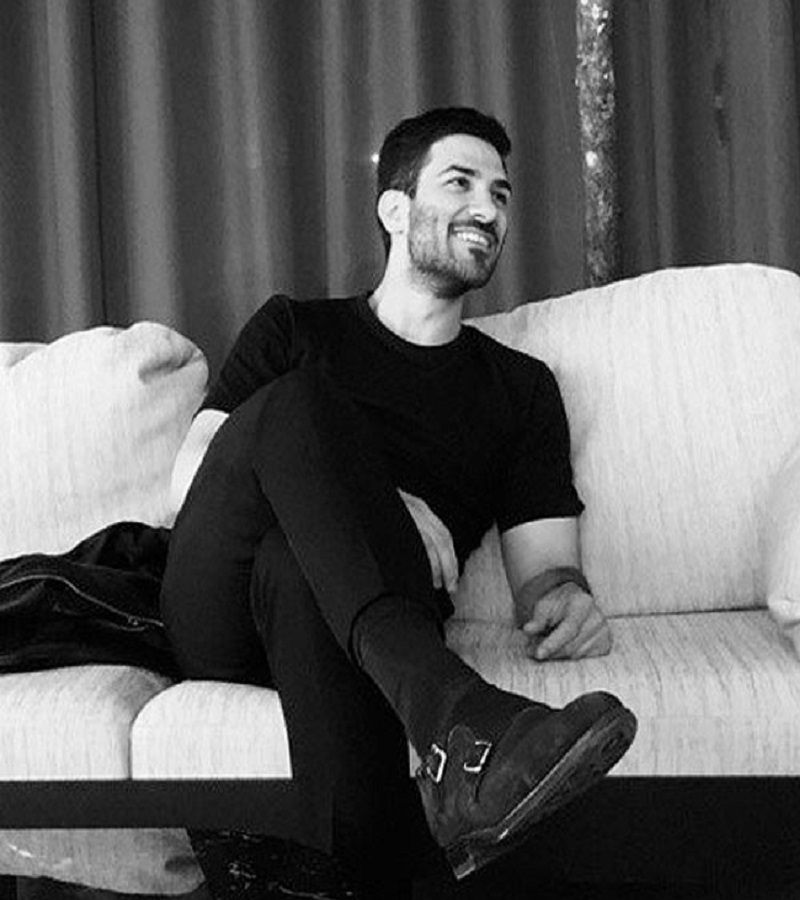
Aleksandar Lazic
Aleksandar Lazic is a versatile designer whose works combine modern aesthetics with functionality and well-thought-out form. His approach is based on the pursuit of simplicity, timelessness and sustainable design. He draws inspiration from both classic Scandinavian design and contemporary architectural trends, which is visible in his carefully detailed designs. He collaborated with renowned brands in the interior design industry, including the Danish company Audo Copenhagen (formerly Menu), creating objects of subtle elegance and practical character. His portfolio includes, among others: furniture, lighting and everyday items that fit perfectly in both private and public spaces. Lazic is a designer who believes that good design should be both beautiful and useful.

Andreas Lund & Jacob Rudbeck
Andreas Lund and Jacob Rudbeck are Danish designers who gained recognition thanks to their cooperation with the Normann Copenhagen brand. Their approach to design combines functionality with aesthetics to create products that are both practical and visually appealing. Together they designed, among others: the Bell hanging lamp, which stands out for its simple but very elegant design. Lund and Rudbeck run their own design studios, but their collaboration proves that combining different perspectives can lead to unique results. Their works are appreciated all over the world and are an excellent example of modern Danish design.

Anna Nasstrom
Anna Näsström is a Swedish designer associated with the brand Sitsraised practically "on the production floor" of a family company specializing in furniture upholstered. For years associated with communication, fashion and graphic design, she has created her own design language based on Scandinavian minimalism, soft forms and everyday comfort of use. Anna Näsström's designs are clearly inspired by natural proportions, calm aesthetics and the idea of interiors conducive to relaxation. Its sofas are distinguished by their enveloping form, subtle lines and timeless character, thanks to which they fit perfectly into modern Japandi, soft minimal or modern organic arrangements.
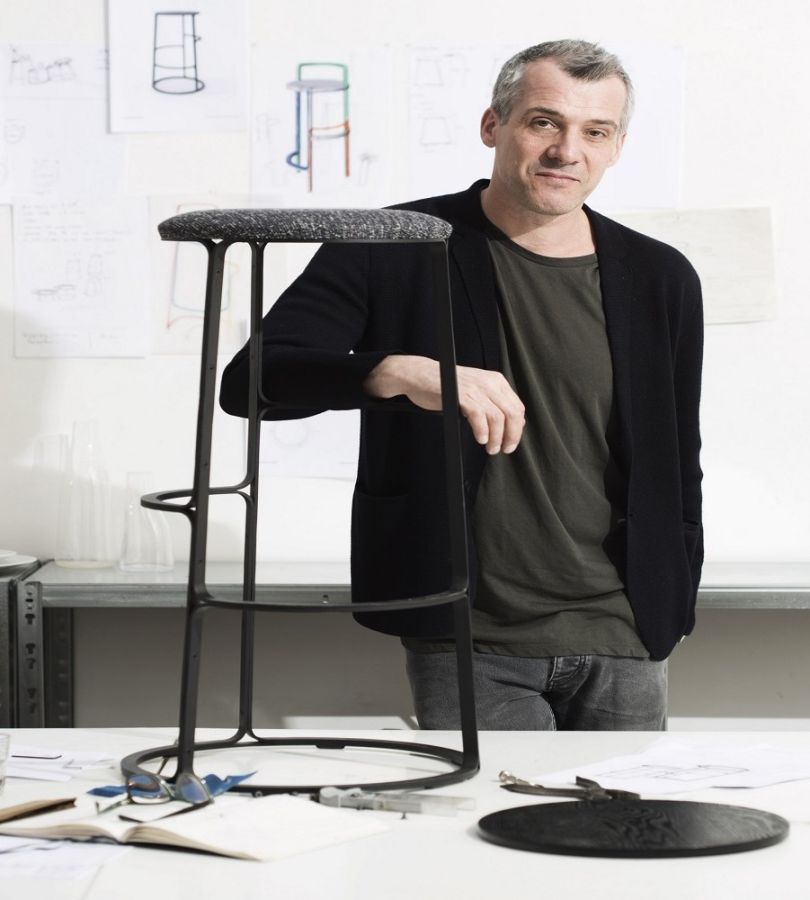
Aurelien Barbry
Aurélien Barbry is a French industrial designer born in 1969 in Paris, currently living and working in Copenhagen and New York. He graduated with honors from École Camondo in Paris in 1997. He began his career in the studio of the famous architect Jean Nouvel, where for seven years he carried out projects in the field of industrial design and design integrated with architecture, including: restaurant at the Quai Branly Museum in Paris. In 2006, he moved to Copenhagen, where he founded his own design studio. His works combine functionality with minimalist aesthetics, often inspired by Scandinavian design. He collaborated with renowned brands such as Georg Jensen, Fredericia Furniture, Le Klint, Menu, Normann Copenhagen, Skagerak and Pierre Frey.
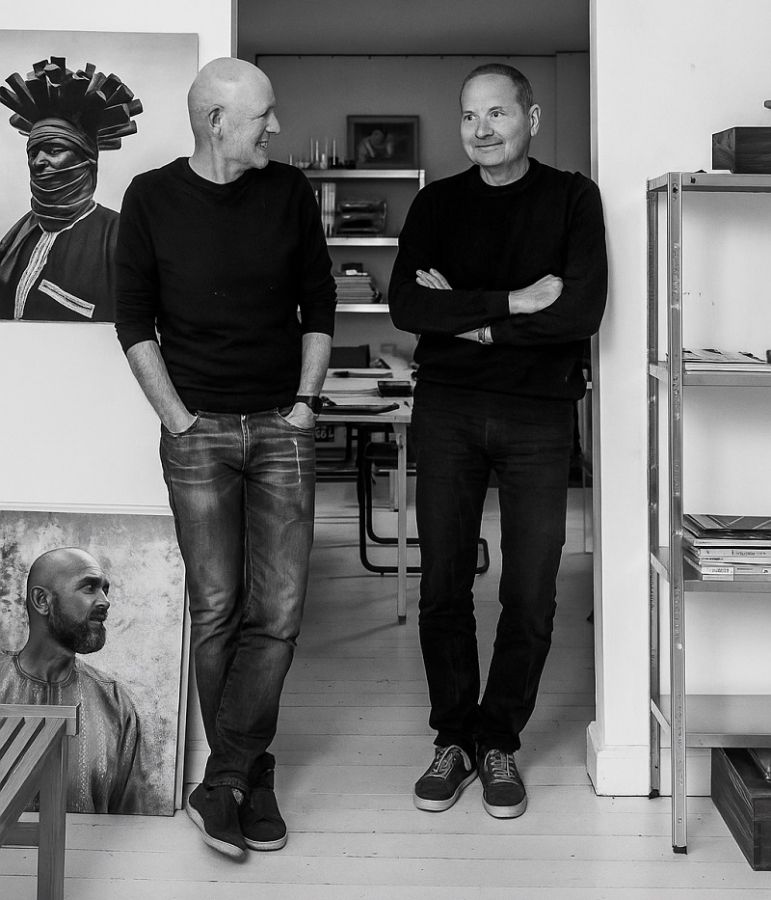
Bjorn+Balle
Bjørn + Balle is a duo of Scandinavian designers Knut Bjørn and Henrik Balle known for their modern, functional and aesthetically sustainable designs. The artists specialize in lighting that combines technology with timeless form. Their works are characterized by minimalism, elegance and attention to every detail. When designing, they think about both the user and the environment in which the product is to function. They work with many Scandinavian brands, including Nordlux and Frandsen. Their philosophy is based on creating beautiful and useful objects that enrich everyday life and fit into modern home and commercial spaces.
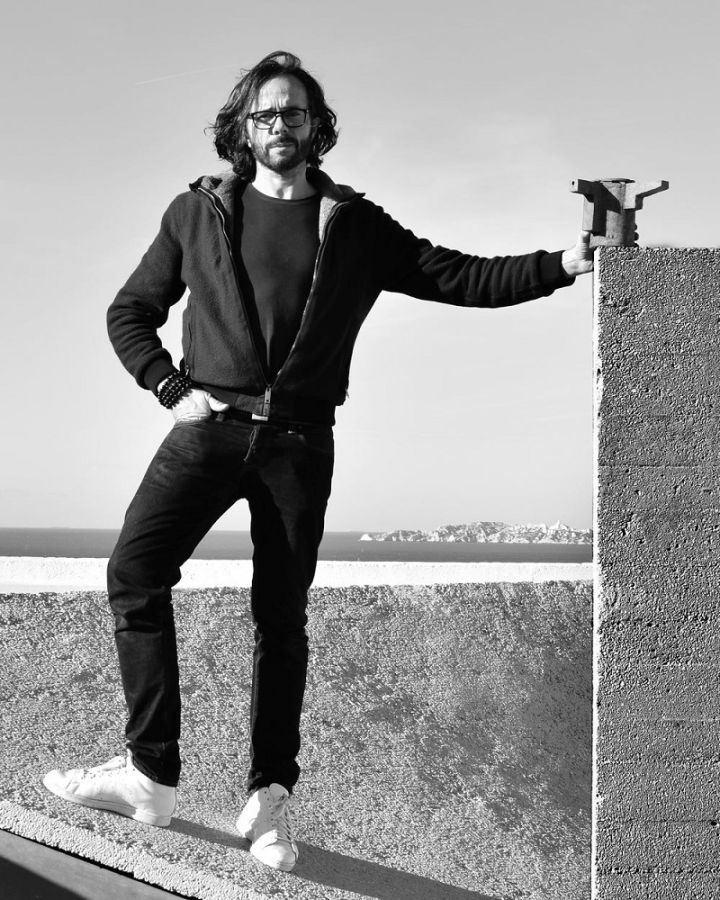
Frederick Gautier
Frédérick Gautier is a French designer and artist who began his path in the world of creation after over 20 years of work as an artistic director in culture, before deciding to devote himself to ceramics and designing functional objects. After studying at the École du Paysage in Versailles, he became interested in modeling and ceramics, and his fascination with brutalism, simplicity and functionality led to the creation of a unique design language. Gautier sees design not only as creating nice forms, but above all as a story and a tool: his works are intended to encourage the user to approach shape creatively - from eating and drinking to arranging space.

Ionna Vautrin
Ionna Vautrin is a French designer and artist, known for combining poetry with an industrial approach to design. She graduated from École de Design Nantes Atlantique in 2002, and after graduation she worked, among others, for Camper in Spain, George J. Sowden in Italy, and Ronan and Erwan Bouroullec in France. In 2011, she founded her own studio in Paris after winning the Grand Prix de la Création in Paris. Her designs are characterized by organic and geometric forms, vivid colors and intuitive functionality, with a clear emphasis on friendly, surprising shapes. She has collaborated with many international brands such as Foscarini, Mustache, Kvadrat, Christian Dior, Sancal, Super-ette, Lexon and Serralunga, creating, among others: the iconic Binic lamp.

Lukas Bazle
Lukas Bazle is a German designer of the young generation, living and working in Berlin. He graduated in industrial design from the Hochschule für Gestaltung Schwäbisch Gmünd in 2018. His works are distinguished by their combination of functionality with an element of surprise and interactivity. Bazle is inspired by everyday objects, which I reinterpret in a fresh and creative way, giving them new meaning and form. He designs lighting, furniture and interior accessories, often experimenting with materials and movement. One of his most recognizable designs is the Fold lamp for Moooi, inspired by the structure of fabric and light.
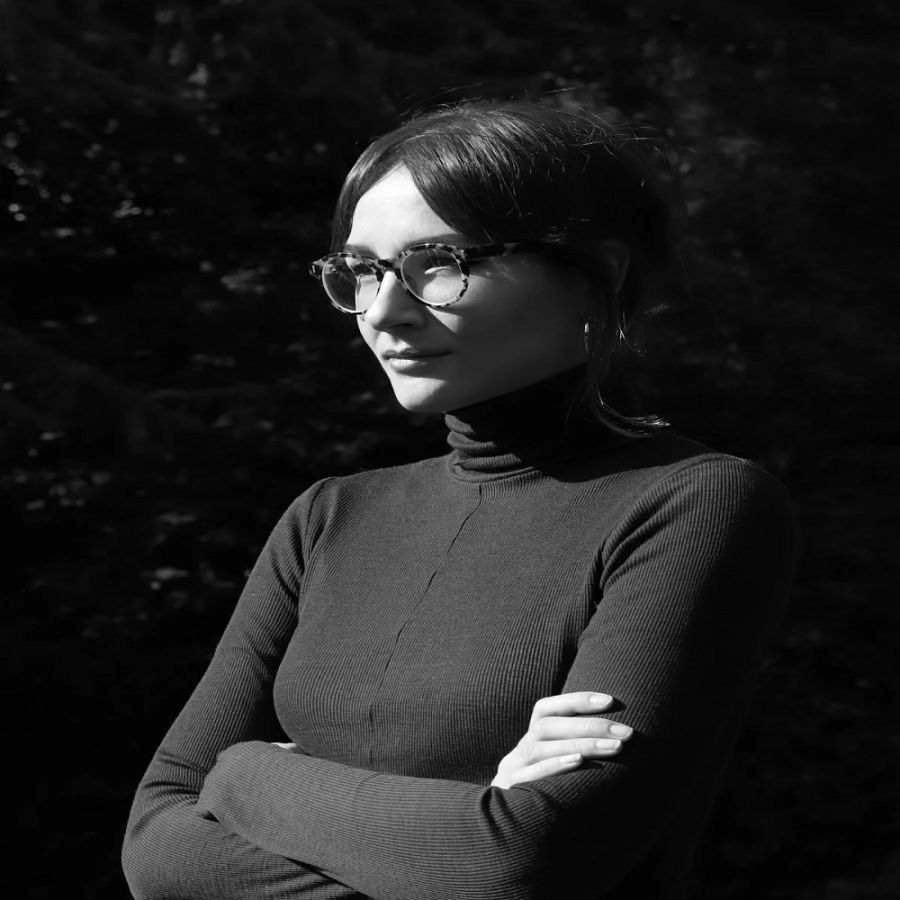
Omayra Maymo
Omayra Maymó is a Spanish designer and architect based in Copenhagen, known for creating designs that combine emotion, craftsmanship and functionality. Her works balance between art and utility - they draw on natural materials, their texture, weight and warmth. In his projects, he explores the boundaries between tradition and modernity, often reinterpreting classic techniques in a new context. Maymó's style is distinguished by poetic simplicity and attention to detail, thanks to which each object tells its own story. He cooperates with recognized brands, such as New Works, creating projects of timeless elegance and expressive identity.
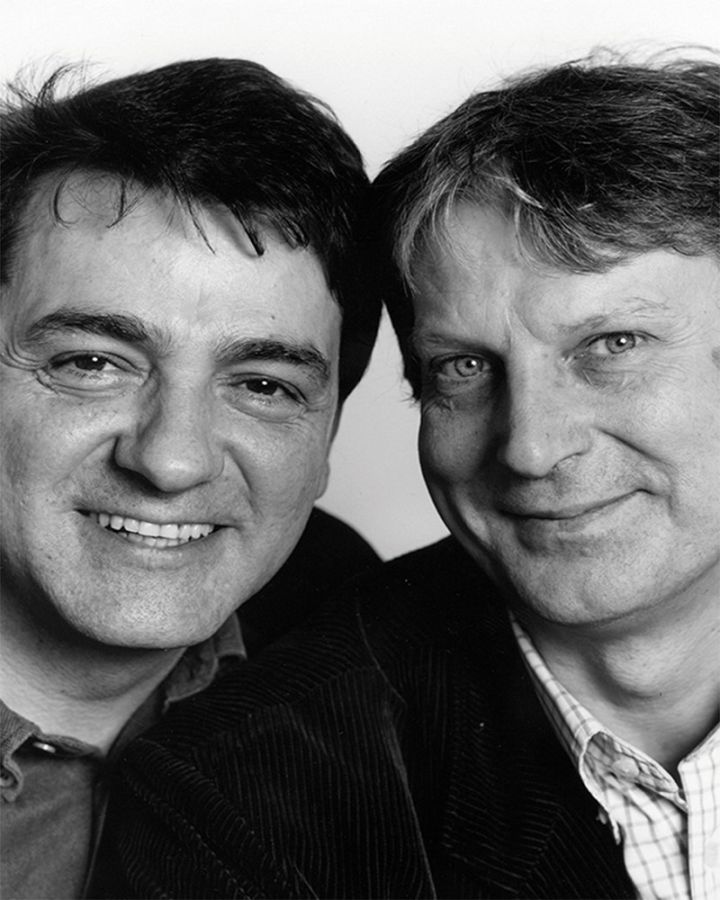
Pagani Perversi Architects
Pagani Perversi Architects is an Italian design studio created by Ermano Pagani and Angelo Perversi, known for creating unique furniture, lamps and interior designs. Their designs are distinguished by their combination of craftsmanship, modern technologies and timeless aesthetics. Working with the FontanaArte brand, the architects designed lamps that have become icons of global design - elegant, functional and sculptural in form. Pagani Perversi's style is based on simple lines, geometric shapes and a subtle dialogue of materials such as glass, metal and wood. Thanks to this, their works are both modern and universal, matching residential interiors and public spaces.
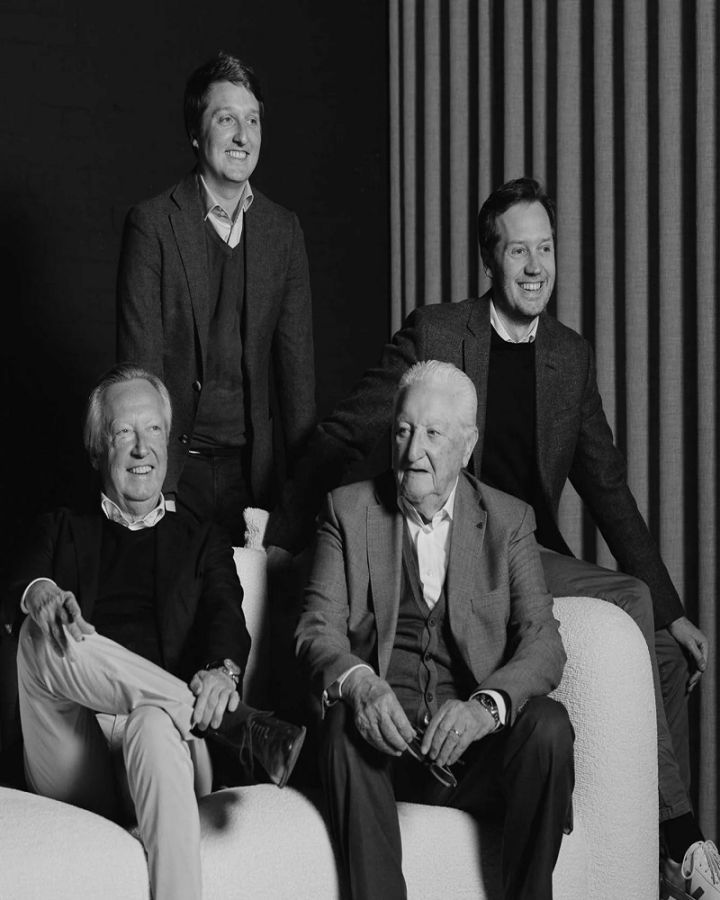
PR Design Studio
PR Design Studio is the internal design team of the Paul Rogers brand, responsible for the development of design and functionality of upholstered furniture. The studio's work is based on finding a balance between contemporary aesthetics, comfort of use and careful workmanship. The designs take into account the form of the furniture, proportions and finishing details, as well as the possibilities of adapting it to various interiors. Inspirations drawn from architecture, hotel industry and global design translate into collections of a diverse nature, intended for private homes, apartments and commercial spaces. PR Design Studio develops an approach to design in which aesthetics goes hand in hand with practical solutions, and thoughtful design supports everyday comfort.
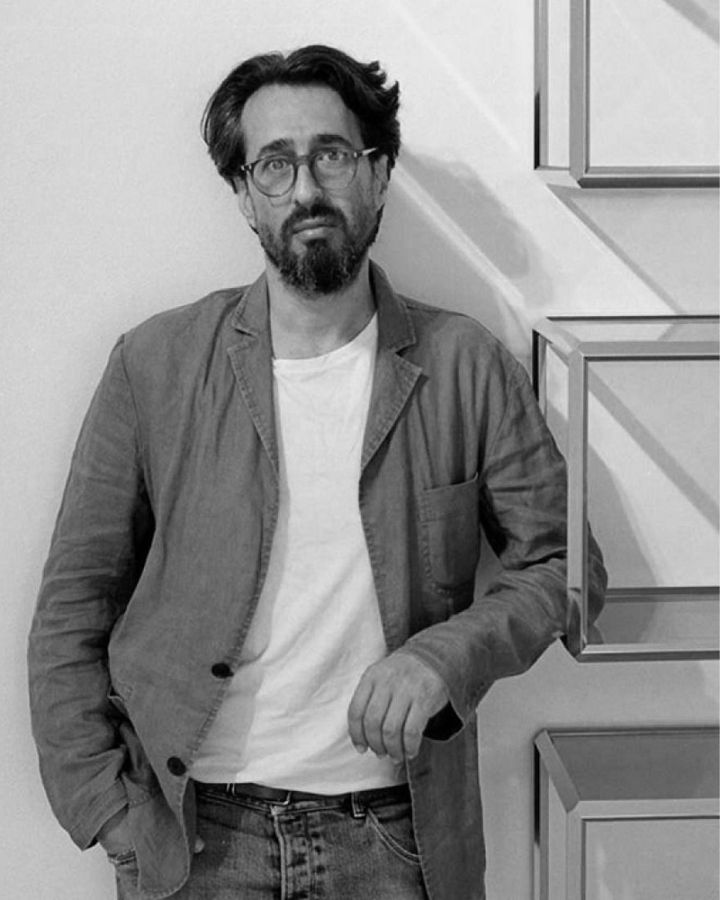
Ron Gilad
Ron Gilad is an Israeli designer living and working in New York and Milan. His work balances between art and design, combining a conceptual approach with functionality. Gilad creates furniture, lighting and utility objects in which he plays with the form, proportions and meaning of everyday objects. The designs are characterized by minimalism, a sense of humor and a poetic narrative, often expressed by reducing elements to their most basic shapes. He cooperated with prestigious brands such as Molteni&C, Flos and Cassina. His works are exhibited all over the world and have won numerous awards, including: Wallpaper* Design Award or Good Design Award.
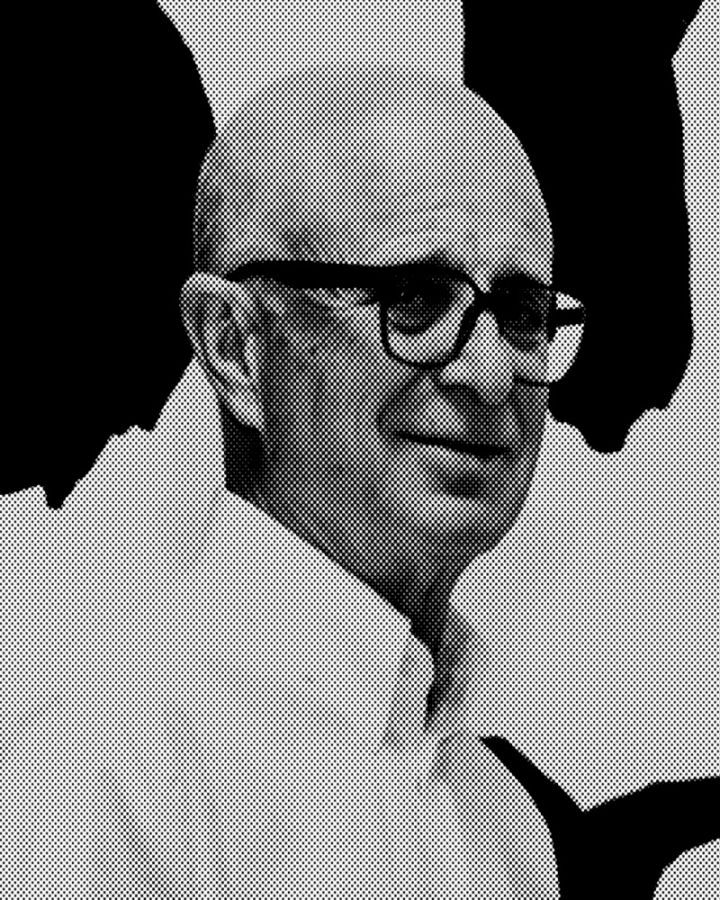
Santiago Castano
Santiago Castaño Carpena is a Spanish entrepreneur and designer who founded the Sancal brand in 1973, transforming a small upholstery workshop into a respected manufacturer of designer furniture. He combined traditional craftsmanship with a modern approach to design, creating upholstered seats and modular systems with high comfort and durability. Under his leadership, Sancal began cooperating with designers from around the world, developing collections that combine aesthetics, functionality and timeless style. Santiago Castaño left a lasting mark on Spanish and international design, defining the character of the brand.
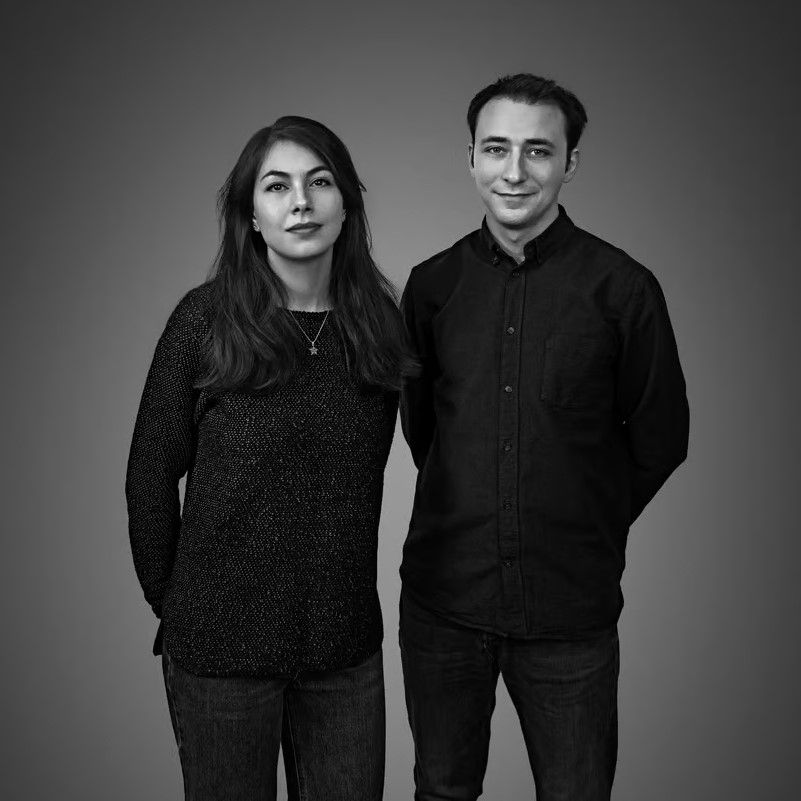
201 Design Studio
201 Design Studio is a Romanian design studio based in Bucharest, founded by architects and industrial designers, that specializes in creating functional and aesthetic everyday objects. Their philosophy is based on minimalism, honesty of form and balance between function, ergonomics and aesthetics. Studio has gained international recognition thanks to its cooperation with the Danish brand Bolia, for which it created, among others, the "Hour" collection of vases inspired by an hourglass and the ceramic "Aqueduct" vase, referring in form to ancient aqueducts. 201 Design Studio projects are characterized by a minimalist approach, subtle details and attention to the quality of workmanship, which makes them both modern and timeless.

365° North
365° North is a Danish design studio based in Aarhus, founded by Henrik Pedersen in 2015. Originally working in fashion design, Pedersen has expanded his expertise to a wide range of fields, including interior design, graphics and branding. Studio combines Scandinavian functionality with modern style, creating furniture and lighting with subtle aesthetics and high functionality. 365° North cooperates with renowned brands such as Wendelbo, Bolia, Artek and Gloster, designing for them, among others: sofas, armchairs, tables and lamps.
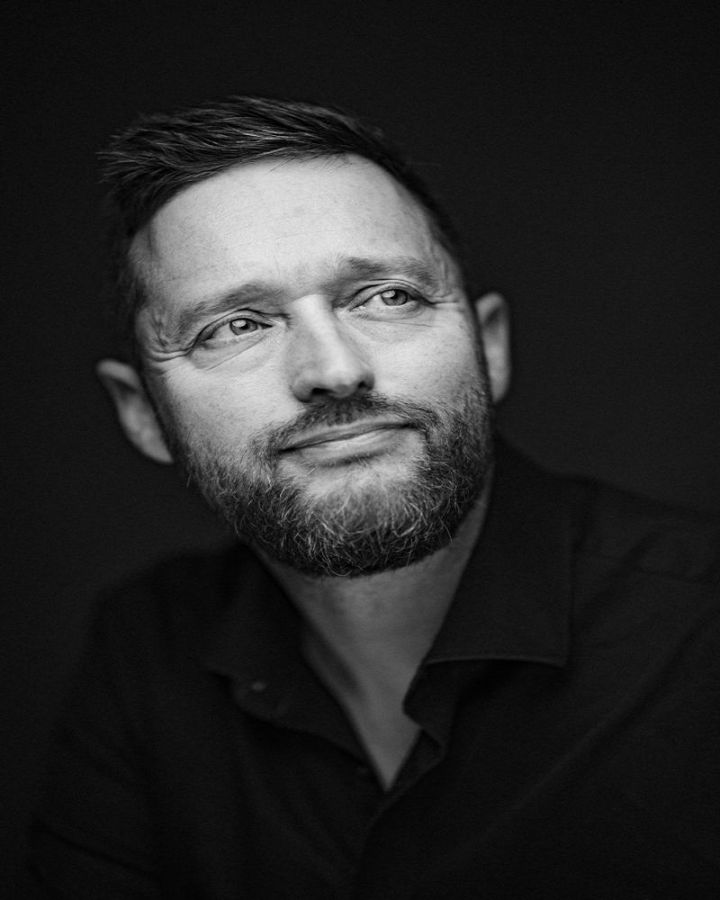
3Part
3Part is a Danish design studio that specializes in creating modern, functional furniture and interior accessories. 3Part designs combine minimalist aesthetics with a practical approach to space, offering products that are flexible, mobile and easy in everyday use. The studio is distinguished by precise workmanship, high-quality materials and a sense of contemporary trends, thanks to which each project becomes a subtle element of interior design, emphasizing its character and comfort.

Aaron Probyn
Aaron Probyn is a British designer who has gained recognition thanks to his collaboration with renowned brands such as Normann Copenhagen. His design approach combines functionality with aesthetics to create products that are both practical and visually appealing. Probyn is also known for designing fabrics, including for the Kvadrat brand, where his works are distinguished by a subtle approach to color and texture. His designs often reflect a minimalist approach to form with an emphasis on detail and quality workmanship. Thanks to this, his works have been included in many prestigious collections and are appreciated by design lovers around the world.
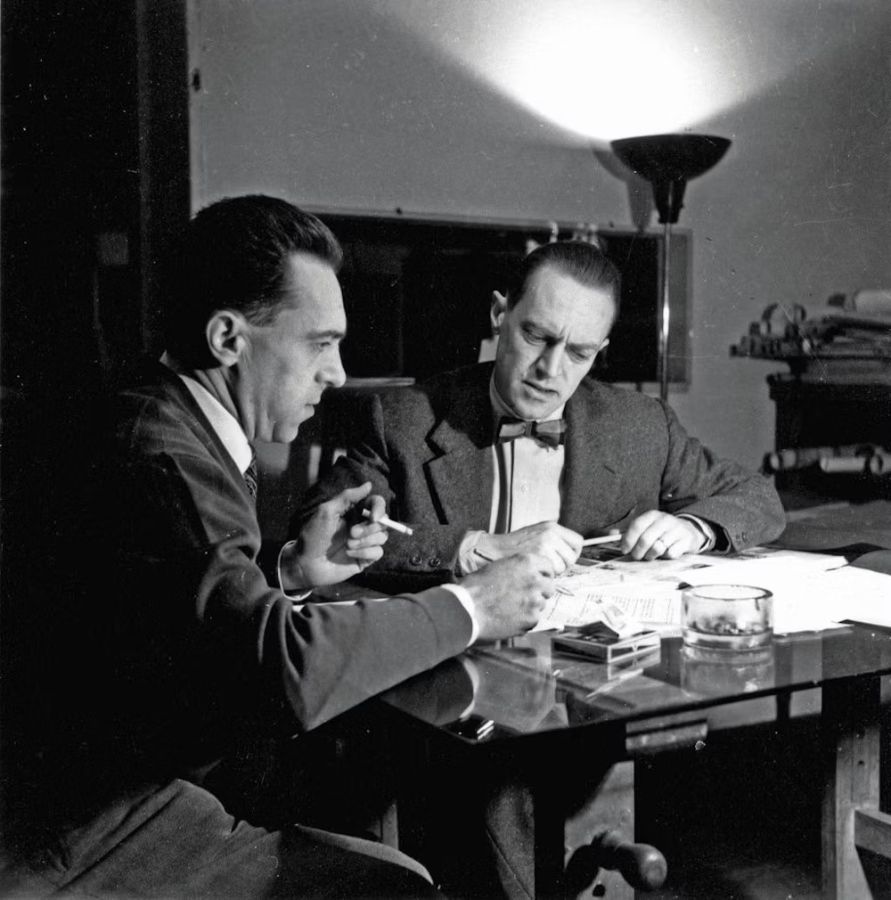
Achille & Pier Giacomo Castiglioni
Achille and Pier Giacomo Castiglioni were Italian designers and architects who played a key role in the development of post-war Italian design. Graduates of the Politecnico di Milano, they have been creating together since the 1950s, focusing on designing everyday objects with a large dose of innovation, functionality and humor. Their works, such as the Arco lamp (1962) and the Mezzadro stool (1957), became icons of industrial design. Designers experimented with materials and new technologies, creating objects that combined practicality with refined aesthetics. They have been awarded many times, including: the prestigious Compasso d'Oro award. Their approach to design, full of passion, observation of everyday life and sense of humor, remains an inspiration for subsequent generations of creators.

Achille Castiglioni
Achille Castiglioni (1918–2002) was one of the greatest Italian designers of the 20th century, known for combining functionality with humor and innovation. He studied architecture in Milan and collaborated with his brothers for years, creating iconic designs for brands such as Flos (Arco, Taccia, Toio), Zanotta (Mezzadro, Cumano) or Alessi (Dry). He was famous for his ability to transform everyday objects into top-class design. His works are characterized by minimalism, ingenuity and timeless form. Winner of many awards, including: nine Compasso d'Oro. His works can be found in museum collections around the world, including MoMA.

Adam Friedman
Adam Friedman is an American designer and craftsman, founder of the Geology studio in California. His approach to design combines functionality with emotional impact, creating furniture that "listen" to the user and adapt to changing home needs. Working with the Bolia brand, he created the Friedman shelving system, characterized by an intuitive structure and minimalist design. Friedman has gained recognition for his innovative approach to design, combining aesthetics with practicality, which makes his works timeless and functional.
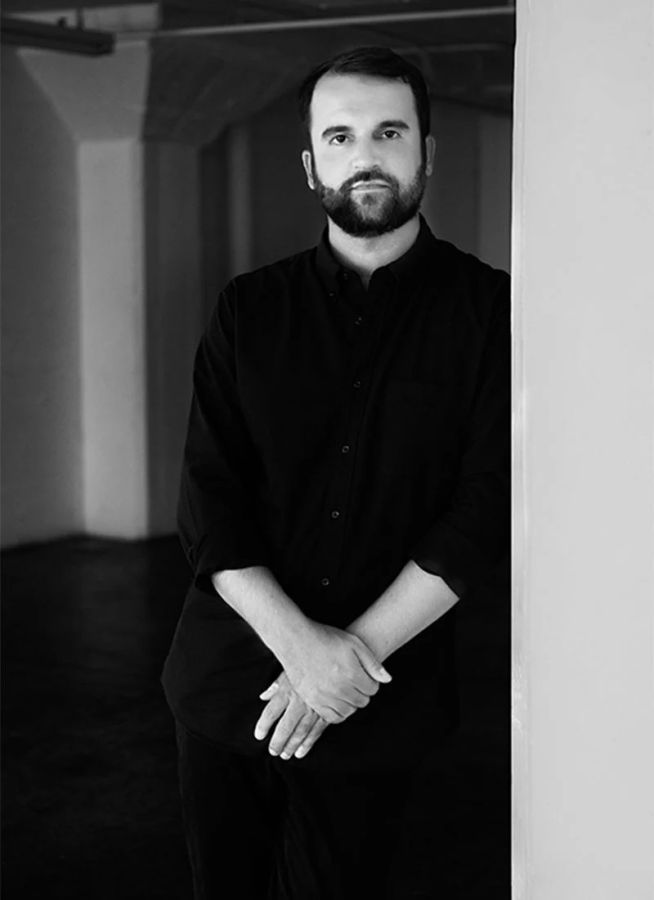
Adam Miller
Adam Miller is an American designer and architect, founder of the AD Miller studio based in Los Angeles. He combines experience gained in the USA, Denmark and Italy with a passion for pure forms, natural materials and craftsmanship precision. His work includes architecture, interiors, lighting and functional design. He cooperates with, among others: with the Blomus brand, for which he designed, among others, the Lungo glass collection, the Stage lamp or the minimalist Abento tray. Miller's designs are characterized by subtle elegance, narrative character and respect for detail. Winner of the German Design Gold Award 2022. Each of his projects - from an object to a space - is a well-thought-out composition, combining functionality with the poetics of form.

Adrien Gardere
Adrien Gardère is a French designer and set designer, known for his multidisciplinary approach combining design, interior architecture and exhibition design. He was born in 1972 and is the founder of Adrien Gardère Studio, which operates globally in the field of culture and design. Gardère has gained recognition as the creator of innovative museum spaces, including: for the Louvre in Abu Dhabi, the Islamic Museum in Cairo and the Musée d'Art Islamique in Doha. Its style is characterized by harmony between contemporary design and the cultural and historical context of the place. It combines modern technologies with craftsmanship and a subtle sense of aesthetics. He also cooperated with companies such as Artemide and Ligne Roset.
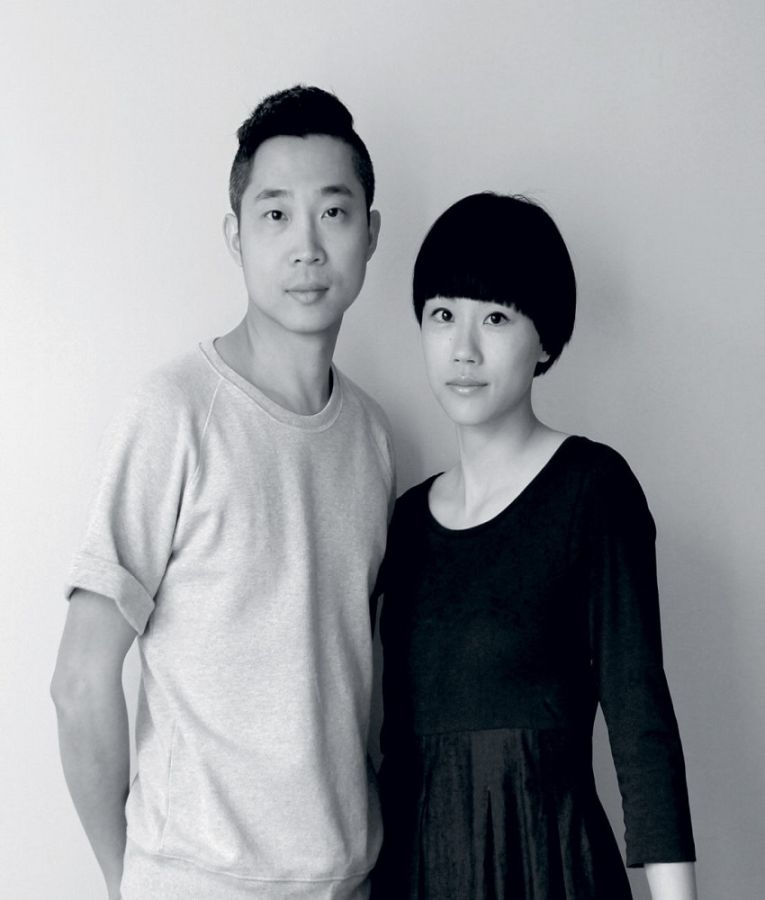
Afteroom Studio
Afteroom Studio is a Swedish design studio founded by Hung-Ming Chen and Chen-Yen Wei in 2013. The studio combines minimalism with elegance, creating furniture, lighting and accessories with simple forms and functionality. Afteroom designs are characterized by subtle details, modern design and timeless aesthetics, which makes them practical and artistic at the same time. The designer duo focuses on the quality of materials and attention to every detail, and their works have gained recognition all over the world. Working with brands such as Audo Copenhagen, Menu and Bolia, Afteroom Studio creates products that combine classic inspirations with modern trends, offering solutions for contemporary interiors.
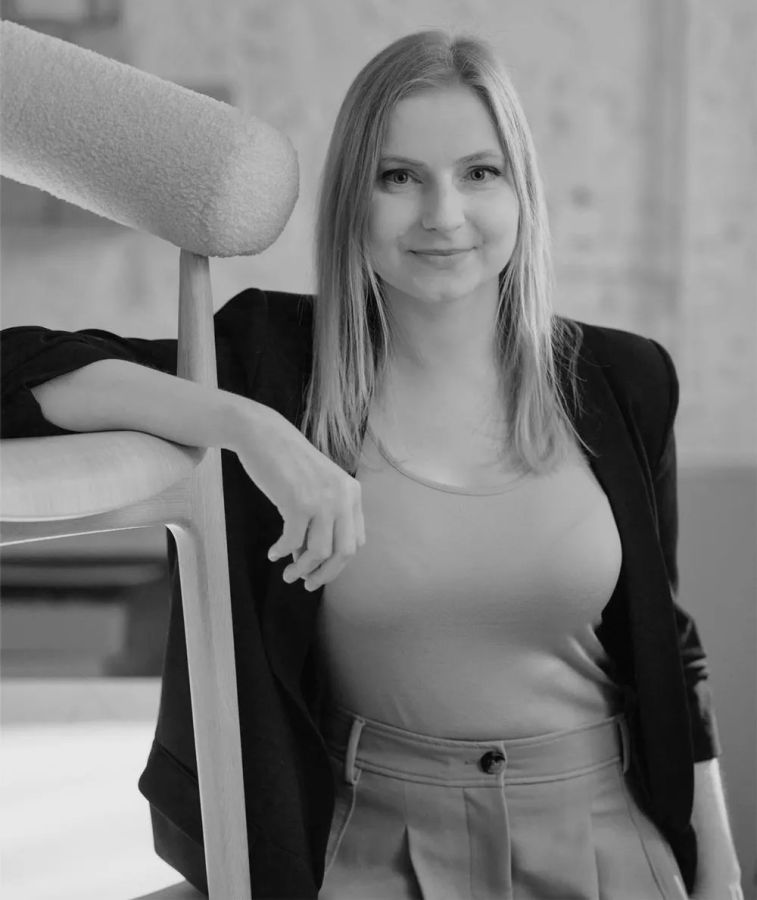
Agnieszka Pikus
Agnieszka Pikus is a talented designer who combines modern aesthetics with functionality, creating unique and inspiring designs. She specializes in fashion and interior design, where her creativity and attention to detail set her apart from others. Her works are characterized by a harmonious combination of colors, materials and forms, which gives each project an individual character. Agnieszka draws inspiration from both classic trends and innovative solutions, which allows her to create timeless and at the same time avant-garde collections. In his work, he is guided by passion and commitment, always striving for perfection. Her designs gain recognition both in Poland and abroad, and she is perceived as an innovator and visionary in the world of design.
Aguskim
Aguskim is a modern creative studio specializing in creating unique graphic designs, photography and video materials. We combine passion for visual art with a professional approach to each order. Our team consists of experienced creators who ensure the highest quality and aesthetics of implemented projects. We offer comprehensive service from the idea through implementation to the final effect that meets the expectations of even the most demanding customers. We work with brands, artists and companies that care about originality and a strong visual message. Studio Aguskim is a space where creativity meets professionalism.
Ahm & Lund
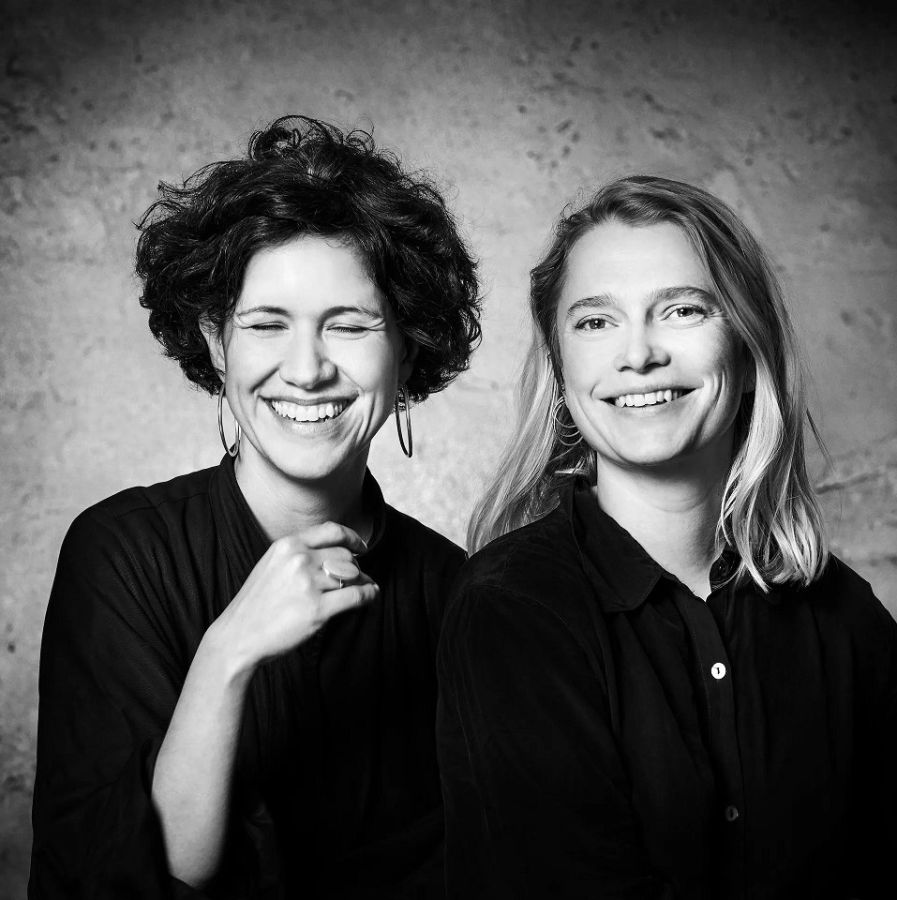
Ahm & Lund is a Danish design studio founded by Sigrun Ahm and Morten Lund, specializing in the design of furniture, lighting and interior solutions. The duo has gained recognition for precisely combining traditional craftsmanship with modern aesthetics, which can be seen in their minimalist, yet functional designs. The studio focuses on the quality of materials, subtle details and the durability of objects. Ahm & Lund gained fame after winning the prestigious Next Danish Design Classic competition organized by DR (Danish National Television), presenting an elegant workbench that combines display and utility functions. Their works are characterized by a calm, timeless form and respect for the Danish design tradition.
Alain Gilles
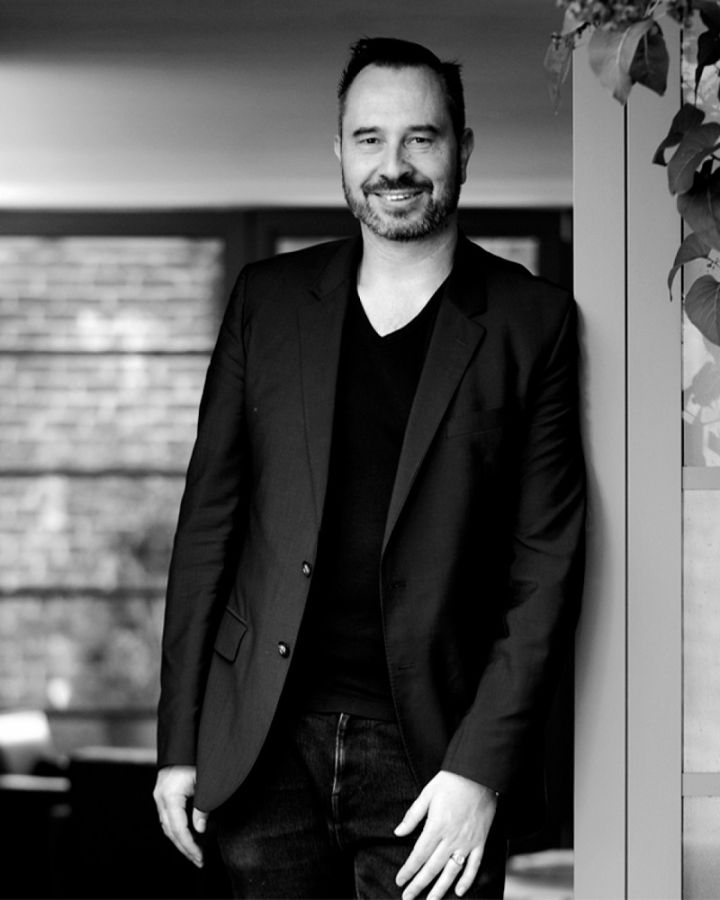
Alain?Gilles is a Belgian designer who started his career in international finance, but after 5 years turned to industrial design. In 2007, he founded his own studio, combining products, furniture, art direction and set design. His works are characterized by architectural imagination, elegance and innovative aesthetics, which has resulted in numerous awards: including: Designer of the Year (Biennale Kortrijk 2012), Red Dot Best of the Best, Henry Van de Velde, Good Design Award. He cooperates with, among others: with the brands: Miniforms, Bonaldo, BuzziSpace, Ligne?Roset, Casamania, O'Sun, La Chance, Verreum. Projects such as Big Table, Barry Table, Nomad solar lamp, and contract furniture have gained recognition for their innovation, aesthetics and durability.
Alberto Basaglia & Natalia Rota Nodari
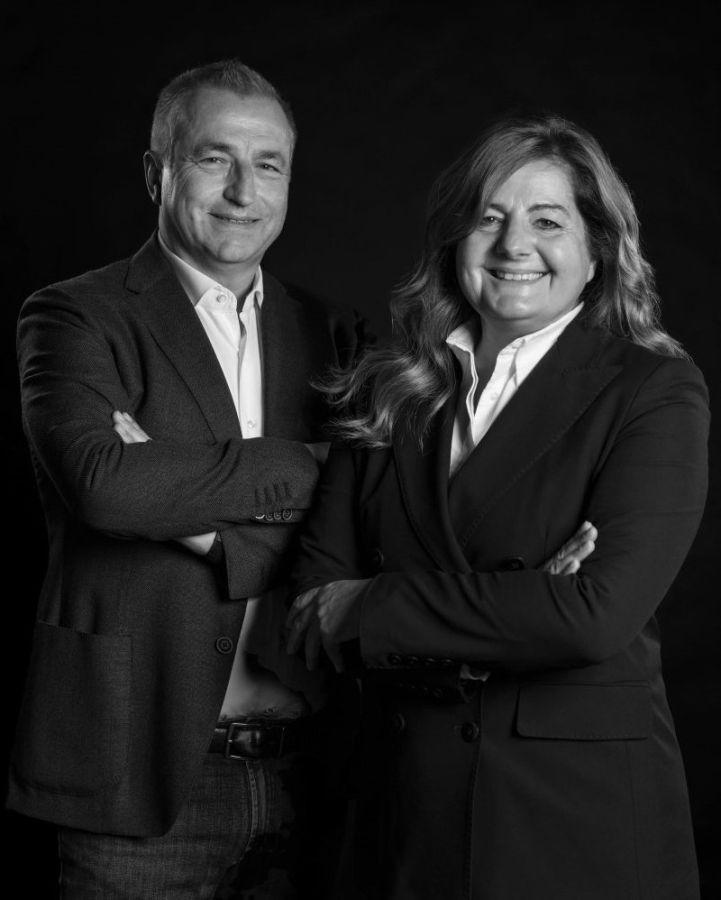
Alberto Basaglia and Natalia Rota Nodari are Italian architects and designers who have been running the joint studio Basaglia + Rota Nodari Architetti since 1997 Associati. They met while studying at the Politecnico di Milano, where they both graduated with honors in architecture in 1995. Their activities cover a wide range of projects: from urban planning and architecture, through interior design, to industrial design and graphics. In 1999 they won the Young & Design Award for the "Antennati" collection for YDF, and in 2007 they received the Good Design Award for the Boox modular shelving system for Rexite. They cooperate with many renowned brands, such as Pedrali, for which they designed, among others: lamps L001, L002, Colette and Giravolta, and with Via Seating, Viganò and Diemmebi. Their designs are characterized by functionality and strong character, as well as attention to details and optimization of the production process.

Aldo Ciabatti
Aldo Ciabatti is a renowned Italian industrial designer who has been contributing to the success of the EMU brand, specializing in modern garden furniture, for years. His designs combine minimalist aesthetics with functionality and durability, creating timeless forms, perfect for outdoor spaces. Ciabatti is famous for its ability to give metal a light, elegant expression, as exemplified by collections such as Thor, Round and Ronda. His approach is based on harmony between technology and design - each chair or table designed by him is characterized by ergonomics, simplicity and aesthetics inspired by Italian craftsmanship. Cooperation with EMU resulted in icons of outdoor design that gained recognition not only in Europe, but also around the world.

Aldo Rossi
Aldo Rossi (1931–1997) was an outstanding Italian architect and designer, combining rationalism with a poetic approach to form. Known for architecture inspired by the history and memory of a place, he created everyday objects with equal passion. He collaborated with Alessi (Il Conico kettle, La Cupola coffee machine), Molteni & C (Paris chair, Elba wardrobe), Artemide (Febo lamp) and UniFor. His designs are characterized by pure geometry, references to the classics and exceptional attention to detail. Rossi was the first Italian to receive the Pritzker Prize (1990). His work has had a huge impact on contemporary design and architecture.

Alejandro Ruiz
Alejandro Ruiz was an Argentine industrial designer, known for his minimalist yet emotional approach to form. He graduated in industrial design from the Universidad Nacional de La Plata and then continued his education at the Domus Academy in Milan. He collaborated with studios such as Alchimia and Gregotti Associati, and in 1989 he founded his own studio in Milan. His most recognizable project is the grater parmesan "Parmenide" for Alessi, which combines functionality with sculptural form and was included in the MoMA collection. Ruiz also designed for companies such as Electrolux, Venini and Riva 1920, creating everyday objects with high aesthetics and well-thought-out ergonomics. As a lecturer at the Istituto Europeo di Design and Domus Academy, he inspired subsequent generations of designers. His works remain an example of harmony between art and utility.
Alessandro Busana
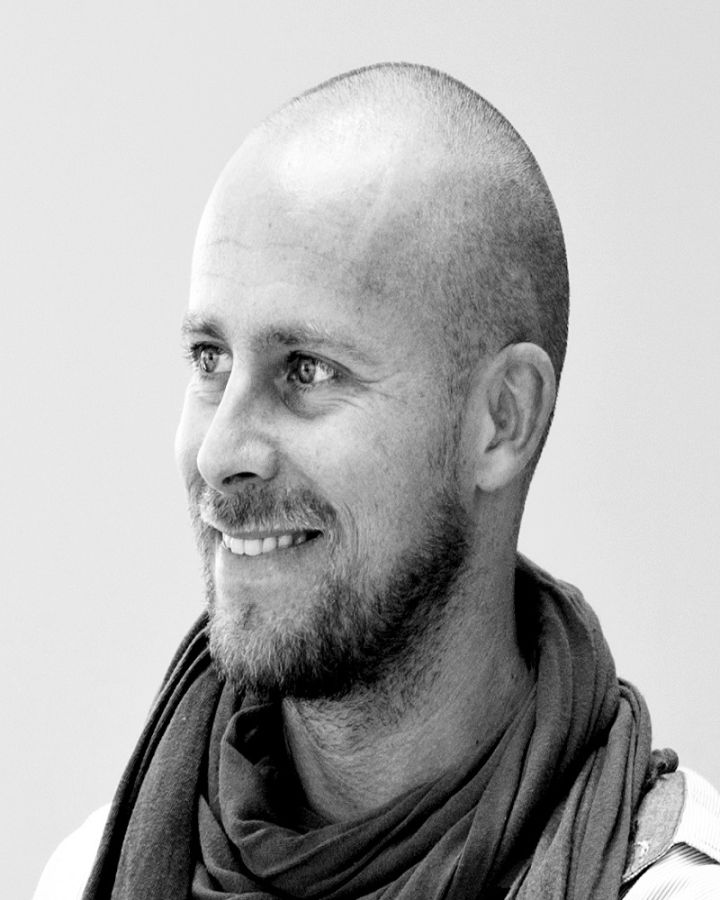
Alessandro Busana is an Italian designer born in 1977 in Padua. He studied industrial design at Scuola Italiana Design, and since 2004 he has been active in the industry, combining functionality with emotional expression. In 2009, he founded his own studio "Hole Designstudio", specializing in the design of furniture, lighting and utility accessories. His designs are characterized by modern aesthetics, attention to detail and often an unconventional approach to form. Busana cooperates with many renowned brands, such as Pedrali, Bonaldo, Saba Italia and Calligaris. The hallmark of his work is the balance between technology, comfort and subtle irony. His works have been presented at prestigious international exhibitions, including: in Milan and Cologne, gaining recognition in the design community.
Alessandro Dubini
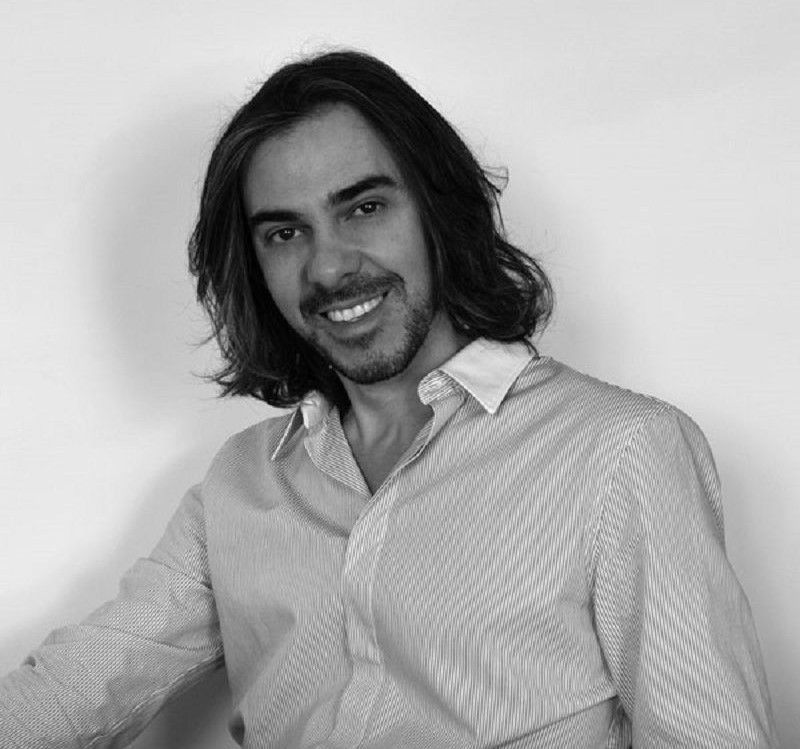
Alessandro Dubini is an Italian designer known for his emotional, elegant and often surprising approach to design. Born in 1975, he studied architecture and industrial design, and his style combines technological innovation with poetic lightness of form. In 2000, he founded his own studio, implementing projects in the field of furniture, lighting, interiors and exhibitions. He cooperated with renowned brands such as Zanotta, Ligne Roset, Roche Bobois and Skitsch. His works often refer to classic motifs, but reinterpret them in a modern, often humorous way. Dubini experiments with materials and new technologies, while maintaining a refined aesthetic. His designs are functional and at the same time full of character and emotion.

Alessandro Mendini
Alessandro Mendini was an outstanding Italian architect, designer and design theorist, known for his colorful, expressive style and participation in postmodern movements such as Alchimia and Memphis. He combined art with design, giving everyday objects a poetic and often ironic character. He designed for brands such as Alessi (the iconic Anna G. wine cork), Kartell, Zanotta, Venini, Swatch, Bisazza, Magis and Superego Editions. He also collaborated with the Foscarini brand and created unique furniture and ceramics. His works are in the collections of MoMA and Center Pompidou.

Alessandro Stabile
Alessandro Stabile is an Italian industrial designer, known for his minimalist style and functional approach to design. A graduate of the Politecnico di Milano, he also studied at the prestigious Scuola Politecnica di Design. He started his career in the Odo Fioravanzi studio, and in 2011 he founded his own design studio in Milan. Stabile has collaborated with many well-known brands, such as Scab Design, Moleskine, Alessi and Foppapedretti. His works have been awarded many times, including: by ADI Design Index and Red Dot Award. Alessandro combines modern technologies with craftsmanship precision, creating products that are both aesthetic and practical. He believes that good design is one that makes everyday life easier while remaining durable and timeless.
Alessandro Zambelli
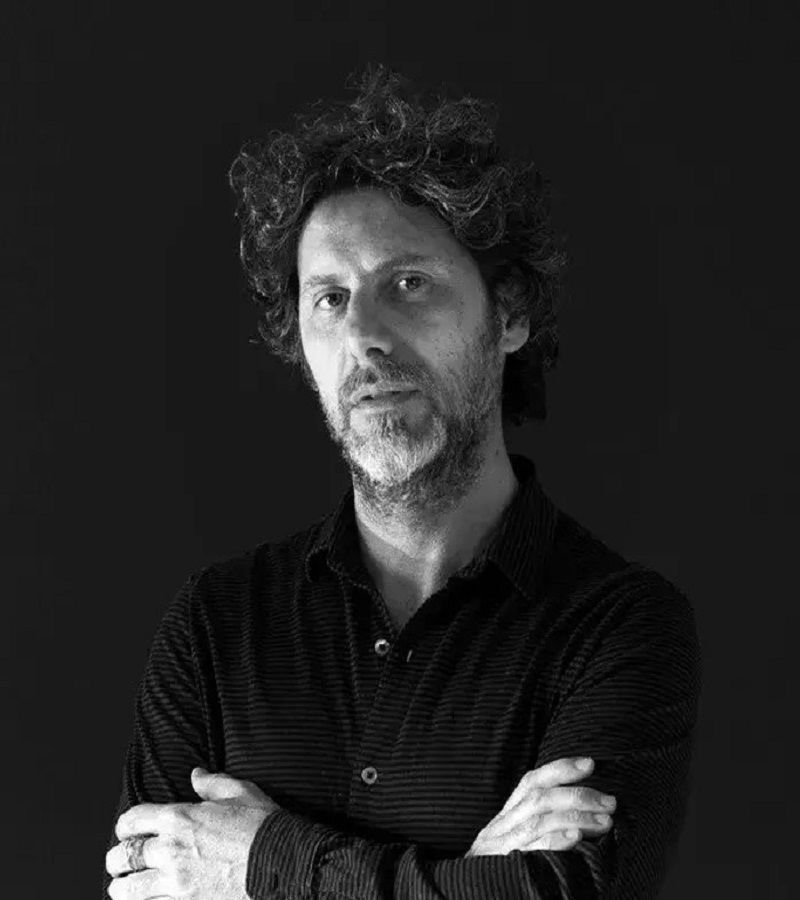
Alessandro Zambelli is an Italian designer and sculptor, known for his creative approach to design and artistic furniture. His works combine modern aesthetics with craftsmanship, often using natural materials and experimental forms. Zambelli creates both unique furniture and decorative objects that become a distinctive element of the interior. His designs are characterized by subtle minimalism, elegance and functionality, often balancing between art and everyday use.

Alessio Romano
Alessio Romano is an Italian industrial designer and founder of the De-signum studio. He studied industrial design at IED in Milan, where his cooperation with brands such as Pirelli and Campari began. Its style combines refined simplicity with functionality and a sense of form. Creates furniture, lighting and accessories - including: lamps for Kundalini, CHINESE and ESAGONO carpets for Calligaris, and ceramic clocks DISH and RING for Atipico. In 2014, he also opened a studio in France, combining the influence of Italian craftsmanship with a modern design approach. His works were presented at the Salone del Mobile, and the designer himself was recognized as one of the most promising artists of the young generation in Italy.
Alex Gabriels
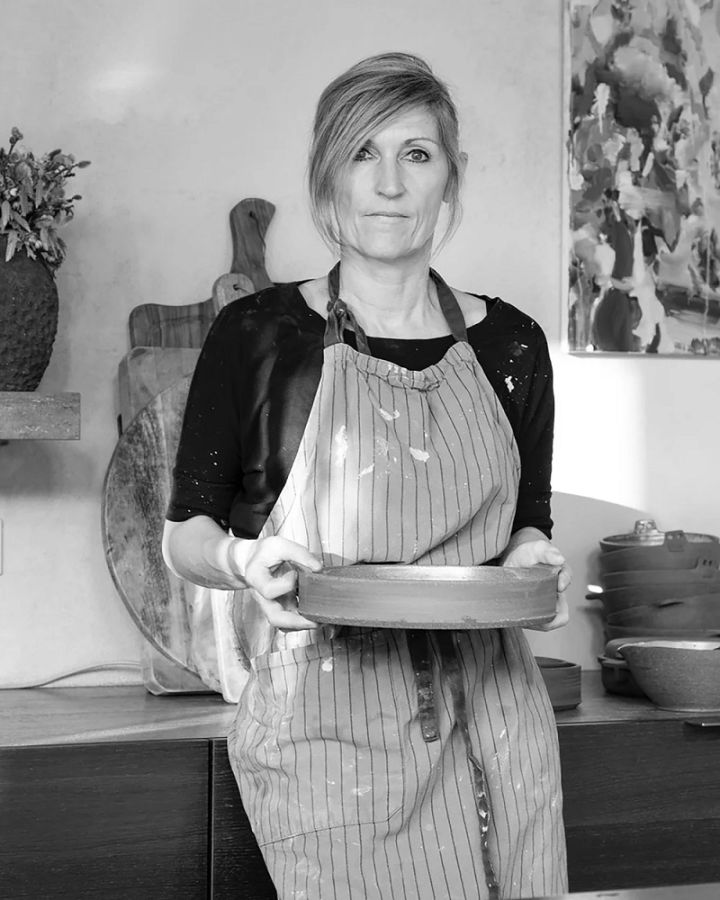
Alex Gabriels is a Belgian designer and ceramicist who began her creative path in the advertising industry as an art director. Over time, she discovered a passion for working with clay and devoted herself entirely to ceramics, creating her own collections of utility items. Her designs are distinguished by sculptural proportions, organic forms and a distinct material texture. Gabriels emphasizes the beauty of raw ceramics, exposing the natural character of the clay. She cooperates with the renowned brand Serax, for which she created, among others: Romé collection, appreciated for its handmade work and unique style.
Alexander Girard
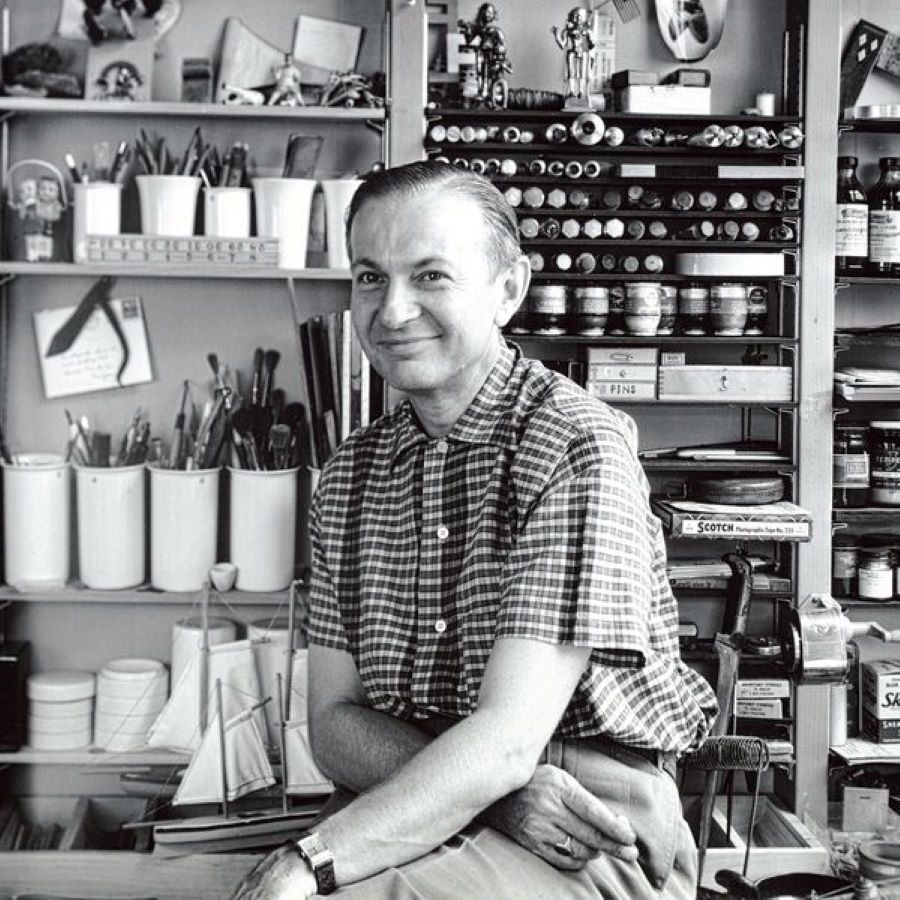
Alexander Girard was one of the most important American designers of the 20th century, known for his extremely colorful, joyful approach to design. He specialized in designing fabrics, interiors and everyday objects, combining modernist simplicity with the richness of color and detail. Girard was responsible for the arrangement of many public spaces, including the La Fonda del Sol restaurant in New York. His projects, such as Wooden Dolls for the Vitra brand, to today they delight with their originality and warmth, combining art, craftsmanship and design into a harmonious whole.

Alexander Gufler
Alexander Gufler is an Italian designer born in Merano, who started as a goldsmith in his father's workshop and then studied industrial design in Vienna. In 2010, he founded his own design studio. He is known for minimalist, functional furniture that combines craftsmanship with modern form. He works closely with the Czech brand TON, for which he created, among others, the iconic Merano collection, as well as Alba, Again and La Zitta. His projects have been awarded many times, including: Red Dot Design Award or German Design Award. In the years 2020–2023, he served as the creative director of TON, strengthening the brand's position in the world of design.

Alexander Seifried
Alexander Seifried is a German designer who combines solid craftsmanship with modern design. At the age of 18, he completed his carpentry apprenticeship with distinction and then studied interior and furniture design at 3F Design in Stuttgart. In 1999, he founded his own studio UnternehmenForm and two years later he presented his first furniture collection at Designers' Saturday in Stuttgart. Since then, he has collaborated with renowned brands such as Richard Lampert, Elmar Flötotto, Magazin or frauMaier. His designs include both furniture and comprehensive interior design concepts for offices, hotels and public spaces. An important achievement is the Famille Garage series for children, which has won prestigious awards such as the Interior Innovation Award and the German Design Award.
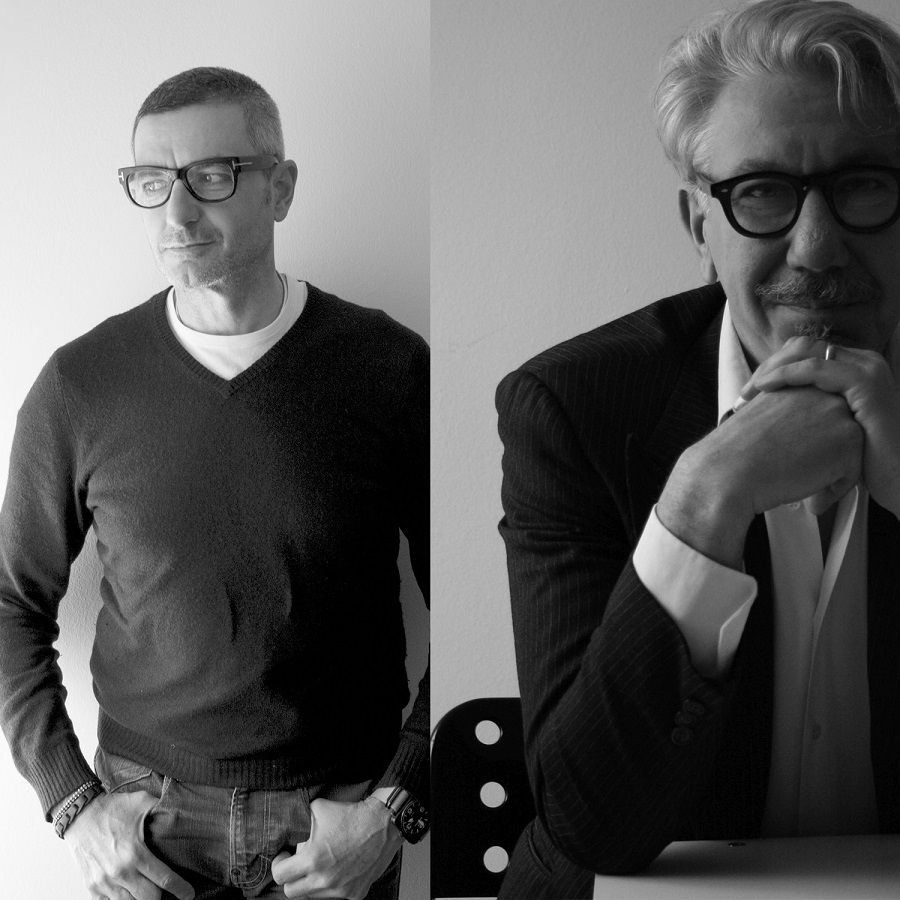
Alfredo Chiaramonte & Marco Marin
Alfredo Chiaramonte and Marco Marin are an Italian duo of designers whose work combines modern aesthetics with the tradition of Italian design. Chiaramonte studied architecture in Venice, and Marin studied graphics and industrial design. They have been cooperating since the 1990s, creating projects for renowned brands such as Vistosi, Calligaris, Brokis and Emu. Their works include furniture, lighting and everyday objects, and are characterized by lightness of form, functionality and a sense of proportion. They are known for their glass lamp designs with a delicate, sculptural form, appreciated at design fairs around the world. Repeatedly awarded for originality and quality of workmanship, Chiaramonte and Marin remain faithful to the principle that good design is a harmony between usability and emotional impact.

All the Way to Paris
All the Way to Paris (ATWTP) is a Copenhagen-based design studio known for its distinctive approach combining Scandinavian minimalism with artistic sensitivity. All the Way to Paris excels in graphic design and visual identity for museums, galleries, publishing houses and clients in the culture and design sector. Their works are characterized by attention to detail, handcrafted style and a subtle visual narrative. They create for institutions such as the National Museum in Stockholm or renowned brands such as Please Wait to Be Seated, Hay or Kvadrat, balancing between aesthetics and functionality.

Allan Noddebo
Allan Nøddebo is a Danish designer who graduated from the Danish Design School in 2011. His approach to design combines aesthetics with functionality, striving to create objects that improve everyday life. Nøddebo designs with users in mind, and his works are distinguished by simple lines and a timeless style. He cooperates with renowned brands such as Bolia, for which he designed, among others: Elope Mirror collection – a mirror with organic shapes inspired by the Danish archipelago. His designs have gained international recognition and have been presented at many exhibitions. Nøddebo runs his own studio, Studio Nøddebo, where he creates projects combining modern design with practical functionality.
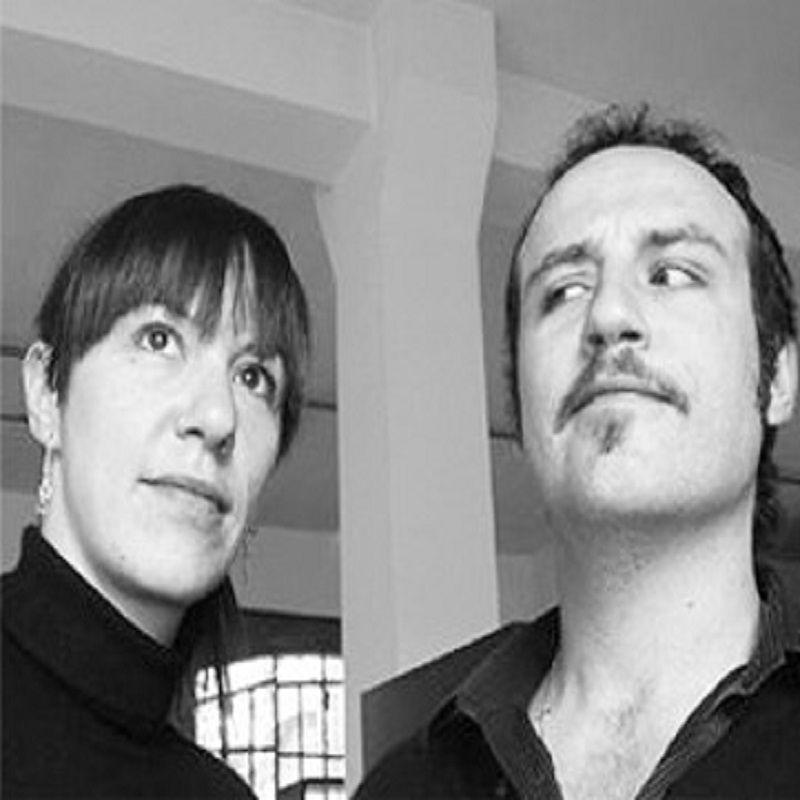
Alpestudio
Alpestudio Architetti Associati is an Italian design studio founded in 2006 by siblings Luca and Alessia Perini, graduates of the Polytechnic University of Milan. The studio specializes in interior design, industrial design, graphics and visual identification. Their works are characterized by a combination of functionality with expressive aesthetics, drawing inspiration from everyday experiences, films and literature. Alpestudio has presented its projects at international events such as Salone del Mobile in Milan, fulfilling orders both in Italy and abroad. Their approach to design combines creativity with practicality, creating spaces and products that meet the needs of modern users.
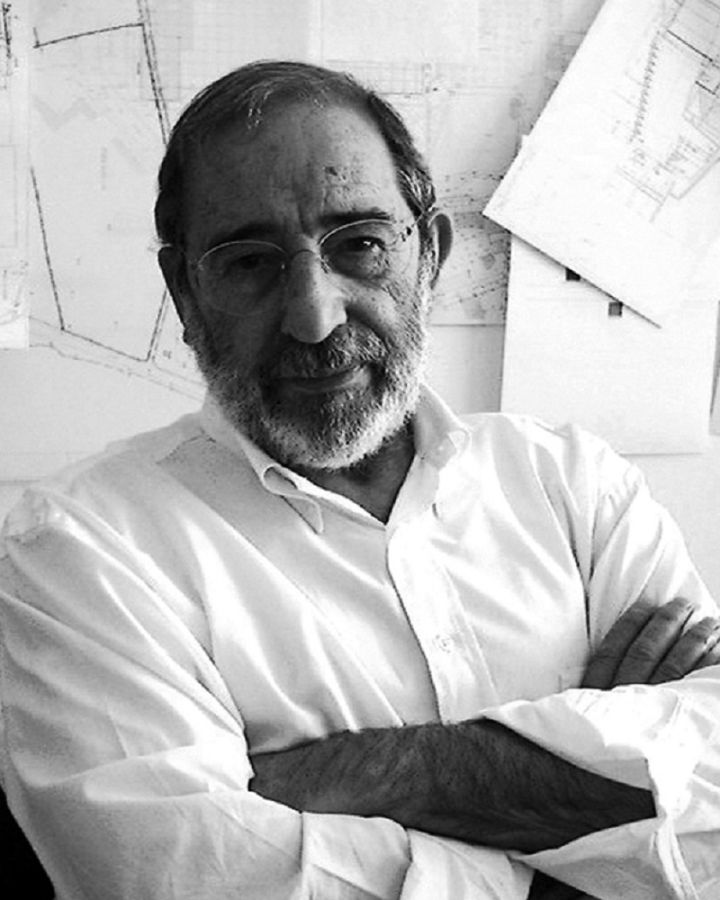
Alvaro Siza
Álvaro Siza Vieira is one of the most outstanding contemporary architects, winner of the Pritzker Prize (1992), the Golden Lion of the Venice Biennale and many prestigious awards. His style combines modernist simplicity with exceptional sensitivity to the context of the place. Siza's designs are characterized by a subtle play of light, clean lines and skillful integration into the surroundings, which makes the buildings coexist harmoniously with the landscape. The most famous implementations include, among others: Casa de Chá da Boa Nova, the Tidal Pool in Leça da Palmeira, the Serralves Museum in Porto or the Church of Santa Maria in Marco de Canaveses. Siza is also a professor who has educated generations of architects.

Amanda Borberg
Amanda Borberg is a Danish designer specializing in textiles and functional design. She graduated from the Royal Danish Academy of Fine Arts in Copenhagen, where she developed her characteristic style combining minimalist form with delicate colors and functionality. She has collaborated with renowned brands such as HAY, creating designs inspired by Scandinavian tradition, but with a modern, fresh approach. Her works are distinguished by their subtle aesthetics and thoughtful approach to materials, which fit into the philosophy of sustainable design.
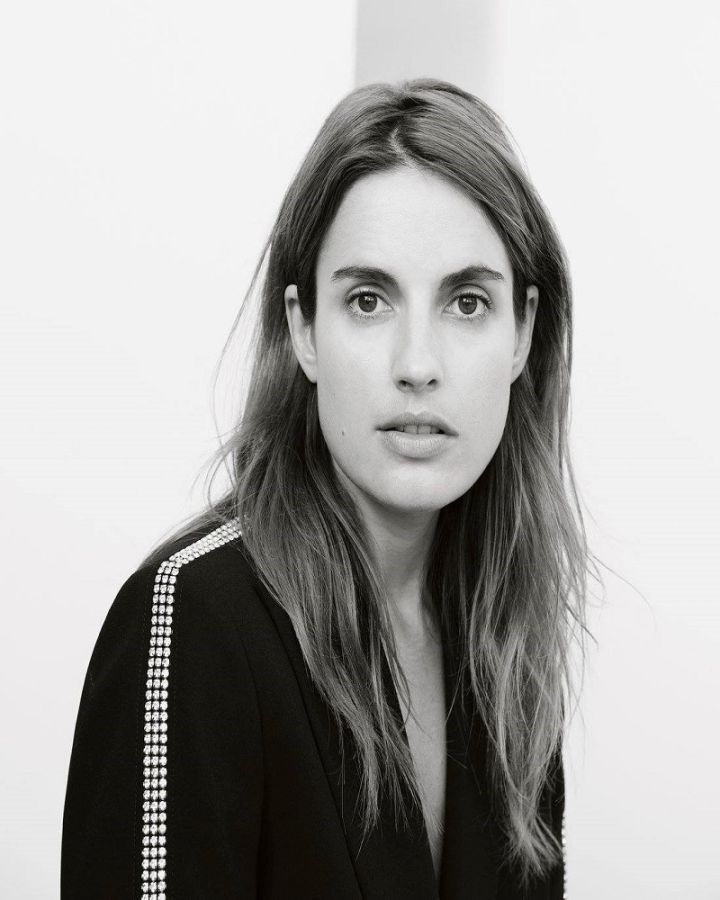
Ana Kras
Ana Kraš is a Serbian designer, artist and photographer, known for her multidisciplinary approach to design. She was born in Belgrade, where she studied design, and currently lives and works in New York. Her works combine craftsmanship with artistic intuition - from the characteristic "Bonbon" lamps made by hand, to minimalist furniture and illustrations. Kraš is inspired by everyday life, traditional techniques and natural materials. Her style is a combination of severity, warmth and emotional simplicity. She cooperated with, among others: with the HAY, Louis Vuitton and Ganni brands.

Anders Brogger
Anders Brøgger is a Danish furniture designer known for unique, modern designs that combine functionality with aesthetics. He graduated in furniture design from the Royal Danish Academy of Fine Arts in Copenhagen, where he developed his skills in creating furniture that is both functional and beautiful. Brøgger believes that design should start with the material. He prefers working with wood, especially ash, and his favorite place of inspiration is the Marmorkirken church in Copenhagen. The artist has collaborated with renowned brands such as Fritz Hansen, for which he created projects combining modern design with traditional craftsmanship.
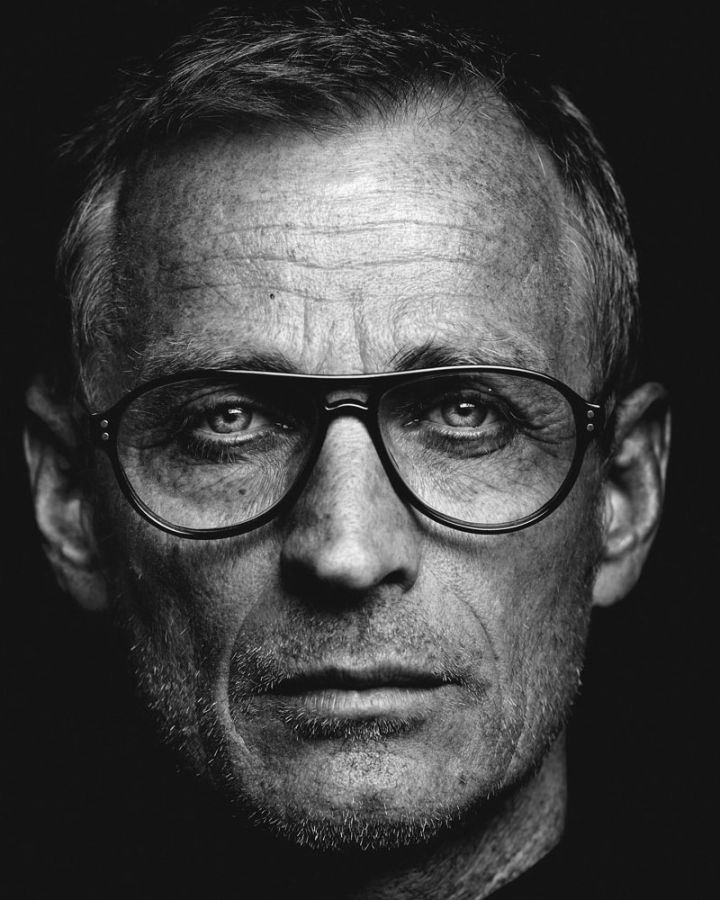
Anders Hermansen
Anders Hermansen is a Danish designer known for his unique approach to form, technology and functionality. He graduated from the Royal Danish Academy of Fine Arts, and his career dates back to the 1980s, when he started working with Bang & Olufsen - an icon of Scandinavian audio design. Hermansen creates designs with a light, architectural structure, often using metal, glass and modern materials. His furniture, lighting and consumer electronics are characterized by a minimalist yet expressive style. The designer's works were presented in prestigious galleries and won numerous industry awards. Anders Hermansen combines engineering precision with artistic freedom, creating timeless and functional products - perfect for conscious users who value modern design and high quality of workmanship.

Anders Klem
Anders Klem is a Danish designer, graduated from the Royal Danish Academy of Fine Arts in 2013, and has been associated with the UMAGE brand as an in-house designer since the same year. His designs combine artistic lines with distinct simplicity, characterized by attention to detail and solid technical knowledge. Klem is the author of many furniture and lighting designs for UMAGE, including the "A Conversation Piece", "Duende", "Santé" collections and the "Carmina" lamp, co-created with Søren Ravn Christensen. His works reflect the Scandinavian approach to design, combining minimalism with functionality and aesthetics. Klem strives to create affordable, durable products that meet the needs of today's users and the environment.

Anderssen & Voll
Anderssen & Voll is a Norwegian design duo consisting of Torbjørn Anderssen and Espen Voll - founders of the studio from Oslo, known for their designs for brands such as Muuto, Audo Copenhagen and &Tradition. Their works combine Scandinavian minimalism with refined form and subtle detail. They design furniture, lighting and everyday accessories, focusing on quality, functionality and timeless character. Their style is described as soft modernism - harmonious, friendly, but far from cold. Anderssen & Voll has won numerous awards, including: Red Dot Award or IF Award
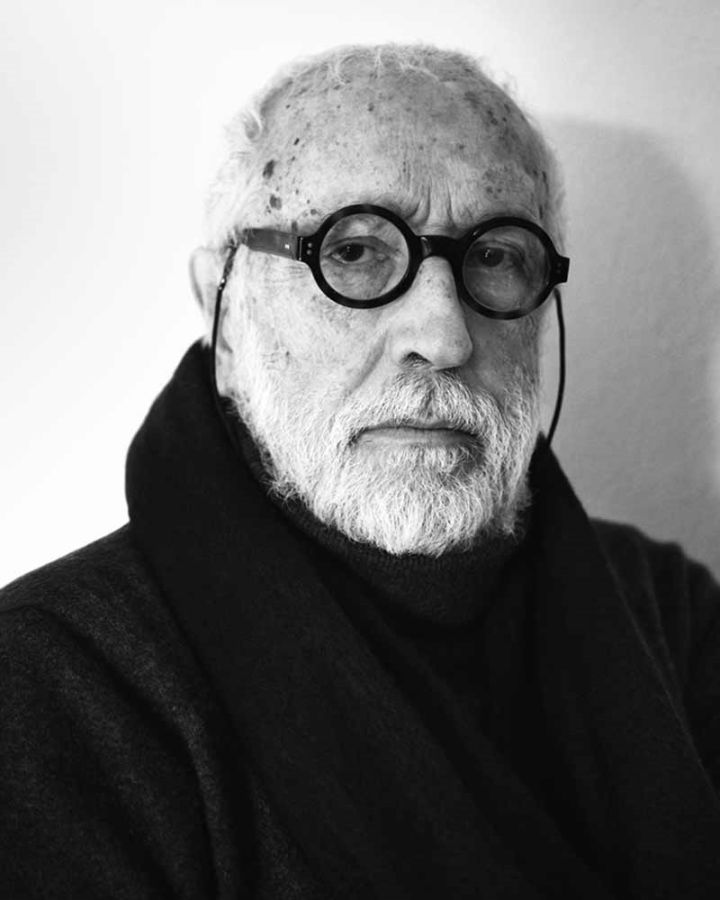
Andrea Branzi
Andrea Branzi was an Italian architect, designer and theorist considered one of the key figures of 20th century Italian design. He graduated in architecture in Florence in 1966, after which he co-founded the Archizoom Associati group, known for the utopian project "No-Stop City". In the 1970s, he collaborated with the experimental studio Alchimia, and in the 1980s with the Memphis movement. In 1983, he co-founded Domus Academy in Milan. His works, such as the "Animali Domestici" series, combined natural materials with industrial design, questioning the boundaries between art and utility. Branzi was a two-time Compasso d'Oro winner and lecturer at the Politecnico di Milano. His works are in the collections of MoMA, Center Pompidou and V&A. Died in 2023 Milan, leaving behind a legacy combining theory, practice and a humanistic approach to design.
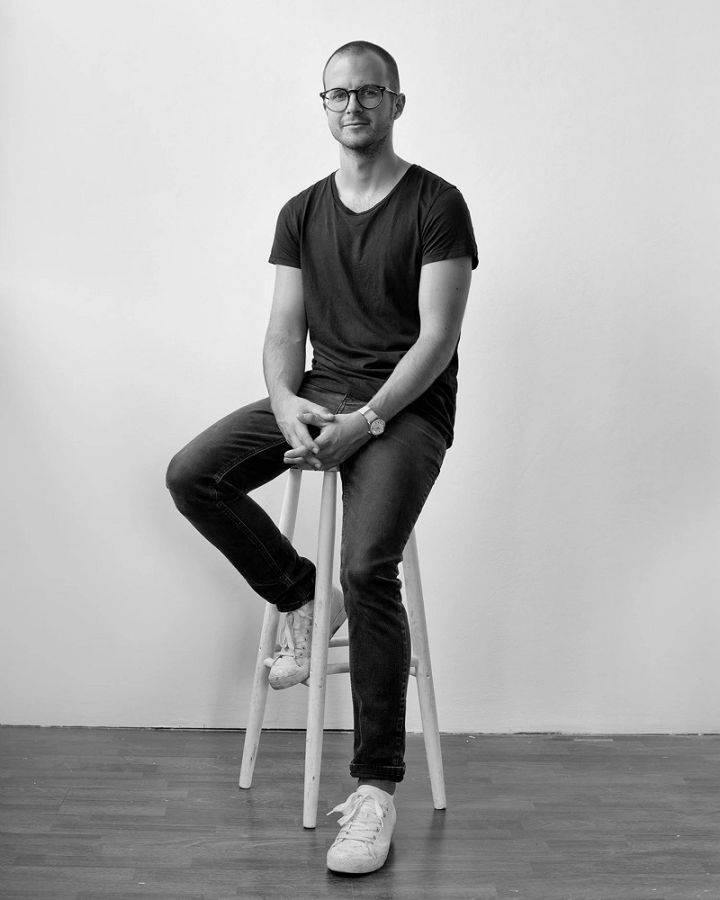
Andreas Bergsaker
Andreas Bergsaker is a Norwegian industrial designer specializing in creating everyday objects with strong roots in Scandinavian craftsmanship and tradition. He was born in 1990 in Oslo and educated at Oslo Metropolitan University. His designs combine modern functionality with simplicity of form and attention to detail. At the center of his work are durability, utility and emotional attachment to objects. Bergsaker cooperated with, among others, with the HAY and Fogia brands, and his works are characterized by a calm, timeless aesthetic and a conscious approach to materials and the environment.
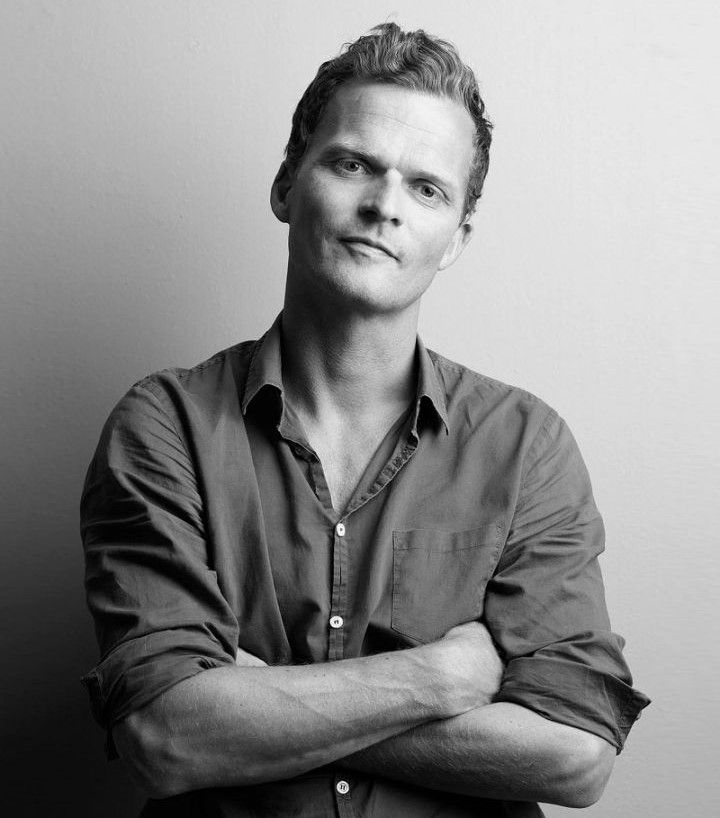
Andreas Engesvik
Andreas Engesvik is a Norwegian designer considered one of the leading representatives of contemporary Scandinavian design. He studied art history in Bergen and then design at the National College of Art and Design in Oslo. Co-founder of the renowned Norway Says studio, he has been running his own studio, Andreas Engesvik Oslo, since 2010. His designs - from furniture to everyday objects - are characterized by simplicity, balanced form and a clear emphasis on function. He collaborated with brands such as Muuto, Iittala, Fogia and Hay. Engesvik combines tradition with modernity, focusing on emotional relationships between the user and the object.
Andreas Engesvik & Daniel Rybakken
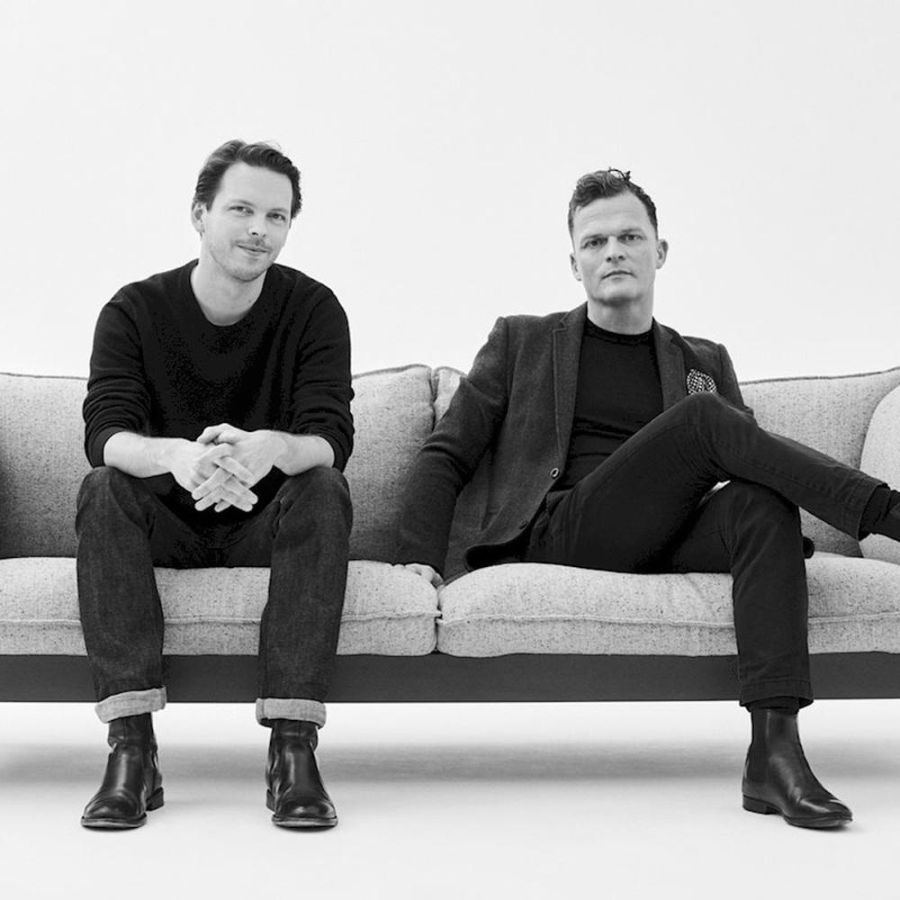
Andreas Engesvik and Daniel Rybakken are two outstanding Norwegian designers, known for their innovative approach to design. Engesvik specializes in furniture and interiors, combining traditional craftsmanship with modern aesthetics. His designs are characterized by functionality and subtle elegance, often using natural materials. Daniel Rybakken, on the other hand, is famous for minimalist and conceptual lamps and products that explore light and space. His works are simple, but full of emotion and precisely thought out. Both designers have gained international recognition, and their works are exhibited in prestigious galleries and museums around the world.
Andreas Kowalewski
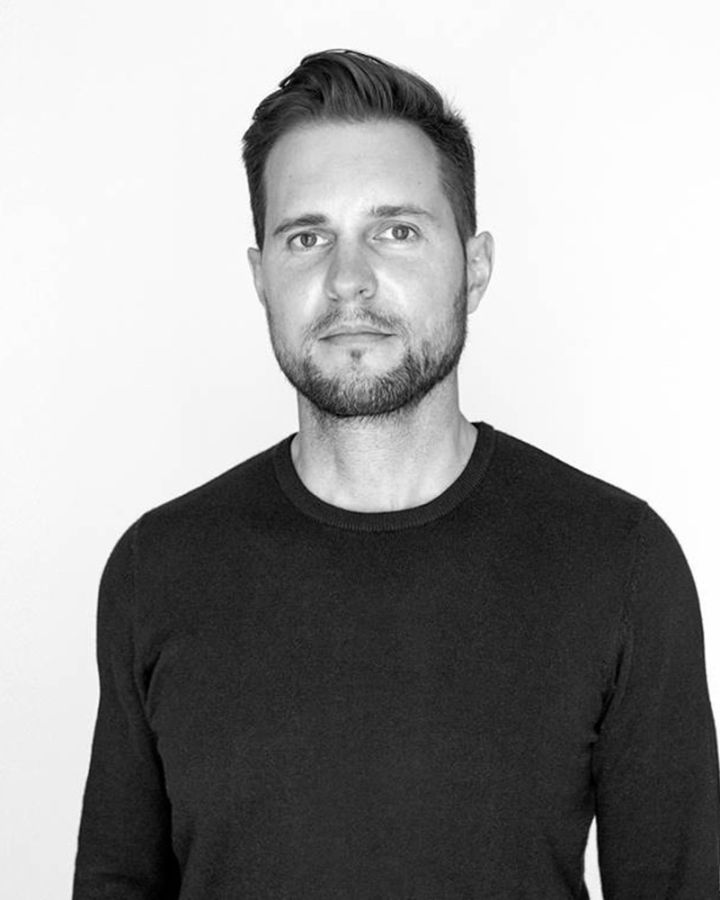
Andreas Kowalewski is a German designer who has gained recognition for his work in the field of industrial design. After graduating as a carpenter, he studied design at the Folkwang Universität der Künste in Essen. He worked for Philips Design and later founded his own design studio in Munich. Kowalewski has cooperated with brands such as Carl Hansen & Søn, Normann Copenhagen and Huawei. His works include furniture, electronics and lighting. His designs are characterized by simplicity of form and functionality. He has won numerous awards for his achievements, including the Red Dot and iF Design Award. In 2021, he became a visiting professor at the University of Arts in Halle.

Andreas Lund
Andreas Lund is a Danish-born designer known for functional and aesthetic furniture that draws on the tradition of Scandinavian design. A graduate of the Danish Design School in Copenhagen, he has been actively working as a designer, lecturer and co-creator of many successful projects for years. His style is based on simplicity of form, respect for the material and the pursuit of timelessness. Lund creates both independently and in collaboration, including: with Thomas E. Alken in the Format studio, where he designs intelligent solutions for private and public interiors. His furniture is not only aesthetic, but also ergonomic and durable, perfect for everyday use. Lund has collaborated with many well-known brands and his works have been presented at international exhibitions. He is a designer who combines modernity with classics in the spirit of Danish design.
Andreas Martin-Lof
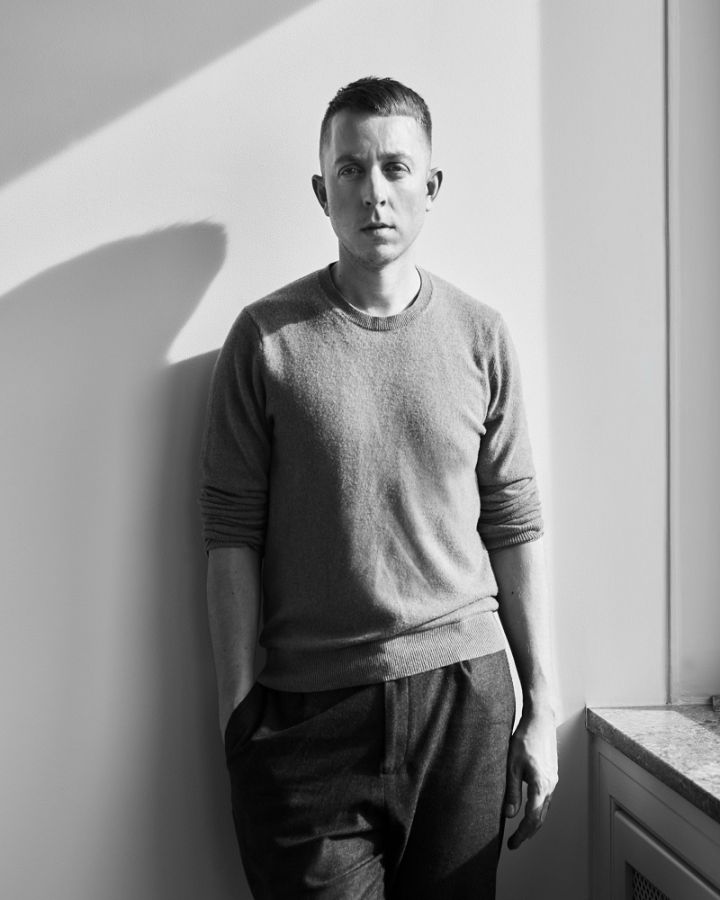
Andreas Martin-Löf is a Swedish architect known for his precise, minimalist approach to design. His works focus on pure form, proportion and material, often combining modern architecture with the subtle, Scandinavian character of space. In 2010, he founded the Andreas Martin-Löf Arkitekter studio in Stockholm, which carries out residential projects, interiors and public buildings. Martin-Löf's style is based on the reduction of unnecessary elements and focusing on the quality of detail - both in architecture and interior design. Characteristic are calm compositions, natural materials and great attention to light and proportions. His projects often balance between the severity and warmth of the material, creating harmonious, functional spaces.
Andreas Ostwald
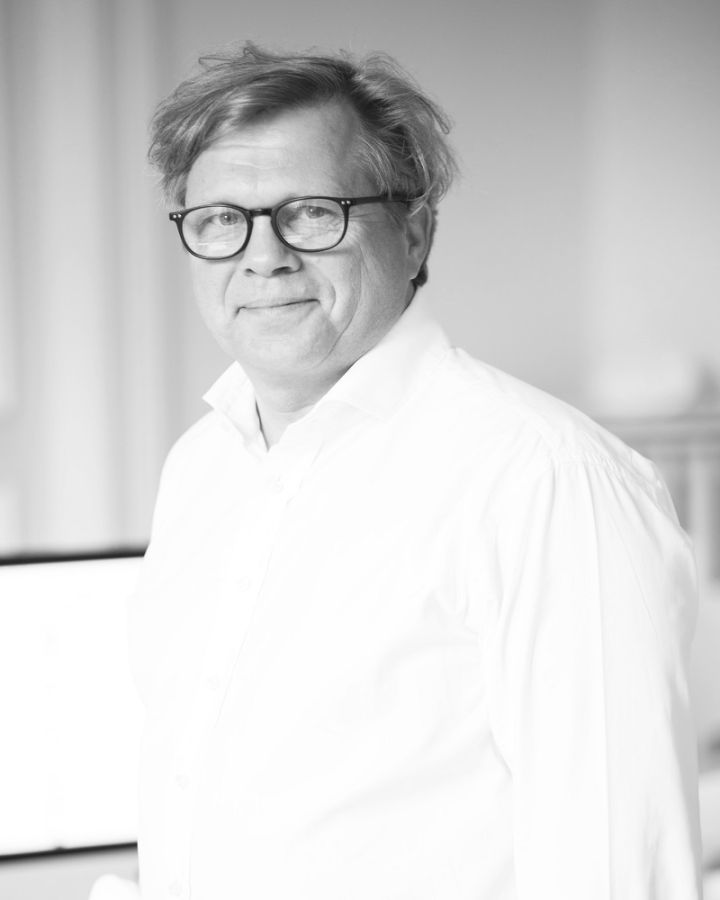
Andreas Ostwald is a German industrial designer who combines a passion for aesthetics with a deep understanding of technology and the environment. After completing his apprenticeship as a ceramic modeler, he studied industrial design in Kiel. In 1996, he founded his own studio – Ostwalddesign – and since 2005 he has lectured at the Hochschule für Künste in Bremen. His work covers a wide range, from everyday products to enterprise architecture, with an emphasis on uniqueness, harmony of proportions and respect for man and the environment. His designs are distinguished by their characteristic lines and attention to detail. In his work, Ostwald strives to achieve aesthetic perfection through absolute proportion, creating objects that are both functional and visually harmonious.

Andrzej Lęckoś
Andrzej Lęckoś is a Polish designer and craftsman, founder of the STROOG brand, known for its original furniture and lighting designs, where innovation meets tradition. His work is distinguished by experimenting with materials, especially wood and metal, and perfect workmanship, often made in short series or as unique pieces. Lęckoś combines modern technologies with handcraft, emphasizing the natural beauty of raw materials. STROOG designs are characterized by an economical, geometric form, functionality and high quality, which makes them suitable for both private interiors and public spaces.
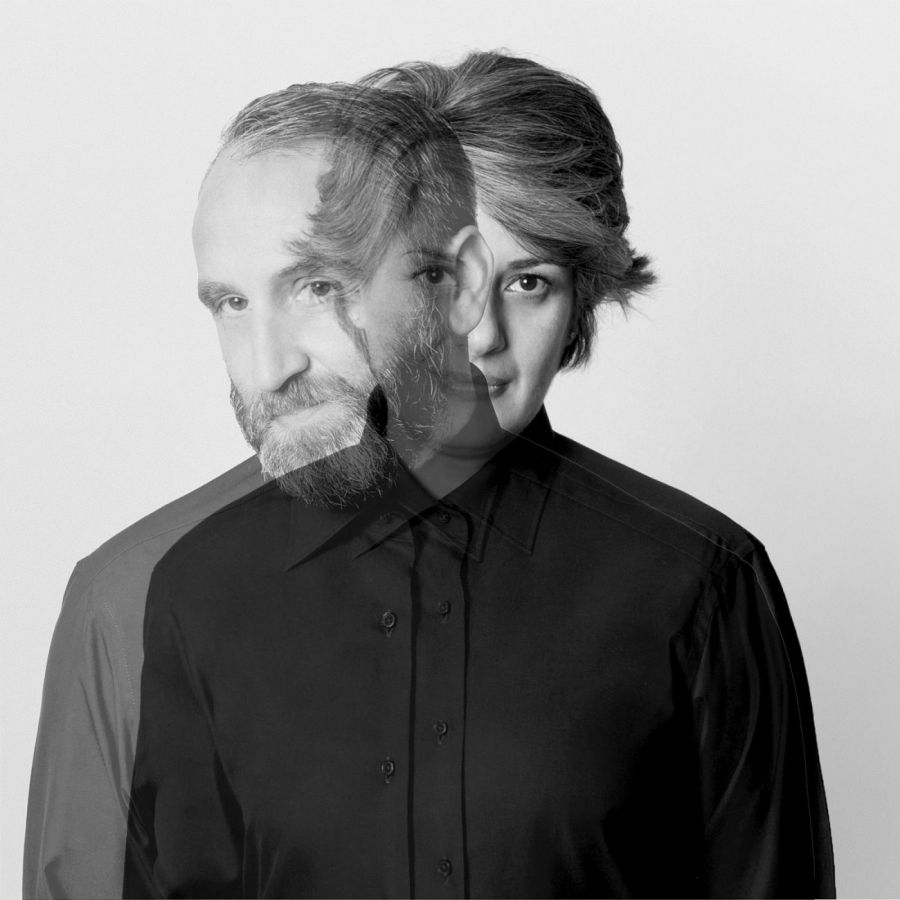
Angeletti & Ruzza
Angeletti & Ruzza is an Italian industrial design duo that has been creating timeless and functional everyday items since 1994. Silvana Angeletti and Daniele Ruzza, graduates of I.S.I.A. in Rome, set up their studio in Rieti away from the main design centers to maintain authenticity and closeness to the user. Their designs, from furniture to lighting, combine minimalism of form with a deep understanding of materials and processes production. They have collaborated with renowned brands such as EMU, Poltrona Frau, Oluce and Guzzini, creating products that have won numerous awards, including the Red Dot Award and Compasso d'Oro. Their approach to design is based on ethics, functionality and aesthetics, which makes their works not only beautiful, but also durable.

Anita Dineen
Anita Dineen is an Australian designer who combines applied art with a poetic approach to form. Her adventure with design began in childhood, when she created a handmade camera from pieces of wood. Later, while studying to become a wool classifier, she discovered her passion for metal as a creative medium. Dineen specializes in cutlery and jewelry design, creating objects that combine functionality with a nature-inspired aesthetic. Her work has received international acclaim, including awards such as the Tasmanian Design Award and People's Choice Award. She has collaborated with renowned brands, including Alessi, for which she designed the Antechinus cheese knife, awarded gold at the New York City Design Awards.
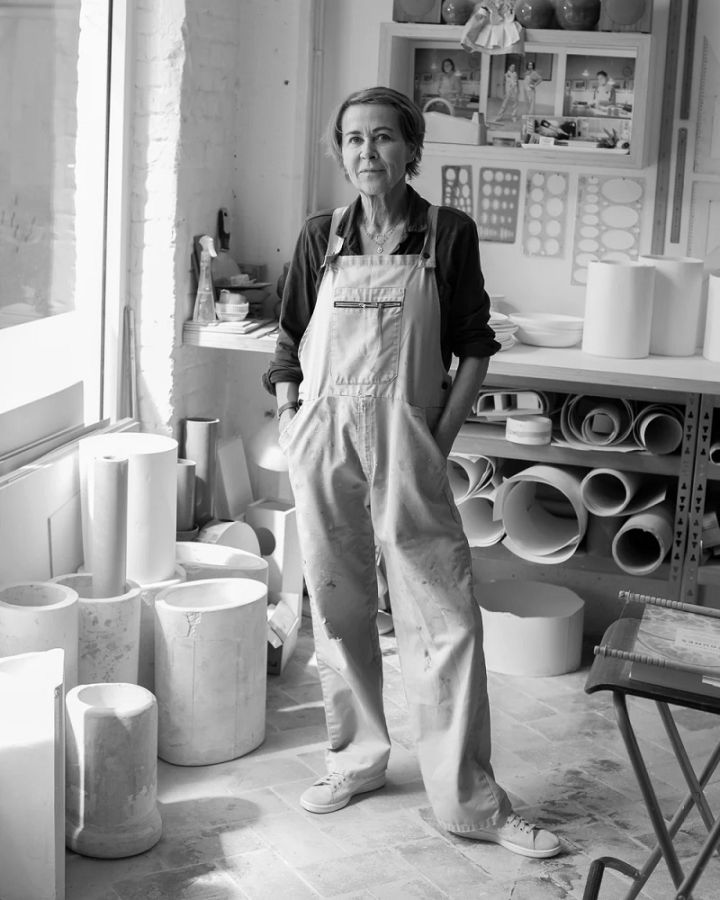
Anita Le Grelle
Anita Le Grelle is a Belgian designer and ceramicist whose works combine artistic sensitivity with functional design. She started her creative path by working in the creative industry, and later devoted herself entirely to ceramics, creating utility items with a unique form and hand-finished details. Her designs often refer to personal stories and emotions. The Terres de Rêves collection, including the Paulina lamp, symbolizes a close bond with her daughter. Anita Le Grelle's style is characterized by organic shapes, subtle details and a distinct material texture, which gives her works a sculptural character.
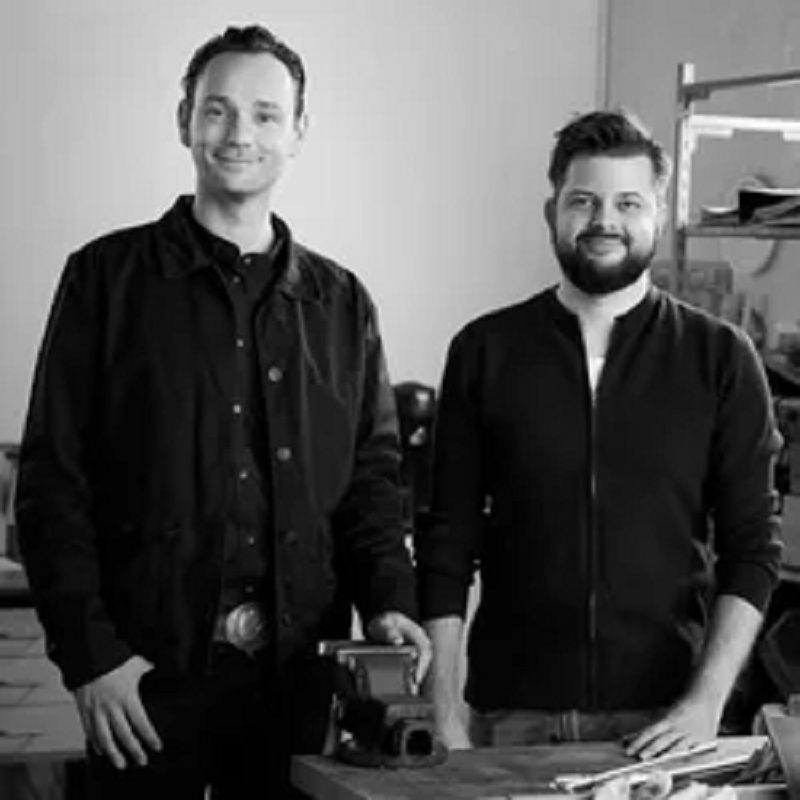
Anker Studio
Anker Studio is a modern design studio specializing in creating unique visual identifications, creative campaigns and consistent brand experiences. We combine aesthetics with functionality, offering a comprehensive approach to design - from concept to final implementation. Our team is passionate about graphics, strategy and communication, who focus on a fresh look and an individual approach to each project. We work with brands that want to stand out, build emotional relationships with their recipients and effectively communicate their values. At Anker Studio, we believe that good design is not just about appearance - it is a tool that works and inspires.
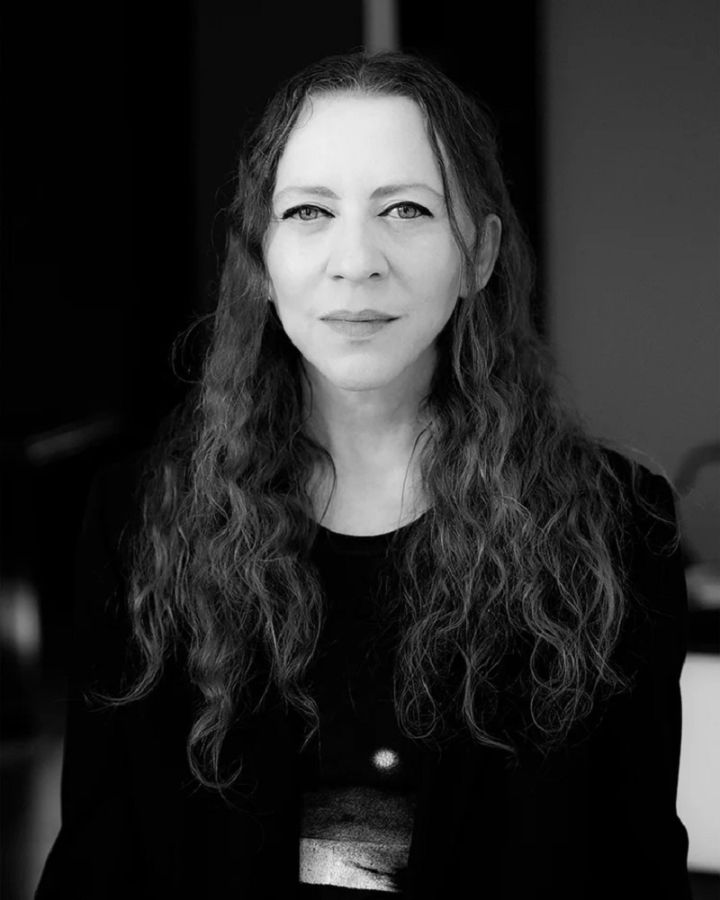
Ann Demeulemeester
Ann Demeulemeester is a Belgian fashion and design designer, one of the key figures of the "Antwerp Six" trend. Her style combines poetic minimalism, dark elegance and refined asymmetry. He creates designs balancing between light and shadow, softness and structure, always with a strong emphasis on craftsmanship and noble materials. Cooperation with the brand Serax transfers its aesthetics to the world of interiors, where each object becomes a sculptural, atmospheric composition maintaining its characteristic subtle intensity.
Ann Kristin Einarsen
Ann Kristin Einarsen is a Norwegian artist and ceramic designer living and working in Oslo. She holds a Master's degree in Applied Art from the Academy of Fine Arts in Oslo and a degree in crafts from Volda and Telemark. Einarsen specializes in creating sculptures, installations and functional objects in ceramics and porcelain, exploring the properties of the material and its artistic potential. Her works often combine natural inspirations with modern design, reflecting the fascination with nature with childhood spent in northern Norway. In 2019, she implemented the #365vases project, in which she published a photo of a new, unique vase every day on Instagram, exploring the form, techniques and functionality of ceramics. Her works have been presented at exhibitions in Oslo, Milan, London and New York, and have been purchased by institutions such as Nordnorsk Kunstmuseum.
Anna & Signe
Anna & Signe is a Danish designer duo who believes that the best design combines a clear purpose with high comfort of use. Artists prefer to soft, rounded forms that give the furniture a cozy and inviting character. Their approach focuses on creating designs that are both functional and aesthetic with an emphasis on details and quality of workmanship. Working with the Bolia brand, they have created a collection of Saga armchairs characterized by ergonomic shapes and soft upholstery ideal for relaxation and rest. Anna & Signe's designs reflect Scandinavian aesthetics, combining minimalism with functionality, which makes them timeless and universal.

Anna Deplano
Anna Deplano is an Italian designer who combines research on color, decoration and craftsmanship with advanced design. She graduated from the Politecnico di Design and the Brera Academy of Fine Arts in Milan, where she lives and works as a consultant for many brands, including Zanotty, with which she has been cooperating since 1998. Her work includes the design of furniture, lighting, fabrics and accessories, often inspired by traditional techniques such as Sardinian basketry, which she reinterpreted in modern forms.

Anna Karnov & Clara Mahler
Anna Karnov & Clara Mahler is a Danish designer duo who create products that combine functionality with aesthetics with an emphasis on durability and timeless design. Their works are characterized by the subtlety of form and the use of materials that age gracefully, avoiding temporary trends. Cooperating with the Bolia brand, they presented, among others: a series of Story tables distinguished by openwork fronts made of wooden columns that allow you to display items or subtly hide them. These products are handmade of FSC-certified oak wood, which emphasizes their ecological value. Designers strive to create objects that not only fulfill a utilitarian function, but also tell their own story, becoming part of the user's everyday life.
Anna Kraitz
Anna Kraitz is one of the most original contemporary Swedish designers. She gained her education in Budapest, Paris and at Beckmans School of Design in Stockholm. He creates both small everyday objects and large furniture forms. Kraitz's works are characterized by careful observation of everyday life, minimalist forms with a hint of subtle humor and material sensitivity. She has won prestigious awards, including: Bruno Mathsson Prize and the title of "Designer of the Year", and her projects were presented in prestigious museums and at international exhibitions. She designs for brands such as Källemo, Nola and Svenskt Tenn, and her collections such as the Cinderella tableand the Lotus vase combine functionality with decorative lightness.

Anne Dorthe Vester & Maria Bruun
Anne Dorthe Vester and Maria Bruun are a Danish designer duo who combine architecture and design in a unique, poetic way. Both artists come from Copenhagen, and their cooperation is based on a dialogue between form, material and space. Maria Bruun, a furniture designer, and Anne Dorthe Vester, an architect, create objects that balance on the border between sculpture and utility. Their works are characterized by minimalist aesthetics, deep respect for craftsmanship and the ability to extract expression from simple materials such as wood, stone or metal. The duo's designs have been presented at international exhibitions, including: in Milan and Stockholm. Vester and Bruun consistently prove that design can be a form of storytelling - subtle, reflective and beautiful in its simplicity.
Anne Hirvonen
Anne Hirvonen is a Finnish designer specializing in working with materials, especially glass. She graduated in furniture design from Lahti Institute of Design in 2019 and then obtained her Master of Fine Arts from Aalto University in 2022. During her master's studies, she focused mainly on glass, which she considers a versatile and fascinating material, despite its difficulty in processing. Hirvonen is interested in various glass production processes and strives to further develop them. Her works, although based on techniques and processes, are guided by intuition and delicacy. It draws inspiration from both city life and the harmony of nature.
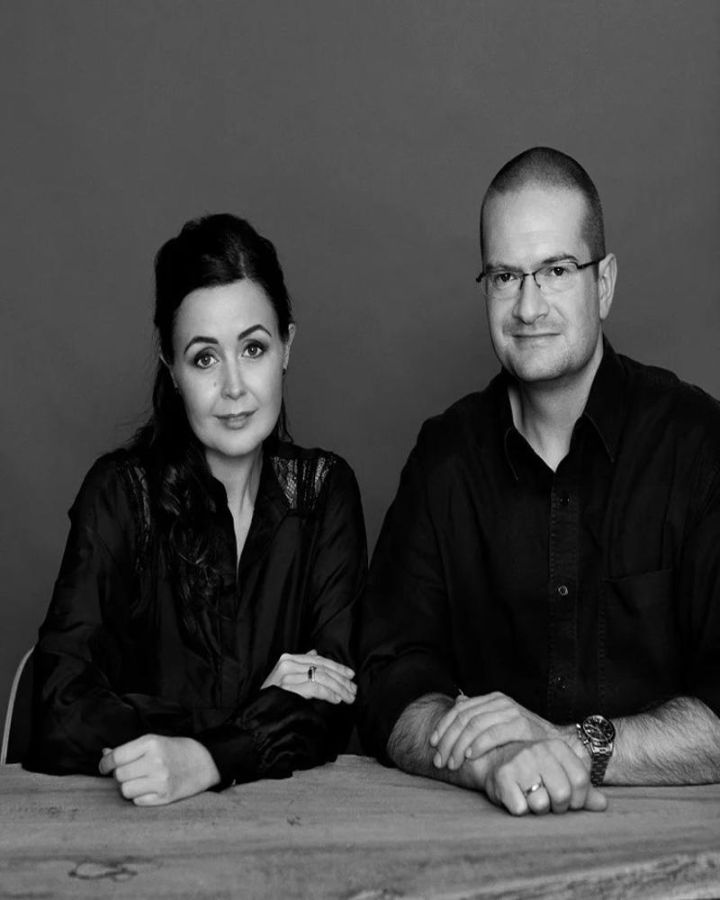
Anne Louise Due de Fonss & Anders Lundqvist
Anne Louise Due de Fønss and Anders Lundqvist are a Danish-Norwegian design duo, known for their minimalist approach to design, combining functionality with elegance. Due de Fønss, a graduate of the Aarhus School of Architecture, set up her own studio in Copenhagen, carrying out interior and furniture designs in cities such as New York, Berlin and Milan. She collaborated with, among others, with Gubi, Arkitema and GlobeZero4. Lundqvist, a graduate of Arts University College in Bournemouth, has worked as a freelance designer for companies such as Gubi, Scan Office and Hifi Klubben. Their joint creation is the Unika lamp for Northern, originally designed for the Copenhagen restaurant Grønbech & Churchill. This lamp combines hand-blown glass with solid brass details, creating a refined contrast between delicacy and industrial character. The duo's designs are characterized by simplicity, authentic materials and timeless style.

Anne Qvist
Anne Qvist is a respected designer of Scandinavian design, known for creating elegant, functional furniture and lighting in a minimalist form. Her works combine modern aesthetics with practical application, paying attention to ergonomics and detail. Each Qvist design is characterized by subtlety of lines, harmonious proportions and refined finish, which give the interiors a light and refined character. Anne Qvist creates products that fit perfectly into contemporary interiors - from home offices to commercial spaces - combining design, comfort and functionality in a timeless way.
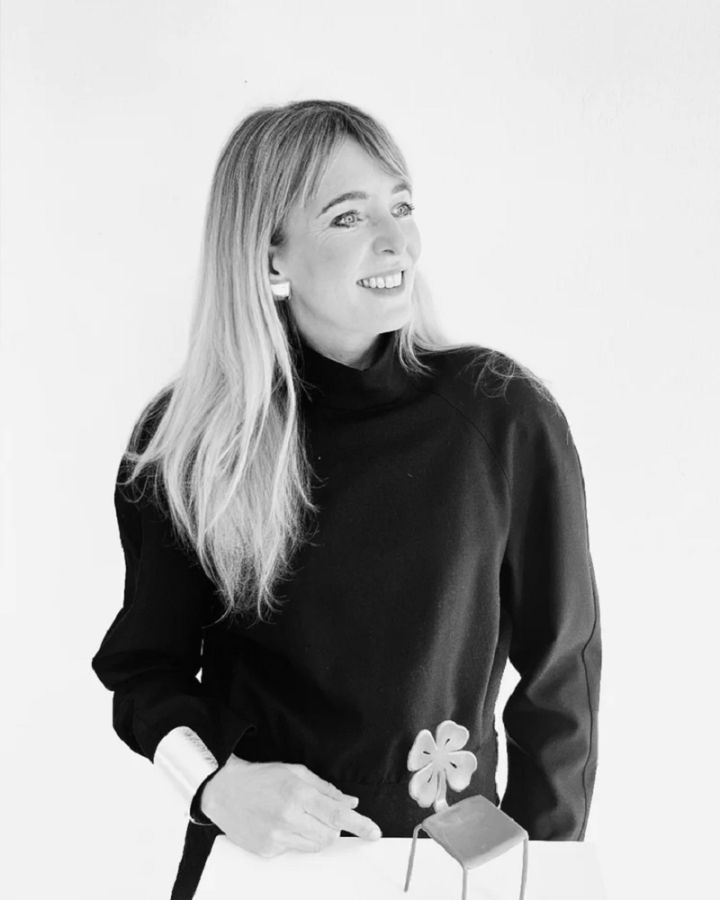
Annebet Philips
Annebet Philips is a Dutch designer who creates at the intersection of design, craftsmanship and art. Known for bold forms, humor and experimental approach to materials, she builds her own design language full of character and surprising details. Her works often combine functionality with a distinctive, sculptural aesthetic, which attracts the attention of both collectors and brands looking for a fresh perspective. Philips cooperates with renowned manufacturers and works in its own studio in Amsterdam, creating designs that give interiors a unique, creative rhythm.

Anon Pairot
Anon Pairot is a Thai designer and artist, known for his experimental approach to form, material and creative process. Educated in mechanical engineering and industrial design, he combines technical knowledge with artistic sensitivity. In his works, he often explores the topic of imperfection, the trace of the creator's hand and the relationship between man and the object. He is characterized by objects with a sculptural form, made of concrete, ceramics, metal or wood, which balance on the border of design and art. His designs have been presented at prestigious exhibitions and design festivals around the world, and Pairot's work is appreciated for its authenticity, emotionality and courage of experiment.
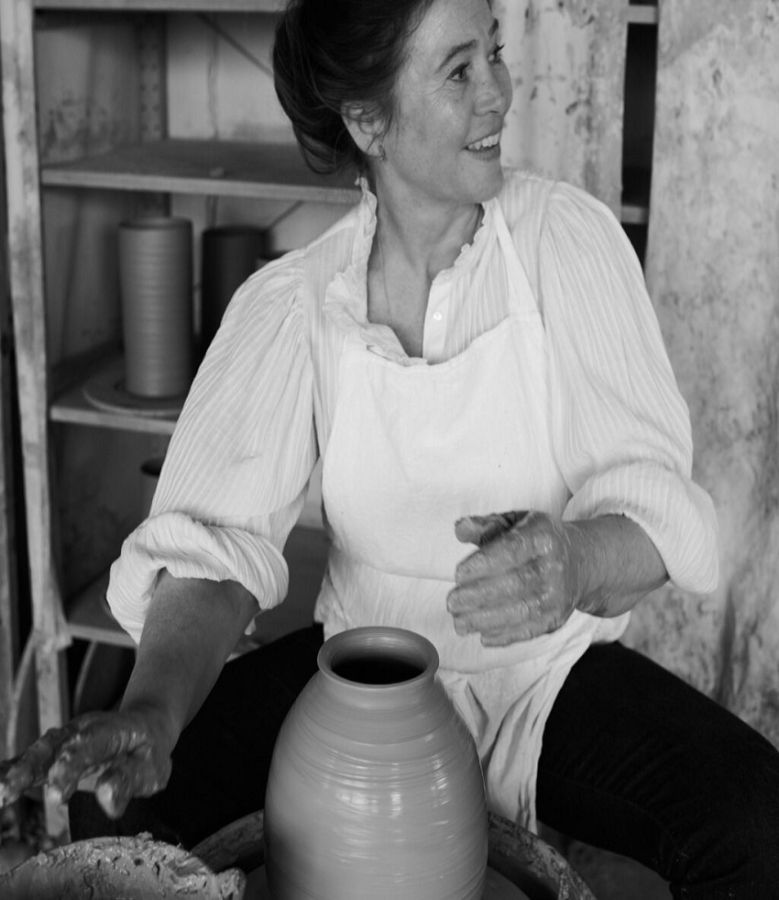
Anouk Kramer
Anouk Kramer is a Dutch designer and ceramicist, known for her artistic approach to functional ceramics. In his work, he combines traditional hand-forming techniques with modern, free design that celebrates imperfection and the trace of the human hand. Its hallmarks are visible rolling lines and hand-painted motifs - hearts, clovers and illustrations inspired by art, history and museum collections, including: Rijksmuseum. Working with the &k Amsterdam brand, Anouk Kramer creates porcelain collections that combine functionality with a distinctive decorative form.

Antoine Rouzeau
Antoine Rouzeau is a French architect and designer, graduate of the Paris School of Architecture (HMONP). He started his career in renowned design offices, including Ateliers Jean Nouvel. Currently working as an architect in Musée d'Orsay in Paris, where he supervised, among others, modernization of the auditorium, ensuring its functionality and aesthetics. At the same time, he runs his own design studio, focusing on creating everyday objects that are simple and functional. His designs, such as the Ombre lamp for Northern or the Hoop lamp for blomus, combine inspiration from nature with minimalist design. Rouzeau also collaborated with Ligne Roset, Made.com and Matière Première. His approach to design is based on the pursuit of clarity and functionality, where every detail has its justification.

Anton Bjorsing
Anton Björsing is a Swedish furniture and product designer, known for functional and simple forms that combine traditional craftsmanship with a modern approach. He graduated in furniture crafts and design from Stenebyskolan and Carl Malmsten Furniture Studies in Stockholm, and also studied interior design at Chelsea College of Art and Design in London. In 2013, he founded his own design studio in his hometown of Landskrona, where he creates furniture and products for both private and public spaces. He has collaborated with renowned brands such as Fritz Hansen, Skagerak, Gärsnäs, Karl Andersson & Söner and Blomus. His famous projects include: the Hven table, the Ondulé furniture collection and the Sitta bench.
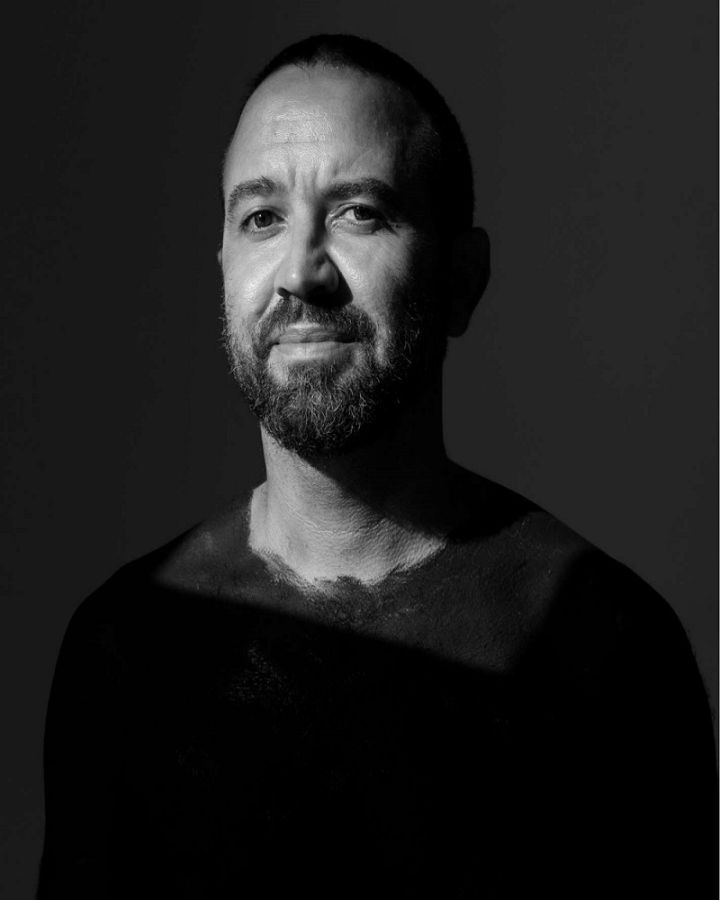
Antonio Arico
Antonio Aricò is an Italian designer born in 1983 in Reggio Calabria, whose work combines traditional craftsmanship with modern design. After graduating from the Politecnico di Milano and studying in Scotland, Australia and Spain, he founded his own studio in Milan in 2011. His works, such as the "Back Home" collection created with his grandfather, combine emotions, nostalgia and local traditions. Collaborated with the Alessi, Seletti, Barilla and Bialetti brands, for which he served as artistic director. Aricò's designs, inspired by the culture of Calabria, were presented at exhibitions in Milan, Tel Aviv and Melbourne. His approach to design is based on an emotional message, combining the past with the present in unique forms.
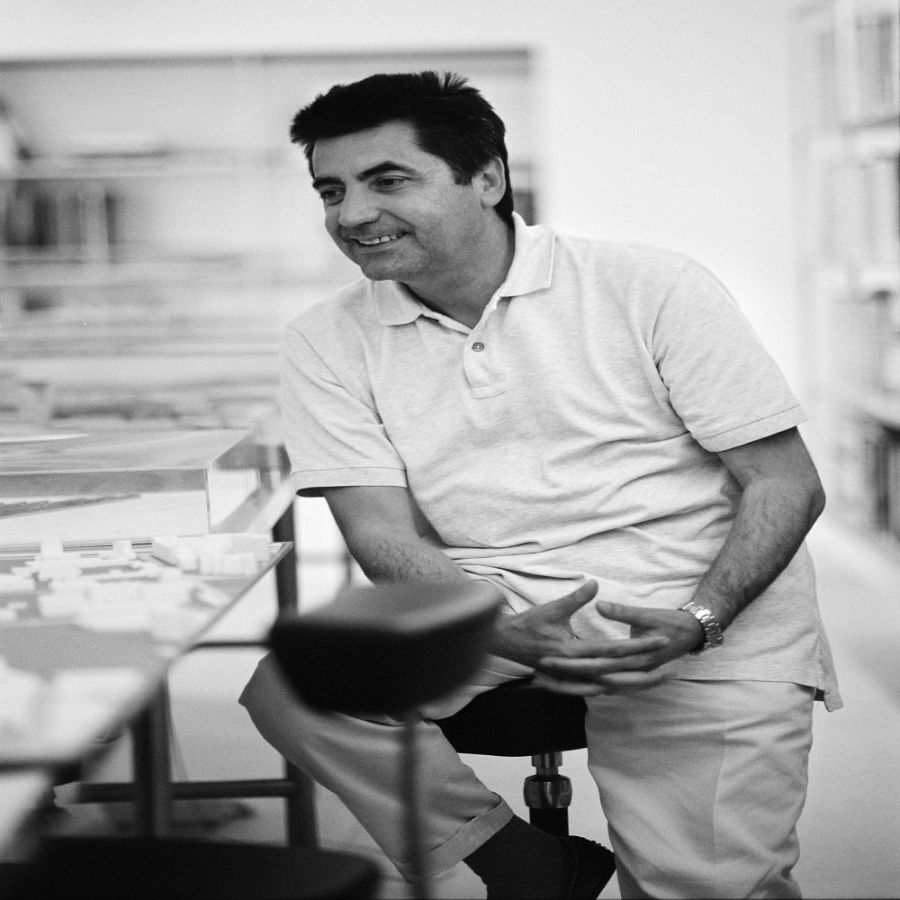
Antonio Citterio
Antonio Citterio is an Italian architect and designer born in Milan in 1950, known for his refined style combining functionality with elegance. He studied architecture at the Politecnico di Milano and began his career in the 1970s, working with leading Italian furniture companies. His designs include both interiors and products, including furniture, accessories and lamps, often created in partnership with brands such as B&B Italia, Flexform and Kartell. Citterio is famous for its minimalist but luxurious forms that emphasize the quality of materials and precision of workmanship. His works have won numerous awards and he is considered one of the most influential contemporary Italian designers. Citterio's style combines modernity with timeless elegance.
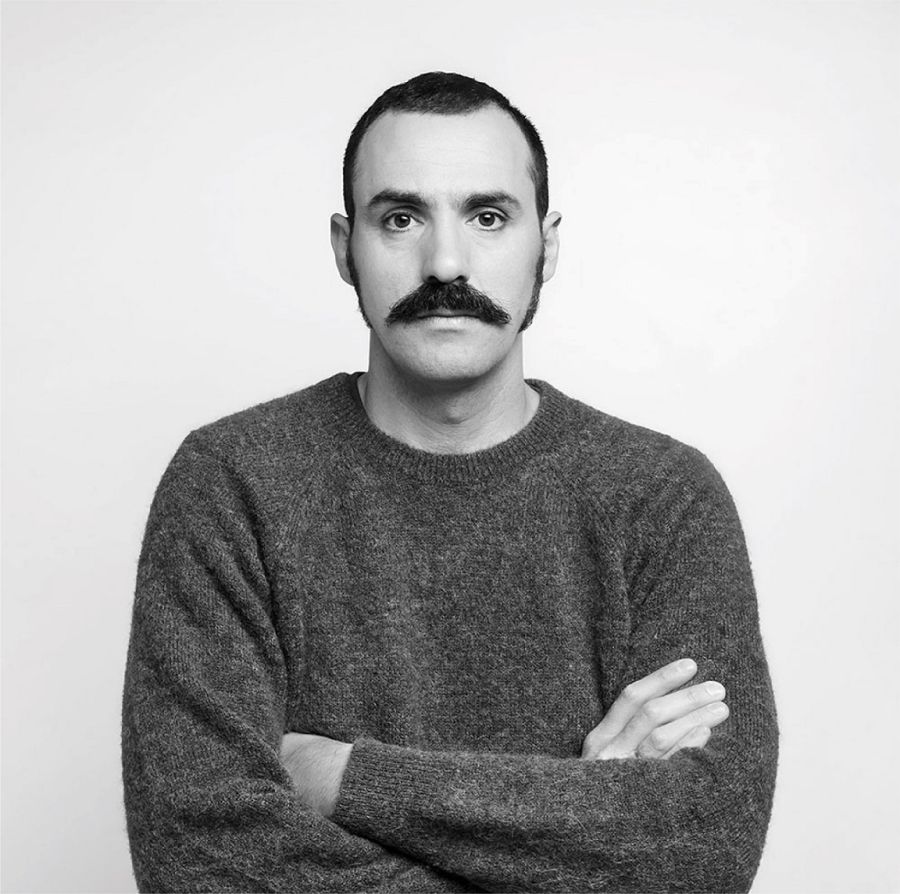
Antonio De Marco
Antonio De Marco is an Italian industrial designer, born in 1983. From an early age, he was fascinated by mechanical and carpentry workshops, which shaped his approach to design as a manual and experimental process. He graduated from the Politecnico di Milano, studied at the Royal Danish Academy in Copenhagen and obtained a master's degree at the Istituto Marangoni in Milan. In 2009, he co-founded the studio 4P1B, and in 2017 he opened his own Antonio De Marco Studio. His designs, such as the Táctil bike rack, combine functionality with timeless aesthetics. He collaborated with brands such as Pinetti, creating the Hook and Euclide collections. De Marco also conducts teaching activities, lecturing on master's courses in design methodology at NABA and Scuola Politecnica del Design in Milan. His works are characterized by with geometric forms, balance and durability, in line with the tradition of Italian design.

Anu Moser
Anu Moser is a renowned Swedish artist. Her works are deeply inspired by nature, especially the sea and sky, which is reflected in the organic forms and subtle aesthetics of her designs. Moser is known for combining innovative functionality with minimalism and harmony of form. Her most recognizable work is the Moser hanging lamp, designed in 2002 for the Danish brand Louis Poulsen. The shape of the lamp refers to a drop of hot glass drawn from furnace, and its frosted, blown opal glass provides soft, diffused light. The Moser lamp is available in three sizes and has been designed with energy-saving light sources in mind. Anu Moser combines art with utility in her designs, creating objects that are both beautiful and functional.
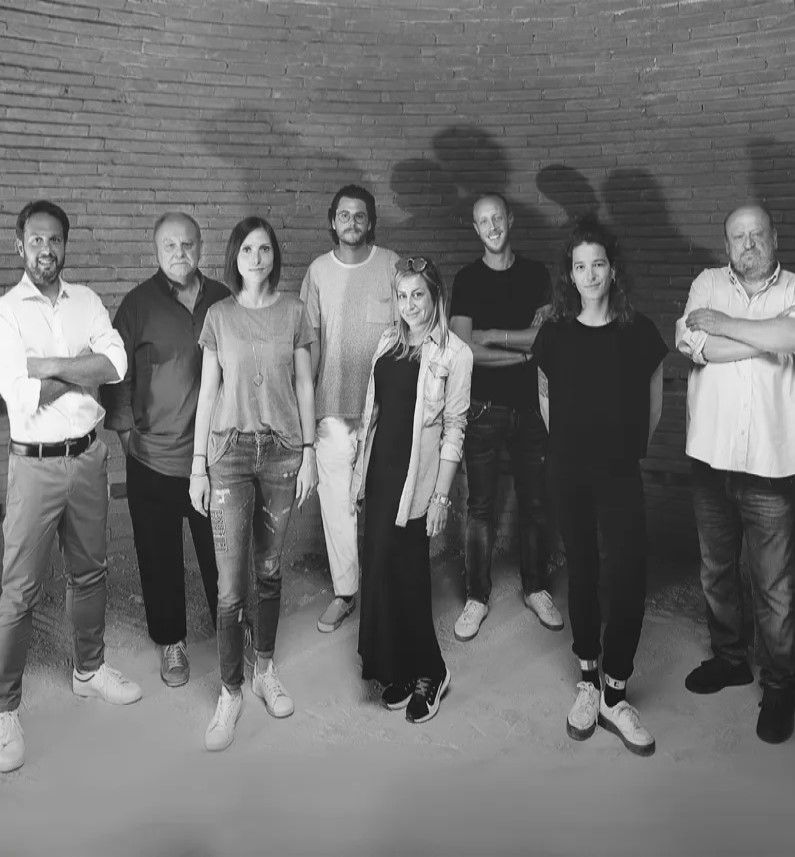
Archirivolto
Archirivolto Design is an Italian design studio founded in 1983 in Colle di Val d'Elsa by Marco Pocci and Claudio Dondoli. Initially, they dealt with architecture and furniture sales, but quickly focused on industrial design, especially in the seating area. Their designs are characterized by lightness, minimalism and an emotional message, and the goal is to create aesthetic and accessible products for a wide range of recipients. Studio Archirivolto cooperates with renowned brands such as Calligaris, Scab Design, Bonaldo and Desalto, and has won numerous awards including the Red Dot Award and the Interior Innovation Award.
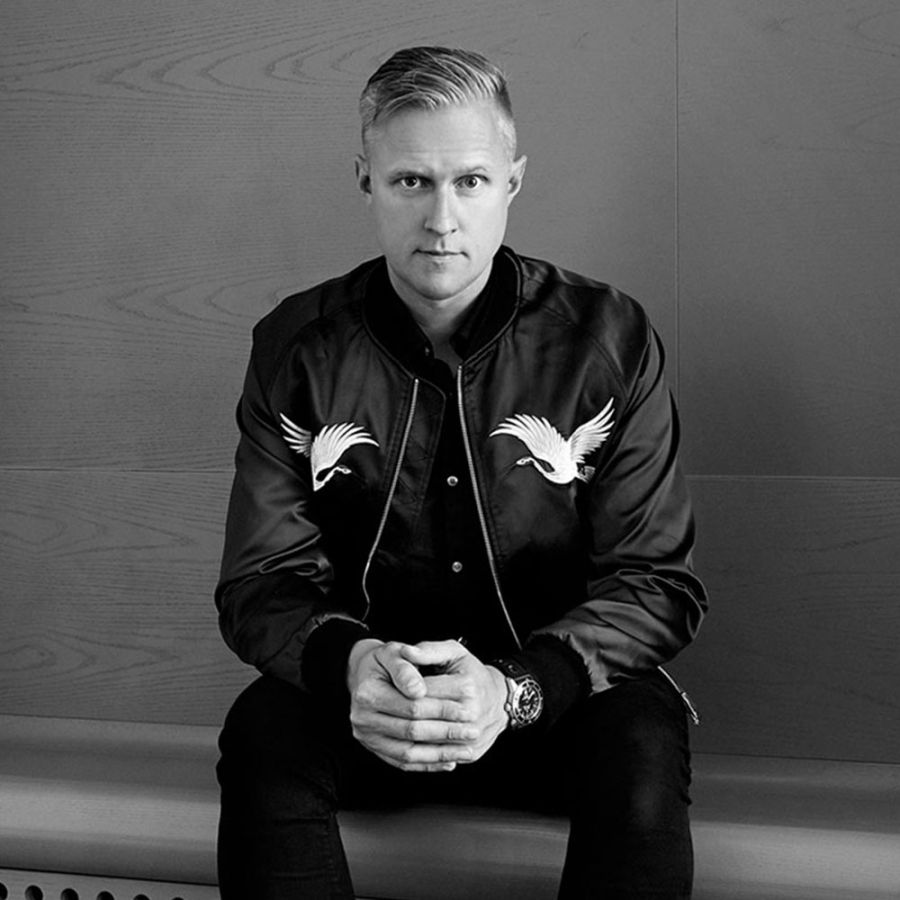
ARDE design studio
ARDE Design Studio is a Danish design studio known for creating functional, timeless and aesthetically balanced products. The ARDE team focuses on designing furniture, lighting and interior design elements that combine modern craftsmanship with a deep understanding of user needs. At the center of their philosophy is simplicity of form, sustainable development and high quality materials. The studio cooperates with renowned brands such as Please Wait to be Seated, for which it has created, among others: a collection of Savoye tables – inspired by the modernist architecture of Le Corbusier. ARDE designs are characterized by modularity, functionality and subtle elegance, which fits perfectly into modern and Scandinavian interiors.

Arik Levy
Arik Levy is an Israeli designer, artist and sculptor, extremely recognized in the contemporary design world. He graduated from Art Center Europe in Switzerland and has been running a studio in Paris for years. He is known for his minimalist style, working with a variety of materials and combining design with art. He designs furniture and lighting for prestigious brands around the world such as; Vitra, Molteni&C, Zanotta, Desalto, Living Divani, Ligne Roset and EMU. His works are distinguished by their sculptural form, often inspired by nature and geometry. Levy has won many awards, including the Red Dot and the Good Design Award, and his designs are present in museum collections around the world.

Arnau Reyna
Arnau Reyna is a Spanish design studio founded by Ramón Arnau and Mariola Reyna in Valencia. They specialize in designing furniture, lighting and interior design elements. Their style is characterized by minimalism, timelessness and attention to detail with an emphasis on durable, functional solutions. Artists cooperate with brands such as Actiu, Bolia, Mobboli and Almerich. Arnau Reyna's designs have gained international recognition, receiving awards and distinctions, including the iF Design Award and the German Design Award. The studio combines creativity with pragmatism, creating items tailored to the changing needs of modern users.

Arne Jacobsen
Arne Jacobsen is an icon of Danish design whose vision revolutionized the world of architecture and design. His designs, such as the iconic Egg and Swan armchairs or the Series 7 chair, are a combination of sculptural form, functionality and timeless elegance. Jacobsen believed that good design begins with detail - that is why his works delight with their harmony and precision of workmanship. Cooperation with the Fritz Hansen brand resulted in furniture that still sets standards of style and comfort. Arne Jacobsen did not only create utilitarian objects - he created emotions, space and lifestyle. His iconic designs are a must-have for lovers of Scandinavian minimalism and design with character.
Arnold Madsen
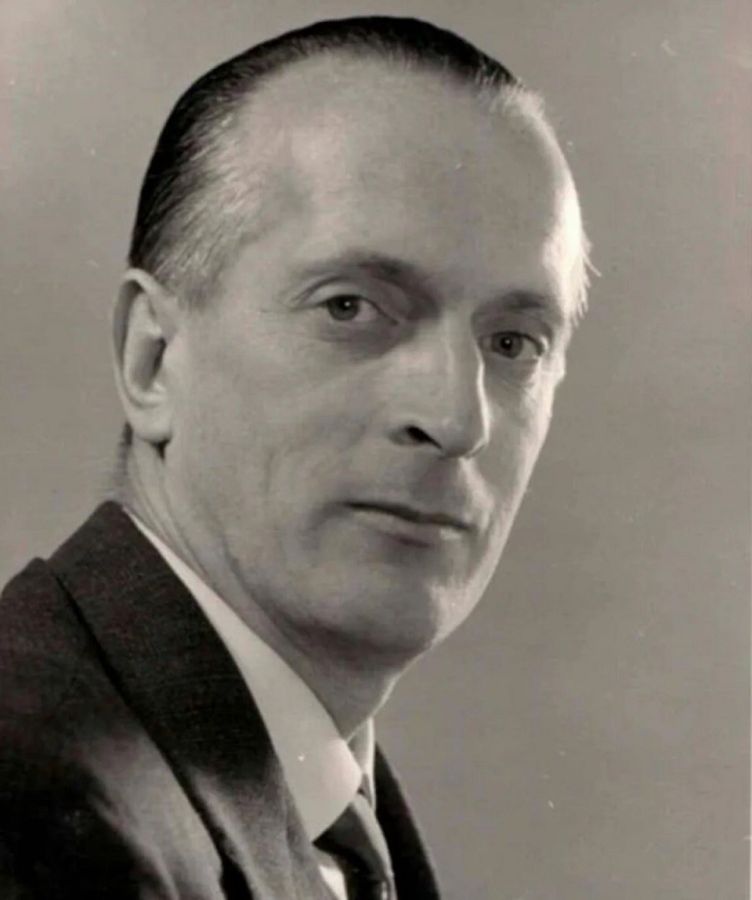
Arnold Madsen was a Danish furniture designer and upholsterer known for his elegant, handmade designs that are today considered classics of Scandinavian modernism. Born in Denmark, he worked for many years in Copenhagen, where he founded his own studio, Madsen & Schubell. His most recognizable work is the "Clam Chair" from 1944, which is distinguished by its soft, organic lines and cozy shell-like form. Madsen often experimented with form and technique, combining wood with luxurious upholstery, which gave his designs a timeless character. Although for years he remained less known than his contemporaries, today his furniture fetches high prices at auctions and is a symbol of 20th century Danish design.
Arter & Citton
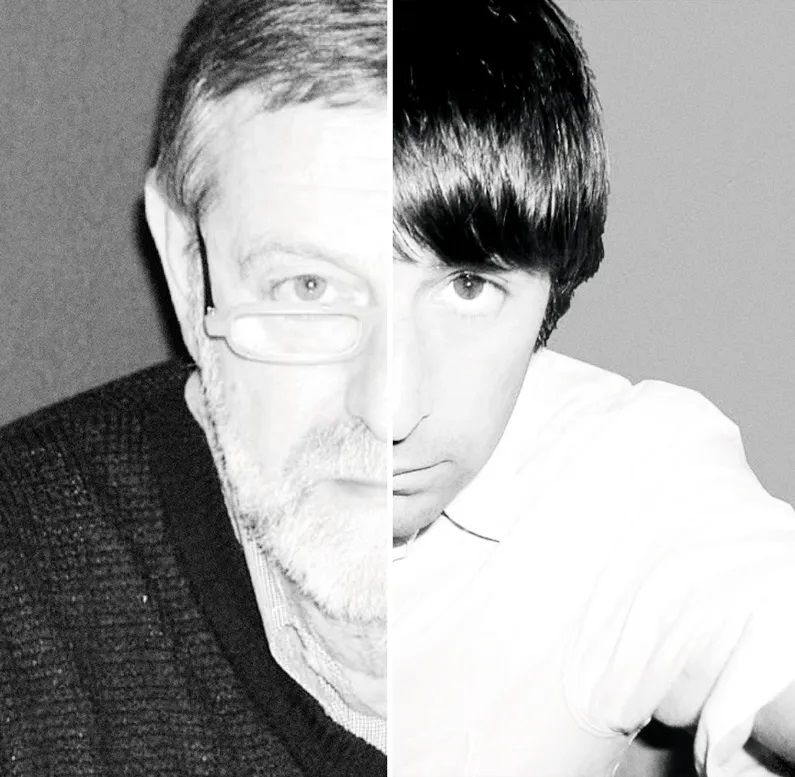
Studio Arter & Citton was founded in 1990 by Alberto Werner Arter and Fabrizio Citton. Studio sspecializes in furniture design, architecture, interior design, boat design, visual communication and visual sales. Their approach to design is interdisciplinary, combining different disciplines to create innovative solutions. In 1997, they opened the D.MOD laboratory, which explores new possibilities in the field of urban design and alternative, combining design with other artistic expressions such as photography, painting and sculpture. The aim of the lab is to experiment with new shapes and content applicable to different areas. Studio Arter & Citton has gained recognition for its designs, which have been presented at international exhibitions and won numerous awards.
Arthur Umanoff
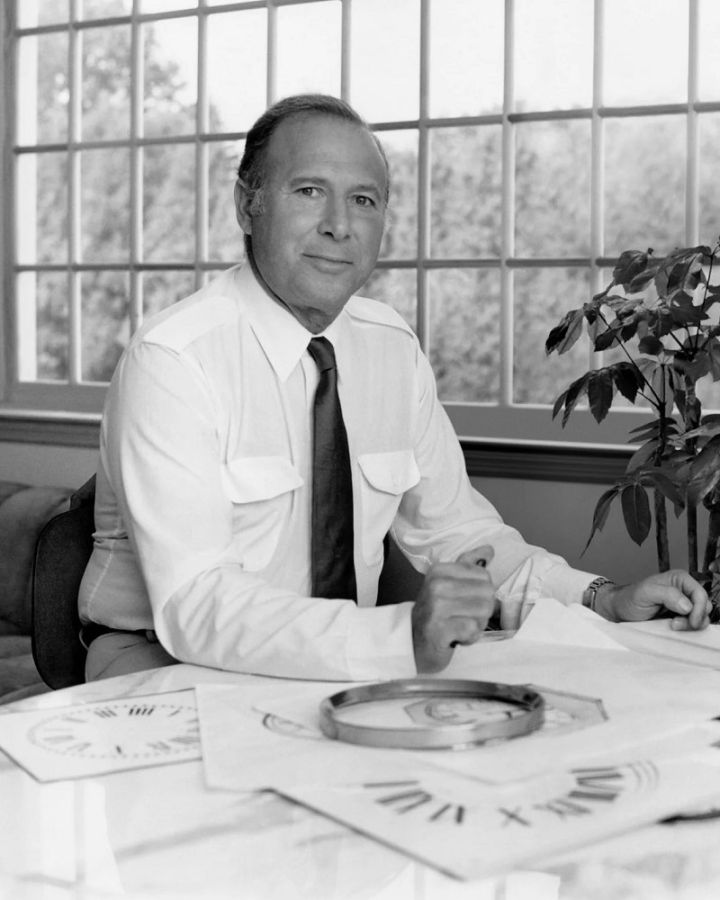
Arthur Umanoff was an American industrial designer known for functional and affordable furniture with a light, modern aesthetic. He created mainly in the 1950s and 1960s, combining wood, metal and leather into elegant, minimalist forms. He collaborated with companies such as Shaver Howard and Madison Furniture, designing chairs, tables, shelves and interior design elements. Umanoff valued practicality, but always paid attention to the refined details and warm character of his designs. His works, often inspired by the mid-century modern style, are still appreciated for their timeless design and light, friendly aesthetics.

Asger Risborg Jakobsen
Asger Risborg Jakobsen is a Danish designer who specializes in furniture and lighting design. He graduated from the Royal Danish Academy of Fine Arts, and his works are characterized by minimalism, functionality and respect for nature. As a designer, he focuses on minimalist forms that combine aesthetics with practicality. In his designs, he strives to achieve harmony between materials and the surroundings, creating timeless, durable objects. He has collaborated with many renowned brands, including Bolia, UMAGE and Stedsans in the Woods. His most important works are the Reflection lamp for Bolia, which combines a simple form with an elegant design.
Aspekt Office
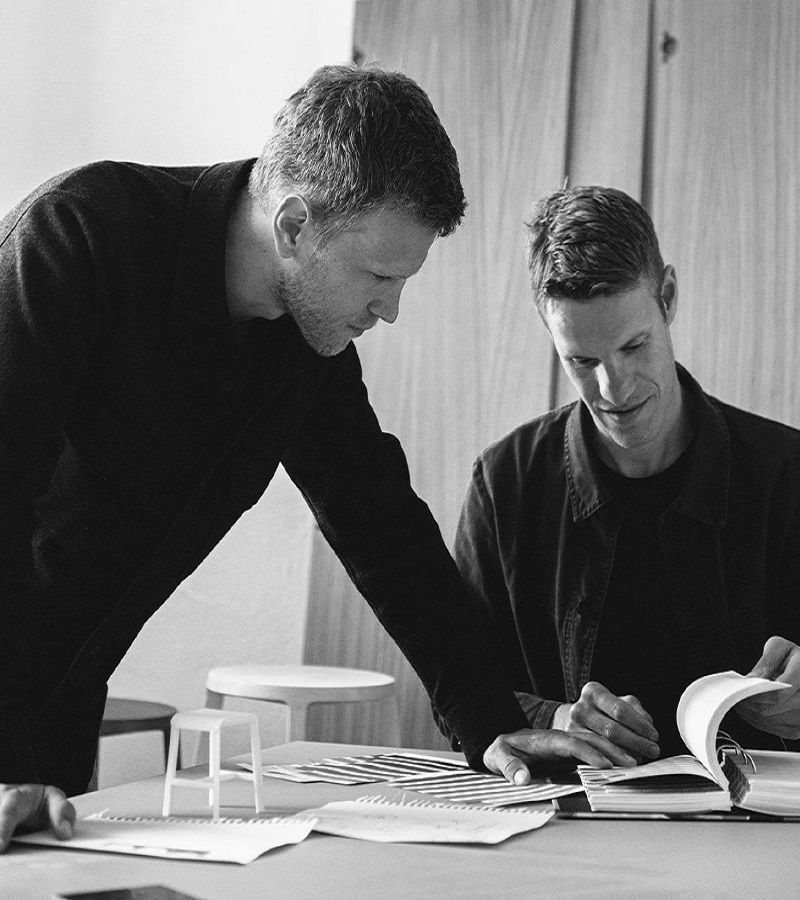
Aspekt Office is a multidisciplinary design studio that specializes in creating innovative solutions at the intersection of design, architecture and strategy. It combines functionality with aesthetics, focusing on conscious design that responds to contemporary social and environmental needs. The Aspekt Office team consists of experienced designers who work at the intersection of various fields, implementing projects for both commercial clients and cultural institutions. The studio operates based on research, context analysis and close cooperation with the recipient. Their works are characterized by precision, minimalism and attention to detail, as well as long-term thinking about the impact of projects on the environment.
Asshoff & Brogard
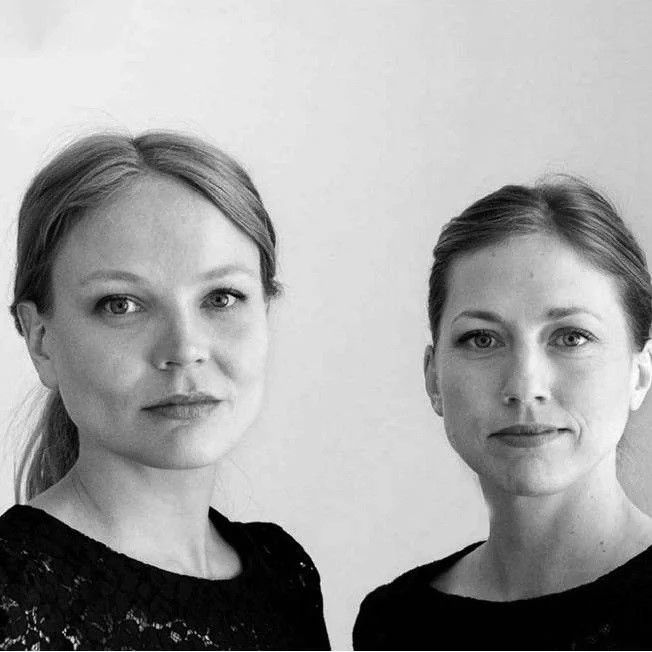
Asshoff & Brogard is a Swedish design studio founded by Johanna Asshoff and Hanna Brogard, which has gained recognition for its unique aesthetics and approach to design. Both designers graduated in furniture and product design from Malmstens in Stockholm and have experience in carpentry. Their works are characterized by a subtle sense of humor and a combination of functionality and aesthetics. They collaborated with renowned brands such as IKEA, Normann Copenhagen, Maze, Casamania and Klong. Their designs cover a wide range of products, from furniture to accessories, always with an emphasis on storytelling and bringing poetry to everyday life. The Asshoff & Brogard studio is renowned for its ability to combine traditional craftsmanship with modern design, creating objects that are both practical and artistic.
Atelier Axo
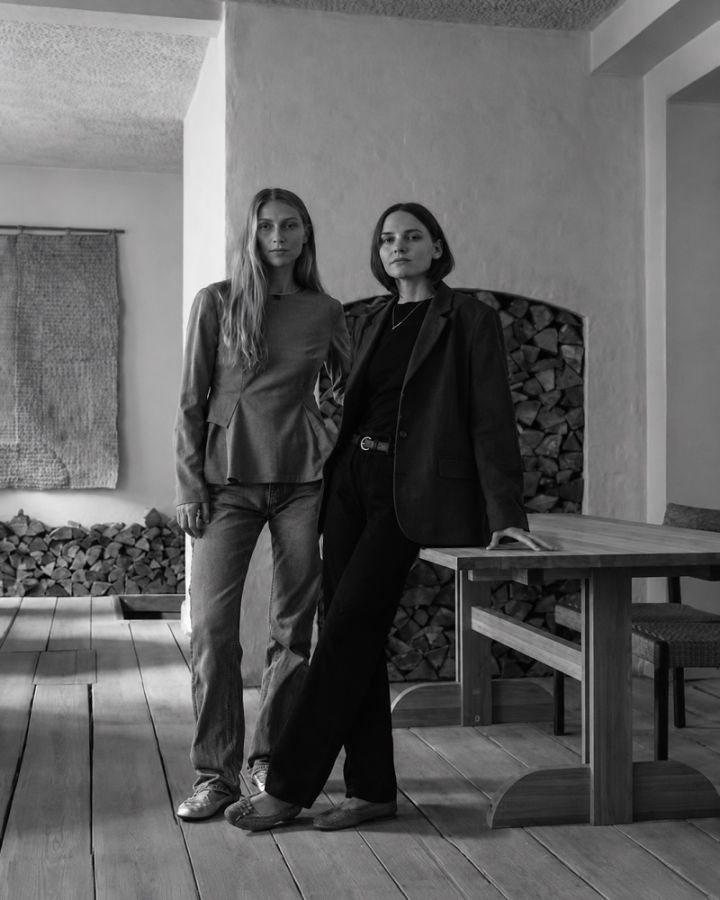
Atelier Axo is a Copenhagen design studio that creates furniture and objects in which contemporary form meets functionality and a sense of material. The designs are created with everyday use in mind, but their spare, refined aesthetics mean that they have an equally strong impact on the character of the interior. Atelier Axo pays special attention to proportions, details and the way the object functions in space, thanks to which their designs maintain a balance between expressive form and functional character. The studio cooperates with renowned producers, creating collections reflecting a contemporary approach to interior design.
Atelier Oi
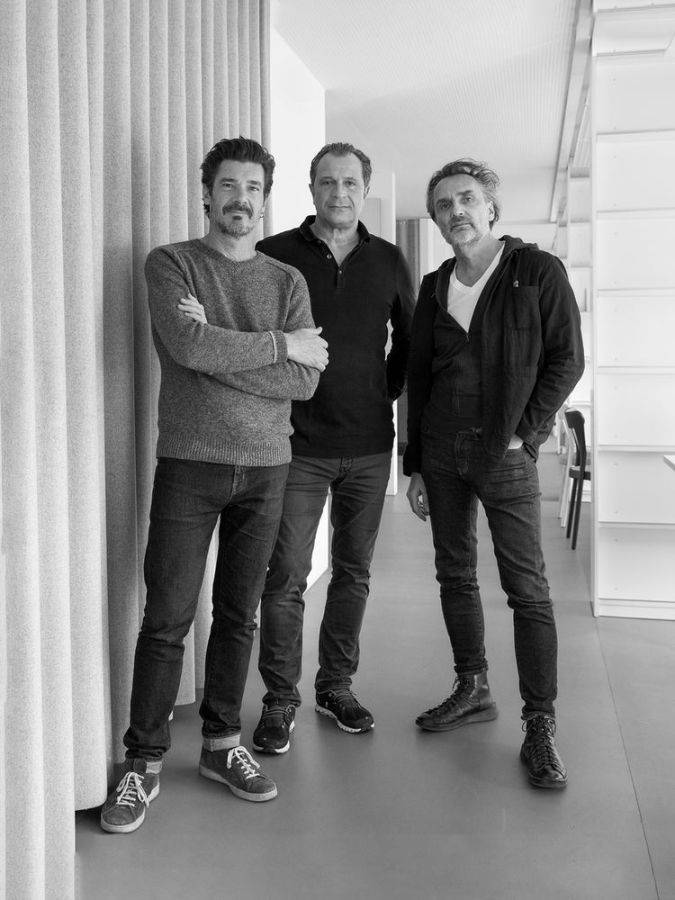
Atelier Oï is a Swiss multidisciplinary design studio founded in 1991 in La Neuveville by Aurel Aebi, Armand Louis and Patrick Reymond. The name "oï" comes from the Russian word "troïka", meaning trio, reflecting their collective creative philosophy. The studio works at the intersection of architecture, interior design, industrial design and set design, combining craftsmanship with a modern approach to materials. Their the designs are the result of experiments with various materials such as glass, wood and metal, and are characterized by an emotional approach to form and function. They have collaborated with many renowned brands, including Artemide, B&B Italia, Louis Vuitton, Swatch and Fendi Casa. Their works have won numerous international awards, such as the iF Design Award, Red Dot Award and European Museum of the Year Award. Atelier Oï is also active in educating and promoting design culture, conducting workshops and lectures around the world.
Atle Tveit
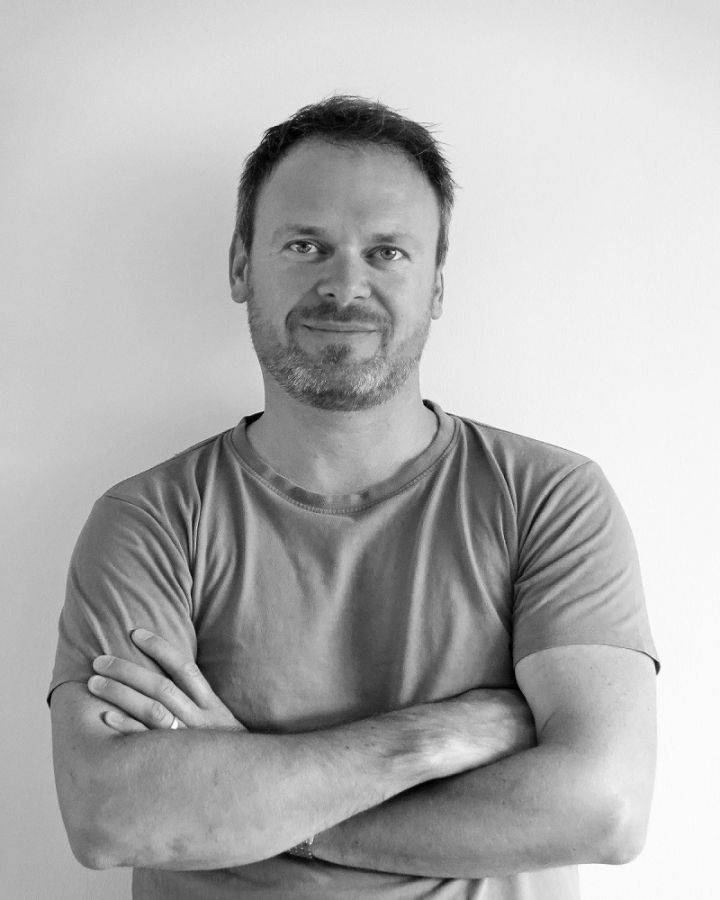
Atle Tveit is a Norwegian furniture and lighting designer, known for minimalist, functional forms inspired by nature. He completed his Master's degree in furniture and space design at the Bergen Academy of Art and Design in 2006. After graduation, he founded his own design studio in Oslo, where he creates furniture and lighting for public and private spaces, cooperating with renowned manufacturers such as Northern, Mokasser and Blomus. His most recognizable design is the Acorn lamp for Northern, combining an organic shape with natural materials such as oak wood and painted aluminum. Tveit believes that good design is simplicity and intuitiveness, without unnecessary details. His projects also include urban furniture collections such as AIR and BLOC, as well as ADA and CLINT seating systems. He has received numerous awards for his work, including Young Talent Award (2007), Designer of the Year from Bo Bedre magazine (2009) and multiple Awards for Design Excellence from the Norwegian Design Council.

Axel Bjurstrom
Axel Bjurström is a Swedish designer and architect who graduated from Konstfack in Stockholm in 2007. He runs his own studio, specializing in furniture, lighting and interior design, combining functionality with the aesthetics of Scandinavian design. His works are characterized by simple lines, high quality of workmanship and attention to detail. He won the "Young Talent" award from Elle Decoration magazine and the title of "Chair of the Year". He cooperated with the brands Design House Stockholm, Klong and Materia. His designs, such as the Rollo chair, Kalo lamp or Lasso mirror are distinguished by an innovative approach to classic forms.
Axel Wedel Madsen
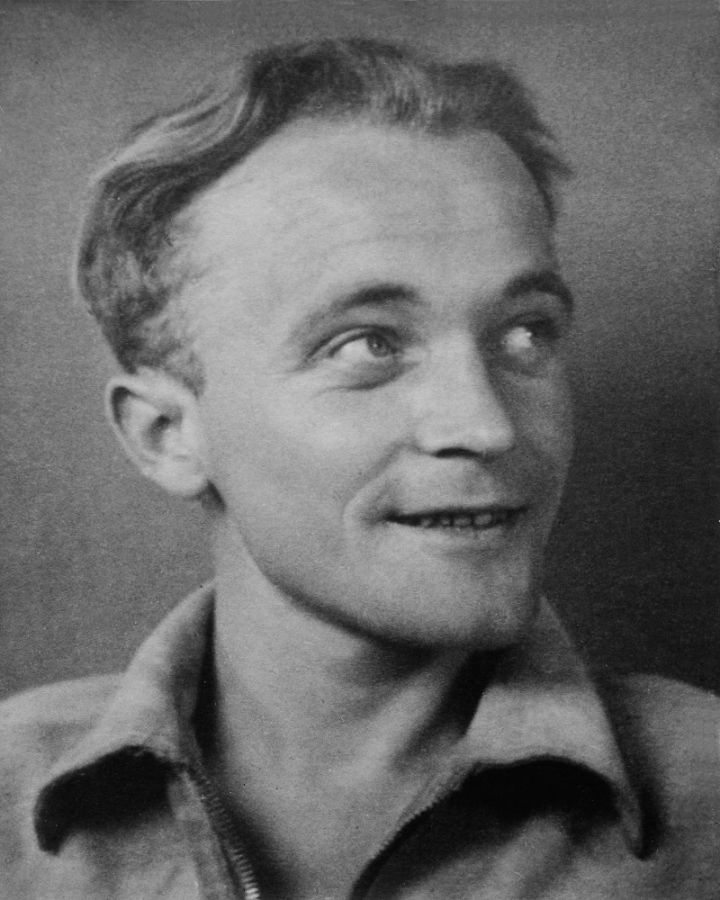
Axel Wedel Madsen is a contemporary Danish designer associated with Scandinavian design, in which simplicity, functionality and high quality of workmanship play a key role. He specializes primarily in lighting design, creating lamps with a minimalist form and subtle character. His works show attention to detail and a skillful combination of traditional craft techniques with a modern approach to design. He cooperates with, among others: with the Made by Hand brand, for which she designs elegant, timeless lamp models.
Ayla Gürsoy
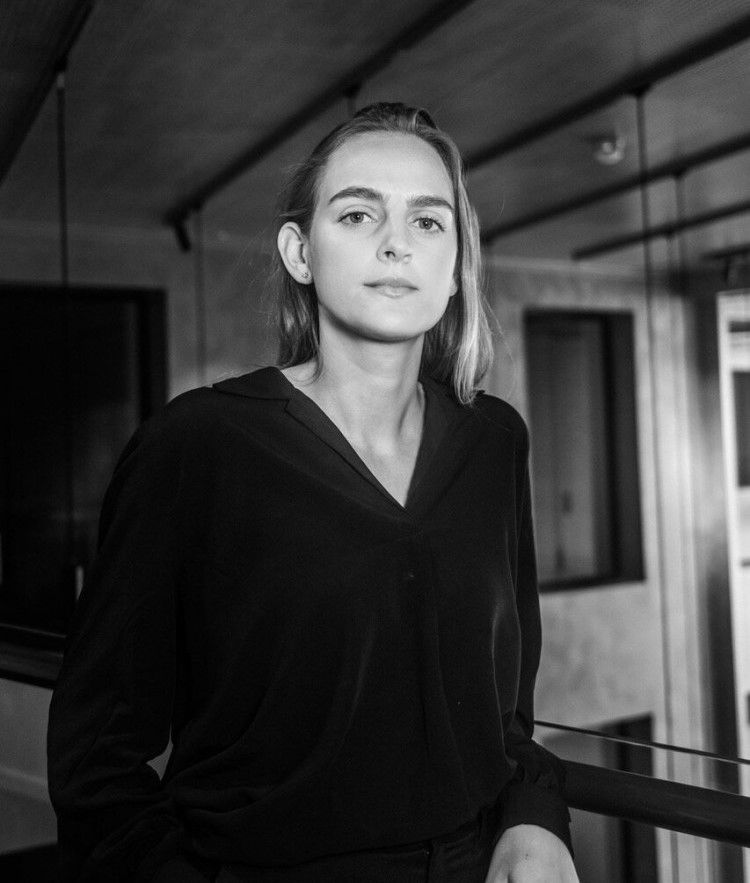
Ayla Gürsoy is a Norwegian-Turkish furniture and space designer based in Bergen. Her work focuses on the relationship between form, materials and the human, combining functionality with a bold yet simple aesthetic. Gürsoy uses physical prototyping as the main tool in the design process, which allows it to create well-thought-out and refined objects. She is the co-founder of the design collective Ytre, which gained recognition by winning the Håndverk+ competition organized by Fram Oslo, and their project "Skave" received the NYCxDESIGN award in 2022. Currently Gürsoy works on the development of her own studio and serves as an interior stylist at Heem Studio. Her work has been featured by renowned brands such as Northern and Novooi, and one of her famous designs is the "Observe" tray for Northern.

Ayush Kasliwal
Ayush Kasliwal is an Indian industrial designer and co-founder of AKFD studio in Jaipur. His work combines traditional craftsmanship with modern design promoting sustainable development and local techniques. Kasliwal specializes in the design of furniture, lighting and accessories interior design that reflects the richness of Indian culture and aesthetics. His works have been presented at international exhibitions, and the AKFD studio has gained recognition for its innovative approach to design. Kasliwal is also involved in social projects, supporting local craftsmen and promoting their skills on the global market. His approach to design is based on harmony between functionality, aesthetics and social responsibility.
Balutto Associati
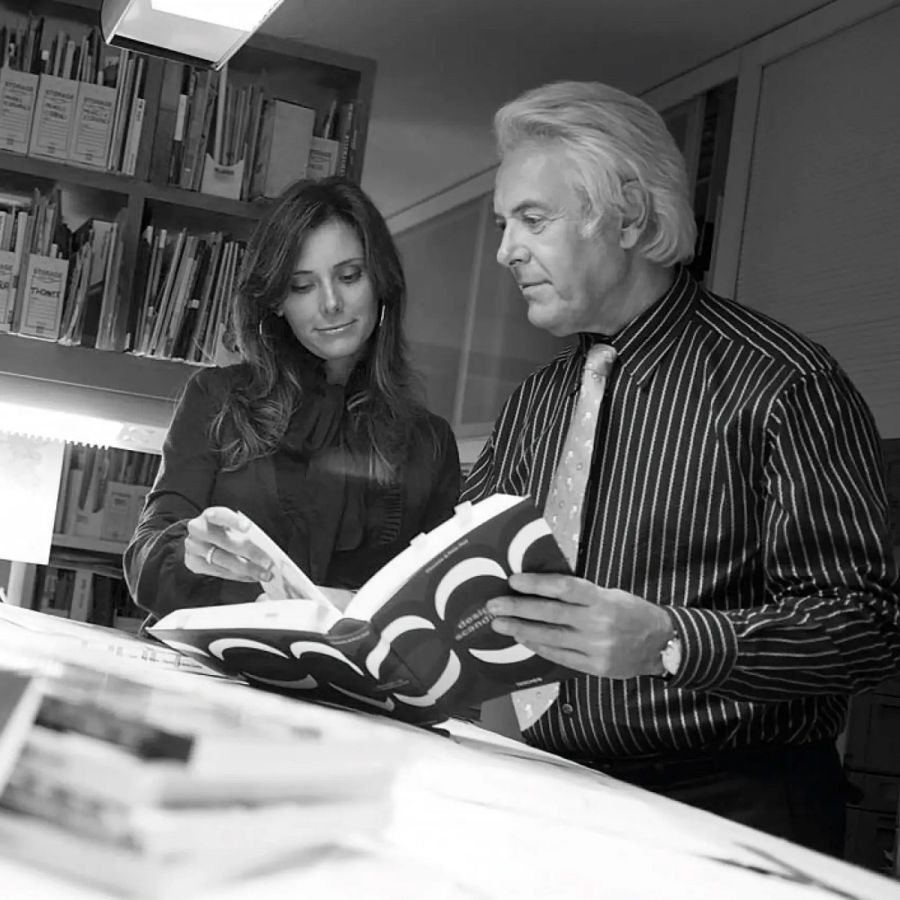
Balutto Associati is an Italian design studio founded by Adriano Balutto and currently co-run with his daughter, architect Veronica Balutto. Studio combines the functions of a creative laboratory and a production workshop, specializing in the design of furniture, lighting and accessories for renowned brands such as Midj, Livoni, Roberti and Twils. Their projects, including: the Wrap, Maya, Burano and Sienna collections are characterized by a combination of functionality and elegance and are used in both residential and commercial spaces. Balutto Associati also offers consultations on trends and marketing strategies, and their works have been awarded many times at international competitions.

Baptiste Vandaele
Baptiste Vandaele is a Belgian designer whose work focuses on reinterpreting archetypal forms and giving them a contemporary, functional character. In his designs, he combines sculptural sensitivity with industrial precision, creating functional objects with a distinct but balanced aesthetic. He often draws inspiration from architecture and rhythmic structures, which he translates into soft, tactile materials and clear lines. His approach is based on the principle of "form follows function" - form results from need, but is never devoid of emotion. Vandaele pays special attention to proportions, detail and the responsible selection of materials, especially recycled ones.
Barba Corsini
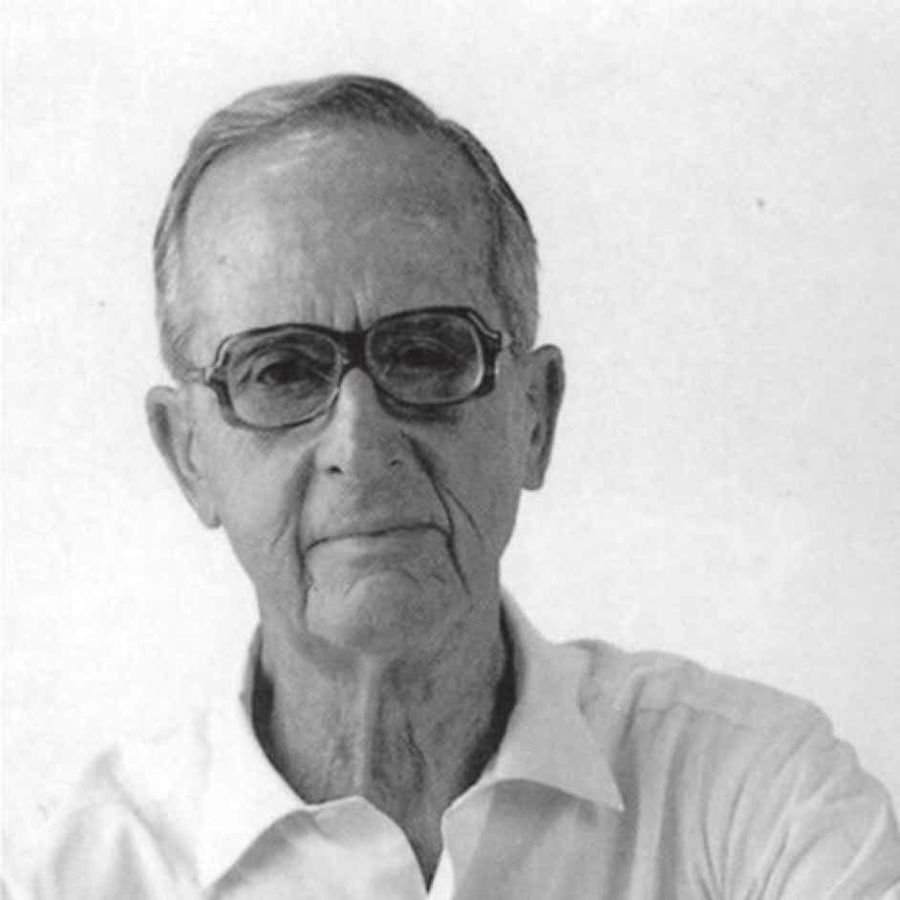
Francisco Juan Barba Corsini was a Spanish architect and designer, one of the leading representatives of functionalism in Spain. He was born in Tarragona and graduated from the Faculty of Architecture in Barcelona. His career was interrupted by the Spanish Civil War, but after its end he continued his education and obtained a diploma in 1943. In 1966 he became a professor of design. Barba Corsini was inspired by Mies van der Rohe, Frank Lloyd Wright and Alvar Aalto. His most important project was the modernization of the attic of Casa Milà (La Pedrera) in Barcelona, where he designed furniture and lighting, creating the modern La Pedrera collection. His works combined functionality with aesthetics, and his designs remain an inspiration for contemporary architects.

Bartłomiej Lewandowski
Bartłomiej Lewandowski is a Polish designer specializing in interior architecture and industrial design. Born in Gdańsk, graduated from the Faculty of Design of the Academy of Fine Arts, obtaining a master's degree in 2007. Since 2008, he has been implementing projects for leading brands and institutions in Poland, and his works have been presented at exhibitions, winning awards, including the prestigious Dobry Wzór in 2011. In 2013, he moved to London, where he worked for six years in renowned design studios, including: at Foster+Partners Industrial Design. In 2021, he founded his own Design for Industry studio, focusing on creating innovative solutions for manufacturers and institutions. For Paged Meble, he designed the NOTE armchair, combining minimalist aesthetics with exceptional ergonomics. Characteristic details, such as a pocket on the back of the backrest, emphasize the functionality of the furniture.
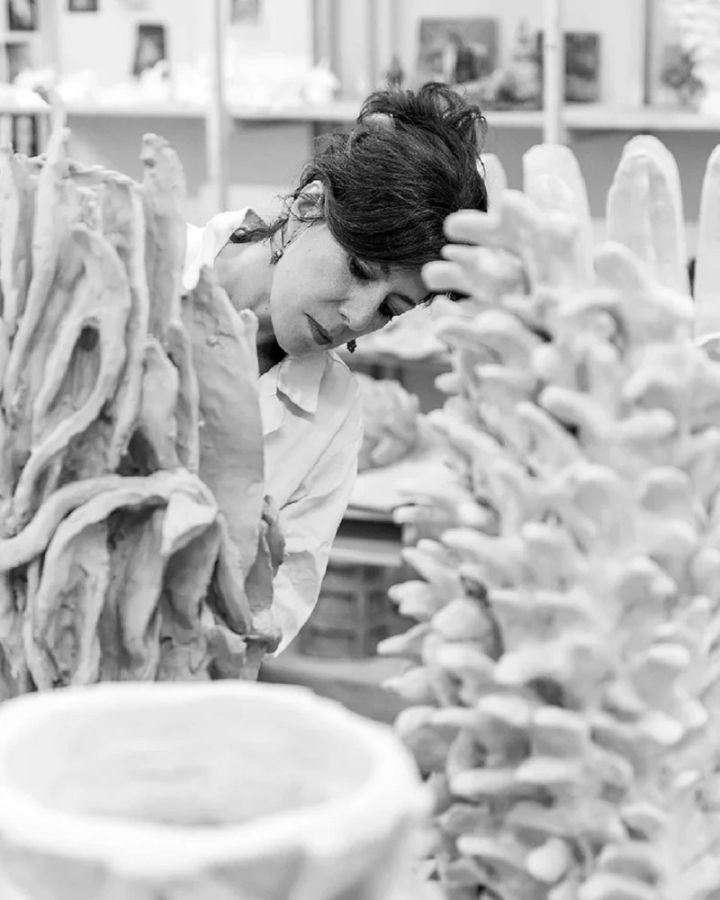
Bela Silva
Bela Silva is a Belgian designer and artist who combines a sculptural approach to form with a subtle sensitivity to material and detail in her work. Her designs are created at the intersection of art, craft and functional design, creating objects with a strong, recognizable character. Silva is often inspired by nature, organic shapes and imperfection as an aesthetic value, which gives her works a unique, emotional dimension. He cooperates with renowned design brands, including Serax, for which he creates collections combining functionality with artistic expression.
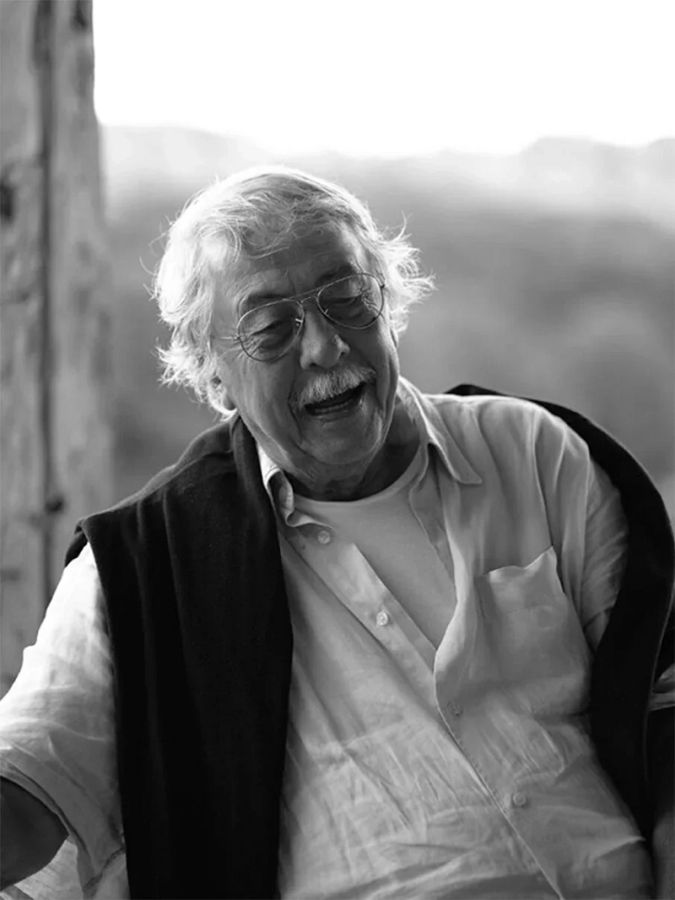
Ben Swildens
Ben Swildens is a Dutch designer and architect, combining design, architecture and sculpture. He studied at the École Supérieure des Arts Décoratifs in Paris, where he collaborated with Max Ingrand. In 1966, he designed a desk and a lamp for Peugeot, and in 1972 he created the iconicUovolamp for FontanaArte. In 1985, he founded his own studio, focusing on projects integrating furniture, architecture and sculpture. His work is characterized by minimalism, precision of form and a combination of functionality and artistic expression. Swildens's designs also include monumental sculptures made of metal, wood and fiberglass, presented at international exhibitions.
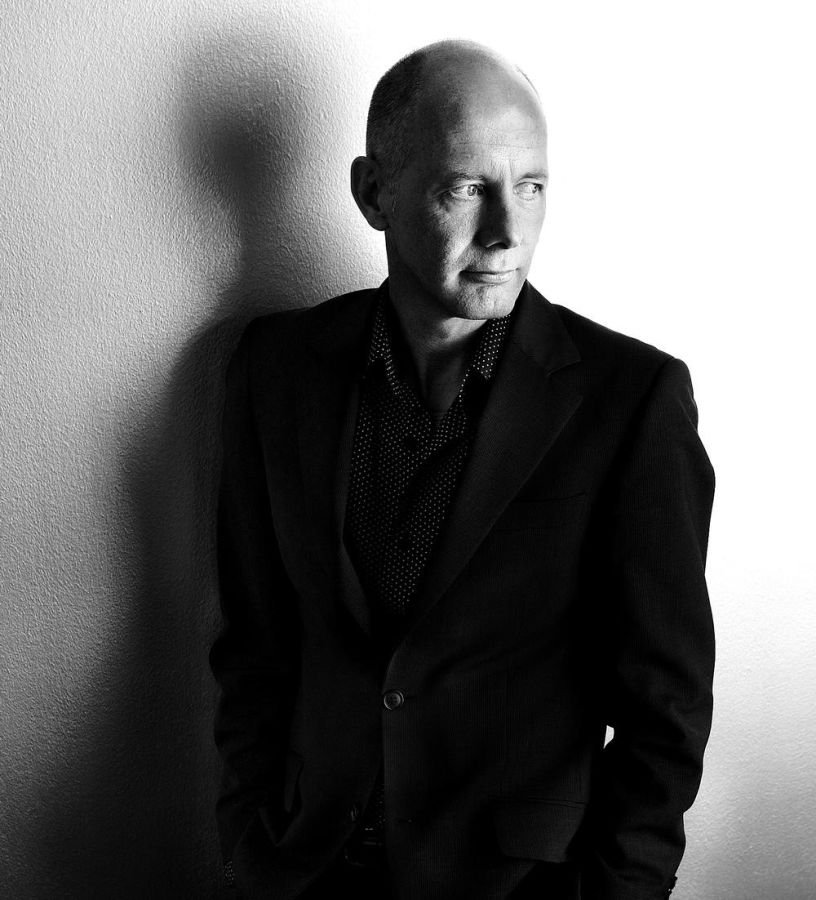
Ben van Berkel - UNStudio
UNStudio is an international architectural office founded in 1998 in Amsterdam by Ben van Berkel and Caroline Bos. The name "UN" stands for "United Network", emphasizing the interdisciplinary nature of the studio that combines architecture, urban planning, interior design and industrial design. The team consists of over 300 specialists from 27 countries, working in offices in Amsterdam, Shanghai, Hong Kong, Frankfurt, Dubai, Melbourne and Austin. UNStudio is known for innovative projects such as the Erasmus Bridge in Rotterdam, the Mercedes Museum in Stuttgart, Arnhem Central Station and the Raffles City complex in Hangzhou. Ben van Berkel, principal architect, also holds the Kenzo Tange Chair at the Harvard Graduate School of Design.
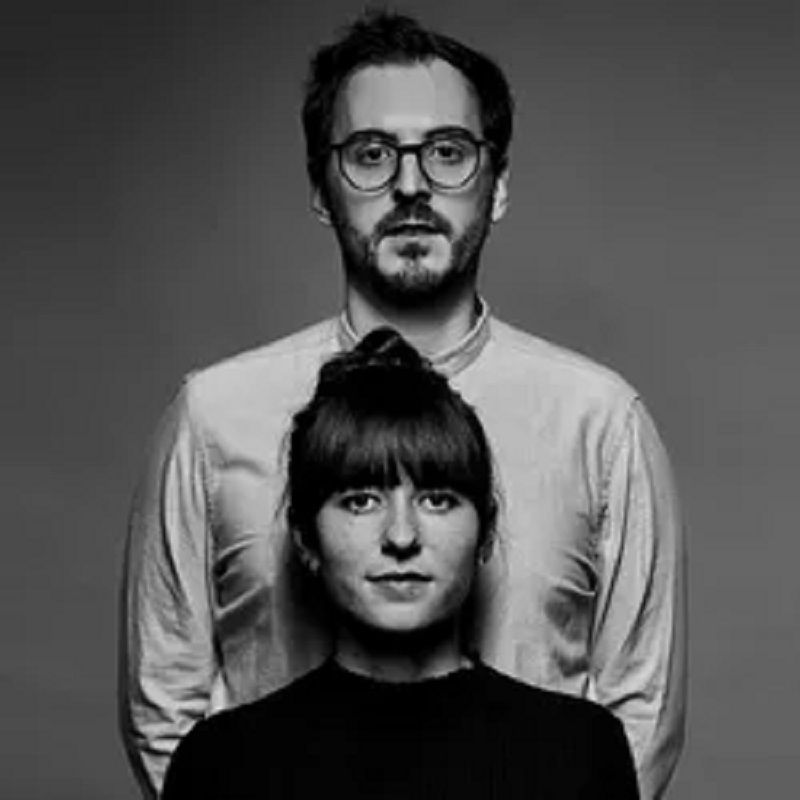
Benditas Studio
Benditas Studio is an innovative design studio from Barcelona founded in 2019 by Caterina Vianna and Ferran Gesa. Specializes in product design, art direction and design strategy focusing on creating solutions to everyday problems through an interdisciplinary approach. Their designs are characterized by minimalism of form with details that give character to the objects, often combining traditional and modern craft techniques. Studio cooperates with international brands such as Bolia, for which created, among others, Cocoon hanger - a functional piece of furniture with a hand-woven basket and a Brot lamp combining lighting with the possibility of growing plants. Benditas Studio is involved in every stage of the design process, striving to create products that are both aesthetic and functional with respect for the environment and sustainable development.
Benedetta Mori Ubaldini
Benedetta Mori Ubaldini is an Italian artist and designer known for her unique works made of metal mesh. She studied art and design in London and has been living and working in Milan since 2005. Its characteristic style is based on the manual formation of an industrial mesh, which, thanks to the precise shaping and connection of individual fragments, gains a light, almost ethereal structure. In her works, construction material ceases to have only a technical function and becomes the main means of artistic expression. Mori Ubaldini creates sculptures inspired by the natural world, animals, figures and everyday observations. Her designs are characterized by a combination of spatial form, light and emptiness, thanks to which the objects change their perception depending on the surroundings and perspective.

Benny Frandsen
Benny Frandsen is a recognized Danish designer and founder of the Frandsen Lighting brand, born in Skanderborg. Trained as an electrical engineer, in 1968 he started producing lamps in the basement of his home, which launched his career in lighting. His breakthrough project was the Ball lamp, a spherical wall fixture with magnetic mounting, which quickly gained popularity and became an icon of Danish design. In 1972, Frandsen moved production to the factory in Skanderborg to meet the growing demand . In 1996, he bought the company and renamed it Frandsen Lighting A/S. In 2005, he acquired the Verpan brand, obtaining the rights to produce Verner Panton's designs. His works, characterized by functionality and minimalism, have won numerous international awards and remain an inspiration in the world of design.

Benoit Deneufbourg
Benoit Deneufbourg is a Belgian designer born in 1977. He studied interior design in Brussels, and in 2004 he founded his own studio, B.dnb designStudio. The artist specializes in designing furniture, lighting, accessories and interiors. His works are characterized by minimalism, functionality and attention to the production process. Deneufbourg is inspired by materials and manufacturing techniques, creating practical, yet aesthetic designs. He cooperated with renowned brands such as Normann Copenhagen, Vange, Cruso and XLBoom. His designs have been presented at international exhibitions, including: Salone del Mobile in Milan and Stockholm Furniture Fair. Additionally, as a teacher at an art school in Brussels, he supports young talents by sharing his knowledge and experience.
Berin Spahić
Berin Spahić is a Bosnian industrial designer associated with the Gazzda brand, whose works are characterized by subtle minimalism and deep roots in tradition. He graduated from the Academy of Fine Arts in Sarajevo, winning awards such as the Young Balkan Designers Award and a scholarship from the Karim Zaimović Foundation. His approach to design rejects superficiality - each project grows from the analysis of form, function and context, which allows him to create timeless and meaningful furniture. Spahić designs for people and their spaces, focusing on a warm, calm style that naturally blends into the surroundings.
Bernadotte & Kylberg
Bernadotte & Kylberg is a Swedish design studio founded in 2012 by Prince Carl Philip Bernadotte and Oscar Kylberg. They both studied graphic design at Forsbergs Skola in Stockholm, and Bernadotte continued his studies at the Rhode Island School of Design. Their philosophy is based on creating timeless, functional and aesthetic designs inspired by Scandinavian nature. They cooperated with renowned brands such as Stelton ("Stockholm" collection), Georg Jensen ("Helix" series), Skultuna ("Infinity" candlestick) and Zwiesel ("Air Sense" glasses). In 2023, they launched their own brand offering luxury textiles and furniture. Their works have won numerous awards, including the Red Dot Award and the German Design Award for an innovative approach to design.
Bernhardt & Vella
Bernhardt & Vella is a Milan-based design studio founded in 2008 by German designer Ellen Bernhardt and Italian interior designer Paola Vella. Their cooperation began in 2003 in Carl Colombo's studio, where they discovered a common vision of design as a combination of emotions, functionality and poetics of form. The studio specializes in furniture design, lighting, interior design and artistic direction. Cooperated with renowned brands such as Calligaris, Arflex, Artemide, Bontempi, Natuzzi and Ex.t. Their designs characterized by soft lines, subtle elegance and a balance between classic and modernity, they gained recognition at international fairs including Salone del Mobile. In 2025, they presented their first original collection "No More Private" during Milan Design Week, emphasizing their philosophy of design as an integral part of everyday life.

Bernt Santesson
Bernt Santesson is a Danish designer from Aalborg, in the north of Jutland. A trained lithographer and graphic designer, he worked for years in advertising agencies in various Danish cities, including: in Aalborg, Herning and Copenhagen. Currently, he runs his own design studio, Santesson Graphic Design Studio. His work is characterized by simplicity, harmony and attention to detail - typical of Scandinavian design. Santesson combines functionality with elegance and natural materials, creating timeless designs. The greatest recognition was achieved by the series of garden furniture Drachmann, designed for the Skagerak brand, inspired by the seaside climate and Danish craftsmanship heritage.
Bertjan Pot
Bertjan Pot is a Dutch designer born in 1975 in Nieuwleusen. After graduating from the Design Academy Eindhoven in 1998, he set up his own studio in Rotterdam. His works stand out experimental approach to materials and form. He is known for projects such as Random Light, Rope Masks and Heracleum for Moooi. His designs combine technology with craftsmanship, creating objects that are both functional and artistic. His works have been presented in prestigious museums such as the Victoria & Albert Museum in London and the Stedelijk Museum in Amsterdam. Pot has collaborated with brands such as Moooi, Cassina, Nike and HAY. His design philosophy is based on the study of materials and production processes, which allows him to create unique and innovative products.

Biagio Cisotti
Biagio Cisotti is an Italian designer who has gained recognition thanks to his unique aesthetics combining tradition with modernity. His works are characterized by precision and attention to detail. Cisotti has collaborated with many renowned brands, such as B&B Italia, Artemide and Poltrona Frau, creating furniture, lighting and everyday products. His designs are full of elegance and simplicity, while remaining functional. Biagio Cisotti pays special attention to materials and technology, which makes his works not only aesthetic, but also durable. His designs combine art and design, while maintaining a balance between form and function. He operates on the international market and his works have won numerous awards in the design industry.
BIG-GAME
BIG-GAME is a Swiss design studio founded in 2004 by Augustin Scott de Martinville, Grégoire Jeanmonod and Elric Petit. Located in Lausanne and specializes in the design of products, furniture, visual identification, scenography and interiors. Studio works with renowned brands such as Alessi, HAY, Muji, IKEA, Nespresso, Karimoku, Muuto, Opinel, SEB and Rado. BIG-GAME's works are characterized by simplicity, functionality and optimism, combining aesthetics with usability. The studio won numerous awards, including Swiss Design Award, iF Design Award, Wallpaper Design Award, Good Design Award, Hublot Design Award and Design Preis Schweiz. Their designs are in the collections of prestigious museums such as Museum für Gestaltung, Center Georges Pompidou and MoMA. The founders of BIG-GAME are also lecturers at ECAL / University of Arts and Design in Lausanne.

Bill Curry
Bill Curry (1927–1971) was an American designer who became famous as a pioneer of Space Age design. In 1962, he founded his own Design Line studio, where he created the concept of "total look" in lighting, eliminating the traditional division of the lamp into a base, a bulb and a lampshade. His most important project was the Stemlite collection, recognized in 1965 as the lamp of the year by Industrial Design magazine. Curry's lamps were displayed at exhibitions as a symbol of modern American design. Just before his death, he designed the iconic Obello lamp, today produced by GUBI. It combined functionality with a soft, futuristic form. His works are today icons of American modernism and an example of formal courage of the 1960s and 1970s.
Birger Dahl
Birger Dahl was a Norwegian interior designer and architect, considered a pioneer of Scandinavian lighting design in the post-war period. Born in Moss, he studied at the Norwegian State School of Arts and Crafts (SHKS) in Oslo, where he later became a lecturer and professor. In the years 1945–1957 he was the chief designer at Sønnico, where he created iconic lamps such as Dokka and Birdy. Dokka was the first Norwegian lamp to win a gold medal at the Milan Triennale in 1954, bringing international recognition to Norwegian design. Dahl's style was characterized by pure, geometric forms—cones, cylinders, and spheres—softened by subtle curves. He avoided unnecessary decorations, focusing on functionality and harmony between the object and its surroundings. His work was presented at international exhibitions such as "Design in Scandinavia" (1954–1957), and in 1968 he received the prestigious Jacobprisen, Norway's highest design distinction.
Bjarke Ingels Group
Bjarke Ingels Group (BIG) is an international architectural office founded in 2005 by the Danish architect Bjarke Ingels. The studio is famous for innovative, sustainable designs combining functionality with expressive form. BIG implements facilities all over the world, from residential and office buildings, through museums, to urban infrastructure. The most famous projects include 8 House in Copenhagen, Via 57 West in New York and CopenHill, a thermal power plant with a ski track. The studio integrates architecture, urban planning and ecology in visionary, future-oriented forms.
Bjorn van den Berg
Bjorn van den Berg is a Norwegian designer whose works combine functionality with sculptural precision and emotional expression. He studied design at Oslo Metropolitan University, and his designs are characterized by purity of form, innovation and deep attention to detail. Van den Berg focuses on creating everyday objects that have a unique presence, often balancing between art and utility. It is inspired by the Norwegian landscape and the raw beauty of nature, which translates into a minimalist but expressive style. He cooperates with recognized brands such as New Works and &Tradition, for which he designed, among others: Trace accessories collection. His works have been presented at international exhibitions, and the designer himself has won numerous awards.
Bob Verhelst
Bob Verhelst is a Belgian creator whose deep passion for sculpture and experimenting with form translates into unique functional and decorative projects. His works combine geometric precision with organic expression, which makes objects both functional and aesthetically intriguing. Verhelst often works with various materials - from glass and ceramics to wood and metal - exploring their possibilities in the context of shape and space. The Dunk vase from the Serax Sculptural Confluence collection is a perfect example of his approach: originally created on a full-size scale from cardboard, transformed into a hand-finished, designer glass vase that combines sculptural art with functional design.

Bonderup & Thorup
Claus Bonderup and Torsten Thorup are Danish designers who started collaborating in 1969. Their most famous work is theSemi lamp, designed in 1968, which won first prize in an academic competition. The lamp became an icon of Danish design in the 1980s. Their works are characterized by geometric minimalism and classic simplicity, and during their career they collaborated with brands such as GUBI, Georg Jensen and designed, among others: Arktikum museum in Finland. Bonderup and Thorup have won numerous awards, including Germany's Die Gute Industrieform and the Nordic Design Prize. After 1992, they continued to work individually, remaining important figures in the field of design and architecture.
Bonnelycke mdd
Bonnelycke mdd is a Danish design studio founded in 1988 by Henrik Bønnelycke - an architect and multidisciplinary designer, known for his uncompromising approach to function and aesthetics. The studio has gained international recognition thanks to projects combining architecture, industrial design and graphics. Bønnelycke mdd's work is characterized by simplicity, precision and Scandinavian minimalism. Their portfolio includes lighting, furniture and accessories for brands such as Frama, Louis Poulsen and Nordlux. The designs are functional, durable and aesthetic - created with everyday use and harmony in space in mind.
Borge Mogensen
Børge Mogensen was one of the leading Danish furniture designers of the 20th century, known for creating functional, durable and timeless designs. Born in 1914, he was educated at the Danish School of Arts and Crafts and the Royal Danish Academy of Fine Arts, where he studied with Kaare Klint. His works reflect modernist philosophy, emphasis on utility, minimalism and quality of workmanship. He designed mainly from wood, using traditional craft techniques, which he combined with modern form. Some of his most famous pieces of furniture are "Sofa 2213" and "The Spanish Chair". As the chief designer of FDB, Møbler promoted the idea of democratic design – accessible to everyone. His influence on Danish modernism and applied design remains fundamental, and his designs are still produced and appreciated all over the world today.

Boris Klimek
Boris Klimek is a respected Czech industrial designer, known for combining functionality with poetic form. He graduated from the Faculty of Industrial Design at the University of Arts in Prague. His works are often inspired by nature, emotions and childhood memories, which gives them a unique, lyrical character. Klimek designs furniture, lighting and everyday items, collaborating with renowned brands, including: Brokis or Lasvit. His most recognizable designs include the "Memory" lamps, resembling balloons floating from the ceiling. Klimek has won many prestigious awards, including Czech Grand Design. His style combines minimalism with originality, and each work carries an element of surprise and emotion.

Boris Kupczik
Boris Kupczik is a German industrial designer, known for creating elegant and functional everyday objects. He cooperates with the PHILIPPI brand, for which he designed, among others: DOUBLE U candlestick, inspired by legendary cars from the 1950s and 1960s. It is characterized by a chrome surface and flowing lines that attract the eye and make the interior unique character. Another of his designs is the GLOBO vase, made of blown glass and metal, which allows for a variety of flower arrangements thanks to three interchangeable attachments . Kupczik also designed the SCRIPT document box, combining functionality with a minimalist design. His works are characterized by attention to detail, inspiration from classic design and the ability to combine aesthetics with practicality. Kupczik creates objects that are not only beautiful, but also useful, consistent with the philosophy of timeless design.
Bottcher & Kayser
Böttcher & Kayser is a Berlin-based design studio founded in 2007 by Moritz Böttcher and Nikolaus Kayser. Both designers studied industrial design - Böttcher at the University of Applied Sciences in Hannover, and Kayser, after completing his carpentry apprenticeship, studied at the Muthesius Kunsthochschule in Kiel. Their professional paths initially led in different directions, but in 2013 they joined forces to create a joint studio. The studio specializes in the design of consumer products, furniture, lighting and interior design. Works with international brands such as Anta, Bolia, Böwer, Conmoto, Mater, Normann Copenhagen, Northern and many others..
Brian Sironi
Brian Sironi is an Italian designer of the young generation who has gained international recognition by combining modern aesthetics with a deep respect for craftsmanship and function. He graduated from the Politecnico di Milano and gained experience both in Italy and the USA. His most famous project is the ELICA lamp for Martinelli Luce, which earned him the prestigious Compasso d'Oro award in 2011. Sironi consistently strives to create objects that are "pure" in formal and functional terms, where form follows function. He values minimalism, gesture and user-object interaction. His designs do not feature unnecessary decorations, instead they offer thoughtful elegance and intelligent solutions.
Brichet & Ziegler
Brichet & Ziegler is a French design duo founded by Caroline Ziegler and Pierre Brichet. Their studio specializes in the design of furniture, lighting and everyday objects, combining craftsmanship with a modern approach to form and function. Designers value simplicity, usefulness and the emotional dimension of objects. Their works are characterized by a subtle aesthetic, soft lines and a clear respect for the material. BRICHET ZIEGLER cooperate with many renowned brands, such as Petite Friture, Mustache and Hay, creating durable, innovative and sustainable items. The studio actively participates in production processes, taking care of every stage of the project implementation. Their work combines poetic vision with functionality, crossing the boundaries between art and utility.
Britt Bonnesen
Britt Bonnesen is a Danish designer who combines her experience in fashion with a passion for interior design. She worked in the fashion industry for ten years before focusing on designing everyday items. She was a key figure in developing the Normann Copenhagen brand, co-creating their showroom in Copenhagen. In her designs, Bonnesen combines simplicity with elegance, and her works are distinguished by a subtle approach to colors and details. Her most important works include the Frame and Brick pillows and the Rocking Glass. He designs items that are functional, but also full of character and individuality, often inspired by travel, art and fashion. Bonnesen's works are appreciated for their universality and timeless aesthetics.
Broberg & Ridderstrale
Broberg & Ridderstråle is a Swedish design duo, Mats Broberg and Johan Ridderstråle, known for combining functionality with refined aesthetics and a hint of humor. They both graduated from Konstfack, the University of Arts, Crafts and Design in Stockholm. Their designs are characterized by a balance between minimalism and detail, often with a surprising accent that attracts attention. They create furniture, lighting and interior accessories for renowned brands such as Muuto, Fritz Hansen, Klong and Design House Stockholm. Broberg & Ridderstråle consistently strive to make their work both useful and emotionally engaging. Their approach to design is based on combining classic forms with a modern approach and original interpretation of everyday objects. Their designs have won numerous awards and are appreciated for their freshness and timelessness.
Brogliato Traverso
BrogliatoTraverso is an Italian design studio founded by designers Alberto Brogliato and Federico Traverso, who combined experience in architecture and product design with an interest in traditional craftsmanship. I.U.A.V. graduates in Venice since 2014, they have been developing their own studio, creating furniture, lighting and accessories for renowned brands. Their approach to design is defined by the slogan "No Time, No Space", which refers to the design of items that are timeless, functional and resistant to changing trends. BrogliatoTraverso is characterized by simple, refined forms and conscious limitation of unnecessary details.
Bruno Rey
Bruno Rey was a Swiss industrial designer, known mainly for the iconic Rey Chair (model 3300), created in 1971 and sold over 1.5 million copies. He studied at the Kunstgewerbeschule in Zurich under Willy Guhl. In 1968, he founded his own studio and began collaborating with Dietiker. Rey Chair is distinguished by its innovative, screwless connection of wood with aluminum and organic shapes. He also designed interiors, furniture and everyday objects. Its designs combine functionality, durability and timeless style. Today, his iconic designs return thanks to the collaboration of the HAY and Dietiker brands as part of the Rey collection.
BUCK.STUDIO
BUCK.STUDIO is a Wrocław-based design office founded by Katarzyna and Michał Buck, specializing in interior architecture, design and creating coherent concepts for public and private spaces. The studio is famous for skillfully combining functionality with refined aesthetics, often inspired by the local context and tradition, but interpreted in a modern, fresh way. BUCK.STUDIO designs are distinguished by attention to detail, precise selection of materials and colors, as well as an individual approach to each client. Their implementations include, among others: restaurants, hotels, shops, offices and private apartments, gaining recognition in Poland and abroad as well as numerous industry awards for innovation and quality.
Buratti
Buratti Architetti is a renowned Italian architecture and design studio, founded by brothers Gabriele (born 1962) and Oscar (born 1967) Buratti, graduates of the Politecnico di Milano. The studio specializes in projects of various scales, from building architecture and urban planning to residential and commercial interiors, furniture, lighting and exhibition and showroom arrangements. Their approach combines culture with professionalism, experiment with technique and an original vision with high quality of workmanship. They cooperate with many prestigious brands, such as B&B Italia, Poltrona Frau, Porada, Lema, FontanaArte and Ditre Italia, creating furniture and lighting designs. In the retail sector, they implemented boutique projects for La Perla, Automobili Lamborghini, BMW, Ducati and Barilla in the largest cities in the world. Their work has won numerous international awards, including the Wallpaper Design Award and the Design+Plus Award.

Buro Famos
Büro Famos is a Berlin-based design studio founded in 2012 by Hanna Litwin and Romin Heide. Their work covers a wide range of products; from furniture, lighting, through accessories to graphic designs and visual identification for various companies. They are characterized by a clean, functional design that combines traditional craftsmanship with modern technologies. Studio focuses on sustainable development, using ecological materials and production processes. They have collaborated with brands such as Bolia, Normann Copenhagen, TON and EMKO. Their designs, such as the HAT lamp for EMKO, are distinguished by their simple form and characteristic style.

Busetti Garuti Redaelli
Busetti/Garuti/Redaelli is an Italian design studio founded by Manuela Busetti, Andrea Garuti and Matteo Redaelli in 2008. The studio specializes in designing furniture, accessories and lighting, combining a modern approach with functionality. Their works are distinguished by simple formal and technical solutions that focus on usefulness and elegance. They often reinterpret traditional materials, creating products with geometric shapes and high-quality workmanship. They cooperate with renowned brands such as Pedrali, Calligaris and Zanotta.
Busk+Hertzog
Busk+Hertzog is a Danish-Portuguese design studio founded in 2000 by Flemming Busk and Stephan B. Hertzog. Currently based in Lisbon, the studio specializes in the design of furniture and consumer products combining Scandinavian minimalism with sculptural form. Their works are characterized by clean lines, minimalism and inspiration from nature. They have collaborated with renowned brands such as Softline, +Halle, Studio TK and Nienkämper. Their famous projects include: "True Love", "Plasma" and "Pacific" collections. The studio has won over 75 international awards, including Red Dot Award – Best of the Best, iF Design Award and Good Design Award, making them one of the the most successful Danish furniture designers of their generation.
Calvi Brambilla
Calvi Brambilla is an Italian design studio founded by a duo of architects - Fabio Calvi and Paolo Brambilla. They both graduated from the Politecnico di Milano and for years have been co-creating projects that combine classic Italian elegance with a modern approach to form and function. The studio specializes in interior design, trade fair exhibitions and industrial design, cooperating with prestigious brands such as Poliform, Cassina, Zanotta, Flos and B&B Italia. Their style is characterized by purity of lines, attention to detail and an excellent sense of proportions and materials. They are also known for their creative approach to exhibition projects, in which they combine architecture with visual narrative. Calvi Brambilla is today one of the most recognizable design offices on the Italian design scene.
Cambres Design
Cambres Design is a Spanish design studio from Valencia, founded by Eric Cambres and Carlos García, industrial design graduates. The studio was created as part of the Marckeric family company, operating in the furniture industry for over 30 years, as a creative space developing new projects. Specializing in furniture design, Cambres Design combines functionality with aesthetics, creating collections characterized by minimalism and elegance. Working with the Teulat brand, the studio created, among others: collections; Arista, Atlas, Cep and Nix. Cambres Design studio strives to create furniture that not only fulfills functional functions, but also adds aesthetic value to the space in which it is located.
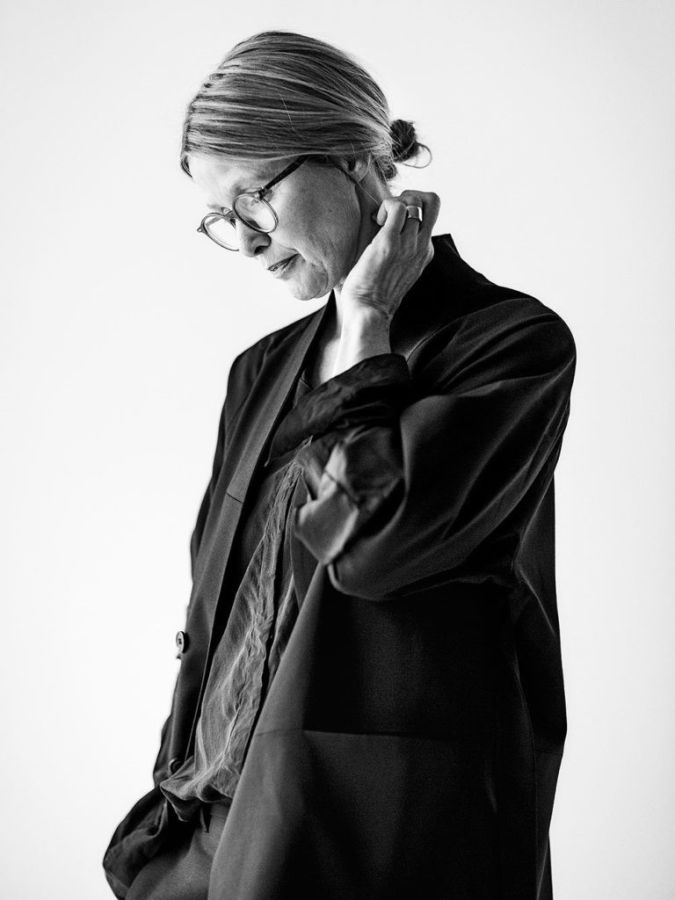
Carina Seth Andersson
Carina Seth Andersson is a Swedish designer, known for her unique approach to design combining functionality with artistic expression. A graduate of Konstfack in Stockholm, she specializes in designing furniture, ceramics and everyday objects. Her works are characterized by organic forms, play with colors and interesting textures, which gives them lightness and an individual character. Andersson often experiments with materials, creating unique objects that combine tradition with modernity. Her designs are gaining recognition internationally, distinguishing themselves by their freshness and creativity.
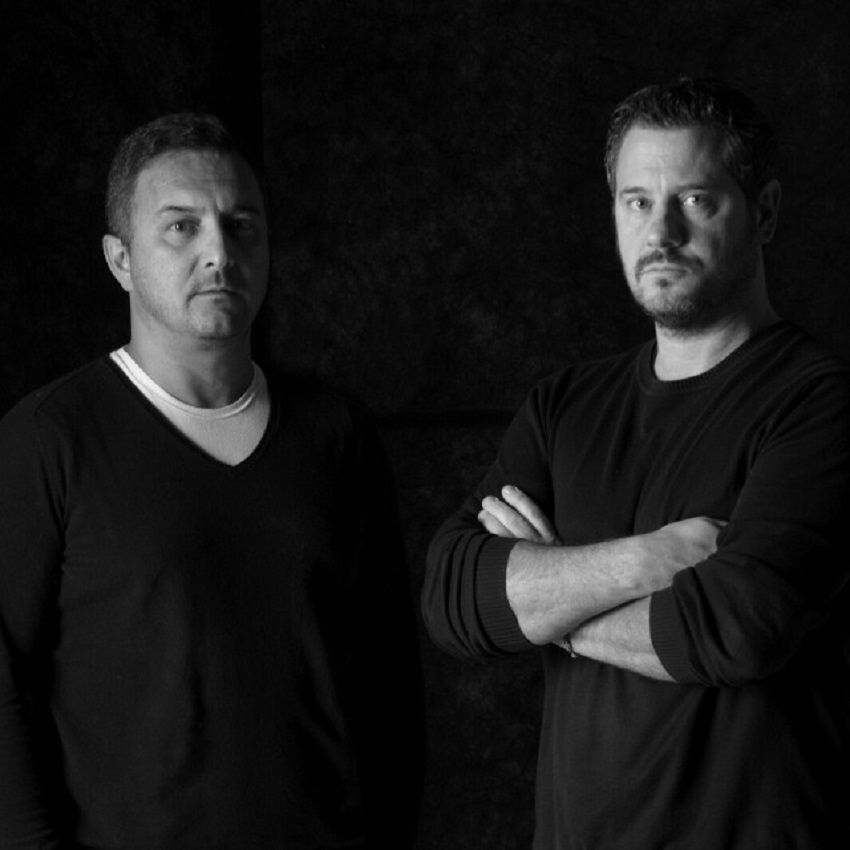
Carlesi Tonelli
CarlesiTonelli Studio was founded in 2004 by Davide Carlesi and Gian Luca Tonelli. Designers combine different experiences and sensibilities to create functional, innovative and elegant products. The studio specializes in industrial design with particular emphasis on ergonomics, technology and production processes. They have collaborated with many well-known brands, including: Midj, Calligaris, Riva 1920 and Tonin Casa. Their designs are distinguished by attention to detail, balanced style and balance between form and function. CarlesiTonelli have gained industry recognition and numerous awards confirming their position in the world of contemporary design.

Carlo Mollino
Carlo Mollino (1905–1973) was an Italian architect, designer, photographer and eccentric, known for his extremely original approach to form. He combined organic shapes with technical precision, creating designs full of fantasy and symbolism. His furniture, originally made as unique pieces, now fetches dizzying prices at auctions. Mollino designed, among others: the iconic Cavour desk, the Arabesco table and the Gilda armchair, which were put into production by the Zanotta. He also designed buildings, including: Teatro Regio in Turin, and was passionate about photography, especially portraits of women. His motto was: "Everything is allowed as long as it's fantastic."
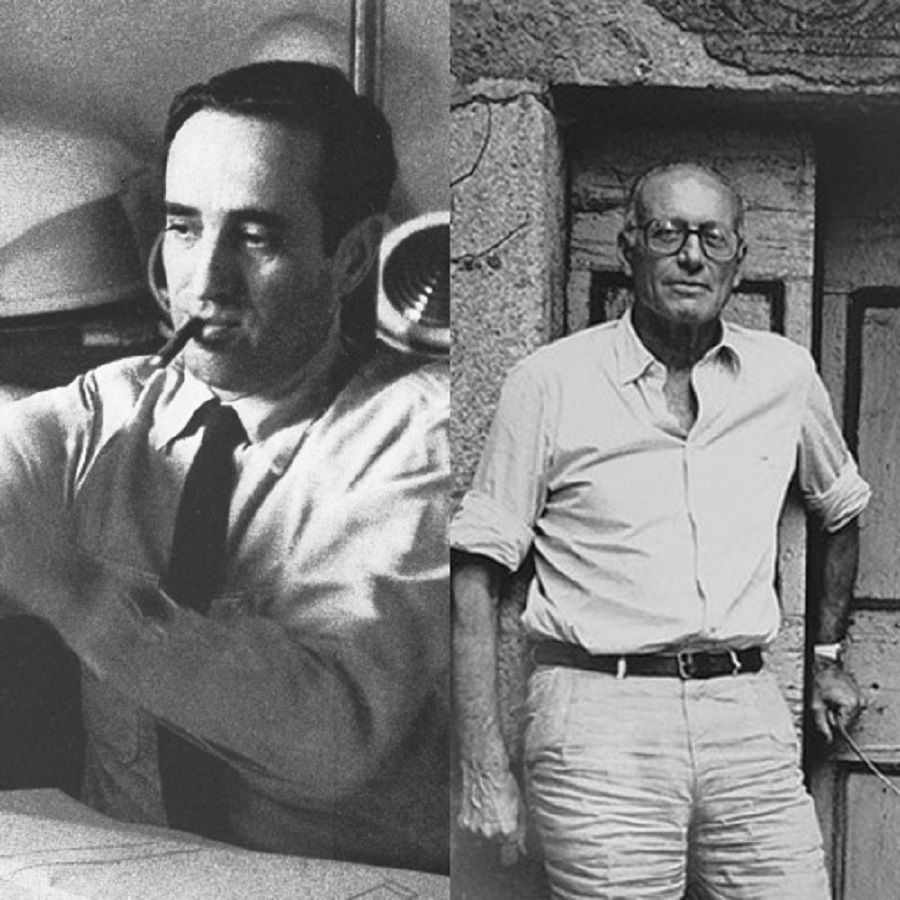
Carlo Santi & Vittorio Borachia
Santi & Borachia is an Italian design studio founded by a duo of architects and designers whose works combine engineering precision with the poetics of form. Their approach is based on a balance between craftsmanship and modern technology, which allows them to create functional and at the same time formally surprising designs. In their projects, they often refer to local heritage and materials such as metal, glass or wood, processing them in innovative ways. Famous are, among others: from projects for the Artemide brand, where they showed their unique ability to work with light and space. The aesthetics of Santi & Borachia is a combination of minimalism and subtle detail, which gives their products a timeless character.
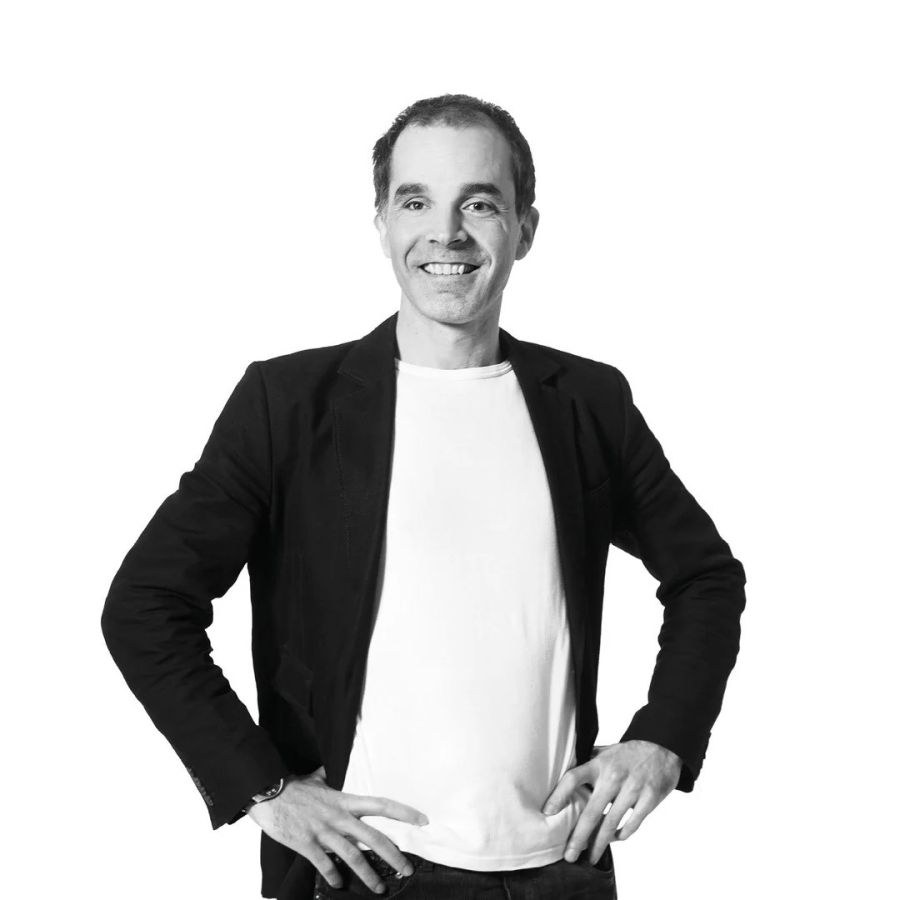
Carlo Volf
Carlo Volf is a Danish architect and designer specializing in the design of light and space with health and well-being in mind. He graduated from the Academy in Copenhagen and defended his doctorate on the influence of light on humans. His works combine functionality, minimalism and scientific research. He designed, among others: for hospitals and public spaces, creating lighting that improves user comfort. He cooperates with the Design for the People brand, creating lamps with simple but well-thought-out forms. Volf believes that light is valuable and should not be wasted - he treats it as a tool influencing health and emotions.
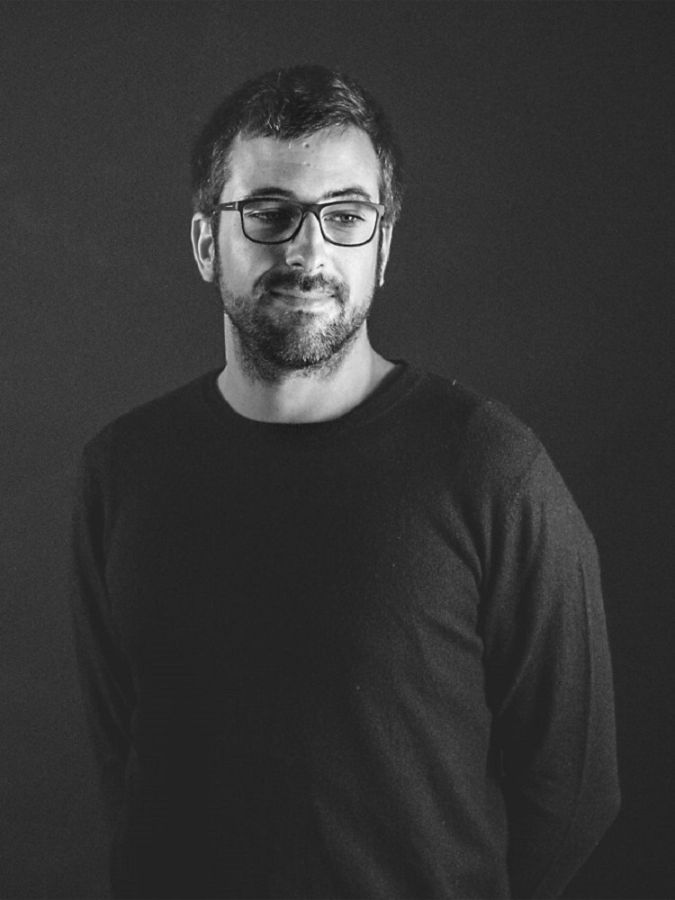
Carlos Guijarro
Carlos Guijarro is a Spanish furniture designer currently working in Berlin. He graduated in industrial design in Barcelona and obtained a master's degree in interior design at Domus Academy in Milan. His work is connected Scandinavian simplicity with a Southern European temperament, which is manifested in rational, functional and minimalist designs in which high-quality materials play a key role. Guijarro has collaborated with many international brands such as Bolia, Kavehome, Nyova, Pantaii, Square Home, ISI Mar, Gracia, By Georgsen, Max Login and Woodman. For the Estonian brand, he designed, among others: collections of furniture for the living room, dining room and office, which are characterized by modern design and high quality of workmanship.

Carole Baijings
Carole Baijings is a Dutch designer known for her masterful use of color, geometry and light. She co-founded the Scholten & Baijings studio, with which she gained international recognition, and since 2020, she has been running her own design studio. Her works balance between craftsmanship and modern technology, combining subtle aesthetics with functionality. He designs furniture, lighting, ceramics and textiles for brands such as HAY, IKEA, Maharam, Herman Miller and Georg Jensen. Her designs are distinguished by layering, transparency and a bold approach to color. Baijings creates items that are timeless, yet fresh and contemporary. Her works have been presented, among others, at the Victoria & Albert Museum and the Cooper Hewitt Museum.

Carolin Pertsch
Carolin Pertsch is a German industrial designer specializing in material and sustainability-oriented design. She graduated in integrated design from the Hochschule für Künste in Bremen and also spent a semester abroad at the Università Iuav di Venezia. Her master's thesis resulted in the SPHERE project - a spherical hanger with a storage function, which gained recognition and was introduced to the PHILIPPI brand offer. Pertsch combines aesthetics with functionality to create products that meet the everyday needs of users. Her design approach is characterized by experimentation with materials and attention to detail. She is currently continuing her research on material-oriented design as part of a doctorate at the Hochschule für Gestaltung Offenbach, collaborating with Georg-August-Universität Göttingen.

Carolina Wetterling
Carolina Wetterling is a Swedish designer from Stockholm who graduated from Konstfack and Beckmans College of Design. In her work, she combines functionality with a poetic approach to form, creating everyday objects that engage the senses and emotions. Her most famous project is the "Grow" mini greenhouse for Design House Stockholm - a delicate glass vessel used for plant care, which combines aesthetics with practical use. Wetterling focuses on details and the user, creating objects that inspire mindful living.

Cas Moor
Cas Moor is a Belgian designer specializing in furniture, product and interior design. He studied interior architecture and then developed in the field of autonomous design. In his work, he focuses on the material, production techniques and the creative process itself. He believes that a good design should preserve the essence of the object without unnecessary elements, and the form should result from its properties and the way of making. He cooperates with international brands, creating projects based on well-thought-out design, functionality and craftsmanship. He is associated with the Belgian brand Paul Rogers, for which he designs modern upholstered furniture.

Cecilia Xinyu Zhang
Cecilia Xinyu Zhang is a Chinese designer based in Norway, specializing in product, furniture, space and art installation design. She completed her Master's degree at the Academy of Design and Crafts at the University of Gothenburg in Sweden. After gaining experience in Marcel Wanders' studio in the Netherlands, she founded her own studio in Bergen in 2016 and currently runs it in Oslo. Zhang is known for her minimalist designs that combine geometric forms with functionality, often creating optical illusions and redefining the perception of space. Her most recognizable works include: the Equant lamp inspired by astronomical geometry, Inverse tables for Munk Collective, the Discrete shelf for Roche Bobois and the Frame and Nook multifunctional hangers for Northern.

Cecylie Manz
Cecilie Manz is one of the most respected contemporary Scandinavian designers. Born in Denmark in 1972, she has been creating minimalist and functional designs of furniture, lighting, ceramics and glass for years. Her works combine simplicity of form with attention to detail and high quality of workmanship. In 1998, she founded her own studio in Copenhagen, where she develops both industrial projects and unique, experimental objects. He cooperates with brands such as Fritz Hansen, Muuto, Bang & Olufsen, Iittala and Duravit. Her designs have gained international recognition and are presented in museums around the world, including: at MoMA in New York. Manz is the recipient of many prestigious awards and distinctions, including the title of Maison & Objet Designer of the Year (2018) and the French Order of Arts and Letters.
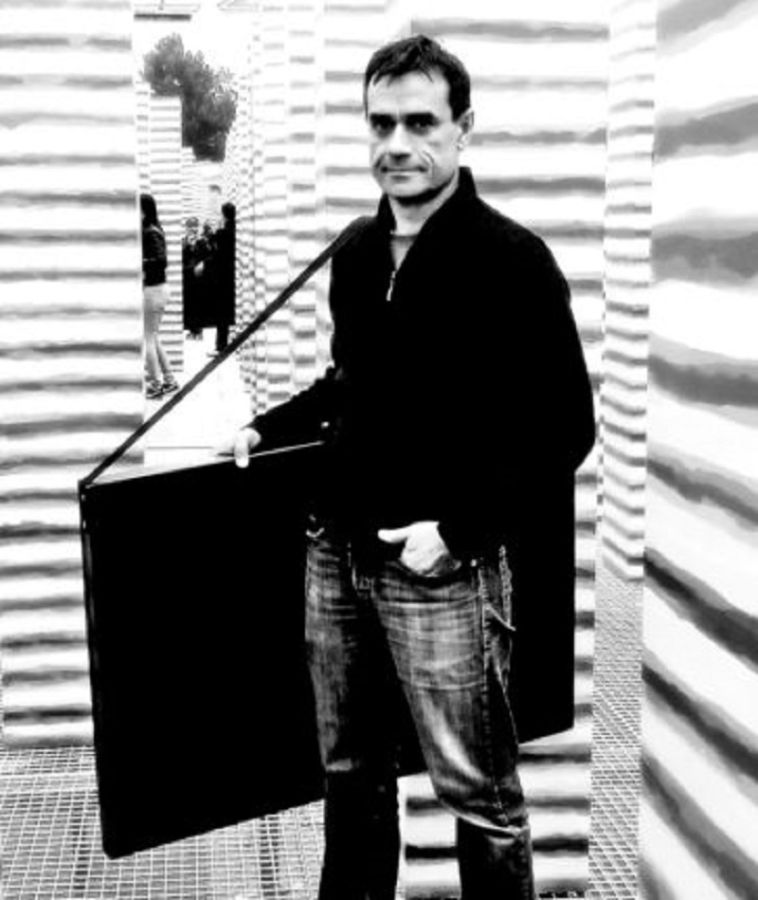
Charaziak Design
Charaziak Design is a Polish design studio combining functionality with refined aesthetics. It specializes in creating interiors, furniture and equipment elements that harmoniously fit the needs of users and the context of the space. The brand's style is distinguished by attention to detail, skillful use of light, texture and color, as well as a bold but balanced combination of modern forms with timeless classics. Charaziak Design designs are characterized by minimalism combined with coziness, which makes the interiors elegant and comfortable at the same time.
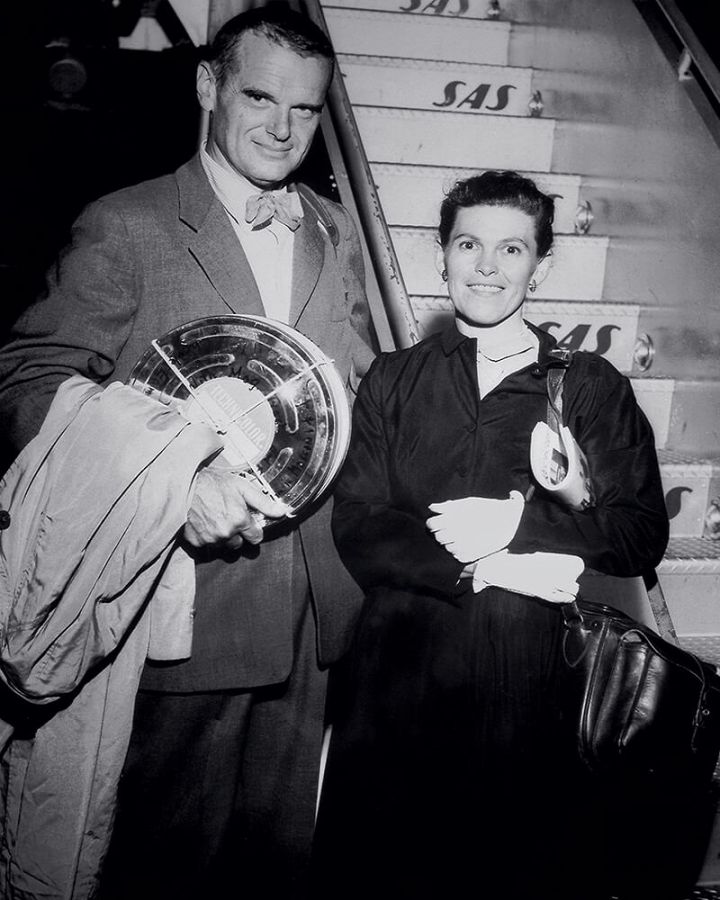
Charles & Ray Eames
Charles and Ray Eames are one of the most influential design duos of the 20th century, who forever changed the face of contemporary design. He is an architect with an analytical mind, she is an artist with sensitivity to form, color and detail. Together they created a language of modern design where beauty meets functionality. Their works - from furniture, through architecture, to films and exhibitions - were distinguished by their humanistic approach, attention to proportions and innovative use of materials such as molded plywood or fiberglass. Cooperation with Vitra resulted in design icons such as Lounge Chair and Plastic Chair, which remains a symbol of timeless elegance to this day.

Charlotte Honcke
Charlotte Honcke is a Danish industrial designer, graduate of the Danish School of Architecture in Aarhus (2002). In 2010, she founded her own studio in Aarhus specializing in the design of furniture, lighting and home accessories. Her style combines functionality with aesthetics, enriching simple forms with subtle details that attract attention and give objects a unique character. Honcke has collaborated with renowned brands such as Bolia, Softline, Warm Nordic, Andersen Furniture or Flexa. Her famous projects include: "Cape" and "Be My Guest" collections for Warm Nordic and the "Nova" series for Flex.
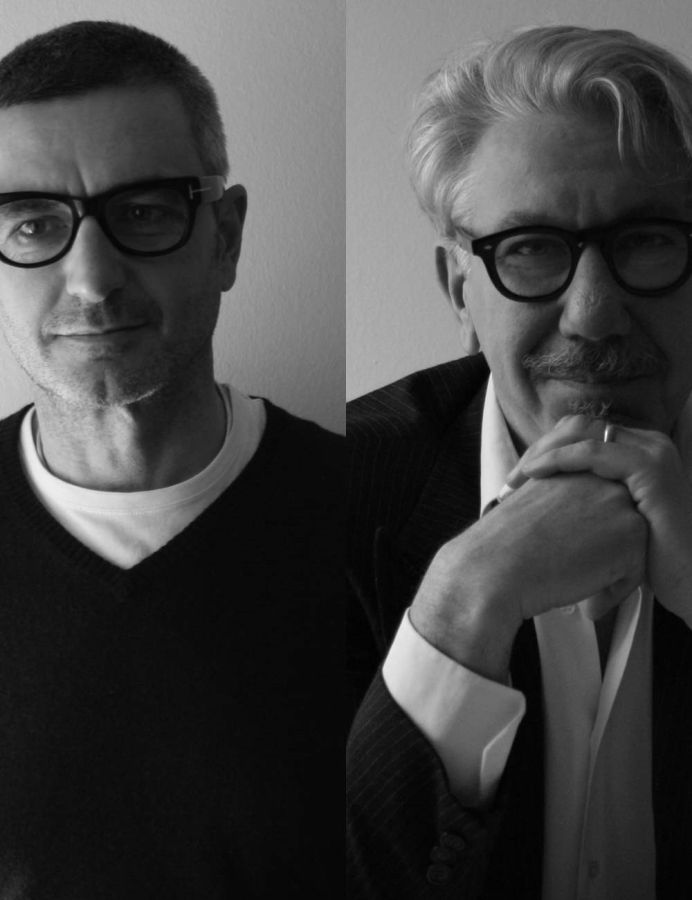
Chiaramonte & Marin
Chiaramonte & Marin is an Italian design duo composed of Alfredo Chiaramonte and Marco Marin. Their cooperation began in Venice and is based on combining experience in architecture, industrial design and art. They design furniture, lighting and consumer products, cooperating with renowned brands such as EMU, Vistosi, Bonaldo and Miniforms. Their designs are characterized by purity of form, functionality and often contain elements inspired by the tradition of Italian craftsmanship. Chiaramonte & Marin skillfully balance between modernity and timeless elegance, which makes their works valued in both the private and commercial sectors. The duo gained recognition for their ability to give everyday objects a unique character.
Chris Kabel
Chris Kabel is a respected designer who combines an analytical approach with sensitivity to materials and natural phenomena. A graduate of Design Academy Eindhoven, he has been running his own studio in Rotterdam since 2002. His works are distinguished by intelligent construction, simplicity and innovative use of materials. He cooperated with, among others: with HAY, Droog, Galerie Kreo and Fatboy. Designs such as "Mesh Chair" and "Wood Ring" have won numerous awards and are included in the collections of MoMA, Stedelijk and Boijmans van Beuningen. The cable avoids temporary trends, focusing on timeless design and a deep understanding of functions. He currently lives in Rotterdam and lectures at prestigious art universities in Europe.
Chris Liljenberg Halstrom
Chris Liljenberg Halstrøm is a Danish-Swedish furniture designer and textile artist, known for her minimalist forms inspired by everyday life and nature. She graduated from the Royal Danish Academy of Fine Arts in Copenhagen and previously studied in Stockholm and Berlin. In 2007, she founded her own studio, designing for brands such as Skagerak, Fritz Hansen and Design Within Reach. Her works, such as the Georg series for Skagerak, combine functionality with subtle aesthetics, using natural materials such as wood, wool and leather. Since 2019, she has been focusing on textile art, creating embroideries presented, among others, at Francis Gallery in the UK and USA.

Christian Dell
Christian Dell was a German designer and silversmith, known mainly for his innovative Bauhaus-style lamps. He was born in 1893, studied at the School of Artistic Crafts in Weimar, and then learned jewelry making. In the years 1922–1925 he headed the metal workshop at the famous Bauhaus school in Weimar. After its closure, he designed lighting, including: for the Fritz Hansen, Gebr and Kaiser & Co. brands. Dell's most famous work is the KAISER idell lamp, which is still considered an icon of 20th century design - elegant, functional, with a characteristic ball joint. His style combined craftsmanship precision and modern form. After World War II he returned to goldsmithing. Dell died in 1974. His works remain design classics and are still produced, appreciated for their timeless character and quality of workmanship.

Christian Juhl
Christian Juhl is a Danish furniture designer, known for combining craftsmanship precision with modern aesthetics. After carpentry practice in Rud. Rasmussen graduated in Furniture Design from the Royal Danish Academy of Fine Arts. In 2012, he founded his own studio in Copenhagen. He creates simple, functional and durable designs, with respect for the material - wood, metal and recycled plastics. He cooperated with, among others: with HAY (Drome lamp), Andersen Furniture (U1 stool) and Mindo (3D-knit PET chair). His designs are distinguished by their clear form, high quality of workmanship and timeless character. Winner of the Finn Juhl Design Prize, present in the catalogs of international brands.

Christian von Ahn
Christian von Ahn is a German industrial and interior designer, born in 1970 in Wedel, Schleswig-Holstein. He graduated in industrial design in Hamburg and at Parsons School of Design in New York. In 1998, he founded his own design studio in Hamburg, which specializes in the design of products, furniture and interior design of apartments, restaurants and cafes. His works are characterized by a minimalist approach, clear lines and functionality, which earned him numerous awards and recognition in the industry. For the PHILIPPI brand, he designed over 20 products, including the BOUQUET vase, which consists of individual mini vases, enabling the creation of unique floral arrangements. Von Ahn draws inspiration from a variety of sources, from specific customer inquiries to experiments with materials and production techniques. His approach to design is based on logic, humor and innovation, which makes his designs both aesthetic and practical.
Christian Woo
Christian Woo is a contemporary furniture designer and craftsman known for a minimalist, modern aesthetic that combines stark simplicity with refined craftsmanship. Born in Madrid and raised in British Columbia, Woo is a self-taught designer who has run his own studio in Vancouver, Canada since 2006, creating furniture inspired by the serenity and monumentality of the forests of the Pacific Northwest and his grandfather's carpentry heritage. His works are distinguished by clean lines, well-thought-out geometry and attention to the material, often using sustainably harvested, FSC-certified wood, hand-finished and refined down to the smallest detail.
Christoffer Harlang
Christoffer Harlang is a Danish architect, designer and professor at the Royal Danish Academy of Fine Arts. He is known for projects that combine modernity with tradition, such as the Hammershus Visitor Center on Bornholm, which has won numerous international awards. As a designer, he has collaborated with the brands Skagerak, Louis Poulsen and Randi, creating everyday objects with a minimalist aesthetic. Harlang draws inspiration from anonymous craftsmanship and Danish modernism, continuing the traditions of artists such as Kaare Klint. His approach to design is based on subtlety, harmony with the surroundings and respect for materials. In 2020, he received the Nykredit Honorary Architecture Prize for his contribution to Danish architecture.
Christophe Mathieu
Christophe Mathieu is a Catalan designer who has been associated with the Marset brand for years, where he co-creates iconic lighting designs that redefine the relationship between light, space and emotion. Its design combines simplicity with a sense of lightness and subtle poetics of forms. Mathieu started as a designer in Barcelona, then developed in Italy - this experience shaped his approach, in which functionality always goes hand in hand with elegance. His lamps are intended to create an atmosphere, promote conversation, relaxation and everyday rituals, remaining timeless despite changing trends.
Christophe Pillet
Christophe Pillet is a respected French designer known for his refined, minimalist style that combines elegance with functionality. He graduated from the École Nationale Supérieure des Arts Décoratifs in Paris and collaborated with Philippe Starck. Since the 1990s, he has been running his own studio, creating projects in the field of furniture, lighting, interiors, and industrial design. He collaborated with brands such as Emu, Driade, Lema, Cappellini and Lacoste. His works are considered timeless and full of discreet innovation. Pillet has gained international recognition thanks to its consistent approach to form and detail.
Chuck Mack
Chuck Mack is an American-Icelandic designer and self-taught carpenter living in Reykjavik. His works combine functionality with aesthetics, drawing inspiration from Scandinavian modernism and American mid-century. It is known for its precision of workmanship and simple, timeless forms. He designs furniture, including: the famous Arco table for Design House Stockholm, which combines classic trestle with a modern glass top. Mack places emphasis on originality, durability and practicality. His style is a harmony of craftsmanship and design, which makes his designs universal and functional.
Ciszak Dalmas
Ciszak Dalmas is a multidisciplinary design studio founded in 2009 in Madrid by Alberto Gobbino Ciszak and Andrea Caruso Dalmas. He specializes in interior design, product design and art direction, cooperating with brands such as Aesop, Loewe, Zara and Camper. The studio is distinguished by its experimental approach, combining various materials and techniques to create modern, innovative spaces and objects. Their works were presented at the Venice Architecture Biennale, Salone del Mobile in Milan and Experimenta Design in Lisbon. Ciszak Dalmas also conducts teaching activities, lecturing at universities such as IE University, HEAD Geneva and ELISAVA Barcelona.
Claesson Koivisto Rune
Claesson Koivisto Rune is a Swedish architecture and design studio founded in 1995 in Stockholm by Mårten Claesson, Eero Koivisto and Ola Rune. Initially focused on architecture, over time it transformed into a multidisciplinary office, combining architecture, design and art. Their works include designs for buildings, interiors, furniture, lighting and everyday objects, implemented all over the world. Studio has gained recognition thanks to projects such as Sfera Building in Kyoto, Nobis Hotel in Stockholm and the Tind prefabricated house collection for Fiskarhedenvillan. W In 2004, it was the first Swedish architectural office to present itself at the International Architecture Biennale in Venice. Claesson Koivisto Rune has received numerous awards, including Red Dot Design Award – Best of the Best, Designer of the Year from Elle Decor Italia and Bruno Mathsson Award. Their works are characterized by minimalist aesthetics, functionality and inspiration from contemporary art. Studio cooperates with many renowned brands, such as Muuto, Fontana Arte, Orrefors and Wästberg.
Claesson, Koivisto, Rune
Claesson Koivisto Rune is a Swedish design studio founded in 1995 by Mårten Claesson, Eero Koivisto and Ola Rune. Initially, they focused on architecture, over time expanding their activities to include furniture, lighting, ceramics and textile design. Their work is carried out all over the world and has gained international recognition thanks to its coherent approach and multidisciplinarity. The studio has won many awards, including the Red Dot Design Award. The projects combine functionality with aesthetics, are present in museums and collections, and also include cultural buildings, prefabricated elements and modern utility spaces.
Claire & Roderick Vos
Claire and Roderick Vos are a Dutch design duo who have been running Studio Roderick Vos since 1999, specializing in lighting, furniture, textiles and accessories. They both graduated from the Design Academy Eindhoven in 1990, and then gained experience in Japan and Indonesia, which influenced their aesthetics combining European craftsmanship with Asian precision. Coming from a family with a textile tradition, Claire reinterprets classic techniques in a modern way, as exemplified by the "Liquid Layers" rug collection for Moooi. Roderick focuses on functional forms, as evidenced by the "Twisty" armchair, awarded the Elle Deco International Design Award in 2023.

Claire Lavabre
Claire Lavabre is a French designer and photographer living in Copenhagen, where she runs her own design studio. She is a graduate of the prestigious ENSCI–Les Ateliers university in Paris, and in her work she combines product design with photography, focusing on the relationships between form, color and material. Her designs are distinguished by their sparse aesthetics, functionality and attention to proportions and details. Claire Lavabre creates everyday items with a timeless character, in which the simplicity of design goes hand in hand with high quality of workmanship.
Claire Vos
Claire Vos is a Dutch designer specializing in textiles, known for skillfully combining traditional techniques with modern design. Born in 1965 in Tegelen, she graduated from Design Academy Eindhoven in 1991, and improved her skills in Italy, Switzerland and Indonesia. In 1999, together with her husband, Roderick Vos, she founded Studio Roderick Vos, which cooperates with renowned brands such as Moooi, Linteloo and Pode. Vos draws inspiration from various cultures, reinterpreting traditional patterns such as Indonesian ikat and Dutch blankets to create modern, graphic designs. Her works, including the Liquid Layers carpet collection for Moooi, are characterized by an innovative approach to design and attention to detail.

Clara von Zweigbergk
Clara von Zweigbergk is a Swedish designer and artist whose works stand out from contemporary design thanks to a unique approach to colors, shapes and space. Her designs, including graphics, illustrations and utility items, combine minimalism with playful forms. Clara specializes in designing patterns that translate into lighting, wallpapers and accessories, and her characteristic, geometric compositions give any interior a modern but warm character. In his work, he pays particular attention to the balance between aesthetics and functionality, creating objects that are not only beautiful, but also useful. Her work has gained international recognition, and her designs are popular among Scandinavian design enthusiasts.
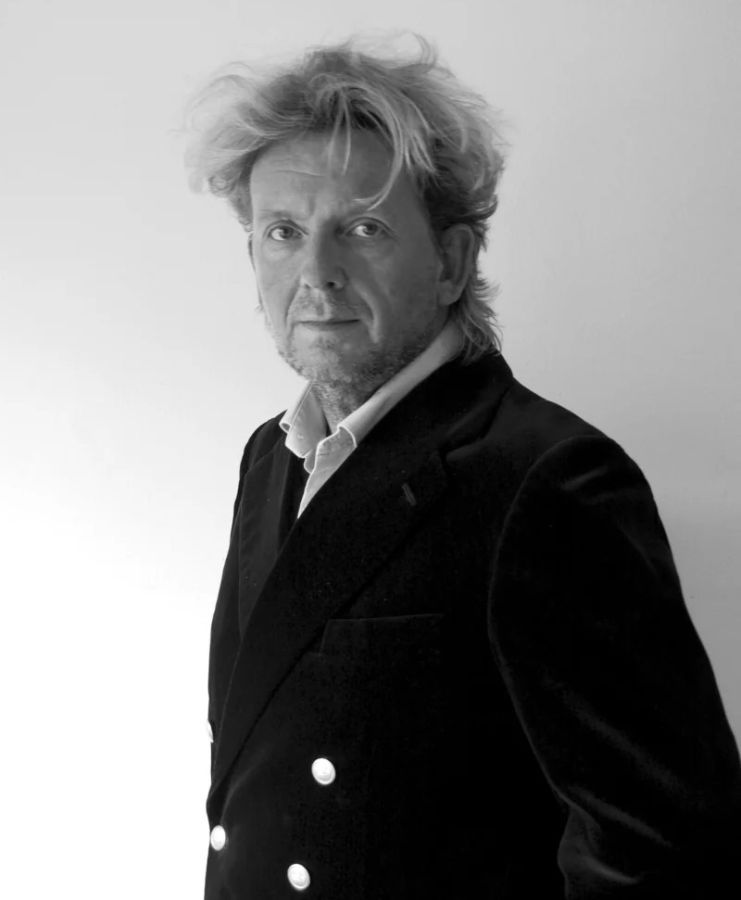
Claus C. Simonsen
Claus C. Simonsen is a Danish architect and furniture designer who graduated from the Aarhus School of Architecture in 1994. Although initially he focused on architecture, working, among others, for Henning Larsen Architects in Copenhagen, his passion for furniture design led to the founding of his own studio – Generous Design, and later Studio Simonsen. Simonsen believes that furniture design is about improvising around archetypal forms such as a chair or table, which he compares to jazz, where musicians improvise on known standards . His approach combines functionality with aesthetics, creating timeless and innovative designs. Collaborated with renowned brands such as Softline, Normann Copenhagen, Eilersen, Frandsen Lighting and Bruunmunch. In 2014, he started cooperation with Bruunmunch, which resulted in the PLAYchair and STONE collections. .

CMP Design
CMP Design is an Italian design studio founded in 2009 by Michel Cazzaniga, Simone Mandelli and Antonio Pagliarulo. CMP is named after the initials of their surnames. All three met while studying at the Politecnico di Milano, where they established a creative collaboration that resulted in the creation of a joint studio in Como. CMP Design specializes in the design of furniture, products, graphics and visual identification. Their approach is based on dialogue with craftsmen, technicians and users, which allows them to create designs that combine tradition with modernity. Their works are characterized by drawing inspiration from everyday objects, popular culture and nature, which translates into simple and timeless forms. The studio cooperates with renowned brands such as Pedrali, for which they designed, among others: Tribeca, Folk, Lamorisse and Panarea chairs. Their designs have won numerous awards, including the Red Dot Design Award, German Design Award and BIG SEE Award.
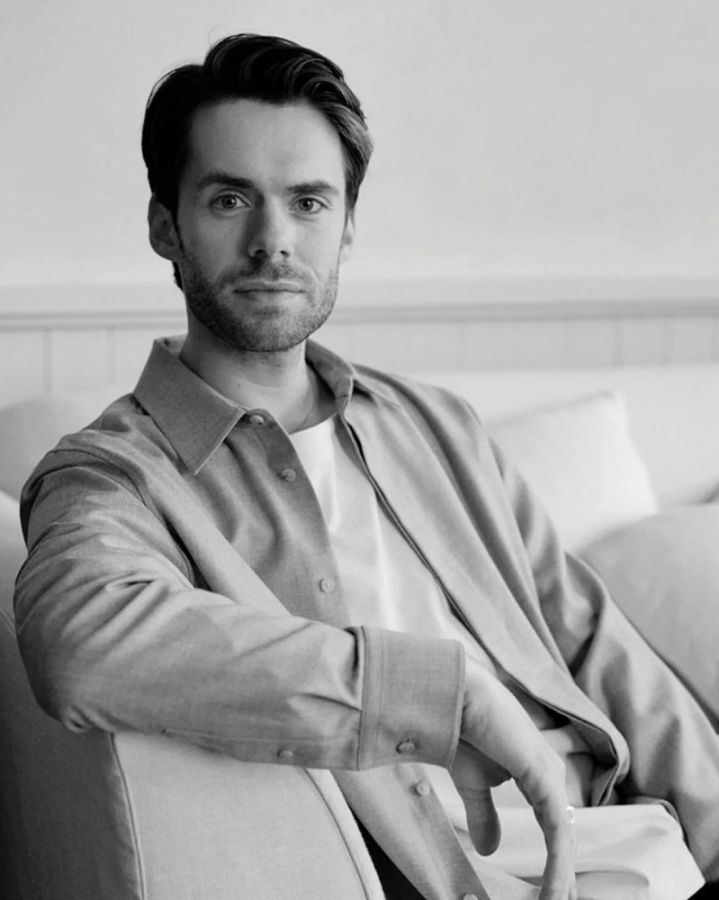
Colin King
Colin King is an American interior stylist and designer known for his minimalist approach to space arrangement and his unique sense of proportion, light and composition. He gained international recognition thanks to his cooperation with prestigious brands such as MENU, Beni Rugs and Anthropologie. His style is based on subtle details, natural materials and a calm color palette, creating an atmosphere of harmony and sophistication. King is also the author of the bookArranging Things, in which he shares his approach to styling spaces and everyday objects. His works appear in magazines such as Architectural Digest and Elle Decor, and he has become one of the key figures in contemporary interior design.
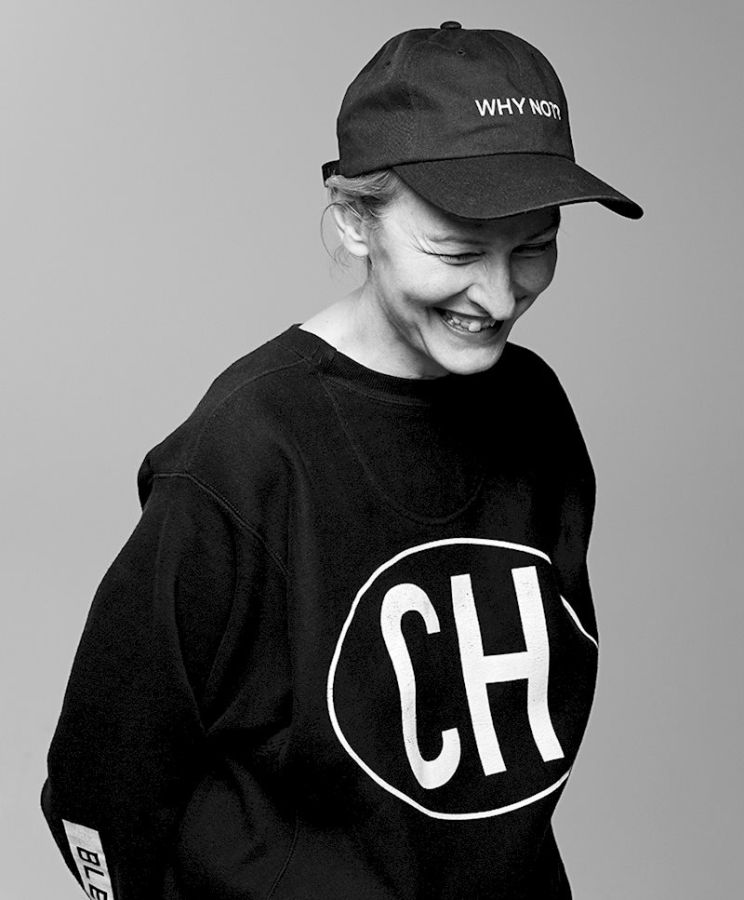
Connie Hüsser
Connie Hüsser is a Swiss, renowned interior designer, stylist and curator. Her career began as a shop window decorator, and over time she gained a reputation as an editor and interior stylist. She is known for her unconventional approach to design - she combines colors, forms and textures in a bold yet harmonious way. In 2018, she created her own exhibition "Objects with Love" at the Interieur Biennale in Belgium, which was also shown at Design Miami and Art Basel. A year later, she received the Swiss Grand Prix Design, as the first interior stylist to receive this prestigious award. She cooperates with brands such as HAY, for which she designed funny, colorful "Leo" sponges.
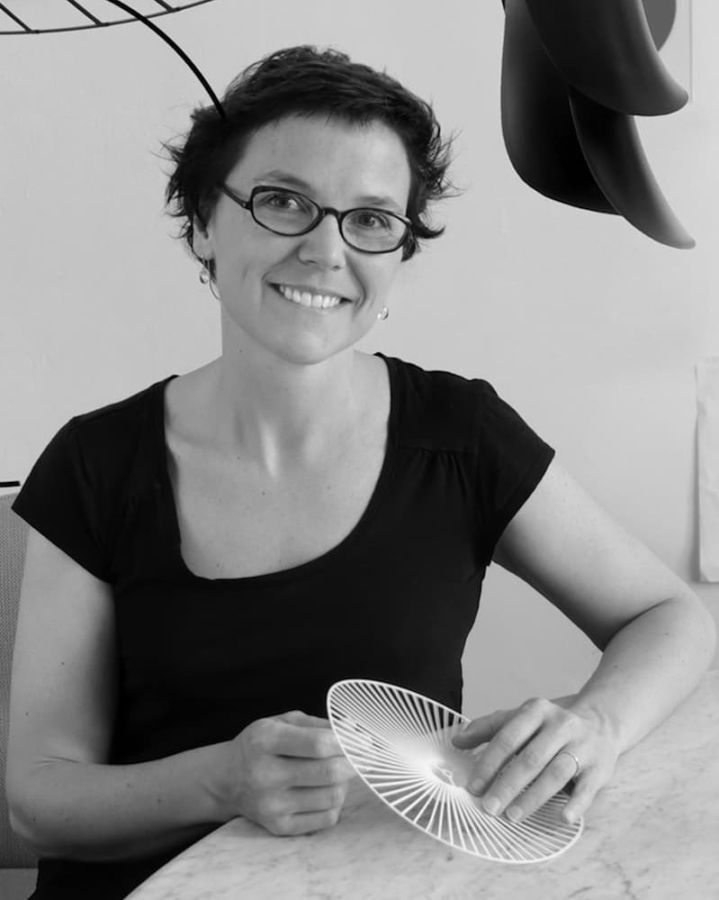
Constance Guisset
Constance Guisset is a French designer known for combining lightness of form, functionality and poetic imagination. She studied at ESSEC, Sciences Po and ENSCI – Les Ateliers in Paris. In 2009, she founded her own studio, where she creates furniture, lighting, interiors and scenography. Her most recognizable project is the Vertigo lamp - an icon of contemporary design, combining movement and ethereality. He cooperates with brands such as Petite Friture, Zanotta, Molteni&C and LaCividina. Guisset also designs interiors for commercial and museum spaces, as well as scenography for theaters and operas. Her works have been exhibited, among others, at the Musée des Arts Décoratifs in Paris. It combines craftsmanship with modernity, creating friendly, surprising and emotional designs.

Constantin Wortmann
Constantin Wortmann is a German industrial designer, appreciated for his ability to give everyday objects a distinctive, sculptural character. He studied design at the University of Fine Arts in Berlin, and in 1998 he founded the Büro für Form studio in Bremen. His designs are created with durability, functionality and emotions that a well-designed object can evoke in everyday use in mind. A characteristic element of his work are soft lines, geometric forms and a subtle sense of humor, thanks to which the design remains modern and timeless. Constantin Wortmann has collaborated with many renowned brands in the interior design industry, and his designs have won numerous international design awards.

Cristian Mohaded
Cristián Mohaded is an Argentine designer and artist, born in 1980 in Catamarca. He graduated in industrial design from the University of Córdoba and his works combine art, design and craftsmanship. He is known for creating objects that result from a dialogue between traditional techniques and contemporary design. He cooperates with local craftsmen, using natural materials - fibers, wood, clay and metal - and giving them a modern form. His designs are distinguished by organic shapes, delicate detail and respect for the creative process.
Cristiana Giopato & Christopher Coombes
Cristiana Giopato and Christopher Coombes are a duo of designers who combine Italian sensitivity to form with British precision and rationality. Cristiana, an architect by profession, and Christopher, a product designer, started their business together in 2006. Their studio is located in Treviso, Italy. They specialize in the design of lighting, furniture and utility products, with an emphasis on craftsmanship, experiment and emotionality of form. The duo has gained recognition thanks to lamp collections that combine modern technology with handmade work, e.g. the Bolle series, inspired by the lightness of a soap bubble. Their designs are present in design galleries and private spaces around the world. Giopato & Coombes create design that tells stories, celebrates light and the balance between matter and space, always with a sense of aesthetics and innovation.

Damian Williamson
Damian Williamson is a British designer who has gained recognition thanks to his modern approach to design and exceptional sensitivity to aesthetics and functionality. It specializes in the design of furniture, interiors and everyday objects, combining simplicity of form with advanced technologies and innovative materials. His works are distinguished by minimalism, elegance and attention to detail. Williamson is also committed to education, sharing his knowledge with younger generations of designers. His designs are present in prestigious galleries and collections around the world, which makes him one of the most valued creators of contemporary design
Dan Ihreborn
Dan Yeffet
Dan Yeffet is an Israeli designer living in Paris, known for creating elegant, modern forms on the border between art and functional design. He was born in Jerusalem, studied at the Bezalel Academy and then at the Gerrit Rietveld Academy in Amsterdam. His designs include furniture, lighting and artistic glass, often combining traditional craftsmanship with modern technologies. Yeffet experiments with materials such as marble, glass and wood, creating works with a strong visual identity. His works are exhibited in museums around the world, including: at the V&A London and Design Museum Holon. He has won many prestigious awards, including the Elle Décor International Award and Designer of the Year. He creates with passion, balancing between form and emotion, function and aesthetics - his designs are timeless, yet surprising and expressive.

Daniel & Emma
Daniel To and Emma Aiston are an Australian design duo who founded the DANIEL EMMA studio in Adelaide in 2008. They met while studying industrial design at the University of South Australia, and after gaining experience in London studios such as Marc Newson and Committee, they decided to create projects combining functionality with aesthetics. Their works are characterized by minimalism, subtle humor and expressive colors. Inspirations come from everyday life, Australian culture and travel to cities such as Hong Kong or Tokyo. They have collaborated with renowned brands such as Hay, COS, Petite Friture and AARK Collective, creating projects ranging from small office items to furniture and art installations.
Daniel Debiasi & Federico Sandri
Daniel Debiasi and Federico Sandri are an Italian design duo who founded their own studio Debiasi Sandri in 2010. They operate in the areas of industrial design, interior design and creative management, cooperating with renowned brands such as Antoniolupi, Lema, Ligne Roset, Offecct, Rosenthal, Stelton and Villeroy & Boch. Their approach to design is holistic and interdisciplinary. They combine experimentation with materials and production processes with respect for craftsmanship, creating objects and spaces that are part of a broader narrative. An example of their work is the Grassi Pietre showroom - a space that combines modern design with the company's history, using recovered materials and various stones. Their designs have won numerous international awards and have been presented in museums and exhibitions around the world.
Daniel Enoksson
Daniel Enoksson is a Swedish designer combining artistic sensitivity with technical precision. He studied sculpture, painting and photography, then graduated from Beckmans College of Design in 2008, setting up his own studio in Stockholm. It creates products and interiors with simple, functional forms and a durable character. He cooperated with, among others: with HAY (Terrazzo table), Bebó Objects (Grid Shelf shelves) or Mono Light (Corduroy lamps). He is known for projects such as the aluminum Cut tables or the enamelled Enamel Table, awarded at the Salone del Mobile. His works combine utility, minimalism and high quality of workmanship. Enoksson designs with longevity and the real needs of users in mind.
Daniel Kern
Daniel Kern is a German designer who graduated in visual communication and industrial design from the Hochschule für bildende Künste Hamburg (HFBK). In 2008–2009, he was assistant curator of the exhibition "Antibodies. Works by Fernando & Humberto Campana" at the Vitra Design Museum. After graduating with honors in 2011, he worked as an exhibition designer, among others. on the "Naked Shapes" exhibition at Domaine de Boisbuchet. Then he joined the design team of Nils Holger Moormann, where he designed, among others, "Klopstock" and "So oder So" tables. His work has won numerous awards, including the Designpreis der Leinemann Stiftung für Bildung und Kunst and the Karl H. Ditze Fellowship for outstanding students. In 2013 and 2014 he was nominated for the "Newcomer of the Year" award by the German Design Council. Since 2016, she has been running her own design studio, continuing to create innovative and functional projects.
Daniel Rybakken
Daniel Rybakken is a Norwegian designer known for his minimalist lighting designs inspired by natural light. He studied in Oslo and Gothenburg, where he now runs his own studio. He cooperated with, among others: with Luceplan and Vibia, creating award-winning lamps: Counterbalance, Ascent and Amisol - combining technological precision with poetic expression. He is also the author of the Petit Standard chair for HAY - light, elegant and comfortable - which fits perfectly with modern tables available at momastudio.pl in a Scandinavian and minimalist style. His designs balance on the border between art and function, winning recognition and numerous awards, including: Compasso d'Oro or Red Dot "Best of the Best".
Daniel Schofield
Daniel Schofield is a British furniture and product designer, known for his minimalist style and functional approach to form. He combines experience in graphics and carpentry, which can be seen in his precise, well-thought-out designs. He graduated from Sheffield Hallam University and after graduation he founded his own studio. He has collaborated with brands such as The Conran Shop, Ercol, SCP and Another Country. His designs, such as the Mag table collection, are distinguished by their simplicity and high quality of workmanship. He was awarded, among others: Design Guild Mark and Elle Decoration British Design Award. Schofield focuses on extracting the essence of an object by reducing unnecessary details, creating timeless, practical and aesthetic objects.
Daniele LoScalzo Moscheri
Daniele Lo Scalzo Moscheri is an Italian architect and designer, graduate of the Politecnico di Milano and the University of Tampa. He started his career with Piero Lissoni, and since 1993 he has been running his own studio in Milan. His works combine functionality with elegance, focusing on proportion and detail. He has collaborated with many well-known brands, including: Gallotti&Radice, Varaschin, Ditre Italia and Pedrali. He serves as an artistic director in several companies, shaping their image and product offer. His designs include furniture, interiors, graphics and video, and his style is characterized by simplicity and sophistication. Moscheri is recognized by international design media, and his works have been published, among others, in Elle Decor, Interni and Wallpaper.
Danielle Siggerud
Danielle Siggerud is a Norwegian architect and designer living in Copenhagen, where she founded her own studio in 2016. She graduated from the Royal Danish Academy of Fine Arts and gained experience in John Pawson's London office. She specializes in minimalist architecture, combining modernity with respect for history. Her projects, such as such as MD Townhouse in Copenhagen or the interiors of the Andersen & Maillard bakery, are characterized by the use of natural materials, attention to detail and calm aesthetics. Siggerud also designs furniture, including: Androgyne collection for Audo Copenhagen, combining functionality with elegance.

Dario Polaco
Dario Polaco is an industrial designer from Buenos Aires, born in 1981, educated at the University of Buenos Aires. His versatile career includes the design of household appliances, medical equipment, sportswear and kitchen accessories. However, it was furniture design that allowed him to fully express his creativity and develop a distinctive design language. His approach to design is bold and experimental, questioning traditional forms and using materials in a way that not obvious. Polaco has won numerous awards for innovation, including Good Design 2016 from the Ministry of Production of Argentina, Best Design Project 2011 from Innovadores de América and the first awards in the industrial design category at the INNOVAR competition in 2008 and 2010. His work has been exhibited in prestigious art museums in Argentina, confirming his status as one of America's most promising designers Latin.
David Chipperfield
David Chipperfield is an outstanding British architect and designer, known for his elegant, minimalist style that combines modernity with respect for the history and context of the place. His designs are characterized by clear form, functionality and attention to detail. Chipperfield has completed many prestigious buildings around the world, including the Neues Museum in Berlin, Museo Jumex in Mexico and the Amorepacific headquarters in Seoul. He also designs furniture and utility items for brands such as Alessi, e15 and Wästberg. In 2023, he won the Pritzker Prize - the highest distinction in architecture - for his humanistic approach to space design
David Meier
David Meier is a German industrial designer who founded his own studio studiomeiid in 2019. He graduated in industrial design, gaining experience in both design and technical modeling. His style is a combination of purity of form, functionality and subtle play with aesthetics. He creates everyday objects that are not only intended to serve, but also provide visual pleasure. For the Blomus brand, he designed, among others: the Palua tray and the Zen series of boards, which combine the role of a board and a tray, made of solid oak wood. Meier's designs are characterized by attention to detail, minimalist character and durability. Each of them talks about simplicity, which is not boring, but elegant and thoughtful.
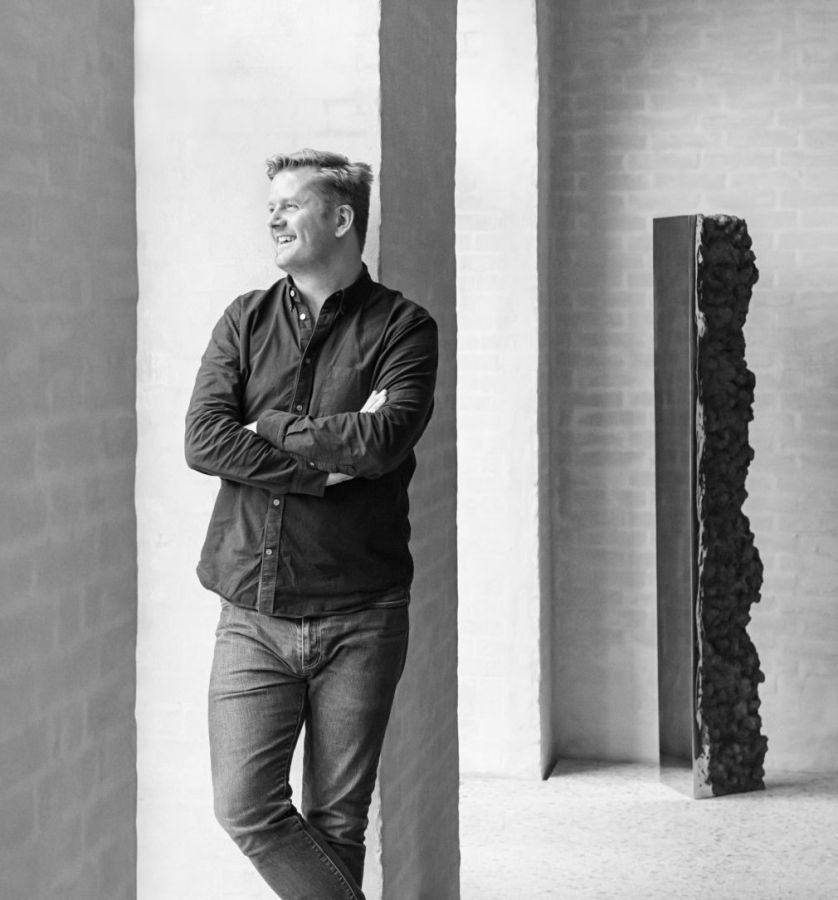
David Thulstrup
David Thulstrup is a Danish architect and interior designer, known for combining Scandinavian simplicity with modern elegance. In 2009, he founded his studio in Copenhagen, after gaining experience with artists such as Jean Nouvel and Peter Marino. His designs - from private interiors to public spaces, such as the famous Noma restaurant - are distinguished by their attention to detail, light and authentic materials. Thulstrup focuses on functionality, comfort and timeless aesthetics. He is inspired by architecture, art and the context of the place, creating harmonious spaces that affect the senses and emotions. His style is modern minimalism with soul.
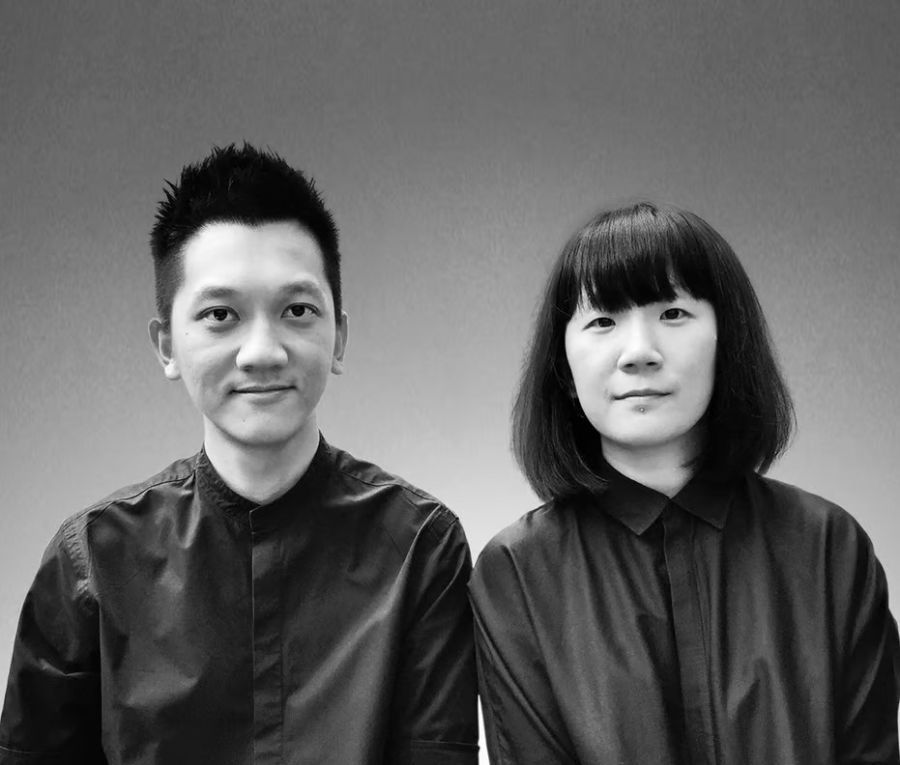
Dazingfeelsgood
Dazingfeelsgood is an interdisciplinary design studio from Singapore founded in 2015 by Kiat Ng and Karen Chiam. Their works combine functionality with emotional impact, focusing on minimalism, logic and reduction of form. Studio gained recognition thanks to the design of the Latch table for the Danish brand Bolia, which won 3rd place in the Bolia Design Awards 2017. Other notable projects include System Table awarded with silver A'Design Award, and Stack - a modular space divider inspired by the golden ratio. Dazingfeelsgood draws inspiration from brutalism and natural materials, creating furniture with a raw aesthetic that is both functional and aesthetic. Their work has been presented at international exhibitions such as Designart Tokyo and Maison & Objet in Paris and published in trade media such as Tatler Asia and Le Monde.

De Pas, D Urbino, Lomazzi
De Pas, D'Urbino, Lomazzi is an Italian design trio that played a key role in the development of avant-garde design in the 1960s and 1970s. Their work combined functionality with humor, experiment and pop art aesthetics. They are best known for the design of the "Blow" inflatable chair (1967) - one of the first PVC furniture, which became an icon of a revolutionary approach to form and material. Designers collaborated with brands such as Zanotta, Cassina and Artemide, creating furniture and objects distinguished by lightness, irony and formal courage. Their works were a commentary on the changing social and cultural realities, and today they are considered classics of Italian design.
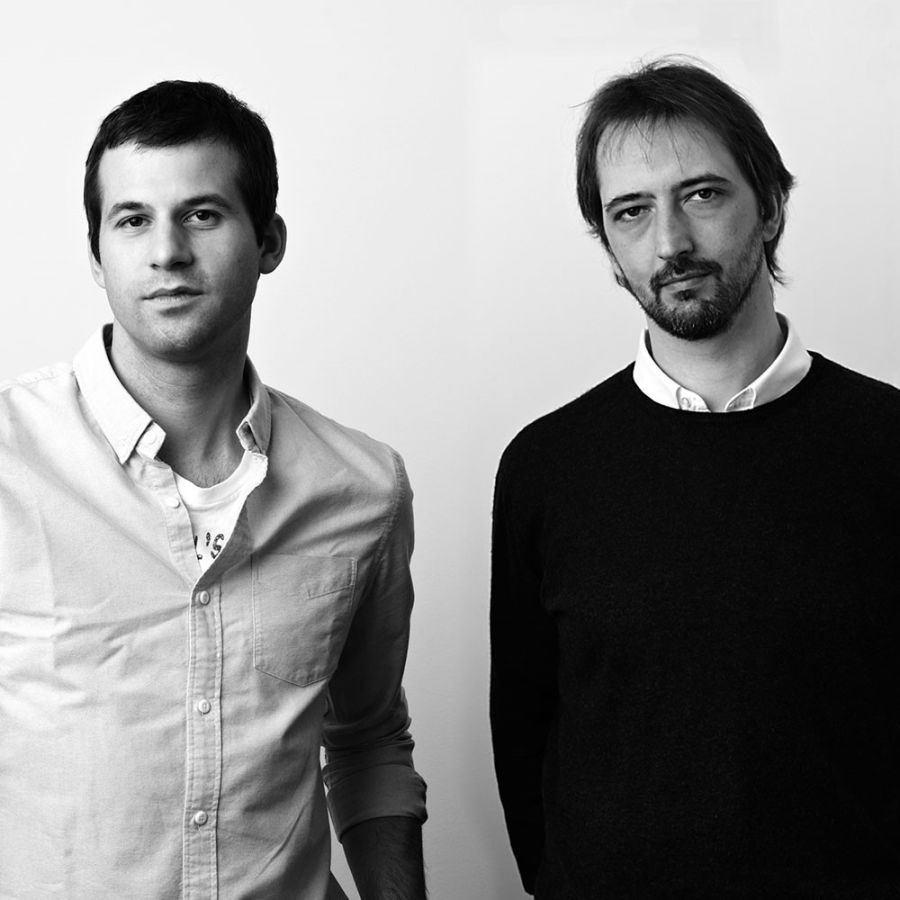
Debiasi & Sandri
Debiasi & Sandri is an Italian design studio founded in 2010 by Daniel Debiasi and Federico Sandri, based in Verona and Bolzano. They specialize in product design, interiors and artistic direction, combining experimentation with materials with a deep understanding of craftsmanship and industrial production. Their philosophy is based on continuous dialogue inspired by spatial, cultural and behavioral observations, which allows you to create projects embedded in a broader context. They have collaborated with renowned brands such as Stelton, Normann Copenhagen, Rosenthal, Lema, Offecct and Ligne Roset, and their works have won numerous international awards.
Denis Guidone Design
Denis Guidone is an Italian designer and architect based in Milan and Tokyo, known for combining Eastern and Western aesthetics in his designs. His works are characterized by a balance between rationality and irrationality, creating functional and poetic objects. He collaborated with renowned brands such as Bolia, for which he designed, among others, "Maiko" and "Kire" lamps, inspired by Japanese aesthetics and made of blown glass. Guidone has gained international recognition, receiving awards such as the IDA Design Award in Los Angeles and the Bruno Munari Prize at Triennale di Milano. In 2018, he was appointed ambassador of Italian design by the Triennale di Milano and the Italian Ministry of Foreign Affairs. His designs are presented at international exhibitions and available in design galleries around the world.
Dimitri Bahler
Dimitri Bähler is a Swiss designer whose work combines poetic expression with a functional approach to form. A graduate of ECAL in Lausanne and Design Academy Eindhoven, he founded his studio in Biel in 2014. He collaborated with renowned brands such as Muuto, HAY, Vaarnii and Established & Sons, designing, among others, lamps, furniture and wall accessories. His style is a harmonious play of contrasts - between intuition and technique, craftsmanship and modernity. Bähler experiments with materials, shapes and production processes, creating objects that are both practical and expressive.

Dogg Guomundsdottir
Dögg Guðmundsdóttir is an Icelandic designer living in Copenhagen, combining Scandinavian simplicity with inspirations from Icelandic nature. She graduated in Industrial Design in Milan, then studied at the Danish Design School and obtained a Master's degree from the Royal Danish Academy of Fine Arts, specializing in sustainable innovation. Her work combines traditional materials and craftsmanship with modern techniques to create sculptural furniture, lighting and art installations. She cooperates with many brands, and her designs combine functionality with artistic expression. She is also a teacher and consultant in the field of sustainable design.
Dorothee Becker
Doshi Levien
Doshi Levien is a renowned design studio from London, founded in 2000 by Nipa Doshi and Jonathan Levien. Their works combine expressive aesthetics inspired by Indian culture with European craftsmanship precision. Nipa, from India, brings a sense of color and narrative to the designs, and Jonathan - technical sophistication and experience in carpentry. Together they create objects that combine craftsmanship, technology and applied art. The studio has cooperated with brands such as HAY, Moroso, Kvadrat, B&B Italia, Cappellini and Swarovski. Their most recognizable designs are the Quilton sofa, the Uchiwa armchair and collections of textiles and lamps. Doshi Levien's works are included in the collections of MoMA and Cooper Hewitt, and the duo has won numerous international awards.
DWA Design Studio
DWA Design Studio is a Milan-based design studio founded in 2005 by Alberto Artesani and Frederik De Wachter. Specializes in the design of interiors, public spaces, exhibitions, shops and products. Their approach combines solidity with fluidity, creating designs tailored to various lifestyles. They cooperate with renowned brands such as Pedrali, Texturae and Nodus, designing, among others, furniture, wallpapers and carpets. DWA Design Studio is also involved in creating scenography and installations for the fashion and luxury industries. Their works are characterized by a combination of simplicity and detail, minimalism and the richness of forms, which gives the projects a unique character. The studio values the dialogue between creativity and research, inspired by both everyday objects and art. DWA Design Studio is located in Milan on Via Giulio e Corrado Venini 85.

E-ggs
E-ggs is a design studio founded in Florence by Gaia Giotti and Gilda Campi, specializing in product, interior and exhibition design, combining functionality with an emotional approach to everyday objects. Their style is characterized by minimalism of forms, attention to detail and a subtle sense of humor. Studio E-ggs cooperates with many renowned brands, such as Bolia, Miniforms designing furniture and accessories that often draw on traditional crafts and transform them into a modern design language.
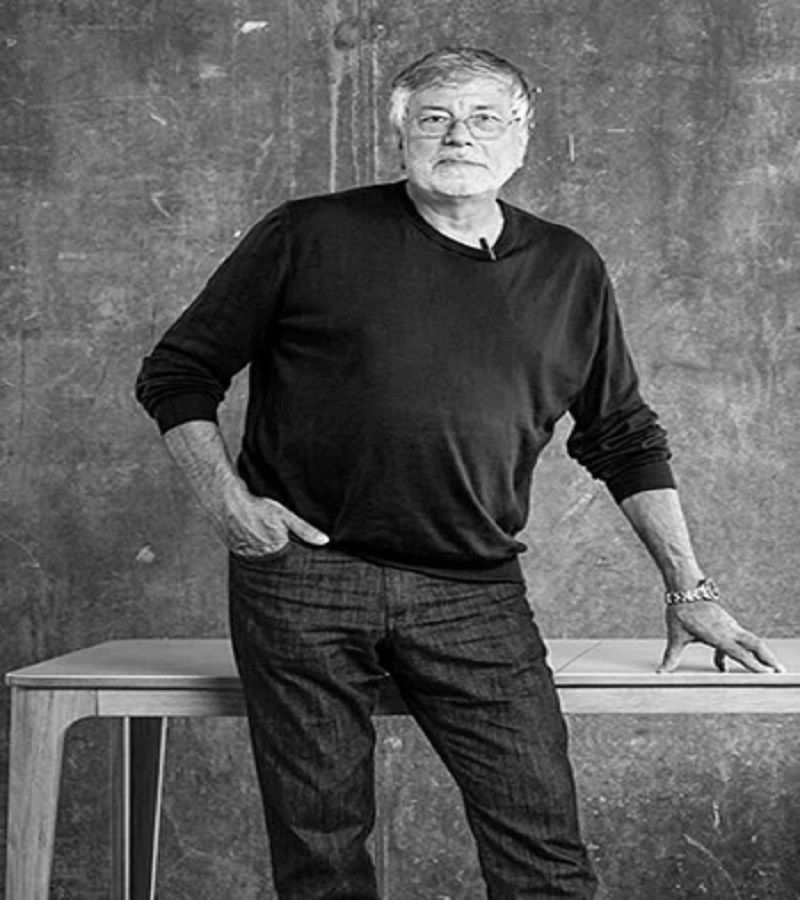
Ebbe Gehl
Ebbe Gehl is a Danish furniture designer and co-founder of the Gehl & Søgaard Design studio, known for creating functional, timeless forms in the spirit of Scandinavian minimalism. His approach to design is based on simplicity, ergonomics and deep respect for the material, especially wood. In his designs, Gehl combines traditional craftsmanship with modern design, creating furniture with clean lines, refined proportions and natural aesthetics. He puts great emphasis on comfort of use and durability, thanks to which his projects are not only aesthetic, but also practical in everyday life. Cooperation with various Scandinavian and international brands allowed him to develop a recognizable style dominated by harmony, lightness of form and functional elegance.

Eberhard Woike
Eberhard Woike is a German designer associated with the PHILIPPI brand, known for his minimalist and functional designs. Although he has no formal education in design, his passion for creating was already evident in his childhood. Woike engages involved in the entire design process - from the first concept to the introduction of the product to the market. His approach is characterized by reduction to the essence of things and openness to unconventional solutions. His most famous projects include: the ANGELO keychain, which was created in just 10 seconds, and the Lazy Susi turntable, which he worked on for 10 years. Woike describes his ideas as "positive accidents" that find him, while their implementation requires persistence and precision.

Edi & Paolo Ciani
Edi & Paolo Ciani is an Italian design studio founded by brothers Edi and Paolo Ciani in 1992. The artists specialize in designing furniture, accessories and lighting that combine functionality with minimalist elegance. Their works are characterized by clean lines, high quality materials (especially wood) and a modern approach to design. They have collaborated with renowned brands such as Calligaris, Ditre Italia, BBB Italia and Jensen Outdoor, winning numerous awards, including the Red Dot Design Award. Their designs were presented at prestigious exhibitions, including: Salone del Mobile.
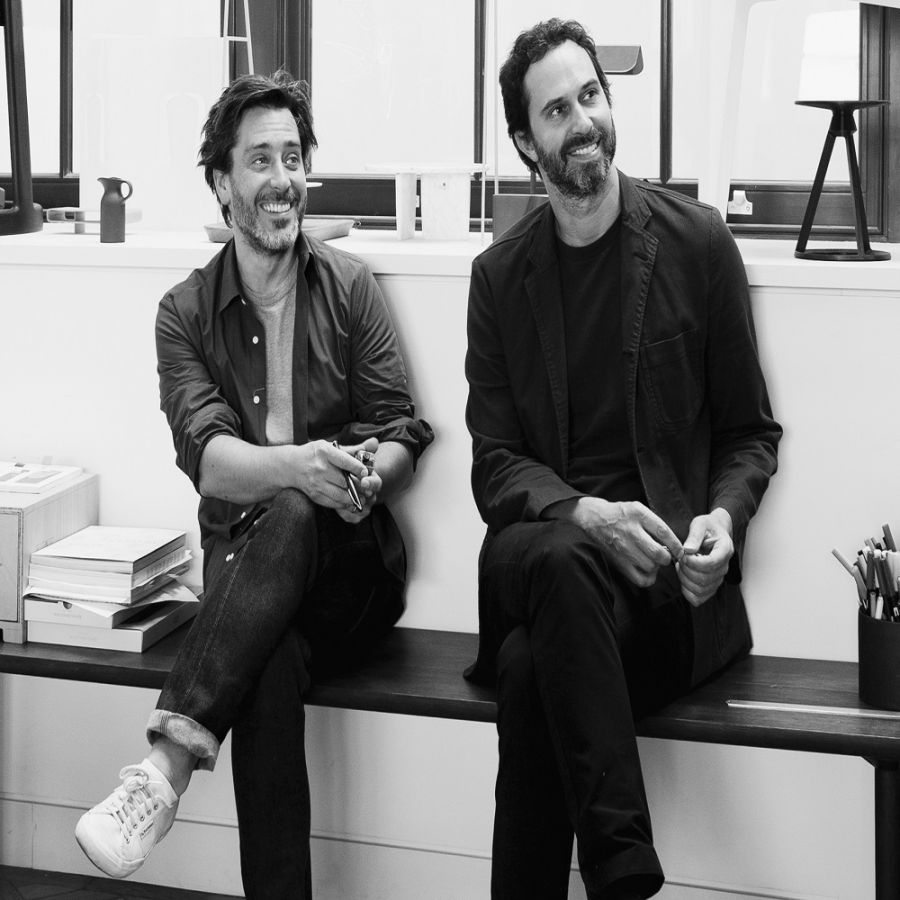
Edward Barber & Jay Osgerby
Edward Barber & Jay Osgerby is a British design duo, known for their multidisciplinary approach covering furniture, lighting, consumer products and architecture. Graduates of the Royal College of Art in London, in 1996 they founded the joint studio Barber & Osgerby. Their designs combine functionality with simplicity and timeless form, often exploring new technologies and materials. They worked for brands such as Vitra, Knoll, B&B Italia, Flos and Magis, and also created projects for public institutions - including: the Olympic torch London 2012. Their works are in the collections of the Victoria and Albert Museum, the Metropolitan Museum of Art and the Design Museum in London.

Edward van Vliet
Edward van Vliet is a Dutch designer known for combining craft traditions with a modern approach to design. His style is distinguished by the richness of patterns, colors and textures, inspired by world cultures, especially the Middle East and Asia. Van Vliet designs furniture, lighting, fabrics and interiors, collaborating with brands such as Moroso, Moooi and Leolux. His works balance between functionality and refined aesthetics, often using geometric forms and luxurious materials. Edward van Vliet creates design that is meant to stimulate the senses and emotions, giving the interiors a unique, almost fairy-tale character.
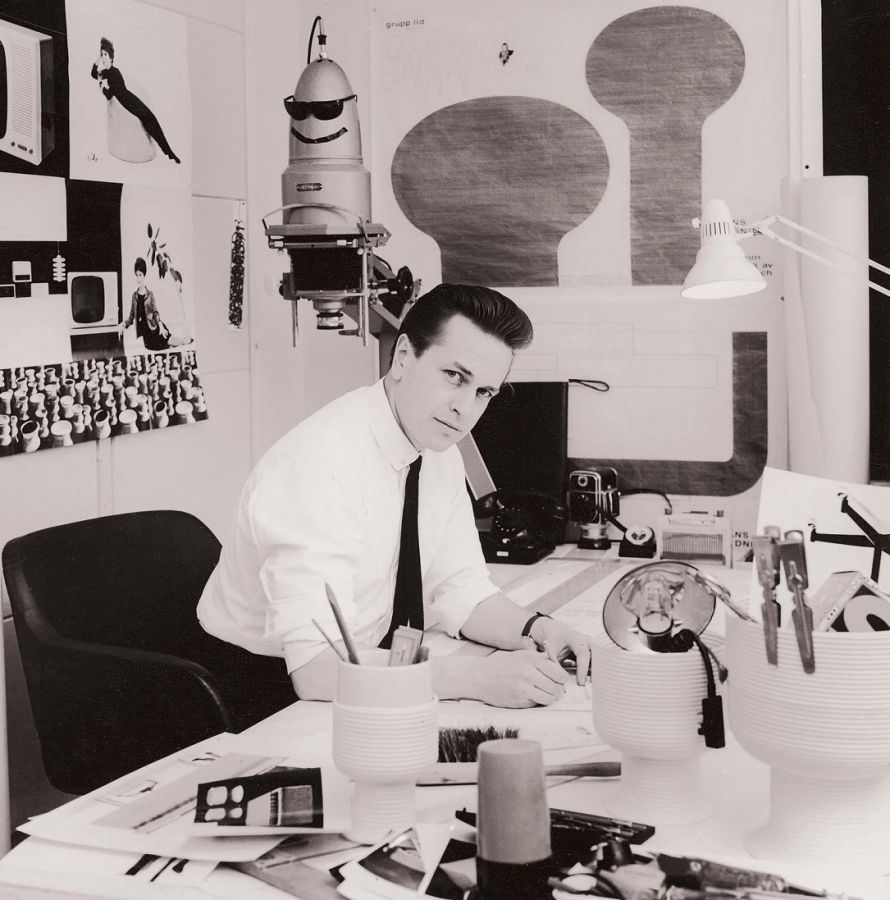
Eero Aarnio
Eero Aarnio is a Finnish industrial designer known for his futuristic plastic furniture. He was most famous for his designs from the 1960s, especially the iconic Ball Chair (1963) and Bubble Chair (1968), which combine functionality with innovative form and material. Aarnio was inspired by pop art and children's imagination, which can be seen in his organic shapes and bold colors. His designs are not only design icons, but also breakthrough solutions in terms of ergonomics and aesthetics. Aarnio's works can be found in museum collections around the world, including: at MoMA in New York. Its style is a combination of fun, innovation and function, features that revolutionized 20th century design.
Egon Eiermann
Egon Eiermann was a German architect and furniture designer, one of the key representatives of German modernism after World War II. Born in Neuendorf near Berlin, he studied architecture at the Technische Hochschule in Berlin, where he was a student of Hans Poelzig. After the war, he settled in Karlsruhe, where he ran his own design office and was a professor of architecture for many years. His architecture was characterized by simplicity, geometric form and functionality, which was reflected in such projects as the Kaiser-Wilhelm-Gedächtniskirche in Berlin or the German pavilion at Expo 1958 in Brussels. Eiermann was also a pioneer in the design of series furniture, collaborating with Wilde + Spieth. His most important projects include the SE 68 chair (1950), the E10 table (1952) and the E1 table (1953).
Ehlen Johansson
Ehlén Johansson is a Swedish designer whose career began in 1984 at IKEA. A graduate of HDK - School of Design and Crafts in Gothenburg, she has been creating iconic, functional and affordable products for decades, from glass and lighting to furniture and accessories. Her designs combine the simplicity of Scandinavian style with creative details and the idea of "Democratic Design" - a balance of form, function, quality and price. His achievements include, among others: candlesticks, lamps, tables, hangers and cabinets, which have become recognizable elements of the IKEA offer. She is characterized by attention to materials, a sense of humor in form and the ability to give everyday objects a unique character.
Elena Cutolo
Elena Cutolo is an Italian designer and architect born in Naples in 1966, who, after studying in Naples and Barcelona and first experiences in Paris, moved to Milan, where she collaborated with, among others, with the Sottsass & Associates studio, designing interiors, exhibitions and furniture. In 2008, she opened her own studio and since then she has been creating collections for many prestigious brands, including: Seletti, Bosa, Glas Italia, Morellato and Altreforme – combining artistic expression with functional design. Her works, known for their exceptional sensitivity and form, were presented at important design fairs and exhibitions, such as Maison & Objet in Paris, Salone del Mobile in Milan and Mic - International Ceramics Museum in Faenza.

Elina Ulvio
Elina Ulvio is a Finnish designer from Helsinki whose work combines an architectural approach with artistic expression. Her style is characterized by geometric forms, functionality and Art Deco influences. An architect by profession, Ulvio creates furniture and lighting using wood, steel and glass. She cooperated with, among others: with Northern and Interface, and her work was presented at Milan Design Week. Her "Pilleri" and "Ultradorism" collections brought her particular recognition. Winner of Wallpaper* and FDS Award, she emphasizes the importance of sustainable design and local production. Her designs are a combination of aesthetics, innovation and durability.
Elio Martinelli
Elio Martinelli is one of the most important Italian designers of the 20th century, founder of the Martinelli Luce brand. His designs are characterized by minimalism of form, functionality and an innovative approach to technology. Martinelli was a pioneer in the use of plastics in the production of lamps, as seen in iconic models such as Cobra (1968) or Pipistrello. He was inspired by nature and geometry, creating lighting that still impresses with its freshness to this day. His works have become a permanent part of the canon of Italian modernism and are present in design museums around the world.
Elisa Giovannoni
Elisa Giovannoni is an Italian industrial designer, co-founder of the Giovannoni Design studio. During her career, she has cooperated with renowned brands such as Alessi, Magis, Bisazza, Bertazzoni, Slamp and LG Maniglie. Her designs combine aesthetics with functionality, using modern technologies and materials. Her famous works include the Kalatos and Liza lighting collections for the Slamp brand as well as innovative furniture and accessories. Giovannoni has won numerous design awards and also teaches at the Domus Academy and the Scuola Politecnica di Design. Her works are distinguished by an innovative approach, combining tradition with modernity, which makes her one of the most important figures in contemporary design.
Elise Fouin
Élise Fouin is a French designer and set designer, known for her creative approach to materials and strong commitment to the idea of recycling and sustainable design. A graduate of École Boulle in Paris, she has been researching the relationship between craft, industry and applied art for years. In his projects, he often uses recovered materials, such as paper, glass, cork or industrial elements, giving them new meaning and aesthetic value. Her works balance between functionality and artistic expression, and her installations and objects have been presented at numerous exhibitions and design fairs around the world.

Elvir Hodzic
Elvir Hodzic is a designer specializing in modern furniture design, combining functionality with a distinctive, architectural form. His designs are characterized by attention to proportions, visual lightness and precisely refined construction details. In his work, he often uses natural materials, such as wood, metal or fabrics, giving them a contemporary, elegant character. Hodzic's style is based on the balance between aesthetics and usability - the furniture should be not only visually attractive, but also ergonomic and durable in everyday use. His designs, such as EDGE table, are distinguished by geometric lines, subtle undercuts and a light, "architectural" shape.
Emile Jones
Emile Jones is a British industrial designer, specializing in furniture, products, transport and user interfaces. It combines functionality with aesthetics, taking into account the way people live and interact with their surroundings. Initially trained as a furniture designer and craftsman, he developed his interests in various areas of design, maintaining a naturally approachable style. He works with international clients, offering innovative, practical solutions, and within his own design studio, creates products that combine functionality, aesthetics and real user needs.
Emiliana Martinelli
Emiliana Martinelli is one of the most respected Italian lighting designers and has played a key role in the development of the Martinelli Luce brand for years. Continuing family traditions related to the design and production of lighting, it creates lamps combining modern technology, functionality and characteristic Italian aesthetics. Her designs are distinguished by their minimalist form, clean lines and the skillful use of light as an integral element of interior design.
In her projects, Emiliana Martinelli is often inspired by nature, geometry and the observation of everyday phenomena, giving the products a lightness and timeless character. The lamps she designed have won the recognition of architects, interior designers and design lovers around the world. Thanks to his consistent approach to design, he is now one of the most important figures in contemporary Italian lighting design.
Emilio Nanni
Emilio Nanni is an Italian architect, designer and artist born in 1955 in Bazzano, Emilia-Romagna. He graduated in architecture from the University of Florence in 1983, where he taught furniture design from 1990 to 1998. In 2000, he founded the ENa+d studio, operating in the areas of architecture, design, urban planning and art direction. His works combine minimalist aesthetics with functionality, as seen in designs for brands such as Billiani, Saba Italia, Pianca, Tonelli, Zanotta and MDF Italia. The most famous collections include "Doll", "My Chair", "Croissant" and "Drum" for Billiani and "Kepi" and "Ziggy" for Saba Italia. As an artist, Nanni has exhibited his works in galleries and museums in Italy and abroad abroad, and his works are in many public and private collections. His approach to design is based on the search for an essential form, combining tradition with modernity.

Emma Kohlmann
Emma Kohlmann is an American artist and illustrator, known for her characteristic, hand-drawn motifs that combine delicacy with expression. Her work includes painting, graphics and illustrations, often inspired by nature, mythology and everyday life. Kohlmann's works are characterized by organic shapes, flowing lines and subtle symbolism, which give them a unique, almost poetic character. The artist collaborates with design brands such as the Danish HAY, introducing her aesthetics to the La Pittura ceramics collection. Her works combine art with functionality, making everyday objects beautiful and unique.
Emma Silvestris
Emma Silvestris is an Italian designer known for her poetic approach to functional forms. A graduate of foreign literature and art history, she has been active in the field of design since 1990, collaborating with, among others, with the Special Studio design office in Bari. Her most recognizable collection "Mediterraneo" for the Alessi brand, created in collaboration with Laura Polinoro (LPWK), draws inspiration from corals, combining organic shapes with precise craftsmanship. Silvestris designs, such as bowls and towel holders, combine feminine lines with geometric elegance and the symbolism of nature. Her works, a combination of art and functionality, have gained recognition all over the world, making her one of the leading figures of contemporary Italian design.
Enzo Mari
Enzo Mari was an Italian designer, artist and design theorist, known for his deeply humanistic approach to design. He studied at the Brera Academy of Fine Arts in Milan and his works included furniture, graphics, toys and design theory. Mari was associated with the democratic design movement, promoting accessible, durable and functional designs. In 1974, he published the famous book "Autoprogettazione?", encouraging people to create their own furniture. He collaborated with brands such as Driade, Artemide, Zanotta and Danese Milano. His designs combined form, ethics and ideology, making him one of the most influential figures in Italian design of the 20th century. It continues to inspire new generations of designers and thinkers to this day.
Eric Degenhardt
Eric Degenhardt is a German industrial designer born in 1968 in Cologne. He studied architecture at RWTH Aachen, and after a period of work in London, he focused on designing furniture and consumer products. W In 2000, he founded his own studio in Cologne, where he creates projects for international clients such as Boffi, Lamy, Wilkhahn, Richard Lampert and Paola Lenti. His works are characterized by a minimalist aesthetic, light form and functionality, often balancing on the border between architecture and design. He is known for projects such as the "Cup" sofa and armchair or the "In-Out" chair for Richard Lampert. Degenhardt has won numerous awards, including the iF Design Award, German Design Award and Red Dot Design Award. His approach to design is based on creating simple, clear forms with a limited palette of materials, which gives his works a timeless character.

Eric Sole
Eric Solé was a respected French designer who gained recognition for his innovative approach to form, light and material. Born in 1960, he initially dealt with furniture design, but his real fame was brought to him by modern lamps, which he created, among others: for the Luceplan brand. Solé specialized in designs with clean, organic lines, combining elegance with functionality. His works were distinguished by experimenting with transparency, structure and lighting technology - he often used plastics, giving them lightness and an almost architectural dimension. His most famous designs include the Hope, Curl and Rificolona lamps, which delight not only with their lighting effect, but also with their form.

Erik Magnussen
Erik Magnussen was a Danish industrial designer known for his functional and minimalist forms. He studied ceramics at the School of Applied Arts in Copenhagen. He worked for brands such as Bing & Grøndahl, Fritz Hansen, Georg Jensen and Stelton. His most famous work is the EM77 thermal jug for Stelton from 1977, which became an icon of Scandinavian design. Magnussen has won many prestigious awards including the Lunning Prize and the Red Dot Award. His designs are characterized by minimalism, elegance and practicality, which has ensured their timeless popularity. He created utility items with everyday comfort in mind, always combining aesthetics with innovation.
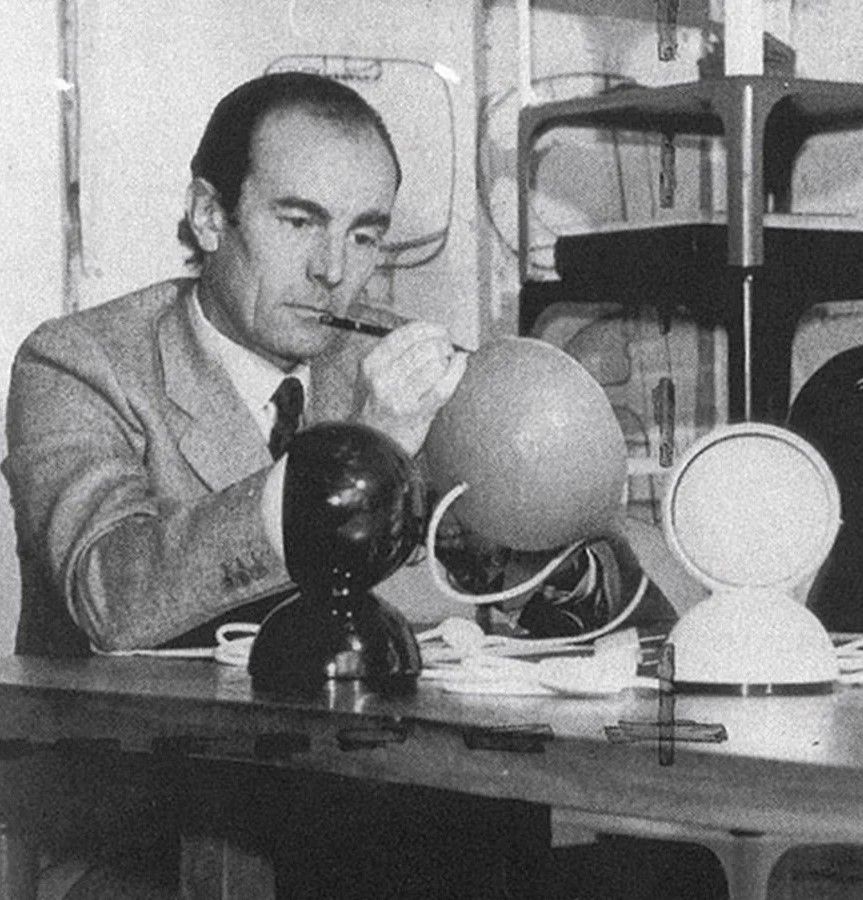
Ernesto Gismondi
Ernesto Gismondi (1931–2020) was an Italian engineer, designer and visionary, founder of the Artemide brand - one of the most important lighting companies in the world. He combined scientific precision with artistic vision, creating lamps that set new standards in design and technology. He was the author of such projects as the futuristic Discovery series or the classic Nur, and also supported cooperation with the best designers (including De Lucchi, Hadid). Highly recognized for his contribution to the development of world design, he received, among others, Compasso d'Oro award for lifetime achievement. His philosophy "The Human Light" emphasized the role of light as an emotional and functional element in human life.
Erno Dierckx
Erno Dierckx is a Belgian designer based in Barcelona, whose works balance between form and function, tradition and modernity. He specializes in the design of furniture and everyday products, with an emphasis on craftsmanship, noble materials and construction details. His philosophy is based on experimenting with form and production process, and he treats each project as an attempt to find a timeless expression. He collaborated with brands such as UMAGE, Wewood and Artisan, creating furniture combining aesthetic simplicity with practical use. For UMAGE, he designed an elegant and minimalist "Italic" chest of drawers. His designs are recognizable by a subtle visual language that avoids excess and tells a story through materials, proportions and balanced details.
Ernst Moeckl
Ernst Moeckl was a German designer associated with the modern design trend of the 1960s and 1970s, who particularly experimented with form and material technology in furniture. His most recognizable project remains the Z.Stuhl chair (Kangaroo Chair), presented in 1971 as one of the first cantilever models made of molded polyurethane in a uniform casting. Moeckl focused on combining sculptural expression with functionality, creating objects with a distinctive, often futuristic aesthetic. His designs are part of the period of intense experiments with plastics, which changed the approach to furniture production.
Erwan Bouroullec
Erwan Bouroullec is one of the most influential contemporary designers of applied design. Together with his brother Ronan, he creates the Bouroullec duo, whose designs combine functionality, poetic simplicity and an innovative approach to form. Their works are included in the permanent collections of the most important museums in the world, including MoMA and the Center Pompidou. Erwan Bouroullec is known for his ability to redefine everyday objects through subtle design and intelligent technical solutions. He cooperates with leading brands such as Vitra, creating furniture that balances between home, office and public space.
EstudiHac
Estudi{H}ac is a Spanish design studio from Valencia, founded in 2003 by José Manuel Ferrero, which combines industrial design, interior architecture and exhibition space design into a coherent, creative offer of services. The studio specializes in implementing unique, tailor-made projects, from products, through commercial and residential interiors, to installations and assembly exhibitions, where each solution is based on a concept and story related to the brand or client. The nature of their works is characterized by contemporary aesthetics, bold use of colors, attention to detail and an innovative approach to materials, so that the effect is both visually attractive and functional
Ethan Cook
Ethan Cook is an American artist and designer known for his unique approach to fabrics, color and form. He gained recognition thanks to abstract compositions created from hand-woven materials, combining traditional craftsmanship with a modern language of art. Cook boldly uses geometry and contrasting colors, which gives his works a distinct, minimalist character. By collaborating with renowned brands such as HAY, he transfers his artistic style to the world of applied design. Cook's designs are distinguished by freshness, harmony of proportions and subtle expression, which makes them not only functional, but also decorative accents of interiors.

Ettore Sottsass
Ettore Sottsass (1917–2007) was an Italian architect and designer who revolutionized the world of design, rejecting functionalist dogmas in favor of emotion, color and form. He collaborated with Olivetti (including theValentinetypewriter) and was the founder of the Memphis group, which in the 1980s promoted postmodern design - bold, geometric and provocative. He designed for brands such as Alessi, Knoll and Kartell. His works, often balancing between art and design, are present in the most important museums in the world, including MoMA. Sottsass remains an icon of avant-garde design thinking.
Eugeni Quitllet
Eugeni Quitllet is a Catalan designer and sculptor, known for his modern, minimalist approach to design. His works combine functionality with artistic lightness, often using transparent materials such as polycarbonate, which gives the objects an almost ethereal appearance. Quitllet has cooperated with many prestigious brands, such as Kartell, Vondom and Magis, creating innovative furniture and accessories that are distinguished by their simplicity of form and extraordinary durability. His designs often balance on the border between sculpture and a utilitarian object, which makes them unique and timeless. Eugeni Quitllet has gained international recognition for his ability to combine technology with creativity, and his style is a symbol of contemporary design that inspires subsequent generations of creators.

Eva Harlou
Eva Harlou is a Danish architect and designer known for combining modern design with the principles of sustainable development. She graduated from the Faculty of Architecture at the Royal Danish Academy of Fine Arts. She started her career in renowned design offices, and then founded her own studio. Its portfolio includes houses, interiors, furniture and utility products. Harlou also gained recognition as a host of television programs about architecture and design. Currently, she is the creative director at Mater, developing furniture collections in line with the principles of ecology. Her style is Scandinavian minimalism combined with elegance and inspiration from nature.
Eva Schildt
Eva Schildt is a Swedish interior designer and architect, born in 1974. She graduated from Beckmans College of Design in Stockholm and runs her own studio. Her works combine functionality with poetic aesthetics, often with humor and inspiration from nature. She cooperated with Design House Stockholm, IKEA, Svenskt Tenn and others. Her designs, such as the Oolong table and the Humlan and Julia collections, are appreciated for their innovative approach. Eva's works are in the collections of the Nationalmuseum and Röhsska Museet. She was also a lecturer at prestigious universities, combining education with design practice.

Ewelina Cis
Ewelina Cis is a Polish designer specializing in exhibition design, applied graphics, furniture and painting. A graduate of the Faculty of Interior Design at the Academy of Fine Arts in Warsaw, she also studied at the Politecnico di Milano. In his works, he combines minimalism with a strong symbolic load, creating aesthetic, functional and meaningful designs. Her achievements include, among others: visual identification for cultural institutions, logos, visual information systems and arrangements of exhibition spaces. Her style is characterized by simplicity of form, attention to detail and skillful use of color.
Fabio Di Bartolomei
Fabio Di Bartolomei is an Italian designer born in Udine, where he founded his own studio, Di Bartolomei Design Agency, in 1979. His activities include industrial design, interior design, architecture and visual identification. He has collaborated with many renowned companies, such as FIAM, Calligaris, Riva 1920 and Nahu. His works have been presented in prestigious institutions, including the Museum of Modern Art (MoMA) in New York. Di Bartolomei is also the author of innovative projects, such as modern vaporetti for Venice. His approach to design combines functionality with aesthetics, focusing on user needs and the harmony of form and function. He has won numerous awards, including the "Marcello d'Olivo" for design, and his works have been included in "The Museum of Modern Art Design Encyclopedia".
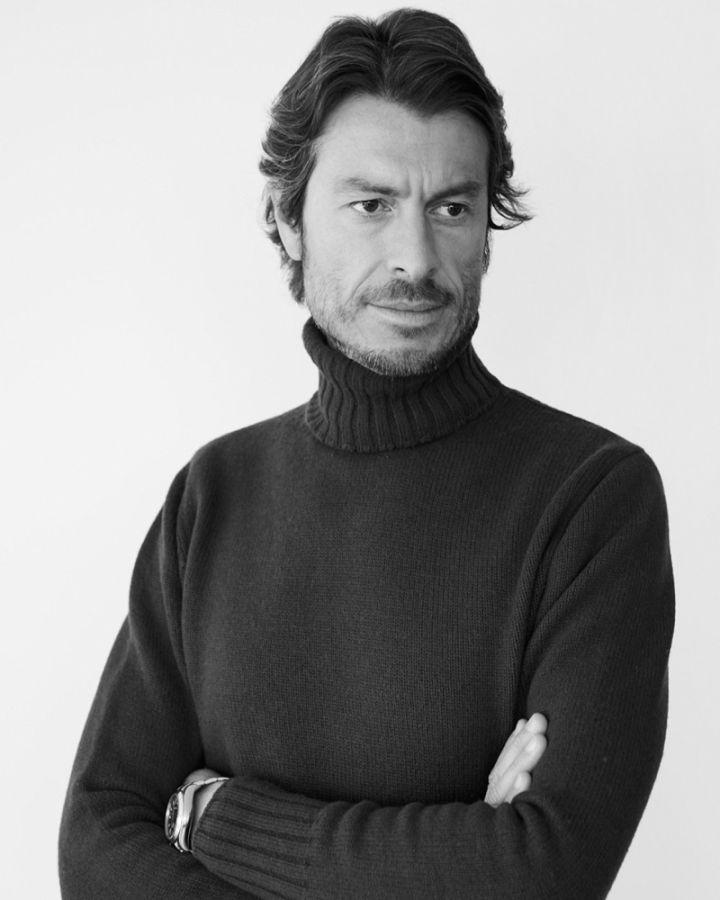
Fabio Fantolino
Fabio Fantolino is an Italian architect and designer who founded a studio in Turin in 2001, and in 2014 opened a second branch in Milan. His works combine architecture, interior design and product design, maintaining a coherent formal identity. Fantolino's style is based on a balance between aesthetics and functionality, with a clear emphasis on details, materials and craftsmanship. He creates residential and commercial projects, also cooperating with leading furniture brands as a designer and art director. Its aesthetic draws from the Italian tradition of modernism, but complements it with contemporary elegance and a personal design language. Each design is the result of a search for harmony, conscious use of colors and noble materials, with attention to the individual character of the space.
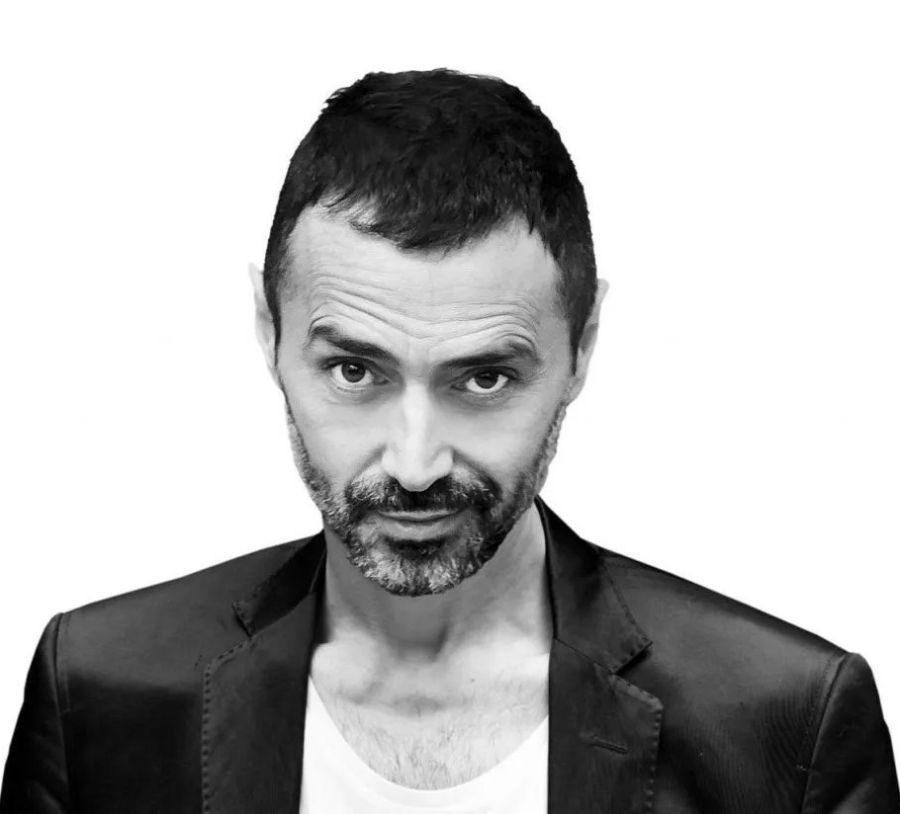
Fabio Novembre
Fabio Novembre Studio is an Italian design office founded in 1994 by the architect Fabio Novembre, specializing in architecture, interior design and industrial design, creating bold and expressive projects that combine art with functionality. The studio is known for iconic projects, such as the "Nemo" chair for Driade or the interiors of the AC Milan headquarters. Characteristic of his style are forms inspired by the human body and a narrative approach to space. Novembre has cooperated with many well-known brands, including: Kartell, Venini, Bisazza and Lavazza. The studio's designs were presented at international exhibitions, including Expo in Shanghai.

Fabio Vogel
Fabio Vogel is a German designer and founder of Vogel Studio, whose work combines craft, experiment and applied art. Born in Germany, raised in Portugal, he completed his master's degree in interior and furniture design at Burg Giebichenstein in Halle. His works focus on the exploration of materials and forms, often using unusual techniques, such as forming glass in fireproof fabrics. Working with the Danish brand Bolia, he created, among others, a series of Bronco vases, which were inspired by firefighter clothing and were awarded in the Bolia Design Awards competition. Vogel also conducts teaching activities as a lecturer in furniture design at the University of Applied Sciences and Arts (HAWK) in Hildesheim. His designs combining aesthetics with functionality are presented at international exhibitions and available in design galleries.
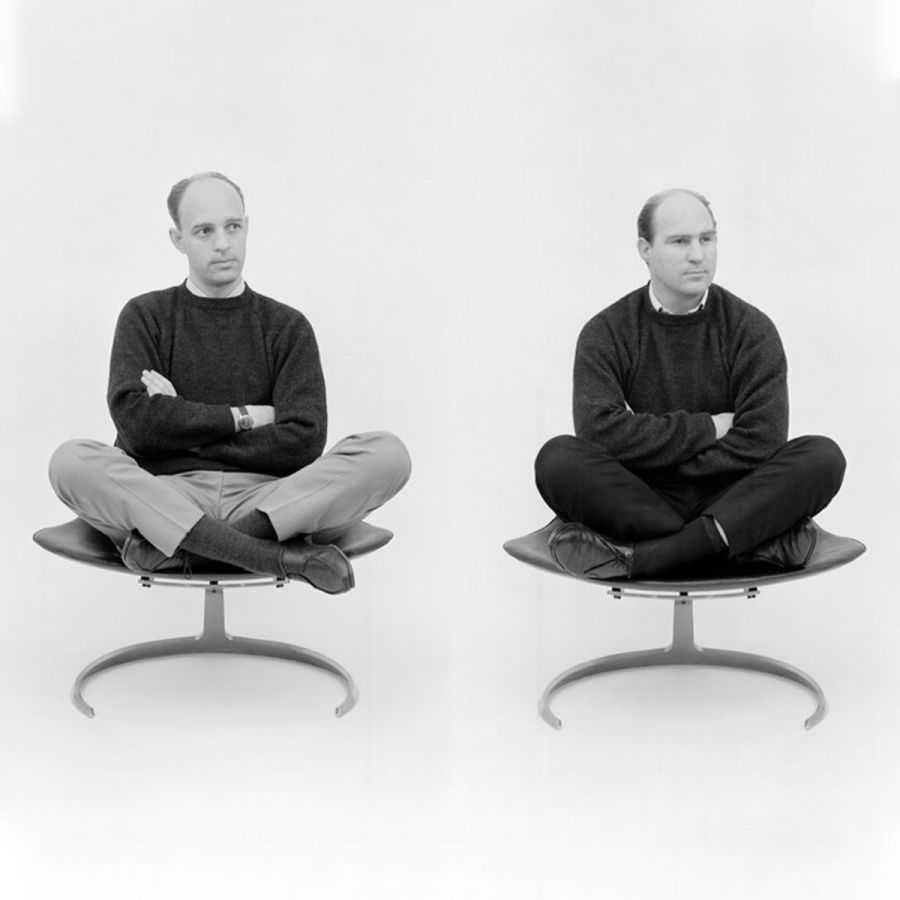
Fabricius & Kastholm
Fabricius & Kastholm is a Danish designer duo: Preben Fabricius (1931–1984) and Jørgen Kastholm (1931–2007), who created together in the 1960s. Both trained as carpenters and architects, they met while studying at the Danish School of Arts and Crafts. Their cooperation was based on a common pursuit of functional beauty and the highest quality of workmanship. They designed mainly leather and steel furniture in a style inspired by modernism and Bauhaus. The most famous projects include: FK87 Grasshopper armchair and FK Bucket chair for Walter Knoll - icons of minimalism and elegance. The duo has won recognition for technical precision, comfort and timeless style. Their works have been exhibited all over the world and remain an example of classic Scandinavian design to this day.
Fabrizio Batoni
Fabrizio Batoni is an Italian architect and designer born in Colle di Val d'Elsa in Tuscany. A graduate of architecture at the University of Florence, he founded his own studio in 1997 - Studio Batoni, with the motto "always on", which reflects his constant readiness to take on new challenges and explore creative ideas. His work includes product, interior and architectural design with an emphasis on an innovative approach to bathroom spaces. Collaborated with renowned brands such as Flou, Midj, Kerasan, Zazzeri and Domitalia. His most famous projects include the Loom ceramics collection for Disegno Ceramica and the Moloco sculptural washbasin for Kerasan, which combines functionality with artistic form.
Falke Svatun
Falke Svatun is a Norwegian designer whose works combine the precision of craftsmanship with the poetic simplicity of forms. He graduated in industrial design in Sydney, and after several years of working in Copenhagen, he founded his own practice in Oslo. His creative process combines traditional paper sketches with digital experiments, and each design undergoes a stage of careful maturation to ensure it stands the test of time. Svatun often explores the tension between function and abstraction, drawing inspiration from everyday objects and forgotten details of the past.
Farg & Blanche
Farg & Blanche is a Swedish-French design duo founded in 2010 by Fredrik Färg and Emma Marga Blanche. Their studio based in Stockholm is known for its experimental approach to design, combining craftsmanship with modern technologies. They specialize in creating furniture and lighting, cooperating with renowned brands such as Gärsnäs, Design House Stockholm and Petite Friture. A characteristic element of their work is the "wood tailoring" technique, which involves joining wood with fabric by sewing, which gives their designs a unique, "dressed" look. The "Armour Mon Amour" exhibition during Milan Design Week in 2017 showcased their innovative approach, including sewing directly into metal, highlighting their desire to push the boundaries of traditional design. Their work has been featured at international exhibitions, and designs such as the "Emma" armchair for Gärsnäs have gained recognition for combining aesthetics with functionality.
Faye Toogood
Faye Toogood is a British multidisciplinary designer, founder of the Toogood studio in London. An art historian by education, she started her career as an editor at The World of Interiors and founded her own studio in 2008. Her work spans furniture, fashion, ceramics and interior design, combining sculptural form with functionality. The famous armchair Roly-Poly with soft, rounded shapes has become an icon of contemporary design. Toogood has collaborated with brands such as Birkenstock, Hem and IKEA, and her works have been presented in museums around the world. world. In 2025, she presented the "Rose" porcelain collection for the Japanese brand Noritake, combining traditional craftsmanship with expressive painting. Studio Toogood, currently based in Camden, promotes creative collaboration and experimentation, integrating workshop and office spaces.
Federica Biasi
Federica Biasi is an Italian designer known for her elegant, minimalist style that combines traditional craftsmanship with a modern approach to form and function. She graduated from IED in Milan and then gained experience in the Netherlands, which significantly influenced her aesthetics. In 2015, she founded her own design studio, focusing on the design of furniture, lighting and utility items. Her works are distinguished by subtle colors, soft lines and attention to detail. She has collaborated with many renowned brands, such as Nespresso, Lema, CC-Tapis and Fratelli Guzzini. Biasi has been awarded many times, including: the title of "Ambassador of Italian Design". Her designs are presented at the most important design fairs, such as Salone del Mobile.

Federica Capitani
Federica Capitani is an Italian designer who studied industrial design at the Faculty of Architecture of the University of Genoa. In 2002–2005 she worked in Patricia Urquiola's studio in Milan, and then until 2007 in Marcel Wanders' team in Amsterdam, where she was responsible for furniture and product designs. After a period of working in Japan on cultural and design projects, in 2009 she founded her own studio in London - Federica Capitani Design Studio. Her work includes both small utility objects and architectural designs, focusing on furniture and lighting.
Federico Peri
Federico Peri is an Italian interior and furniture designer, known for combining classics with modernity. Born in 1983, he studied interior design in Milan and gained experience, among others, during his residency in Paris. In 2011, he founded his own studio, specializing in furniture design and private and commercial interiors. Its style is characterized by noble materials, simplicity of form and attention to detail. He cooperates with brands such as Baxter, FontanaArte and Nilufar Gallery. Winner of many awards, including: Elle Deco International Design Awards. His designs are characterized by elegance, functionality and a strong connection with craft tradition.
Felix Isidorsson
Felix Isidorsson is a Swedish designer working in London and Copenhagen, graduate of the Royal College of Art. His work includes the design of furniture, lighting, interior architecture and visual identification. Isidorsson sees design as a medium of communication between the creator and user, striving to create objects that are not only aesthetic, but also improve the quality of life. His designs include the Ink wall lamp for the Northern brand, inspired by moonlight, and the Musa series, created in cooperation with Note Design Studio for Vibia. His design approach combines functionality with poetic aesthetics, creating objects that are both practical and expressive.
Femmes Regionales
Femmes Régionales is a Dutch creative studio based in Utrecht. The studio specializes in building strong brand identities by combining design, strategy and culture. Their designs are characterized by bold aesthetics, a great sense of trends and an emphasis on emotional messages. Femmes Régionales works at the intersection of fashion, art and design, creating concepts that are both surprising and to the point. They cooperate with brands and cultural institutions, helping them stand out from the competition and gain real recognition. This is a studio that thinks outside the box and designs on a grand scale, always with a sense of aesthetics and full commitment to each project.

Ferriani Sbolgi
Ferriani Sbolgi is an Italian design studio founded in 2020 in Florence by Sara Sbolgi and Marco Ferriani. Studio sspecializes in furniture, product design and art direction, combining Scandinavian minimalism with Japanese aesthetics. Their designs are characterized by clean lines, calm forms and attention to detail, which allows them to blend harmoniously into the surroundings. Studio cooperates with renowned brands such as Bolia, Foster, Magnetolab, Tamo and Novamobili. In 2023, they won the Archiproducts Design Award for the Diade sink for Foster and Red Dot Design Award for the Origami product for Magnetolab. Ferriani Sbolgi also conducts educational activities, teaching design at ISIA and IED universities in Florence.
Filippo Mambretti
Filippo Mambretti is an Italian designer raised in a family of furniture craftsmen and artists, which shaped his approach to form and material from an early age. He studied interior and furniture design at the Politecnico di Milano, where he gained solid technical and artistic foundations. After working with Italo Roty, he founded his own studio, Mambretti Design Studio, currently operating in Switzerland and active on the international market. His designs combine technology, functionality and emotionality, often exploring the boundaries between craftsmanship and modern design. It creates lighting, furniture and accessories using both traditional materials and innovative technologies, e.g. 3D printing. In his designs, he focuses on a personal message and relationship with the user, creating timeless forms, but always deeply rooted in human experience.
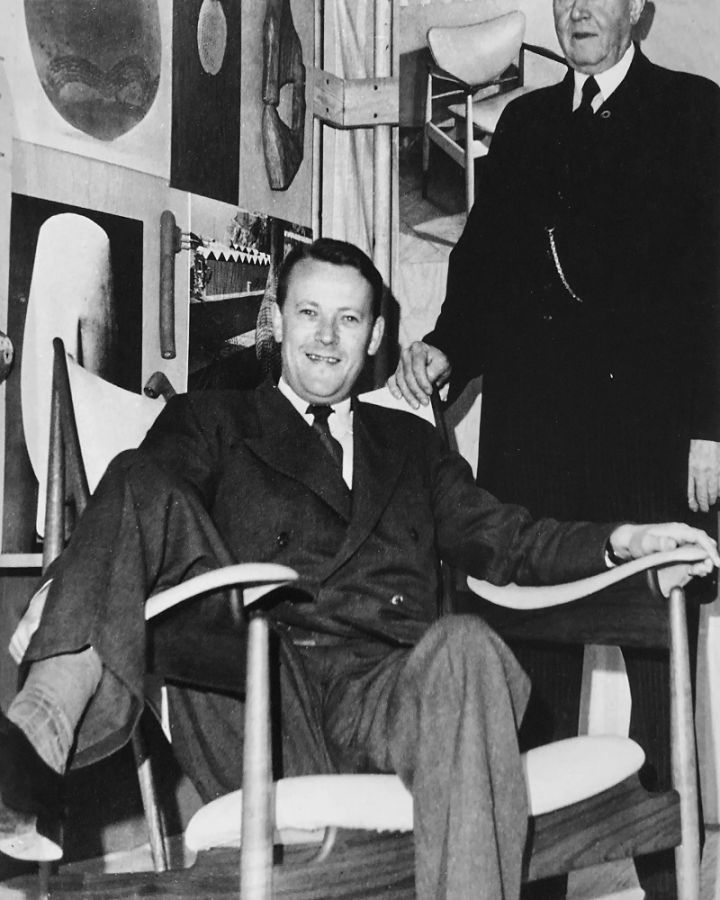
Finn Juhl
Finn Juhl (1912–1989) is one of the most outstanding Danish architects and designers who forever changed the face of world design. Considered a pioneer of Danish modernism and Functionalism, he became famous primarily as a creator of furniture in which he combined organic shapes, sculptural form and functionality. His designs, such as the iconic Chieftain Chair or the Poet sofa, have become design icons and are still produced by renowned brands. Juhl introduced lightness and elegance inspired by art into the interiors, blurring the boundaries between architecture and furnishings. In addition to furniture, he also created lighting designs, including: FJ Elements lamp. In the 1950s, he gained international recognition by designing, among others, interior of the UN headquarters in New York.
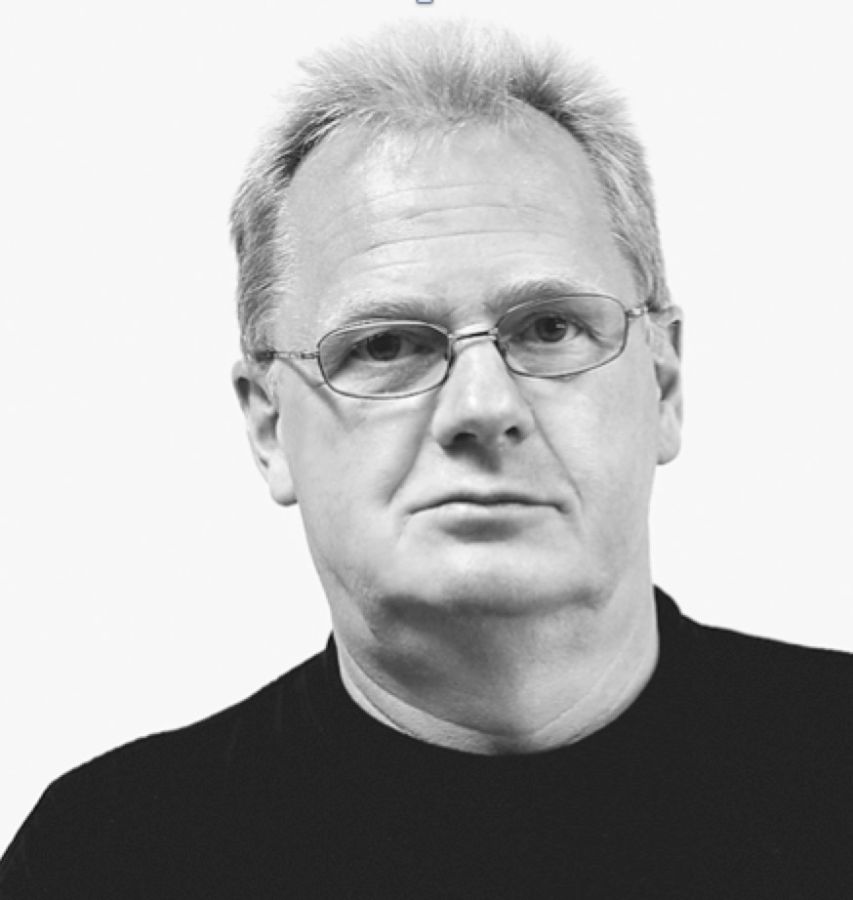
Flemming Hojfeldt
Flemming Højfeldt is a respected Danish designer, known for his minimalist style and timeless solutions in the field of applied design. His approach to design is based on functionality, simplicity of form and precision of workmanship. It draws inspiration from classic Scandinavian design, combining tradition with modernity. Højfeldt focuses on creating everyday items that are distinguished not only by aesthetics, but also by durability and comfort of use. Throughout his career, he has collaborated with many renowned brands, bringing unique character and elegance to their collections.

Flemming Lassen
Flemming Lassen was a Danish architect and designer, a leading figure of Scandinavian modernism. Together with Arne Jacobsen, he created the "House of the Future" in 1929 - a spiral building made of concrete and glass that revolutionized Danish architecture. His most important works include the town hall in Søllerød (1942) and the library in Nyborg (1940), for which he received the Eckersberg Medal. Since the 1960s, he has designed libraries and cultural centers, including: in Randers, Lund and Herning. In the furniture industry, he became famous for armchairs with soft, organic shapes - especially "The Tired Man" from 1935, which became an icon of the Danish design. His designs combined functionality with cozy aesthetics, and today they achieve record prices at auctions.
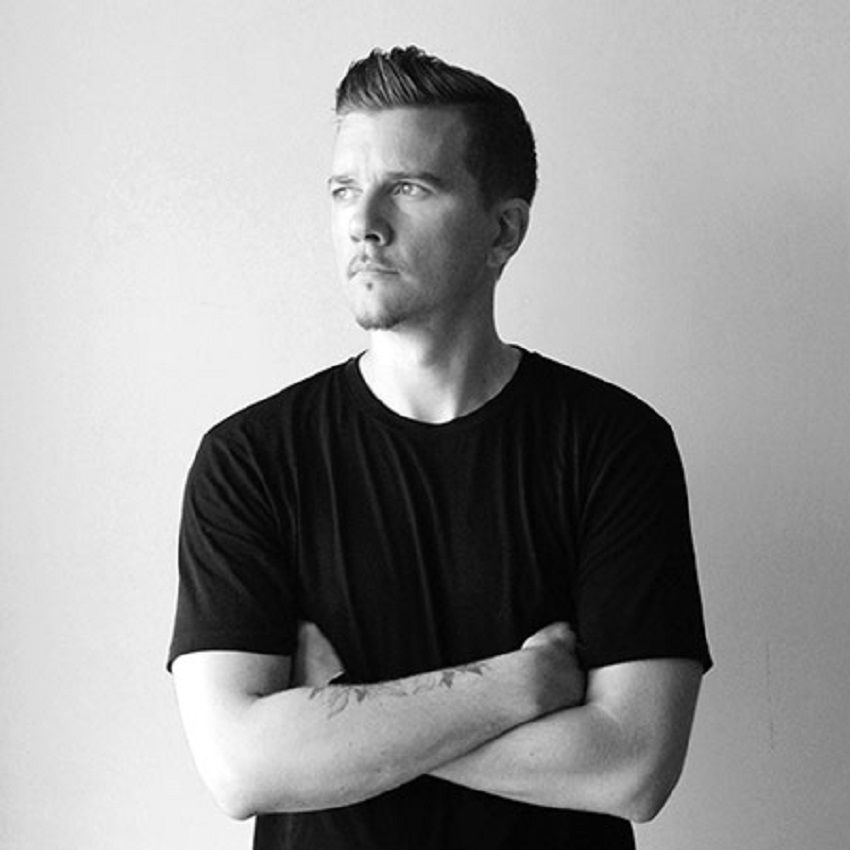
Florent Coirier
Florent Coirier is a French industrial designer whose work combines technological precision with the poetics of everyday objects. He studied design at ENSAAMA in Paris and graduated from the Royal College of Art in London. In 2010, he founded his own studio in the French capital. His approach to design focuses on functionality, durability and minimalism, often enriched with subtle detail. Coirier cooperates with renowned brands such as EMU, Ligne Roset and Cinna, creating timeless furniture and lighting. Coirier's designs are characterized by purity of form, material responsibility and care for the user, which makes him one of the most interesting representatives of the new generation of European designers.
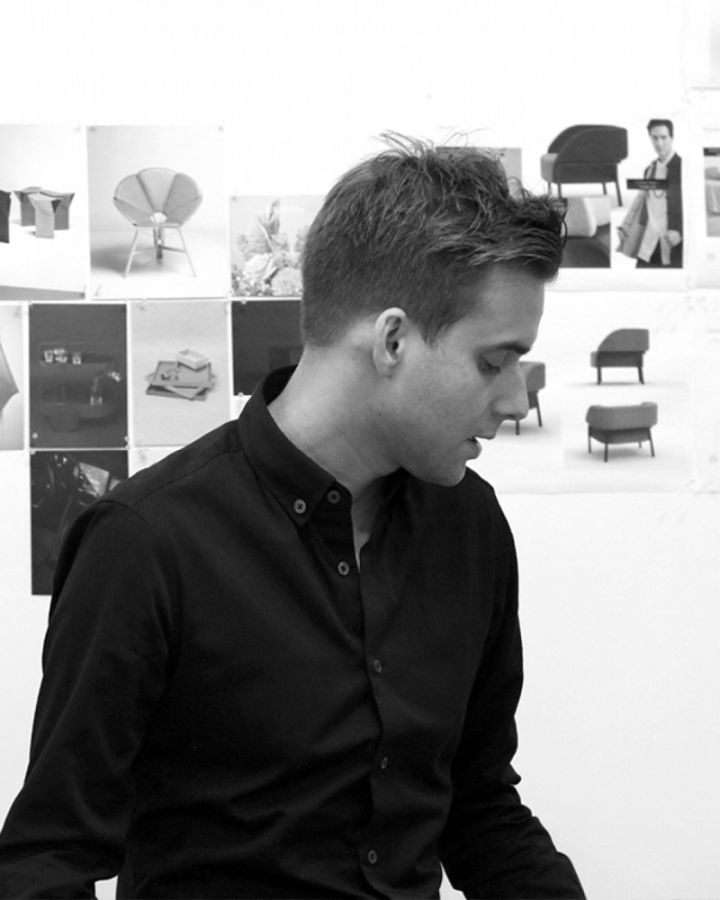
Florian Schmid
Florian Schmid is a German designer who has gained international recognition thanks to his innovative and experimental designs of furniture and utility items. He graduated from the Faculty of Product Design at the University of Applied Sciences in Munich, and his works are characterized by a bold approach to form and material, often balancing on the border of art and design. When designing the Acco table for the Italian brand Miniforms, Schmid combined craftsmanship with architectural lightness - creating a piece of furniture distinguished by its organic geometry and subtle play of light and shadow. Its style is characterized by precise structure, inspiration from nature and a modern approach to functionality. Florian Schmid's designs have been presented at numerous international exhibitions and fairs, and the designer himself cooperates with many renowned brands, constantly searching for new expressions for form and material
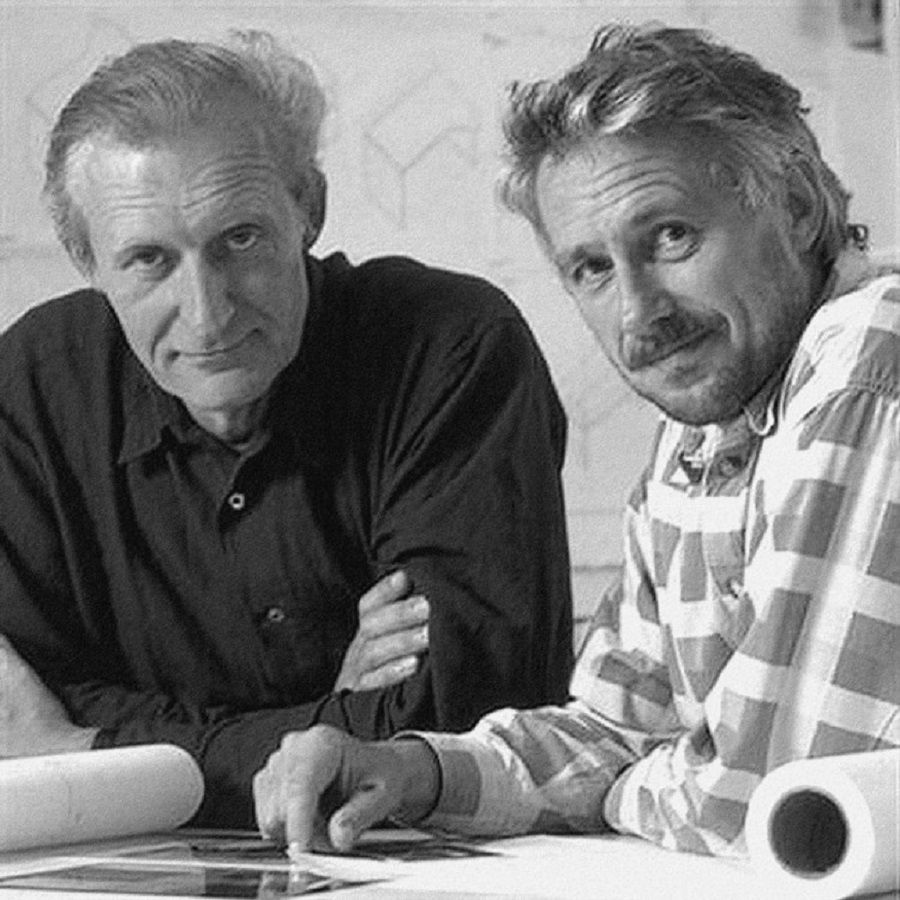
Foersom & Hiort-Lorenzen
Foersom & Hiort-Lorenzen is a Danish design studio founded by Johannes Foersom and Peter Hiort-Lorenzen, considered one of the most important representatives of Scandinavian design. Since the 1970s, they have been creating timeless designs combining aesthetics, functionality and high-quality craftsmanship. Their works are distinguished by their attention to comfort of use, ecology and simplicity of form. The studio cooperates with leading brands such as Normann Copenhagen, Cane-line and Fredericia, and their projects have been awarded many times, including: Red Dot Award and IF Design Award. They create furniture that fits harmoniously into both private and public spaces.
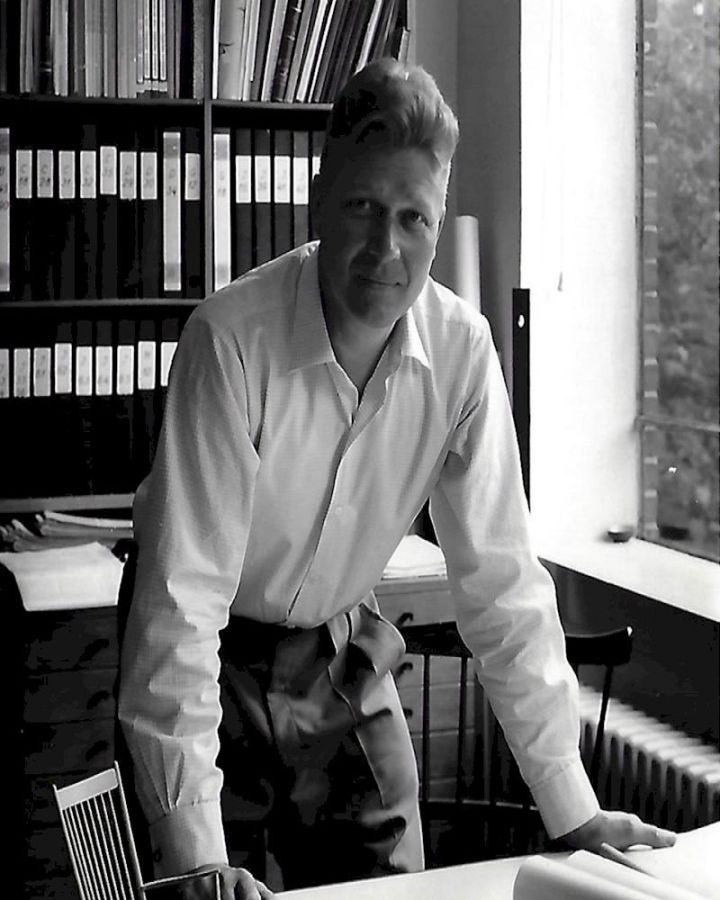
Folke Palsson
Folke Pålsson is a Danish designer known primarily as the author of one of the most recognizable classics of Scandinavian design - the J77 chair. Created in the 1960s, J77 was created as part of the Danish Furniture Makers' Control collection and was designed with functionality, simplicity and accessibility in mind. Pålsson drew inspiration from traditional Danish craftsmanship, giving it a modern form - his designs are characterized by light construction, minimalist aesthetics and comfort of use. Nowadays, his iconic chair has been re-introduced into production by the HAY brand, becoming a symbol of timeless style and quality.
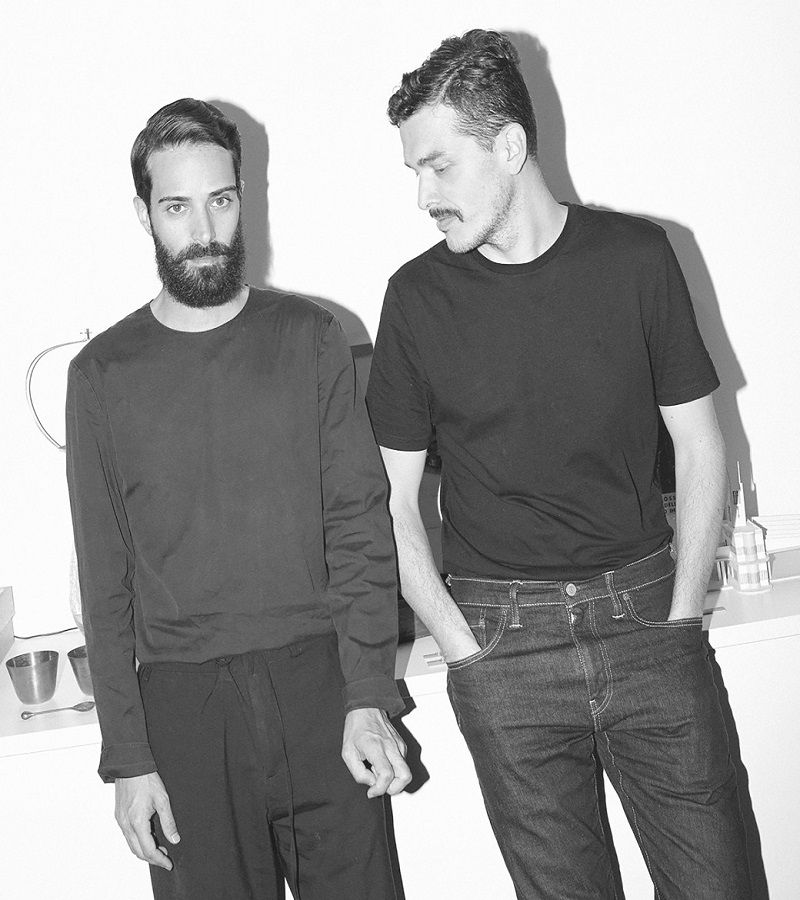
Formafantasma
Formafantasma is a duo of designers Andrea Trimarchi and Simone Farresin, from Italy, who met while studying at the Design Academy Eindhoven. Their studio is based in Amsterdam and focuses on design as a research tool. Formafantasma's work balances between design and art, combining craftsmanship, technology and social reflection. Projects often explore man's relationship with nature, the sustainable use of materials, and the impact of technology on the environment. Experiments with natural raw materials such as wood, volcanic stones and bioplastics are characteristic. The duo has collaborated with brands such as Flos, Cassina, Lexus and Droog, and their works are in the collections of MoMA in New York and the Victoria & Albert Museum in London.
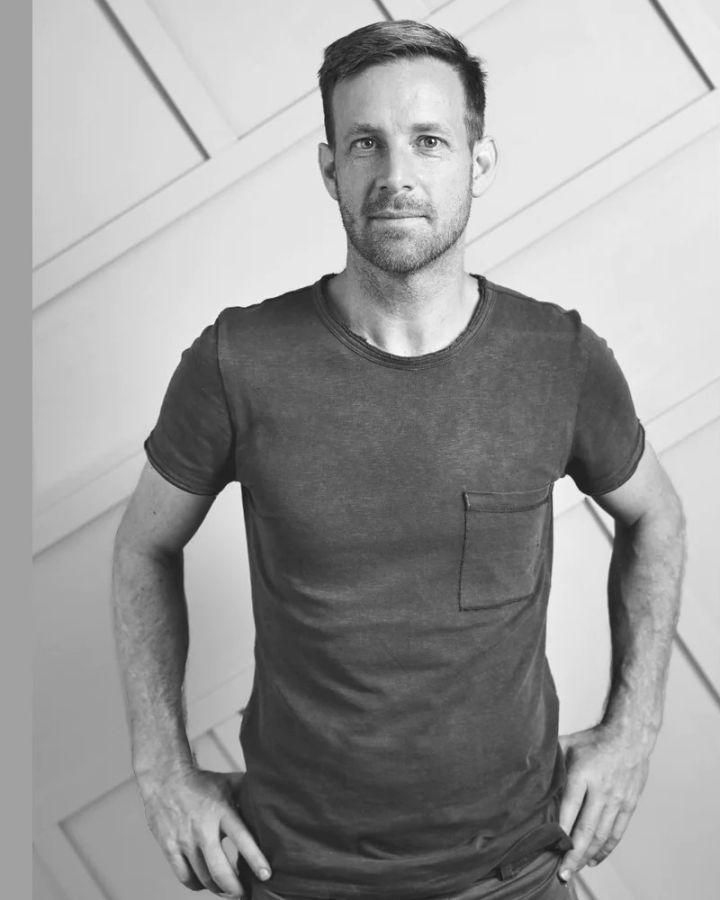
Frag Woodall
Frag Woodall is an Australian designer and founder of Mr.Fräg studio in Sydney. A graduate of the University of Technology Sydney, he specializes in the design of furniture, lighting and interior accessories. His philosophy is based on functional honesty, integrity of materials and introducing poetic and humorous elements that refer to human emotions. Woodall draws inspiration from traditional carpentry craftsmanship, which is visible in designs such as the Bondi chair for the PLEASE WAIT to be brand SEATED, which combines flowing lines with ergonomic form. His works have been presented at international exhibitions, including the Stockholm Furniture & Light Fair, where he presented the Cloud Tables series and the Matiss chair.

Francesca Amfitheatrof
Francesca Amfitheatrof is a British designer known for her elegant, timeless designs in jewelry and design. Born in 1977, Amfitheatrof has gained international recognition by collaborating with prestigious brands such as Tiffany & Co. Her works combine classic elegance with modern, minimalist lines. As creative director, Tiffany introduced an innovative approach to the collection, combining traditional craftsmanship with modern design. Her jewelry is characterized by simple but refined forms that attract attention with their subtle but expressive aesthetics. Francesca Amfitheatrof places great emphasis on the quality of materials, and her designs are appreciated for innovation and perfect workmanship.

Francesca Lanzavecchia
Francesca Lanzavecchia is an Italian designer born in 1983 and a graduate of the Politecnico di Milano and Design Academy Eindhoven. In 2010, she founded the studio Lanzavecchia + Wai with Hunn Wai. Her work combines industrial design, craftsmanship and social reflection. Lanzavecchia's projects are deeply humanistic, often dealing with the relationship between a person and an object. She has collaborated with brands such as Zanotta, FIAM, Living Divani and Hermès, as well as with cultural institutions such as the Triennale di Milano. Her works have been exhibited and awarded all over the world, including: Red Dot Award or Elle Décor International Design Award. She is considered one of the most influential designers of the young generation.

Francesco Beghetto
Francesco Beghetto is an Italian designer specializing in the design of furniture and utility products. He graduated in industrial design from the European Institute of Design in Milan. He has collaborated with such names as Gordon Guillaumier and Rodolfo Dordoni, and since 2011 he has been running his own studio in Padua. His works are characterized by lightness of form, simplicity and functionality, while maintaining high quality of workmanship. He creates for brands such as Miniforms, designing, among others: tables, armchairs and sofas. He is distinguished by his ability to combine modern aesthetics with traditional craftsmanship. Beghetto's designs are often characterized by minimalism and balanced detail, and its recognizable style is gaining recognition internationally as an example of modern Italian design.
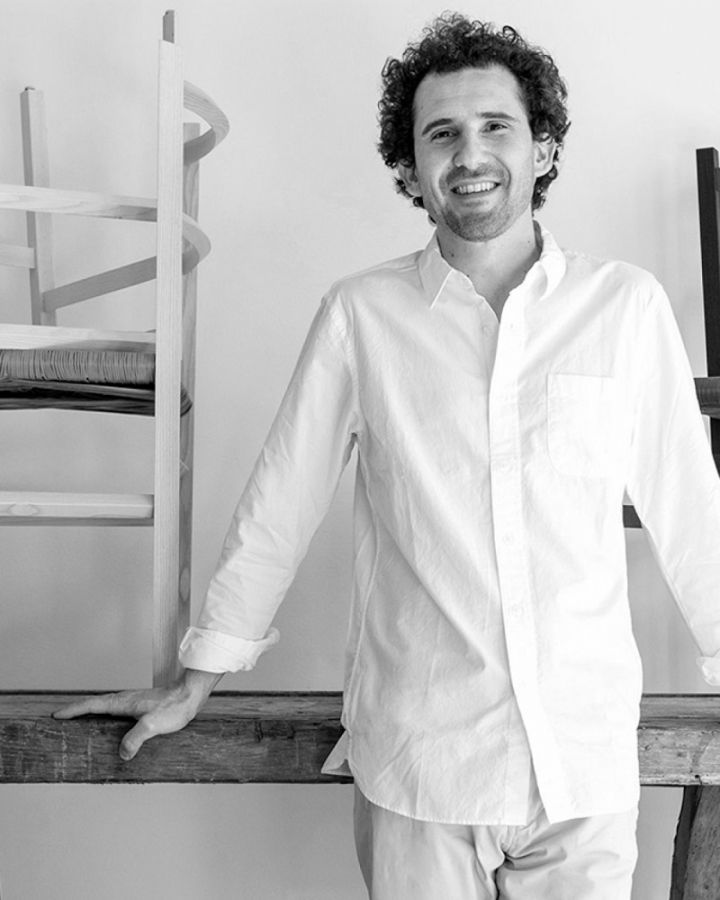
Francesco Faccin
Francesco Faccin is an Italian designer combining craftsmanship, industry and social design. After studying at IED in Milan and two years of cooperation with Enzo Mari, he has been running his own studio since 2007. He worked closely with the luthier Francesco Rivolta and the designer Michele De Lucchi (2009–2015). In 2010, it won the Design Report Award, and the "Traverso" project received the Compasso d'Oro distinction. He teaches product design at NABA in Milan, the University of Bolzano and other universities. Faccin was among the 100 most influential design figures according to Icon Design (2019) and created the "Honey Factory" project recognized by the UN as consistent with the Sustainable Development Goals (2018).

Francis Cayouette
Francis Cayouette is a French-Canadian designer who uhe completed his studies in industrial design at the University of Montreal and continued his education at Les Ateliers in Paris. He has been living since 1999 and works in Copenhagen, where he founded the design studio Unit10 Design. Cooperates with renowned brands such as Stelton, Normann Copenhagen, IKEA and FDB Møbler. His designs, such as the Theo collection for Stelton or the Heima series for Normann Copenhagen, combine functionality with minimalist aesthetics, drawing inspiration from everyday life and Scandinavian design. Cayouette strives to create objects that are both useful and emotionally engaging, which is reflected in his approach to design.
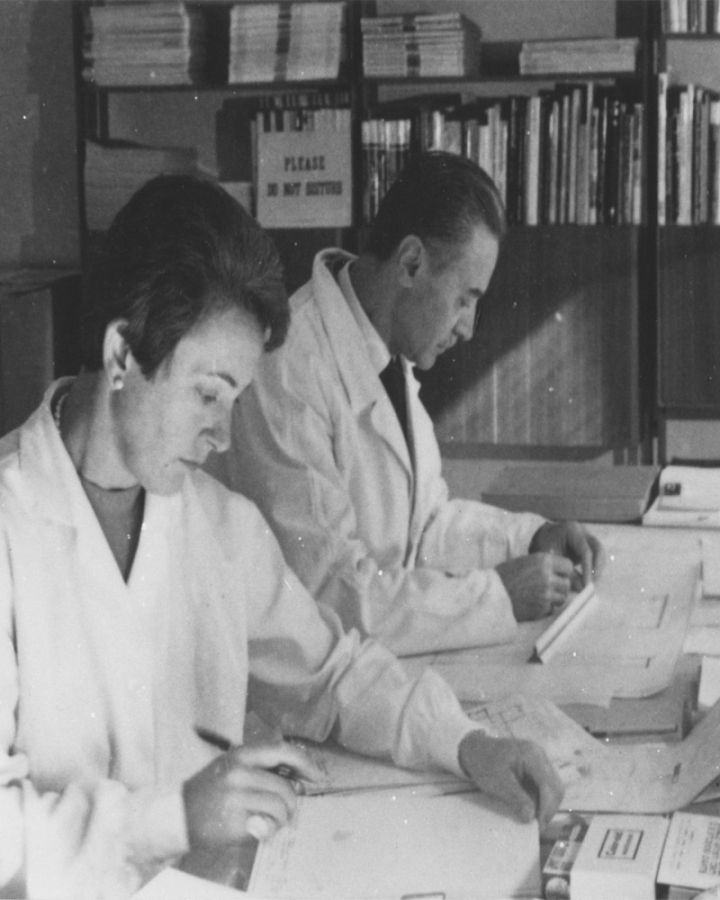
Franco Albini & Franca Helg
Franco Albini and Franca Helg are icons of 20th century Italian design, whose collaboration resulted in numerous timeless furniture and lighting designs. Albini, a pioneer of Italian modernism, combined craftsmanship with innovative technical solutions, creating light, functional forms. From 1952, he collaborated with Franca Helg - an architect and designer, with whom he created for brands such as Cassina, Arflex and Arteluce. Their projects include: famous chairs and lamps are distinguished by their subtle elegance, precision of workmanship and respect for the material. The Albini & Helg duo is synonymous with Italian aesthetics - classic and modern at the same time. Their works remain an inspiration in the world of architecture and design to this day.
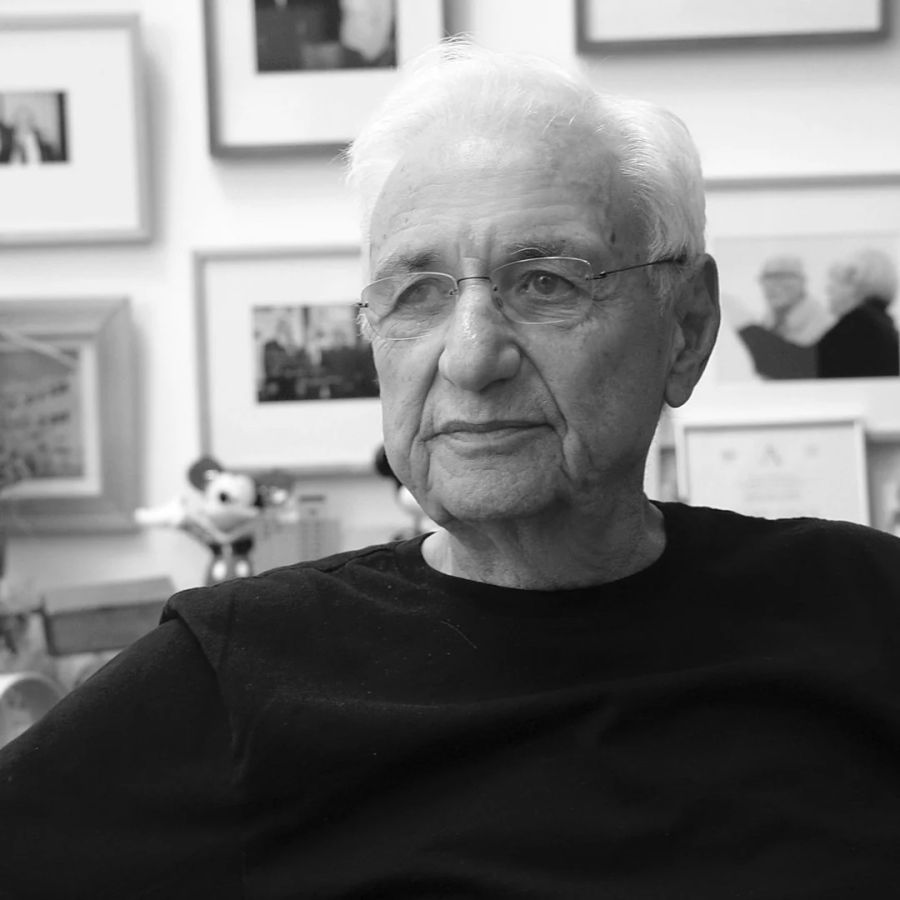
Frank Gehry
Frank Gehry is a Canadian-American architect and designer, known for his bold, sculptural forms and deconstructivist approach to architecture. His buildings are characterized by dynamic shapes, irregular forms and the use of innovative materials such as titanium or glass. Gehry gained international fame thanks to projects such as the Guggenheim Museum in Bilbao, the Walt Disney Concert Hall in Los Angeles and the Dancing House in Prague. His style is often controversial, but it invariably inspires the world of architecture and design. Gehry also worked on furniture and consumer product designs, including: the "Easy Edges" collection of cardboard furniture. Winner of many prestigious awards, including the Pritzker Prize.

Frans de la Haye
Frans de la Haye is a renowned Dutch designer specializing in modern industrial design and furniture design. His approach combines functionality with elegant minimalism and high quality workmanship. De la Haye gained international recognition thanks to cooperation with renowned brands, for which he created timeless designs of chairs, tables and sofas, often distinguished by modularity and ergonomic form. His works are characterized by subtle detail, attention to the user and harmonious fit into the space. Frans de la Haye believes that good design should serve everyday life, without sacrificing aesthetics. His designs are present in both private homes and public spaces, and the designer's style remains faithful to the ideas of durability, comfort and visual lightness.

Fransje Gimbrere
Fransje Gimbrère is a Dutch designer and artist from Eindhoven, known for her innovative approach to fabrics and spatial forms. Her works combine craftsmanship with modern technologies, creating objects balancing between art and functional design. In the Standing Textile(s) project, she developed an original three-dimensional weaving method, creating light and durable structures without additional support . Works such as Physis for the University of Tilburg and Cirrus for the Council Urban Tilburg show how light and materials influence the perception of space. She has collaborated with cultural institutions and fashion brands, creating installations that engage the senses and emotions. Gimbrère is also an active promoter of art and culture, performing advisory and educational functions in institutions such as Design Academy Eindhoven.
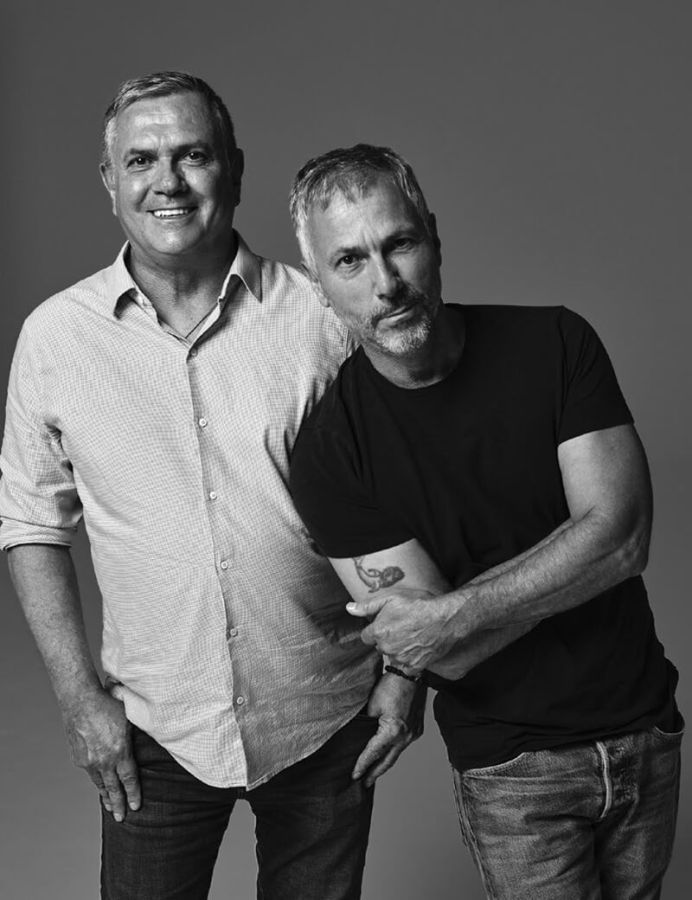
Fratelli Campana
Fratelli Campana, i.e. Humberto and Fernando Campana, is a Brazilian designer duo known for their bold, experimental forms. In 1984, they founded a studio in São Paulo, where they created furniture and objects from unusual materials: string, scrap, stuffed animals and wood from favela. Their style combines chaos with poetry, inspired by Brazilian culture and craftsmanship. Iconic designs such as the Favela chair or the Vermelha chair have gained global recognition. They collaborated with Alessi, Edra, Louis Vuitton. Their works can be found, among others, at MoMA and Center Pompidou. They founded the Instituto Campana, promoting local crafts and social activities. Fernando died in 2022, but the studio's legacy lives on.

Fred Rigby Studio
Fred Rigby Studio is a London design studio founded in 2008 by Fred Rigby, specializing in furniture and interior design. His works are inspired by the natural landscapes of Dorset, which is reflected in organic forms and the use of natural materials. The studio combines traditional craftsmanship with modern technologies, working with local craftsmen and suppliers. Projects include interiors for Villa Lena in Tuscany, Francis Gallery in Bath and Ellory and Leroy restaurants in London. Furniture collections such as Everyday Collection are characterized by functionality, comfort and aesthetics inspired by nature.

Frederic Gooris
Frédéric Gooris is a Belgian designer born in 1974, who, after graduating from the Domus Academy in Milan, gained experience working with Philippe Starck and Stefano Giovannoni. He founded Studio Gooris in Milan, designing for companies such as Alessi, Laufen, Magis and Lavazza. In 2009, he co-founded Bombol, a company designing innovative furniture for children. Gooris moved to Hong Kong, continuing his work as a designer and entrepreneur. His designs have won numerous international awards and are appreciated for their innovative approach and functionality. He is also the co-founder of Crisp Vision Company, a new optical brand.
Frederike Martens
Frederike Martens is a German industrial designer specializing in ceramics and utility glass. She graduated from the Design School in Halle and from the beginning of her career has been distinguished by a minimalist approach to the form and functionality of her designs. Her works are characterized by natural colors, gentle lines and balanced proportions. For the Blomus brand she created, among others: the appreciated Sablo table collection, inspired by stone and sand, Ceola vases with Japanese elegance and hand-blown Belo glass. Martens creates durable, practical and aesthetic items - intended for everyday use, but delighting with their subtle beauty. Its design is timeless, simple and conscious - perfect for lovers of the modern, Scandinavian lifestyle.

Fredrik A. Kayser
Fredrik A. Kayser was one of the greatest Norwegian furniture designers of the 20th century and an important figure of Scandinavian modernism. He was educated at the Norwegian National Academy of Craft and Art Industry in Oslo under the supervision of Arne Korsmo. His designs were distinguished by their light, organic form, perfect proportions and exceptional attention to ergonomics and comfort of use. Kayser skillfully combined Norwegian craftsmanship with the aesthetics of Danish design, creating timeless furniture. He cooperated with leading furniture manufacturers, and his designs gained international recognition and are still being reissued by renowned brands such as LK Hjelle.
Fredrikson Stallard
Fredrikson Stallard is a London-based art studio founded in 2005 by Patrik Fredrikson (Sweden) and Ian Stallard (UK). Their works balance on the border between art and design, combining emotional expression with precise craftsmanship. The studio has gained international recognition thanks to iconic projects such as the "Species" sculptural sofas and the "Pandora" lamp for Swarovski, which moves, changing the form of a traditional chandelier. Their works are in permanent collections of museums, including: Victoria and Albert Museum in London and San Francisco Museum of Modern Art. The studio has collaborated with brands such as Swarovski, Chanel and Savoy Hotel. Fredrikson Stallard has won prestigious awards, including the Red Dot Design Award and Fellowship The Arts Foundation.
Friso Kramer
Friso Kramer was one of the most important Dutch designers of the 20th century, known for his functional, timeless industrial design. Born in 1922 in Amsterdam, he gained international recognition thanks to the iconic Revolt chair, designed in 1953 for the Ahrend brand. Kramer focused on simplicity, ergonomics and durability - his designs were created with mass production and everyday use in mind. He cooperated with many renowned companies and was a member of Total Design - an avant-garde Dutch design collective. Kramer's characteristic style combines modern minimalism with engineering precision. His furniture, often used in schools and offices, has become icons of European functional design and continues to inspire designers around the world to this day.

Fritz Haller
Fritz Haller (1924–2012) was a Swiss architect and designer, known mainly for the modular furniture system USM Haller, which is still considered an icon of modern design. An architect by education, he specialized in designing functional industrial buildings, schools and offices. In the 1960s, he developed the USM system as a solution for the USM headquarters, but its timeless, modular nature quickly gained recognition in the world of interior design. Haller has created a system based on steel tubes and spherical connectors, allowing for any configuration of furniture - flexible, durable and elegant. His approach combined engineering precision with minimalist aesthetics, which was in line with the spirit of modernism. Today, USM Haller can be found in design museums around the world and remains a symbol of intelligent, functional design.
Fumie Shibata
Fumie Shibata is an outstanding Japanese industrial designer known for her minimalist, elegant style and attention to detail. She graduated from Musashino Art University and in 1994 founded her own studio, Design Studio S. Her works cover a wide range of products, from medical equipment through consumer electronics to interior design and lifestyle accessories. Shibata's designs demonstrate harmony of form and function, as well as deep respect for the user. The artist is known, among others, from projects for brands such as MUJI, Omron and Toshiba. Award-winning, including: Good Design Award and Red Dot. Fumie Shibata combines modern aesthetics with Japanese tradition, creating objects that are subtle, but at the same time expressive and perfectly fit into the modern lifestyle.
Gabriel Tan
Gabriel Tan is a Singaporean industrial designer and founder of Gabriel Tan Studio, operating in Singapore and Porto since 2016. In her work, she combines craft, culture and technology, reinterpreting traditional forms and techniques. He is the creative director of the Japanese brand Ariake and co-founder of the Portuguese brand Origin Made promoting local crafts. He has collaborated with companies such as B&B Italia, Herman Miller, Menu or Louis Poulsen. His projects, like the Quiet Lines or Charred Vases collections combine minimalism with organic forms. Tan won, among others, IDEA Award and Japan Good Design Award. His studio Antimatter carries out selected interior design projects focusing on the harmony of space and objects.
Gabriele Chiave
Gabriele Chiave is an Italian designer who combines functionality with artistic expression in his work. He was born in 1978 in Metz, and spent his childhood in various parts of the world, including: in Dakar, Caracas and Buenos Aires. He graduated in design in Milan. He gained his professional experience in Marc Sadler's studio and at the IS European Design Center. In 2007, he joined to Marcel Wanders Studio in Amsterdam, where he served as creative director for 15 years, supervising projects for brands such as Kartell, Poliform, Flos, Cappellini and Alessi. In 2022, after the closure of the studio Wanders, co-founded the Controvento design collective, which promotes team collaboration and equal sharing of credit in projects. Currently serves as vice president of creative affairs at Estée Lauder Companies, supervising 32 brands cosmetic.
Gabriele Mucchi
Gabriele Mucchi was an Italian architect, painter and designer associated with the modernist movement and Italian rationalismo. He studied architecture in Milan, and his work combined art with functionality. Mucchi was involved in the design of buildings, interior design elements and furniture. He collaborated with important figures of Italian design, and his works were characterized by simple, geometric forms and attention to detail. He was also an active painter, which contributed to the unique nature of his projects. His approach to design combined tradition with modernity, which made him an important figure in the history of 20th century Italian design. Mucchi left a lasting mark as a creator combining art and applied architecture.

Gabriele Rosa
Gabriele Rosa is an Italian designer born in 1982 in Rome. He graduated in industrial design from La Sapienza University and gained experience, among others, at Poltrona Frau Group and the Massimiliano Fuksas studio. In 2008, he founded his own design studio in Rome, specializing in products, interiors and exhibition arrangements. He cooperates with brands such as Zanotta, Alessi, Antoniolupi, Nemo and Teuco. Its style combines functionality with subtle elegance and a detail that arouses emotions. Designs such as the Grangala bed and the Calamo desk for Zanotta demonstrate his ability to create harmonious, contemporary forms. Rosa appreciates minimalism, but never gives up artistic expression - his works are rational and poetic at the same time.

Gabriella Crespi
Gabriella Crespi was an Italian designer and artist known for her luxurious furniture and utilitarian objects combining art with functionality. She graduated in architecture from the Politecnico di Milano, and her work gained fame in the 1960s and 1970s, when she collaborated with, among others, with the Dior Fashion House. Her designs, often handmade from brass, glass and wood, were distinguished by their sensuality of form, elegance and the possibility of transformation, such as the famous tables that could be moved apart or their height changed. Crespi was inspired by nature, the Orient and sacred art. After decades of silence, she returned with new works in the 21st century, and her original designs are today icons of collectible Italian design.
Gae Aulenti
Gae Aulenti was an outstanding Italian architect and designer, known for transforming historic spaces into modern cultural facilities. She graduated from the Politecnico di Milano in 1954, one of two women in her class. In the 1950s, she worked as the artistic director of "Casabella" magazine, where she supported the Neo Liberty movement, promoting individualism and tradition in opposition to modernism. Her most famous project is the adaptation of the Paris Gare d'Orsay station into the Musée d'Orsay, completed in 1986. Keeping original elements of Beaux-Arts architecture, she introduced modern structures, creating space for impressionist art. Other significant projects include the reconstruction of Palazzo Grassi in Venice, the interior of the Pompidou Center in Paris and the Asian Art Museum in San Francisco.

GamFratesi
GamFratesi is a duo of designers: Danish architect Stine Gam and Italian architect Enrico Fratesi. The studio was established in 2006 in Copenhagen and quickly gained international recognition for its creative combination of Scandinavian minimalism with the Italian sense of detail and craftsmanship. Their designs combine traditional forms with a modern interpretation of materials and functions. GamFratesi cooperates with many prestigious brands, including: Gubi or Louis Poulsen. Their most recognizable projects include kolekcja Beetle, armchair Bat and Yuh lamp.
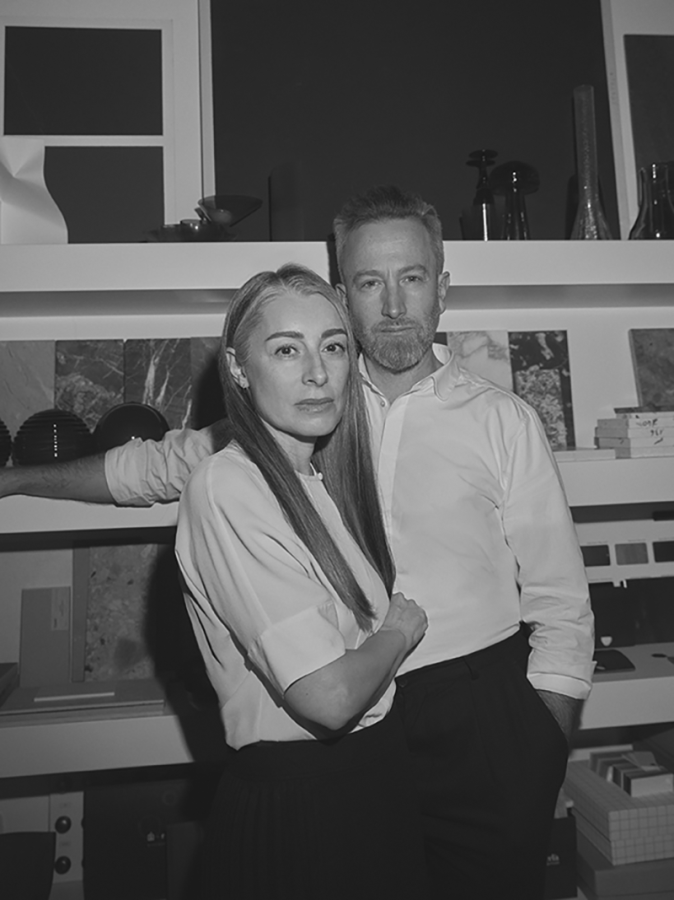
García Cumini
García Cumini is an Italian-Spanish design studio founded in 2012 in Udine by Vicente García Jiménez and Cinzia Cumini. The studio specializes in product design, exhibitions, interiors and visual communication, combining technological innovation with an emotional and poetic approach to form. Their works are distinguished by elegance, harmony and deep reflection on lifestyle and culture of use. García Cumini collaborates with renowned brands such as Foscarini and Agape, creating designs that are both functional and expressive. The studio combines various cultural inspirations with the pursuit of timeless design.
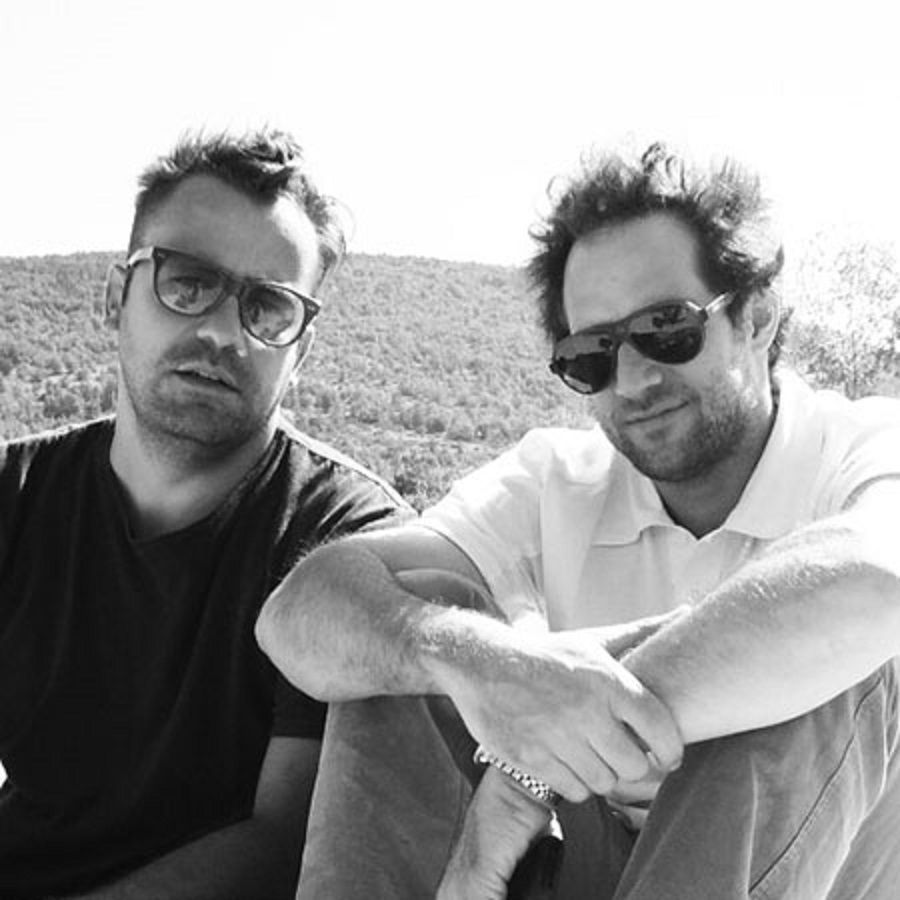
Gargano & Cristell
Gargano & Cristell is a dynamic duo of Italian designers Anton Cristell and Emanuel Gargano, who combine a passion for applied art with a deep understanding of craft tradition. Their designs are distinguished by their combination of elegance, functionality and emotional message. Known for their close cooperation with the EMU brand, they created, among others: the appreciated Tami garden furniture collection, which impresses with its pure form and natural materials. Gargano & Cristell design with the user in mind - their works are intended to create a harmonious relationship between man and space. They combine modern technologies with handicraft, which is visible in the finishes and details. Their design is consistent, subtle and always rooted in the values of good design - beauty that serves everyday life.
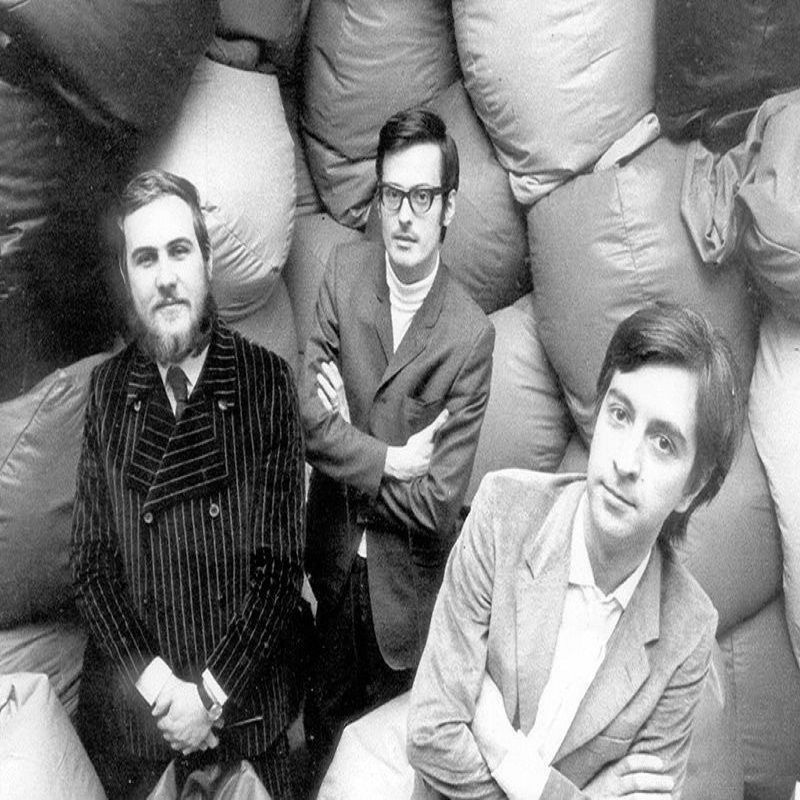
Gatti, Paolini, Teodoro
The Gatti, Paolini, Teodoro trio are Italian designers: Piero Gatti, Cesare Paolini and Franco Teodoro, known primarily as the creators of one of the most iconic pieces of furniture of the 20th century - the Sacco armchair (1968) for Zanotta. Their joint work was based on experimenting with form, material and a new concept of ergonomics. Sacco, known as the "sack armchair", initiated a new era of free, informal design, breaking away from the classic approach to the shape of the furniture. The designers were associated with the radical design trend, which questioned functionalism and the aesthetics of modernism. Their innovative approach to design made them one of the most important representatives of Italian design of the 1960s and 1970s. Their works can be found in the collections of, among others: MoMA in New York and Center Pompidou in Paris.
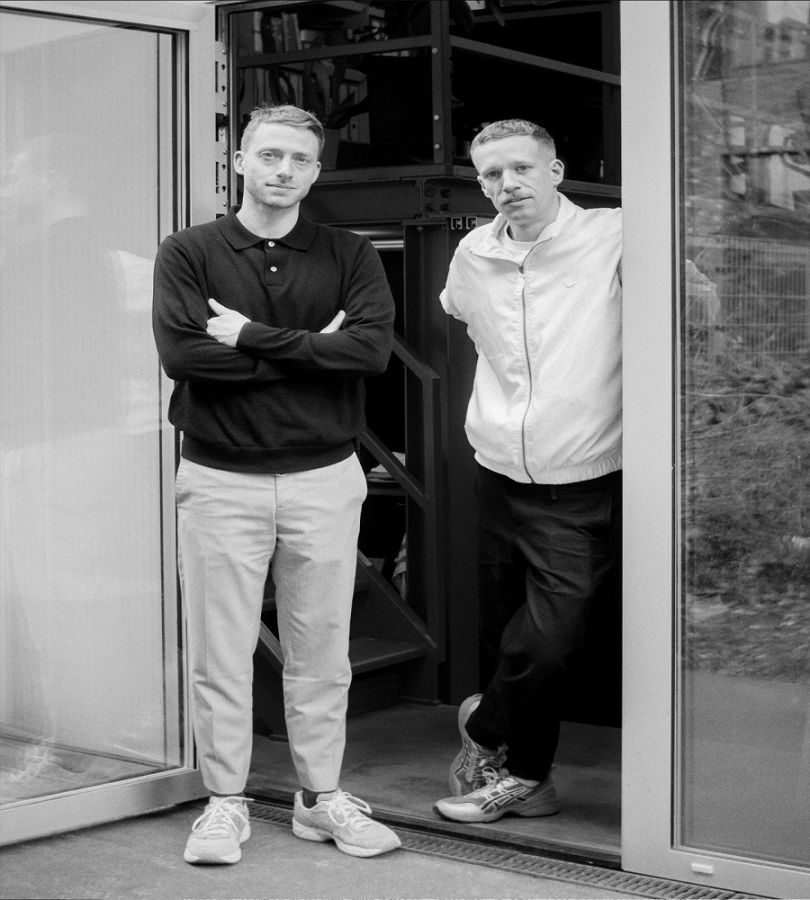
Geckeler Michels
Geckeler?Michels is a Berlin-based design studio founded in 2013 by David Geckeler and Frank Michels, combining modern minimalism with functional design. They specialize in furniture, lighting and everyday products, creating designs that combine aesthetics, ergonomics and practicality. Their works are characterized by simple forms, careful workmanship and intelligent details that respond to the real needs of users. The studio cooperates with leading brands, including: Sancal, Fredericia, Muuto and deSede, creating both series collections and concept prototypes.

George Carwardine
George Carwardine (1887–1947) was a British engineer and designer, known primarily as the creator of the Anglepoise lamp - an icon of modern design. Specializing in vehicle suspension systems, in 1932 he developed an innovative spring mechanism that allowed the lamp to be precisely set in any position without the need to lock it. Initially, he produced lamps in his workshop, but due to the growing interest, in 1934 he established cooperation with Herbert Terry & Sons, which began mass production of the Anglepoise 1227 model. Thanks to its functionality and aesthetics, the lamp quickly gained popularity in both industrial and home environments, becoming a symbol of British design.
George Nelson
George Nelson was one of the leading American designers of the 20th century, born in 1908. An architect, designer and design theorist, he played a key role in shaping modern industrial design. For many years he cooperated with Herman Miller, where he served as design director. It was there that he contributed to the creation of design icons such as Ball Clock wall clocks, the Home Desk desk and the Storage Wall series. In his work, he combined functionality with aesthetics, creating everyday objects with a unique character. Nelson was also the author of numerous texts about design, promoting the idea of design as a tool to improve the quality of life.
George Sowden
George Sowden is a British designer born in 1942 who gained an international reputation for his unique approach to industrial design. After graduating in architecture in London, he moved to Milan, where he collaborated with, among others, with Ettore Sottsass and joined the legendary Memphis group - a movement that revolutionized design in the 1980s. Sowden combines vivid colors, geometric forms and functionality in his designs, often with a hint of irony. In 2010, he founded his own brand SOWDEN, specializing in everyday items such as kettles, dishes and kitchen accessories. His works are included in the collections of the most important design museums in the world, and he remains active on the international design scene.
Gerrit Rietveld
Gerrit Rietveld was a Dutch architect and designer, considered one of the most important representatives of the De Stijl movement. He became famous for his minimalist approach to form and the use of basic colors and geometric shapes. His most iconic work is the Red and Blue Chair (1918), which became a symbol of avant-garde thinking about furniture as a work of art. Rietveld designed both furniture and buildings - his Schröder House in Utrecht (1924) is considered a masterpiece of modernism. He combined functionality with aesthetics, and his works had a huge impact on the development of 20th century design. Rietveld still inspires designers with its simplicity, logic of construction and uncompromising approach to form.
Giancarlo Mattioli
Giancarlo Mattioli was an Italian architect and designer known primarily as the creator of the Nesso lamp (1965) for Artemide. This project, created in cooperation with the Architetti Urbanisti Città Nuova group, became an icon of Italian design of the 1960s. It is characterized by a futuristic form and made of colorful ABS material, which was innovative at that time. The Nesso lamp has gained recognition around the world and has been included in the permanent collection of the Museum of Modern Art (MoMA) in New York. Mattioli, through his designs, contributed to the development of modern industrial design, combining functionality with aesthetics inspired by the pop art movement and outer space.

Gianfranco Frattini
Gianfranco Frattini was an Italian architect and designer considered one of the key figures of Italian post-war modernism. He graduated in architecture in Milan and collaborated with Gio Ponti, which had a significant impact on his aesthetics. In 1956, he co-founded ADI - the Association of Industrial Design. He created furniture, lamps and interiors working with companies such as Cassina, Arteluce and Bernini. His style combined elegant minimalism with functionality and masterful craftsmanship. Iconic designs, such as the Nesting table or the Boalum lamp (created with Livio Castiglioni), remain design classics. Frattini also designed the interiors of hotels, shops and private residences, and his work had a lasting influence on Italian and world design.
Gino Carollo
Gino Carollo is an Italian industrial designer born in 1965 in Vicenza, who has been active in the furniture industry since 1990. In 1999, he founded his own design studio, Studio 28, specializing in product design, visual identification and arrangement of commercial and private interiors. The artist has collaborated with renowned brands such as Bonaldo, Calligaris, Porada, Cattelan Italia and Schönbuch. His designs, such as the "Fontana" table and the "April, May, June" shelf, have won prestigious awards, including the Red Dot Design Award, IF Design Award and German Design Award.

Gino Sarfatti
Gino Sarfatti was an outstanding Italian lighting designer considered one of the most important pioneers of modern design in this field. In 1939, he founded the Arteluce brand, which introduced modern design to Italian lighting design. An engineer by profession, he has designed over 600 lamp models, combining technological precision with an elegant, timeless form. He experimented with new materials, such as aluminum or plexiglass, creating designs that were ahead of their time. His most famous work is the 2097 ceiling lamp - an icon of contemporary design. Sarfatti's works are in the collections of museums around the world.

Gio Ponti
Gio Ponti (1891–1979) was one of the most important Italian architects and designers of the 20th century. A versatile creator; architect, furniture, ceramics and glass designer, set designer, publicist and founder of the Domus magazine (1928). Its style combined classic elegance with modern functionality. He designed for brands such as Richard Ginori, Fontana Arte (which he co-founded), Cassina and Molteni&C. His iconic works include: the Pirelli skyscraper in Milan and theBilia lamp. He made a huge contribution to the development of Italian design, promoting the ideas of "Italian style" around the world. He left behind a rich creative legacy, inspiring subsequent generations of designers.

Giorgia Zanellato
Giorgia Zanellato is an Italian designer born in Venice. She studied at IUAV University and obtained a master's degree at ECAL in Switzerland. In 2013, together with Daniele Bortotto, she founded the Zanellato/Bortotto studio in Treviso. Their debut was the "Acqua Alta" collection, inspired by Venice, shown at Salone Satellite in Milan. The studio focuses on the relationship between place and time, combining craftsmanship with modern design. They cooperate with brands such as Louis Vuitton, Moroso, Rubelli. Their projects were presented, among others, at MAXXI in Rome and the Milan Triennial. Zanellato received the Elle Decor International Design Award, Red Dot and Good Design Award.
Giulio Iacchetti
iulio Iacchetti is an Italian industrial designer born in 1966. During his career, he collaborated with brands such as Alessi, Artemide, Fontana Arte and Magis. His innovative designs have received international acclaim, including a Compasso d'Oro award for the biodegradable "Moscardino" cutlery set, which is part of the MoMA collection. Iacchetti also received a Premio dei Premi for the Coop Eureka project and another Compasso d'Oro for the "Sfera" manhole covers. He founded the Internoitaliano brand, promoting traditional production techniques. His works combine functionality, simplicity and respect for the Italian craft tradition, as well as innovation in modern design.

Giuseppe Maurizio Scutella
Giuseppe Maurizio Scutellà is an Italian industrial designer, born in 1962 in Alcamo, Sicily. He started his career as a technical designer, for 12 years creating casting and injection molds for companies such as Kawasaki, Ducati and Mercedes. In 2008, he started cooperation with Artemide, designing the Pirce lamp, which won, among others, Good Design Award, Red Dot Award and iF Design Award. Scutellà combines technical precision with artistic sensitivity, creating designs with a sculptural character. He also collaborated with the Tonelli, Pandora Design, United-Pets and Rak Porcelain brands, designing furniture and utility items. His approach to light is expressed in the words: "Light is a captivating light sound, beautifully alive, dynamic, and at the same time intimate and gentle" . Scutellà sees design as a combination of function and emotion, striving to create objects that tell a story through form and light.
Giuseppe Terragni
Giuseppe Terragni was an Italian architect considered one of the main representatives of Italian rationalism. He graduated from the Polytechnic University of Milan, and at a young age he gained fame as a co-founder of modernist architecture in Italy. His most famous work is Casa del Fascio in Como (1936) - a building considered an icon of modernist architecture, combining geometric precision with transparency of function. Terragni strived for harmony of form, structure and idea, referring to the classical tradition in a modern interpretation. He also worked on interior and furniture designs, gaining recognition for his coherent approach to space. Despite his short life, his achievements had a huge impact on the development of 20th century architecture in Italy and beyond, becoming an inspiration for many later artists.
Glismand & Rüdiger
Glismand & Rüdiger is a Danish design duo whose work is deeply rooted in Scandinavian aesthetics. Their approach to design is based on minimalism, functionality and the use of natural materials. Working with the Bolia brand, they created, among others: Scandinavia sofa series, characterized by minimalist design and high quality of workmanship. Their designs such as tablesLink, combine elegant lines with practical use, perfectly fitting into a variety of spaces - from home to office. Glismand & Rüdiger strive to create furniture that is not only aesthetic, but also durable and timeless, which allows them to survive changing trends and serve for generations.
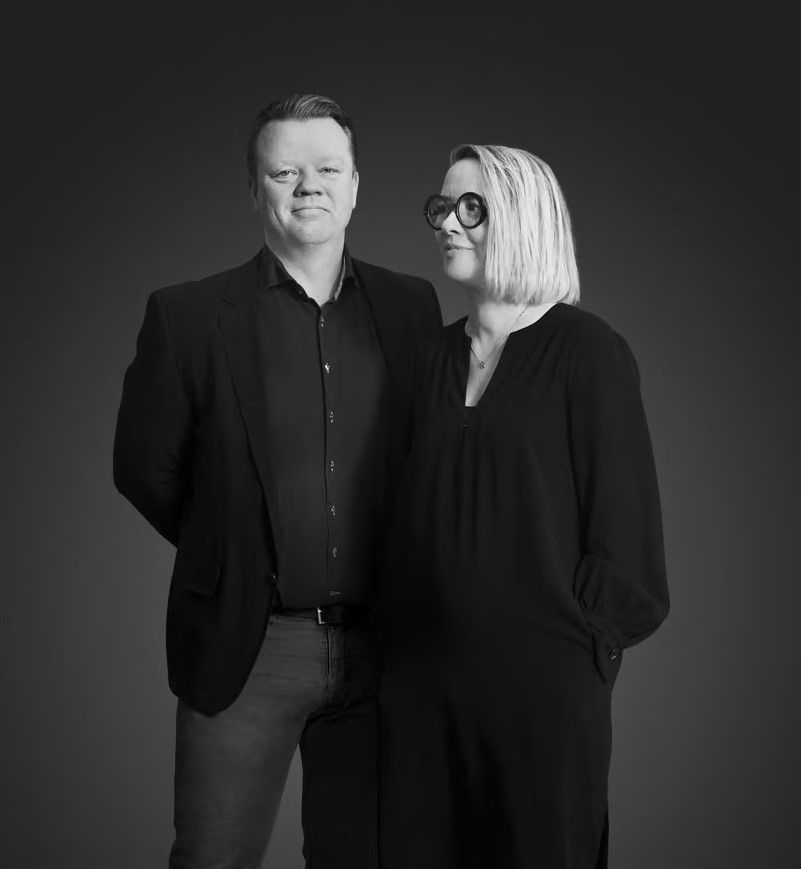
Granstudio
Granstudio is a Danish design studio that creates functional and aesthetic objects inspired by everyday life and the surrounding world. Designers believe that even a small detail can change the character of a product, give it personality or make you smile. Working with the renowned Danish brand Bolia, the studio creates furniture and interior accessories that combine Scandinavian minimalism with a well-thought-out form. Granstudio attaches great importance to social responsibility and quality, both in professional relationships and in the design process. Their style is modern minimalism with a warm, human touch - user-oriented and their everyday needs.

Greta Grossman
Greta Magnusson Grossman was a Swedish furniture designer and architect, considered one of the pioneers of modernism in Los Angeles. In 1940 she moved to the USA, where she became a key figure in California modernism. Her designs combined European influences with the American lifestyle, which attracted the attention of Hollywood stars. Her most famous works includeGrasshopper (1947) andCobra (1950). She also designed innovative furniture and buildings, including modern homes in Los Angeles. Her works were characterized by simple form, slim lines and functionality. Magnusson-Grossman is considered a design icon whose works are highly appreciated to this day.
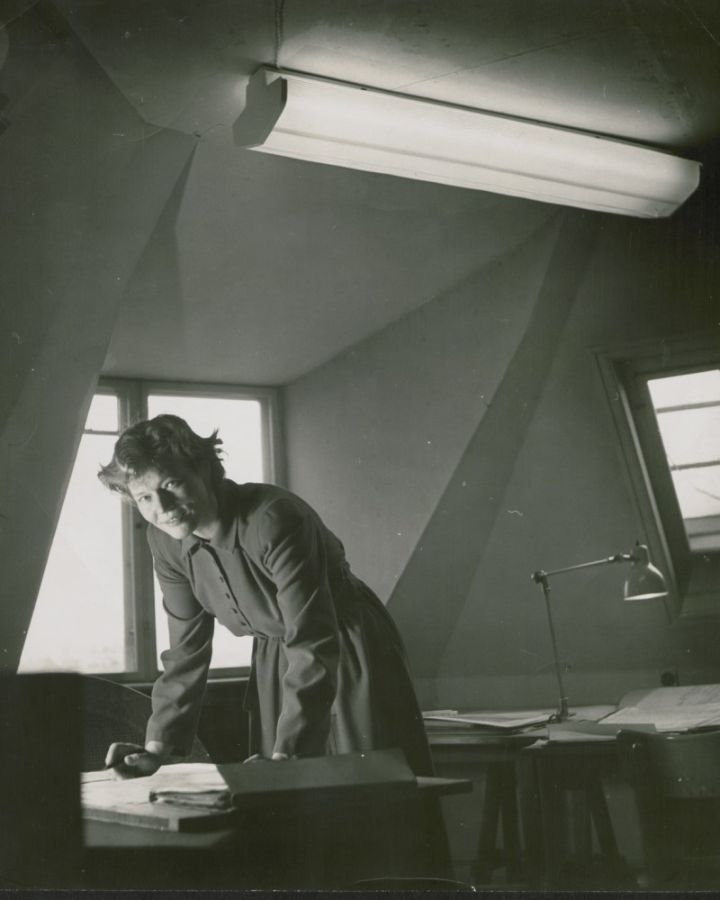
Grethe Meyer
Grethe Meyer (1918–2008) is one of the most important Danish designers of the 20th century, known primarily for her minimalist and functional approach to industrial design. Her works combine simplicity of form with the highest quality of workmanship, which has made her an icon of Danish design. Meyer primarily designed everyday items, such as dishes, furniture and kitchen accessories, which were distinguished by their ergonomic shape and practicality. She was a supporter of the idea that design should serve people and improve the quality of life. Her most famous projects include: tableware sets for Royal Copenhagen and glass and porcelain collections. Grethe Meyer left a lasting mark on the history of design, inspiring subsequent generations of creators.
Grzegorz Gancarczyk
Grzegorz Gancarczyk is a Polish furniture designer and constructor, graduate of the Faculty of Wood Technology of the Warsaw University of Life Sciences. He started his career as a programmer and designer, but since 2008 he has been associated with Paged Meble as a member of the Paged Design Team. His designs were presented at the prestigious fairs in Milan, gaining recognition both at home and abroad. Gancarczyk's most famous projects include chairs and armchairs from the NODO, SUDOKU, AXIS and ARCHER collections. The NODO armchair was awarded in the MUST HAVE plebiscite organized by the Łódź Design Festival, and the AlterEgo collection, which he co-authored, won an award in the Best Polish Design category in the Dobry Design 2024 competition.

Grzegorz Wit
Grzegorz Wit is an experienced designer and manager, associated with Paged Meble S.A. since 2003, where he currently serves as Research and Development Manager (R&D Manager). He is a graduate of the Technical Secondary School of Wood Industry in Dobrodzień. In the 1990s, he worked as a kitchen interior designer at WFM Wolsztyn, and then as a sales manager at Roller Polska and Top Meble Gdańsk. He started working at Paged Meble career as an Area Manager, and in the years 2014–2016 he was the Deputy Director of Domestic Sales of the housing market. In his work, he combines technological knowledge with a creative approach to furniture design, focusing on functionality, ergonomics and aesthetics. His experience in product development management contributes to the innovation of the company's offer. Wit emphasizes the importance of solid wood as a noble and graceful material for designers, which is reflected in his designs.
Gudmundur Ludvik
Gudmundur Ludvik is an Icelandic furniture and product designer, born in 1970 in Reykjavik. His professional path combines craft, art and design - before starting his career as a designer, he worked as a carpenter and carpenter. He studied sculpture at the Icelandic Academy of Arts and then furniture design at the Danish Design School in Copenhagen, where he graduated in 2002. He has been living and working in Denmark for years, running his own studio in Vejle and co-founding the Welling/Ludvik studio. In his designs, he focuses on reducing complex problems to simple, intuitive solutions, paying particular attention to design, materials, functionality and durability. His designs are firmly rooted in the Scandinavian tradition of craftsmanship and minimalism.
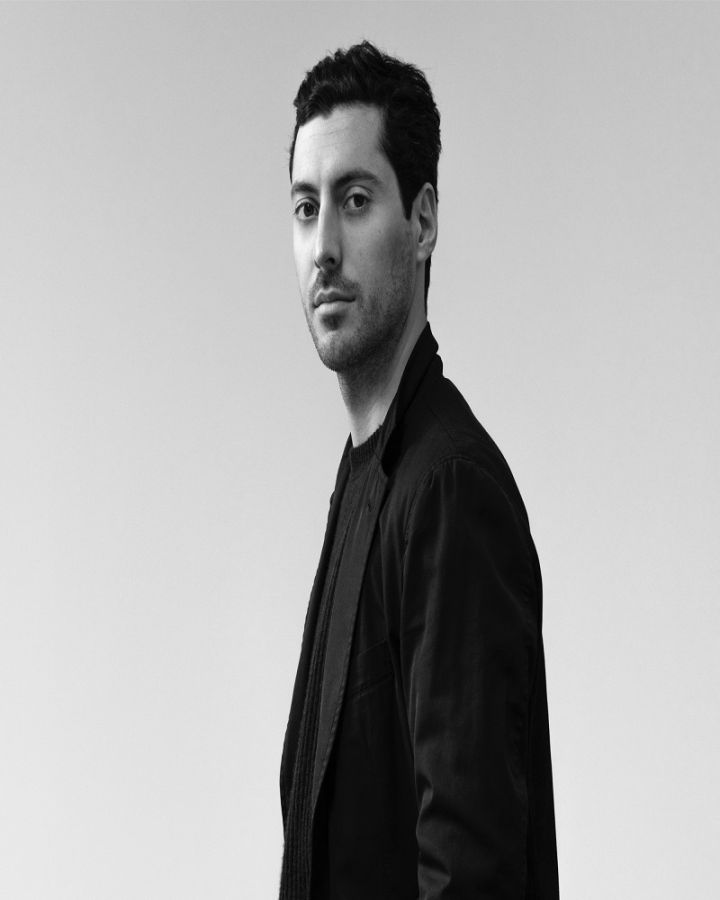
Guglielmo Poletti
Guglielmo Poletti is an Italian designer, graduate of Design Academy Eindhoven, running his own studio in Milan. He specializes in furniture, lighting and spatial interventions, combining minimalist aesthetics with material experimentation. His designs are based on the philosophy of "thinking by doing", exploring the constructive possibilities of materials through the deconstruction of form. Poletti collaborates with brands such as Flos, Magis and Desalto, and his works have been presented at Dutch Design Week and Milan Design Week, and are also included in permanent museum collections.
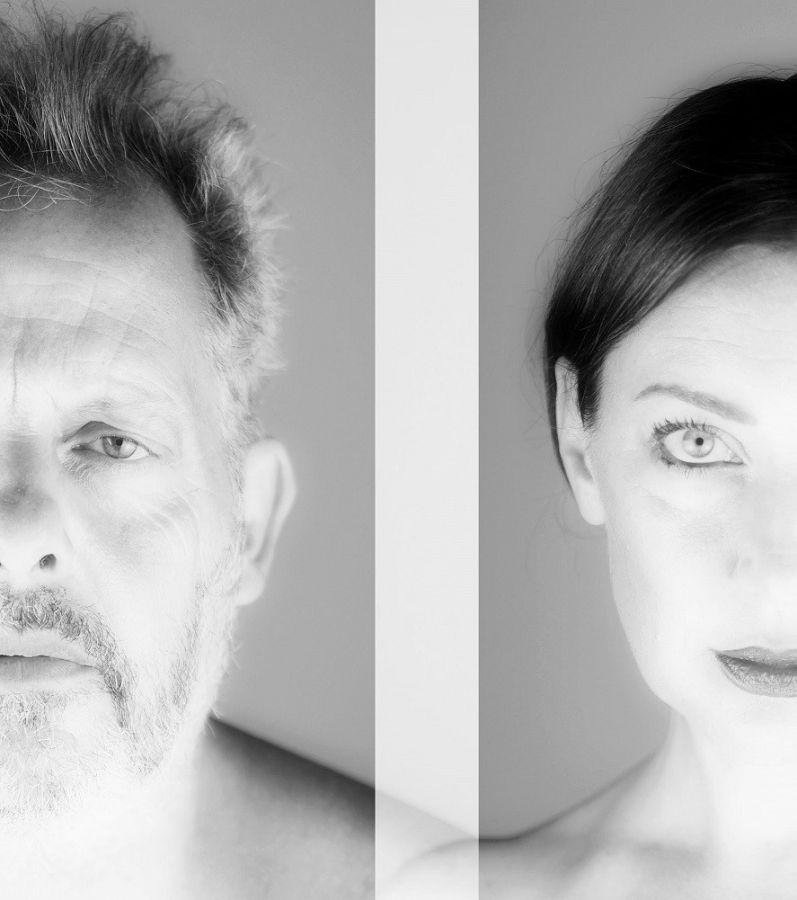
Gumdesign
Gumdesign is an Italian design studio founded in 1999 in Viareggio by Gabriele Pardi and Laura Fiaschi. He specializes in architecture, industrial design, graphics and art direction. The studio cooperates with many well-known brands, including: Scab Design, Fiat, Lavazza and Swarovski Italia. Gumdesign projects have been presented in prestigious venues such as MoMA in San Francisco and the Triennale di Milano. Their style combines craft tradition with innovation and a strong emotional charge. The studio has won numerous awards, including the German Design Award and the Best Communicator Award. Since 2017, Gumdesign has been co-creating the Master's program in Innovation and Crafts at IED Florence, with an emphasis on the development of young talents.
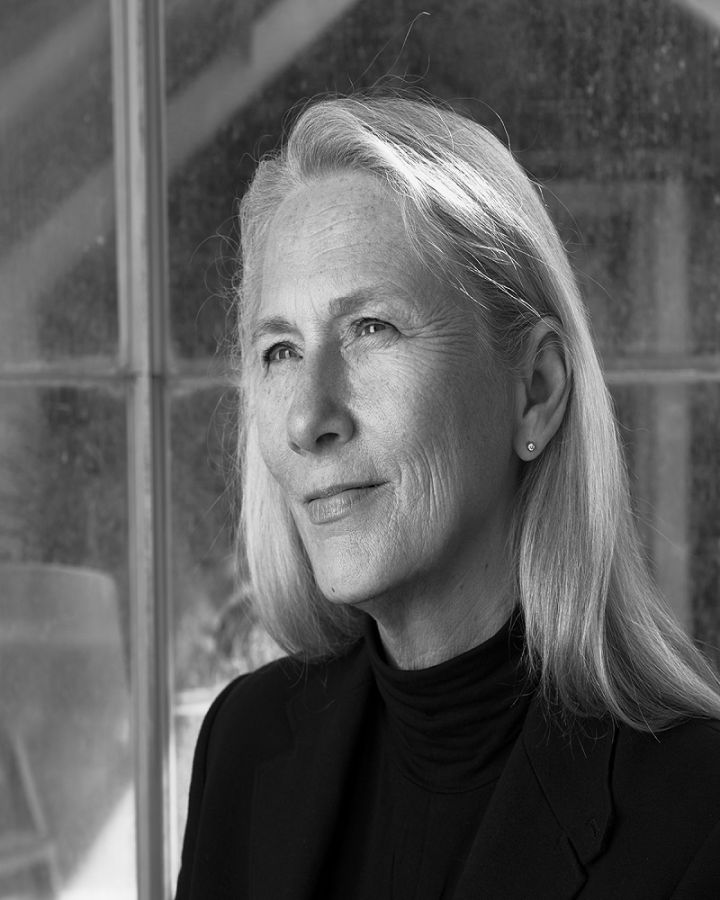
Gunilla Allard
Gunilla Allard is a Swedish designer and interior architect, known for her minimalist style based on precise proportions and high-quality workmanship. She started her career in the film industry, collaborating with, among others, in Ingmar Bergman's productions. She graduated from Konstfack in Stockholm and the Royal Danish Academy of Fine Arts in Copenhagen. In 1988, she began cooperation with Lammhults, for which she designed the iconic Cinema armchair. Her works combine functionality with aesthetics, inspired by Bauhaus. In 2000, she received the prestigious Bruno Mathsson Prize. It is surrounded by the nature of the Stockholm archipelago.
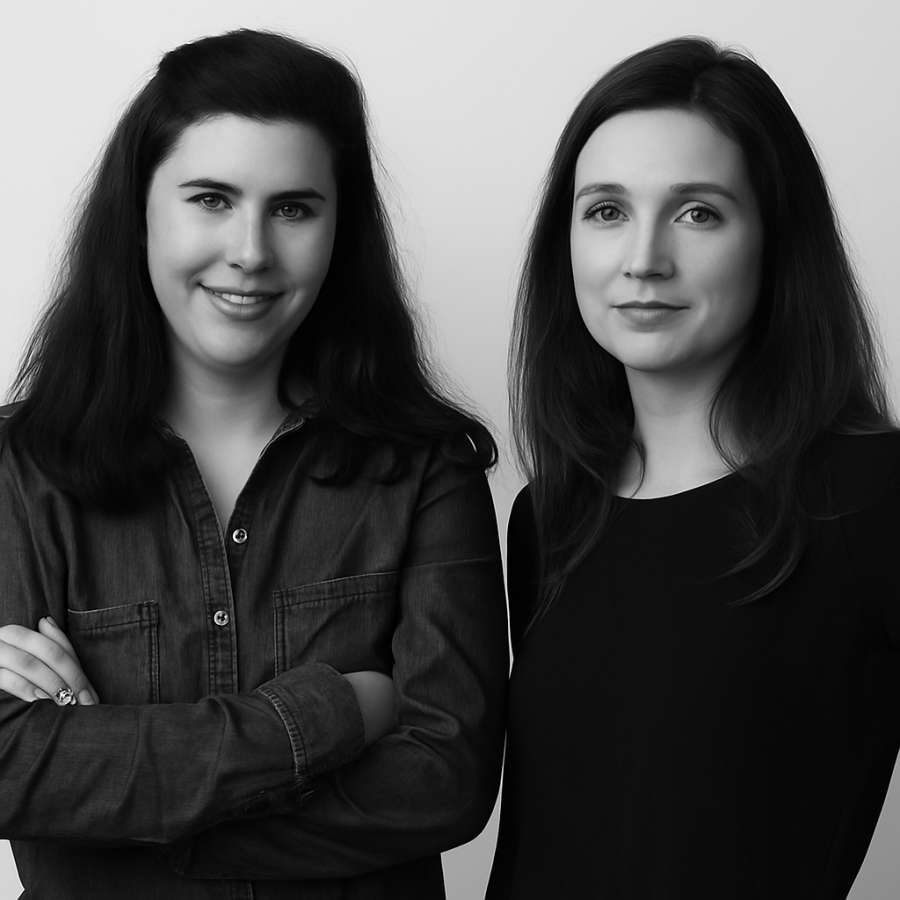
Gwendolyn & Guillane Kerschbaumer
Sisters Gwendolyn and Guillane Kerschbaumer are the founders of Atelier Areti - a renowned lighting brand known for its minimalist, sculptural forms and well-thought-out geometry. Their designs combine artistic sensitivity with architectural precision, often balancing between function and expression. Educated in architecture and art, the sisters create lamps that not only illuminate the space, but also define it visually - light, surprising and elegant. Atelier Areti focuses on high-quality materials and European production, which makes the brand a choice for lovers of conscious design. Gwendolyn and Guillane's designs are an example of modern design with soul and strong artistic DNA.
Halskov & Dalsgaard Design
Halskov & Dalsgaard Design is a Danish design studio founded by Christina Halskov and Hanne Dalsgaard, known for creating functional, aesthetic and sustainable consumer products. Their style is based on the Scandinavian design tradition - simplicity, quality and respect for the material. The designers combine a modern approach with craftsmanship precision, creating everyday items that are not only beautiful, but also practical. They cooperate with renowned brands, and their projects include, among others: kitchen accessories, lighting and furniture. The studio attaches great importance to sustainable development and responsible production. Halskov & Dalsgaard Design is a combination of feminine sensitivity, innovation and timeless form, which translates into design close to people and their everyday needs.
Hannakaisa Pekkala
Hannakaisa Pekkala is a Finnish designer belonging to a new generation of creators who combines art with functional design. A graduate of the Institute of Design & Fine Arts in Lahti, in her work she explores the relationship between art and product design, creating works with a strong visual expression. Her designs, such as the minimalist Circle hanging lamp for Northern, are characterized by simplicity of form and functionality, while reflecting the contrasts between the rugged landscape of northern Finland and urban lifestyle. Pekkala is also the co-founder and creative director of UU Market - a collective and sales platform promoting contemporary Finnish designers. UU Market was created out of the need to support independent creators in the sales, marketing and presentation of their works.
Hanne Willmann
Hanne Willmann is a German industrial designer who runs her own design studio in Berlin. She specializes in the design of furniture, lighting and accessories, combining functionality with minimalist aesthetics. Her style is characterized by precision, economical form and attention to detail. She gained experience in Berlin, Barcelona and Istanbul, working, among others, for the Autoban studio and Werner Aisslinger. In 2015, she founded her own studio, and in 2017 she became a lecturer at the University of Fine Arts in Berlin. She has collaborated with renowned brands such as Freifrau, Schönbuch, Potocco and Woud. Her designs, such as the Nana collection for Freifrau or the Fungi lamp for Favius, gained recognition at international design fairs. Willmann has been awarded, among others, German Design Award in 2017.
Hannes & Fritz
Hannes & Fritz is a duo of industrial designers consisting of Hannes Karl and Fritz Gräber. Their cooperation is based on the pursuit of functional and honest design that combines simplicity of form with high quality of workmanship. Both designers gained experience in renowned design studios before joining forces and starting to implement their own concepts. Their works are characterized by a passion for natural materials, clear construction and precision of detail. The duo gained recognition, among others, thanks to the design of the Weekday chair for the Danish brand HAY, which combines rustic aesthetics with a modern form language. Hannes & Fritz focus on designs that are not only aesthetic, but also durable, accessible and user-friendly.
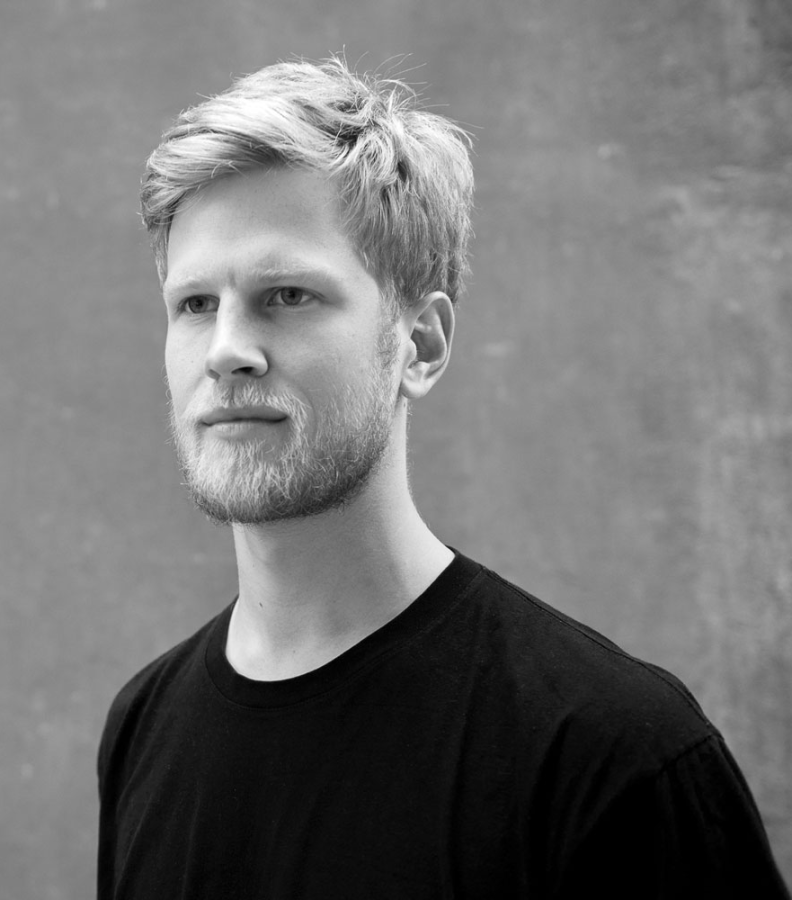
Hans Hornemann
Hans Hornemann is a Danish designer born in 1989 in Aalborg. In 2014, he graduated in industrial design engineering from Aalborg University. His designs combine aesthetic minimalism with high functionality, often drawing inspiration from natural materials and technical solutions. Hornemann strives to creating objects that are both beautiful and useful, emphasizing the authenticity of materials through simplified design. He cooperates with the renowned Normann Copenhagen brand, for which he designed, among others, the Ace furniture collection and Silo pouffes. He is also the co-founder of the Copenhagen-based design studio Aspekt Office, specializing in furniture, product and interior design. His work has gained recognition on the international design scene, and the Ace collection was awarded the German Design Award and iF Design Award in 2016.
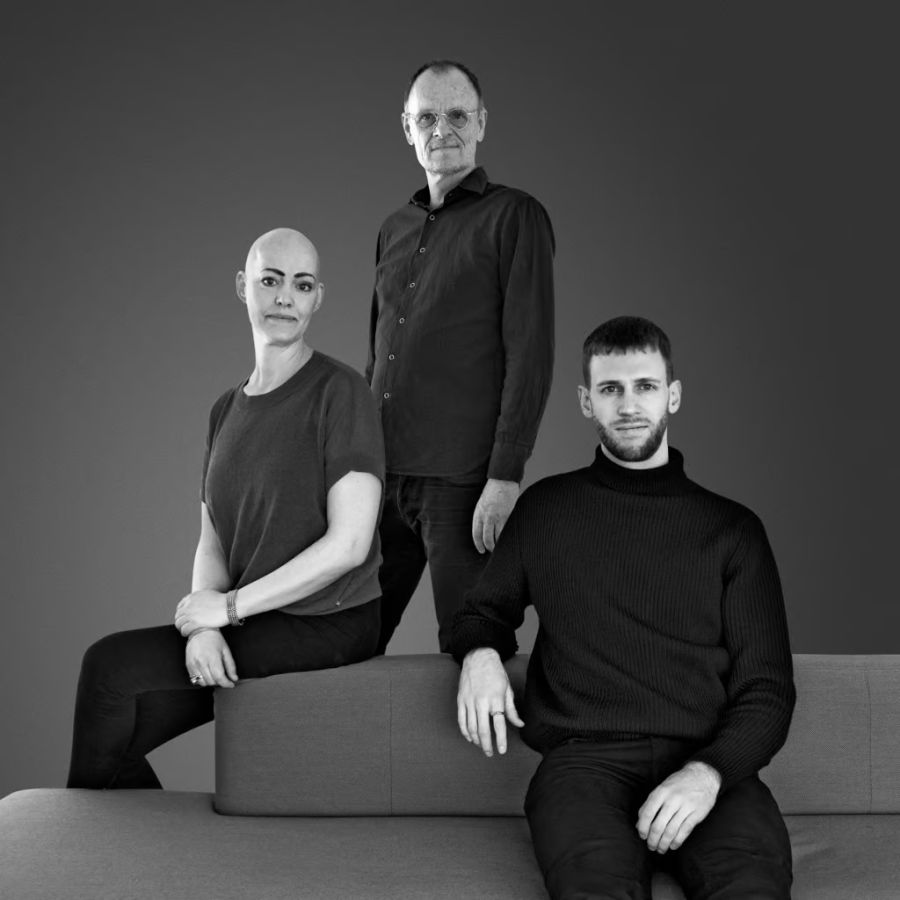
Hans Thyge & Co
Hans Thyge & Co is a Danish design studio founded by Hans Thyge Raunkjær in 1990. The studio specializes in designing furniture, objects and interiors, combining functionality with aesthetics and telling stories through its designs. Raunkjær, previously associated with the Italian Memphis group, creates projects that combine modern design with ecological responsibility. Working with the Bolia brand, they designed, among others: the Seed collection, using recycled plastic. The products are distinguished by simple forms, durability and universality. Hans Thyge & Co focuses on creativity, culture and values, creating objects that are both functional and emotional. The studio combines experience with openness to cultural diversity.
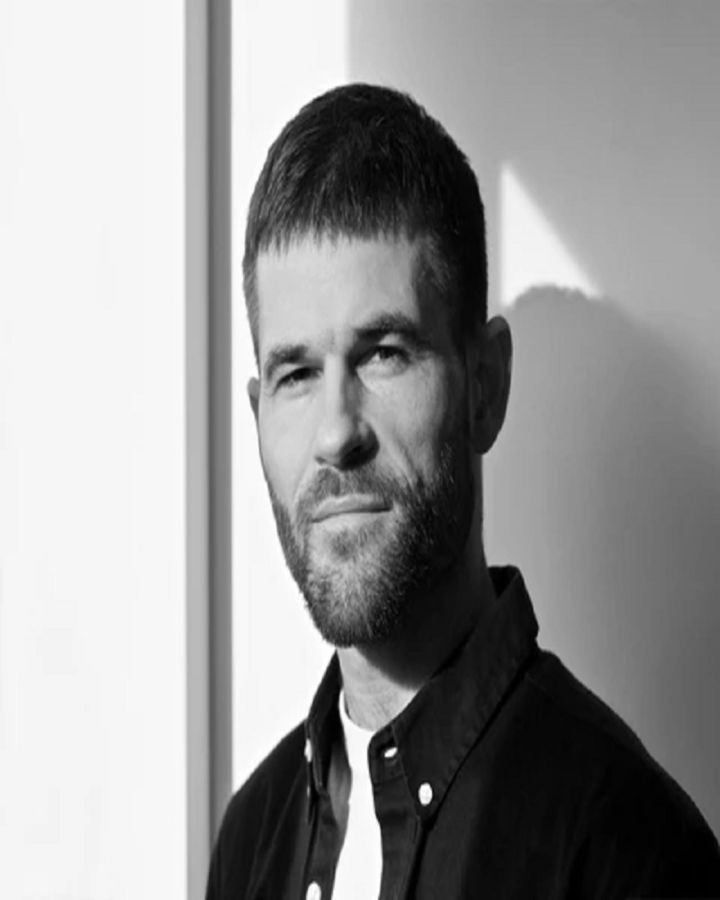
Harald Hermanrud
Harald Hermanrud is a Danish furniture designer known for his minimalist approach and innovative designs. He studied at the Royal Danish Academy of Fine Arts in Copenhagen, as well as in Oslo and Rhode Island. His work is based on a combination of precise craftsmanship and Scandinavian aesthetics, emphasizing the sincerity of materials and the functionality of forms. Hermanrud's most famous project is the Frame shelving system - a light, modular structure based on a metal frame that can be assembled without the use of tools. Brass details and a clear form make this piece of furniture work both as a functional shelf and a decorative element. Frame has gained recognition at international exhibitions, and the designer himself has received numerous awards for the originality and durability of his solutions.
Harri Koskinen
Harri Koskinen is an outstanding Finnish designer, known for his minimalist and functional design. He studied in Helsinki and Lahti. In 1996, he gained international fame thanks to the Block lamp, considered an icon of Scandinavian design and exhibited at MoMA. He founded the Friends of Industry studio, collaborating with brands such as Iittala, Muji, Marimekko and Swarovski. Designs furniture, lighting, glass and everyday accessories. His works combine simplicity with modernity. Winner of many awards, including: Compasso d'Oro and Kaj Franck. His style is a harmony of form, function and aesthetics.
Harry & Camila
Harry & Camila is an international designer duo - Harry Paul from the Netherlands and Camila Vega from Chile - known for their futuristic, emotional approach to form. Their works balance between art and design, drawing on nature, aerodynamics and new technologies. They studied at Domus Academy in Milan, where they started their career together, creating designs for brands such as Vondom, Rosenthal and Christofle. Their aesthetic combines fluid lines with experimental materials, and the designs often exceed the boundaries of functionality, taking on sculptural forms. They operate globally, but design with the senses and emotions in mind. They are known for bold and at the same time harmonious solutions that stand out from the background of contemporary design.

Haruka Furuyama
Haruka Furuyama is a Japanese furniture and product designer who has been running her own studio Haruka Furuyama Design & Craft in Gothenburg, Sweden since 2012. Her work combines Japanese precision and respect for craftsmanship with Nordic minimalism and functionality. Specializes in designing furniture, interiors and utility items, often making them by hand from natural materials such as wood. Furuyama graduated in interior design and industrial design industrial in Tokyo and furniture and woodworking in Capellagården, Sweden. Her designs, such as the furniture series inspired by the "Lilla Ateljén" house, are characterized by simplicity, durability and a sustainable approach to design. Cooperates with the Woodman brand, for which she creates furniture combining aesthetics with functionality. Furuyama is also involved in exhibition projects such as "Merry-Go-Round", presenting her works at international design fairs.
HAY design
The Danish brand HAY cooperates with a wide range of designers who combine Scandinavian minimalism with modern design. They include renowned names such as Ronan and Erwan Bouroullec, Stefan Diez, Hee Welling and GamFratesi, as well as younger talents bringing a fresh perspective on form and function. Each design is created with everyday use in mind - it combines aesthetics, comfort and durability, without losing its originality. HAY focuses on bold colors, thoughtful details and high-quality materials, which, combined with the vision of the invited creators, creates collections that are both timeless and current.
Hee Welling
Hee Welling is a Danish furniture designer, known for creating functional, aesthetic and timeless forms that combine Scandinavian minimalism with innovative production technology. The artist graduated from the Royal Danish Academy of Fine Arts and in 2003 founded his own design studio in Copenhagen. His approach to design is based on the principle "form follows function", which can be seen in projects such as the "About A Chair" series of chairs for the HAY brand. He also collaborates with &Tradition, designing furniture that maintains a balance between modernity and the classic spirit of Nordic craftsmanship. Welling's designs are internationally recognized for their clarity of form, ergonomics and durability, and his works can be found in homes, offices and public spaces around the world.
Helga Sigur-Bjarnadottir
Helga Sigur-Bjarnadottir is an Icelandic designer known for combining traditional craftsmanship with a modern approach to fashion and design. Her works draw inspiration from the raw nature of Iceland, local weaving techniques and a sustainable approach to materials. Helga often uses Icelandic wool, natural dyes and manual production methods, giving her designs a unique character. He creates both functional textiles and artistic installations, combining functionality with aesthetics. Her work has been featured at international design exhibitions and has been recognized for its innovation and deep respect for Nordic culture. Helga is also involved in educational and social projects, promoting crafts and local identity.
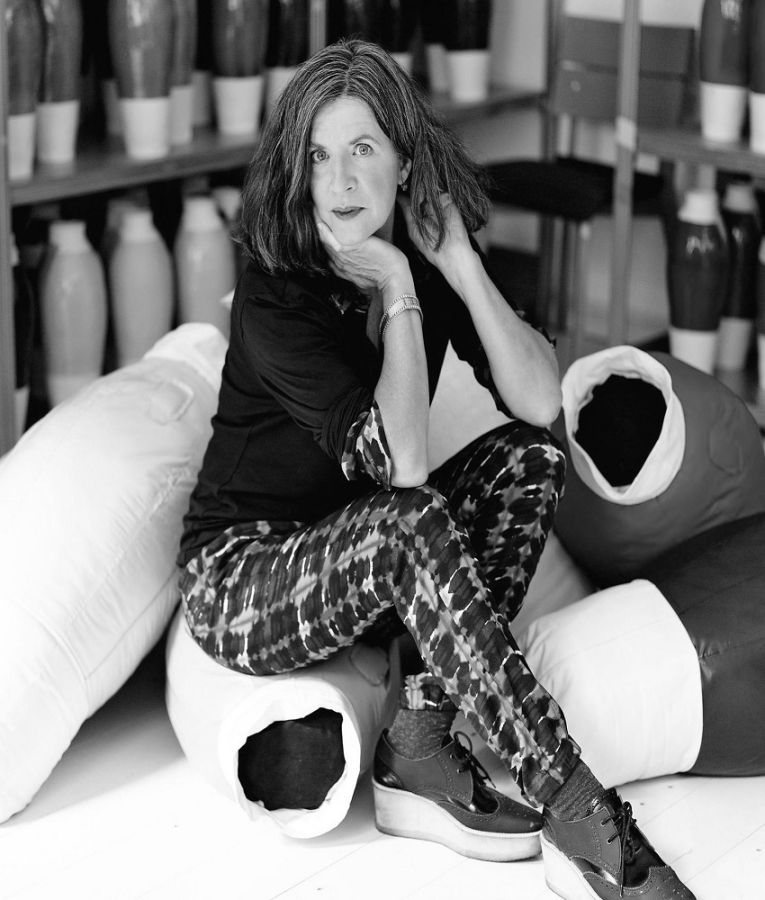
Hella Jongerius
Hella Jongerius is one of the most respected Dutch designers, known for skillfully combining traditional craftsmanship with modern technology. In her work for brands such as Vitrashe explores the relationship between color, material and form. Her designs, from fabrics to furniture, are distinguished by their subtle color palette, unique textures and deep understanding of production processes. Jongerius believes that design should have a soul and an emotional dimension, which is why each of her works is a combination of aesthetics, functionality and a humanistic approach to everyday objects.
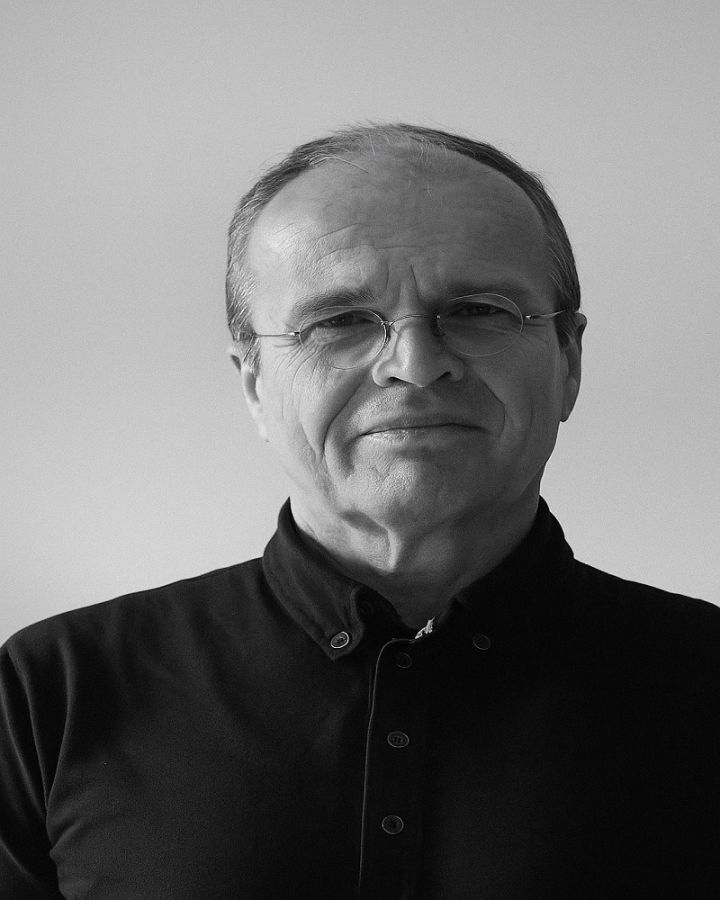
Henrich Piltz
Henrich Piltz is a German industrial designer who has been running his own studio, Piltz Design, in Münster since 1998. A trained sculptor and industrial designer, he treats design as a form of self-fulfillment and creative dialogue with the world. His approach combines artistic sensitivity with functionality, which is visible in projects for the PHILIPPI brand, such as the "Silberpfeil" and "Riviera" key rings or the "EMMA" salt and pepper shaker set. Piltz has also gained recognition outside the accessories industry, receiving, among others, Good Design Award for the design of a document box for HAN Bürogeräte. His works are characterized by simplicity of form, precision of workmanship and elegance, which makes them timeless and appreciated by users all over the world world.
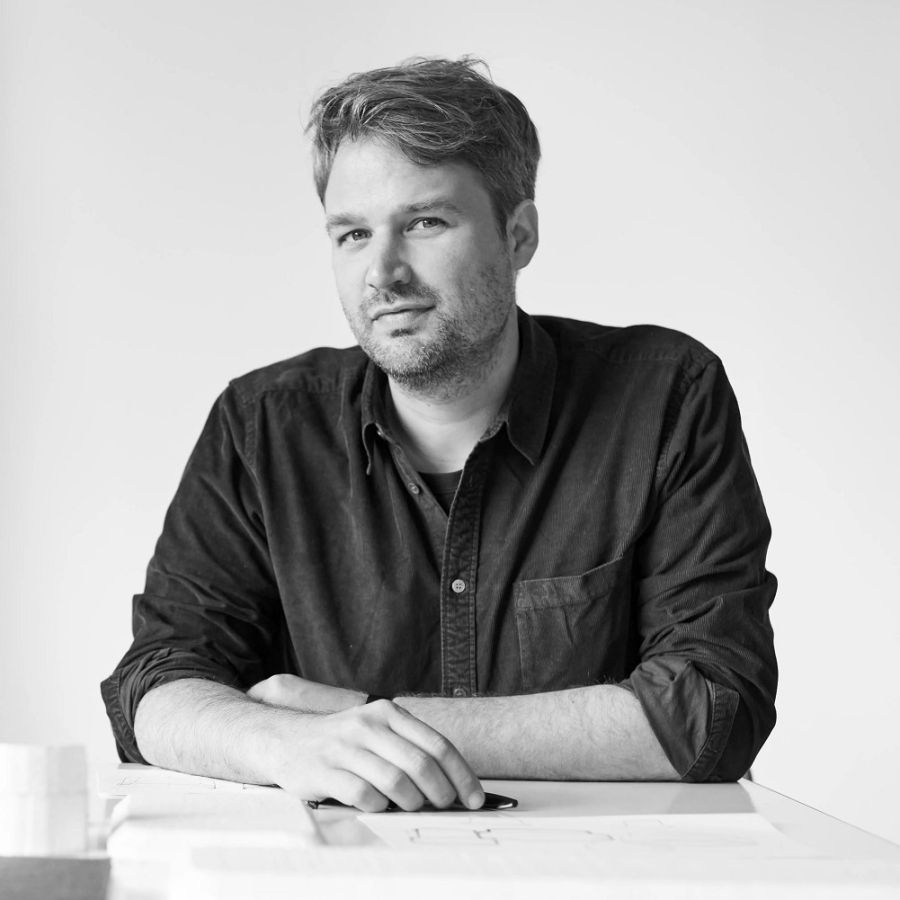
Henrik Drecker
Henrik Drecker is a respected German designer specializing in modern industrial and furniture design. His work combines an innovative approach to form with practical application, which translates into functional and aesthetic products for everyday use. Drecker focuses on ergonomics, durability and conscious use of materials, often reaching for ecological solutions. His designs are distinguished by clean lines, clear construction and subtle elegance, which makes them fit perfectly into a variety of spaces - from apartments to offices and public places. He cooperates with many well-known brands, and his works have been presented at international design exhibitions, gaining recognition from both critics and users.

Henrik Odegaard
Henrik Ødegaard is a Norwegian designer and architect, born in Oslo in 1982. After studying graphics and architecture, he founded his own design studio in Oslo in 2016, focusing on the design of furniture and utility objects, especially made of wood. His works are characterized by organic forms, rounded lines and inspiration from nature. Ødegaard is also the co-founder of the Pyton gallery, promoting young Norwegian designers. He cooperates with renowned brands such as Hem, for which he created a collection of "Props" stools - functional and decorative objects in limited editions. His design philosophy is based on the principle "Nothing is lost, everything is transformed", which is reflected in the attention to recycling and creative use of materials. Ødegaard combines craftsmanship with modern design, creating objects with a strong visual identity and functionality.
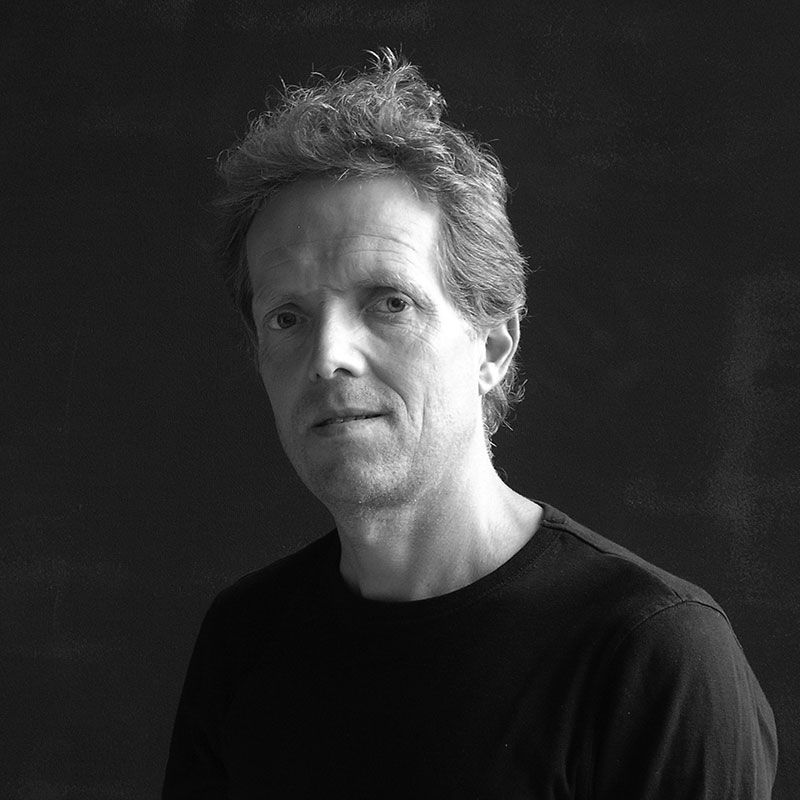
Henrik Sorig Thomsen
Henrik Sørig Thomsen is a Danish designer specializing in furniture and industrial design. He graduated from the Danish Design School in 1995 and has a background in carpentry and social sciences. His approach to design combines practical craftsmanship with a deep understanding of function and aesthetics. Thomsen collaborates with renowned brands such as Bolia, for which he designed, among others, Swing and Fenri chairs, characterized by minimalist design and high quality of workmanship. His designs have gained recognition for their durability and ability to surprise the user even after a long time of use. Thomsen runs her own studio in Aarhus, where she continues to create innovative designs that combine tradition with modernity.
Herbert Hirche
Herbert Hirche was a German architect, furniture and product designer, and one of the last Bauhaus graduates. He studied in Dessau and Berlin under such masters as Ludwig Mies van der Rohe and Wassily Kandinsky. After graduating, he worked in the office of Mies van der Rohe, and then collaborated with Egon Eiermann and Hans Scharoun. In 1948, he became a professor of applied arts at Kunsthochschule Berlin-Weißensee, and from 1952 he held the chair of interior and furniture design at the Academy of Fine Arts in Stuttgart. His designs, characterized by a minimalist aesthetics and functionality, included furniture, electronics for Braun and exhibitions such as the Milan Triennale (1957) and Expo 58 in Brussels. Hirche was a member of the German Council Design and president of Verband Deutscher Industrie-Designer. His works, including the H57 armchair and furniture for Richard Lampert, remain icons of German post-war design.
Herbert Krenchel
Herbert Krenchel is a Danish engineer and designer, known primarily for the iconic Krenit Bowl project, which became an icon of Danish modernist design in the 1950s. Combining technical knowledge with functional aesthetics, Krenchel created objects that are characterized by simplicity of form, functionality and timeless style. Its Krenit bowl, made of enameled steel, is distinguished by its minimalist shape and the contrast between the matte exterior and the shiny interior. This project remains a symbol of Scandinavian design to this day, combining beauty with practicality. Krenchel believed that design should be accessible and useful in everyday life. His works have received numerous awards and are still produced, confirming their lasting value and influence on contemporary design.
Hertel & Klarhoefer
Hertel & Klarhoefer is a German design duo, Peter Hertel and Sebastian Klarhoefer, who met during their school days and studied architecture together in Berlin and Venice. In 1999, they founded their design studio in Berlin. Their works are characterized by a combination of industrial logic and craftsmanship, resulting in designs that combine innovation with timeless aesthetics. They draw inspiration from the urban landscape of Berlin and travel, and their creative process is based on early experimentation with materials and prototypes on a 1:1 scale. Working with the Bolia brand, they created, among others: the Soul armchair collection, characterized by elegant design and high quality workmanship, and the Cordfurniture series, combining solid oak with a paper string braid. Their designs are valued for functionality, aesthetics and attention to detail, which makes them timeless and universal.
Herzog & de Meuron
Herzog & de Meuron is a Swiss architectural office founded in 1978 in Basel by Jacques Herzog and Pierre de Meuron. The duo has gained worldwide recognition thanks to projects combining innovative form with deep respect for the cultural and material context. Their architecture is characterized by experimenting with texture, light and structure, often redefining the appearance of public buildings. The most famous implementations include the Tate Modern in London, the Allianz Arena in Munich, the Elbphilharmonie in Hamburg and the headquarters of the Prada Foundation in Milan. In 2001, they were winners of the prestigious Pritzker Prize. In their projects, they combine art, technology and craftsmanship, creating objects that are iconic, but rooted in place.
HI.HI. STUDIO
HI.HI.STUDIO is a holistic design studio from Berlin, founded by sisters Elisabeth and Gesine Hillmann. Specializes in product and interior design, combining experience from various industries to create coherent spaces, experiences and products. Their approach focuses on the usability and needs of users, drawing inspiration from observing habits and movements in various social contexts. Working with the Bolia brand, they have created a series of desks Acentric, which combine flexibility and functionality in an aesthetic form with discreet cable storage and a lightweight silhouette. HI.HI.STUDIO is involved in every stage of the design process, striving to create products that are both aesthetic and functional with respect for the environment and sustainability.
Hiromichi Konno
Hiromichi Konno is a Japanese designer born in 1972, known for combining Japanese precision with Nordic minimalism. He studied product design at Chiba Institute of Technology in Japan and then continued his Master's in Advanced Product Design at Umeå University in Sweden. While in Europe, he worked for three years as an assistant to renowned designer Ross Lovegrove in London. In 2002 he founded his own design studio in London, and since 2008 he has been running it in Tokyo. Konno gained international recognition thanks to designs for brands such as Fritz Hansen, Softline, Georg Jensen, Lexon and Skagen. His most famous work is the RIN™ chair for Fritz Hansen, which combines Japanese and Danish design traditions, offering an elegant and futuristic form. Collaborating with Softline, he created the CHAT collection, including a sofa, an armchair and poufs, characterized by simplicity of form and functionality.
HolmbackNordentoft
HolmbäckNordentoft is a Danish design studio founded in 2008 by Sebastian Holmbäck and Ulrik Nordentoft. The designers met while studying at the Danish Design School, and after a decade of individual professional work, they joined forces to create a joint studio. Their philosophy is based on aesthetics and functionality, with an emphasis on sustainability. They specialize in the design of interiors, furniture, lighting and utility products. They have collaborated with renowned brands such as Stelton, Georg Jensen and Normann Copenhagen. Their most famous projects include the Pure Black knife series for Stelton, awarded the Formland Design Award in 2011, and the Emma collection, including kettles, toasters and jugs, combining classic form with modern functionality.
Hugo Passos
Hugo Passos is a Portuguese furniture designer living and working in Copenhagen and Porto. His designs combine functionality with aesthetics, focusing on everyday objects that are both useful and pleasant in form. Passos places great emphasis on ergonomics, structure and materials, creating furniture that "does what it's supposed to do" and brings joy to the user. Artist wcollaborated with renowned brands such as Fredericia, Fritz Hansen, Karimoku, Nikari, Skagerak and Monocle. For Fredericia designed, among others: a collection of Gomo lounge furniture, characterized by soft, organic lines and high comfort of use. Another well-known project is the series of Piloti tables - minimalist, light and modular, made of solid wood.
Hunting & Narud
Hunting & Narud is a Norwegian duo of designers whose works combine craftsmanship with an experimental approach to materials and forms. Studying in London and gaining experience in renowned design studios, they created their own, recognizable aesthetic, based on Nordic minimalism with a hint of artistic expression. In their projects, they often explore the boundaries between art and functional design, creating functional objects that also act as sculptures. Their works have been exhibited, among others, at the Design Museum in London and at the fair in Milan. They cooperate with brands such as &Tradition, bringing a fresh look at classic forms to the collection. Their design is characterized by a subtle play of proportions, natural materials and a deep understanding of the structure of the object.

Hvidt & Molgaard
Hvidt & Mølgaard is a Danish design duo; Peter Hvidt and Orla Mølgaard-Nielsen, active mainly in the 1940s–70s. 20th century. The studio became famous for combining traditional craftsmanship with modern design, being one of the pioneers of Danish modernism. Their designs, such as the AX Chair, Boomerang Chair and Tripod Lamp, were distinguished by their lightness of form, functionality and innovative approach to materials, especially bent plywood. They have collaborated with brands such as Fritz Hansen and &Tradition, and their works are now design icons and can be found in the collections of, among others, MoMA.
Ian Archer
Ian Archer is a British furniture designer and designer cooperating with the Sits brand, known for creating modern, functional forms with a clear architectural character. What matters most in his designs is the balance between aesthetics and comfort of use - simple shapes, light structures and refined details. Archer focuses on timeless minimalism that works well in both private and commercial spaces. His furniture combines design inspired by contemporary architecture with the comfort of everyday use, creating coherent, elegant and practical solutions for modern interiors.
Ib Kofod-Larsen
Ib Kofod-Larsen was a Danish architect and furniture designer known for his elegant, functional design in line with the aesthetics of Scandinavian modernism. He studied at the Royal Danish Academy of Fine Arts, and achieved his greatest successes in the 1950s and 1960s. He created mainly from wood, often combining teak with natural leather, which gave his designs a warm, luxurious character. His iconic armchairs, such as the "Elizabeth Chair" and the "Seal Chair", are characterized by soft lines, organic shapes and extraordinary comfort. He cooperated with, among others: with Faarup Møbelfabrik and Selig. Today, his furniture is valued as design icons and fetches high prices at auctions.
Ilja Huber
Ilja Huber is a German design designer whose works focus on simple forms, natural materials and a conscious approach to design. In his projects, he likes to use stone, wood and metal, highlighting their authentic structure and properties. Instead of decorative details, he focuses on proportions, precision of workmanship and function, thanks to which his designs remain current despite changing trends. A characteristic element of Ilja Huber's work is the ability to interact with an object - the user can influence its final appearance or method of use. Cooperation with the Normann Copenhagen brand resulted in projects that reflect the Scandinavian approach to design: high quality materials, economical aesthetics and functionality.

Illum Wikkelso
Illum Wikkelso was a Danish furniture designer associated with the modernist style and Scandinavian design of the mid-20th century. He graduated from the School of Fine Arts in Copenhagen and began his career as a carpenter and designer in companies such as Jacob Kjær and E. Petersen. He founded his own studio in 1954. His designs are distinguished by organic forms, attention to ergonomics and the masterful use of wood, especially teak and rosewood. Wikkelso combined functionality with elegant, subtle detail. The most famous are his armchairs and sofas, such as the V11, Capella and “Ring Chair” series. Although his works were popular in the 1960s and 1970s, today they are experiencing a renaissance and are valued by design collectors for their timeless character.
Industrial Facility
Industrial Facility is a Japanese design studio founded by the most famous Japanese designer Naoto Fukasawa and his partner Kana Ishikawa. The studio specializes in creating minimalist, functional design that combines simplicity of form with modern technology and everyday usability. Industrial Facility cooperates with many international brands, such as Muji, Herman Miller and B&B Italia. Their designs are characterized by elegance, subtlety and attention to detail, often inspired by the Japanese philosophy of "less is more". The studio focuses on creating products that are intuitive, durable and timeless.
Inga Sempe
Inga Sempé is a respected French designer, known for creating everyday objects with subtle aesthetics and functionality. A graduate of ENSCI-Les Ateliers (1993), in 2000–2001 she was a scholarship holder of Villa Medici in Rome. In 2000, she founded her own studio in Paris, where she collaborates with a team of designers. She has collaborated with renowned brands such as like Ligne Roset, Alessi, HAY, Wästberg, Magis, Cappellini, Edra and LucePlan. Her designs combine minimalism of form with attention to detail and usability. Sempé won the Grand Prix de la Création de la Ville de Paris (2003) and Red Dot Design Award (2007). Her design philosophy is based on creating accessible and functional objects that fit into the everyday life of users.
Ingmar Relling
Ingmar Relling was one of the most outstanding Norwegian furniture designers of the 20th century, appreciated for his skillful combination of functionality, comfort and timeless design. He graduated from the State School of Crafts and Art in Oslo, and began his career as a furniture designer inspired by the Scandinavian approach to simplicity and high-quality workmanship. The Siesta armchair, designed in 1965, brought him international fame. This model quickly became an icon of Norwegian design and is still considered one of the most important achievements of Scandinavian design. Relling's designs are distinguished by their light form, ergonomic design and the use of natural materials, thanks to which they remain relevant despite the passage of time.
Inma Bermudez
Inma Bermúdez is a Spanish designer who has been contributing to the world of contemporary design for years. Known for her passion for minimalism, functionality and subtle emotions enchanted in everyday objects. Her works are distinguished by their organic lightness, utilitarian nature and respect for craftsmanship. Bermúdez cooperated with, among others, with the Marset brand, for which she created the iconic FollowMe lamp, considered an icon of modern portable lighting. The designer focuses on responsible design - she creates objects that have meaning, not only form, and that accompany people in their everyday lives.
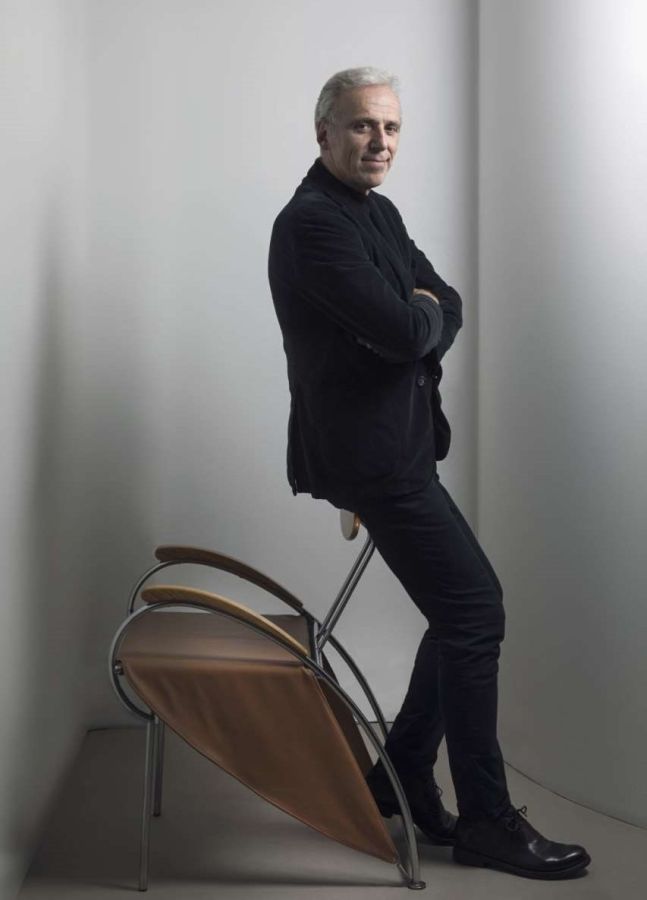
Iosa Ghini
Massimo Iosa Ghini is an Italian architect and designer born in 1959 in Bologna, one of the most influential creators of contemporary design. He studied architecture at the Politecnico di Milano, and gained his experience working with Ettory Sottsass's Memphis group. He is the creator of the Bolidismo movement, which combines futuristic forms with dynamism and expression. In 1990, he founded the Iosa Ghini Associati studio, which operates in Italy, Moscow and Miami, designing residential and commercial architecture, museums and public spaces, as well as interiors for brands such as Ferrari, Alitalia, IBM and KIKO Milano.
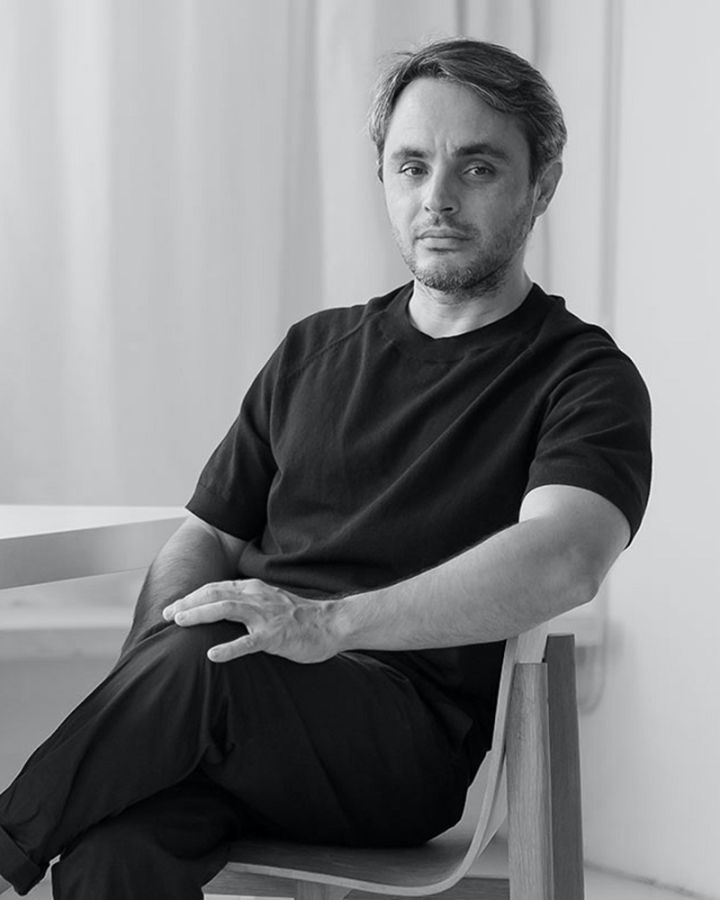
Isaac Pineiro
Isaac Piñeiro is a Spanish industrial designer who specializes in designing furniture and utility products with a clearly functional, economical character. He comes from Galicia and is professionally associated with Barcelona, where he runs his own design studio. His works are characterized by simplicity of form, logical construction and a strong emphasis on ergonomics and comfort of everyday use. Piñeiro designs furniture that does not dominate the space, but fits naturally into it, maintaining a balance between aesthetics and usability. It is inspired by craftsmanship, the production process and the properties of materials, avoiding unnecessary formal gestures.
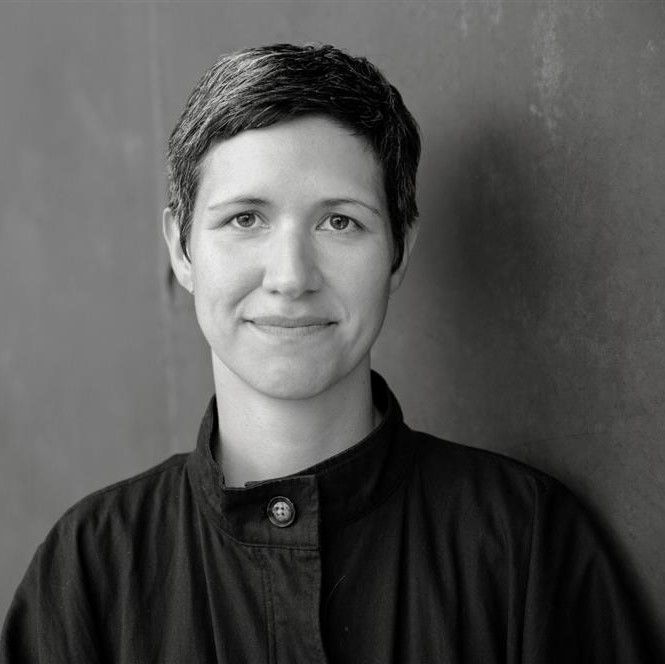
Isabel AHM
Isabel Ahm is a Danish designer of furniture and consumer products, founder of her own design studio in Copenhagen. She graduated from the Royal Danish Academy of Fine Arts in 2007 and started working as an independent designer in 2009. Her works focus on the study of human behavior and needs, which translates into the creation of functional, aesthetic and durable everyday objects. Ahm is known for designing furniture that combines modern design with classic craftsmanship, often using wood and other natural materials. Her designs have been presented at exhibitions and have gained recognition in the design industry. She has collaborated with brands such as FDB Møbler, Feelgood Designs and Audo Copenhagen. Her works can be found in prestigious design stores such as Finnish Design Shop.
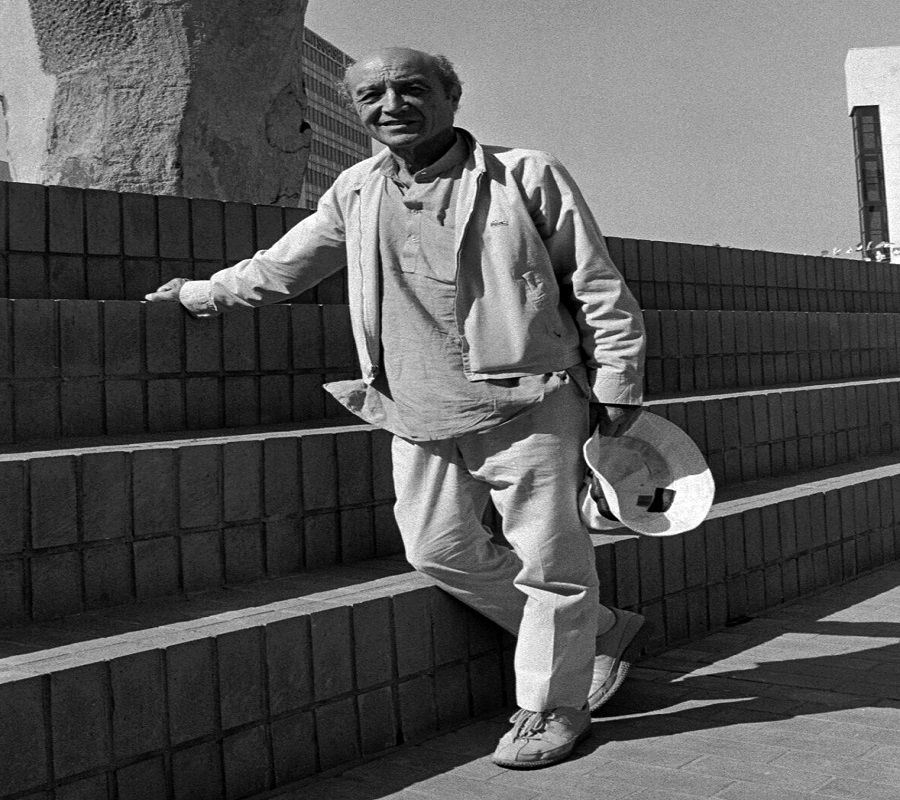
Isamu Noguchi
Isamu Noguchi is an American-Japanese sculptor, architect and designer whose work blurred the boundaries between art and functional design. He collaborated with icons of modern design, including: Vitria, Herman Miller and Knoll, creating projects that are still considered classics of the 20th century. His most famous works are the Noguchi Table, an organic design icon, and the Akari Light Sculptures lamp collection, combining traditional Japanese craftsmanship with a poetic approach to light. Noguchi also designed sets, furniture and public spaces, remaining faithful to the idea of harmony between nature, material and form.

Iskos Berlin
Iskos-Berlin is a designer duo; Boris Berlin and Aleksej Iskos, who have been collaborating since the 1980s. Their philosophy is based on storytelling through objects; the more surprising and clear it is, the more it engages users. They experiment with new technologies and materials, designing a wide range of products: from furniture to lighting and accessories for brands such as; Muuto, HAY, Fritz Hansen and Normann Copenhagen. Their work is available in renowned stores and has been exhibited in prestigious design museums, including MoMA and the Danish Design Museum.
Ivo Bisignano
Ivo Bisignano is an Italian designer and artist whose work balances on the border of design, art and visual storytelling. It comes from Sicily - a place that strongly influences its aesthetics: full of color, emotions and references to local legends and Mediterranean culture. His works are distinguished by expression, courage of form and a handicraft approach in which imperfection becomes a value, not a mistake. Bisignano collaborates with the Serax brand, creating collections that combine functionality with artistic expression. His designs often feature a narrative motif - each object is supposed to tell a story and build an emotional dialogue with the user. His style is characterized by intense colors, surreal details and inspirations from nature and mythology. Thanks to this, his objects, although utilitarian, often also function as small sculptures.
Jack Smith & Gemma Matthias
SmithMatthias is a London design studio founded by Jack Smith and Gemma Matthias. He specializes in industrial design, focusing on simplicity, functionality and durability. Their works are distinguished by clean lines, well-thought-out construction and attention to detail, which makes them both practical and aesthetic. The studio cooperates with renowned brands such as Herman Miller, Tektura and Discipline, creating furniture, lighting and everyday items. SmithMatthias focuses on conscious design - environmentally and socially sustainable - focusing on the longevity of products and the responsible selection of materials. Their approach combines craftsmanship precision with modern design.
Jacob Amtorp
Jacob Amtorp is a Danish designer specializing in modern furniture design, combining functionality with a light, sculptural form. In his work, he focuses on proportions, ergonomics and construction details that give projects a distinctive, recognizable style. His approach is based on the idea of balance between aesthetics and everyday usability, thanks to which the furniture he creates is both comfortable and visually refined. Amtorp often uses natural materials such as wood, metal and upholstery fabrics, combining them in a modern but warm way. His designs are distinguished by smooth lines, soft transitions of forms and subtle dynamics of the shape. He cooperates with Scandinavian and European brands, creating collections of chairs and armchairs that fit the aesthetics of contemporary minimalism and premium design.
Jacob Rudbeck
Jacob Rudbeck is a Danish designer, graduated from the Royal Danish Academy of Fine Arts in 2003. His works combine functionality with aesthetics, drawing inspiration from the tradition of Scandinavian design. Rudbeck has collaborated with renowned brands such as UMAGE and Normann Copenhagen, creating lighting designs that have gained recognition on the international market. For UMAGE he designed, among others: "Acorn", "Hazel" and "Cassini" lamps, which are characterized by organic shapes and a minimalist style. The "Hazel" lamp is inspired by the shape of a hazelnut, combining dynamic lines with solid materials such as such as brushed steel and brass, and a built-in LED panel with a soft diffuser providing pleasant light.

Jacques Adnet
Jacques Adnet was a French architect and designer known for his elegant style combining functionalism with luxury. He was a representative of the Art Deco and modernism trends. He graduated from the École des Arts Décoratifs in Paris, and at the age of only 28 became the artistic director of La Compagnie des Arts Français. Adnet was famous for its use of noble materials; leather, glass and metal in pure, geometric forms. In the 1950s, he collaborated with Hermès, creating, among others, leather furniture and mirrors with characteristic stripes. He also designed the interiors of prestigious institutions, including the office of the President of France. His style was refined, modern and timeless. Today, Adnet furniture is icons of French design and sought-after collector's items, combining tradition with modern elegance.

Jadwiga Husarska Sobina
Jadwiga Husarska-Sobina is a respected Polish designer specializing in the design of furniture, industrial products and medical equipment. She is a graduate of the Faculty of Industrial Design of the Academy of Fine Arts in Krakow, where she currently serves as a consultant. In 2014, she founded Husarska Design Studio in Krakow, which has completed over 65 market implementations in various industries. Husarska-Sobina cooperated with renowned companies such as IKEA, Nowy Styl Group, Paged Meble, EgzoTech and Sanswiss. Her design approach combines aesthetics with social and ecological responsibility. She is the author of innovative projects, such as HempStool, made of Strumber material - a plant substitute for wood. For her achievements, she was honored with the title of "Designer of the Year 2024" in the Dobry Design competition. She also received the "Angel of Social Economy" award from UNDP for supporting the WellDone brand.

Jahn Aamodt
Jahn Aamodt is a Norwegian designer specializing in creating functional and aesthetic elements of small urban architecture. His cooperation with the renowned Vestre company resulted in a series of modern urban furniture, such as benches, tables, waste bins and ashtrays, which combine minimalist design with durability and an ecological approach to materials. Aamodt's designs, such as the "City" and "Hvilan" series, are characterized by simplicity of form, ergonomics and high quality of workmanship, which makes them fit perfectly into the public spaces of Scandinavian cities. His works are an example of conscious design that not only responds to the needs of users, but also harmonizes with the surroundings, promoting sustainable development and aesthetics in urban space.

Jaime Hayon
Jaime Hayon is a Spanish designer, artist and creator known for his experimental approach to design, combining traditional craftsmanship with modern forms. He was born in 1974 in Madrid and studied industrial design. His designs are characterized by bold colors, funny shapes and elements of surrealism. Hayon collaborated with brands such as Fritz Hansen, &Tradition, Magis and Lladró. His works include furniture, lighting, ceramics, and public space designs. An important moment in his career was the series "The Parantethesis" from 2010, in which he combined classic patterns with modern technologies. Hayon is a designer who breaks the boundaries between art and design, creating objects with a unique character.

Jakob Berg
Jakob Berg was a Danish furniture designer, known for his minimalist and functional forms and deep respect for materials and craftsmanship. Graduated from the Royal Danish Academy of Fine Arts in 1987. He has collaborated with many manufacturers around the world, creating furniture that combines elegance with practicality. Berg was a pioneer in the use of bamboo in modern design, designing, among others, the world's first stackable chair made of this material - Grass model. His works were characterized by minimalism, ergonomic approach and concern for the environment. He collaborated with the Danida organization, implementing projects in developing countries such as Bolivia, Egypt and Vietnam. His furniture, such as the Ballare series for Fritz Hansen, connected interiors with outdoor spaces, emphasizing the universality and durability of design.
Jakob Burgso
Jakob Burgsø is a Danish designer known for his unique approach to design, combining modern aesthetics with functionality. His works are characterized by a minimalist form, precise details and attention to the highest quality materials. Burgsø is inspired by the Scandinavian tradition of craftsmanship, but at the same time introduces innovative solutions that make its designs fresh and timeless. The portfolio includes both furniture and interior design elements that are distinguished by their simplicity and elegance. His designs have gained recognition at international exhibitions and among design connoisseurs. Jakob Burgsø is a creator who harmoniously combines function and form, creating spaces and objects that inspire and delight.
Jakob Lange
Jakob Lange is a Danish architect and designer, partner and head of the BIG Ideas department in the international studio Bjarke Ingels Group (BIG) - one of the most influential architectural companies of today, with offices including: in Copenhagen and New York. He joined BIG in 2003, and since 2010 he has been a partner, responsible for technology development, research and product design, combining architecture with industrial design and innovation. As part of cooperation with the Danish lighting manufacturer Louis Poulsen , he designed a collection of lamps Keglen - a series of ceiling and hanging fixtures with a characteristic conical shape and well-thought-out light emission. This project was based on the needs of spaces such as the Tirpitz Museum in Denmark and was developed into a common product line while maintaining high standards of functionality and aesthetics.
Jakob Schenk
Jakob Schenk is a German furniture and interior designer, born in 1980, known for creating functional and minimalist solutions. He graduated in interior design from Rosenheim University of Applied Sciences and then obtained a master's degree in furniture design from Aalto University Helsinki in 2010. After returning to Germany, he founded his own design studio, where he develops original collections and cooperates with renowned brands such as Softline and Rolf Benz. His designs are characterized by simplicity, modularity and high quality of workmanship. Schenk strives to create furniture that is intuitive to use and adapts to the changing needs of users. An example of this approach is "Wood" sofa for the Softline brand, which combines the functions of relaxation, storage and work in one structure. This project was awarded the Good Design Award in 2019.
Jakob Wagner
Jakob Wagner is a respected Danish designer, known for his elegant combination of form and function in the spirit of Scandinavian minimalism. Born in 1963, he studied design engineering and industrial design in Denmark and Italy. His works include furniture, lighting and everyday objects designed for brands such as Bang & Olufsen, Hay, Muuto, Stelton and Cappellini. Wagner's designs are distinguished by harmony of proportions, subtle lines and attention to detail, as well as an innovative approach to use. Awarded many times, he has gained recognition both in Europe and around the world. Jakob Wagner is a designer who redefines modern design, combining technical sophistication with emotional simplicity of form.
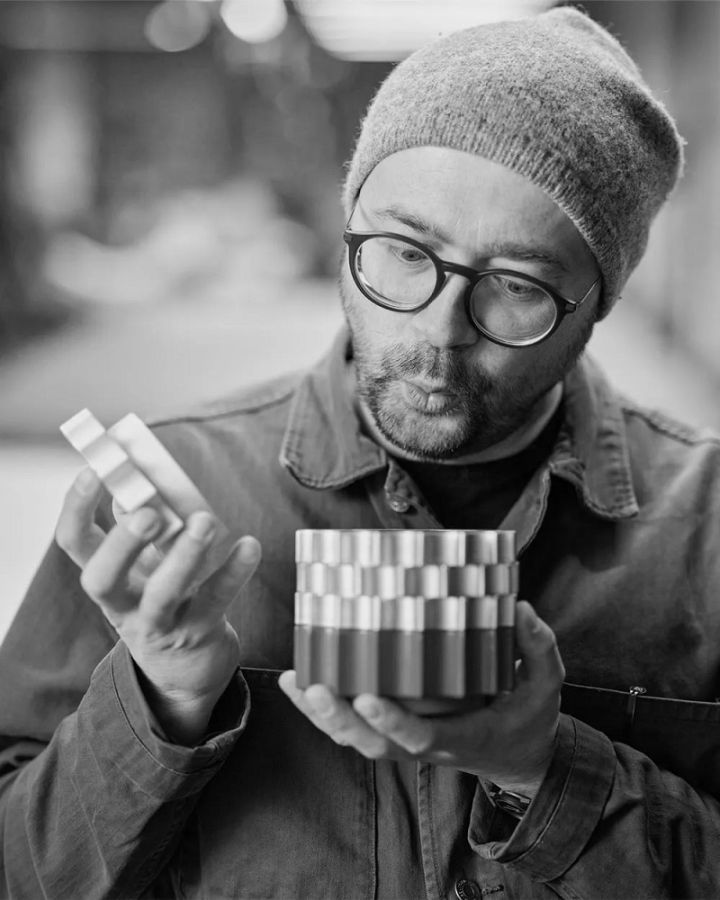
Jakub Szczęsny
Jakub Szczęsny is a Polish architect and designer, known for innovative projects combining architecture, art and design. A graduate of the Warsaw University of Technology, he also studied in Barcelona and Paris. Founder of the SZCZ studio, specializing in in the design of buildings, interiors, furniture and artistic installations. He gained international fame with the Keret House - an ultra-narrow residential structure in Warsaw, considered one of the narrowest in the world, included in the permanent collection of MoMA in New York. Szczęsny also designs prefabricated houses for companies such as Simple House and FreeDOM Houses. For the Paged brand, he created the AlterEgo collection, awarded in the Dobry Design 2024 competition. As a lecturer and popularizer of architecture, he conducts classes at the Warsaw University of Technology and as a guest at foreign universities. Author of books and scripts for television programs, including "Poland well designed".

Jan Christian Delfs
Jan Christian Delfs is a German industrial designer, known for creating elegant, functional and timeless everyday objects. He studied industrial design at the Muthesius Academy of Fine Arts and Design in Kiel, and his approach to design is based on precision, minimalism and understanding the user's needs. Delfs has cooperated with many renowned brands, such as Rosenthal, WMF and Stelton, creating products that harmoniously combine aesthetics with practicality. His works show attention to detail, clarity of form and high quality of workmanship. Delfs' designs often refer to the classics of modern design, while maintaining freshness and innovation.

Jan Ekstrom
Jan Ekström is a renowned Swedish interior and furniture designer, known for his minimalist approach and the ability to combine modern design with natural materials. His designs are characterized by Scandinavian minimalism, functionality and subtle elegance. Ekström often uses wood, cotton and wool to create products with a timeless character and high-quality workmanship. His collections are recognized both in Sweden and on international markets. As a supporter of sustainable development, Jan Ekström designs with the environment in mind, focusing on durability, local production and ecological materials. He is a creator who finds beauty in simplicity, offering users a design that inspires and brings harmony to everyday life.

Jan Klingler
Jan Klingler is a German industrial designer living in Stockholm. He graduated from HAWK in Hildesheim and a master's degree from Konstfack. His most important project is the "In a New Light" collection - lamps made from cultivated bacteria, yeast and mushrooms that create unique patterns. It combines science, art and design, changing the way we look at microorganisms. He presented his works at Dutch Design Week, Design Museum Gent and Salone del Mobile. He received the Design Plus Award and a nomination for Formex Nova Nordic Designer of the Year. His work is an innovative approach to light and nature.
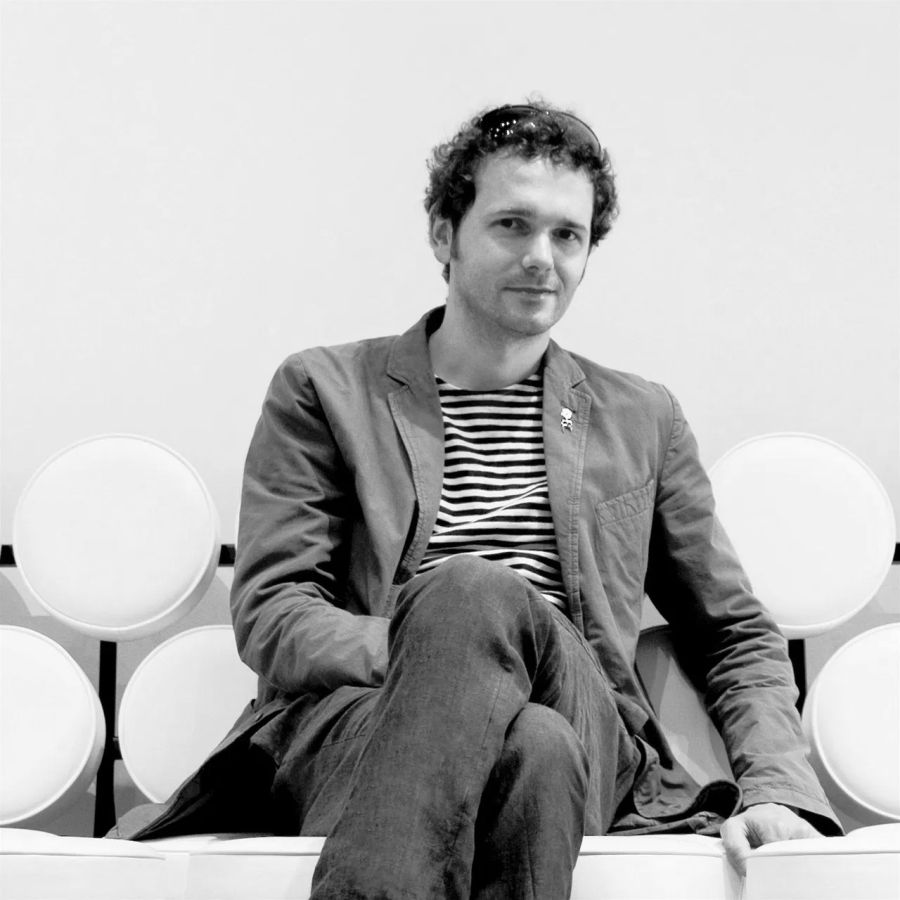
Jaroslav Jurica
Jaroslav Juřica is a Czech designer and sculptor specializing in product design and industrial design. He completed his bachelor's studies at the Faculty of Fine Arts of the Brno University of Technology and then obtained a master's degree from the School of Design at Lund University in Sweden. In 2008, he completed an internship at the Dutch studio Demakersvan, where he created the "Drawerment" project - a reinterpretation of a classic chest of drawers. In the same year, he participated in the program S.T.A.R. Design in cooperation with NASA, designing the "MotylBox" - a system for storing tools for geological research on the Moon. His most famous project is the "002" chair for the Czech brand TON, which is a modern reinterpretation of the classic model No. 14, reduced to three elements, two of which are identical and form the legs, backrest and armrests. Juřica also collaborated with Jelínek to create a furniture collection inspired by the craft tradition of the Moravian Wallachia region, which won the Editors-in-Chief Award at Designblok 2014. His works are characterized by a minimalist approach, functionality and a deep understanding of the material.
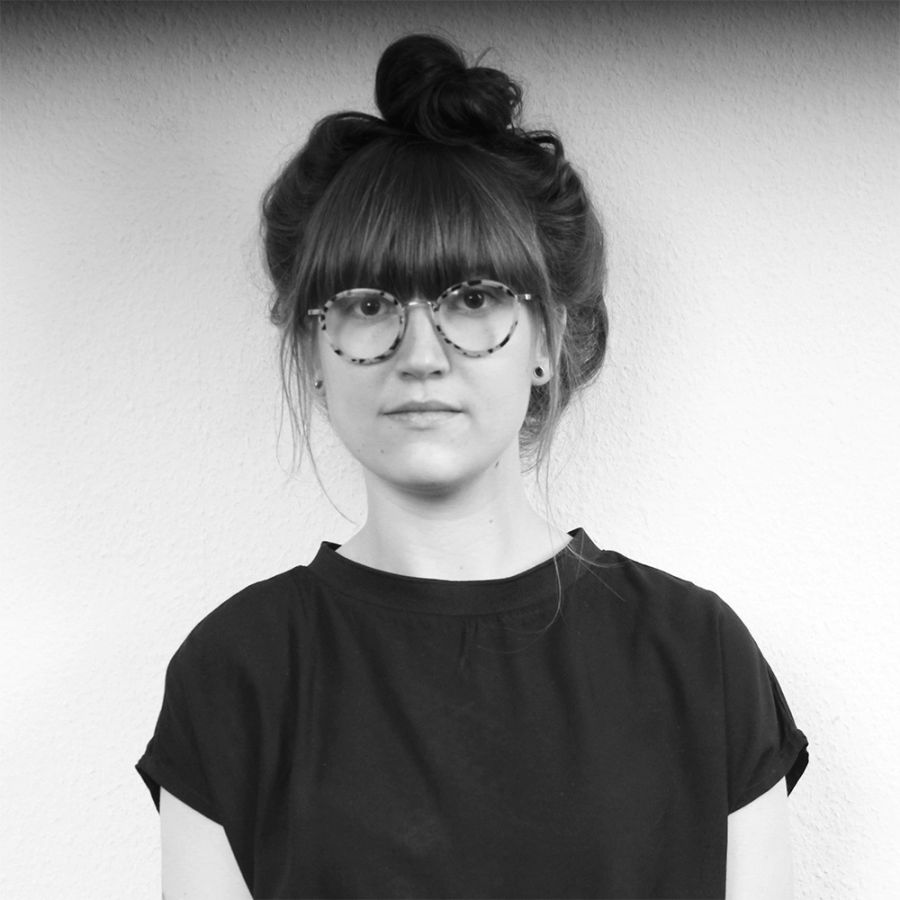
Jasmijn Muskens
Jasmijn Muskens is a Dutch furniture and product designer who combines functionality with poetic storytelling. A graduate of the Royal Academy of Art in The Hague and KASK in Ghent, she creates objects that encourage interaction, often inspired by textiles and animism. For the Zuiver brand, she designed the Rani lamp, combining the aesthetics of the Memphis style with a modern form. Her designs, such asSqueeze – Pinch – Tie – Roll, explore the variability of form and material. He cooperates with cultural institutions, creating educational installations and creative spaces, including: for Museum Boijmans Van Beuningen and TENT Rotterdam. Her works have been presented at Dutch Design Week and Miami Art Week, gaining recognition for her innovative approach and design sensitivity.

Jasper Morrison
Jasper Morrison is a British industrial designer, considered one of the main representatives of the "super normal" trend in design. He studied at Kingston Polytechnic and the Royal College of Art in London. His works are characterized by minimalism, functionality and attention to detail, without unnecessary extravagance. He designs furniture, lighting and everyday items for brands such as Vitra, Alessi, Flos, and Magis. Morrison believes that good design should be useful, quiet and durable, not dominate the space, but fit harmoniously into it. His approach redefines the aesthetics of everyday life, promoting intelligent, timeless solutions.

Jaume Ramírez
Jaume Ramírez is a Spanish designer born in 1973 in Olot, he studied design at the Universitat Politécnica de Girona. He started his career in the Basque Country at the ZooCreative studio, and in 2019 he founded his own studio in Barcelona, specializing in furniture, lighting and accessories. His "Delica" collection of trays won Delta de Oro, Red Dot Design and Design Plus awards. Ramírez collaborated with brands such as Normann Copenhagen and Marset. His works were presented at the Saint?Étienne Biennale, Designers Days in Paris and at the Musée d'Art Moderne de la Ville de Paris.
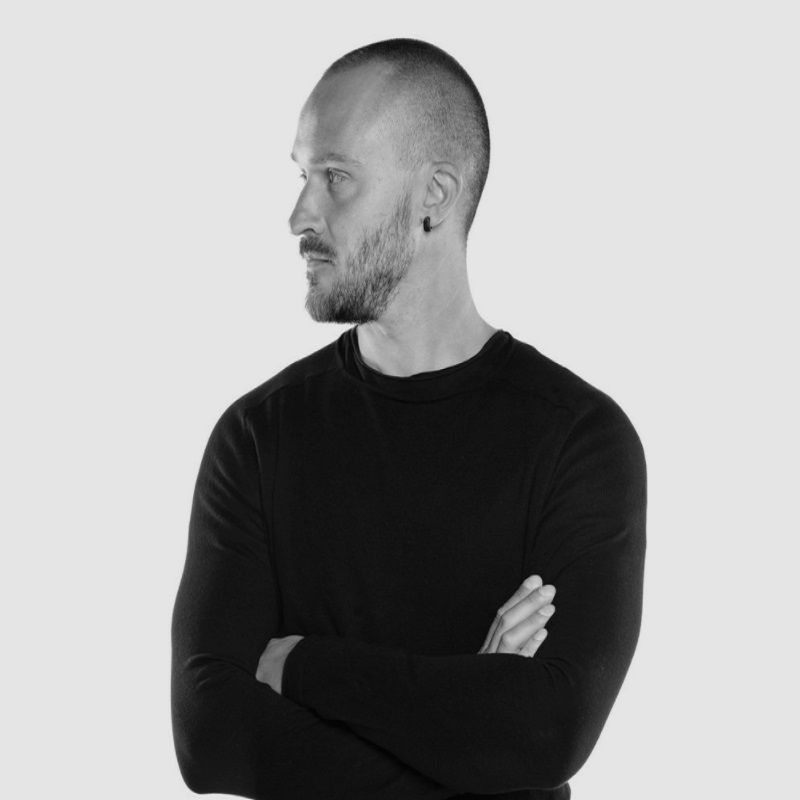
Javier Moreno
Javier Moreno is a Spanish industrial designer, founder and creative director of BambúStudio in Alcoy, Alicante. He graduated from EASD Alcoi in 2005 and started his career as a 3D designer in a toy factory. Then he worked as a product designer and manager in various companies, also implementing freelance projects. In 2010, he founded his own studio, collaborating with brands such as Normann Copenhagen, Softline, Miniso, Pineapple Contracts, Oiside, Porventura and Wewood. Moreno has gained recognition for designs that combine functionality with aesthetics. His design philosophy is based on creating products that are understandable, useful and memorable, achieving the best results through simplicity and closeness to the user. Among his award-winning designs is the Flip Mirror for Normann Copenhagen, which received the "Best Of Year design awards" in 2013. In 2019, he won the silver ADCV award for the design of a dish brush with a soap dispenser.
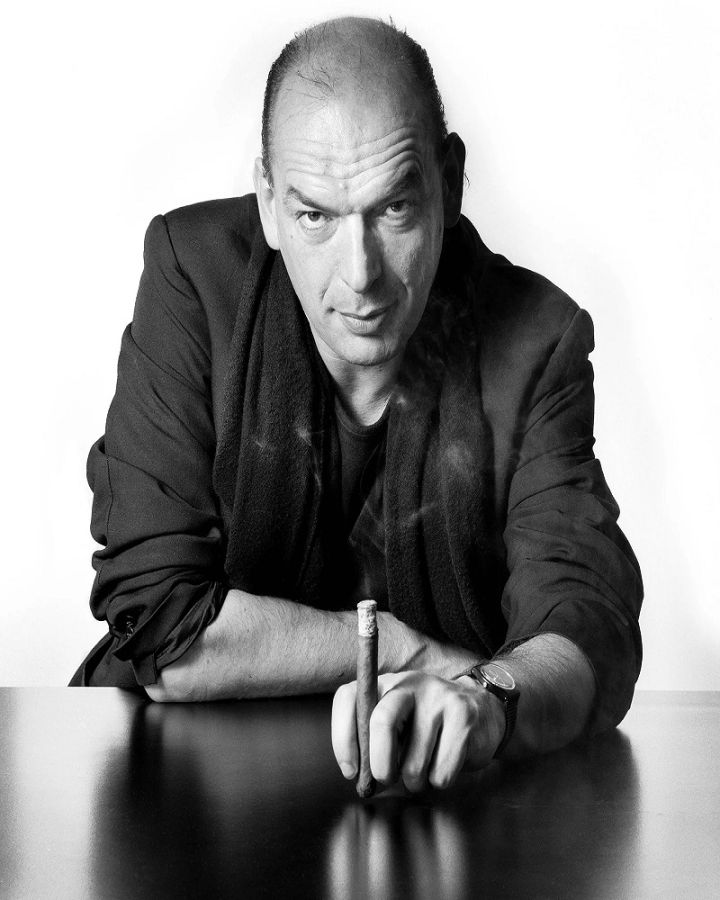
Jean Nouvel
Jean Nouvel is an outstanding French architect and designer, known for creating innovative, expressive buildings and utilitarian objects. Born in 1945, he studied at the École des Beaux-Arts in Paris, and his career gained momentum in the 1980s. Nouvel is famous for its individual approach to each project - its architecture is always a response to the cultural, climatic and social context of the place. He designed iconic buildings such as the Institute of the Arab World in Paris, Torre Agbar in Barcelona and the Louvre in Abu Dhabi. His style combines technological innovation with poetic expression of form. In 2008, he received the prestigious Pritzker Prize. At the same time, he designs furniture and everyday products, collaborating with brands such as Molteni&C, Ligne Roset and Emeco.
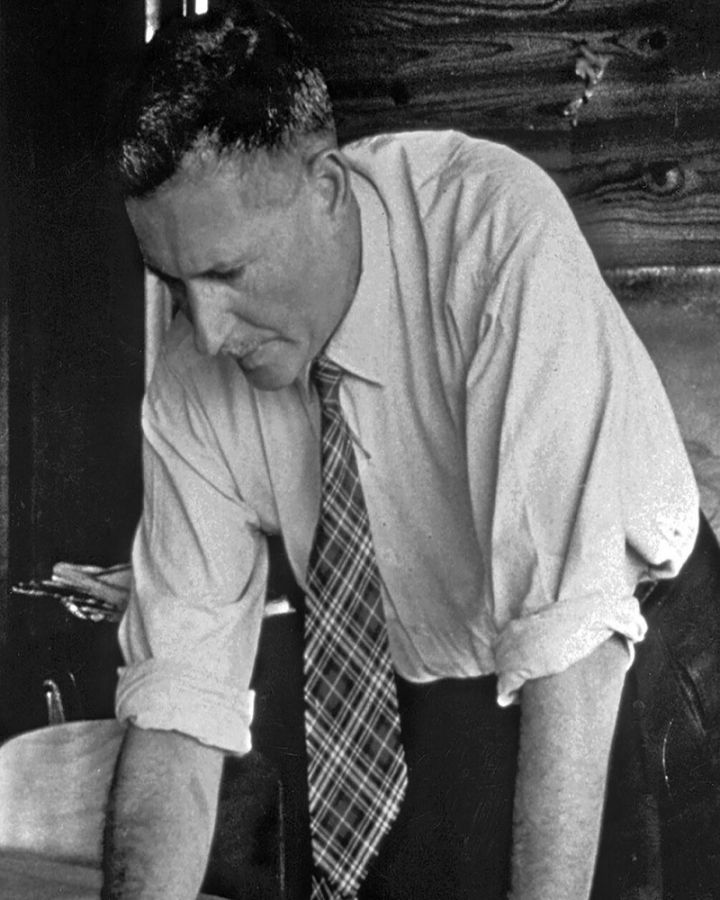
Jean Prouve
Jean Prouvé was one of the most influential French designers and engineers of the 20th century - a visionary who blurred the boundaries between art, craft and industry. He graduated as a blacksmith, but quickly transferred his experience in working with metal to the field of architecture and design. In his designs, from furniture to prefabricated buildings, he combined the aesthetics of functionalism with engineering precision. He believed that "beauty comes from construction", which is why his works, such as Lampe de Bureau or Standard Chair delight with the logic of form and simplicity of workmanship. Prouvé remains a symbol of modern thinking about design - honest, practical and timeless.
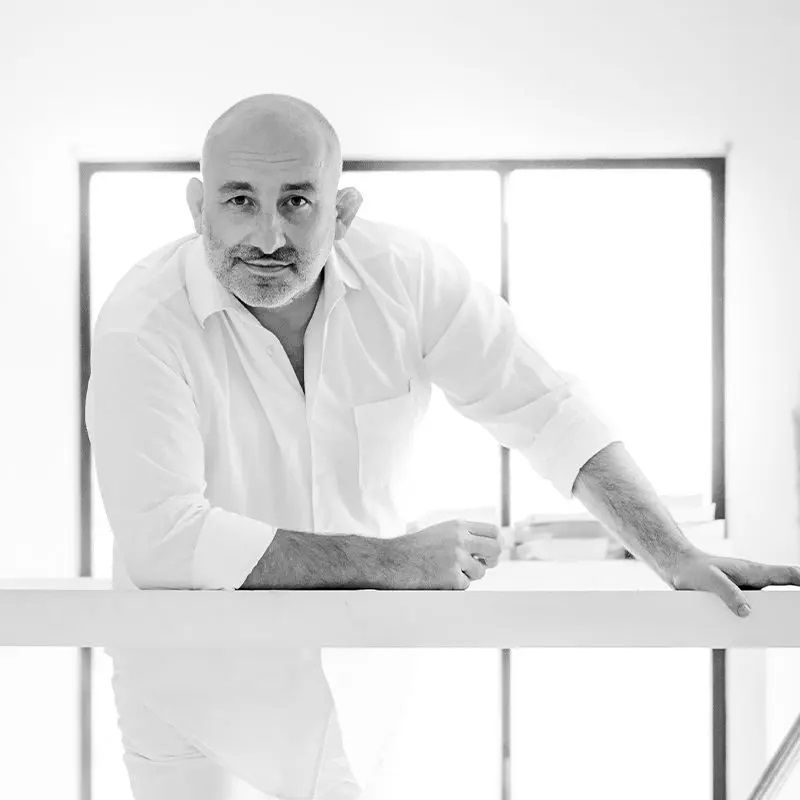
Jean-Marie Massaud
Jean-Marie Massaud is one of the most respected contemporary designers, known for creating innovative and elegant projects at the intersection of design, architecture and engineering. He graduated in industrial design from ENSCI-Les Ateliers in Paris. In 2000, he founded his own studio, where he develops projects for brands such as Poltrona Frau, B&B Italia, Cassina, Toyota and Axor. Massaud is known for its minimalist aesthetics, in which the priority is lightness of form, functionality and sustainability. It combines technology with nature, creating designs that are not only beautiful, but also environmentally responsible. His style is refined, emotional and close to humanity. Massaud believes that good design improves the quality of life, which is why his works are both utilitarian and poetic.
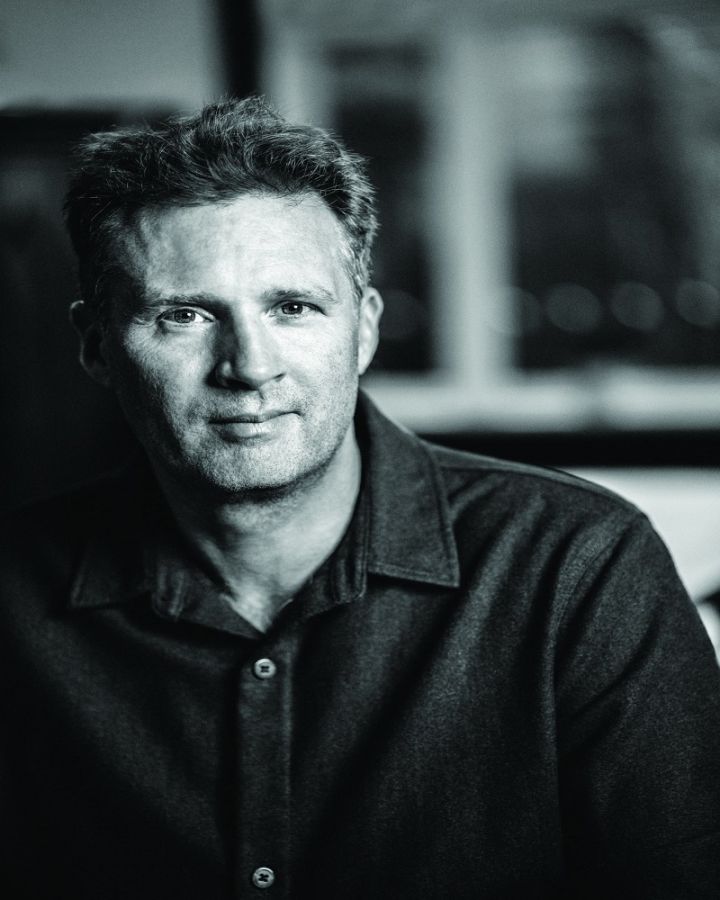
Jens Martin Skibsted
Jens Martin Skibsted is a Danish designer and entrepreneur known for innovative projects in the field of mobility, industrial design and sustainability. Founder of the Biomega city bike brand and co-founder of the KiBiSi design collective (with Bjarke Ingels and Lars Holme Larsen). His works are included in the collections of MoMA and SFMoMA. Skibsted combines design with philosophy and technology, creating functional, aesthetic and future-proof solutions. It is involved in global initiatives, including: at the World Economic Forum. He designs with ecology, urban planning and real social needs in mind, treating design as a tool for change.
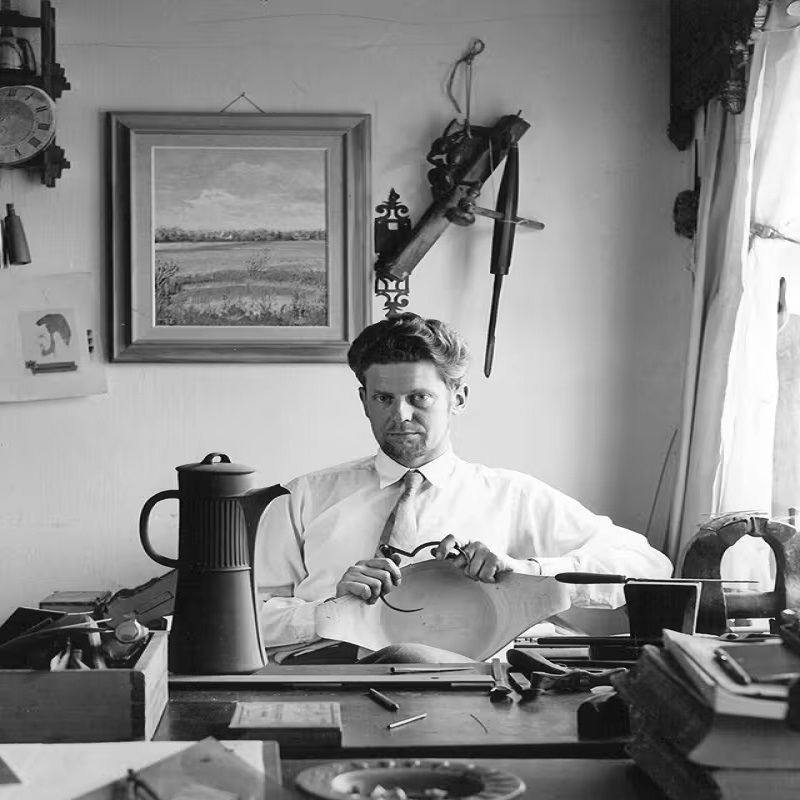
Jens Quistgaard
Jens Harald Quistgaard was a Danish sculptor and designer who played a key role in popularizing Scandinavian modernism in homes around the world. As the principal designer of the American company Dansk Designs for three decades since 1954, he has created over 4,000 everyday objects, combining functionality with craftsmanship aesthetics. His designs, such as Fjord cutlery (stainless steel and teak) and Kobenstyle enameled tableware, have become icons of modern design. Trained as a sculptor and goldsmith, Quistgaard drew inspiration from traditional craftsmanship, creating objects with simple, organic forms. His works have been featured in museums around the world, and many of them remain in production today. In 1954, he received the prestigious Lunning Prize, and his legacy continues to inspire designers and enthusiasts alike design.
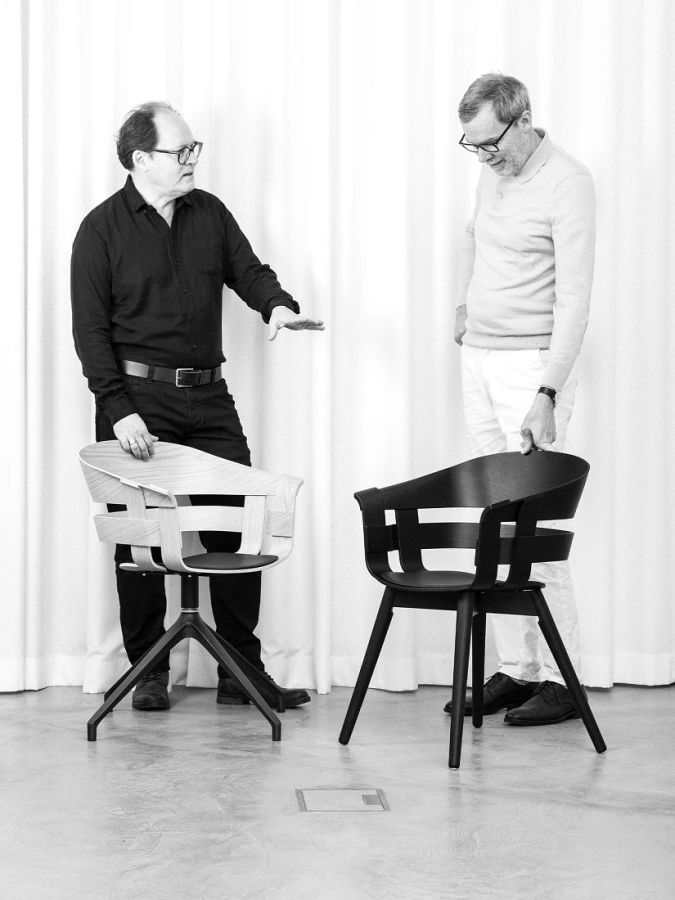
Jesper Stahl & Karl Malmwall
Jesper Ståhl and Karl Malmvall are Swedish designers who joined forces to create world-renowned designs, including the famous Wick Chair. Jesper Ståhl, a graduate of the Royal College of Art in London, is known for his functional and precise forms and numerous awards, such as Red Dot or Design S. Karl Malmvall has many years of experience as a designer for IKEA and specializes in foldable furniture and well-thought-out structures. Their joint project Wick Chair draws inspiration from traditional basketry techniques, combining modern technologies with craftsmanship. The chair is distinguished by its ergonomic form and light construction, perfectly matching the aesthetics of Scandinavian design.

Jessika Källeskog
Jessika Källeskog is a Swedish interior designer and architect, known for her unique approach to form and material. She completed her master's studies at Konstfack in Stockholm and took advanced courses in Florence. Her professional career includes over 15 years of experience in Milan and Stockholm, where she runs her own design studio - Contour Studio. In her work, she combines Scandinavian simplicity with Italian craftsmanship, which influences her unique style. Her designs include furniture, interiors and sculpture, with an emphasis on detail and materiality. In 2018, she presented the "Tondo" project - a marble mortar and pestle, which became one of her most recognizable works.

Jette Scheib
Jette Scheib is a German industrial designer, known for creating lighting and interior accessories that combine functionality with an organic aesthetic. Born in East Berlin in 1977, graduated in product design from the Universität der Künste in Berlin. In 2005, she founded her own design studio, and since 2018 she has focused mainly on lighting design. Her works are inspired by nature and handicraft, which can be seen in collections such as "Grass", "Parrot" and "Cymbal" for the French brand Forestier. Uses natural materials such as abaca and rattan, creating lamps with soft forms and warm light . The 2019 "Kimono" collection for Designheure refers to the Japanese aesthetic, combining minimalism with elegance.
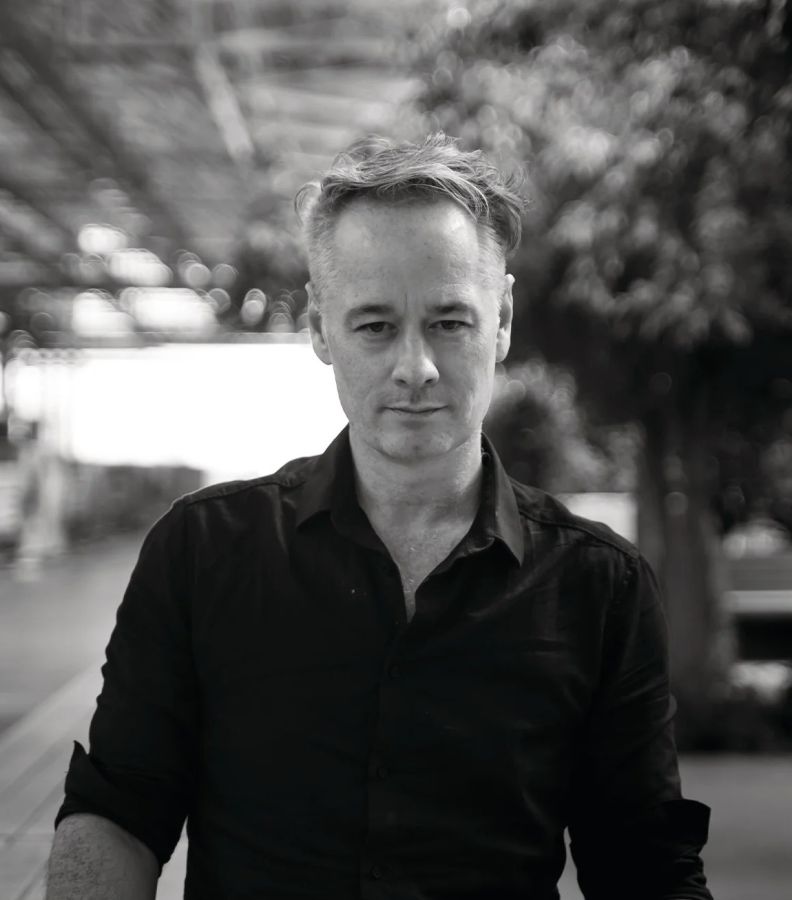
Jim Hannon-Tan
Jim Hannon-Tan is an Australian industrial designer born in 1975 in Santiago de Compostela, Spain. He grew up in Australia, drawing inspiration from diverse cultures. After graduating from RMIT University in Melbourne, he moved to Europe where for 15 years he collaborated with renowned studios such as Marcel Wanders, Tom Dixon and Stefano Giovannoni. His designs combine aesthetics with functionality, often exploring new technologies and materials. He has collaborated with brands such as Alessi, Magis, Moooi, Cappellini and Schneider Electric . After returning to Australia, he set up his own studio in Adelaide, focusing on advanced industrial and technology projects . His works, such as the "Linea" collection for Made by Pen, have been recognized for their innovation and elegance.
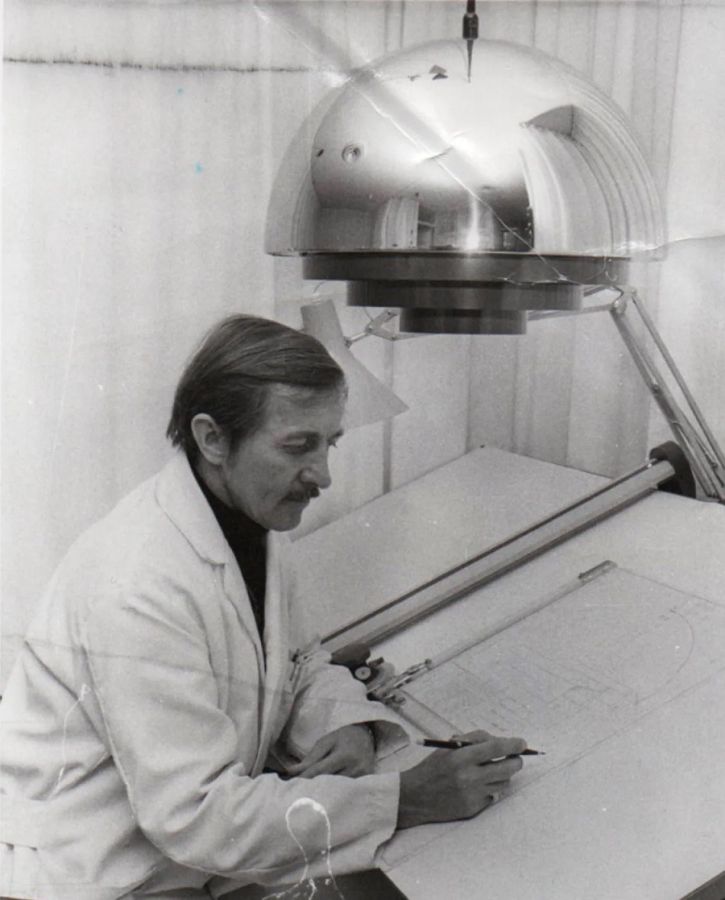
Jo Hammerborg
Jo Hammerborg was a Danish lighting designer who significantly influenced the development of modern design in Denmark in the second half of the 20th century. He was born in 1920 and initially worked as a goldsmith, which sharpened his sense of form and detail. He studied at the Royal Danish Academy of Fine Arts. He gained greatest fame as the chief designer and artistic director of Fog & Mørup in the years 1957–1980. He created over 60 lamp models, many of which, such as Nova, Orient and President, became icons of Scandinavian design. His style is characterized by minimalism, elegance and functionality, as well as the innovative use of metal, light and color. Hammerborg strived to make the light not only practical, but also aesthetic and atmospheric. He died in 1982, and his works are still appreciated by collectors and design lovers.
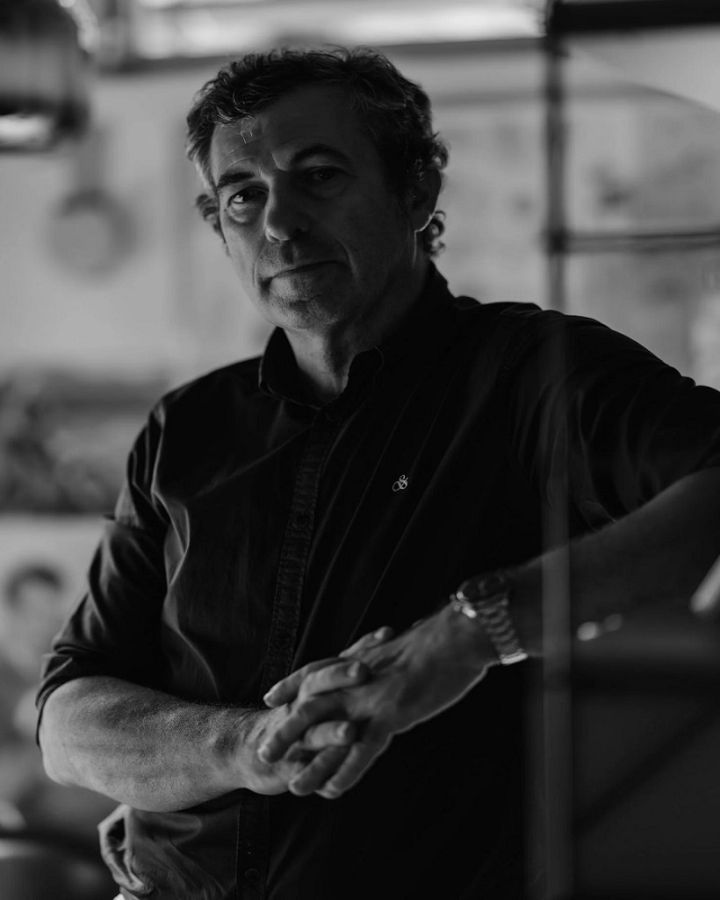
Joan Gaspar
Joan Gaspar is a Spanish designer specializing in lighting and functional design, known for his minimalist approach and attention to detail. He creates designs in which form and functionality remain in perfect balance, and light becomes a tool that builds mood and space. Gaspar has collaborated with renowned European brands, and his lamps are popular in interior design - from residential to commercial spaces. His designs are characterized by simple lines, elegant geometry and high quality of workmanship, thanks to which they have become icons of modern design.
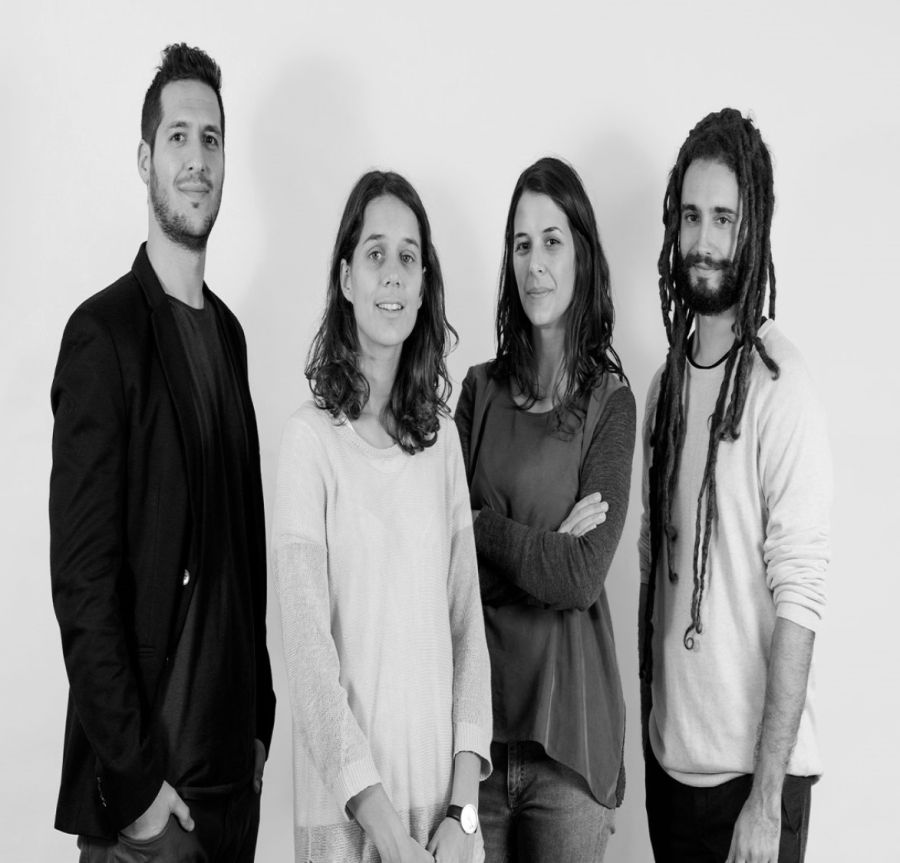
Joan Rojeski Studio
Joan Rojeski Studio is a Spanish design studio founded in 2010 in Castelló de la Plana. Specializes in product, graphic and website design, combining functionality with creativity. The team consisting of includes Kike, Anna, Rosa and Jordi, has developed an original work methodology that allows the creation of innovative solutions tailored to the needs of clients and end users. The studio has gained recognition thanks to projects such as the 3D Sticky Notes collection for Normann Copenhagen, which transforms traditional sticky notes into three-dimensional objects inspired by origami. Another example is the project of a straw-spoon for eating granadilla for the Colombian company Ocati, which facilitates consumption this exotic fruit. Joan Rojeski Studio is also involved in social and educational projects, promoting sustainable development, equality and local cultural identity.
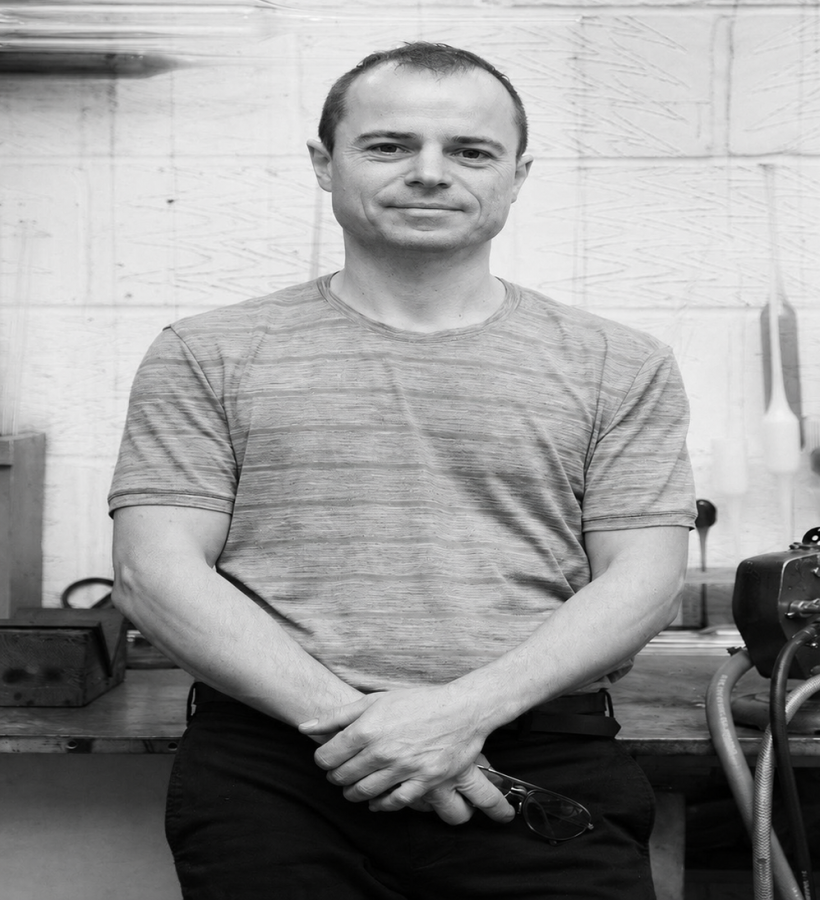
Jochen Holz
Jochen Holz is a German designer and artist specializing in hand-formed glass. For years, he has been creating unique utility items, combining traditional glass techniques with a modern approach to design. His designs are distinguished by their simple, functional form and subtle details that emphasize the craftsmanship of each product. Working with the HAY brand, he created collections of glass accessories valued for their high quality, original aesthetics and timeless design. Jochen Holz's works are presented at international exhibitions and are included in the collections of lovers of contemporary design.

Joe Colombo
Joe Colombo was an Italian designer who became famous for his futuristic, innovative designs of furniture and utility items. He studied painting and architecture in Milan and began his career as an avant-garde artist. In the 1960s, he created iconic designs such as the Elda armchair, modular systems and the Acrilica lamp. His furniture was visionary, often mobile, transforming, designed with the lifestyle of the future in mind. Colombo believed in flexible, compact spaces and designed entire "living systems". Its aesthetics combined plastic, metal and new technologies. Today, his legacy continues, among others, the GUBI brand, which restored the design of the Basket armchair from the 1960s, faithfully reflecting its original spirit. Despite its short life, Colombo left a lasting mark on the history of design.
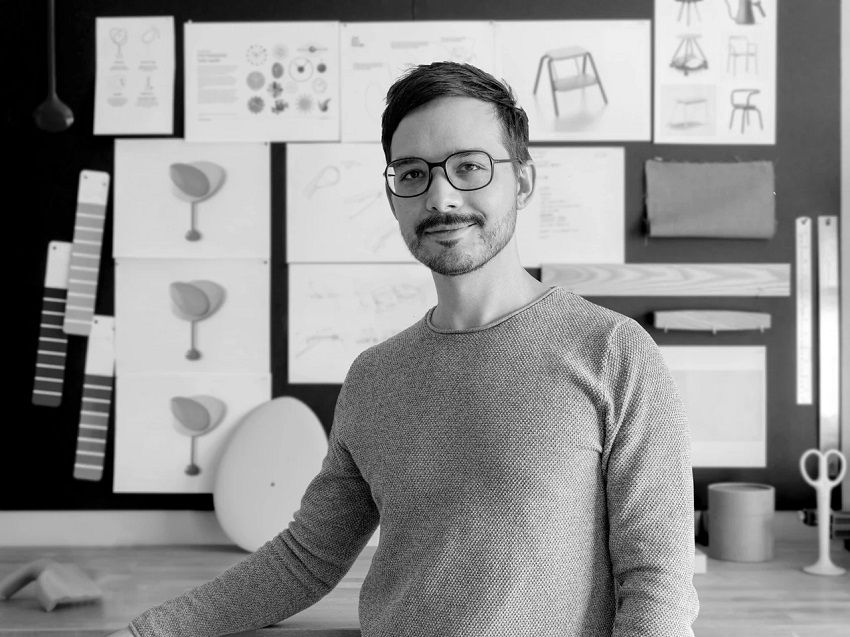
Joe Parr
Joe Parr is an American industrial designer from Chicago, specializing in furniture, lighting and everyday products. It combines technical precision with an artistic approach, focusing on user needs and behavioral psychology. He studied at Cranbrook Academy of Art, where he won the Florence Knoll Award. He has worked for renowned companies such as Herman Miller and Steelcase, and since 2020 he has been running his own studio. His projects include: PlaySetting collection combines functionality with interaction and aesthetics. He cooperates with leading brands and presents his works at international exhibitions.

Joerg Langkop
Joerg Langkop is a German designer known for creating elegant and practical forms that combine modernity with classic aesthetics. He specializes in the design of furniture, lighting and everyday objects, focusing on simplicity, functionality and durability. His style is characterized by clean lines, careful selection of materials and subtle details that give the designs an individual character. Langkop cooperated with renowned producers, gaining recognition at international exhibitions. His approach to design is based on the principle that a good design should not only look good, but above all serve the user. In his projects, he willingly uses natural raw materials and sustainable technologies. Thanks to a consistent language of forms and commitment to quality, Joerg Langkop builds the position of a conscious and consistent designer.
Joergen Baekmark
Jørgen Bækmark is an icon of Danish design, a master of combining elegance, functionality and comfort. From 1958 to 1967 he headed FDB Møbler, developing the idea of accessible but refined furniture. His designs are characterized by calm form, precise craftsmanship and attention to detail. Classics such as the J80, J81 chairs or the C44 table remain light, comfortable and timeless. Bækmark believed that furniture should encourage everyday use, not just look good. His motto "comfort is in the details" has cemented his position in the history of design. Despite the passage of time, his designs are still produced and appreciated by subsequent generations.
Johan Larsvall
Johan Larsvall is a Swedish designer, founder of the Idesign studio, operating since 1997. His work combines functionality with industrial precision, covering furniture, electronics and transport systems. He is the author of the Fyr oil lamp for Design House Stockholm, which is distinguished by its minimalist form and subtle light, reminiscent of childhood memories. Larsvall won the Red Dot Design Award for his design of the Arlanda Express train connecting Stockholm to the airport. His work combines modernity with tradition, emphasizing simplicity and practicality. Thanks to his versatility, he is a valued designer in Sweden and around the world.
Johan Lindsten
ohan Lindstén is a Swedish designer born in 1981 in the Småland region, known as "Möbelriket" - the furniture capital of Sweden. From an early age, he absorbed knowledge about design, which resulted in his decision to pursue a career as a designer at the age of thirteen. He studied industrial design at the University of Växjö and furniture design at Carl Malmsten CTD at Linköping University. After graduating in 2008, he founded his own studio, Lindstén Form Studio, in Stockholm. Lindstén specializes in designing furniture, lighting and accessories that combine functionality with an emotional message. His works are characterized by simplicity of form, unexpected details and a narrative approach aimed at evoking positive emotions in the user. Inspired by nature, everyday observations and astronomical phenomena such as the "Ocean of Storms" on the Moon.
Johan van Hengel
Johan van Hengel is a Dutch industrial designer who combines functionality with a simple, elegant form. After studying in The Hague, he founded his own studio in Rotterdam. He designs furniture, lighting and everyday accessories, paying attention to detail, usability and timelessness. He collaborated with brands such as Muuto, HAY, Montis and Frama. His designs, such as the 30 Degrees lamp or Folded Shelf shelves, are distinguished by their logical construction and subtle innovation. He often introduces non-obvious solutions that make classic forms fresh. Van Hengel won, among others: Elle Decoration Talent Award and iF Design Award, and his style is based on an inquisitive approach, analysis of user needs and technical precision.

Johanna Forsberg
Johanna Forsberg is a Swedish designer and artist who creates metal mesh sculptures. Her studio in Örnsköldsvik specializes in hand-formed copper, iron and galvanized mesh installations. Forsberg, a self-taught artist, began her work in 2001, developing her own modeling technique without welding. Her works are distinguished by their organic form and lightness. One of her most famous designs is the "Heat" lamp for Northern, resembling a fiery cloud. Each piece is made by hand, often with the participation of local craftsmen and professionally excluded people. Forsberg's work combines Scandinavian minimalism with emotional expression and has been featured in exhibitions around the world.
Johanna Grawunder
Johanna Grawunder is an Italian designer known for her innovative approach to light and color. She studied in Venice and developed her career in Milan, where she became one of the leading figures in contemporary lighting design. Her designs combine sculptural form with functionality, often experimenting with materials such as glass, acrylic and aluminum. Grawunder has collaborated with renowned brands, including Flos, B&B Italia and Artemide, creating lamps, light installations and interior design elements with a unique artistic expression. Her works are characterized by geometric precision, bold color and play with light, which gives spaces an emotional and dynamic character, making her one of the most innovative designers of contemporary Italian design.

Johannes Steinbauer
Johannes Steinbauer is a German furniture and product designer whose work combines craftsmanship precision with a modern approach to design. Raised in a family of carpenters with a four-generation tradition, he was fascinated with the craft from his youth. After graduating as carpenter and obtaining the title of master, he continued his education in the field of industrial design at the Hochschule für Gestaltung in Schwäbisch Gmünd. He gained experience, among others, at Studio Neuland in Munich, working with brands such as MDF Italia and Kristalia. In 2012, he founded his own studio - Johannes Steinbauer Office for Design - in Saxony near Ansbach, where creates furniture, lighting and accessories for international clients such as Softline, Rolf Benz, Authentics and Flötotto. His designs, such as the modular Cape sofa or the innovative Slope chair, are characterized by a minimalist aesthetics, functionality and the use of modern technologies, including 3D printing. Steinbauer is the winner of numerous awards, including the German Design Award and the Iconic Award.

John Astbury
John Astbury is a British designer of furniture and household items, known for his minimalist yet expressive forms that combine contemporary aesthetics with references to archetypal shapes. He studied industrial design at Konstfack in Stockholm, where he currently lives and works. His designs are characterized by a clear structure, harmony of proportions and a passion for natural materials. He cooperates with brands such as &Tradition, Muuto and New Works. For &Tradition he created, among others: the Pavilion collection and the Tung table – functional items, yet full of character. In his works, Astbury often explores the idea of reduction, striving for a form that is simple but not austere. His style is modernity rooted in tradition with attention to detail and a subtle visual narrative.
John Tree
John Tree is a London designer known for his minimalist approach and technical precision. After studying at Kingston University, he worked at FM Design and at Sony in Tokyo, London and San Francisco. He collaborated with Jasper Morrison, and in 2016 he founded his own studio. He designs furniture, lighting, electronics and accessories, focusing on functionality, durability and simplicity of form. He collaborated with brands such as HAY, Muuto and NaughtOne. His works have won Red Dot, iF Design and the Japanese Gold G-Mark awards. He is the author of many patents and a guest lecturer at the Royal College of Art.

Jomi Evers
Jomi Evers is a Norwegian furniture and consumer products designer living and working in Oslo. Before graduating in product design from Beckmans College of Design in Stockholm in 2012, he gained experience as a furniture carpenter. He is also self-taught in the field of ceramics, which proves his versatility and passion for the craft. His designs are characterized by simplicity, an experimental approach to materials and high quality execution. Collaborated with renowned brands such as Northern and Elementa, creating furniture, lighting and home accessories that combine Norwegian design values with international style.
Jonas Forsman
Jonas Forsman is a Swedish designer and engineer who combines functionality with modern design in his projects. Born in Gothenburg, he is known for his innovative approach to materials and construction, which allows him to create light, ergonomic and timeless furniture. Forsman focuses on minimalism and precise mechanical solutions, while experimenting with fabrics and steel to achieve maximum comfort with limited use of materials. His designs, including O2 Lounge Chair for the Danish brand HAY, are characterized by spaciousness, aesthetics and durability, suitable for both private interiors and and in public spaces.

Jonas Sondergaard
Jonas Søndergaard is a Danish furniture designer and carpenter, graduated from the Royal Danish Academy of Fine Arts in 2015. Already as a young journeyman, he won first place in the Danish and Nordic carpentry championships, which resulted in representing Denmark at WorldSkills 2005 in Finland. His designs combine classic carpentry techniques with modern functionality and aesthetics. As an in-house designer in UMAGE, has created furniture collections such as "Treasures" and "Audacious", which are distinguished by Scandinavian minimalism and attention to detail. Søndergaard emphasizes that design is not only an artistic expression, but also also a craft that requires understanding the needs of users and production processes. His works are available in the UMAGE offer and are recognized for combining tradition with modern design.
Jonas Trampedach
Jonas Trampedach is a Danish designer born in 1974, who, after graduating from the Royal College of Art in London, founded his own design studio in Copenhagen in 2010. His works include furniture, lighting and utility objects that combine industrial precision with subtle craftsmanship. Trampedach cooperated with brands such as HAY, IKEA, Arco, Frama and Fredericia Furniture. His designs, such as the Type Chair for HAY or the Rivet Chair for Frama, are distinguished by their minimalist form and functionality. In 2016, he received a silver medal in the Kunsthåndværkerprisen competition, and in 2018 he was nominated for the "Designer of the Year" title in the Danish design awards.
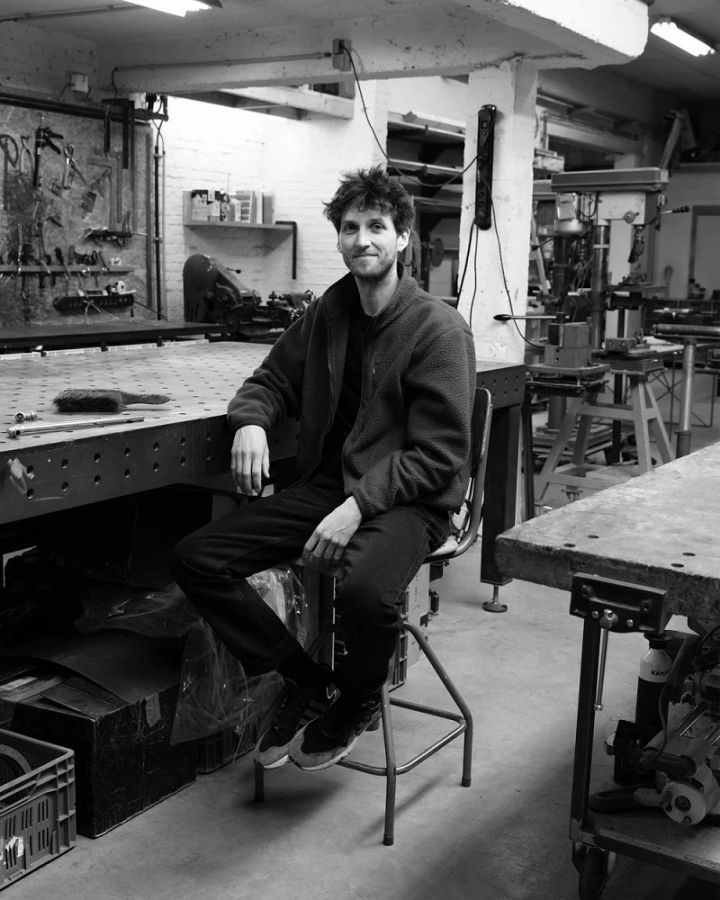
Jonas Van Put
Jonas Van Put is a Belgian independent interior designer and architect whose work combines industrial design, art and architecture. In 2019, he founded his own studio, focusing on original projects, experiments with materials and creating furniture and sculptural objects. His approach is based on intuition, direct work with the material and the search for forms that go beyond purely utilitarian function. He draws inspiration from nature, landscape and the relationship between man and the surrounding space. For his achievements, he received the Young Talent Gold Award at the Henry van de Velde Awards.
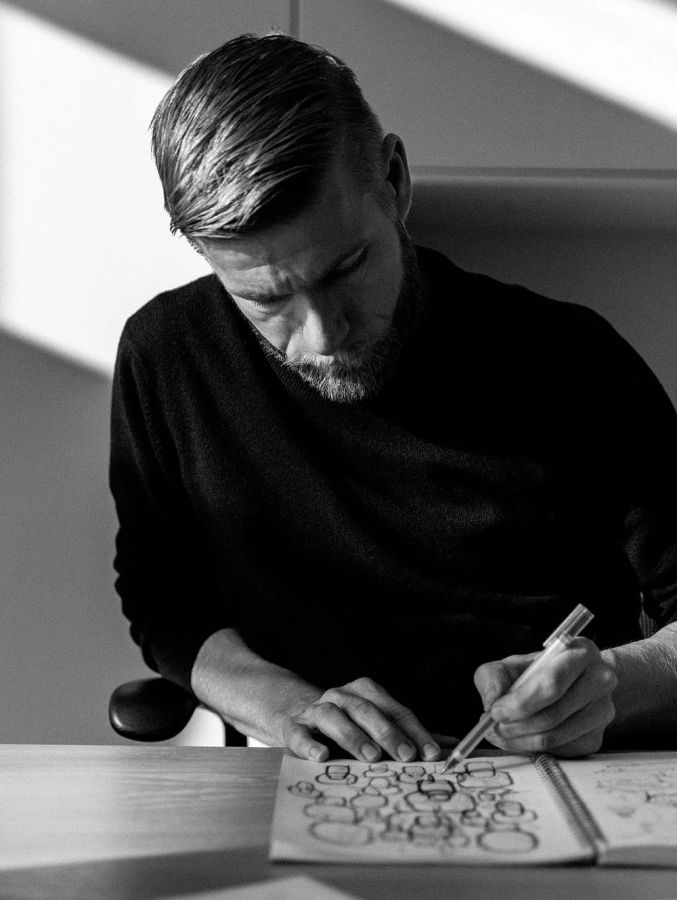
Jonas Wagell
Jonas Wagell is a Swedish architect and designer known for minimalist forms with soft, friendly lines. He founded the JWDA studio in Stockholm in 2008, which cooperates with brands such as Audo Copenhagen, Wendelbo, Tacchini and Normann Copenhagen. His designs, such as the Julep sofa and the JWDA lamp, combine simplicity with expressive character, reflecting his approach known as "generous minimalism". Wagell studied graphics, interior architecture and furniture design at Konstfack in Stockholm and Parsons School of Design in New York. In 2008, he was recognized by Wallpaper* magazine as one of of the "50 hottest young architects in the world." Today, his works are valued for their timeless aesthetics, functionality and subtle Scandinavian style.

Jonathan Muecke
Jonathan Muecke is an American designer whose work defies simple definitions. He combines design, architecture and art in his works, creating objects that balance on the verge of functionality and experiment. He is known for his exceptional attention to proportions, precision of workmanship and passion for minimalism, in which detail plays a key role. Instead of decoration, he chooses the purity of form and structure, which become decoration in themselves. By cooperating with renowned brands such as HAY, Muecke shows that a piece of furniture can be both a practical object of everyday use and a small work of art. His designs, such as the coffee table Wood Box attract attention with a subtle intrigue and make the recipient want to take a closer look at them.
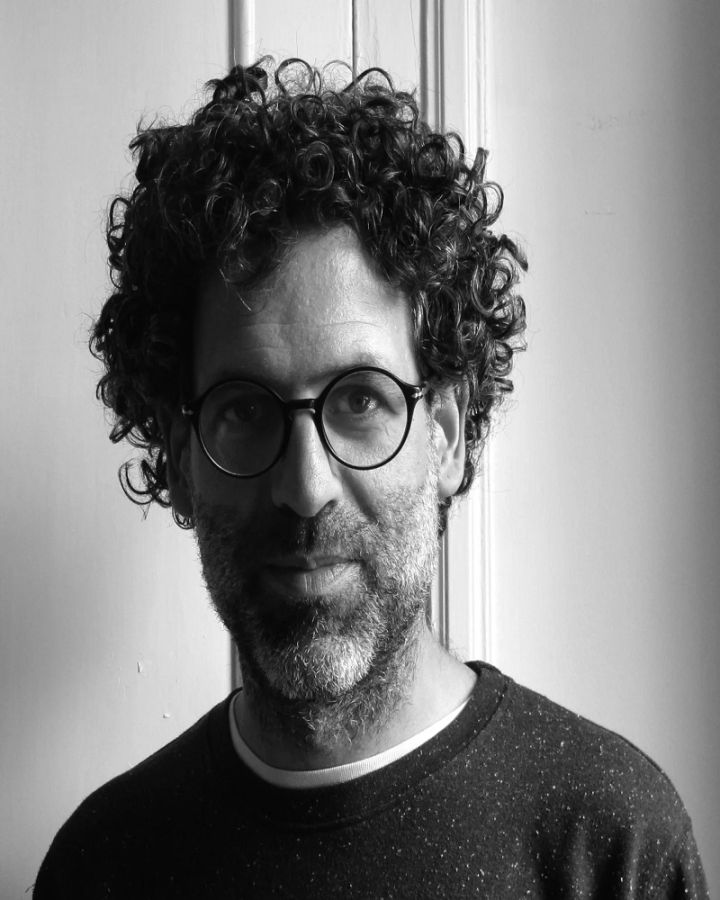
Jordi Canudas
Jordi Canudas is a Barcelona-based industrial designer known for his experimental approach to light and materials. A member of the London collective OKAY Studio, he creates projects that often go beyond the classic framework of design - they explore process, reaction, experience. His most recognizable work is the Dipping Light lamp for Marset - created from tests of dipping a light bulb in paint, which became the manifesto of his creative philosophy: light not only illuminates, but also paints and creates a mood. Canudas works at the intersection of art, craft and technology, and his designs are full of color, emotion and surprising simplicity that remains in memory.
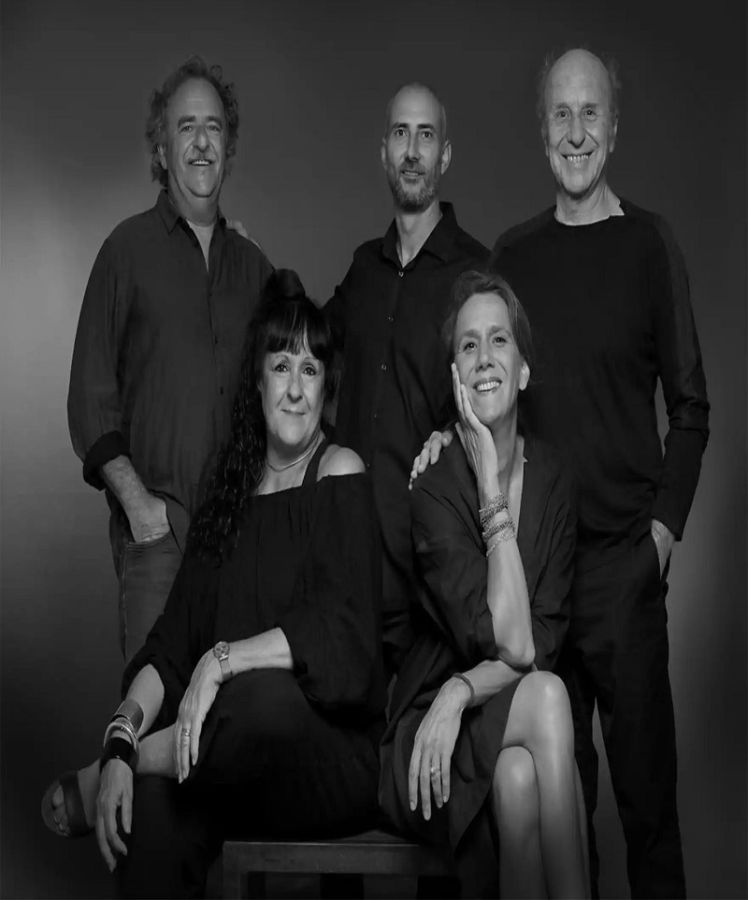
Jorge Pensi Design Studio
A recognized Spanish design studio founded in 1984 in Barcelona by Jorge Pensi - an Argentinian designer with an international reputation. The studio specializes in designing furniture, lighting and interior design, combining modern aesthetics with functionality. Their style is characterized by minimalist forms, elegance and technical precision. One of the most famous projects is the aluminum Toledo chair, which has become an icon of contemporary design. The studio cooperates with prestigious brands such as Vondom, Knoll, Cassina and Foscarini. Jorge Pensi Design Studio's designs have been awarded many times in international competitions and presented in design museums around the world. The studio is constantly looking for innovative solutions, maintaining a balance between emotion and form.
Jorgen & Nanna Ditzel
Jorgen and Nanna Ditzel are a pair of Danish designers who played a key role in the development of Danish design in the mid-20th century. Jorgen Ditzel was a renowned furniture designer specializing in simple, functional forms, while Nanna Ditzel was a versatile designer whose works ranged from furniture to textiles and jewelry. Their cooperation resulted in innovative designs, such as the "Hanging Chair" (1957), which became one of the symbols of Danish design. The Ditzls placed great emphasis on ergonomics and aesthetics, combining simplicity with elegance. Their designs have won numerous awards and have been exhibited at international fairs, and their legacy lives on in classic and modern interiors around the world.
Jorgen Rasmussen
Jorgen Rasmussen is a Danish designer, known primarily for his timeless approach to industrial and furniture design. Born in 1931, he became famous as the co-creator of the iconic KEVI office chair, which is still considered a model of ergonomics and functionality. The KEVI project, created in the 1950s, revolutionized the market thanks to the use of an innovative rotary mechanism and a simple, elegant design. Rasmussen values minimalism, durability and practicality, and his works reflect Scandinavian values - minimalism of form, high quality of workmanship and respect for the user.

Jorn Utzon
Jorn Utzon was a Danish architect, best known as the creator of the iconic Sydney Opera House - one of the most famous buildings of the 20th century. He was born in 1918 in Copenhagen and studied architecture at the Royal Danish Academy of Fine Arts. His designs combined functionalism with organic forms inspired by nature, Eastern cultures and sailing. In 1957, he won the international competition for the design of the Sydney Opera House, even though his concept was far ahead of the technical capabilities of the time. Although he did not complete the construction due to conflicts with the Australian authorities, his vision was preserved. Utzon also designed, among others: the Bagsværd Kirke house and the Can Lis complex in Majorca. In 2003, he received the prestigious Pritzker Prize. He died in 2008, leaving behind a legacy of modern architecture full of harmony and expression.
Jozeph Forakis
Jozeph Forakis is an American industrial designer, born in New York, known for his innovative approach to design combining technology, emotions and functionality. He graduated from Rhode Island School of Design and Domus Academy in Milan, where in 2002 he founded his own studio jozeph forakis ... design, with headquarters in Milan and New York. His works cover a variety of fields: from lighting (the iconic Havana lamp for Foscarini, in the collection of MoMA in New York) , by consumer electronics (including Swatch IRONY Scuba 200 watches) , to transportation (CLX96 superyacht for CL Yachts) . From 1999 to 2002 he was director of design at Motorola Europe, where he led the team responsible for the design of the V70 phone..

Juan Ibanez
Juan?Ibáñez is a Spanish designer collaborating with the Sancal brand, creating furniture and accessories with a modern, functional character. His designs, such as the Nudo collection, combine organic shapes, natural materials and timeless aesthetics, matching modern home and commercial interiors. Ibáñez places emphasis on ergonomics, proportions and comfort of use, and at the same time emphasizes the artistic dimension of design. He is also responsible for the brand's graphic elements and scenography, building a coherent, recognizable identity of Sancal. His works combine practicality with subtle elegance, offering users durable, stylish and functional solutions in the spirit of contemporary Spanish design.

Julia Chiaramonti
Julia Chiaramonti is a French-Italian designer born in Paris. After graduating in philosophy at the Sorbonne and interior design at École Camondo, she worked as an interior designer for several years before returning to her original passion for designing objects. Her works are characterized by clean lines and noble materials, reflecting the influence of Italian culture. Chiaramonti creates furniture and utility items, combining functionality with aesthetics. Her designs have been featured in exhibitions such as Private Choice in Paris and EDIT Napoli in Naples. She collaborated with the Pulpo brand, for which she designed a collection of tables "Tavolo2" and "Tavolino2", combining stainless steel with colored glass. Her work has been published in renowned magazines such as Wallpaper*, Ideat, Le Monde, Elle Décor and Sight Unseen.
Julie Richoz
Julie Richoz is a Swiss-French designer known for combining precise craftsmanship with modern aesthetics. She graduated from the prestigious ECAL university in Lausanne, and then founded her own studio in Paris. She worked, among others, as Pierre Charpin's assistant. Her work includes furniture, lighting and textiles, made for well-known brands. It explores traditional glass and ceramic techniques while introducing innovations. It stands out for its attention to detail and the ability to combine function with beauty. In 2023, she won the Grand Prix de la Création de la Ville de Paris for her outstanding achievements and contribution to the development of design.
Julien Renault
Julien Renault is a French furniture and product designer, known for his minimalist approach and attention to detail. His works combine simplicity of form with functionality, which makes them timeless and easily fits into various interiors. Renault places great emphasis on the quality of materials and ecological aspects of production, often using natural wood and environmentally friendly finishes. He has collaborated with many renowned brands, including HAY, for which he designed, among others: Pastis collection. His designs are characterized by harmony between aesthetics and practicality, thanks to which they gain recognition from both critics and users.
Jungerkuhn
Jüngerkühn is a German design studio cooperating with the Bolia brand, known for its minimalist approach and sense of detail. Their designs combine functionality with refined aesthetics, drawing inspiration from classic craftsmanship and modern materials such as stainless steel and glass. The studio creates everyday objects that delight with their simplicity and timeless character. Jüngerkühn designs are dominated by pure form and play with light, which gives them exceptional lightness and elegance. Cooperation with Bolia results in collections that perfectly fit the philosophy of modern Scandinavian design, which focuses on durability, conscious materials and quality of workmanship.
Justyna Poplawska
Justyna Popławska is a Polish-Danish designer specializing in creating unique objects from recycled glass. She studied at the Academy of Fine Arts in Wrocław and at KADK in Copenhagen, where she developed metallurgical techniques. In his Copenhagen studio, he processes waste glass, combining it with resin and pigments to create artistic panes resembling paintings. Her most famous collection is Tinct - colorful trays and tables with a unique pattern. Popławska combines aesthetics, craftsmanship and sustainable design, creating hand-polished objects with a unique texture. Her works have been presented, among others, at 3daysofdesign, London Design Festival and in magazines such as Ark Journal and Sight Unseen. He designs objects with soul - full of color, expression and a conscious approach to the material.
Kai Linke
Kai Linke is a German industrial designer, founder of the studio in Frankfurt am Main in 2009. He studied product design at the Hochschule für Gestaltung in Offenbach, and his work combines functionality with aesthetics. Linke designs furniture, lighting, spatial installations and functional objects, often inspired by nature, art and everyday objects. His works have been presented at international exhibitions such as London Design Biennale or Design Museum Holon, and are in the collections of museums, including: Museum Angewandte Kunst in Frankfurt. Since 2015, he has been teaching, lecturing furniture design and exhibition architecture at the Kunsthochschule Kassel and serving as a professor of product design at Brüder Grimm Berufsakademie Hanau.

Kai Stania
Kai Stania is an Austrian designer known for creating elegant and functional furniture and everyday objects. He studied architecture in Vienna, and his works combine precise form with high quality workmanship. He has collaborated with many renowned brands, including: GUBI, Bene, TON, Rolf Benz and Walter Knoll. Stania is characterized by a minimalist approach, in which ergonomics meets refined aesthetics. His designs, such as chairs, tables and lamps, are often distinguished by subtle dynamics of lines and well-thought-out detail. He has received numerous awards, including the Red Dot Award and the iF Design Award. Kai Stania proves that in good design, beauty comes from function, and comfort and modernity can go hand in hand.
Karim Rashid
Karim Rashid is one of the most recognizable contemporary designers, known for his futuristic forms, intense colors and fluid shapes. Born in Egypt, raised in Canada, lives and works in New York. His portfolio includes over 4,000 projects - from furniture, lighting and packaging to hotel and shop interiors. He cooperated with, among others: with Alessi, Samsung, Artemide and Umbra. Rashid promotes the so-called "democratic design", i.e. accessible and functional. His style is a combination of technology, emotions and expressive minimalism. He has won dozens of prestigious awards around the world.
Karl Malmvall
Karl Malmvall is a Swedish industrial designer, raised in a family associated with the furniture industry. He graduated from the Carl Malmsten Center for Design and the School of Architecture in Aarhus. He worked for IKEA in various countries, designing office, garden and everyday furniture. In 2002 he founded his own studio. His designs are characterized by simplicity of form, attention to detail and functionality. It stands out with chairs and deckchairs made of rattan and bamboo. He has won awards including: Red Dot and Excellent Swedish Design. It places emphasis on sustainable development and production efficiency. He collaborated with Design House Stockholm and H&M Home.

KaschKasch
KaschKasch is a German design studio founded in 2011 by Florian Kallus and Sebastian Schneider in Cologne. Both designers combine craftsmanship in carpentry with academic education in industrial design. They create minimalist, functional furniture and lighting designs that are characterized by poetic minimalism and attention to detail. KaschKasch cooperates with many well-known brands, including: Bolia, Ligne Roset, FEST Amsterdam, Marset, Ethnicraft and Normann Copenhagen. Their designs are well-thought-out, aesthetic and respond to the needs of modern users, combining modernity with a subtle approach to form.

Kasper Mose
Kasper Mose is a Danish architect and designer, known for his minimalist and functional furniture. A graduate of the Aarhus School of Architecture, he gained experience, among others, in Arkitema and Friis & Moltke, and since 2020 he has been running his own studio. His most important projects include the Moser table for Montana Furniture and the Plint and Fora collections. Mose combines architecture with functional design, creating simple, light forms with high functionality. It focuses on ergonomics, modularity and the relationship between space and the user. His designs are characterized by Scandinavian aesthetics, attention to detail, concern for the environment and durability of materials.

Kasper Salto
Kasper Salto is a Danish furniture designer, known for combining Scandinavian craftsmanship with modern technology. He was born in 1967 in Copenhagen, the son of the artist Nanna Salto and the grandson of the ceramicist Axel Salto. He studied at the Danish School of Design. He became famous for his projects for Fritz Hansen, Lightyears and Muuto. His most famous works include the ICE chair and the NAP series. Salto has won many awards, including: Red Dot and IF Design Award. His style combines fluid forms, attention to detail and ergonomics. He also co-creates the Salto & Sigsgaard studio, operating at the intersection of design and interior architecture

Kateryna Sokolova
Kateryna Sokolova is a Ukrainian industrial designer, born in 1984 in Kharkov. She is the co-founder and creative director of the NOOM brand and the SOKOLOVA Design studio, specializing in the design of furniture, lighting and accessories. A graduate of the Kharkiv State Academy of Art and Design and a scholarship holder of the German university Burg Giebichenstein Kunsthochschule Halle. Collaborates with renowned brands such as Bolia, for which she created, among others, a collection of Leaves lamps and a series of Cosh armchairs. Her designs combine minimalism, functionality and emotionality, often inspired by Ukrainian culture and travel. Sokolova has won numerous awards including the Red Dot Design Award and the German Design Award. Her works have been presented at international exhibitions and are appreciated for their harmonious combination of aesthetics and practicality.
Kazushige Miyake
Kazushige Miyake is a Japanese industrial designer known for harmoniously combining traditional aesthetics with modern functionality. He studied design at Tokyo University of the Arts and began his career focusing on designing everyday products that combine simplicity with elegance. Miyake cooperates with many renowned brands, creating innovative solutions that emphasize the subtlety of materials and details. His designs are characterized by a minimalist style, precise workmanship and attention to user comfort. Miyake's works have been presented at international exhibitions, gaining recognition for their timeless design and creative approach to traditional forms.
Keiji Takeuchi
Keiji Takeuchi is a Japanese industrial designer with international experience. At the age of 15, he moved to New Zealand, where he completed a degree in product design in Auckland. Then he continued his studies at ENSCI / Les Ateliers in Paris. In the years 2005–2012 he worked at Naoto Fukasawa's Tokyo studio, and in 2012 he established its European office in Milan. In 2015, he opened his own studio - Keiji Takeuchi SRLS. His designs combine simplicity with sophistication, focusing on functionality and the emotional reception of objects. Collaborates with renowned brands such as Alessi, Boffi, De Padova, Living Divani, Geiger / Herman Miller, Fredericia or Ligne Roset. In 2016, he received the Elle Deco Japan Award as a Young Talent of Japanese Design.
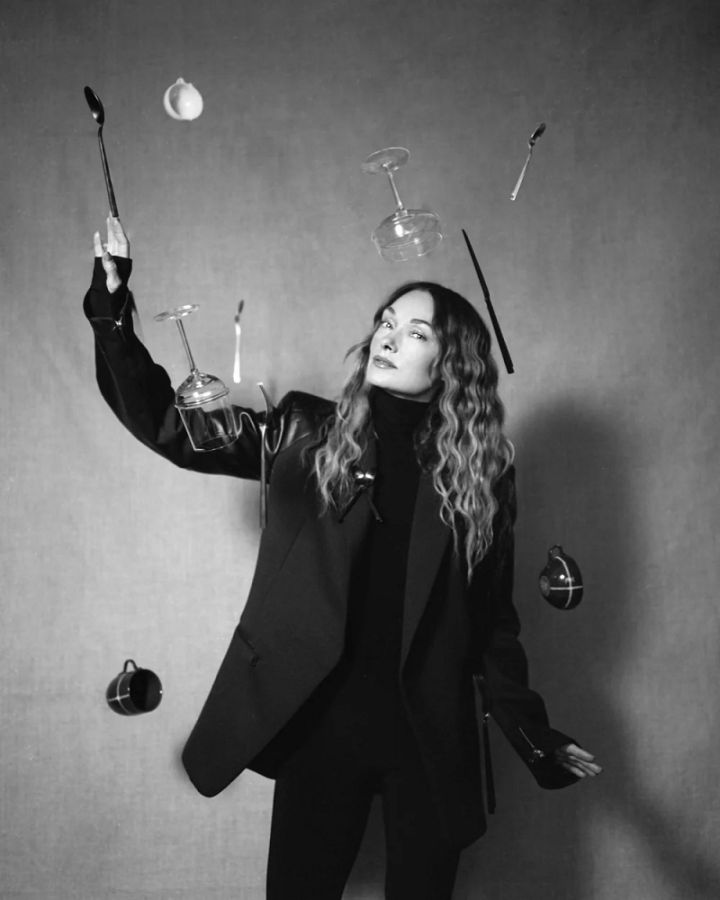
Kelly Wearstler
Kelly Wearstler is one of America's most influential interior and product designers, known for her bold, sculptural style and masterful blend of art, design and architecture. Her projects, from luxury hotels to prestigious residences and iconic furniture collections, are distinguished by expressive forms, rich textures and a bold color palette. Wearstler creates interiors full of energy, character and artistic freedom, redefining contemporary luxury and inspiring the entire world of design with its unique, eclectic approach.

Kenneth Bergenblad
Kenneth Bergenblad is a renowned furniture and interior designer known for elegant, modern forms combining functionality with an experimental approach to materials. The son of a sculptor and an artist, he started his career as a carpenter and then studied at the Academy of Fine Arts in Copenhagen. In the years 1970–1993 he worked at DUX, where he created the iconic "Spider" chaise longue and the "Superspider" armchair, distinguished by their light construction and ergonomic comfort. His "Wing" lamp from the 1980s, designed for Audo Copenhagen, won the Guldlampen Nordisk Design award. Bergenblad also received, among others, Resources Council Product Award (New York, 1980) and Diamant Emma (Stockholm, 1994). Currently runs his own studio in southern Sweden, creating timeless designs based on the harmony of shapes, colors and materials.
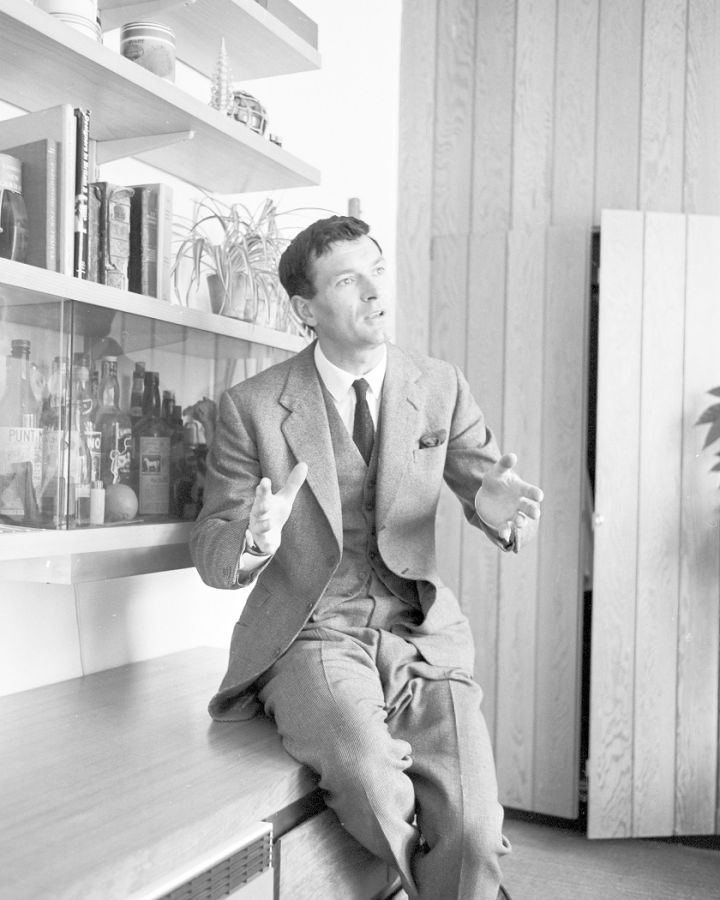
Kenneth Grange
Kenneth Grange is one of the most influential British industrial designers of the 20th century. Co-founder of the Pentagram agency, he designed a number of everyday items, from Wilkinson Sword razors, through Kodak cameras, to iconic kettles and lamps for companies such as Anglepoise. His works are characterized by functionality, minimalism and timeless style. Grange was the lead designer of the InterCity 125, the high-speed train that transformed British railways. His contribution to design has been honored with a knighthood and many industry awards.

Kim Naver
Kim Naver is a respected Danish designer whose works combine Scandinavian minimalism with refined aesthetics. He specializes in designing carpets and interior textiles, where form meets function in harmonious balance. Her designs, including the Kimex collection for Linie Design, are distinguished by graphic compositions, subtle color contrasts and precise workmanship. Navar is inspired by nature and Scandinavian minimalism, which can be seen in the use of natural materials such as New Zealand wool or cotton. Each rug is a combination of handicraft and modern design, which makes spaces elegant and cozy at the same time.
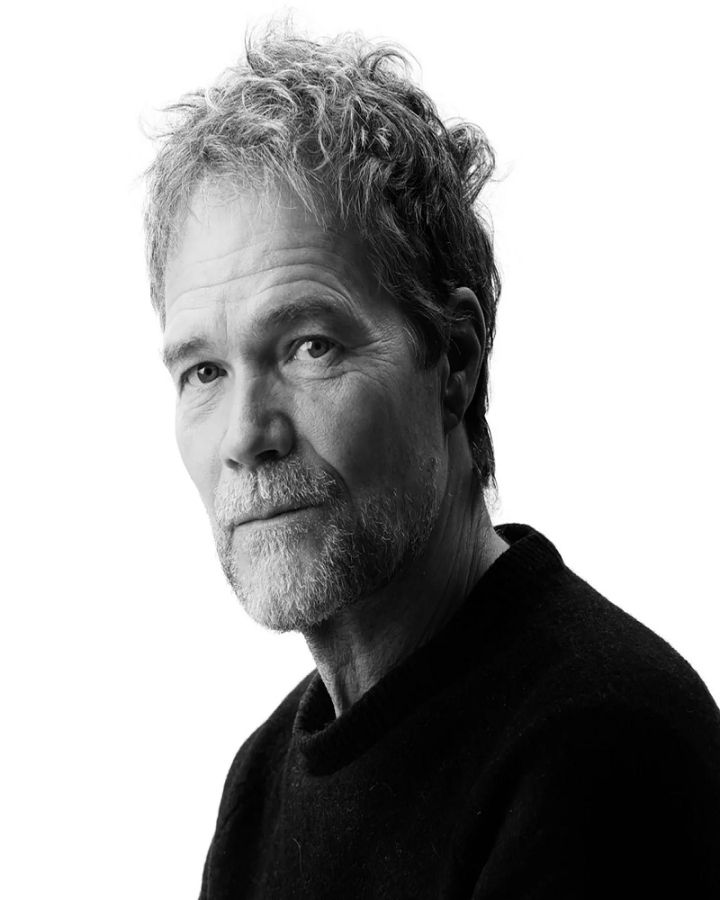
Kim Richardt
Kim Richardt is a Danish designer from Copenhagen, known for his minimalist approach to design based on function, proportion and work with natural materials. Its design language stems from the tradition of Scandinavian modernism, where form is always subordinated to utility and decoration is limited to an absolute minimum. He cooperates with the FRAMA brand, for which he created, among others: Shelf Library system - a modular wall shelf based on a flexible structure that allows for any configuration of shelves and cabinets within one system. In his practice, Richardt combines steel, wood and canvas, creating furniture with industrial precision, but at the same time a warm, homely character. Previously, he also worked as a blacksmith, which influences his approach to the construction and durability of objects.
King-Kong
Studio King-Kong is an Italian design office founded in the 1980s by architects and designers Stefano Giovannoni and Guido Venturini. Their cooperation resulted in the creation of characteristic projects that combine functionality with an expressive, often humorous form. The studio became famous primarily thanks to its cooperation with the Alessi company, for which it created a number of iconic everyday items, distinguished by a unique style and innovative approach to design. King-Kong's designs often resemble expressive characters, sometimes with forms similar to monsters, but they always retain a friendly and non-threatening character. The studio's activities had a significant impact on the development of Italian design introducing elements of fun and emotion into it, which contributed to its international success.
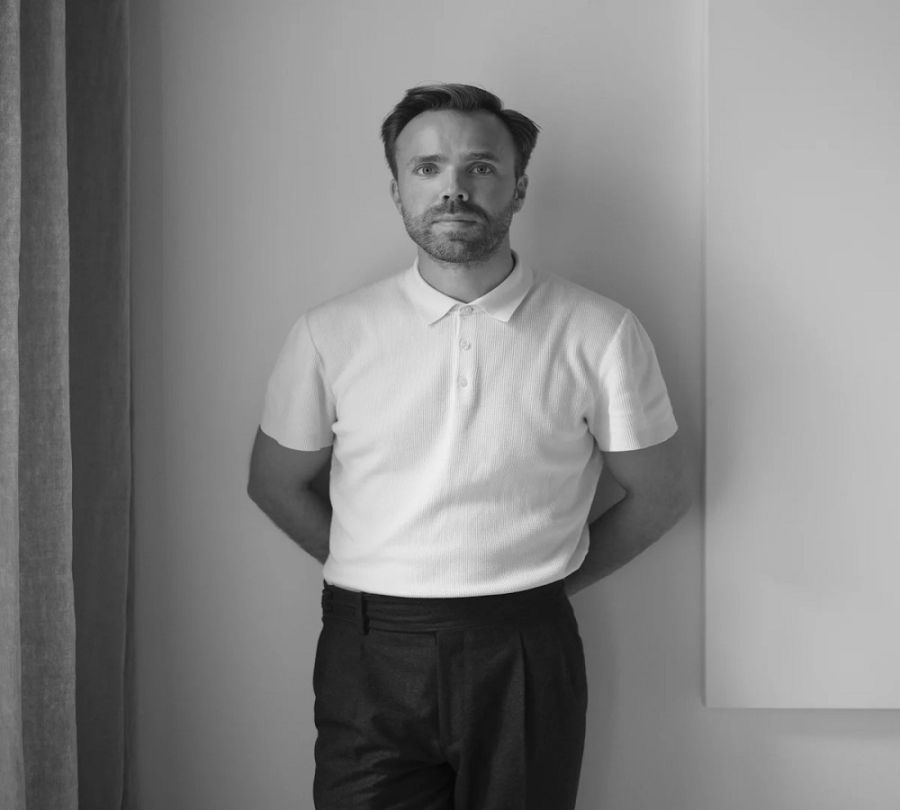
Knut Bendik Humlevik
Knut Bendik Humlevik is a Danish industrial designer and co-founder of the New Works brand, where he has been the creative director since 2014. His works combine Scandinavian simplicity with an international sensitivity to materials and form. Humlevik designs furniture, lighting and accessories that are distinguished by functionality, aesthetics and respect for natural raw materials. He cooperated with, among others: with the NORR11 brand, creating collections that combine modern design with classic craftsmanship. His designs, such as Brolly table lamp or the New Works furniture collection, have gained recognition on the international market.

Kohler Wilms
Kohler Wilms is a duo of German designers who specialize in creating furniture, accessories and utility items at the intersection of craftsmanship, art and modern design. Their approach is characterized by a minimalist form, respect for the material and great attention to detail. Kohler and Wilms often use natural raw materials, combining traditional techniques with innovative design solutions. Their works are characterized by visual lightness and, at the same time, a distinct, contemporary identity. The duo's designs have gained recognition in the design world for combining functionality with aesthetics inspired by nature and architecture. The creators believe that good design not only serves utility, but also builds an emotional bond with space. Their items appear in modern private and public interiors, and their aesthetics remain timeless.
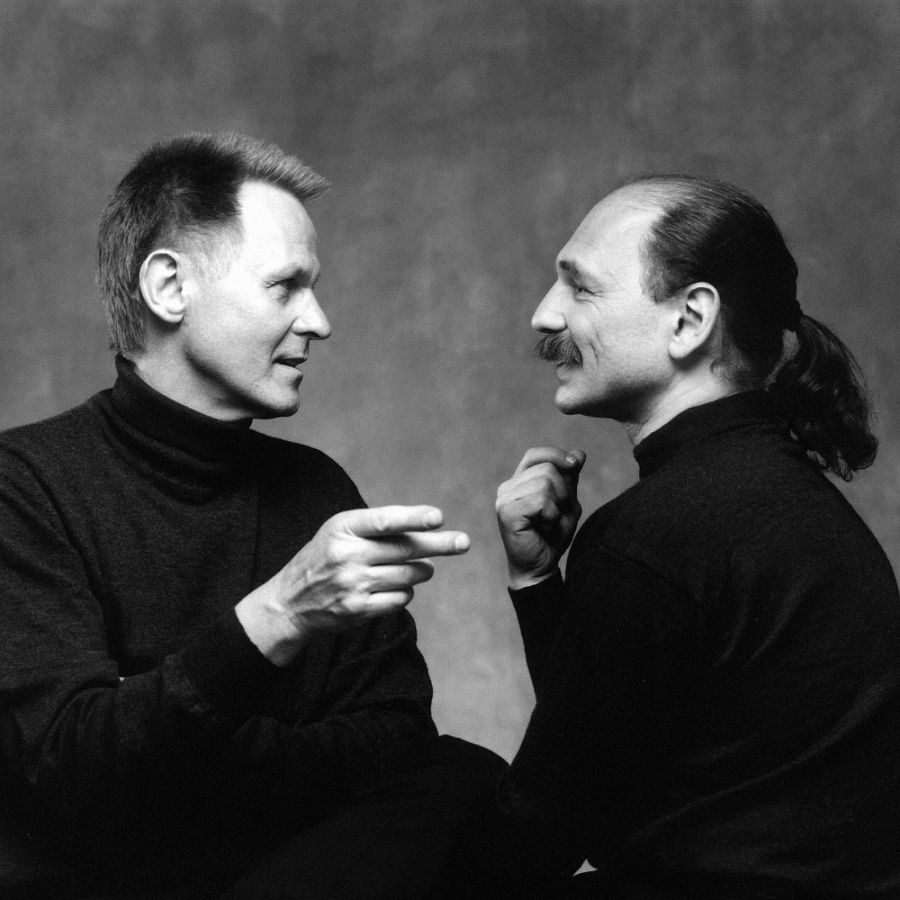
Komplot Design
Komplot Design is a Danish studio founded in 1987 by Boris Berlin and Poul Christiansen. They are known for their innovative approach to the design of furniture, lighting and utility products. The studio became famous thanks to the iconic Gubi Chair, the first chair in the world made of three-dimensionally formed veneer. The set combines advanced technology with an organic, functional form, maintaining Scandinavian minimalism. The studio's projects have won international awards, including: Red Dot or Good Design. They cooperated with brands such as GUBI, Hay and Normann Copenhagen. Their design is a dialogue between material, idea and man. Komplot Design is today considered an important voice in contemporary European design.

Konstantin Grcic
Konstantin Grcic is one of the most outstanding contemporary German designers, known for his innovative approach to form and function. He was born in 1965 in Munich and educated at the Royal College of Art in London. In 1991, he founded his studio KGID – Konstantin Grcic Industrial Design. It creates furniture, lighting and consumer products for brands such as Flos, Magis, Vitra, Muji and ClassiCon. His designs, such as the Chair_One chair or the Mayday lamp, are known for their industrial aesthetics and intellectual depth. Grcic combines technological precision with raw beauty, and his works are presented in design museums around the world, including: MoMA and Center Pompidou.
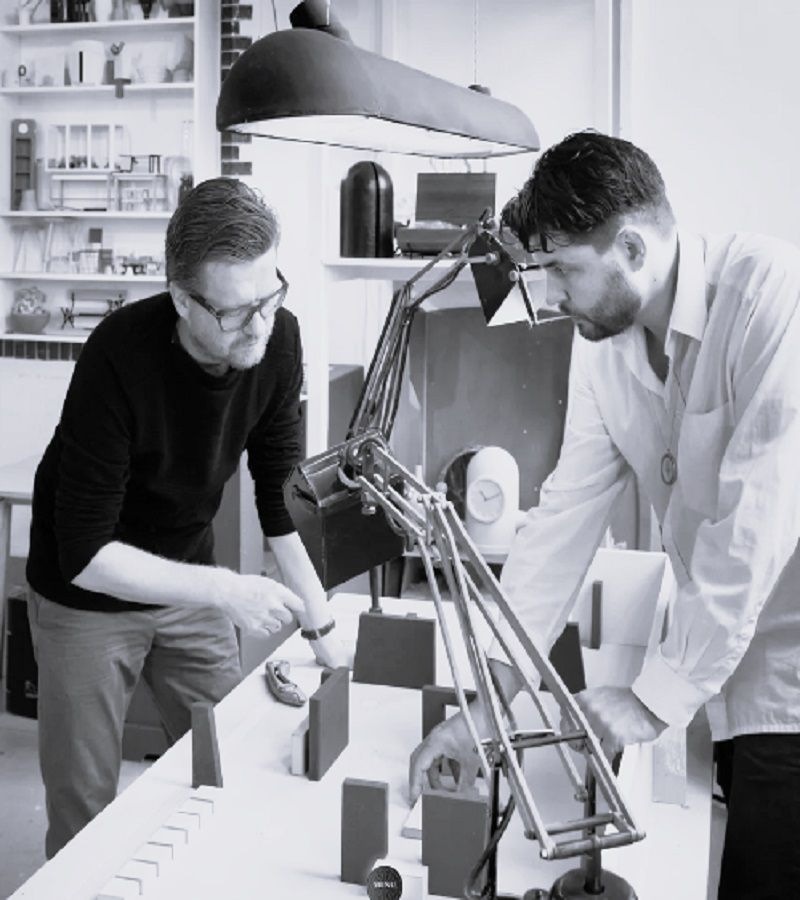
Kranen & Gille
Kranen/Gille is a Dutch design studio founded in 2007 by Jos Kranen and Johannes Gille, graduates of Design Academy Eindhoven. They are based in 's-Hertogenbosch. The duo is known for combining inspirations from heavy industry and nature, creating projects with a raw and at the same time organic character. Their works often feature material contrasts, such as such as wood combined with aluminum or ceramics with metal. The studio gained recognition with the project "A Forest Chair" (2007), presented at the Salone del Mobile and Design Miami fairs. They cooperated with renowned brands such as Moooi, Fatboy, Functionals and Cor Unum, creating, among others, "The Party" lamps and "101 Candelabra" mirror.
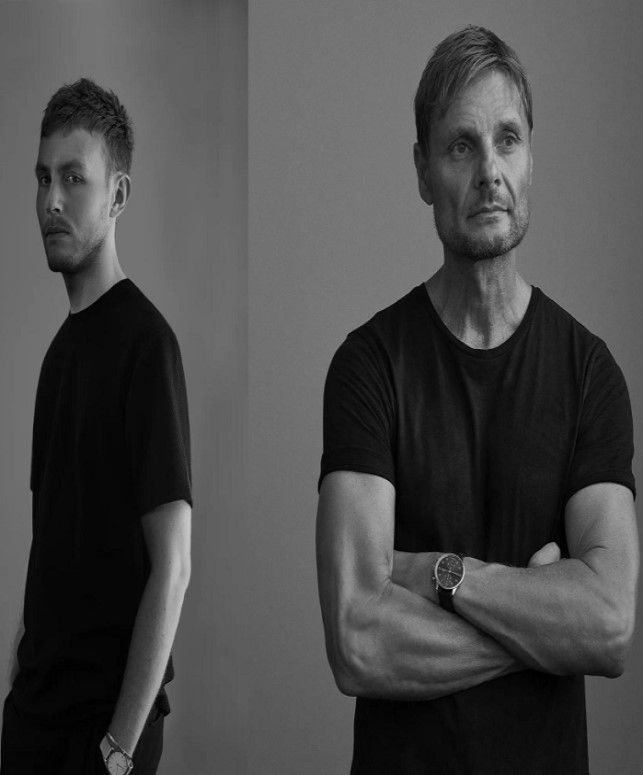
Kristian Sofus Hansen & Tommy Hyldahl
Kristian Sofus Hansen and Tommy Hyldahl are a Danish designer duo who have been creating for brands since 2015 NORR11 and 101 Copenhagen. Hansen, a graduate of the Royal Danish Academy of Fine Arts and the Kyoto Institute of Technology, combines Scandinavian simplicity with the Japanese Wabi-Sabi aesthetic, creating minimalist, sculptural forms. Hyldahl, the founder of both brands, draws on experience in fashion and trend analysis by introducing bold, modern concepts. Their joint projects, such as Krzesło Hippo or lampa Drop are characterized by harmony of form and function, inspired by brutalist architecture and Japanese culture.

Kristiina Lassus
Kristiina Lassus is a Finnish designer, art director and design consultant, known for her minimalist designs with a Scandinavian spirit and an international character. She graduated in industrial design in Helsinki and gained experience, among others, in Italy and Australia. In 2007, she founded her own brand specializing in luxurious, hand-woven carpets produced in India and Nepal from natural materials. Her works combine subtle colors, high quality and timeless aesthetics. Lassus focuses on sustainable development, craftsmanship precision and harmony of form. Her designs have been awarded many times and presented at international exhibitions, gaining recognition among architects and design lovers.
Kristina Stark
Kristina Stark is a Swedish designer specializing in functional design. She graduated from Konstfack in Stockholm and Central Saint Martins in London. Since 1992, it has been creating products that combine simplicity, functionality and respect for materials. In 2008, she founded her own studio, Design: Kristina Stark, and later the Stark. line, focusing on limited series. He designs kitchen accessories, decorative elements and furniture, collaborating with brands such as Design House Stockholm and Höganäs Keramik. Her works have been awarded many times, including: the title of "Porcelain of the Year 2012". He designs everyday objects, eliminating unnecessary elements and striving for the essence of form.
Kristine Five MelvAER
Kristine Five Melvær is a Norwegian designer who combines industrial design with visual communication. Born in 1984, she completed two master's degrees: in industrial design at the Oslo School of Architecture and Design and in visual communication at the Oslo National Academy of the Arts. Her work covers a wide range of areas: from tableware, through lighting, furniture, textiles, to graphic design. In his designs, he seeks an emotional connection between the object and the user, creating objects that combine functionality with aesthetics.
Kroyer-Saetter-Lassen
Kroyer-Saetter-Lassen is a Copenhagen design studio founded by Emil Kroyer and Mads Saetter-Lassen. He specializes in the design of furniture, lighting and utility products, combining Scandinavian minimalism with functionality and craftsmanship precision. Their designs are distinguished by subtle elegance, conscious use of materials and balanced proportions. The studio cooperates with renowned brands such as Frama, Audo Copenhagen, and New Works. The most famous projects include the Torso lighting collections and Passage furniture. Artists value timeless design that combines aesthetics with everyday usability.

Kurt Brandt
Kurt Brandt was a versatile Danish designer who played a key role in the development of the Softline brand. A trained saddler and upholsterer, he brought to the world of design a unique perspective on the use of foam as a furniture material. His innovative this approach resulted in the creation of iconic designs, such as the LUBI sofa - a minimalist couch combining the functions of a sofa, a chaise longue and a bed, and the VICTOR sofa, which combines elegance with the functionality of a fold-out sofa. His designs are characterized by timeless aesthetics, simplicity of form and high quality of workmanship. Cooperation with Softline resulted in the creation of the brand's first collections, which are still popular all over the world.
Kyoto Tango
Kyoto Tango is a jewelry brand founded by Ann Sophie von Bülow, a Danish visual artist and graduate of the Royal Academy of Fine Arts (2016). It combines expressiveness and lightness of form, creating unique, artistic accessories that attract the eye and at the same time have depth and consistency. Ann Sophie also works in the field of photography, installations and contextual practices, exploring themes of transcendence, autonomy and intangible values in a social dimension. As the founder of the Det Kosmiske Hierarki project, she carries out exhibitions and artistic activities, including: in Freetown Christiania. Her jewelry reflects a creative, intellectual and cultural sensibility.

Laila Gohar
Laila Gohar is an Egyptian-American artist and designer who transforms food into surprising, performative art forms. Operates from New York, creating culinary installations commissioned by luxury brands and cultural institutions. Her designs combine traditional craft techniques with humor and surrealism. In 2022, together with her sister, she founded Gohar World - a brand of unusual table accessories, such as lace fruit covers or sculptural napkins. Gohar has collaborated with, among others, with the HAY, Prada and Hermès brands. Her work focuses on celebrating community, emotions and the sensory experience of a meal, redefining the boundaries between design, art and cuisine.
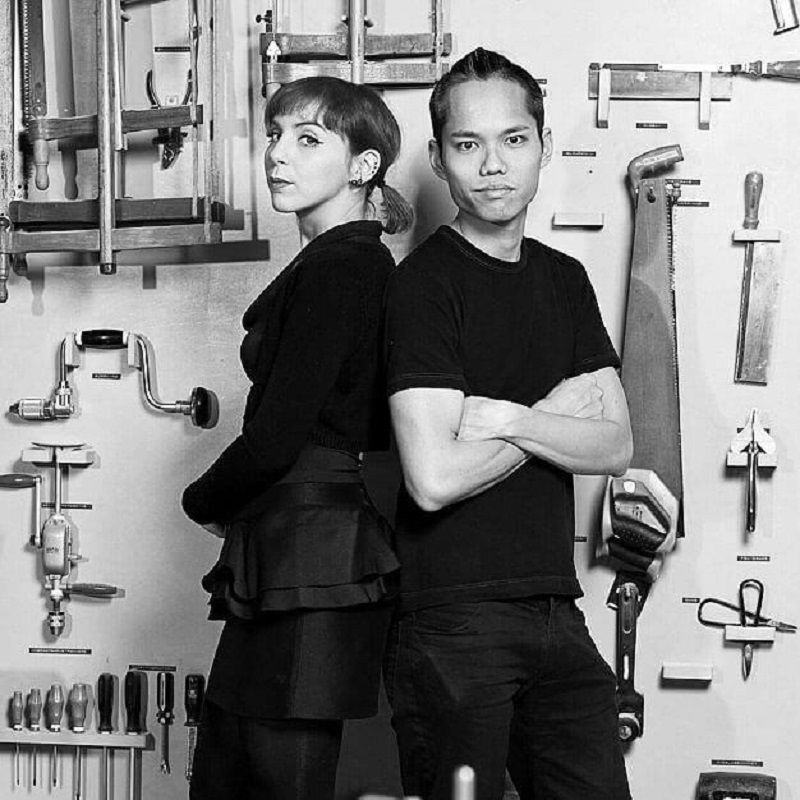
Lanzavecchia + Wai
Lanzavecchia + Wai is a design studio founded by Francesca Lanzavecchia from Italy and Hunn Wai from Singapore. The duo met during their master's studies at the Design Academy Eindhoven in the Netherlands and since 2010 they have been creating interdisciplinary projects together on the border of design, art and technology. Their works focus on the relationship between humans and objects, exploring the emotional and functional aspects of everyday objects. The studio carries out projects for brands such as Cappellini, Living Divani and Herman Miller, creating both furniture and artistic installations. Their work is characterized by an experimental approach, attention to the cultural context and the search for innovative material solutions. Lanzavecchia + Wai also engage in social and conceptual projects that encourage reflection on the future of design and its impact on the quality of life.
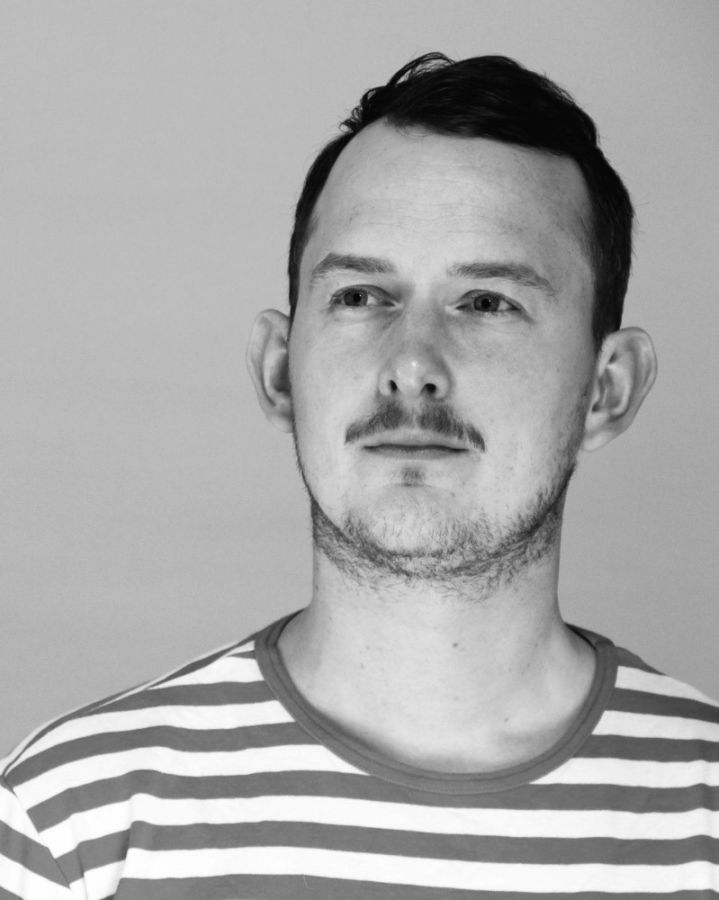
Lars Beller Fjetland
Lars Beller Fjetland is a Norwegian designer who grew up on the west coast of Norway, where he developed a deep fascination with combining function with natural materials in furniture, interiors and lighting. In 2011, while still a student, he founded his own design studio Beller Design. A year later, he graduated from the Bergen National Academy of the Arts. His works are characterized by minimalist design, functionality and the use of natural materials such as wood or cork. Fjetland has collaborated with many renowned brands such as HAY, Hem, Normann Copenhagen and Architectmade. Do his famous projects include: the Kin collection for Architectmade and the Touchwood furniture series for Hem.

Lars Tornoe
Lars Tornøe is a Norwegian designer whose work combines the simplicity of Scandinavian design with expressive form and functionality. He graduated from the Bergen National Academy of the Arts and quickly gained recognition for designs that balance sculptural expression and everyday usability. He is the author of the iconic Dots hangers for Muuto, as well as furniture and lighting for brands such as &Tradition, Fora Form and Swedese. His works often use soft lines, natural materials and subtle details that give them character. Tornøe focuses on durability and the emotional bond between the user and the object. He has won many awards and his designs are presented at exhibitions around the world. This is one of the most important voices of contemporary Scandinavian design.
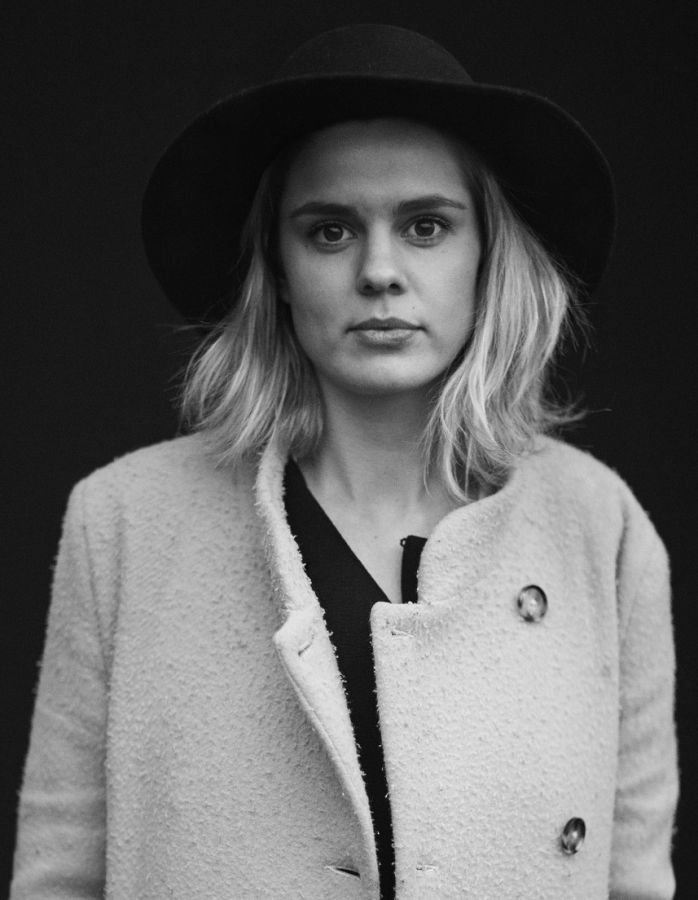
Laura Bilde
Laura Bilde is a Danish designer whose works are characterized by a minimalist approach and a clear contrast between materials and textures. Its production is inspired by people and everyday life, and functional designs often incorporate architectural influences. W In 2016, she was awarded the title of "Hope of the Year" at the Danish Design Awards. Bilde cooperated with the FDB Møbler brand, designing, among others, Sletterhage lamps and Sorø shelf. Her designs combine modern design with classic craftsmanship, using natural materials such as wood. Laura Bilde's works have been presented at exhibitions and have gained recognition in the design industry.
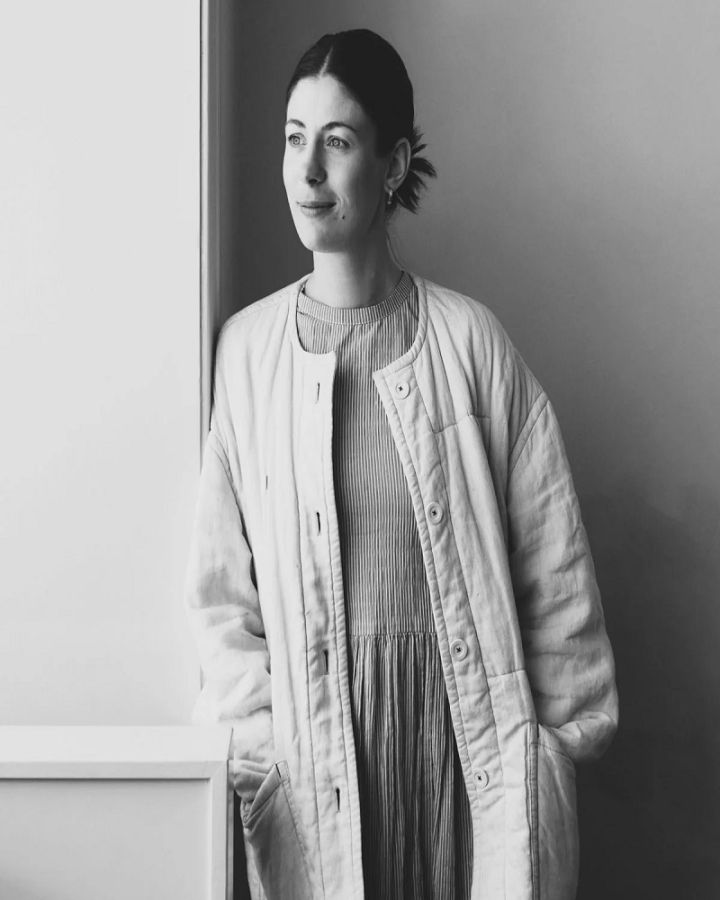
Laura Lange
Laura Lange is a Danish designer whose work focuses on finding a balance between function, material and form. Her designs are distinguished by their calm, spare aesthetics and attention to construction details. He often uses natural materials in his projects, giving them a contemporary, architectural character. For the Audo Copenhagen brand, she created, among others: the Conrad collection, which is inspired by Japanese architecture and the characteristic lines of temple roofs. The designer translated this inspiration into soft curves, subtly raised edges and a distinctive furniture profile.

Laurie Roijackers
Laurie Roijackers is a young Dutch industrial designer specializing in lighting design. She graduated from the Eindhoven University of Technology, where she developed her interest in minimalism and functionality in design. Her approach combines the simplicity of form with a subtle, often animal-inspired character, which gives her designs a unique, slightly playful character. As a designer, she cooperates with the Zuiver brand, for which she created a collection of Lau lamps - both table and floor lamps. These elegant lamps are distinguished by their slim form and precisely balanced proportions, and their subtle inspiration with bird shapes adds lightness and character to them. These products combine aesthetics with functionality, exemplifying a modern approach to lighting design.
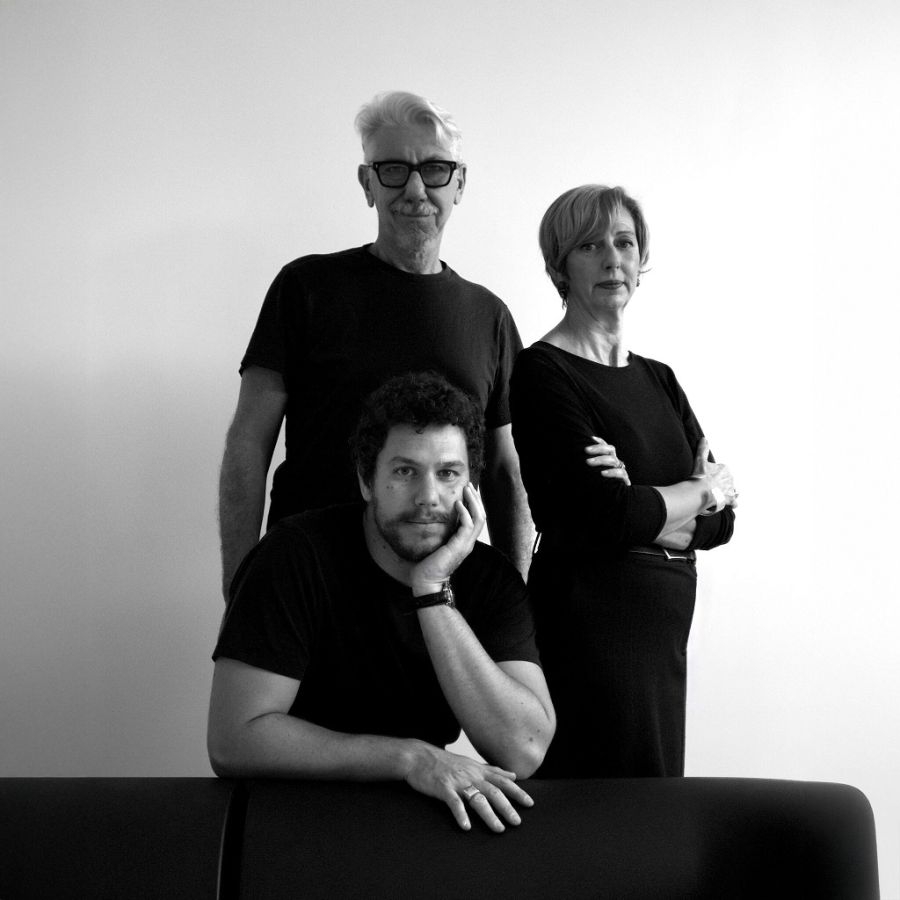
LCM MARIN studio
LCM MARIN Design Studio is an Italian design studio founded by Alfredo Chiaramonte and Marco Marina in 1989. Their work combines functionality with elegant form, drawing on the rich heritage of craftsmanship and modern design. The designers have experience in architecture, industrial design and working with Murano glass, which gives their projects a unique character. The studio cooperated with renowned brands such as Emu, Vistosi, Bonaldo and Miniforms, creating furniture and lighting with a distinctive but utilitarian form. Their works have been presented in prestigious museums, including: at MoMA San Francisco and Beaubourg in Paris. LCM MARIN designs are characterized by attention to detail, proportion and timeless aesthetics.

Le Corbusier
Le Corbusier (born Charles-Édouard Jeanneret-Gris, 1887–1965) was one of the most outstanding architects, urban planners and designers of the 20th century, as well as a pioneer of modernism. Known for his innovative approach to space, function and form, he created iconic buildings such as Villa Savoye, Unité d'Habitation and the Notre-Dame du Haut chapel. He developed five principles of modern architecture and the "Modulor" system of proportions, based on the human figure. His furniture – designed in collaboration with Charlotte Perriand and Pierre Jeanneret – is considered a design classic. He was also an architectural theorist, the author of many publications and visionary urban concepts. Le Corbusier had a huge impact on the development of 20th century architecture, and his works are still a source of inspiration for architects around the world.
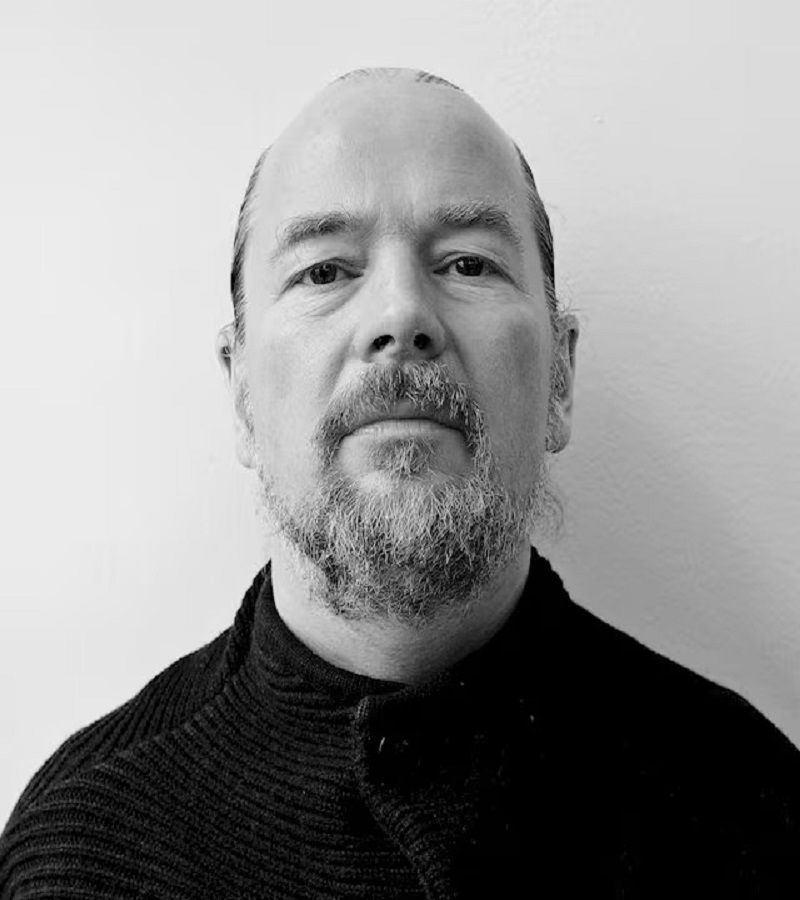
Leif Jorgensen
Leif Jørgensen is a Danish architect and designer, known for his functional designs combining modern minimalism with utilitarian simplicity. He gained wide recognition as the author of the Loop Stand collection for the HAY brand - a series of tables and hangers that are distinguished by their characteristic design and timeless form. Jørgensen specializes in designing commercial spaces, boutique interiors and furniture that combine aesthetics with contemporary lifestyle. His work clearly shows the Scandinavian approach to design: economy of form, durability of materials and maximum functionality. Jørgensen's designs are recognized for their clarity of concept and universality - they work well in both private homes and public spaces around the world.
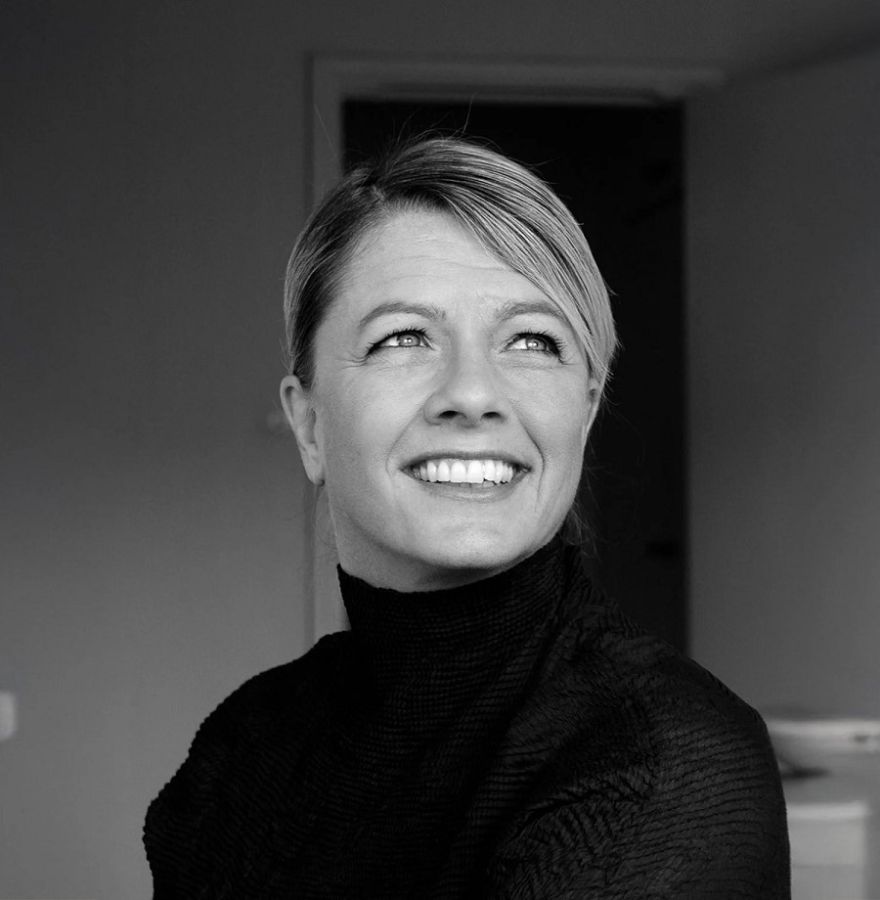
Lena Bergstrom
Lena Bergström is a Swedish textile and glass designer, known for her unique combination of traditional craftsmanship and modern design. She graduated from Konstfack in Stockholm and gained experience in Japan, Finland and Belgium. She worked for brands such as Klässbols, Design House Stockholm and Orrefors, where she created the famous Carat collection. Her designs are inspired by Nordic nature and urban architecture, combining harmony of forms, textures and colors. She has won many awards for her work, including several Excellent Swedish Design awards. He also designs carpets, lamps and artistic objects presented at exhibitions in Europe.
Lena Norling
Lena Norling is a Swedish designer and artist whose works combine modern aesthetics with inspiration from nature and traditional crafts. Her work is characterized by a minimalist yet expressive style dominated by organic forms and subdued colors. Lena creates both unique furniture and accessories that combine functionality with artistic expression. Her designs are characterized by attention to detail and the highest quality of workmanship, often using natural materials. Thanks to her unique approach to design, Lena Norling has gained international recognition, and her works can be found in private collections and exhibitions around the world.

Lenka Damova
Lenka Damová is a Czech designer born in 1983 in Třinec, working mainly in Prague. He designs furniture, interiors, lighting and artistic glass. Her style is characterized by simplicity, functionality and subtle poetics of form. She graduated from the Academy of Fine Arts in Prague and also gained experience as a freelancer. She often collaborates with the designer Boris Klimek, with whom she created award-winning projects, including: the PLAN office furniture collection and the arrangement of the Queens store in Prague. Her works are presented at national and international exhibitions, and their common feature is the ability to tell stories through design. Damová combines a practical approach with an emotional message, creating expressive, modern and timeless designs.
Lenka Teilmann
Lenka Teilmann is a talented Czech designer, known for creating unique interior accessories that combine craftsmanship, natural materials and modern design. Her style is a harmonious combination of minimalism, functionality and refined aesthetics inspired by Scandinavian minimalism and the Central European handicraft tradition. The artist is especially fond of cotton knitwear, knot weaves and textiles, which bring warmth and coziness to the space. Her designs are handmade with attention to every detail and respecting the principles of sustainable design. Lenka Teilmann believes that beautiful everyday objects can be functional and environmentally friendly at the same time. Her works have gained recognition at international design fairs and among lovers of a conscious lifestyle.
Leon Ransmeier
Leon Ransmeier is an American industrial designer, born in 1979 in New York. He is a graduate of the Rhode Island School of Design and founder of Ransmeier Inc. in 2010. Known for functional, minimalist designs, he focuses on the relationship between form and use, adhering to the principle of "use follows form". Prototyping and physical testing of ideas are important in his work. He cooperated with renowned brands such as HAY, Herman Miller, Mattiazzi and Droog. His most recognizable designs include the Revolver swivel stools and the Chiaro chair. His works are included in the collections of SFMOMA and the Corning Museum of Glass.
Leonhard Pfeifer
Leonhard Pfeifer is a New Zealand furniture designer, currently based in Porto. He runs the PFEIFER studio together with his wife Karla, specializing in minimalist projects inspired by modernism and carpentry crafts. His works are distinguished by geometric forms, natural materials and refined details. Winner of the Design Guild Mark and the German Design Award, he has collaborated with brands such as Heal's, Müller Small Living, Woodman and Zone Denmark. His Farringdon desk, Slope beds and Eigen stand have been exhibited at international trade fairs and published in The New York Times and The Wall Street Journal. Currently, he is developing the Snocker.shop brand, offering limited editions of furniture produced locally in Portugal. Pfeifer combines a global perspective with European sensitivity, creating functional and timeless designs.

Les Crafties
Les Crafties is a duo of designers – Jeanne Martin-Taton and Marie-Marie Vergne – who founded a studio in Brussels in 2018. They specialize in creating textile collages and patchworks, combining craftsmanship with design. Their works are characterized by vivid colors and delicately naive patterns, creating poetic compositions inspired by nature and everyday life. They have collaborated with brands such as India Mahdavi, Petite Friture or ZigZagZurich, and their projects include fabrics, wallpapers and interior decorations. Les Crafties combine art with functionality, creating unique items that enliven the home space.
Lex Pott
Lex Pott is a respected Dutch designer who graduated from the Design Academy Eindhoven with distinction. He runs his own studio in Rotterdam, where he creates projects that balance on the border between art and functionality. His style is based on an in-depth study of materials - wood, stone and metal - and on experiments with their natural properties. Pott is known for its minimalist but expressive forms, such as the "Twist" candle or the "True Colors" collection, which uses natural metal oxidation processes. In his designs, he combines austerity with precision, creating objects that delight with the sincerity of the material and the minimalism of the structure.
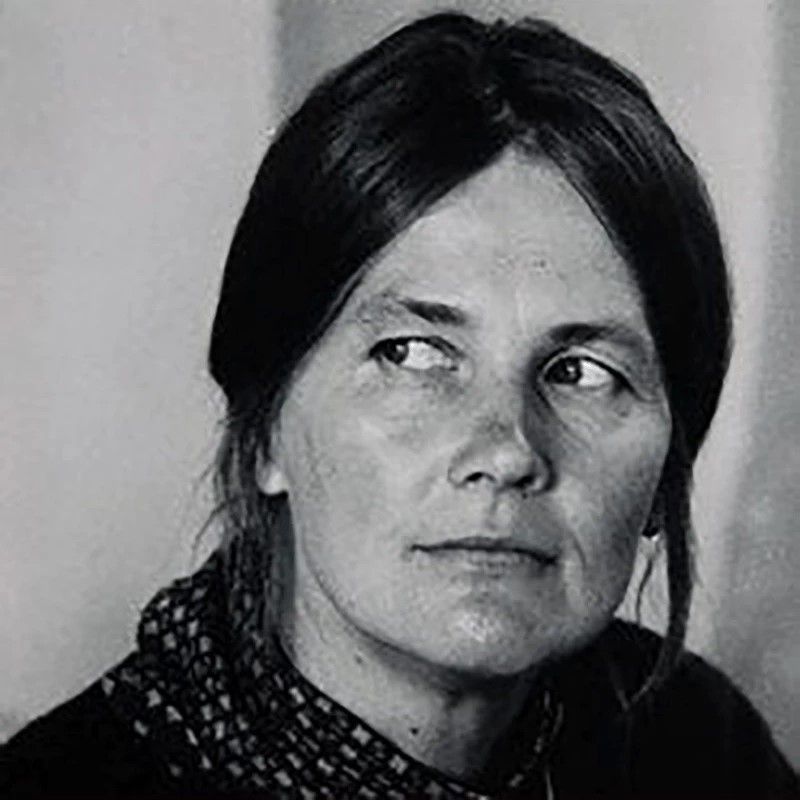
Liisi Beckmann
Liisi Beckmann (1924–2004) was a Finnish designer who spent much of her professional career in Italy. She studied art and design in Helsinki, and then moved to Milan, where she started working with renowned companies such as Zanotta, Vistosi and Gabbianelli. Her most famous design is the Karelia armchair (1966) - an innovative piece of furniture made of corrugated polyurethane foam, inspired by the landscape of her native Karelia. In her work, Beckmann combined Scandinavian minimalism with Italian expression and formal courage. In later years, she focused on sculpture and painting. Her works have been presented in prestigious museums around the world, and the designer's legacy continues to inspire contemporary artists.
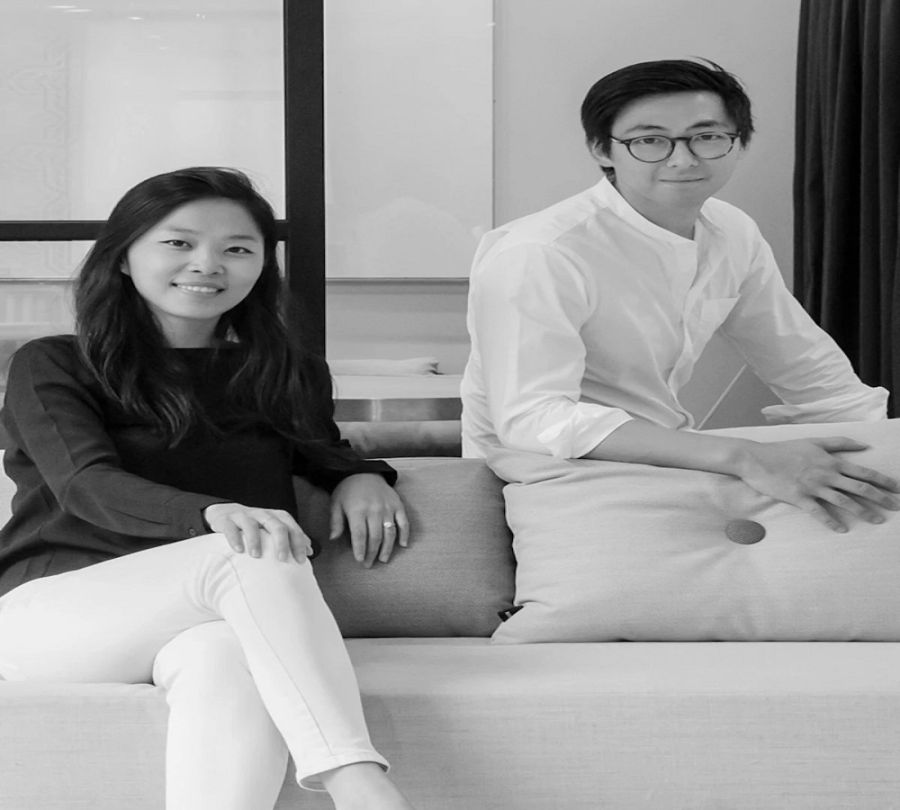
Lim + Lu
Lim + Lu is a design duo from Hong Kong, founded by Vincent Lim and Elaine Lu. They are known for combining Eastern aesthetics with Western minimalism, creating designs full of elegance and functionality. Their works include interiors, furniture and everyday objects, always with an emphasis on detail and the emotional experience of the user. They cooperated with, among others: with the Danish brand New Works, as well as with companies such as Kvadrat and St. Regis Hotels, gaining international recognition for its fresh approach to contemporary design.

Lina Nordqvist
Lina Nordqvist is a Swedish designer and set designer, known for combining functionality with artistic expression. She graduated from Beckmans College of Design in Stockholm. Her most recognizable work is the Family Chairs collection, which has won international awards, including: Accent on Design in New York and the title of Chair of the Year in Sweden. She also has experience in film set design, where she received the Guldbagge Award for her work on the film "Call Girl". He cooperates with renowned brands, designing furniture and interiors. Her style is characterized by simplicity of form, harmony of colors and individuality of designs, which brings her recognition in Poland and abroad.
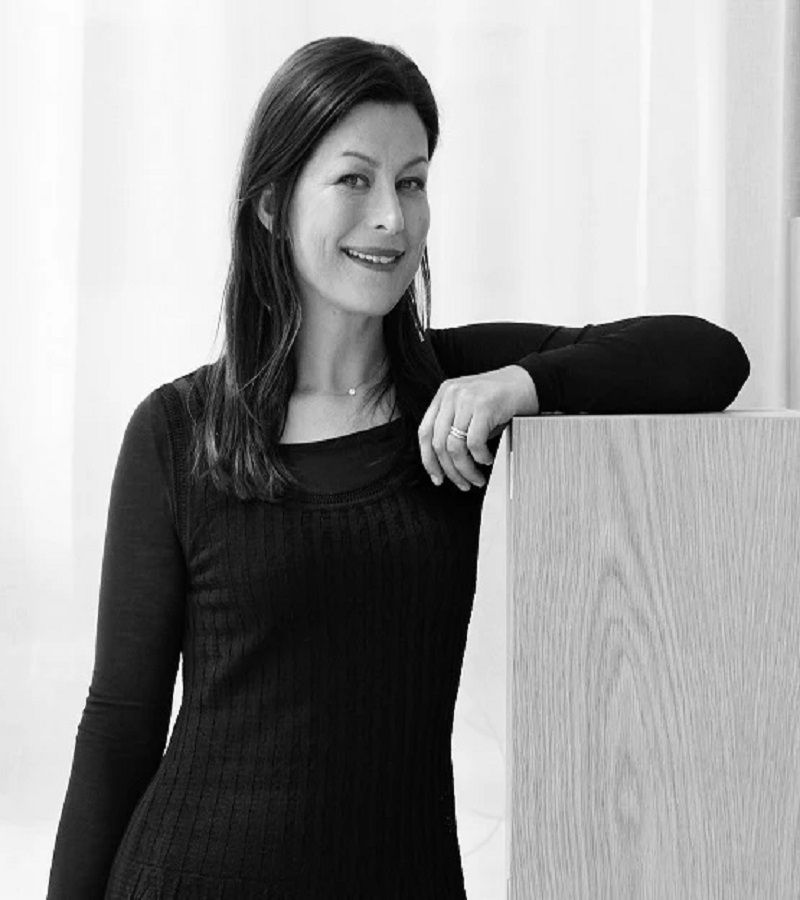
Lisa Hilland
Lisa Hilland is a Swedish designer combining modern technologies with traditional craftsmanship. She graduated from Central Saint Martins in London, where she worked for many years before establishing her own studio in Sweden in 2005. She has collaborated with brands such as IKEA, Orrefors, Design House Stockholm and Svenskt Tenn. In 2018, she created the Mylhta brand, inspired by the nature of her native Jämtland. Her projects include: Mylhta Stool chair, won prestigious awards. Hilland focuses on natural materials, their sustainable use and subtle aesthetics, combining functionality with emotional value.
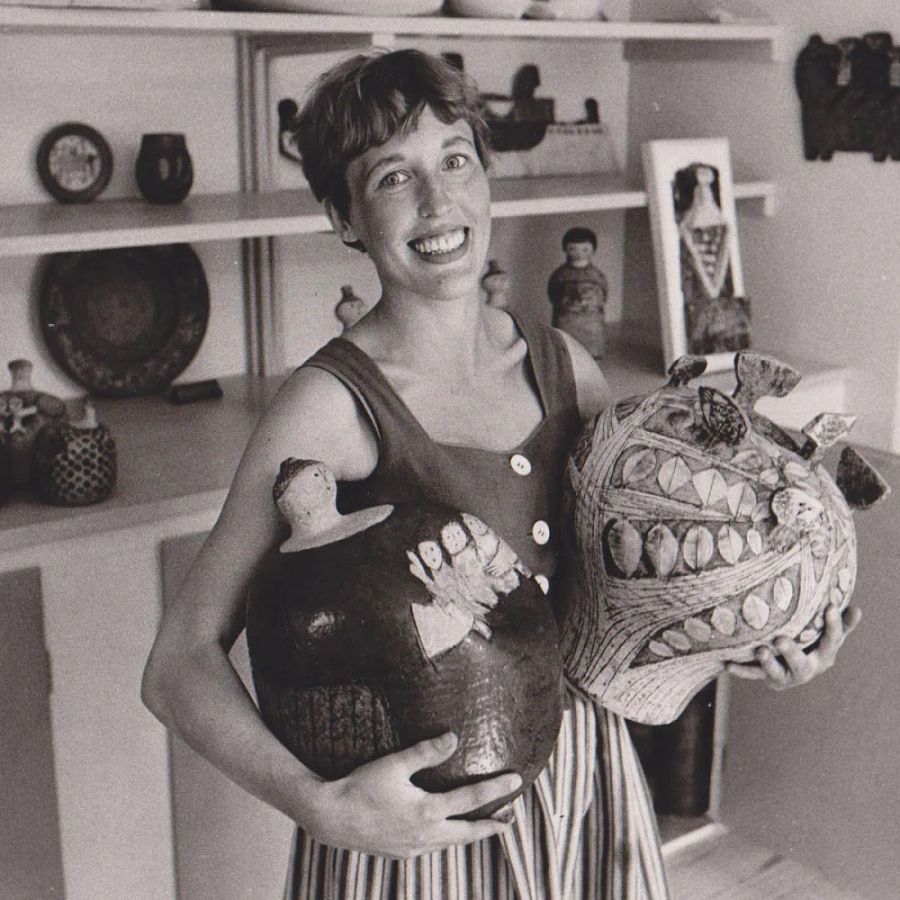
Lisa Larson
Lisa Larson (1931–2024) was one of Sweden's most famous ceramic designers. She was educated in Gothenburg and her career flourished at the Gustavsberg factory, where she worked for over 25 years. She is known for her characteristic figurines, full of warmth and humor, such as the "Little Zoo", "Children of the World" and "ABC-flickorna" series. Her style is a combination of simplicity, rounded forms and human expression. After leaving Gustavsberg, she founded her own studio and continued her work until late in her life. She created not only ceramics, but also glass and bronze. Her works are loved in Sweden and Japan, and Larson herself is considered an icon of Scandinavian design.
Lluís Clotet
Lluís Clotet is a Spanish architect and designer, known for combining function with expressive form. He studied and lectured at the Escola Tècnica Superior d'Arquitectura de Barcelona. Co-founder of the PER studio and BD Barcelona Design. He designed with Óscar Tusquets and later with Ignacio Paricio. Creator of the Hypóstila shelf system and items for Alessi, including: Foix trays and Sarrià baskets characterized by a deformed, irregular form made of steel. His works can be found at MoMA and the Center Pompidou. Awarded many times, including Premio FAD and Premio Nacional de Patrimonio Cultural. Clotet represents an approach in which emotions and materials play as important a role as usability.
Lluís Porqueras
Lluís Porqueras is a Catalan designer and one of the most important figures in Spanish design, born in 1930. After taking architecture courses, he started working on house renovations, and in 1956 he founded Stoa - one of the first design studios in Catalonia. In **1979, together with Jaume Vaquero, he created the Vapor brand, producing simple and functional lamps created in opposition to the technological trends of the time. His approach to design is based on reducing form to its essence - "removing everything unnecessary until it remains simple and useful." He collaborated with companies such as Marset, Mobles 114, Santa & Cole and Targetti and designed iconic lighting such as Claris, Funiculí and the Finisterre city light pole.

Lorenzo Radaelli
Lorenzo Radaelli is an Italian designer born in Milan in 1975, graduated from Bauhaus Universität Weimar in Germany (2001). Specializes in the design of furniture, lighting and consumer products, combining an innovative approach with experiments in form and material. His works are characterized by organic shapes and sensual aesthetics, as seen in his designs for the UMAGE brand, such as the "Ribbon", "Alva" and "Lora" lamps. Radaelli cooperated with renowned companies, including: BTicino, Hitachi, Louis Vuitton and Toyota, and with the legendary Castelli Design studio. Since 2009, he has been running his own design studio, creating products for brands such as Mesa, CaosCreo and Toffolights. His design philosophy is based on creating new languages of expression and transforming innovative concepts into successful products.

Lorenzo Zanovello
Lorenzo Zanovello is an Italian designer and ceramist who has been fascinated with clay since childhood. Currently lives and works in Nove in the Veneto region, known for its centuries-old ceramic tradition. After graduating from the Institute Artistic School in Nove, he started working with his family at the Giovanni Zanovello company, improving his skills in ceramic crafts. His works combine tradition with modernity, using a variety of materials such as wax, wood, silicone, resin and glass. Zanovello is the creator of the "Chouchou" collection - hand-formed ceramic tables and stools that combine functionality with artistic expression. His works have been presented at prestigious exhibitions such as Salone del Mobile in Milan and Maison & Objet in Paris.

Louis Weisdorf
Louis Weisdorf is a Danish designer and architect known for his innovative lamps from the 1960s and 1970s. He graduated from the Royal Academy of Fine Arts in Copenhagen and his career included graphic, industrial and interior design. He collaborated with Tivoli Gardens and designers such as Verner Panton and Poul Henningsen. His most famous designs are the Konkylie, Facet, Turbo and Multi-Lite. His works, produced by Lyfa, have become icons of Danish design. Currently, Weisdorf lamps are offered by the GUBI brand. The designer remains one of the most valued creators in the history of Danish design.

Louise Campbell
Louise Campbell is a respected Danish furniture and lighting designer, known for her experimental approach to form and materials. Her works combine Scandinavian rationalism with poetic lightness, often introducing subtle changes to everyday objects and production processes. After graduating from the London College of Furniture in 1992, she continued her education at the Danish Design School, graduating in 1995. A year later, she founded her own design studio in Copenhagen. She collaborated with renowned brands such as Louis Poulsen, HAY, Muuto, Royal Copenhagen and Georg Jensen. Her most famous designs include the Collage lamp and the Prince Chair, which is part of the MoMA collection. In 2004, she received the prestigious Finn Juhl Prize. Campbell is considered one of the most important figures in contemporary Danish design, combining tradition with modernity.?
Louise Hederström
Louise Hederström is a Swedish furniture designer from Malmö, a graduate of Beckmans School of Design in Stockholm. Her style combines functionality with organic aesthetics, and is often inspired by nature and childhood in the countryside. It cooperates with renowned brands such as Skagerak, Maze Interior, Nola and Offecct. Her designs are distinguished by their graphic form, humor and care for the environment - they are often made of recycled materials. The Grefmar+Hederström duo creates innovative upholstered furniture from recycled materials. Her works have been presented at exhibitions in New York, Miami and Basel. Hederström is known for designs that combine aesthetics with practical application and ecological responsibility.
Louise Liljencrantz
Louise Liljencrantz is a Swedish interior and furniture designer, known for combining elegant minimalism with warmth and luxury. Its aesthetics draws from modernism, but is enriched with soft forms, natural materials and a refined color palette. She founded the Liljencrantz Design studio in Stockholm, implementing prestigious projects for residences, boutiques and commercial interiors. She cooperates with the &Tradition brand, for which she designed, among others, the Margas collection – inspired by Scandinavian hospitality and named after her grandmother. Her designs are characterized by attention to detail, craftsmanship and a timeless character. Liljencrantz consistently builds a recognizable style in which classic elegance meets modern simplicity.
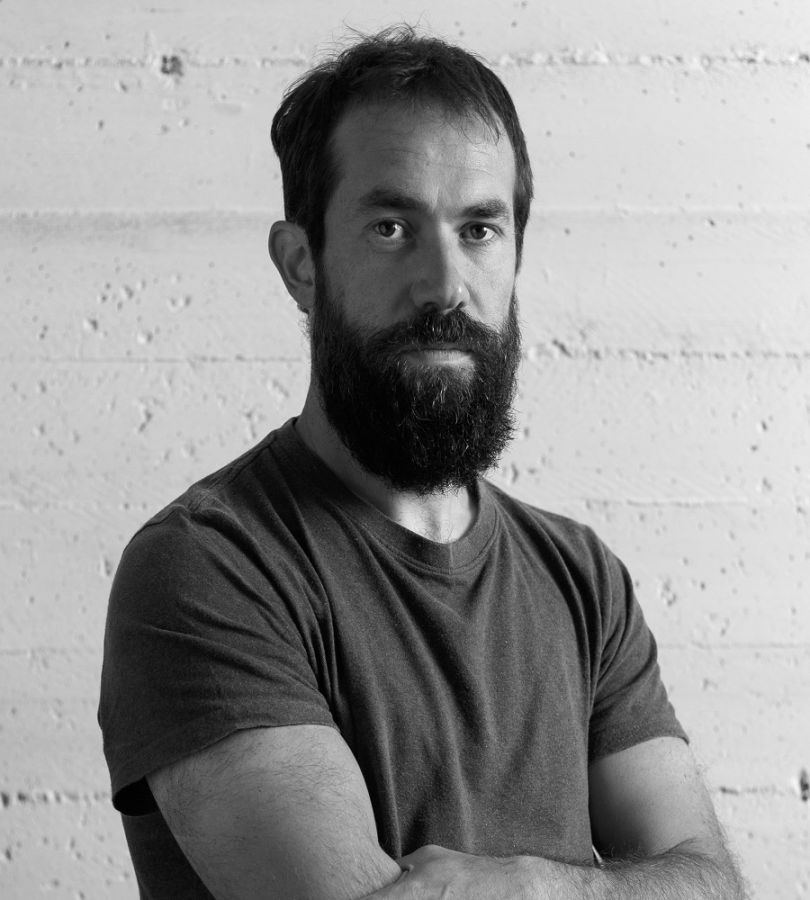
Luca Galmarini
Luca Galmarini is an Italian industrial designer who has been running his own studio in Castellamonte since 2006. He graduated from the Istituto Europeo di Design, and his works are inspired by nature and the simplicity of life. He specializes in creating functional everyday items with organic, minimalist forms. He collaborated with brands such as Blomus and Born in Sweden, designing, among others, "Hummingbird" watering cans and "Insect Station" feeders, which combine aesthetics with utility. His designs are characterized by attention to detail, harmony of shapes and timeless design. Galmarini focuses on simplicity and naturalness, creating products that combine beauty with function and are close to nature.
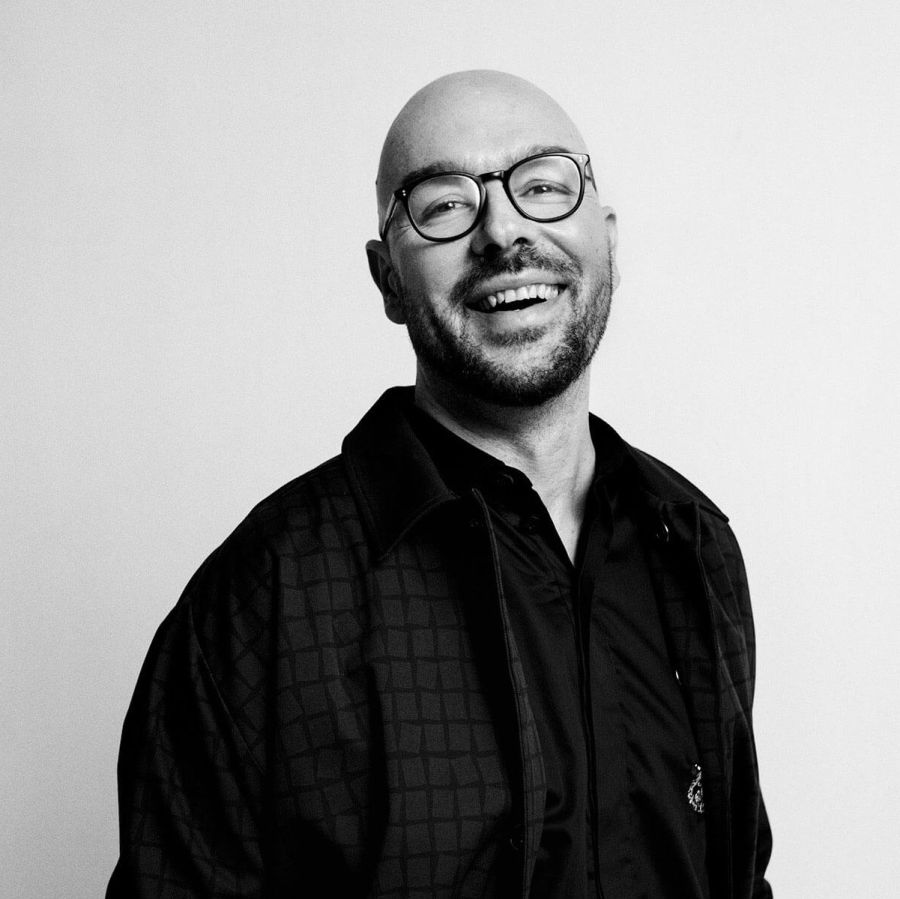
Luca Nichetto
Luca Nichetto is an Italian designer born in 1976 in Venice, raised on the island of Murano, famous for its glass-making traditions. He studied industrial design at the IUAV University in Venice. He began his career designing glass for Salviati and lighting for Foscarini. In 2006, he founded his own studio in Venice, and in 2011, a second one in Stockholm. The artist combines Italian expressive style with Nordic minimalism when creating furniture, lighting and interior designs. He cooperated with brands such as &Tradition and Fritz Hansen. His designs are functional, but filled with emotion and storytelling. He often serves as an art director and juror in design competitions.
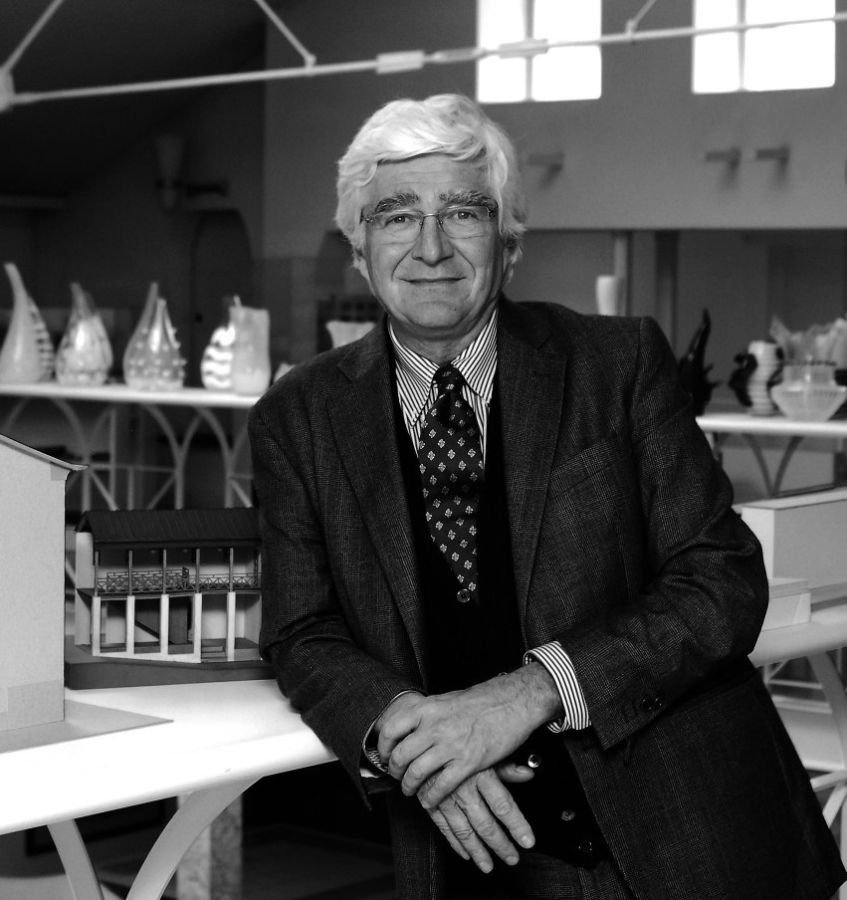
Luca Sacchetti
Luca Sacchetti is an Italian multidisciplinary artist, born in Rome in 1962. After graduating in economics and earning an MBA from INSEAD, he worked for years as an art director and communications specialist in the fashion industry. In 2003, he decided to devote himself to art, presenting his first art design collection "Dreams" in 2004. In 2005–2010 he created collections "Eiffel", "Sleeping Beauty" and "Visions". In 2009, he started painting studies at the Accademia di Belle Arti di Brera in Milan, which he graduated in 2014 year. Since 2010, he has been actively working as a painter, sculptor and designer, participating in numerous individual and collective exhibitions. His works are in the collections of institutions such as Fondazione CRT in Turin, Museo Mario Rimoldi in Cortina d'Ampezzo and the sculpture park Parco del Sojo.
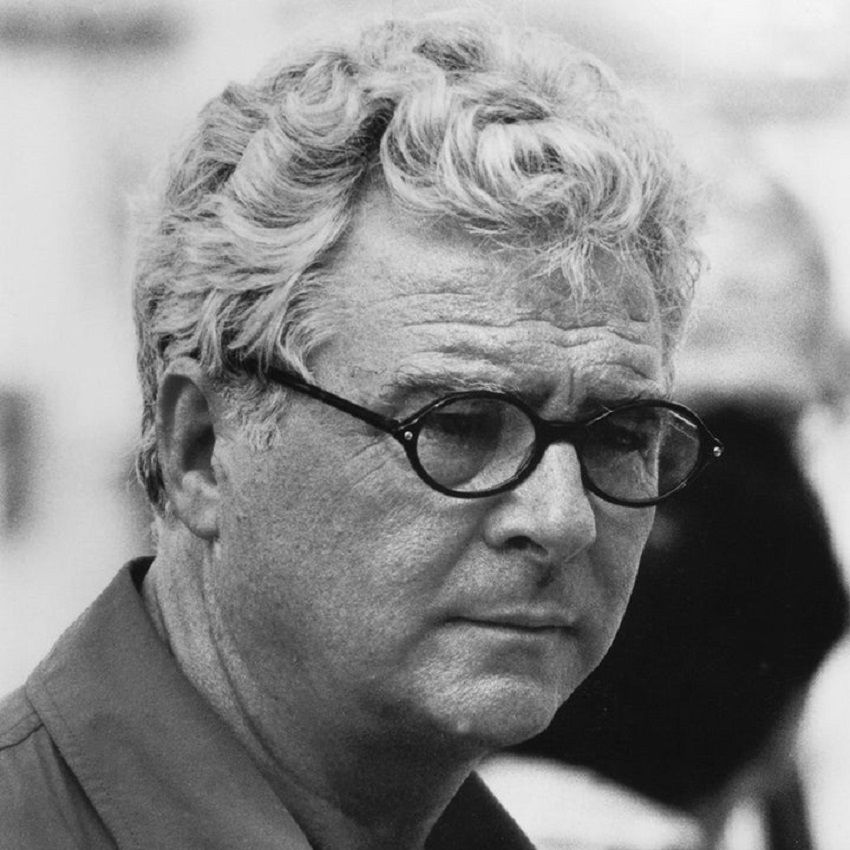
Luciano Vistosi
Luciano Vistosi was an Italian designer and glass master, born in 1931 on the island of Murano - famous for its centuries-old glass-making tradition. From his youth, he was associated with the family workshop, and over time he became one of the most valued creators of artistic glass in Italy. He experimented with form, light and color, creating unique sculptures and lamps with organic, fluid shapes. His works combine craftsmanship precision with modern aesthetics, often taking the form of abstract artistic objects. Vistosi has gained international recognition, and his works have been exhibited in galleries and museums around the world. Associated with the Vistosi brand, to which he gave a new direction, he remains an icon of Italian glass design of the 20th century.
Lucidi & Pevere
Lucidi & Pevere is a renowned Italian duo of industrial designers, Paolo Lucidi and Luca Pevere, known for their innovative approach to form, material and technology. Their studio, founded in 2006, has gained international recognition thanks to its cooperation with prestigious brands from the furniture, lighting and interior design industries, including EMU, for which they designed the iconic Nova collection. Lucidi & Pevere combine functionality with an experimental approach to design, creating products with a distinctive but timeless character. Their designs are characterized by purity of lines, innovation and attention to detail, as well as strong roots in the Italian design tradition. They have won numerous awards for their works, including: Red Dot Award and IF Design Award.

Lucie Koldova
Lucie Koldova is a Czech designer born in 1983, known for her original lighting and furniture designs. She graduated from the Academy of Fine Arts, Architecture and Design in Prague, and then moved to Paris, where she founded her own studio. Her style combines traditional craftsmanship with modern technologies, bold colors and expressive forms. Since 2014, she has been the artistic director of the Czech brand Brokis, for which she designed, among others, the Puro, Ivy, Macaron and Spectra collections. Her designs have been exhibited at international fairs and have won numerous awards.

Ludovica + Roberto Palomba
Ludovica and Roberto Palomba are a duo of Italian architects and designers who have been shaping contemporary design for over 25 years, combining timeless elegance with functionality. In 1994, they founded the Palomba Serafini Associati studio in Milan. Their style is distinguished by the harmony of forms and the skillful use of materials. They create furniture, lighting, bathroom ceramics and accessories for leading brands such as Zanotta, Flos, Foscarini and Laufen. Their projects have been repeatedly awarded with prestigious awards, including Compasso d'Oro and Red Dot Award. Palomba are known for their approach in which design serves people, and space serves emotions and everyday needs.
Ludvig Storm
Ludvig Storm is a Danish designer and creator with a strong artistic flair, known primarily for his work in the areas of product design, graphics and interior decoration. He graduated from Design School Kolding with a specialization in graphics, which gave him a solid foundation for combining visual aesthetics with the functionality of objects. In 2000, together with Nina Lee Storm, he founded the Lee Storm design studio, which gradually evolved into Lee Storm Design (since 2015), carrying out various orders - from visual identification, through utility products, to decorative works.

Ludwig Mies van der Rohe
Ludwig Mies van der Rohe was one of the most outstanding architects of modernism, known for his slogan "less is more". He started his career in Germany, co-creating the aesthetics of Bauhaus, of which he was the last director. After emigrating to the USA, he played a key role in the development of modern architecture, creating such icons as the German Pavilion in Barcelona, the Seagram Building in New York and the IIT campus in Chicago. His designs are characterized by purity of form and the use of modern materials; glass and steel and minimalism. Mies van der Rohe believed that architecture should be timeless and functional, and space should be open and clear. Its influence on world architecture remains enormous to this day.

Luigi Semeraro
Luigi Semeraro is an Italian product and interior designer, born in 1978 in Varese. He graduated from the Faculty of Design of the Politecnico di Milano, where he developed interests in product design, interior design and graphics. During his career, he cooperated with, among others: with Mario and Claudio Bellini and the Lorenz-Kaz studio, implementing projects for brands such as Heller, Caimi, Frezza, Natuzzi and DePadova. Since 2007, he has also been developing his own design activity, presenting his works during the Salone Satellite in Milan. For Miniforms he created, among others: Matassa, Matassina and Tripode collections. His work combines furniture and interior design with an interest in street art, resulting in projects using various materials, expressive forms and non-obvious solutions.
Luigi Vittorio Cittadini
Luigi Vittorio Cittadini is an Italian-French product designer, born and raised in Casablanca, currently living in Valencia. He graduated from the Politecnico di Milano with a bachelor's degree in industrial product design (2011) and a master's degree in design and engineering (2013). He started his career in renowned Milan studios: Atelier Mendini and Studio Giovannoni. From 2016, he presents his designs during Milan design weeks, collaborating with brands from Europe and other continents. His works, such as the "Curious", "Around The World" and "Butler" collections for UMAGE, are characterized by a combination of Italian design tradition with a note of irony and contrast. Cittadini has won numerous awards, including the Golden Pin Design Award, Must Have Poland and Best of the Year 2022 awarded by Interior Design Magazine. His design philosophy is based on adaptability to the brand's needs while maintaining a unique style.
Luis Arrivillaga
Luis Alberto Arrivillaga is a Guatemalan designer who combines engineering precision with artistic sensitivity. He graduated in mechanical engineering from Rafael Landívar University in 2005 and then continued his studies in Milan, earning two master's degrees in industrial design and interior design. Collaborated with renowned brands such as Bolia, MDF Italia, Ex.t and Kendo Mobiliario. His designs, such as the "Dana" lamp inspired by optical art or the "Stan" table referring to the works of Piet Mondrian, are characterized by minimalist form, experiments with geometry and light and attention to detail. Arrivillaga has gained international recognition, including: winning the MDF Italia + Cristalplant competition in 2011. Currently runs his own design studio in Milan, where he continues to create innovative and functional designs.

Luisa Battaglia
Luisa Battaglia is an Italian designer and artistic director of SCAB Design, a well-known company specializing in furniture design. She graduated in architecture from the Politecnico di Milano and joined the company in 1990, playing a key role in creating modern collections. In 2018, she took up the position of artistic director, responsible for the selection of projects and cooperation with designers. Her designs, such as the Miss B, Diablito and Zebra chairs, combine functionality with aesthetics and are characterized by an innovative approach. Luisa puts great emphasis on comfort of use and consistency with the surroundings. Her works have been appreciated at international exhibitions, and the design itself is distinguished by its attention to detail and simplicity of form.
Lundgaard & Tranberg
Lundgaard & Tranberg is a renowned architectural studio, known for its innovative and sustainable projects. The company combines modern aesthetics with functionality, creating spaces that fit harmoniously into the surroundings. Lundgaard & Tranberg's designs are characterized by attention to detail, ecological solutions and a well-thought-out spatial structure. The team of architects uses advanced technologies and innovative materials, which allows for the implementation of bold and at the same time durable structures. Their approach is based on creativity, interdisciplinarity and close cooperation with investors, which guarantees unique and timeless effects.
Maciej Karpiak
Maciej Karpiak is one of the most innovative Polish designers, specializing in multidisciplinary design. A graduate of the Faculty of Interior Design at WSSU in Szczecin, graduating with honors in 2004. Already during his studies, he won numerous awards and scholarships, and in 2003, he was the first Pole to present prototypes of his furniture at SaloneSatellite in Milan. Since 2004, he has been running his own studio, Office for Design, implementing over 100 proprietary industrial designs and several hundred projects in the field of interior design, furniture and architectural concepts. He collaborated with brands such as Hugo Boss, MINI, Volvo, Labra and Bejot.

Mads K. Johansen
Mads K. Johansen is a Danish designer who specializes in creating modern, functional furniture and utility items. His style combines minimalist, Scandinavian aesthetics with an innovative approach to form and material. In his designs, he focuses on the balance between minimalism and refined detail, ensuring comfort of use and durability. He cooperated with, among others: with the renowned GUBI brand, where his designs gained recognition for their freshness and elegance. Johansen believes that design should be both beautiful and practical, and a well-designed object should make everyday life easier. His works are characterized by clarity of form and respect for craftsmanship, thanks to which they fit perfectly into the tradition of Scandinavian design.

Mads Odgard
Mads Odgård is a Danish designer who has stood out on the international design scene for years. His approach to design is based on functionality and aesthetics, creating objects that combine modern technologies with a minimalist, Danish style. Odgård became famous for his designs in lighting, furniture and accessories, often experimenting with form and materials. His works are characterized by innovation, attention to detail and practicality. The artist designs with the user in mind, focusing on durability and comfort. During his career, he has cooperated with many renowned brands, and his products have gained recognition all over the world.
Mads Seatter-Lassen
Mads Sætter-Lassen is a Danish designer who, together with Emil Krøyer, founded the Krøyer-Sætter-Lassen design studio in 2016 Copenhagen. Their approach to design combines Scandinavian simplicity with functionality, creating objects that are both aesthetic and practical. Sætter-Lassen graduated from the prestigious Royal Danish Academy of Fine Arts in Copenhagen and studied at the Rhode Island School of Design and the Pratt Institute in New York. His interdisciplinary education allows him to combine elements of interior design with furniture crafts, metalwork and ergonomics. As a supporter of democratic design, he focuses on simplicity and functionality, preferring to show the beauty of materials instead of unnecessary decorations.
Magnus Lofgren
Magnus Löfgren is a Swedish interior and utility designer who has been running his own studio since 1985. It specializes in creating furniture, lamps, candlesticks and vases, combining functionality with the aesthetics of Scandinavian design. His most famous designs are the Shell candlestick, the Focus vase and the Tablo table, which have gained international recognition and have been presented in prestigious museums such as MoMA in New York and the Center Pompidou in Paris. Löfgren is the co-founder of Design House Stockholm, for which he designs modern and timeless products. His style is characterized by simplicity of form, creativity and respect for the tradition of Scandinavian design.
Maija Puoskari
Maija Puoskari is a Finnish designer born in 1978 in Tornio, currently running her own studio in the Kallio district of Helsinki. Her work focuses on the design of lighting, ceramics and interior furnishings, combining pure forms with functionality. The inspiration comes from nature and the Finnish landscape, which is visible in projects such as the series of Terho and Tatti lamps, made of blown glass and alder wood. Puoskari completed her bachelor's degree at Kuopio Academy of Design in 2003 and her master's degree at Aalto University in 2009. Collaborates with international brands such as the Danish company Mater and the Finnish Nuppu, creating products that combine aesthetics with an ecological approach to materials. Her works have been presented at numerous exhibitions in Finland and abroad, gaining recognition for their harmonious combination craftsmanship tradition with modern design.

Maja Ganszyniec Studio
Maja Ganszyniec is a renowned Polish designer specializing in the design of furniture and consumer products. A graduate of interior design at the Academy of Fine Arts in Krakow and Design Product at the Royal College of Art in London. W In 2013, she founded her own design studio in Warsaw. Her approach to design combines innovation with responsibility, focusing on creating user- and environmentally friendly objects. She has cooperated with many renowned brands, such as IKEA, DUKA, Comforty, Noti and Ceramika Paradyż. In 2017, she was honored with the title of Designer of the Year by the Institute of Industrial Design, and in 2022 her studio was nominated for the Dezeen Awards in the Emerging Design Studio of the Year category.

Makers With Agendas
Makers With Agendas is a Copenhagen-based design studio founded in 2013 by Julien De Smedt, William Ravn and Wouter Dons. Their approach, called "agenda-driven design", involves creating products that respond to specific social and environmental needs. Studio focuses on functionality, flexibility and aesthetics, creating thoughtful designs that combine simplicity with a profound message. Among them implementation includes, among others: the "Accordion" table, which, thanks to its structure, is extremely compact and easy to transport. Makers With Agendas cooperates with brands such as UMAGE, for which they have designed, among others: "Butterflies" hangers. Their works are available in the UMAGE offer and are recognized for combining tradition with modern design. Studio is actively involved in projects promoting sustainable development and conscious design.

Manfred Jostmeier
Manfred Jostmeier is a German industrial designer who has been working for renowned porcelain, glass, ceramics and metal manufacturers since 1989. His designs are characterized by minimalist form, aesthetics, timelessness and functionality. He cooperates with the PHILIPPI brand, for which he designed, among others, Pearl candlestick, Log wood stand, Rotare spoons and Charly nut dispenser. I draw inspiration from intuition, impulses, reflections and dreams, striving to create surprising and innovative products. Jostmeier believes that good design should be understandable and meet high quality standards. His works combine simplicity with elegance, which makes them unique and appreciated in the world of design.
Marc Morro
Marc Morro is a Spanish furniture designer born in Majorca, living and working in Barcelona. He studied industrial design at Elisava, and his designs are characterized by functionality, simplicity and honesty of materials. He is the co-founder of the AOO studio, where he promotes local craftsmanship and a minimalist approach to design. Morro avoids unnecessary decorations, focusing on ensuring that items serve the user well. He cooperates with international brands such as HAY, for which he designed, among others: Taburete 8 – a bar stool with a strict but well-thought-out form. His philosophy is to design furniture that is modest, functional and durable, according to the principle: "a chair is a chair, a table is a table."
Marcantonio
Marcantonio Raimondi Malerba is an Italian designer and artist, known for boldly combining art and design. His designs are distinguished by a surreal approach, play with form and unusual combinations of materials that give everyday objects an artistic character. He cooperates with the Seletti brand, creating iconic collections of furniture, lighting and accessories that are not only functional, but also decorative. Marcantonio's style combines humor, refined aesthetics and creativity, making his designs recognizable all over the world. His works find their way into both modern and avant-garde interiors, offering unique design for people who value art in everyday life.
Marcel Breuer
Marcel Breuer was a Hungarian-American architect and designer, one of the pioneers of modernism. He studied at the famous Bauhaus in Weimar and later became a teacher there himself. He became famous for his furniture designs made of bent steel tubes, including the iconic Wassily armchair, which revolutionized the approach to form and material. Breuer transferred the principles of functionalism from furniture making to architecture, creating modern buildings with raw concrete forms, such as the La Tourette monastery or the Whitney Museum in New York. His works were characterized by minimalism, innovation and formal courage. Breuer combined the technical possibilities of industry with the aesthetics of modern life, leaving a lasting mark on both design and architecture of the 20th century.

Marcel Gascoin
Marcel Gascoin was a French designer and interior architect, considered one of the pioneers of modern design in France after World War II. Known for creating functional, modular furniture that responded to the needs of a rebuilding society. Gascoin combined minimalism with practicality, creating furniture sets for small spaces, often for state-supported housing programs. His approach to design was based on rationality, order and ergonomics, which made his works innovative at a time when the decorative style dominated. He collaborated with young designers such as Pierre Guariche and Joseph-André Motte, influencing the development of French modernism. Today his designs are being produced again, including: by GUBI, and considered timeless classics.

Marcel Wanders
Marcel Wanders is one of the most recognizable contemporary designers, known for his bold, theatrical style and combining classic with modernity. Born in the Netherlands, he gained international fame thanks to the design of the Knotted Chair (1996), and his works are characterized by rich ornamentation and a strong emotional charge. In 2001, he co-founded the Moooi brand, to which he still gives a distinctive, artistic direction. Wanders designs furniture, lighting, ceramics, as well as interiors of hotels and residences. His projects balance on the border of design and art, delighting with their form, scale and narrative. Known for his slogan "bringing the human touch back to design", he brings poetics, irony and emotion to design.
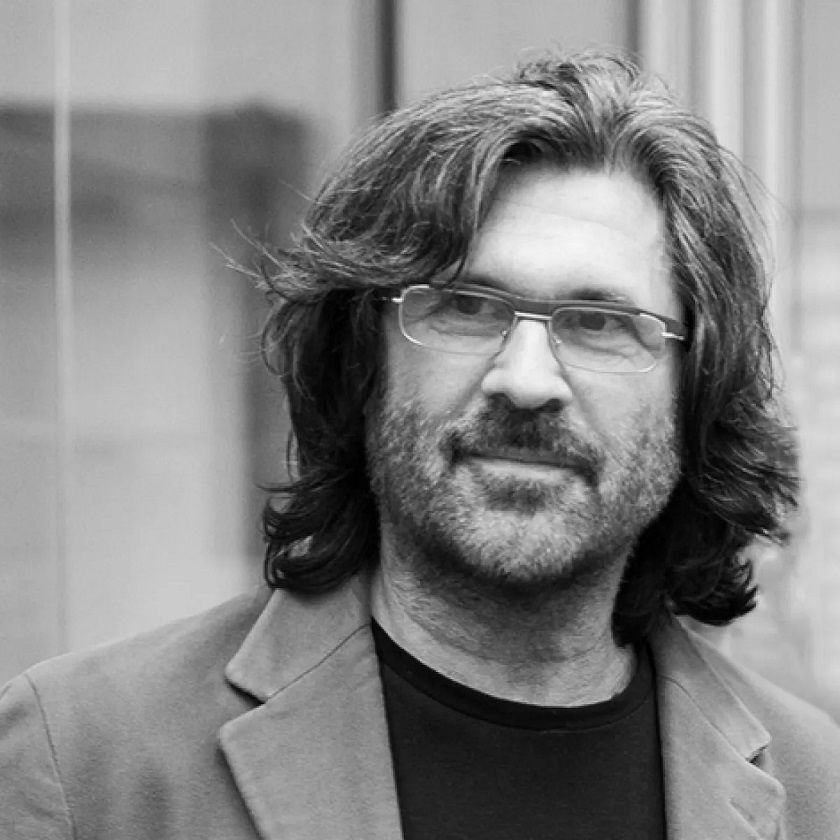
Marcello Jori
Marcello Jori is an Italian artist, designer and author who combines visual art with industrial design. He graduated in Dramatic, Musical and Visual Arts (DAMS) from the University of Bologna. Since 1977, actively participates in national and international exhibitions, including three times at the Venice Biennale. His work includes painting, photography, sculpture and design, as well as writing. Jori is the author of many works, including the series "Scritture", "Teatrini", "Cristalli" and "Gioie", which are characterized by dynamic forms and rich colors. As a designer, he has collaborated with renowned brands such as Alessi and Moroso, creating everyday objects with an artistic character. His works have been presented in prestigious museums and galleries around the world.

Marcello Ziliani
Marcello Ziliani is an Italian architect and designer who graduated from the Politecnico di Milano in 1988, under the supervision of Achille Castiglioni. After three years of working abroad, he returned to Italy, focusing on the design of furniture, lighting, accessories and scenography. His approach combines functionality with aesthetics, with an emphasis on sustainability and "human-centered design". Ziliani has collaborated with renowned brands such as Flos, Roche Bobois, Pedrali, Ethimo, Calligaris and Magis. He is also a professor of product design at the University of San Marino / IUAV since 2011. His designs have won numerous awards, including Good Design Award, Archiproducts Design Award and Iconic Award.
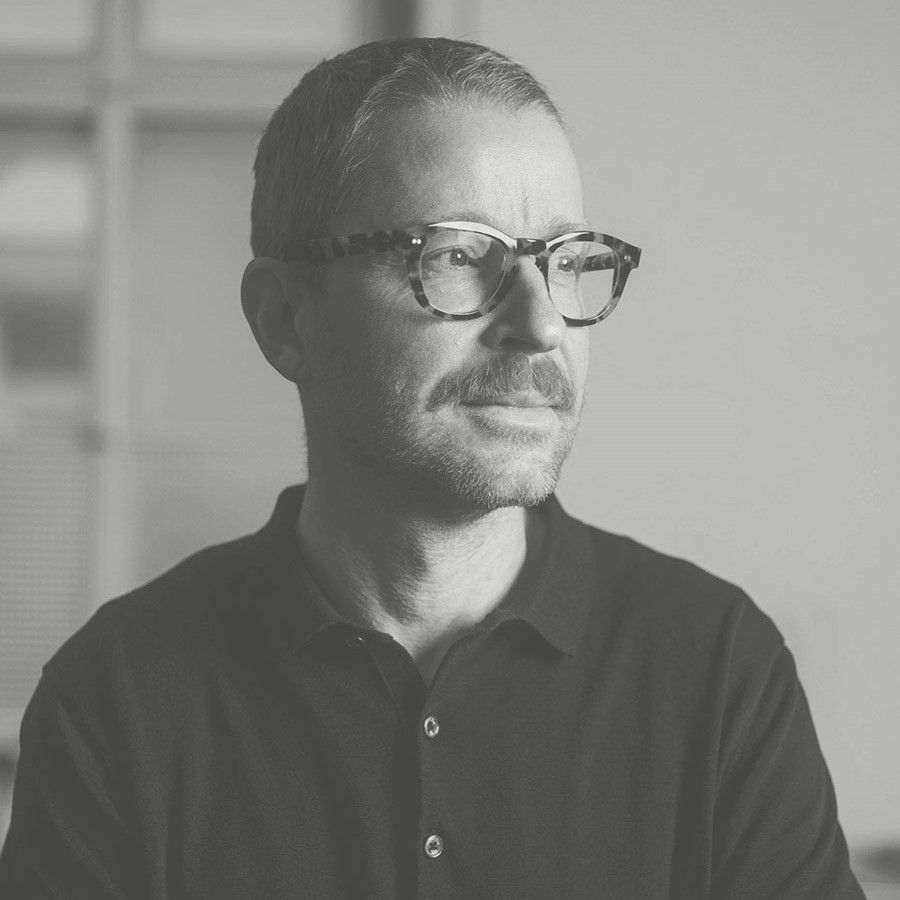
Marco Dessí
Marco Dessí is an Austrian industrial designer, founder of the multidisciplinary design studio Studio Marco Dessí in Vienna. After completing his apprenticeship as a dental technician, he studied industrial design at the University of Applied Arts in Vienna. Since 2008, he has been working with international clients such as Wittmann, Thonet, Richard Lampert, Lobmeyr, Augarten and MAK – Museum of Applied Arts and Contemporary Art in Vienna. His approach to design is based on interaction and cooperation, treating the design process as a dialogue with the client and understanding his production methods. Dessí does not commit to one style or material, but allows the production process and materials shaped the aesthetics and narrative of the project. His works include furniture, lighting and spatial solutions, combining functionality with aesthetics and timeless design.
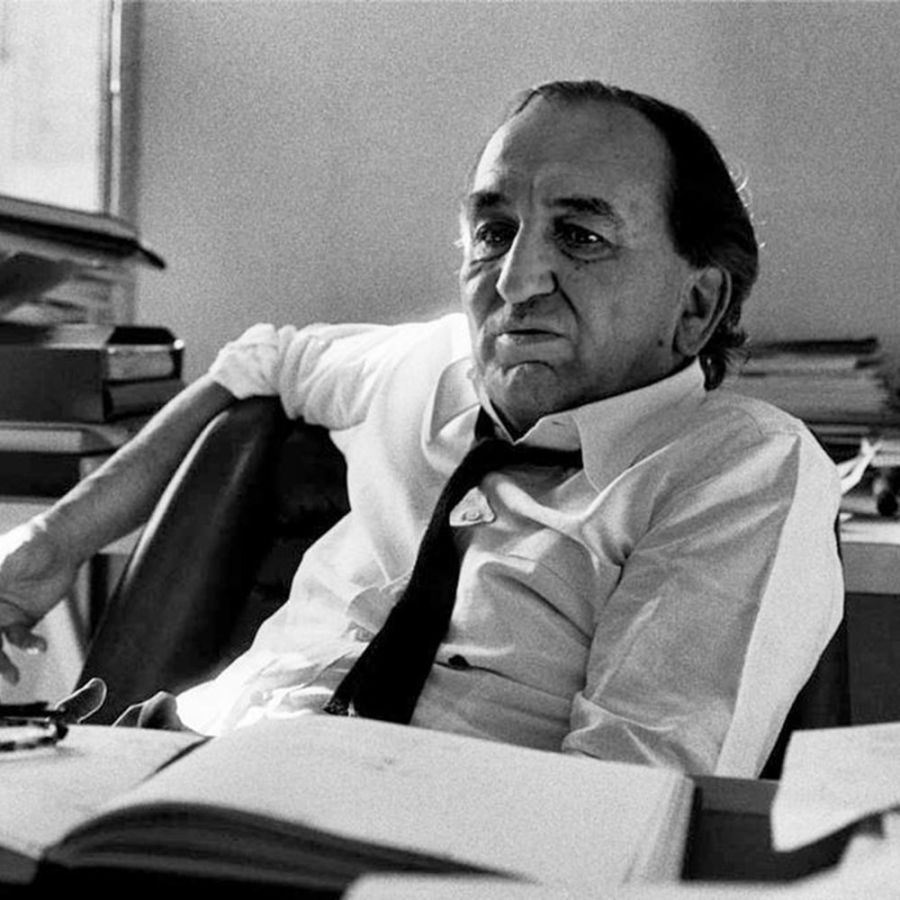
Marco Zanuso
Marco Zanuso was one of the most important Italian designers and architects of the 20th century, a pioneer of industrial design and modernism. He studied architecture at the Politecnico di Milano, and from the 1940s he actively participated in shaping a new approach to the design of everyday objects. He cooperated with brands such as Arflex, Brionvega, Kartell and Olivetti. Zanuso became famous for its innovative approach to materials and technology, an example of which is the Lady armchair (1951) - the first piece of furniture made of polyurethane foam and rubber. In a duo with Richard Sapper, he created iconic electronic products, such as the TS502 radio for Brionvega. His designs stood out for their elegance, ergonomics and innovative solutions. Zanuso was also a professor and design theorist who had a huge influence on the development of contemporary design.
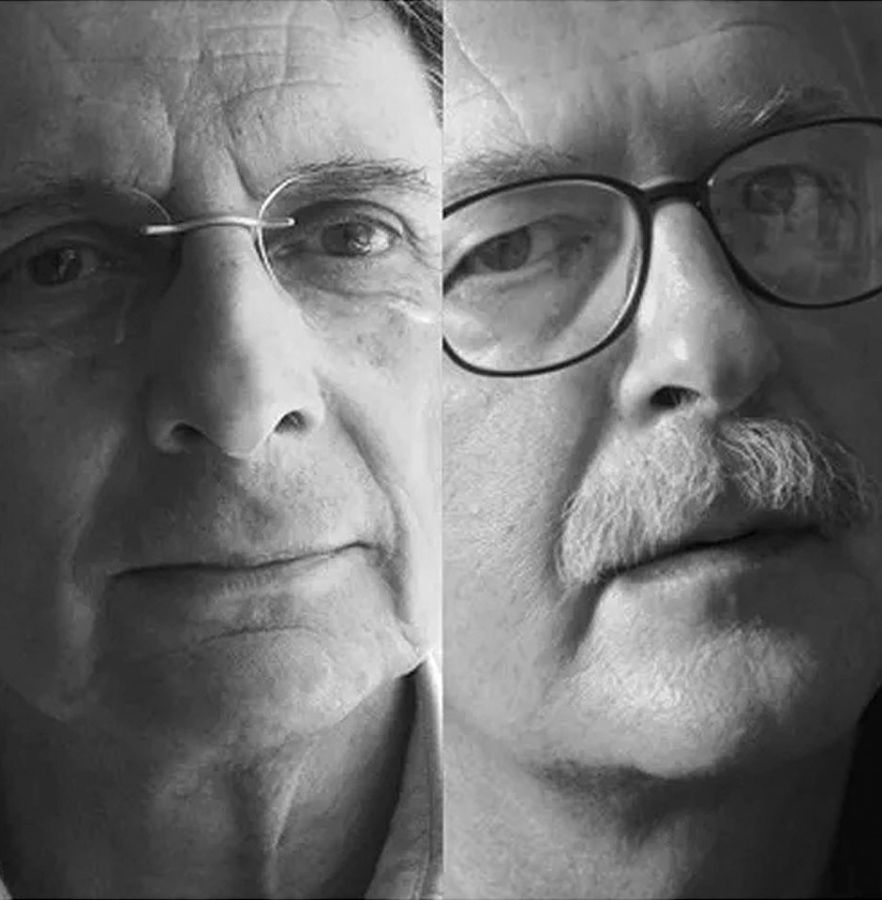
Marelli & Molteni
Marelli & Molteni is an Italian duo of designers Carlo Marelli and Massimo Molteni, graduates of the Politecnico di Milano. In 1977, they founded a multidisciplinary studio in Cantù, specializing in architecture, industrial design and interiors. Their works are characterized by formal abstraction, precise geometry and a clear division of elements, which gives the designs clarity and elegance. They have collaborated with many renowned brands such as Porada, Lema, Roche Bobois, Calligaris and Alf DaFrè, creating products that combine craftsmanship with modern design. In their portfolio there are also architectural designs of public and private buildings and renovations of sacred buildings of high artistic value.
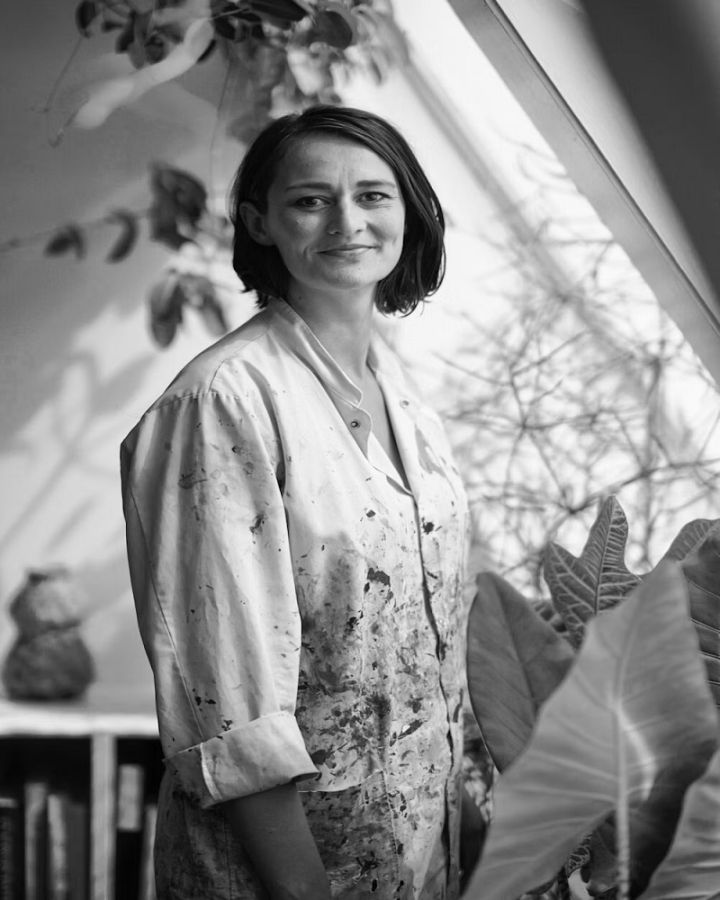
Margrethe Odgaard
Margrethe Odgaard is a renowned Danish designer who specializes in working with color, pattern and material. A graduate of the Royal Danish Academy of Fine Arts and the Rhode Island School of Design, she gained professional experience, among others. at the Parisian fashion house EPICE. Her works balance between aesthetics and functionality, and each project is based on a deep understanding of the relationship between man and the environment. Odgaard believes that color and texture influence our emotions and everyday well-being. He cooperates with many well-known brands, such as Muuto, HAY, Georg Jensen and Skagerak. Her work has won numerous international awards, including: Danish Art Foundation and Red Dot Award.
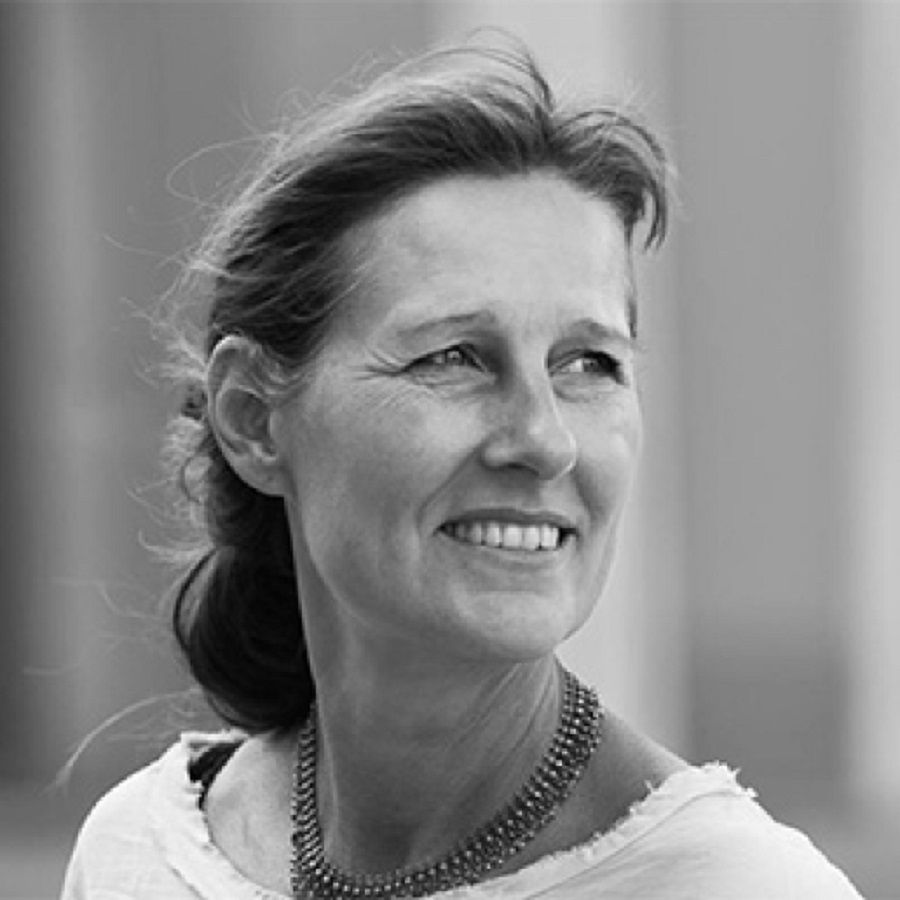
Maria Berntsen
Maria Berntsen is a Danish industrial designer, graduate of the Royal Danish Academy of Fine Arts and L'École d'Architecture de Bordeaux. Since 1992, she has been running her own studio in Copenhagen, specializing in the design of lighting, furniture and home accessories. She has collaborated with renowned brands such as Georg Jensen, Holmegaard, Rosendahl and Stelton. Her projects such as the "Design with Light" series for Holmegaard or the "Soft Spot" lamps for Rosendahl, combine functionality with aesthetics. Berntsen values intuition in the creative process, striving to create forms that are both useful and and emotionally engaging.
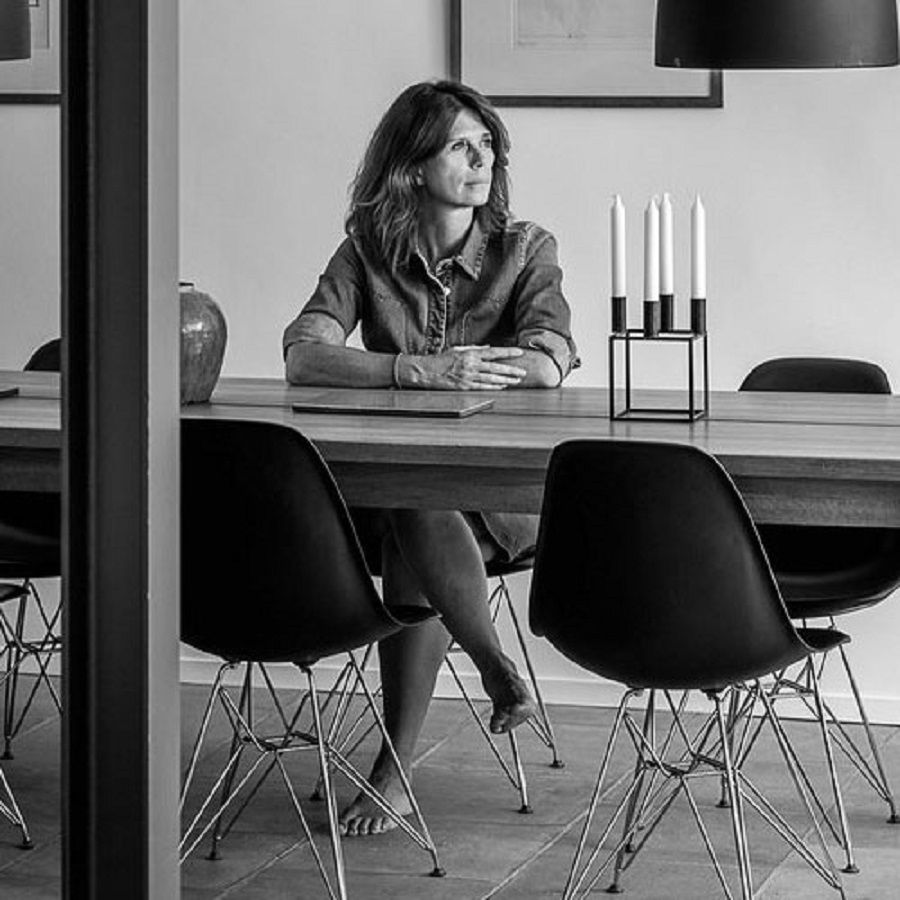
Maria Zachariae
Maria Zachariae is a Danish architect and furniture designer whose work is characterized by authenticity, functionality, craftsmanship and simplicity. She draws inspiration from the cities and cultures where she has lived and traveled for many years. Her designs combine Scandinavian aesthetics with international influences, creating timeless and elegant forms. She cooperates with renowned brands such as Fritz Hansen, for which she creates furniture with minimalist design and high-quality workmanship. Zachariae focuses on creating objects that are not only aesthetic, but also practical and durable, reflecting her approach to design with respect for the user and the environment.
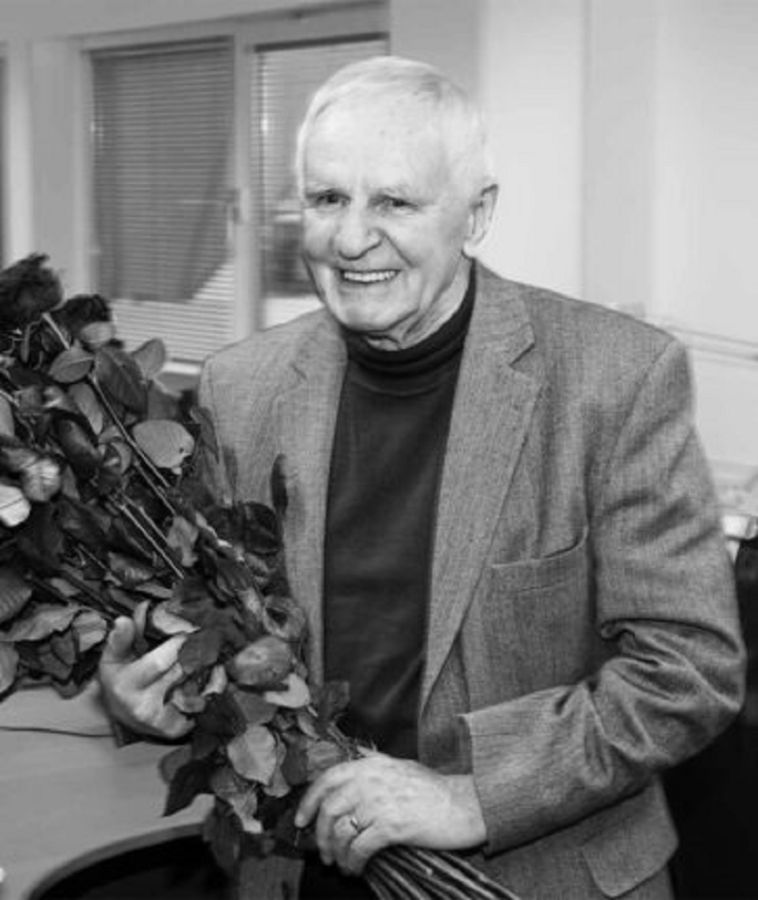
Marian Grabiński
Marian Grabiński is a Polish designer and craftsman specializing in creating furniture, whose work is based on a combination of traditional carpentry techniques with modern design. His works are characterized by attention to detail, refined simplicity of form and high functionality. Grabiński likes to use natural materials, especially wood, emphasizing its texture and unique grain pattern. In his designs, he focuses on ergonomics and durability, thanks to which his furniture is not only aesthetic, but also timeless. He cooperates with Polish brands and manufacturers, often fulfilling individual orders.

Marianne Abelsson
Marianne Abelsson is a Swedish designer and artist, known for her innovative textile and utility designs. She graduated from Textilinstitutet in Borås and has been working with Design House Stockholm since 1997. Her most famous collection, Pleece, made of pleated microfleece, gained international acclaim and was available in the MoMA Design Store for over 20 years. Abelsson combines design with art, experimenting with different materials such as glass and ceramics. It also creates clocks, candlesticks and textile collections for well-known brands. Her works are inspired by the nature and architecture of winter landscapes, which gives them a unique character.
Marianne Andersen
Marianne Andersen is a Norwegian industrial designer who completed her Master's in Industrial Design at the Oslo School of Architecture and Design in 2013. Currently working as a designer at the renowned Anderssen & Voll studio. Her designs were presented at international fairs in New York, Milan, Paris, Tokyo and Stockholm. Andersen combines a pragmatic approach with a child's curiosity, which allows her to discover new perspectives in design. She believes that understanding the user and context influences the aesthetics, function and complexity of the product. Her philosophy is that the true value of design lies in in its usefulness and durability.

Marie C Dorner
Marie C. Dorner (Marie?Christine Dorner) is a French designer, interior architect and set designer whose work combines elegance, precision and a deep understanding of the relationship between man and space. A graduate of the prestigious École Camondo in Paris, she began her career with a year-long stay in Tokyo, where she designed the first furniture collection for IDEÉ. After returning to Europe, she worked in London and Paris, running her own design office and creating both private interiors and public spaces.
Her extensive achievements include cooperation with many recognized brands, such as Ligne Roset, Montis, Bernardaud and Baccarat, and interior architecture projects - from the residences of French ambassadors to restaurant interiors and municipal facilities. TheUne Forme, One Shapecollection, presented in Paris, Tokyo and Kyoto, shows her passion for perfection in form and material. Marie?Christine Dorner won the Grand Prix du Design de la ville de Paris and was honored with the title of Chevalier de l'Ordre des Arts et des Lettres for her contribution to the culture of design.
Marie Michielssen
Marie Michielssen is a Belgian designer and illustrator, known for creating unique collections of furniture and lighting for the renowned brand Serax. Her designs combine artistic sensitivity with functional design, combining traditional craftsmanship with a modern approach to interiors. Michielssen is distinguished by her attention to detail - her works often feature handmade elements, natural materials and subtle forms inspired by nature. Thanks to this, each lamp, piece of furniture or decoration from her collection becomes not only a utilitarian item, but also an artistic element, bringing character and sophistication to the interior.
Mariken Steen-Forgaard
Mariken Steen-Forgaard is a Norwegian visual artist with a background in communication design, specializing in creating functional objects with narrative elements. Her work combines aesthetics with philosophy, exploring abstract concepts such as memory, imagination and perception. Often uses available materials, giving them new life and context. She collaborated with the Northern brand, for which she designed the Echo textile collection. The series includes pillows and blankets made of certified merino wool, inspired by the changing shades of the sky meeting the sea. Straight lines and subdued colors give the interior a subtle elegance.
Mario Bellini
Mario Bellini is one of the most outstanding Italian designers and architects of the 20th and 21st centuries, whose work combines innovation, elegance and functionality. Born in Milan in 1935, he gained international recognition as the author of furniture, industrial products, and spectacular architectural designs. His cooperation with design icons such as Cassina, B&B Italia, HAYor Vitra resulted in the creation of timeless furniture that is still synonymous with Italian design. Bellini has won the prestigious Compasso d'Oro award eight times, and his works are included in the permanent collection of MoMA in New York. The artist is distinguished by the ability to combine sculptural forms with ergonomics and practicality.
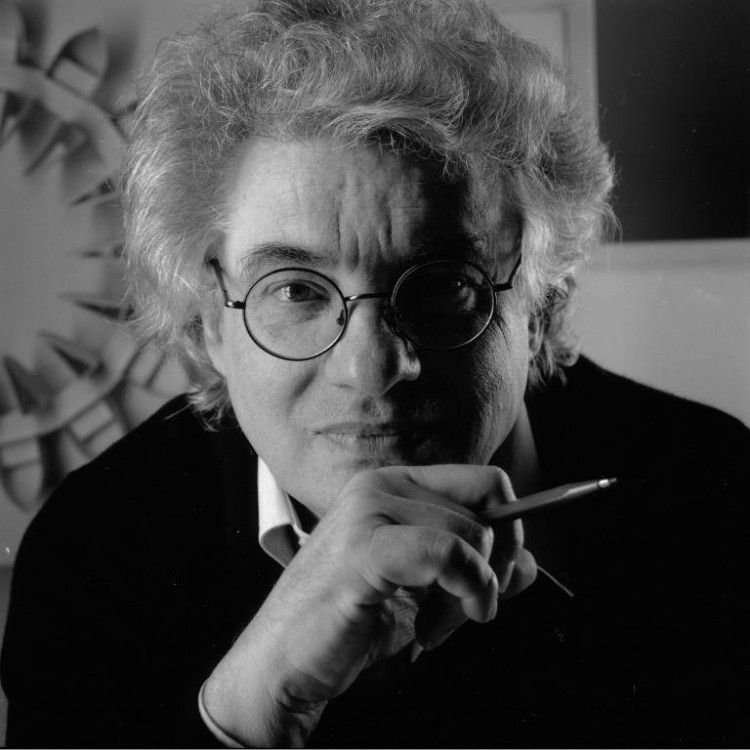
Mario Botta
Mario Botta is a Swiss architect and designer, born in 1943 in Mendrisio. Known for his expressive style combining modernity with geometric precision and historical inspirations, he creates both public buildings and religious buildings. His designs are characterized by massive form, strong rhythm, the use of natural materials and light as a key architectural element. Botta designed, among others: Church of St. John the Baptist in Mogno, the Museum of Modern Art in San Francisco and many prestigious private houses and theaters. As an interior and furniture designer, he cooperated with companies such as Artemide and Alias. In 1996 he founded the Academy of Architecture in Mendrisio. His work is a dialogue between modernity and tradition, space and spirituality.
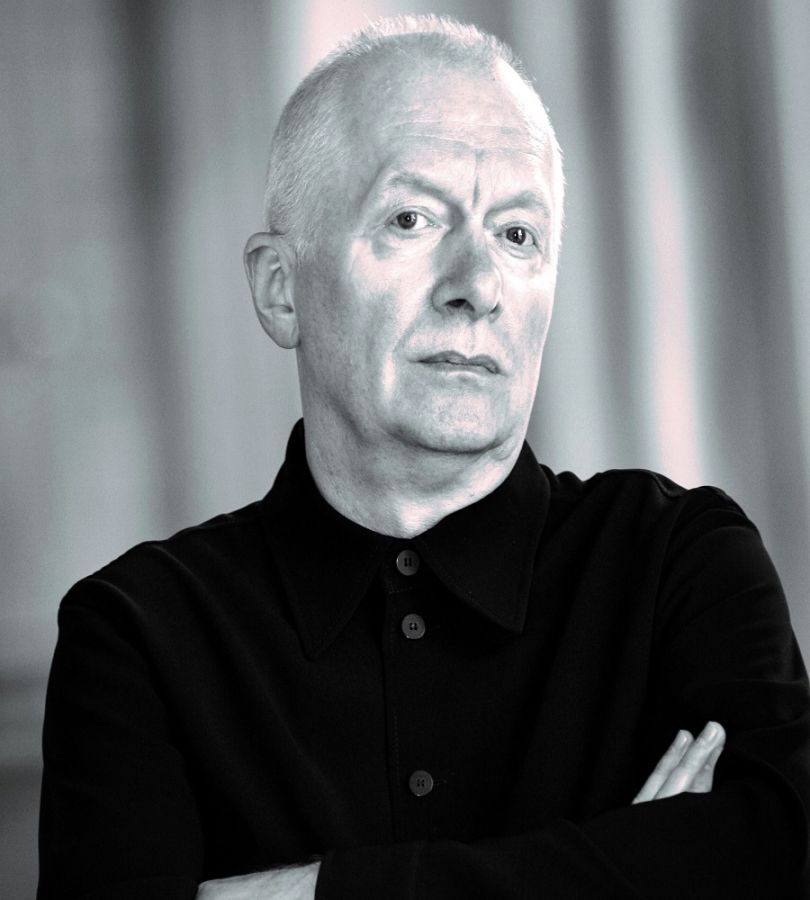
Mario Taepper
Mario Taepper is a German designer specializing in modern, functional industrial design. Known for its minimalist approach, it combines aesthetics with utility, creating everyday products with a distinctive form and high-quality workmanship. His designs are characterized by precision of detail, harmony of proportions and timeless elegance. He collaborated with renowned brands in the furniture and home accessories industry, gaining recognition both in Germany and abroad. Taepper often uses natural materials, such as wood or metal, emphasizing their authenticity. His works were presented at international design fairs, where they stood out for their consistency of style and attention to ergonomics. Thanks to a balanced approach to form and function, Mario Taepper is building the brand of a conscious, innovative and responsible designer.
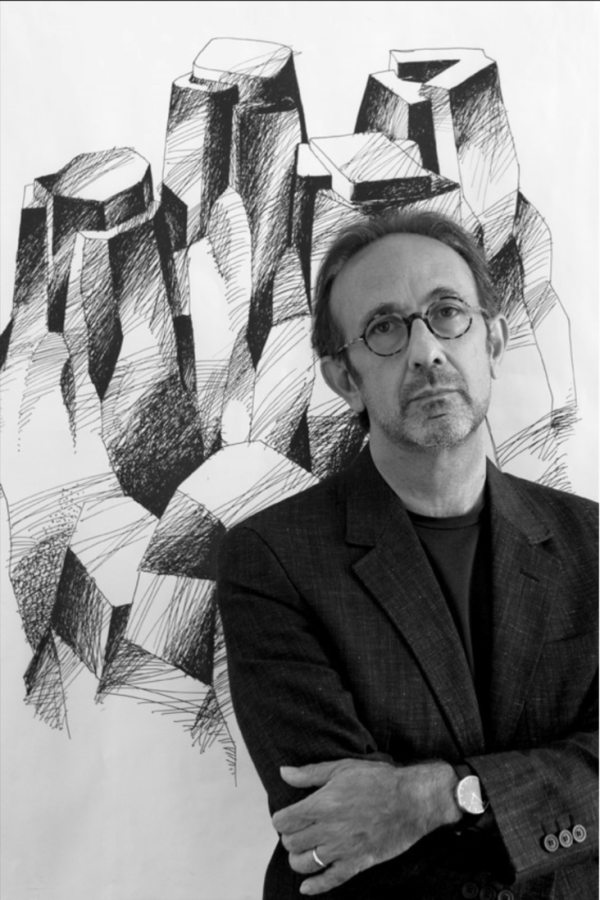
Mario Trimarchi
Mario Trimarchi is an Italian designer, architect and design theorist, known for his poetic approach to form and function. He studied architecture in Palermo and then collaborated with Ettore Sottsass. In 1999, he founded his own studio, Fragile, where he creates projects balancing between art and utility. His works for the Alessi brand, such as the Ossidiana kettle or the La Stanza dello Scirocco bowl, combine emotionality, geometry and experiment with materials. Trimarchi treats design as a tool for telling stories and evoking emotions, often drawing inspiration from everyday observations and architecture. In 2016, he received the prestigious Compasso d'Oro award. His work is a dialogue between intuition and technique - sensual, reflective and full of meaning.
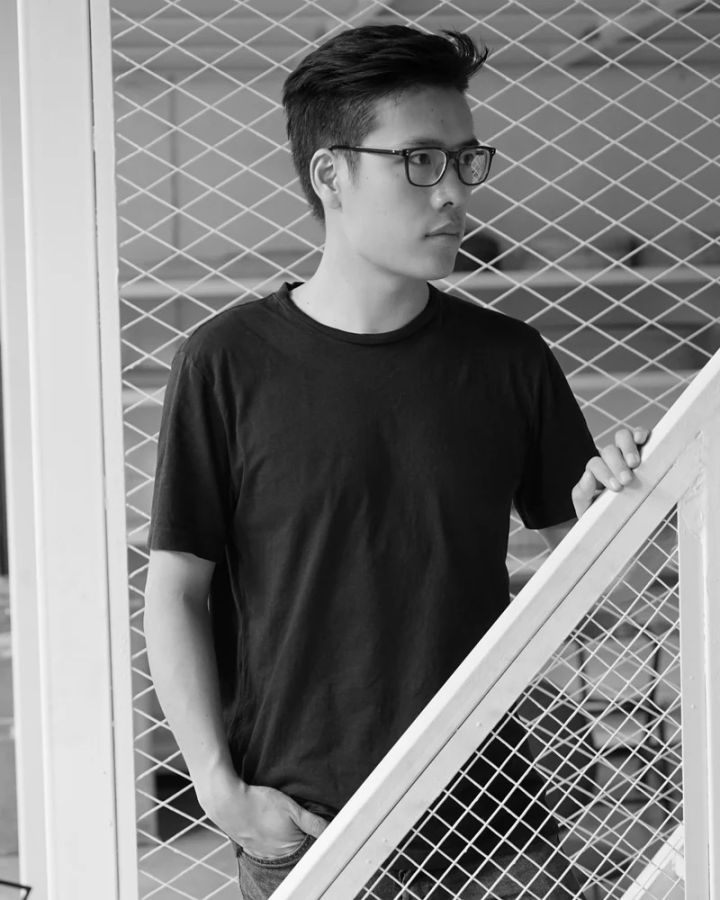
Mario Tsai
Mario Tsai is a Chinese designer who founded his design studio in Hangzhou in 2014. He specializes in designing furniture, consumer products and artistic installations, combining modern technologies with craftsmanship. His approach design is based on material research and experimentation, striving to create products that are both functional and aesthetic. Studio Mario Tsai collaborates with international brands such as Ferm Living and Woud to create furniture and lighting collections that combine minimalist design with innovative technological solutions. An example of his work is the Rough collection, which was created from reflection on uncertainty and errors in the design process, presenting raw forms and materials.
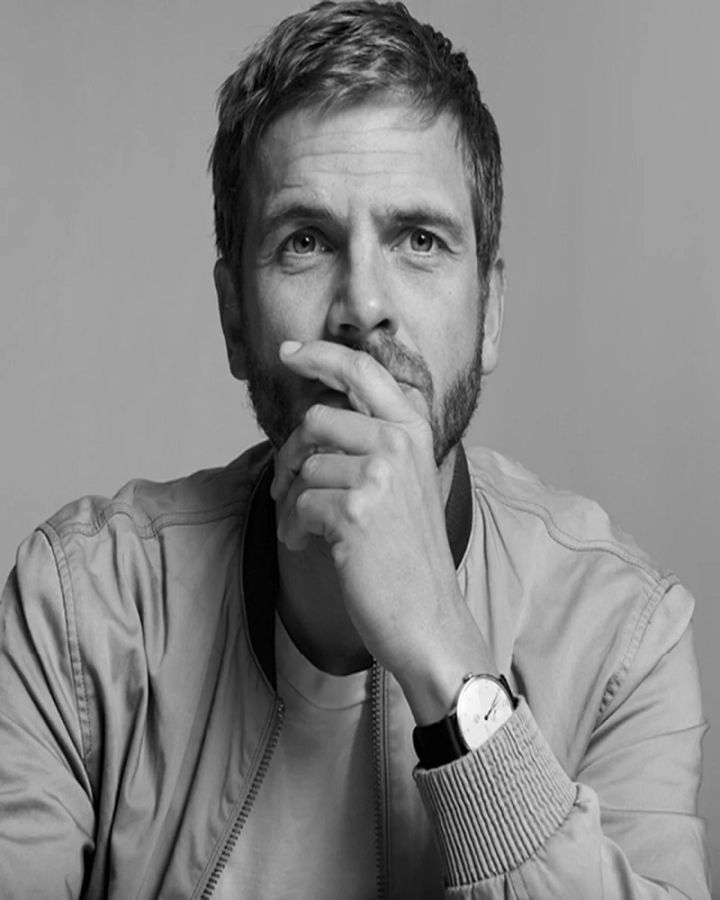
Mark Braun
Mark Braun is a German industrial designer born in 1975, who has been running his own design studio in Berlin since 2006. His portfolio includes cooperation with renowned companies such as Nomos Glashütte, Lobmeyr, Thonet, Conmoto, E15 and Northern. Braun specializes in the design of furniture, watches, lighting and everyday objects, combining aesthetics with functionality. After completing his apprenticeship as a carpenter, he studied industrial design at the University of Applied Sciences Potsdam, Design Academy Eindhoven and the University of Fine Arts Halle. His approach to design combines craftsmanship with modern technologies, which allows him to create products with a timeless character.
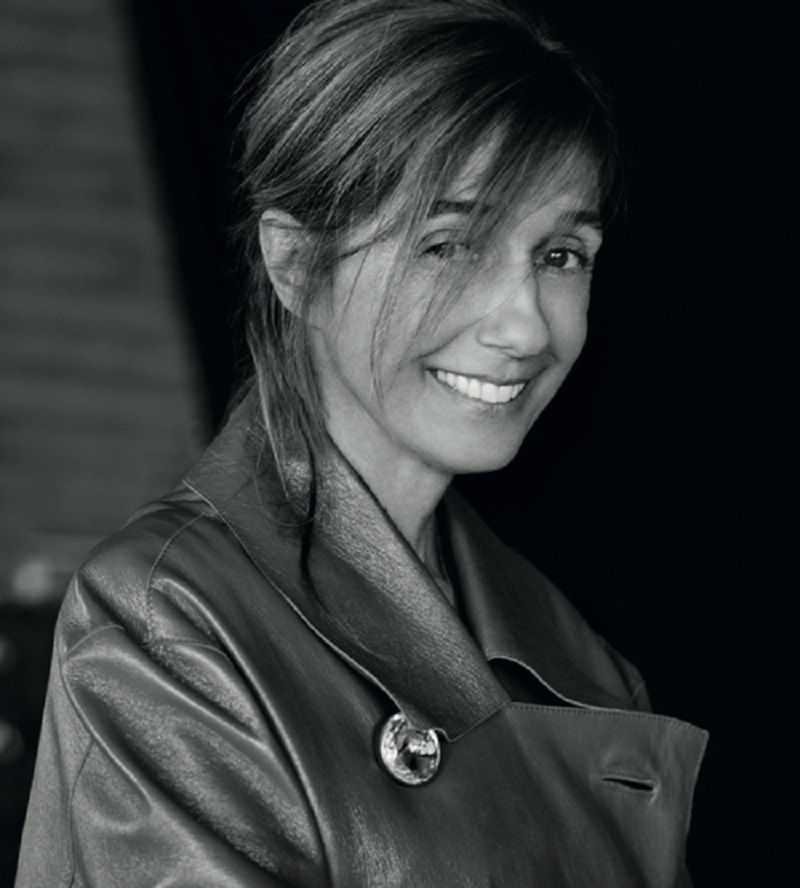
Marni
Marni is an Italian fashion house, founded in 1994 by Consuelo Castiglioni, known for its bold designs combining modern aesthetics with an artistic character. The brand is famous for its unconventional collections of clothing, accessories and interior accessories, distinguished by their colors, geometric patterns and creative approach to form. Marni's cooperation with renowned design producers, such as Serax , allows you to create unique, limited collections of decorations and ceramics that combine fashion with functional design.
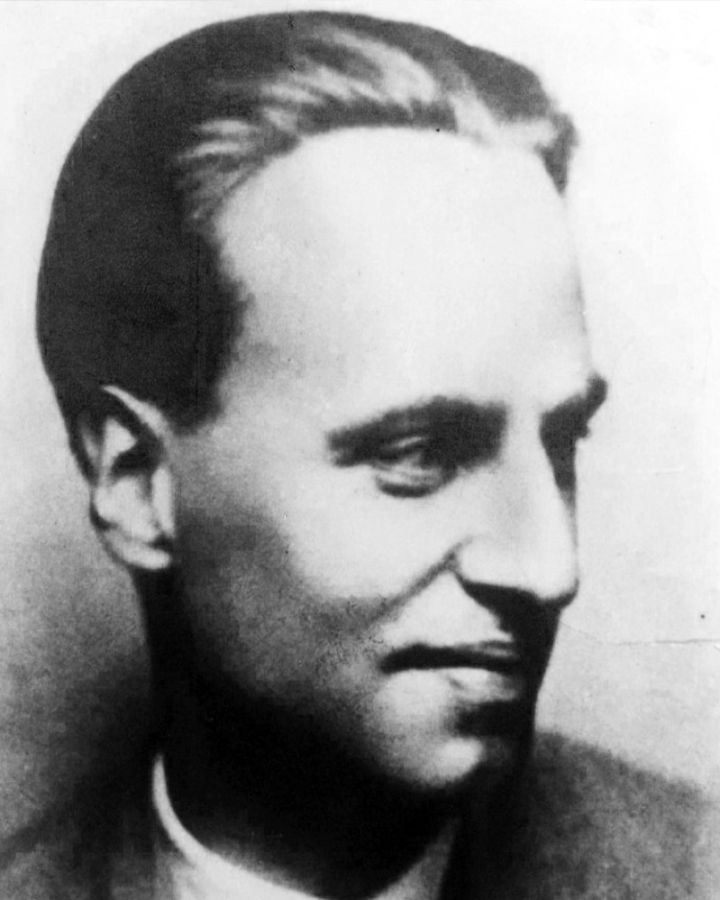
Mart Stam
Mart Stam was a Dutch architect, urban planner and furniture designer, one of the pioneers of modernism. He became famous for creating the first chair on a steel frame without rear legs, the so-called cantilever chair, which became an icon of Bauhaus and modern design. His works were simple, functional and based on the idea of "form following function". Stam took part in the designs of the famous Weissenhof estate in Stuttgart and had a major influence on the development of modern residential architecture. He was also an active lecturer, shaping new generations of architects and designers in Germany, the Netherlands and the Soviet Union. His minimalist, industrial approach to design had a huge impact on the development of 20th century design.
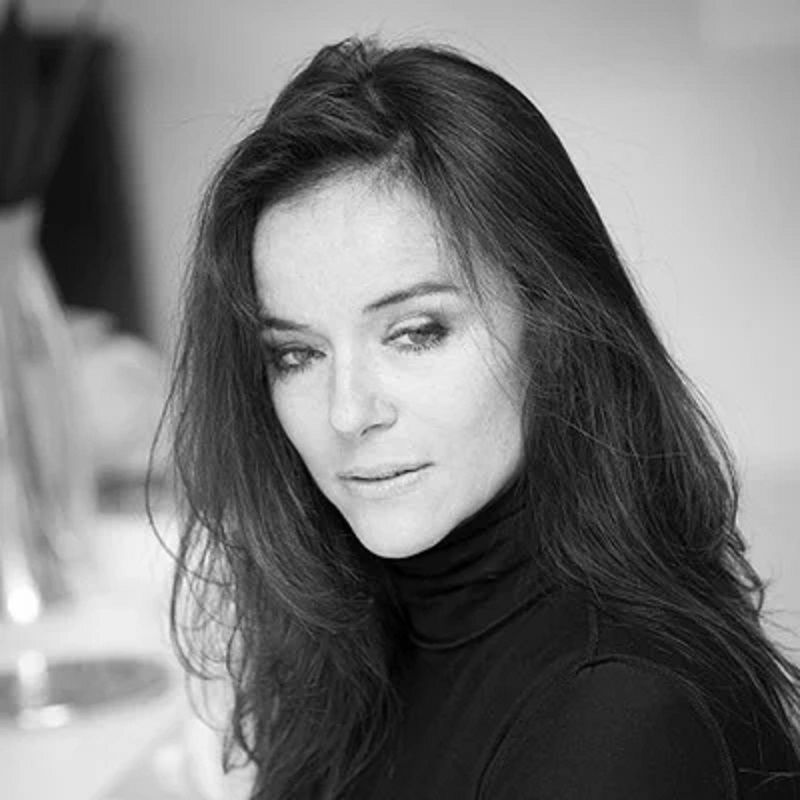
Marta Sansoni
Marta Sansoni is an Italian designer and architect from Florence, a graduate of the University of Florence, where she defended her thesis "Un edificio per il culto" (1990). Her project was awarded at the Salon International de l'Architecture in Paris and at the Triennale di Milano. In the years 1990–1996 she conducted seminars in the field of interior design at the University of Florence. As a designer, she collaborates with renowned brands such as Alessi, IVV, Martinelli Luce, Antinori, Visconti, Serralunga, Bitossi, Pampaloni and Stayer. She created two distinctive collections for Alessi: "Cactus!" and "Ba-Rock", as well as individual projects such as "Folpo", which was recognized in the International Design Yearbook 1999. Her works have been presented in prestigious museums such as MoMA in New York, the Museum of Contemporary Art in Chicago and the Milwaukee Art Museum.
Martin Drechsel
Martin Drechsel is a German-Swiss industrial designer appreciated for his minimalist, functional design and sustainable approach to design. He studied design, engineering and management, combining creativity with practical thinking. He gained experience in international design studios in London, Zurich, Berlin, Milan and Amsterdam. His style was also shaped by the reality of growing up in the GDR, which influenced his focus on durability and economy of form. Drechsel cooperates with prestigious brands, including: EMU, for which he created a modern collection of garden furniture, Apero, distinguished by its lightness and elegant simplicity. His designs combine aesthetics with ergonomics, creating durable, useful and timeless products.

Martin Lauritsen
Martin Lauritsen is a Danish industrial designer who specializes in creating durable and emotionally engaging furniture. His approach to design combines high quality workmanship with aesthetics inspired by music, which aims to evoke positive emotions in users. Working with the Bolia brand, Lauritsen designed, among others: theFlorcollection, which includes loungers, benches and bar stools, and theVala series, which includes desks, shelves and mirrors. His designs, such as theEida coffee table andTimawall clock, are characterized by minimalist design and functionality. Lauritsen runs her own studio in Denmark, where she continues to create furniture that combines Scandinavian aesthetics with modern solutions.
Martin Solem
Martin Solem is a Norwegian designer living in Copenhagen, known for his modern, functional designs inspired by the Scandinavian tradition of craftsmanship. Before he began his studies at the Royal Danish Academy of Fine Arts, he gained experience in the famous Rud carpentry workshop. Rasmussen. His works are characterized by a simple, clear form, high quality of workmanship and attention to detail. He collaborated with brands such as HAY, for which he designed, among others: Kofi table, and from Bernhardt Design, Capellini and Flos. He presented his designs at international exhibitions in Paris, London and Stockholm.
Mask Design
Mask Design is a design studio founded by Matilde Sessolo, combining creativity with a functional approach to design. The studio specializes in designing interiors, furniture and furnishings that are distinguished by modern aesthetics and attention to detail. Inspirations are drawn from architecture, art and contemporary trends, which allows us to create spaces that are elegant, practical and tailored to the individual needs of the client. Mask Design combines precision of workmanship with artistic vision, offering designs that harmoniously fit into modern living rooms, offices and open spaces.
Massimo Broglio
Massimo Broglio is an Italian architect and designer born in 1964, graduate of the Politecnico di Milano. In 1988, he founded his own studio in Zanè (Veneto), which has been implementing projects in the field of architecture, design and visual identification for over 30 years. His work includes renovations of historical buildings as well as modern residential, industrial and commercial spaces. Broglio cooperates with renowned brands such as Antonio Lupi, CEA Design, Olev, Trabà and Corà, creating products characterized by a minimalist and functional design. His famous projects include: the "Edith" chair collection and "Jens" tables for Trabà, the "Shawà" shower tap for Antonio Lupi and the "Circle" fittings series for CEA Design.
Massimo Giacon
Massimo Giacon, born in 1961 in Padua, is a versatile Italian artist working in Milan as a draftsman, illustrator, designer, musician and performer. Since the 1980s, he has contributed to the revival of Italian comics, publishing in magazines such as "Frigidaire", "Linus" and "Nova Express". In 1981, he co-founded the multimedia project TRAX, combining art, music and performance. W In 1985, he began working with Ettore Sottsass, designing for companies such as Alessi, Swatch, Artemide and Memphis. His designs include ceramics, glass, fabrics and everyday objects use. As a musician, he released the albums "Horror Vacui" (1996) and "La Città Ideale" (2003), and currently performs with the band Massimo Giacon & The Blass. Since 1997, he has been teaching at the Istituto Europeo di Design in Milan. His work combines pop art, irony and mass culture, which makes him one of the most original figures of Italian design and contemporary art.
Mathias Hahn
Mathias Hahn is a German designer and artist whose work combines modern minimalism with refined geometric aesthetics. He specializes in designing lamps and everyday objects in which form meets function in a harmonious, almost sculptural way. His works are characterized by simplicity, lightness and a subtle sense of movement, and he treats each project as a small artistic installation. Hahn collaborates with leading lighting brands, including Marset, creating lamps that combine design innovation with practical use.
Mathieu Gustafsson
Mathieu Gustafsson is a Swedish-French furniture designer whose work combines Scandinavian simplicity with French elegance. Born in Sweden, he grew up between Paris and Småland, which influenced his approach to design - conscious, refined and functional. He studied graphics, carpentry and furniture design, which translates into his attention to detail and quality of workmanship. He is the creator of the well-known Air collection - light rattan cabinets for Design House Stockholm. He worked as a creative director in renowned design studios, including: Tengbom and Grand. Gustafsson is also committed to the development of sustainable materials such as PaperShell. His designs reflect concern for the environment, innovation and craftsmanship precision.

Mathieu Matégot
Mathieu Matégot was a Hungarian-French designer and artist who brought a unique artistic sensibility to the world of design. Trained as an architect, he had a talent for combining functionality with sculptural form. Known for his Rigitulle technique - bent, perforated sheet metal, which he treated like a fabric - he created light, dynamic furniture and lamps that resemble spatial compositions. He cooperated with, among others: with the Gubi brand, which brought back his designs, such as the Nagasaki chair, the Copacabana armchair and the Kangourou table. After 1959, he devoted himself entirely to creating monumental abstract tapestries that decorate public institutions, including: National Library of Australia. Matégot remains one of the most poetic creators of modernism - combining art, craft and industry.

Matias Mollenbach and Nick Rasmussen
Matias Møllenbach and Nick Rasmussen is a Danish designer duo, known for creating modern furniture that combines functionality with refined aesthetics.
Matias Møllenbach graduated from Central Saint Martins and Royal Danish Academy of Fine Arts. In 2018, he founded his own studio in Copenhagen, where he collaborates with craftsmen, creating timeless objects with unique forms.
Nick Rasmussen started his career as an architect and then graduated Master's in Furniture Design. Currently runs Luddo Studios in Copenhagen, dealing with product design, architecture and art for clients around the world. Their joint creation is the "Ready Dining Chair" for the Audo Copenhagen brand. This design, inspired by classic cantilever chairs, is characterized by a suspended seat and backrest, which gives it lightness and modern look. ?Møllenbach and Rasmussen are renowned for their ability to combine traditional craftsmanship with modern design, creating designs that are both aesthetically pleasing and functional.

Matteo Cibic
Matteo Cibic is an Italian designer known for combining design, art and craft in a surreal, often humorous way. He was born in 1983 in Vicenza and has collaborated with many international brands such as Benetton, Scarlet Splendor and Vitra. His designs, including furniture, ceramics, glass and artistic objects, are characterized by anthropomorphic forms, bold colors and fanciful details. Cibic often gives objects a personality that pushes them beyond the boundaries of utility. He is the winner of numerous awards, including: Elle Deco International Design Award. His studio in Milan is a space of experimentation, where he combines new technologies with traditional craftsmanship, creating objects on the border of design and conceptual art.
Matteo Fogale
Matteo Fogale is a Uruguayan designer born in 1984 in Montevideo, currently living in London. He graduated in industrial design from the IUAV University in Venice. Fogale gained experience in renowned studios, including Patricia Urquiola and Nichetto & Partners. In 2013, he founded his own design studio in London, where he created unique furniture designs, combining craftsmanship with modern industrial processes. His works are characterized by minimalism and functionality. He collaborated with brands such as &Tradition, Carl Hansen & Søn and Sutherland. Fogale's designs have been presented at international exhibitions, and he is also involved in education by giving lectures on design.
Matteo Thun
Matteo Thun is an Italian architect and designer, known for his holistic approach combining design, nature and sustainability. He studied with Oskar Kokoschka and Ettore Sottsass, with whom he co-founded the Memphis collective - a movement rebelling against classical design principles. Thun designs buildings, interiors, furniture and ceramics, often drawing on local traditions and natural materials. He cooperated with, among others: with the Artemide, Illy and Duravit brands. His style is a balance between function, simplicity and emotion. Winner of many awards, it is appreciated for its timeless, sustainable design.
Matteo Zorzenoni
Matteo Zorzenoni is an Italian designer known for his unique approach to materials and craftsmanship, which he combines with modern design. His style is characterized by experimenting with form, texture and production techniques - especially when working with glass and ceramics. He worked, among others, for brands such as Miniforms, Cappellini, NasonMoretti and Mercedes-Benz. Zorzenoni was also an assistant to the legendary designer Jaime Hayón, which clearly influenced his aesthetic sensitivity. His designs are characterized by sensuality, lightness and a clear reference to traditional Italian craftsmanship, but in a fresh, contemporary approach. He creates everyday items that delight with their form and quality of workmanship. Currently, he runs his own design studio in Treviso and cooperates with many brands in Europe.
Matthias Demacker
Matthias Demacker is a German designer born in 1970 in southern Germany. He studied design at FH Niederrhein in Krefeld, and during his studies he gained experience by working in various design offices on exhibition projects. After graduating, he moved to Munich, where he worked with renowned companies such as Ideal Standard, Bene, Wittmann and Interlübke. In 2003, he founded his own studio, Demackerdesign, focusing on creating modern, functional furniture and utility products. Demacker has achieved international recognition, receiving awards such as Interior Innovation Award (2005), Red Dot Design Award (2007) and Good Design Award (2010). His design philosophy is based on the principle: "make something unique but simple" . He has collaborated with many well-known brands, including Softline, Sovet Italia and Hitch Mylius, creating designs that combine aesthetics with practicality.
Matti Klenell
Matti Klenell is a Swedish designer known for his unique approach to form, function and craftsmanship. He graduated from Konstfack in Stockholm, and in 2000 he founded his own studio. He designs glass, furniture and lighting for brands such as Iittala, FontanaArte, Moooi, Kosta Boda and Offecct. Its style combines functionality with expressive aesthetics and inspiration from applied art. He is known, among others, from the Nappula collection and the Bianca lamp. Klenell explores the relationship between handicraft and industrial production, seeking harmony between artistic expression and everyday use. His works have been exhibited in the most important design museums in Scandinavia. Winner of numerous awards, including: Red Dot and EDIDA.
Mattia Di Rosa
Mattia Di Rosa is an Italian designer born in 1969 in Carrara, known for his experimental approach to design, in which chance and mistakes play a key role. Since 1992, he has been collaborating with Alessi, creating iconic everyday objects. His most recognizable design is the series of kitchen containers "Gianni a little man holding on tight", in which the small figure "Gianni" seems to hold the lids from the inside, giving the products a humorous and human character. Di Rosa often collaborated with Stefano Giovannoni, with whom he created, among others, "Fruit Mama" cake stand and "Bimboveloce" cake stand. His designs combine functionality with a narrative approach to form, introducing an emotional dimension to everyday objects. Di Rosa's works have been presented at many exhibitions and design auctions, and his work remains an example of the Italian approach to design, where fun and innovation go hand in hand with everyday functionality.
Mattias Stenberg
Mattias Stenberg is a Swedish designer, architect and engineer who has been running his own design studio in Stockholm since 2010. He graduated in engineering and architecture from the Royal Institute of Technology (KTH) in Stockholm, and also worked as a researcher in Sweden and the USA. His approach to design combines precise craftsmanship with a sense of aesthetics and functionality. Stenberg designs furniture, lighting, everyday objects and interiors, creating objects with a distinct character that combine modernity with the classic. He has collaborated with renowned brands such as Kosta Boda, Northern, Klong, Asplund, Muuto, Offecct, Nola and Adea. His designs have won international awards, including the German Design Award, Good Design Award and the title of Nordic Designer of the Year.
Maurizio Manzoni
Maurizio Manzoni is an Italian architect and designer, a graduate of Architecture at the University of Florence. After graduation, he developed his career in many fields - from product and furniture design, through interior architecture, graphics, fabric design, to exhibition concepts and yacht design. In 1999, he became associate professor at the University of Florence in the field of textile design and diagnostics. In 2001, he founded StudioMEMO in Florence, a design studio whose mission is to create innovative solutions that respond to the challenges of modern lifestyle, while maintaining the identity and DNA of the brands with which it cooperates.
Mavro Lefevre
Studio Mavro-Lefèvre is a Danish design studio founded by Sofie Lefèvre, a graduate of the Royal College of Art in London, who also holds a master's degree in design and communication from Copenhagen Business School. She initially collaborated with Mette Mavro, an interior and music specialist, but currently she runs the studio on her own. Lefèvre focuses on human-centered design, creating everyday objects that combine aesthetics with functionality. The studio has received international recognition, including the prestigious Red Dot Design Award – Best of the Best, for the DISC garden furniture collection for Zone Denmark. Other projects include the Rocks glass series and lighting collections such as Takai and Beau, which combine minimalist forms with architectural inspirations. Lefèvre places emphasis on analyzing user needs and environmental context, striving to create products that enrich everyday life in both private and public spaces.
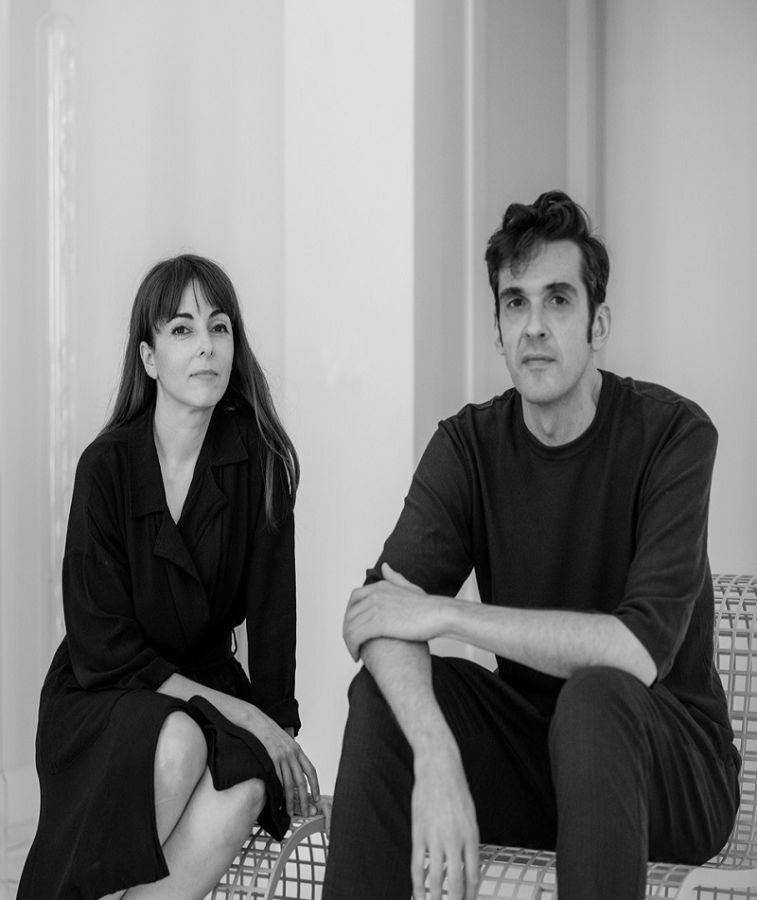
Mayice Studio
Mayice Studio is a Spanish design studio founded by Elisa Fernández and Marco Corral, specializing in the design of lighting, furniture and utility objects. The duo combines an experimental approach to form with craftsmanship and precise work with materials such as glass, metal and stone. The studio's designs are often based on the observation of light, optics and the relationship between the object and the surrounding space. Characteristic compositions combine geometric discipline with sculptural expression, giving objects an individual character. In the Filamento collection for the Astep brand, designers use transparent glass and various surfaces to shape the way light spreads.
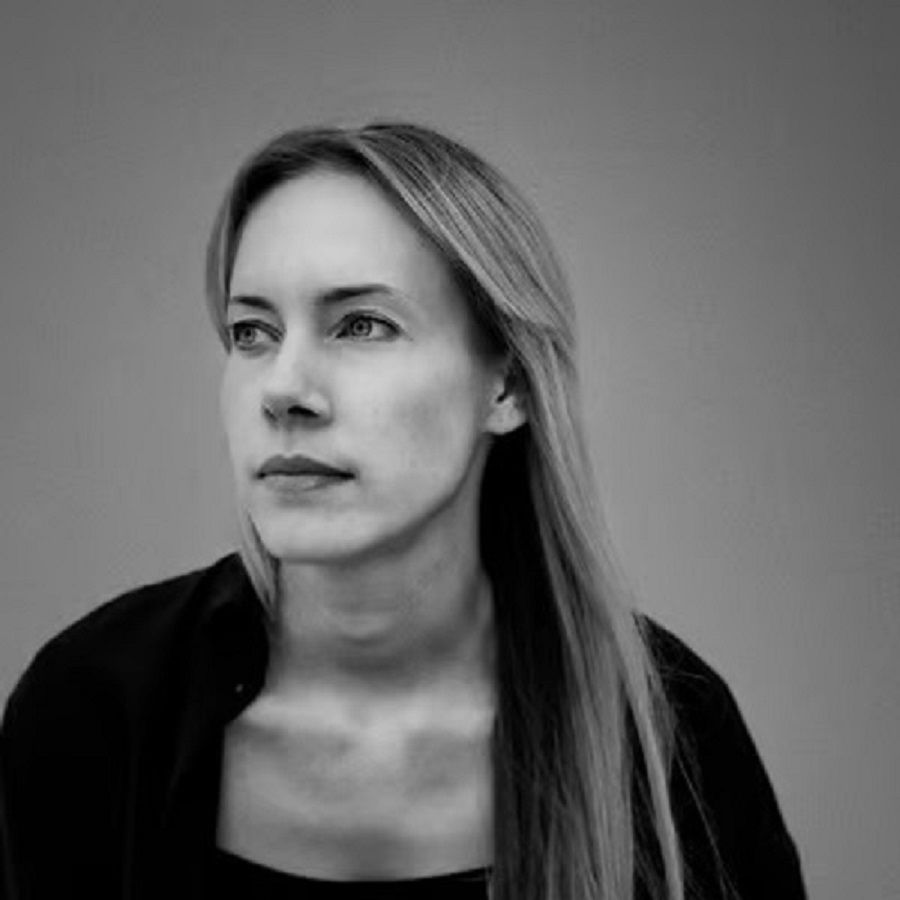
Meike Harde
Meike Harde is a German designer specializing in furniture and lighting, known for her innovative approach to materials and forms. After graduating in product design from the Hochschule der Bildenden Künste Saar in 2011, she set up her own studio in Cologne in 2013. Her works are characterized by visual lightness and intelligent constructions, often using textiles in innovative ways. Harde has collaborated with renowned brands such as Northern, Vibia, Woud, Bolia, Prostoria and Pulpo. Her approach combines experimentation with materials with precise craftsmanship, which has earned her numerous awards, including nominations for German Design Award

Meneghello Paolelli
Meneghello Paolelli Associati is an Italian design studio founded in 2006 in Milan by Sandro Meneghello and Marco Paolelli, graduates of the Politecnico di Milano. Specialize in product design and strategic industrial design consulting. Their approach is based on "lateral thinking" - drawing inspiration from areas outside traditional design, which results in innovative and functional designs. Studio cooperates with renowned brands such as Luceplan, Artceram, Fiam Italia and Twils. Their works have won numerous international awards, including 13 Red Dot Design Awards (including two "Best of the Best"), 7 Design Plus, 3 Good Design Awards, 4 iF Design Awards and 9 distinctions in the ADI Design Index. Meneghello Paolelli Associati combines creativity with a deep understanding of production processes, creating designs that are both aesthetic and practical.
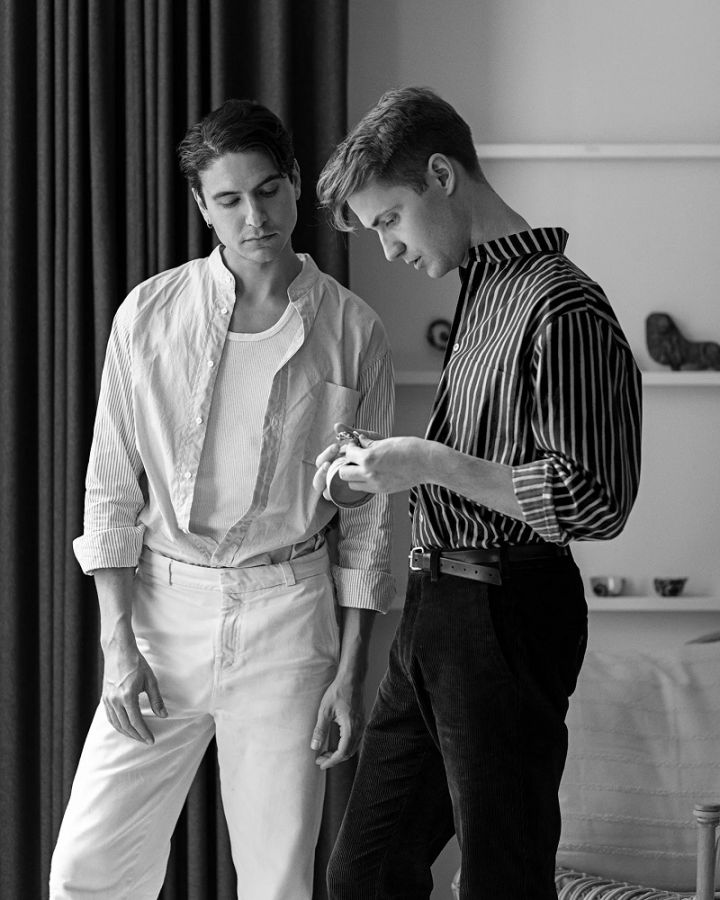
Mentze Ottenstein
Mentze Ottenstein is a Danish design studio founded by Mathias Mentze and Alexander Ottenstein, specializing in architecture, interior design and industrial design. Their approach combines strong roots in the tradition of Scandinavian design with a modern sensitivity to details, materials and craftsmanship. The studio is known for creating timeless, functional items that fit harmoniously into the surroundings and respond to the real needs of users. Working with prestigious brands such as Audo Copenhagen (formerly Menu), Mentze Ottenstein creates products that combine raw aesthetics with subtle elegance. Their designs are characterized by an economical form, a natural color palette and high quality of workmanship. Each of them is the result of an in-depth analysis of the context, function and material, which translates into a coherent, conscious and lasting aesthetic.
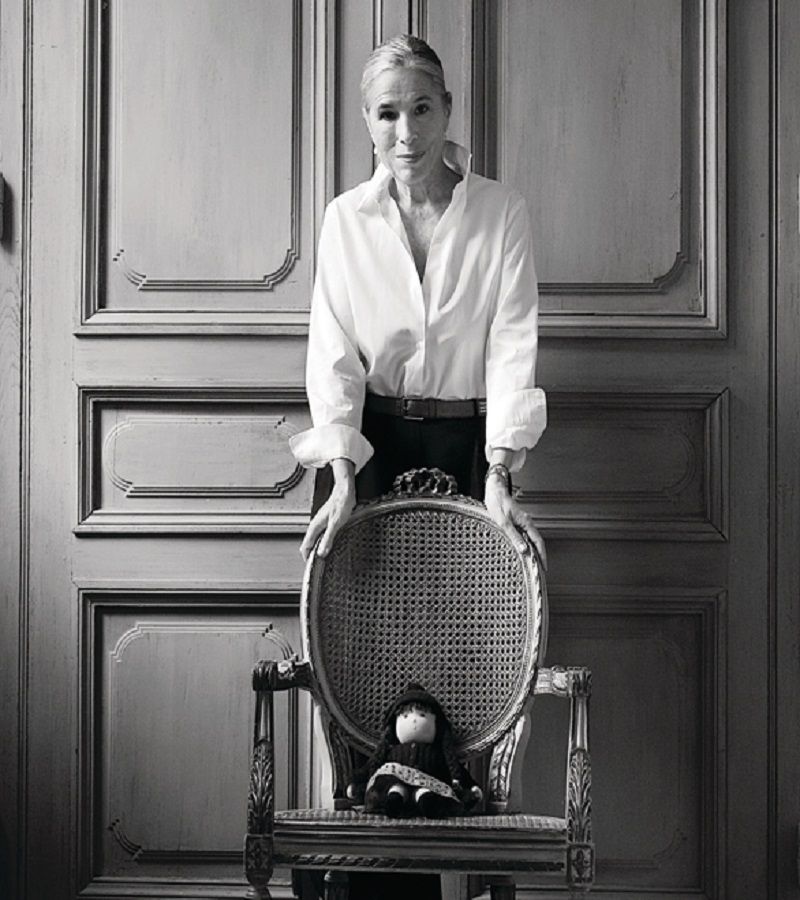
Merci
Merci is an iconic Parisian concept store founded in 2009 by Marie?France and Bernard Cohen. The brand combines fashion, design and home accessories in a unique, artistic aesthetic. The La Nouvelle Table by Merci collection, created in cooperation with the Belgian brand Serax, combines modern minimalism with hand-finished details. "by Merci" products are a combination of functionality and elegance, each piece has a unique character. The brand's philosophy is aesthetics meeting everyday practicality and Parisian chic.

Mette Schelde
Mette Schelde is a Danish designer, known for creating lighting, furniture and spatial installations combining art with functional design. She was born in 1985 and graduated from the Aarhus School of Architecture. In 2012, she founded her own studio in Copenhagen. Her designs are distinguished by their graphic form, minimalism and strong roots in Nordic aesthetics. He cooperates with recognized brands such as Please Wait to be Seated, WOUD, Fritz Hansen and Bang & Olufsen. The "Planet" lamp gained particular recognition, whose sculptural character and modularity demonstrate its approach to light as a spatial form. Schelde has won numerous awards, including the Danish Design Award and the IF Design Award. Her work balances between architecture and applied art, emphasizing the role of light, shadow and interaction in everyday space.
Mia Hamborg
Mia Hamborg is a furniture designer known for combining functionality with joyful aesthetics. She graduated in furniture design from Steneby School of Crafts and Design in Gothenburg. Her most recognizable project is the "Shuffle Table" - a table inspired by traditional Nordic woodturning, which allows the user to freely arrange colorful segments. Hamborg weaves elements of humor, color and creative freedom into its designs, without losing attention to the quality of workmanship and detail. Her furniture is intended not only to be functional, but also to evoke positive emotions.
Michael Anastassiades
Michael Anastassiades is a Cypriot designer living in London, considered one of the most important creators of contemporary design. He studied civil engineering at Imperial College London and then industrial design at the Royal College of Art. He set up his own studio in 1994 and his designs include lighting, furniture and everyday objects. Anastassiades is known for its minimalist aesthetics, in which simple geometric forms, noble materials and masterful play with light are key. He cooperates with many prestigious brands, including: Flos, B&B Italia, Herman Miller, Cassina and Bang & Olufsen. His works can be found in museum collections around the world, including: MoMA in New York and the Victoria & Albert Museum in London.
Michael Graves
Michael Graves was an American architect and designer, a key figure of postmodernism in architecture and industrial design. He studied at Harvard and his career ranged from monumental buildings to everyday objects. He collaborated with companies such as Alessi, Target and Disney, designing products that combined functionality with a fun, friendly aesthetic. His most famous utility project is a bird-shaped whistle kettle for Alessi (1985), which became a design icon. After his illness in the 2000s, he also became involved in designing medical equipment and furniture accessible to people with disabilities. Graves believed that good design should be beautiful, accessible and useful. His work had a huge impact on the development of contemporary design and the democratization of good design.
Michael H. Nielsen
Michael H. Nielsen is a Danish architect and furniture designer who ugraduated from Danmarks Designskole with honors and started his career in Sven Ellekær's design studio. Since the 1980s. runs his own studio, creating hundreds of projects presented at international exhibitions in Cologne, Stockholm and Copenhagen. His style is characterized by attention to detail and minimalism of form in accordance with the principle "less is more". The artist cooperates with renowned brands such as Bolia, for which he designed, among others: Graceful collection – tables and desks with a minimalist design and solid workmanship. Other famous designs include the Balance, Fusion, Piro tables and the New Mood collection inspired by the style of the 1950s. Nielsen combines Scandinavian aesthetics with functionality, creating timeless furniture tailored to the various needs of users.
Michael Hilgers
Michael Hilgers is a German designer and architect from Berlin, who has been running his own design studio "!idee" since 2001. As a qualified carpenter and architect, he specializes in creating innovative, functional and space-saving furniture that combines simplicity with high quality workmanship. His approach, referred to as "pragmatic design", involves searching for new solutions to contemporary housing challenges, often in the context of limited living space. Hilgers has gained recognition for designs such as the "Flatmate" desk - an ultra-thin secretary that combines functionality with minimalist design. His work has received numerous awards, including the "Interior Innovation Award" and has been presented in various museums. Hilgers has collaborated with renowned brands such as Casala, Ex.t, Müller Small Living and Iversen Interior, creating furniture that meets the needs of modern users.

Michael Kindler
Michael Kindler is a German industrial designer who, together with Guido Metz, runs the Metz und Kindler Produktdesign studio in Darmstadt. Their works are based on the study of human customs and rituals, combining new materials with traditional solutions, which leads to the creation of simple and understandable products. For the PHILIPPI brand, Kindler designed, among others: the PEBBLE double bowl, the ESELSOHR fold, the VOGELFREI feeder and the award-winning VOILA bowl, which won the FORM# Design Award 2018. His designs are characterized by a balance between functionality and emotional impact, combining modernity with classic elegance. Kindler values both the long-term process of maturation of ideas and spontaneous inspirations, striving to create objects that are not only aesthetic, but also useful.
Michael Raasch
Michael Raasch is a German designer specializing in lighting, furniture and accessories. Already during his studies at the Hochschule für Gestaltung in Offenbach, his projects were implemented by renowned companies such as serien.lighting and Anta. In 1996, he co-founded the Fiedeler+Raasch design studio in Wiesbaden, which has been operating under the name Heinrich Fiedeler Industrial Design since 2002. Raasch's philosophy is based on the search for essence and functional simplicity. His designs are characterized by minimalist aesthetics, high quality workmanship and local production in Germany. His work has won numerous international awards and is part of the permanent collection of the Chicago Athenaeum Museum of Architecture and Design.
Michael Thonet
Michael Thonet (1796–1871) was an Austrian carpenter and pioneer of industrial furniture design, known primarily for developing the technique of hot bending wood. Thanks to this innovative production process, he created light, durable and elegant furniture that could be produced in series and transported in parts. His most famous work is chair no. 14, called the "Viennese chair", which became an icon of 19th century design and is still considered a symbol of functionality and timeless aesthetics. By founding Gebrüder Thonet, Thonet introduced a new business model combining craftsmanship with mass production, which revolutionized the furniture market.
Michel Boucquillon
Michel Boucquillon is a Belgian architect and designer born in 1962. He graduated from Saint Luke's University in Brussels in 1986. In 1988, at the age of 26 years old, won the competition for the design of the Hemicycle of the European Parliament in Brussels, which opened the door to a career in the field of design. In 2000, he moved to Tuscany, where he founded "Casa Boucquillon" - a unique place combining home, studio and design laboratory. He collaborates there with his wife, Donia Maaoui, an architect, sculptor and painter. His designs include furniture, lighting and accessories for renowned brands such as Alessi, Artemide, Antoniolupi, Martinelli Luce and Salvatore Ferragamo. Won many international awards, including Menzione d’Onore Compasso d’Oro 2011, Good Design Award 2008 and Design Plus 2006.

Michel Charlot
Michel Charlot is a French designer and architect, known for creating functional, modern interior accessories. His works combine minimalist aesthetics with well-thought-out ergonomics, focusing on simplicity of form and usability. Charlot designs furniture and organizers that combine visual lightness with durability of materials, often using plastics in innovative ways. His most recognizable work is the S?Tidy organizer for the Vitra brand, which is distinguished by its stable, wavy form and universal use in the office and home.
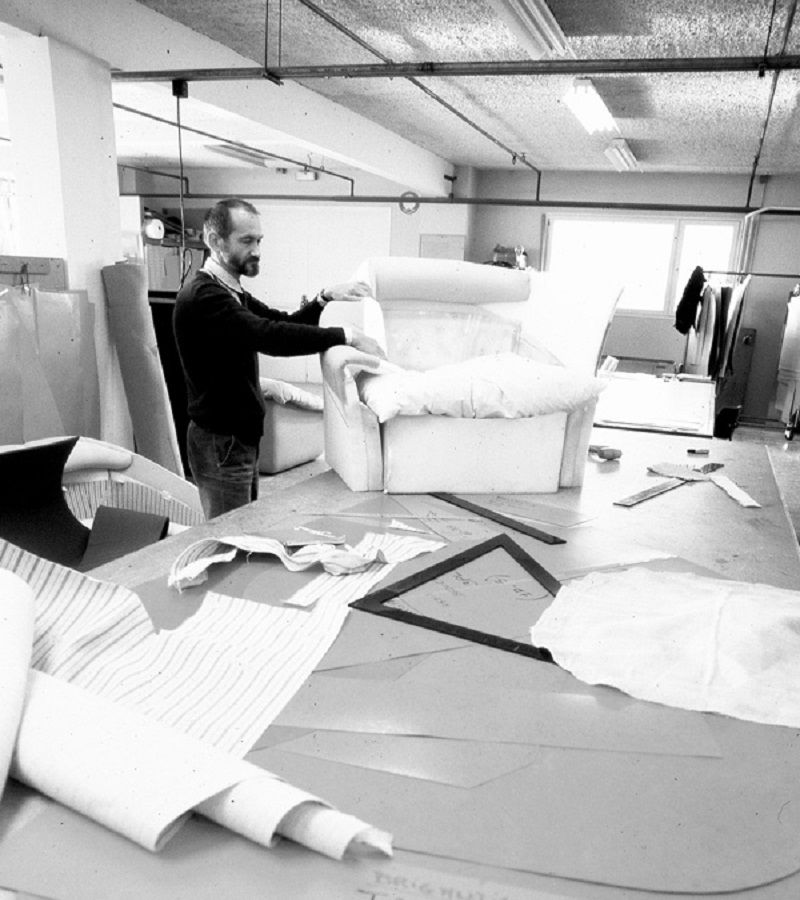
Michel Ducaroy
Michel Ducaroy is a French designer whose works have been combining comfort, functionality and timeless aesthetics for over fifty years. His most famous project is the Togo collection for Ligne Roset, which has become a symbol of luxurious relaxation thanks to its ergonomic design and innovative use of foam of various densities. Ducaroy created furniture that not only delights with its form, but also wraps the user in softness and comfort, and quilted, upholstered surfaces have become the hallmark of his style. His designs fit perfectly into modern and classic interiors, remaining design icons around the world.

Michele De Lucchi
Michele De Lucchi is one of the most respected Italian architects known for combining craftsmanship sensitivity with modern design. Member of the avant-garde groups Studio Alchimia and Memphis, opposed to modernist functionalism. He collaborated with brands such as Artemide, Alessi, Hermès, Kartell, Olivetti and Vitra. His most famous design is the Tolomeo lamp (1987, with Giancarlo Fassina), an icon of world design. He also created office architecture, exhibitions and pavilions, among others. for Enel, Deutsche Bank and Piaggio. His works are in the collections of MoMA, Center Pompidou and Triennale di Milano.

Michele Menescardi
Michele Menescardi is a respected Italian designer born in 1979 near Milan. After graduating in industrial design from the Politecnico di Milano in 2004, he started working as an independent designer, developing each project from the idea phase to production. In 2014, he founded his own design studio in Milan, specializing in the design of furniture, accessories and lighting. His designs are characterized by simple elegance, clean lines and functionality.?
Menescardi has collaborated with renowned brands such as Calligaris and Natuzzi, creating, among others, Lazy, Connect and Baltimora collections. For his achievements, he received the prestigious Good Design Award from the Chicago Athenaeum Museum of Architecture and Design.
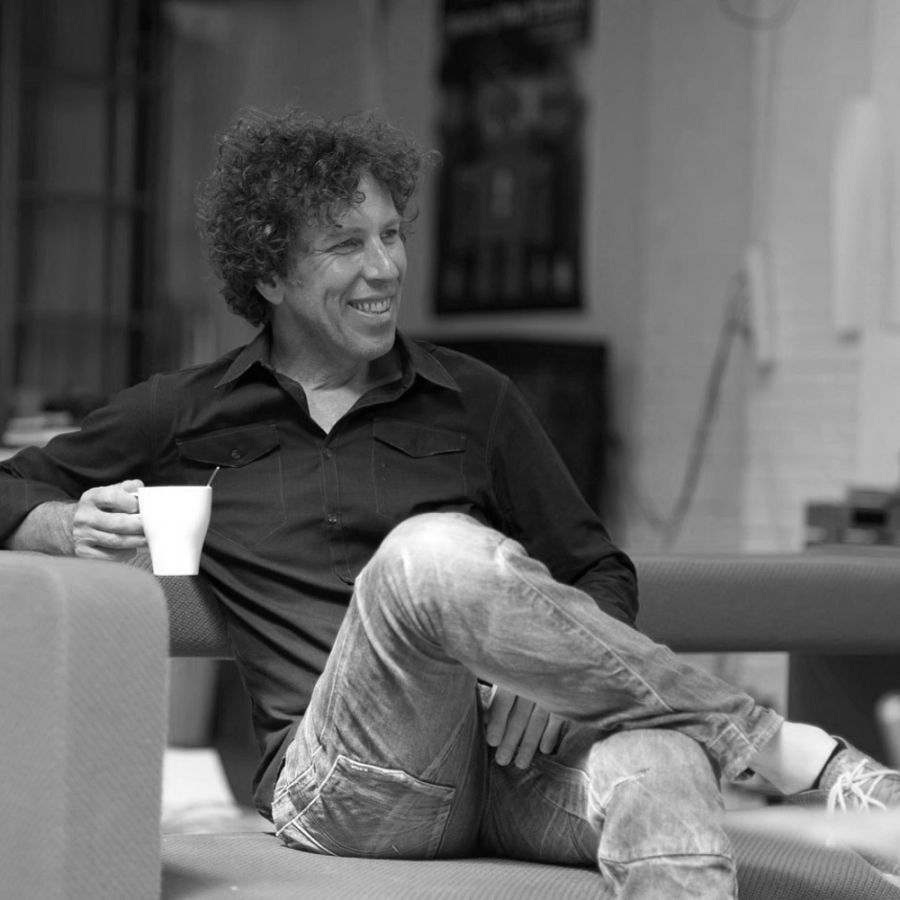
Michiel van der Kley
Michiel van der Kley is a Dutch designer born in 1962, known for creating innovative furniture with soft, organic forms. As a self-taught artist, he began his career in the 1990s, developing his distinctive style based on minimalism, functionality and inspiration from nature and architecture. His most recognizable designs are armchairs, sofas and pouffes that combine comfort with original design, often going beyond typical furniture patterns. Van der Kley collaborated with renowned brands such as Artifort and Montis, gaining recognition at international design fairs. In recent years, he has also been known for the innovative project Project EGG - a 3D printed space symbolizing openness and cooperation. His work is a combination of technology, craftsmanship and artistic vision, which distinguishes him from contemporary designers.
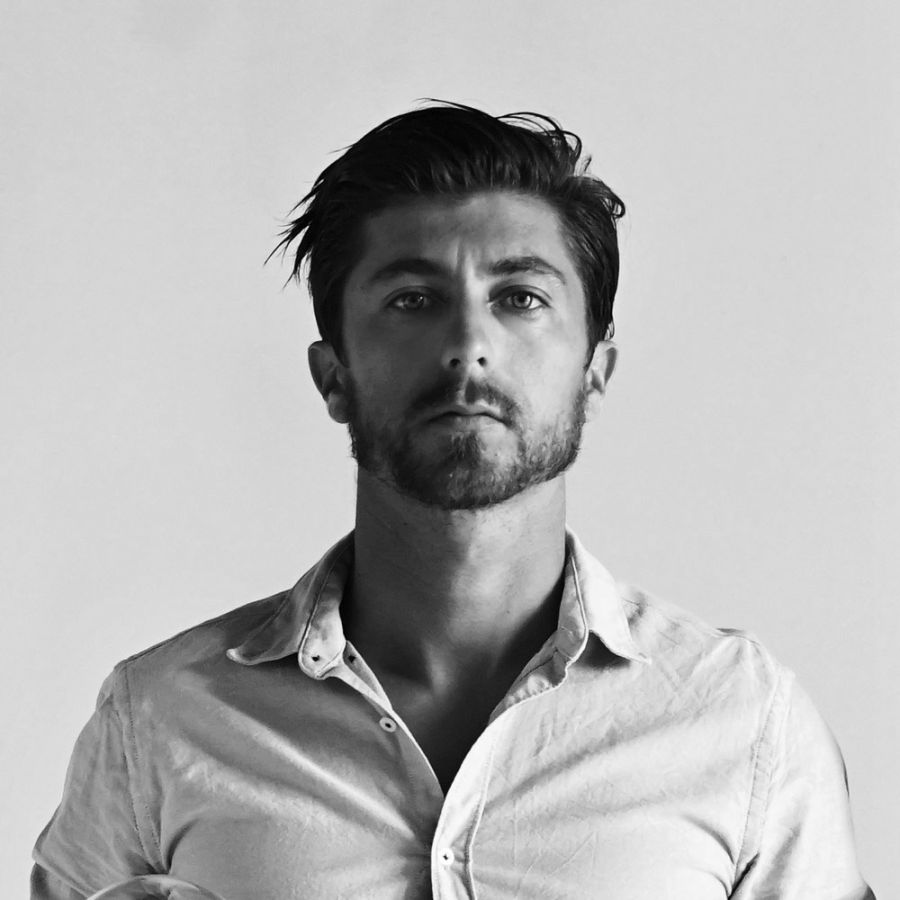
Mickaël Koska
Mickaël Koska is a French designer and founder of the KOSKA studio in Marseille. At first self-taught, he later improved his skills at École Boulle in Paris. His works combine art and design, using raw materials, recycling and local craftsmanship. Koska is inspired by everyday life and nature, creating functional objects with sculptural forms and expressive colors. Works with French craftsmen to promote ethical production and a sustainable approach to design. His collections, such as "Cactus" and "Prickly Pear", combine glass, ceramics and metal to create unique lamps and furniture. Koska strives to create timeless objects that combine aesthetics with functionality, reflecting his commitment to local traditions and modern design.
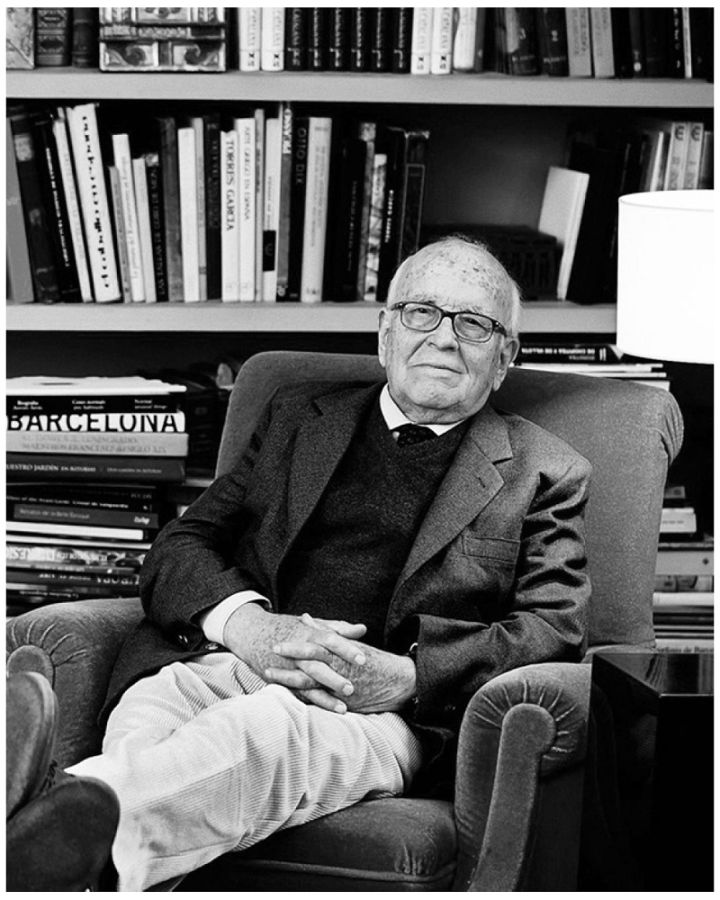
Miguel Mila
Miguel Milá was one of the most important representatives of Spanish modernism and a pioneer of contemporary design in Spain. He started his design activity in the 1950s, at a time when the Spanish design market was just developing. He created furniture and lighting, combining simple form, functionality and respect for natural materials. He often built the first prototypes himself and collaborated with local craftsmen. His designs were distinguished by their timeless aesthetics and practical approach to everyday needs. The most famous implementations include lighting, furniture and public space equipment designs.

Mike Ruch
Mike Ruch is a German industrial designer, graduate of the Bauhaus-Universität in Weimar, who gained experience during semesters abroad in Barcelona and at Columbia University in New York. His designs combine functionality with timeless aesthetics, which has earned him recognition in the form of awards such as the Interior Innovation Award and the German Design Award. Working with the PHILIPPI brand, Ruch created, among others: a series of SOLERO vases and candlesticks, characterized by a futuristic form and an impression of levitation thanks to the combination of nickel and steel. Another of his designs is the SOLO bowl, set in a minimalist steel frame, which combines elegance with practicality. Ruch emphasizes the importance of direct contact with producers and inspiration from travel and observations of everyday life. His approach to design is based on creating products that are both aesthetic and useful, regardless of changing trends.
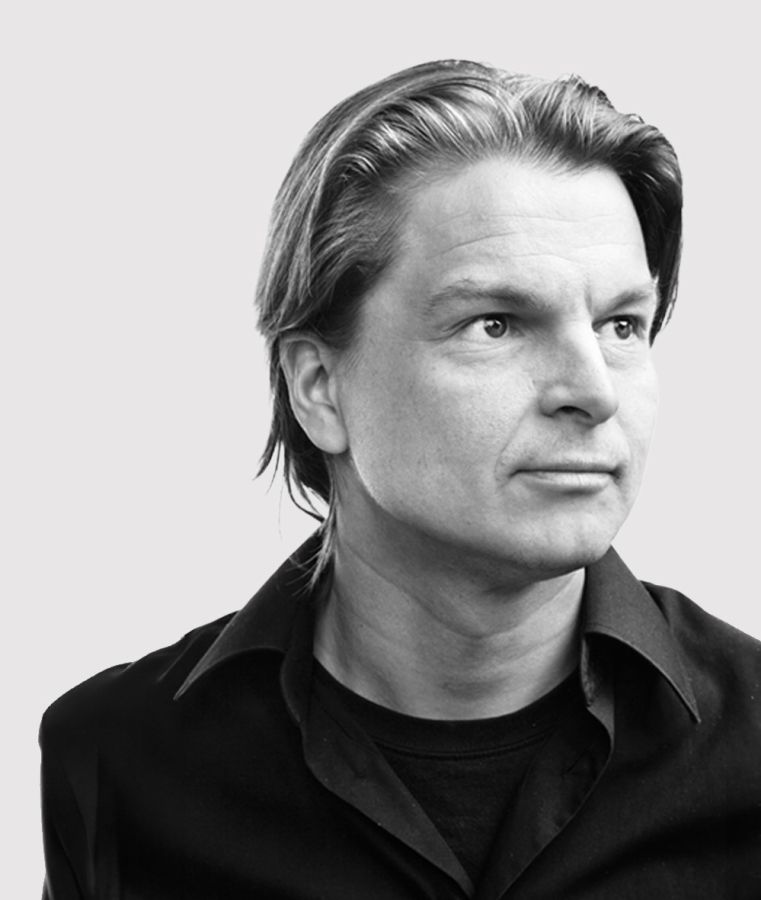
Mikko Laakkonen
Mikko Laakkonen is a Finnish designer born in 1974 in Espoo. He initially trained as a luthier and then studied furniture design at Kymenlaakso Polytechnic and the University of Art and Design in Helsinki. In 2004, he founded his own studio in Helsinki, focusing on the design of everyday products. His works combine functionality with minimalism and have been presented at many international exhibitions, including: in Milan, Helsinki and Tokyo. Laakkonen has collaborated with renowned brands such as Marimekko, Inno, Isku, Martela, Bosa, Casamania, Covo and Offecct. He has won numerous awards, including the Red Dot Design Award (2012), Good Design Award (2010) and the title of Young Designer of the Year (2009). His most famous design is the Latva hanger, resembling a tree, which can be both functional and decorative.
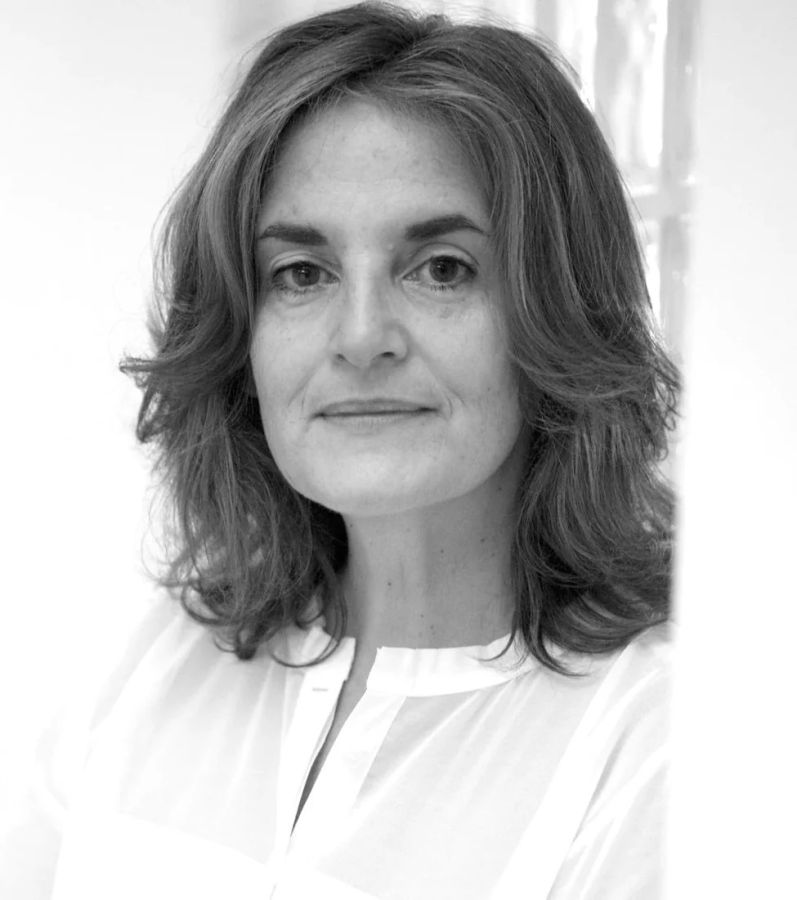
Miriam Mirri
Miriam Mirri is an Italian designer born in Bologna in 1964, currently living and working in Milan. She graduated from the Scuola Superiore di Disegno Anatomico and studied design and communication at the Università del Progetto in Reggio Emilia. She started her career in London working with architect Nigel Coates, and then was an assistant to Stefano Giovannoni. From 2000, she runs her own design studio. Her work includes everyday objects, pet accessories, furniture and watches created for brands such as Alessi, United Pets, Häagen-Dazs and Mandarina Duck. Her designs are characterized by soft lines, emotional message and functionality. The most famous works include the "Tigrito" and "Lupita" pet bowls and the "Big Love" collection. W In 2006, she received the Fritz Henkel Award for Innovation. Her designs were presented at numerous national and international exhibitions.
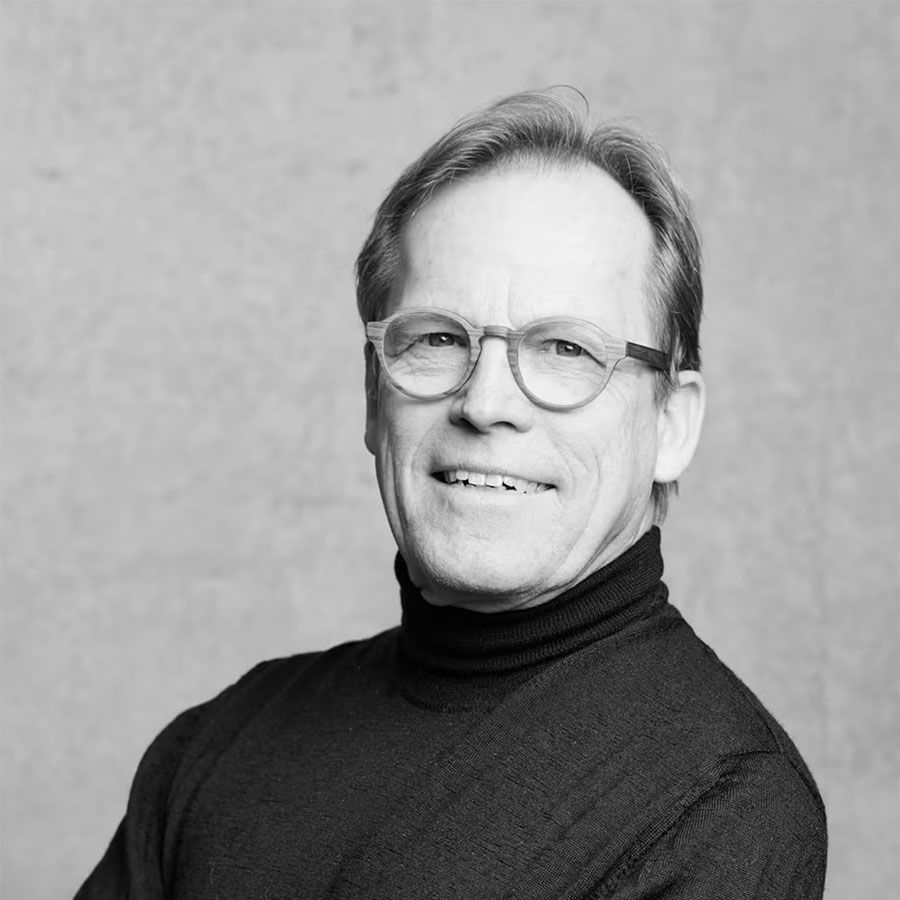
Mogens Holmriis
Mogens Holmriis is a Danish furniture designer, known for his passion for minimalism, functionality and natural materials. He graduated from the Danish Design School and his career began in the 1980s, when he started designing furniture inspired by classic Scandinavian design. Holmriis' particular passion is wood, especially teak, which he uses in his designs, creating durable and elegant forms. He cooperated with renowned brands, including: Skagerak and Trip Trap, for which he designed many iconic models of garden and home furniture. His style strikes a balance between aesthetics and practicality, making his designs both beautiful and useful. Holmriis remains committed to the idea of sustainable design with respect for nature and traditional craftsmanship.

Mogens Lassen
Mogens Lassen was a Danish architect and designer, considered a pioneer of functionalism and modernism in Denmark. After graduating from the Royal Danish Academy of Fine Arts, he worked in the office of Tyge Hvass, and in 1927–1928 he stayed in Paris, where he encountered the work of Le Corbusier, which influenced his approach to architecture. He designed mainly residential buildings, including villas and apartment buildings, as well as shop interiors and public facilities. His furniture, such as the Kubus candlestick and the foldable Egyptian table, combine simplicity of form with precision of workmanship and have become icons of Danish design. In 1971 received the C.F. Medal Hansen for his outstanding contribution to architecture. Today, his designs are appreciated for their timeless aesthetics and functionality.
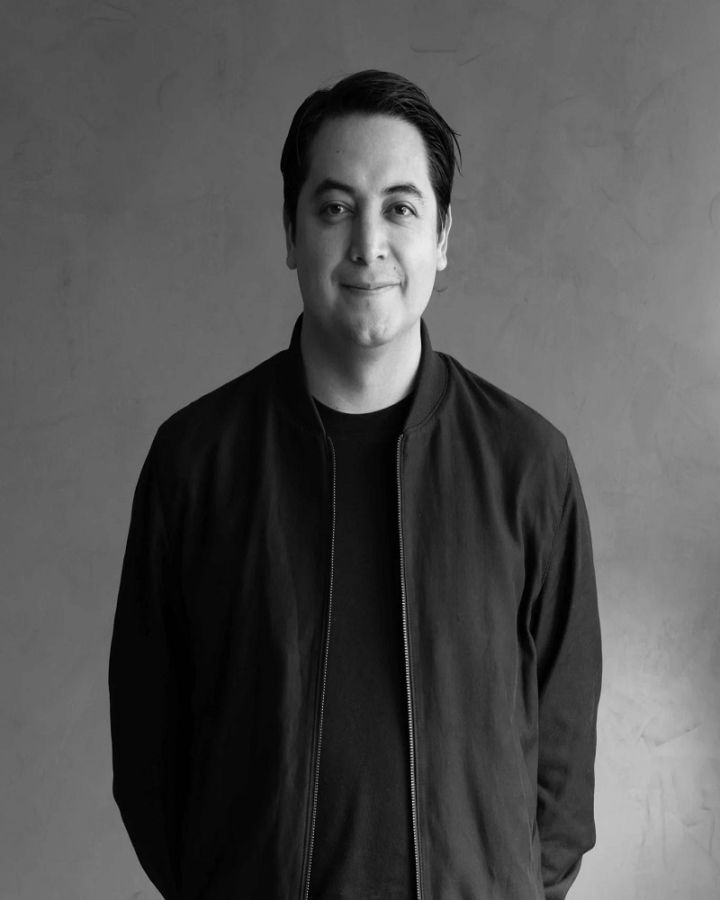
Moises Hernandez
Moisés Hernández is a Mexican designer who combines minimalist forms with the local traditions, colors and textures of his country. A graduate of the prestigious ECAL school in Lausanne, in 2014 he founded his own studio in Mexico City. His designs, such as the stained wooden birds from the "Immersed Birds" series and the "Tie Chair", combine craftsmanship with modern technologies. He creates functional and poetic objects, full of emotions and harmony. He cooperated with, among others: with Hay, Baccarat and Ligne Roset. His works have won international awards, and since 2021 he has been co-creating Apple products as a designer.

Mona Isotupa
Mona Isotupa is a Finnish designer whose passion is combining nature with modern design. Her works are distinguished by simplicity, elegance and functionality, and every detail is carefully considered. In the world of cosmetics, Mona specializes in creating packaging that is not only visually beautiful, but also user-friendly and ecological. Thanks to her designs, the products gain a premium character, and the natural ingredients are emphasized through aesthetic, minimalist packaging. It is inspired by Finnish forests and Nordic harmony, introducing peace and lightness into everyday objects. Her works gain recognition in Finland and abroad, and each design is a combination of art and practicality that clients immediately feel and feel.

Monica Forster
Monica Förster is a renowned Swedish designer, born in 1966 in Dorotea. She studied at Beckmans College of Design and Konstfack in Stockholm. Since 1999, he has been running his own studio, creating designs for brands such as Zanotta, Alessi, Poltrona Frau, Volvo and Swedese. Her style combines functionality with poetic form, and her works are distinguished by purity of lines and an innovative approach to materials. Förster's designs have been exhibited in prestigious museums, including: MoMA and V&A in London. Award-winning, including: the title of "Designer of the Year" from Elle Decoration and the Bruno Mathsson Prize. Her interdisciplinary approach and aesthetic sensitivity make her one of the most important figures in contemporary design.
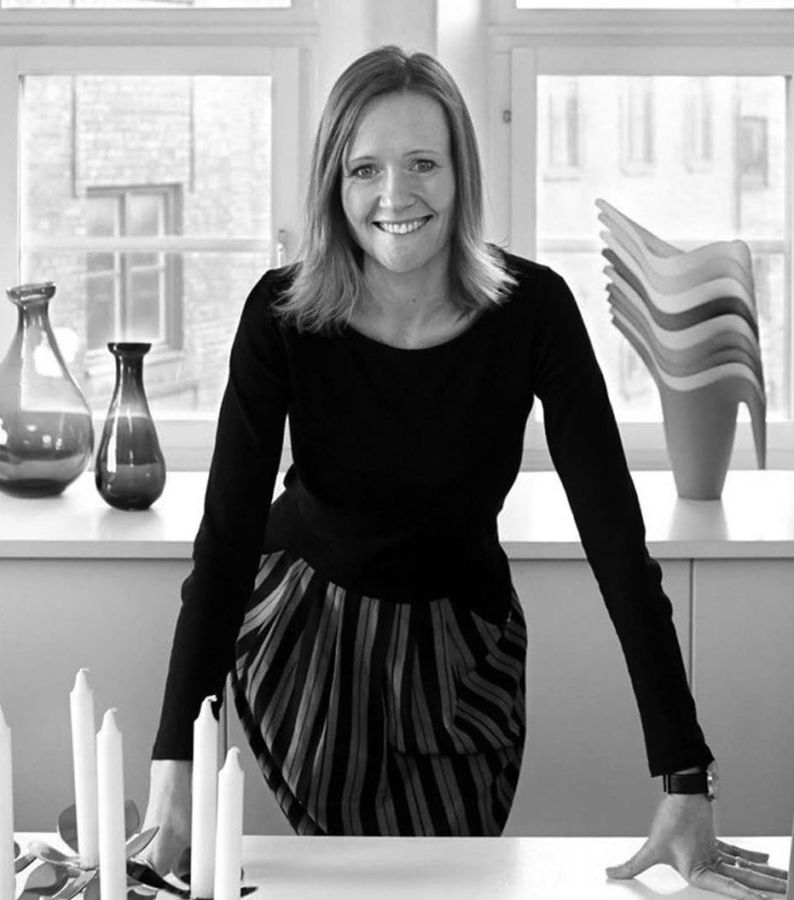
Monika Mulder
Monika Mulder is a respected designer from Sweden, known for creating functional and at the same time aesthetic everyday items. She graduated from the Design Academy Eindhoven in the Netherlands and started her career in the IKEA design department, where she gained recognition thanks to innovative solutions combining simplicity with comfort of use. Her style is characterized by organic forms, soft lines and bold but friendly shapes. Mulder designs furniture, lighting and interior accessories that balance between creativity and practicality. Her works have been awarded many times and presented at international design exhibitions. Monika Mulder believes that good design should not only solve problems, but also bring joy and inspire in everyday life.
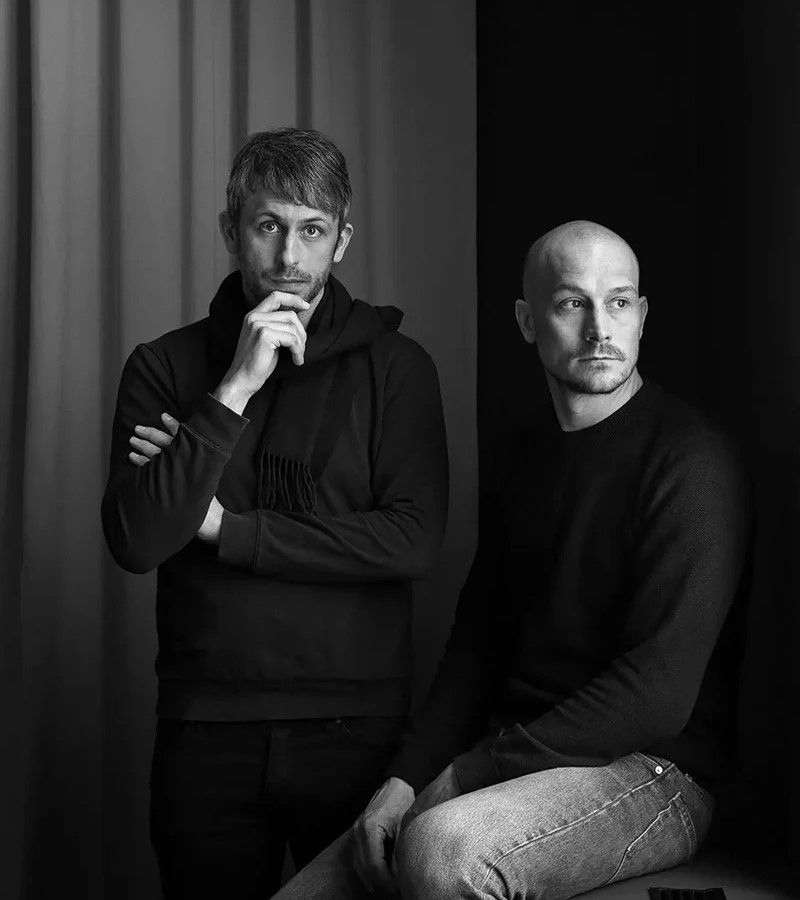
Morten & Jonas
Morten & Jonas is a Norwegian design studio founded by Morten Skjærpe Knarrum and Jonas Norheim, graduates of the Bergen Academy of Art and Design. Since 2011, their headquarters is located in Oslo. Their works include furniture, lighting and spatial designs, distinguished by curiosity, imagination and sense of humor. They cooperate with renowned brands such as Northern, Bolia, Fora Form, Mitab, Ligne Roset or Warm Nordic. Their designs were presented at international exhibitions in cities such as New York, Milan, London and Seoul.
Morten Bo Jensen
Groundwork Studio is an interdisciplinary design studio combining strategy, design and digital technologies. The team focuses on creating consistent brand experiences, from visual concept to product and service implementation. He works for both commercial clients and institutions, helping them build a distinctive identity and effective communication. The key area of activity is the design of visual identifications, UX/UI systems and marketing materials. The studio focuses on a process based on user research, market analysis and an iterative approach to design. Thanks to this, the projects are not only aesthetic, but above all functional and tailored to the real needs of the recipients. Groundwork Studio also develops experimental projects, exploring new tools and technologies in the field of design. Each project is treated individually, with emphasis on precision, consistency and high quality of workmanship.

Morten Georgsen
Morten Georgsen is a Danish furniture designer who has been creating functional and elegant solutions for homes around the world for over three decades. He started his career at Bang & Olufsen, where he learned to combine aesthetics with technology. W In 1992 he founded his own design studio, which he transformed into Morten Georgsen Studio based in Valencia in 2014. His "no nonsense design" philosophy is based on minimalism, functionality and accessibility. Since 1993, he has been collaborating with BoConcept, creating collections such as Bergamo, Modena and Lugano, which combine Scandinavian aesthetics with practical solutions. Georgsen has also designed for brands such as DAN-FORM, KARE Design and TEULAT. His works are characterized by a minimalist approach, attention to proportions and the use of various materials, which makes them both aesthetic and functional.
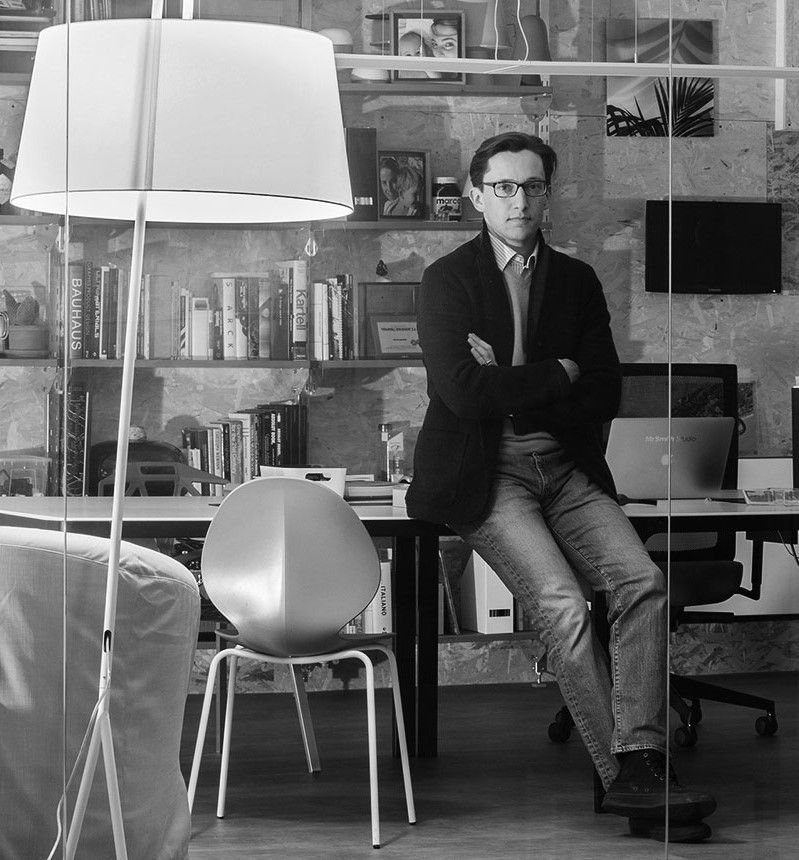
MrSmith Studio
MrSmith Studio is a Milan-based design studio founded in 2004 by Marco Mascetti, specializing in industrial, graphic and packaging design. The team operates according to the proprietary "Design As An Input®" approach, integrating design in business processes from the earliest stages. The studio cooperated with renowned brands such as Ferrero, Calligaris and KDLN, creating, among others: Basil and Cream chairs and a bottle of Esthé. MrSmith combines creativity with technology and functionality, designing aesthetic and innovative products. Their works have been awarded many times, including: Red Dot Award and A'Design Award.
MSDS Studio
MSDS Studio is a Canadian design studio based in Toronto, founded in 2011 by Jessica Nakanishi and Jonathan Sabine. Specializes in interior, furniture and lighting design, combining Japanese minimalism with Nordic simplicity. Their works are characterized by economy of form, functionality and a deep understanding of materials. Studio has gained recognition thanks to designs for brands such as Normann Copenhagen (Stock table, Hoop hanger) , WOUD (Annular lamp, Level couch) or +Halle (bench system Boulevard) . MSDS Studio walso cooperated with companies such as Umbra, Shopify and David Design. Their projects were presented at international fairs, including: in Stockholm, where they were the first Canadian studio to present their work at the Stockholm Furniture & Light Fair in 2015.
MUKA Design Lab
MUKA Design Lab is a Spanish design studio founded by Mike and Kata, specializing in creating innovative, sustainable interior and product solutions. Their designs combine modern design with deep respect for craft traditions, using natural materials and local production techniques. MUKA Design Lab stands out for its minimalist aesthetics, functionality and attention to detail, as well as a strong emphasis on ecology and responsible production. The studio carries out both furniture and lighting designs, as well as comprehensive space arrangements, creating aesthetic, durable and environmentally friendly solutions.
Muller & Wulff
Müller & Wulff is a German duo of designers - Thomas Müller and Jörg Wulff, who have been running a joint design studio in Berlin since 2001. Both have solid artistic education: Müller studied at the Academy of Fine Arts in Stuttgart and the Royal College of Art in London, while Wulff graduated from the Hochschule für Gestaltung and the Hochschule der Künste in Berlin and Bournemouth and Poole College of Art and Design in England. Their works are characterized by a balance between artistic restraint and expressive design messages. People are at the center of their attention - they design with the user in mind, creating furniture that is not only functional, but also emotionally engaging. They have collaborated with renowned brands such as Softline, Ligne Roset, COR and Rolf Benz, creating products that have gained recognition at international exhibitions and received numerous awards, including Red Dot Design Award, German Design Award, Good Design Award and Interior Innovation Award.
Muller Van Severen
Muller Van Severen is a Belgian design studio founded in 2011 by a duo of artists - Fien Muller and Hannes Van Severen. Their works are on the border of design, sculpture and applied art, distinguished by their minimalist form, expressive colors and unconventional approach to the material. They create furniture that combines functionality with artistic expression, often combining steel, plywood, marble or stained Valchromat®. Their designs are present in the collections of brands such as HAY, Valerie Objects and Kvadrat, as well as in galleries and design museums around the world. The aesthetics of Muller Van Severen is spare, but at the same time very expressive - each form has its place and meaning, and color becomes a structural element.

Murken + Hansen
Murken + Hansen is a Berlin-based design studio founded in 1999 by Hauke Murken and Sven Hansen. They specialize in the design of furniture, accessories and everyday products, combining German functionality with soft minimalism. Their philosophy is based on creating objects with high utility, durability and timeless aesthetics, which is their contribution to sustainable design. They have collaborated with renowned brands such as PHILIPPI, COR, Freifrau, Menu, Stelton and WMF. Their famous projects include, among others: the Malo table for Pieperconcept and the Rubie furniture collection for Freifrau. Their work has won numerous awards, including German Design Award, Design Plus and Good Design Award Japan. Additionally, they lecture at universities such as UDK Berlin and Bauhaus Universität Weimar, sharing their knowledge with future designers.
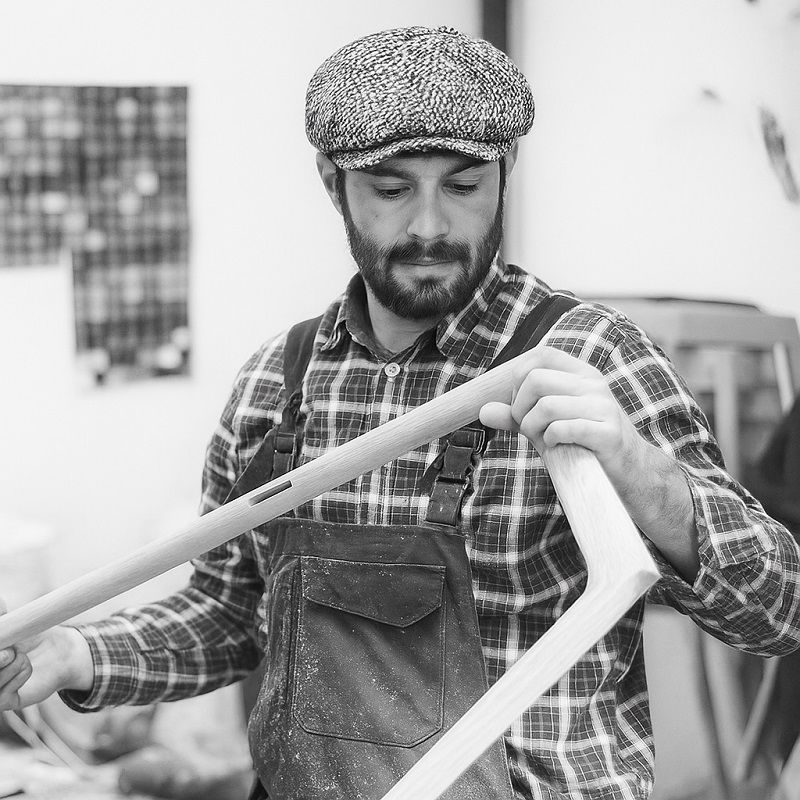
Mustafa Čohadžić
Mustafa Čohadžić is an industrial designer associated with the Gazzda brand, whose passion for wood was born in his father's carpentry workshop. He graduated from the Academy of Fine Arts in Sarajevo and on the initiative of prof. Salih Teskeredžić joined Gazzda, where he develops his vision of design. In his designs, traditional craftsmanship meets modern minimalism, which results in visually light, yet durable and practical furniture. Čohadžić gained recognition internationally, receiving, among others, Red Dot Award for Fina chest of drawers (2018), BIG SEE Product Design Award for the Fina collection or iF Award (2017) for the Hook. His designs, such as the Nora lounge chair or the Look mirror, combine elegance, timeless form and craftsmanship precision, emphasizing the philosophy of the Gazzda brand: creating furniture that brings harmony to everyday spaces.
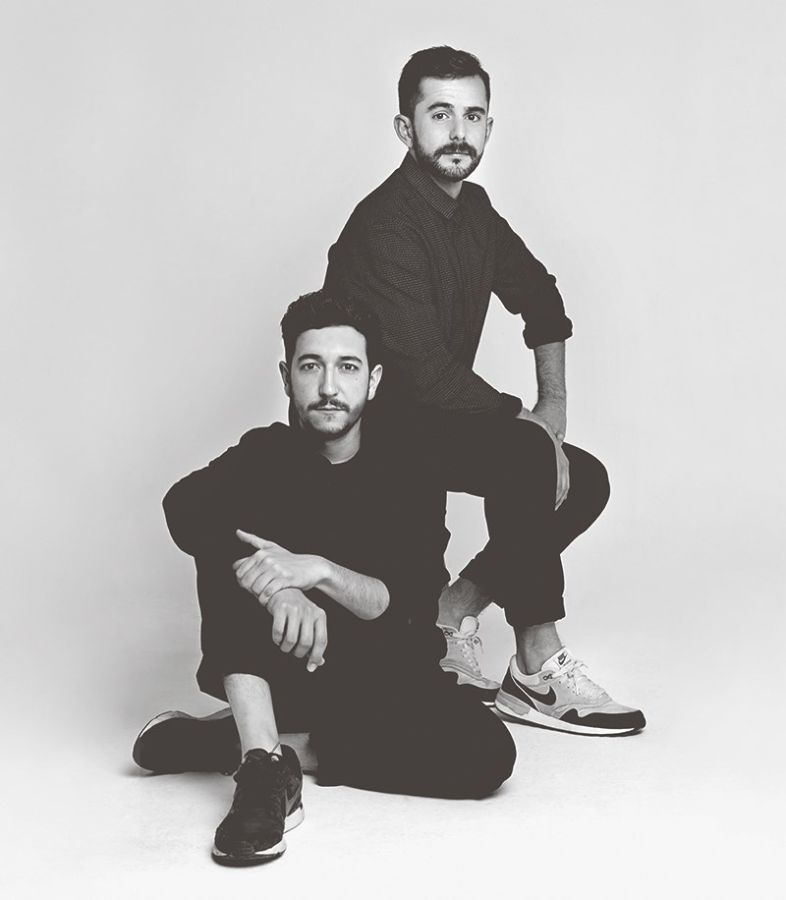
MUT Design
MUT Design is a Spanish design studio founded in 2010 by Alberto Sánchez and Eduardo Villalón in Valencia. He specializes in the design of furniture, lighting and installations, basing his philosophy on emotive design, i.e. creating objects that evoke emotions. The studio cooperates with renowned brands such as Expormim, Sancal and Preciosa Lighting, creating projects characterized by minimalist design and organic shapes. Their works, such as the Armadillo, Petale and Lens collections, have won numerous awards, including the Red Dot Award and Wallpaper* Design Awards. MUT Design was also invited to the international fair IMM Cologne in 2020. The studio combines aesthetics with functionality, creating designs that are both beautiful and practical.
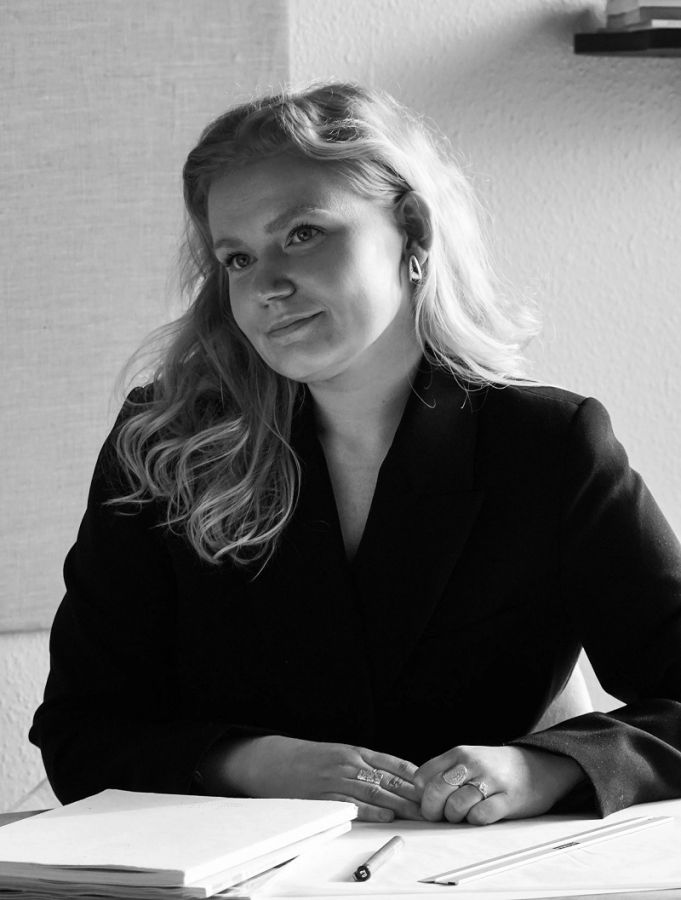
Naija Ilsoe Nielsen
Naija Ilsøe Nielsen is a Danish designer specializing in the design of lighting and consumer products. She cooperates with the Frandsen brand, for which she created, among others: Kiku lamp collection. Her style is based on Scandinavian simplicity, harmony of form and functionality. He draws inspiration from nature, the landscape of the west coast of Denmark and the variability of light. In her designs, she combines soft lines with precise construction, creating timeless and elegant objects. Her works are characterized by subtle aesthetics, attention to detail and the skillful use of light as an element building the atmosphere of the interior.
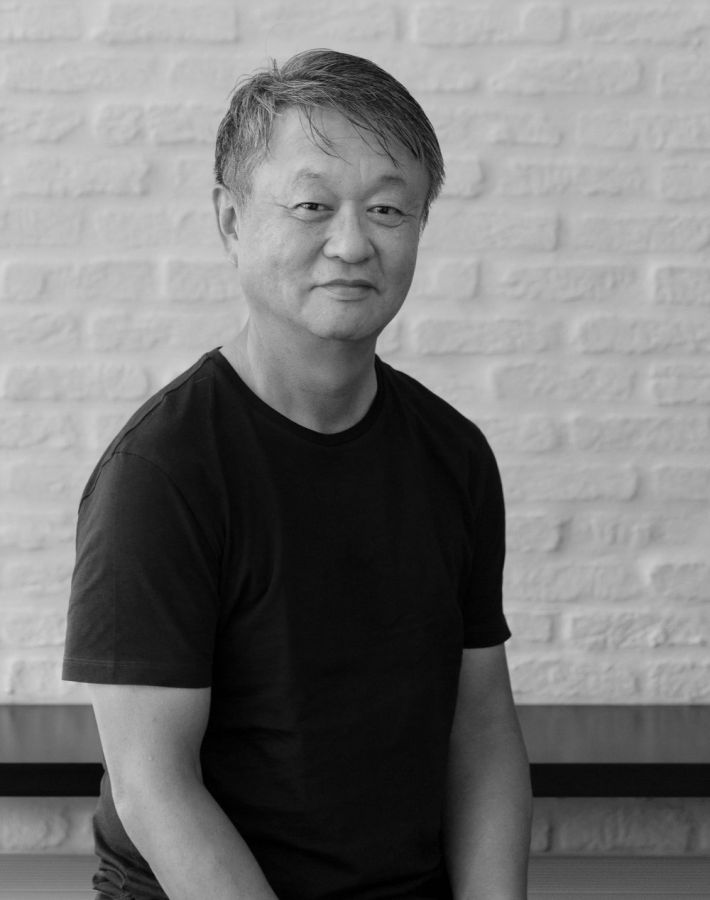
Naoto Fukasawa
Naoto Fukasawa is a Japanese industrial designer, known for his minimalist style and the philosophy of "unconscious design", in which form results from the user's natural habits. He was born in 1956 and studied at Tama Art University in Tokyo. He started his career at IDEO in California, and after returning to Japan, he founded his own studio. He collaborated with brands such as Muji, Herman Miller, B&B Italia, Alessi and Maruni. Fukasawa designs furniture, electronics and everyday objects, always with harmony, minimalism and function in mind. His works are often awarded and exhibited around the world. He is also an academic lecturer and a member of design committees in technology companies.

Nathan Yong
Nathan Yong is a renowned Singaporean designer who has gained international recognition for his minimalist approach to design. He graduated with a degree in industrial design from Temasek Polytechnic and then a master's degree from the University of New South Wales. In 1999, he founded the Air Division brand, and in 2006 he opened his own studio - Nathan Yong Design. His works combine functionality with aesthetics inspired by nature and Asian craftsmanship. He has collaborated with brands such as Ligne Roset, Herman Miller and MoMA. In 2008, he received the prestigious Singapore President's Design Award: Designer of the Year. His designs have been presented at international exhibitions, including: in Milan, London and Cologne.

Neil Poulton
Neil Poulton is a Scottish industrial designer known for his minimalist, modern designs combining form and function. He was born in 1963 in Thurso, Scotland, and currently lives and works in Paris. He specializes in designing consumer electronics, lighting and IT products. He has collaborated with brands such as LaCie, Artemide, Vitra and Lexon. His works are characterized by minimalism, elegance and technological precision. He gained international recognition for his designs of hard drives, lamps and computer equipment. Award-winning, including: Red Dot Design Award and IF Product Design Award. His designs can be found in permanent collections, among others: Center Pompidou in Paris. Poulton sees design as an everyday art that should be useful and timeless.

Neill Bustin
Neill Bustin is a British furniture designer and creative director with extensive experience in interior design and industrial design. He developed his career in Great Britain and Germany, combining classic craftsmanship with a modern approach to function and aesthetics. He cooperates with, among others: with the Estonian brand Woodman, where he is responsible for creating collections combining contemporary design with timeless simplicity. Bustin designs, among others: mobile shelves, tables and furniture for living rooms and offices, with an emphasis on details, ergonomics and natural materials. As the creative director at R&D Inspired Design Ltd., he develops products that respond to the real needs of users, while maintaining high quality of workmanship and subtle references to the classics of European design.

Nendo
Oki Sato, founder of the Nendo studio, is one of the most influential designers of contemporary design. Born in 1977 in Canada, educated in Tokyo, in his work he combines Japanese sensitivity with global aesthetics. He creates objects that are light, poetic and full of conceptual humor. Nendo designs for leading brands such as Fritz Hansen, Louis Poulsen, Flos, Cappellini, Kartell, Moroso, Boffi, Hermès and Lexus. Sato's works include furniture, lighting, architecture and art installations, often surprising in form and meaning. His designs are exhibited at MoMA, the Center Pompidou and the Design Museum in London. Oki Sato redefines contemporary minimalism, giving it a narrative and emotional dimension.

Neri&Hu
Neri&Hu Design and Research Office is an interdisciplinary design studio founded in 2004 in Shanghai by Lyndon Neri and Rossana Hu. Specializes in architecture, interior design, furniture, products and exhibitions, combining a modern approach with a cultural and historical context. Their works are characterized by deep research, integration of various disciplines and attention to detail. The studio has won numerous international awards, including the title of "Architecture Studio of the Year" from Dezeen Awards in 2021. Neri&Hu cooperates with renowned brands such as Poltrona Frau, Stellar Works and Artemide. Their projects, such as Sukhothai Shanghai or Qujiang Museum of Fine Arts Extension, combine tradition with modernity, creating spaces full of light, textures and emotions.
Nestor Campos
Nestor Campos is a Spanish architect and designer, born in 1983 in Granada. After obtaining a master's degree in architecture in 2007, he worked for five years in Germany, where he gained experience in planning and design precision. In 2012, he moved to Sweden to study industrial design at Lund University. In 2014, he founded his own studio in Malmö, specializing in residential architecture, design interiors and the design of products such as furniture, lighting and everyday accessories. Campos combines cultural influences from Spain, Germany and Scandinavia, which is reflected in its designs characterized by functionality and the use of natural materials. His works have been presented at international fairs in Milan, Stockholm, Copenhagen, London and Berlin.

Nicholai Wiig Hansen
Nicholai Wiig Hansen is a Danish designer who founded his own studio at the age of 26. The son of the famous artist Svend Wiig Hansen, from the beginning of his career he focused on functionality and simplicity of form. His designs are characterized by clear proportions, balance and the reduction of details to an absolute minimum, while maintaining aesthetics and expressiveness. He cooperated with brands such as Normann Copenhagen, IKEA, Fritz Hansen, Lightyears and raawii. His most famous works include: the Tablo tables, the Geo jug, the My Chair and the Night Owl lamp. He is also the artistic director of the raawii brand, famous for its colorful ceramics. Wiig Hansen believes that design should be both practical and emotionally engaging, combining utility with an aesthetic experience. His projects have won, among others: Red Dot Award and German Design Award.
Nick Ross
Nick Ross is a Scottish-Swedish designer based in Stockholm, known for minimalist forms inspired by history and cultural narrative. He graduated in Industrial Design from Gray's School of Art in Aberdeen and then obtained a Master's degree in Interior Architecture and Furniture Design from Konstfack in Stockholm. In 2014, he founded his own design studio. His works such as the "White Lies" table or the collection "Last of the Free", explore the influence of fiction and history on the perception of objects. Ross has collaborated with renowned brands such as Audo Copenhagen and +Halle, creating designs that combine craftsmanship with modern design. His work has been presented at international exhibitions, including: in Milan and Berlin.

Nicolai Fuhrmann
Nicolai Fuhrmann is a German industrial designer, known for creating functional, elegant everyday objects. He graduated from HBK Braunschweig and gained experience, among others, in Barcelona and Milan. In 2004, he founded his own studio in Cologne. Fuhrmann focuses on designing objects that combine aesthetics with movement and function - from furniture to home accessories. It cooperates with brands such as VS (e.g. NF chair) and blomus (e.g. Ondea bowl or Piedra lantern). His works are characterized by minimalism, ergonomics and precision of workmanship. The designer believes that good design should be a natural extension of the user's everyday gestures and needs.

Nicolaj Noddesbo
Nicolaj Nøddesbo is a Danish designer, graduate of the Aarhus School of Architecture, known for his modern and functional approach to design. He has been cooperating with the 101 Copenhagen brand for several years, creating furniture, lamps and accessories with a minimalist, Scandinavian character. His designs are distinguished by elegance, attention to detail and thoughtful selection of materials and textures. Nøddesbo combines simplicity with utility, creating objects that are both beautiful and practical, perfectly fitting into contemporary interiors.
Nicoletta Rossi and Guido Bianchi
Nicoletta Rossi and Guido Bianchi are an Italian duo of designers specializing in lighting, who founded the Rossi Bianchi Lighting Design studio in Milan in 2006. They are both graduates of the Politecnico di Milano, and they also gained experience abroad - Rossi, among others, in the USA, and Bianchi in Switzerland. Their work is based on examining the role of light in architecture and public space, combining functionality with mood. The designs are characterized by minimalist aesthetics, sensitivity to proportions and a subtle poetics of light that shapes the atmosphere of the interiors. Rossi and Bianchi cooperate with renowned brands such as Artemide, for which they have created award-winning lamp collections, including: Empathy. Their works are presented at international exhibitions and are perceived as an example of a harmonious combination of technology, craftsmanship and an emotional approach to design.
Niels Bendtsen
Niels Bendtsen is a Danish designer and entrepreneur whose work has been influencing the development of contemporary design for decades. Known for his minimalist approach to form and the functional use of materials, he creates designs that combine timeless aesthetics with everyday usability. His works are distinguished by simplicity, precision of workmanship and attention to every detail. Throughout his career, Bendtsen has collaborated with many renowned brands, gaining international recognition as both a designer and furniture manufacturer. One of the most recognizable designs by Niels Bendtsen is Limit Lounge Chair - an armchair designed in 1974, which became part of the permanent collection of the Museum of Modern Art (MoMA) in New York.
Niels Gammelgaard
Niels Gammelgaard is a Danish industrial designer known for his minimalist and functional furniture designs. He gained international fame thanks to many years of cooperation with IKEA, where he created iconic products such as the FOLKE chair and the MOMENT sofa - the first self-assembly lounge set. In 1978, he founded the Pelikan Design studio, designing for brands such as Fritz Hansen and Cappellini. Its style combines an industrial character with lightness of form and accessibility. Gammelgaard was honored with the prestigious Thorvald Bindesbøll Medal for his contribution to the democratization of design. His works are icons of modern design that still inspire designers and users around the world.
Niels Hvass
Niels Hvass is a Danish furniture designer, known for his timeless approach to design, which combines simplicity, functionality and deep respect for the material. He graduated from the prestigious Royal Danish Academy of Fine Arts in Copenhagen, and his works are characterized by minimalism rooted in the Scandinavian tradition. Hvass focuses on creating solutions that respond to the real needs of users, without losing aesthetic values. His designs often showcase the natural beauty of wood and are known for their clear form and exceptional durability. By collaborating with renowned brands such as Varier, Hvass proves that design can be both functional and emotionally engaging. His approach is a manifesto of responsible design - thoughtful, sustainable and long-lasting.
Niels Jorgen Haugesen
Niels Jørgen Haugesen (1936–2013) was a Danish designer, known for his minimalist style, precision of form and functional approach to furniture. He studied at the Danish School of Arts and Crafts and then worked for the legendary Arne Jacobsen, which had a strong influence on his later designs. In 1971, he founded his own studio, focusing on furniture with a logical structure and clear geometry. One of his most recognizable designs is the X-Line chair (1977), an example of Danish high-tech design - visually light, but technically advanced. His works combine industrial precision with timeless simplicity, thanks to which they remain relevant despite the passage of time.

Nika Zupanc
Nika Zupanc is a Slovenian designer whose works balance on the border of applied design and art. Known for its feminine, sophisticated style, it combines classic forms with a hint of romanticism and irony. Her designs are distinguished by their subtle narrative, delicacy and courage in reaching for non-obvious inspirations. It has gained international recognition thanks to cooperation with brands such as Moooi (Lolita lamp, Golden Chair), Brokis, Alessi and Qeeboo. Her work often touches on femininity, emotions and strength hidden under sensual aesthetics. Zupanc is not afraid of color, detail and bold forms, creating objects that attract attention and arouse emotions.

Niklas Jessen
Niklas Jessen is a contemporary designer whose works combine minimalist aesthetics with functionality and an eye for detail. In his designs, he focuses on simple forms, high-quality materials and a timeless character, thanks to which his projects fit perfectly into modern interiors. Jessen collaborates with brands in the design and lighting space, creating products with a clear but unobtrusive identity. One of his projects is the Zappy Lamp for Schneid Studio, which is distinguished by its simple form and refined proportions.
Nikodem Szpunar
Nikodem Szpunar is a respected Polish furniture designer and painter, a graduate of the Faculty of Design of the Academy of Fine Arts in Warsaw and the National College of Art and Design in Dublin. His work combines industrial production with craftsmanship and artistic experiments. Szpunar cooperated with brands such as Noti, Paged Meble, Moooi Carpets and Befame, creating collections such as PROP, TUK, ICHO-MIO and PLASA. His designs have been presented at international fairs and exhibitions in Berlin, Milan, London, New York, Hong Kong and Japan. He is the winner of many awards, including Dobry Wzór, International Furniture Design Award (Asahikawa), Make me! and Must Have. In 2019, he received the title of Designer of the Year from Arena Design, and in 2021 from the Institute of Industrial Design.
Nina Bruun
Nina Bruun is a Danish designer specializing in furniture design, visual identification and trend forecasting. She graduated in furniture and space design from the Royal Danish Academy of Design. In 2016, she founded her own studio that offers comprehensive services in product design, color and visual strategies. Her works, such as the Nest chair, are in the permanent collection of the Museum of Arts and Design in New York. She collaborated with brands such as Muuto, Made by Hand and Audo Copenhagen. Bruun has won a Red Dot Design Award and her designs have been featured in Wallpaper*, Design Milk and Le Figaro. Her work combines Scandinavian aesthetics with a deep understanding form and color creating timeless, functional solutions.

Nina Jobs
Nina Jobs is a Swedish designer known for her minimalist style and functional approach to design. She studied at the École nationale supérieure des Arts Décoratifs in Paris, and in 1998 she founded her own studio. Her designs combine simplicity with attention to detail, function and durability. She has collaborated with brands such as IKEA, MoMA, Abstracta, Uniqlo, Ericsson and Design House Stockholm. It creates furniture, lighting, acoustic panels and everyday objects. Her most famous designs are the Fia carafe and Alumi panels. Jobs focuses on timelessness and sustainability, designing with the longevity of products in mind. Her works have been presented at international exhibitions and appreciated by the design community.
Nina Jobs & Stina Sandwall
Nina Jobs and Stina Sandwall are renowned Swedish designers whose work combines minimalist elegance with honest functionality. Together they create everyday objects that delight with their simplicity of form, careful selection of materials and attention to detail. Their designs are firmly rooted in Scandinavian design heritage, but always enriched with a fresh perspective and timeless aesthetics. Jobs and Sandwall focus on durability, usability and visual harmony - features that make their works fit perfectly into both private and public spaces. They cooperated with, among others: with the Bsweden brand, creating lighting with a subtle, architectural expression.
Nina Thoming
Nina Thöming is a German industrial designer, known for her thoughtful approach to form, function and aesthetics. As part of the design team at the Flöz Design studio, he specializes in creating utility products - from ceramics to everyday objects and furniture. Her designs are characterized by minimalist elegance, ergonomics and attention to detail, thanks to which they combine modern style with high functionality. Thöming is inspired by the simplicity of nature and the needs of the user, creating durable and timeless solutions. Her works have repeatedly won recognition at international design fairs and exhibitions. Thanks to her skillful balance between innovation and classicism, Nina Thöming is considered one of the most important figures of contemporary German design.

Nis Ollgaard
Nis Øllgaard is a Danish industrial designer, graduate of the Aarhus School of Architecture, who has specialized in the design of everyday products since 1981. His philosophy is based on the harmonious combination of form and function, where the material plays a key role in defining the usefulness of the object. One of his most famous designs is the shoe horn for Normann Copenhagen, awarded the Red Dot Design Award in 2013. This minimalist and functional item characterized by a flexible tip that adapts to the foot and an ergonomic handle. Additionally, thanks to the magnetic holder, it can be easily stored on the wall, constituting an aesthetic element of the equipment hall.
Nital studio
Nital Studio is a Danish design studio specializing in lighting and utility products in which simplicity of form, functionality and refined detail play a key role. The studio's designers focus on creating solutions that combine minimalist aesthetics with practical application in everyday life. Their works are often based on clean lines, geometric shapes and subtle proportions, thanks to which the products are timeless and easily fit into various interior styles - from modern to more classic arrangements. Nital Studio cooperates with the Nordlux brand, creating lighting fixtures that combine the Scandinavian approach to design with functionality and durability.
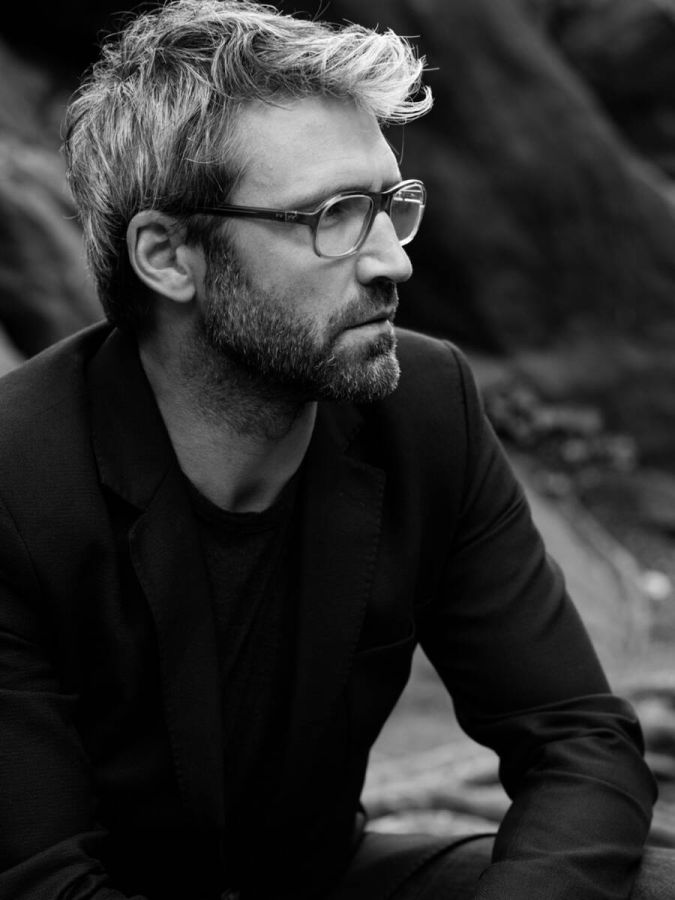
Noe Duchaufour Lawrance
Noé Duchaufour-Lawrance is a French interior designer and architect, known for his organic approach to form and the ability to combine craftsmanship with modern technology. Born in 1974 in southern France, he studied sculpture at the École Nationale Supérieure des Arts Appliqués and design at the famous École Nationale Supérieure des Arts Décoratifs in Paris. His designs are characterized by soft lines, inspired by nature and emotions, as well as exceptional attention to detail. It creates furniture, lighting and interiors for brands such as Ligne Roset, Bernhardt Design, Zanotta, Saint-Louis and Hermès. His works are distinguished by elegance, functionality and sensual aesthetics. Duchaufour-Lawrance combines applied art with a poetic vision of space, creating designs that are both innovative and timeless. He is one of the most valued creators of contemporary design.
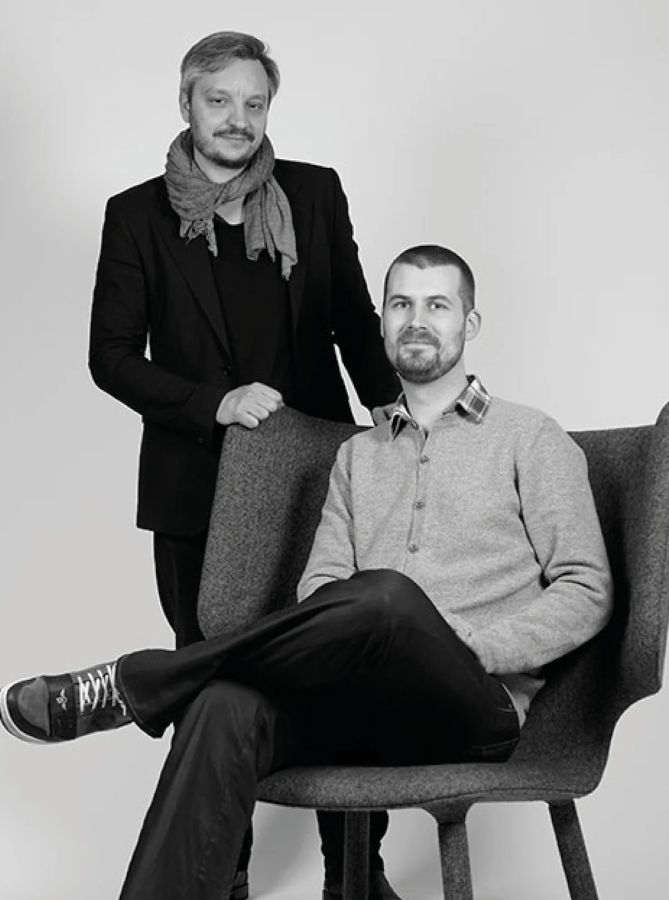
Norgaard & Kechayas
Nørgaard & Kechayas is a design duo based in Denmark, created by Jonas Herman Nørgaard and Nicklas Kechayas. Their studio specializes in furniture and lighting design, combining Scandinavian minimalism with modern functionality and an experimental approach to form. The artists are inspired by both industry and craftsmanship, and their designs are characterized by a distinctive but balanced character. They cooperate with recognized brands such as &Tradition, New Works and WOUD. For &Tradition they created, among others: Manhattan series lamps - elegant, mobile lighting inspired by Art Deco and the silhouette of classic skyscrapers. Nørgaard & Kechayas strive to create objects that are both practical and emotionally engaging. Their works show that contemporary design can be both useful and full of personality.

Norm Architects
Norm Architects is a Copenhagen-based design studio founded in 2008 by Jonas Bjerre-Poulsen and Kasper Rønn Von Lotzbeck. The studio works at the intersection of architecture, design and art, specializing in the design of interiors, furniture, lighting and commercial spaces. Their style is a tribute to Scandinavian minimalism - subdued colors, natural materials and timeless forms. Norm Architects' designs combine functionality with subtle elegance and harmony. The studio cooperates with prestigious brands, including: Audo Copenhagen, &Tradition, Bang & Olufsen and Incidentally. Their approach is based on the philosophy of "pure aesthetics", which emphasizes peace and balance in contemporary space.
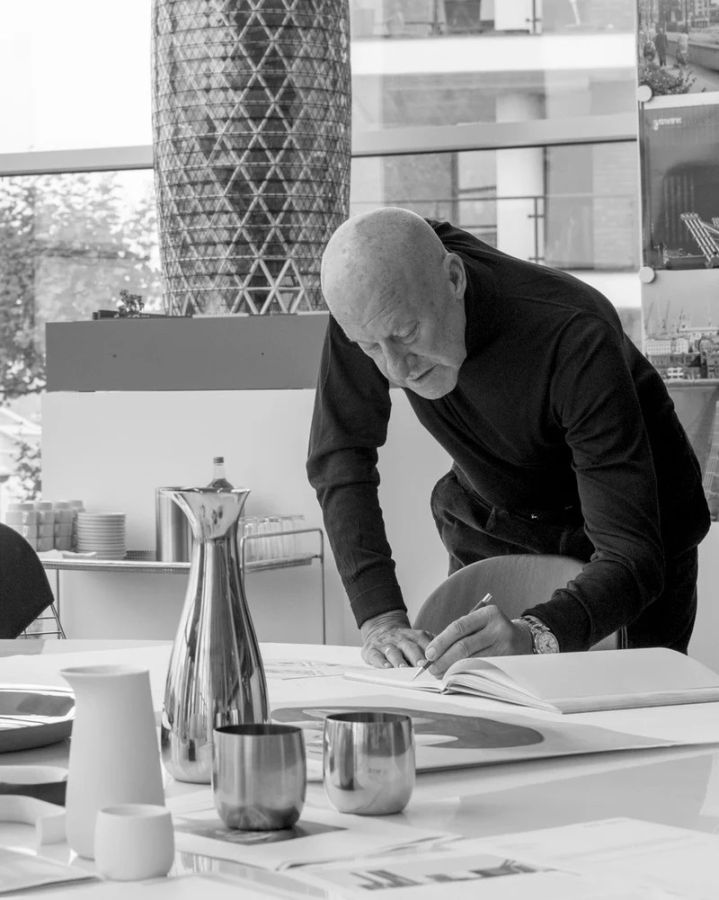
Norman Foster
Norman Foster is a British architect and designer, one of the leading representatives of high-tech and modernism. Born in Manchester in 1935, he graduated in architecture from the University of Manchester and the prestigious Yale University. In 1967, he founded his own studio, Foster + Partners, which became one of the most influential in the world. Foster is the author of such icons as the Swiss Re Tower in London ("cucumber"), the Millennium Bridge, and the expansion of the Reichstag in Berlin. His style combines modern technologies with care for the environment and the functionality of space. Winner of numerous awards, including the Pritzker Prize and a knighthood. In addition to large buildings, Foster also designs everyday objects, including: for Stelton, where he created an elegant collection of kitchen accessories.

Note Design Studio
Note Design Studio is a Swedish design studio based in Stockholm, known for its multidisciplinary approach combining architecture, industrial design, graphics and brand strategy. They cooperate with renowned brands from the furniture and lighting industry, such as &Tradition, for which they designed the versatile Alima trolley. Other famous companies for which they created include: Fritz Hansen, Vibia, Lammhults, Skagerak, Hermès, Klarna, Reform, Pierre Frey, Sancal, Vestre, Zero Lighting and Ondarreta. Their designs are characterized by functionality, aesthetics and attention to detail, which brings them numerous awards and recognition in the industry
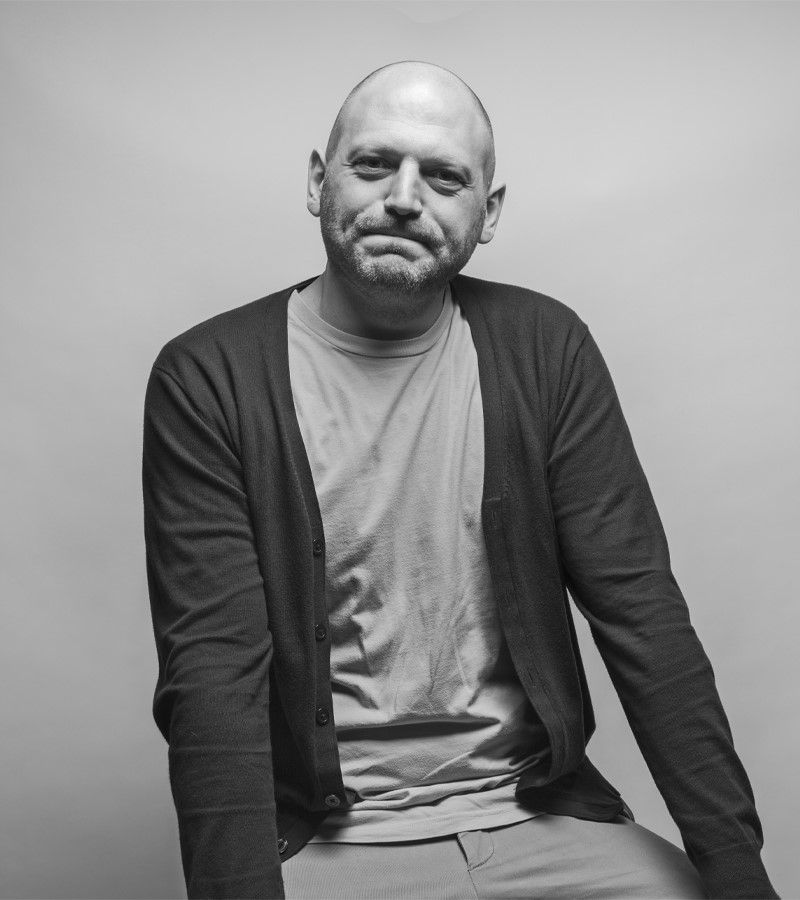
Odo Fioravanti
Odoardo Fioravanti is an Italian industrial designer, born in Rome, graduated from the Faculty of Industrial Design of the Politecnico di Milano. Since 1998, he has been actively working in the field of design, combining industrial design with graphics and exhibition design. In 2003, he founded his own design studio, Odoardo Fioravanti Design Studio, implementing projects for renowned brands such as Pedrali, FontanaArte, Flou, Foscarini, Normann Copenhagen and Vibram. His works are characterized by innovation and functionality, which earned him numerous international awards, including the prestigious Compasso d'Oro in 2011 for the Frida chair for Pedrali. In 2010, his work was honored with a solo exhibition "Industrious Design" at the Triennale di Milano Design Museum.

OEO Studio
OEO Studio is a Danish design studio founded in 2003 by Thomas Lykke and Anne-Marie Buemann. He specializes in interior design, architecture and utilitarian objects, combining Scandinavian functionality with Japanese aesthetics. OEO Studio's works often feature a style known as "compelling minimalism", which is emotionally engaging and makes a deep impression. The studio has won numerous awards, including the Danish Design Award and German Design Awards. Their designs are included in the permanent collections of institutions such as the Victoria and Albert Museum and the Musée des Arts Décoratifs.
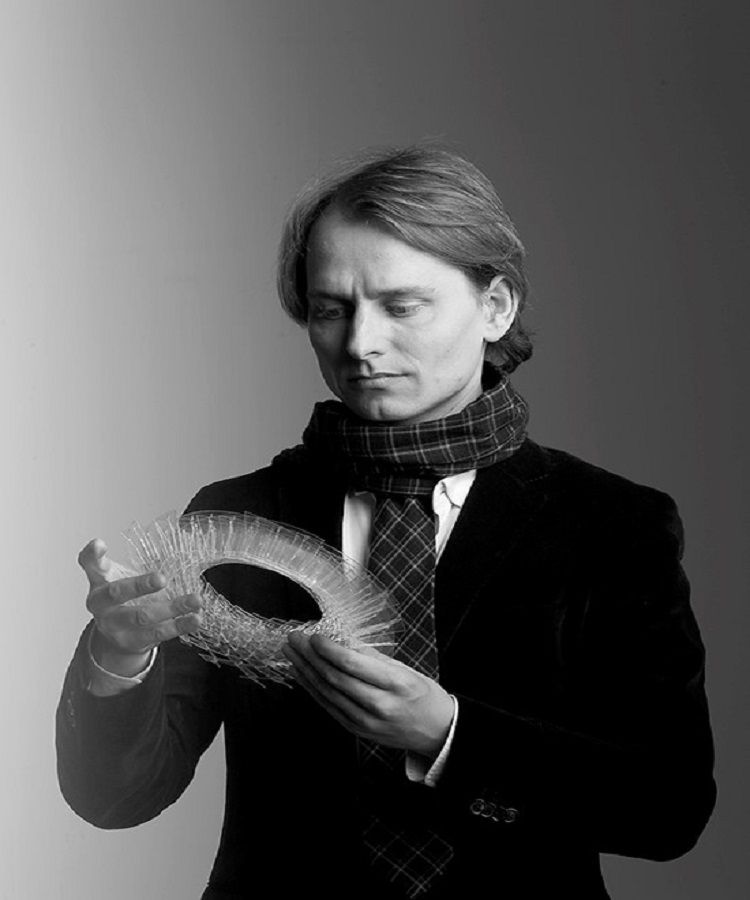
Oivind Slaatto
Øivind Slaatto is a Danish designer and musician, known for creating products inspired by nature, mathematics and organic structures. He studied design in Denmark, as well as music at the Royal Danish Academy of Music, which strongly influenced his approach to design - he often compares the creative process to composing music. His designs are distinguished by precise geometry, rhythm of form and attention to detail. Slaatto has collaborated with many Scandinavian brands, including Louis Poulsen, for which he designed the Patera lamp. This fixture consists of hundreds of small elements creating a three-dimensional structure resembling a crystal or a natural organism, which allows for even scattering of light in space.
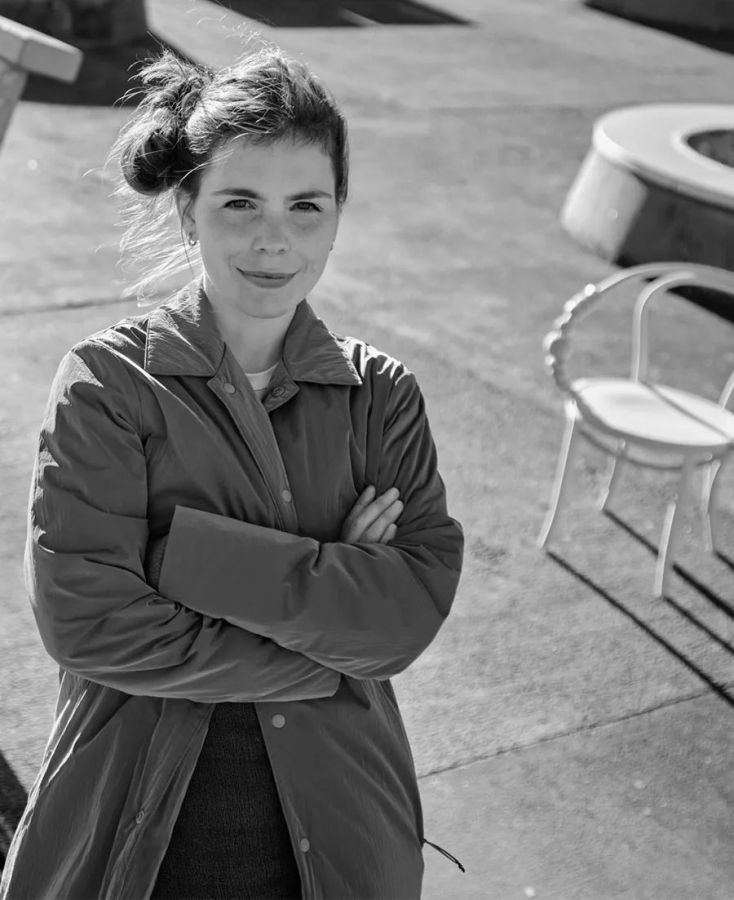
Ola Mirecka
Ola Mirecka is a Polish designer and visual artist living in Denmark. She graduated from the Faculty of Industrial Design at the Academy of Fine Arts in Warsaw (2010) and master's studies at the Royal College of Art in London (2012) . He runs his own studio in Aarhus, where he creates objects and experiences combining traditional crafts with modern technologies. Since 2014, she has been cooperating with the LEGO Group as a designer of brick sets, and in 2020–2021 she was a juror of the "LEGO Masters Polska" program. Her works have been presented at international exhibitions and published in industry media. Mirecka is the co-author of the AlterEgo collection for Paged Meble, awarded in the Dobry Design 2024 competition, and the designer of the Perline armchair. Her work is characterized by an experimental approach in which play and narrative are tools of innovation.

Olav Eldoy
Olav Eldøy is a Norwegian furniture designer, known for his modern and functional forms combining Scandinavian simplicity with ergonomic comfort. He has been associated with the Ekornes brand for years, where he played a key role in creating the iconic Stressless armchair line. He studied at the Norwegian Academy of Arts and Crafts, and his designs are distinguished by organic shapes, well-thought-out construction and attention to detail. Eldøy attaches great importance to the relationship between form and function - its furniture is intended not only to look good, but above all to provide exceptional comfort of use. He draws inspiration from nature, art and modern lifestyle. Thanks to many years of experience and consistent approach to design, Olav Eldøy has gained recognition as one of the most important representatives of contemporary Scandinavian design.
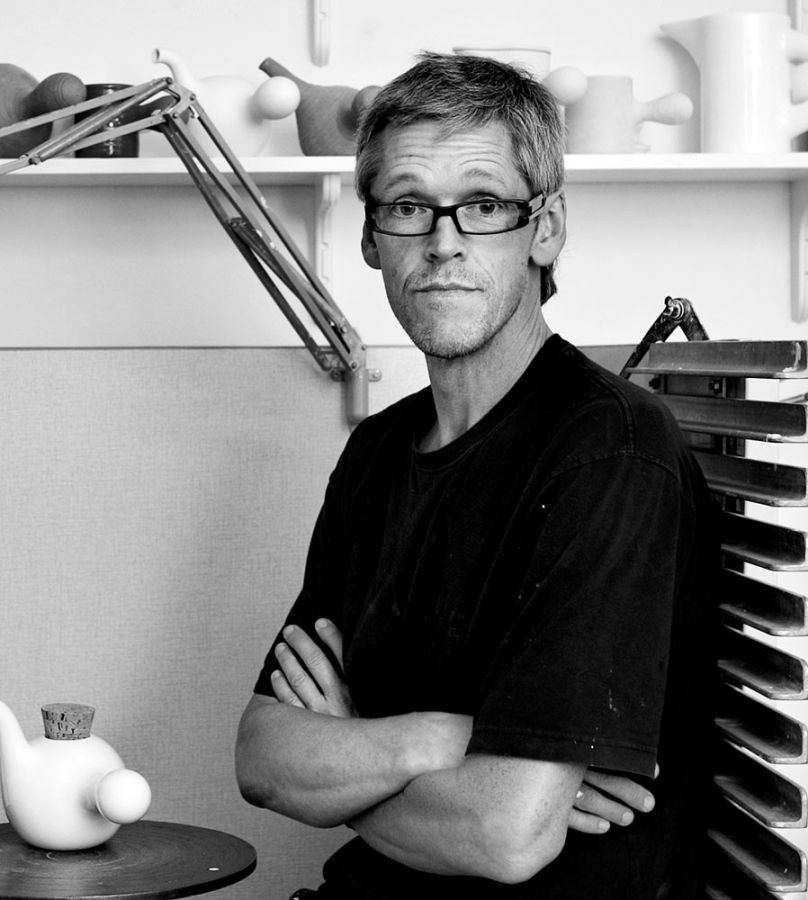
Ole Jensen
Ole Jensen is a Danish ceramicist and designer, born in 1958 in Ejsing. He graduated from the Kolding School of Arts and Crafts and the Royal Danish Academy of Fine Arts in Copenhagen. His work combines functionality with humor, creating everyday objects with a sculptural character. Jensen has collaborated with brands such as Normann Copenhagen, for which he designed, among others, the Familia collection and a dustpan and broom set. His work has been exhibited in museums around the world, including the Victoria and Albert Museum in London and the Designmuseum Danmark in Copenhagen. For his achievements, he received numerous awards, including the Thorvald Bindesbøll Medal in 2004 and the Torsten and Wanja Söderberg Prize in 2006.
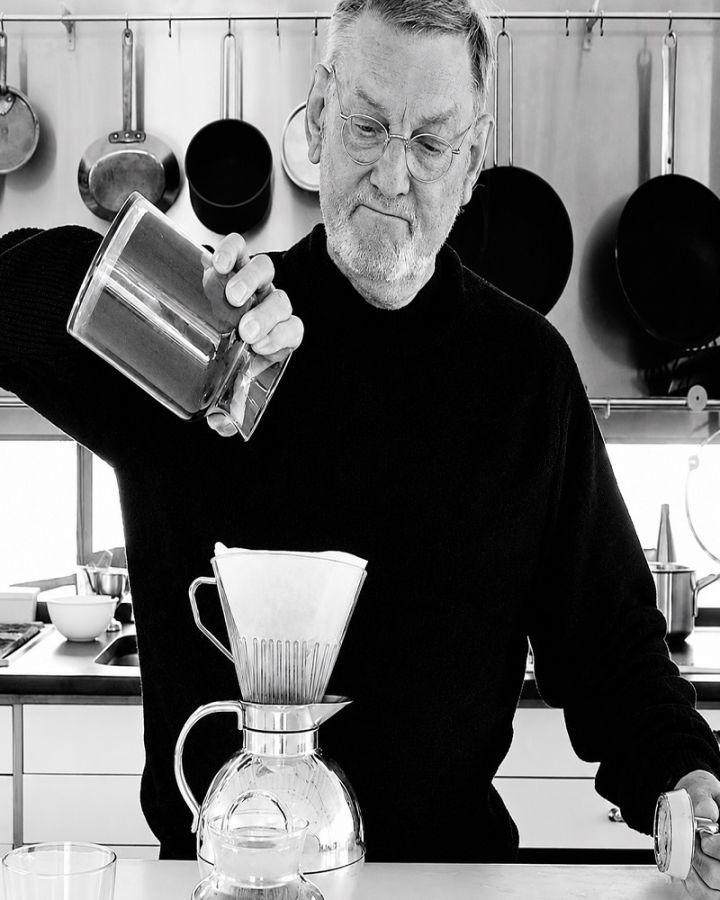
Ole Palsby
Ole Palsby was one of the most important Danish designers specializing in everyday objects. For over 35 years, he has been creating kitchen and table equipment, guided by the principle that good design should combine functionality, durability and timeless form. In 1977, in cooperation with Eva Solo, he created Eva Trio - an innovative collection of tableware inspired by professional kitchens. Palsby focused on a simple structure, the ability to combine various elements and solutions that facilitate everyday cooking. This concept became one of the classics of Danish design and remains the basis of the Eva Trio collection to this day.
Palsby has also designed for brands such as Alfi, Rosendahl and WMF. His work is characterized by clean lines, minimalism and subordination of form to function. In 2000, he was awarded the Order of the Dannebrog.
Ole Petter Wullum
Ole Petter Wullum is a Norwegian industrial designer and architect, born in 1965 in Trondheim. After graduating from the Norwegian Academy of Arts and Crafts in Oslo, he founded his own design studio in 1995, which he still runs on the outskirts of Trondheim. His works combine industrial design, furniture design and architecture, creating minimalist but expressive forms. Wullum is known for designs such as the Fold armchair for Normann Copenhagen, inspired by the simple folding of paper, or the Kimono sofa for Molinari, combining Nordic simplicity with Italian elegance. His approach to design is based on creating objects that are both functional and emotionally engaging, with an emphasis on minimalism and durability.
Oleg Pugachev
Oleg Pugachev is a Russian designer born in 1986 and has been living in Berlin for years. He graduated in product design from the Weissensee Academy of Art Berlin in 2013. After gaining experience in international offices design, in 2015 he founded his own studio, focusing on furniture and lighting design. His approach combines functionality, technology and aesthetics, and intuition plays a key role in the creative process. Collaborated with brands such as Ligne Roset, WOUD, Infiniti and Fameg. His famous designs include the Tambour and Koto collections for Ligne Roset, as well as Jeu de dés candlesticks and Suspended mirrors for WOUD. His works are characterized by minimalism and an interactive approach to use.
Oliver Schick
Oliver Schick is a German designer who has been running his own studio since 2005, specializing in furniture, lighting and interior design. He graduated in product design from the Hochschule für Bildende Künste in Saarbrücken. In his designs, he combines minimalism of form with a rich narrative, creating objects that are functional and at the same time full of emotions. Schick focuses on timeless design that combines aesthetics with usability. He collaborated with brands such as Bolia, GUBI and Ligne Roset. His designs, such as the Ronde Pendant lamp for GUBI, are characterized by subtle details. He also designs with sustainable development in mind, seeking new solutions in terms of materials and functionality.

Orlandini & Radice
Andrea Radice and Folco Orlandini are renowned Italian designers who founded their design studio in 2008. Radice studied industrial design and Orlandini studied architecture at the Politecnico di Milano. Their designs combine functionality with aesthetics, creating furniture and accessories that are both useful and visually attractive. They cooperate with brands such as Alivar, Calligaris, Fast and Potocco. Their works have won numerous awards, including the Good Design Award. Studio Radice & Orlandini is appreciated for its modern approach to design and advanced quality of workmanship.

Oskar Zięta
Oskar Zięta is a world-famous architect and designer, known for his innovative approach to form, technology and material. Creator of the breakthrough FiDU technology, which allows you to create light, durable and sculptural objects from metal by inflating steel. His works balance on the border of design, art and engineering, and iconic designs, such as the Plopp stool or Rondo mirrors, have won numerous international awards and recognition in prestigious museums. Zięta experiments with production processes, redefining the contemporary approach to design. His studio Zięta Studio combines advanced technology with aesthetics, creating objects that inspire and surprise.

Ottesen Stride
Tine Ottesen Stride is a Danish designer whose works combine functionality with aesthetics, drawing inspiration from traditional craft techniques. Her designs are characterized by minimalism and simplicity, often focusing on one motif such as the way of combining materials or reinterpreting traditional forms. Collaborating with the Bolia brand, the artist created the Strap shelf system, which combines solid oak with leather or nylon straps, offering a light and functional form of storage. Her approach to design is based on the belief that good designs are simple, intuitive and innovative, and at the same time aesthetic and proportional. She strives to achieve "something extra" through a harmonious combination of function and form, which makes her works timeless and universal.

Ove Rogne
Ove Rogne is a Norwegian designer, founder and CEO of the Northern brand. He was born in Narvik, and his work is strongly inspired by the raw beauty of northern Norway and the variability of natural light . After obtaining a master's degree in economics and business, he began his career in strategic consulting, but in 2005, driven by his passion for design, he founded Northern Lighting with three friends. His breakthrough project was the Oslo Wood floor lamp, which won recognition for combining functionality with poetic light . In 2008, together with chef Trond Svendgård, he created the Moo wall lamp, a tribute to Norwegian fauna.

Paavo Tynell
Paavo Tynell was a Finnish designer known as "the man who brought light to Finland". He graduated from the school of artistic crafts in Helsinki and co-founded the company Taito Oy, where he designed elegant lamps made of brass and glass. The characteristic features of his works were perforations, lightness and subtle decorations. He collaborated with architects, including: Alvar Aalto, creating lighting for public and private interiors. His most famous designs are models 9602, 9205 and 9209, today produced by GUBI. Tynell's design combined functionality with poetic form, and his lamps are still considered symbols of Scandinavian modernism and are valued by collectors around the world.
Panter & Tourron
Panter & Tourron is a Swiss design studio founded by the creative duo Jean-Pierre Panter and Marion Tourron, known for creating interdisciplinary projects at the intersection of design, technology and research on new forms of life and work. Their aesthetic combines minimalist form with material experimentation and social context. The studio became famous for projects exploring mobility, flexibility and sustainable development, including: the "Tense" concept - a light, mobile furniture system. They cooperate with the &Tradition brand, for which they designed the Pivot collection - graphic, sculptural lamps with a strong formal identity. Panter & Tourron is the voice of a new generation of designers who redefine everyday objects, adapting them to the changing realities of life and work in the 21st century.

Paola Navone
Paola Navone is a renowned Italian architect, designer and artistic director. She started her career in the groups Alchimia and Memphis, collaborating with Ettore Sottsass. Her style is an eclectic combination of Mediterranean, Asian culture and contemporary design. Designs furniture, lighting, ceramics and textiles. She has been the artistic director of Gervasoni since 1998, and has also collaborated with, among others, with Alessi, EMU or Serax. Known for her courage in combining colors and forms. Her designs are distinguished by joy, ease and a traveling spirit.
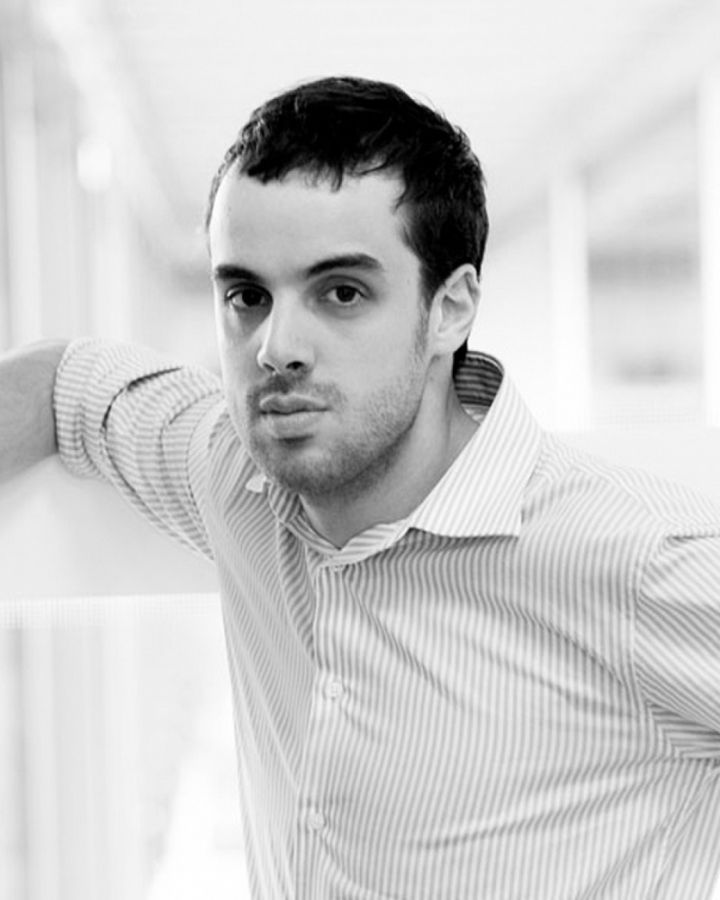
Paolo Cappello
Paolo Cappello is a respected Italian designer whose works combine contemporary minimalism with timeless elegance. A graduate of the Faculty of Industrial Design in Verona, he gained experience in cooperation with outstanding design studios in Italy and abroad. In 2007, he opened his own studio in Verona, focusing on furniture, consumer products and interior design. His designs for renowned brands - such as Miniforms, Ceccotti, Mogg and Baxter - have gained international recognition and numerous awards. The Cappello style is distinguished by simplicity of form, functionality and a skillful balance between tradition and innovation. Its products are an expression of Italian craftsmanship and creativity, and at the same time meet the needs of the modern user.
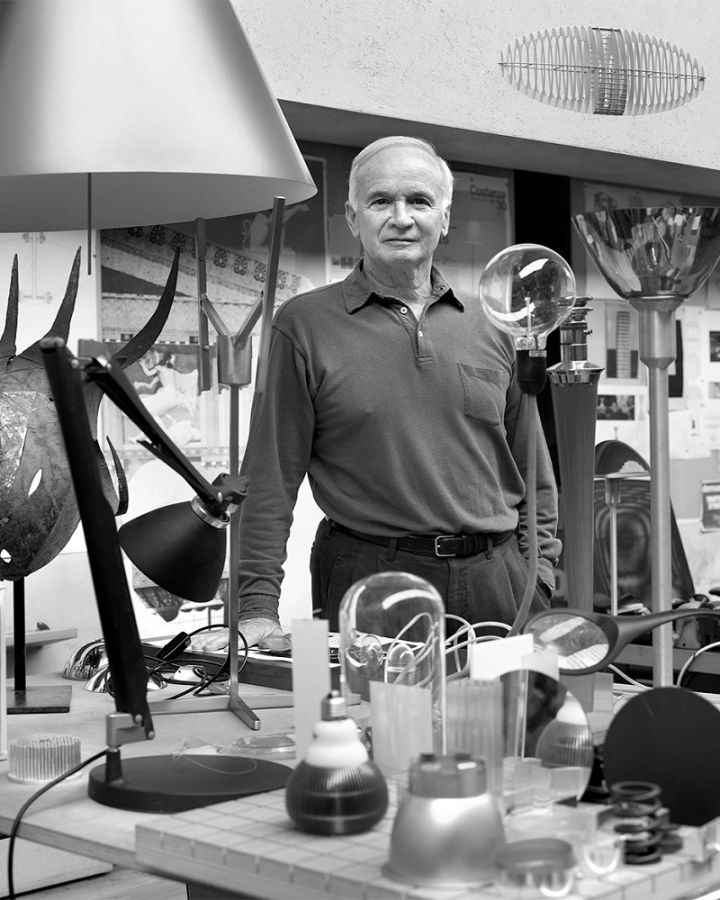
Paolo Rizzatto
Paolo Rizzatto is an Italian designer and architect, considered one of the leading creators of contemporary lighting. He studied architecture at the Politecnico di Milano, and developed his career by collaborating with brands such as Artemide and Flos. Rizzatto became famous primarily as a designer of lamps, including design icons such as Tolomeo, which combine functionality with elegance and precision of workmanship. His designs are characterized by a minimalist form, attention to proportions and user comfort, as well as an innovative approach to mechanics and light regulation. Rizzatto also co-created interiors and arrangements of public spaces, in which light plays a key role. His work has won numerous awards and international recognition, and he remains an inspiration for subsequent generations of designers.
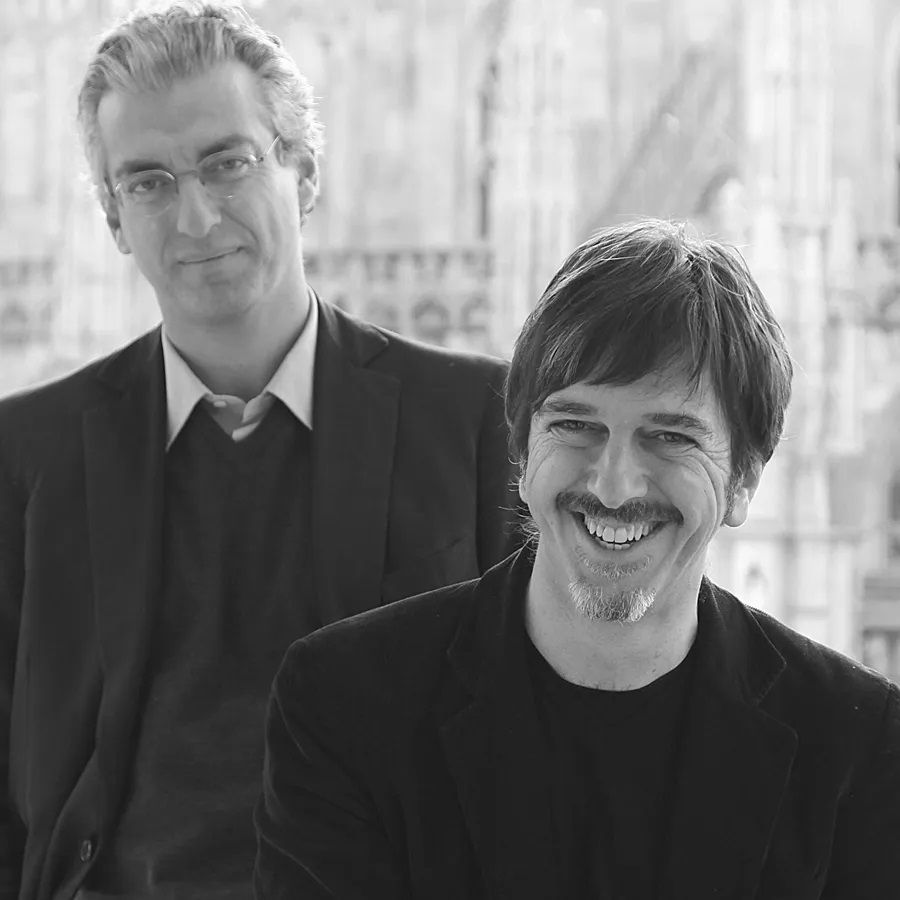
Park Associati
Park Associati is a Milan-based architectural studio founded in 2000 by Filippo Pagliani and Michele Rossi. The team creates innovative projects combining tradition with modernity, including architecture, urban planning, interior and product design. The studio is known for implementing projects such as the Salewa headquarters in Bolzano, The Cube and Priceless restaurants, and the revitalization of the La Serenissima and Gioiaotto buildings in Milan. They are currently working on the new MI.C skyscraper at the Milano Centrale station. Their approach is based on listening, experimentation and sustainability, and the goal is to create spaces that enrich everyday life. Park Associati wins recognition for its bold, elegant and functional designs that shape the contemporary face of Italian architecture.
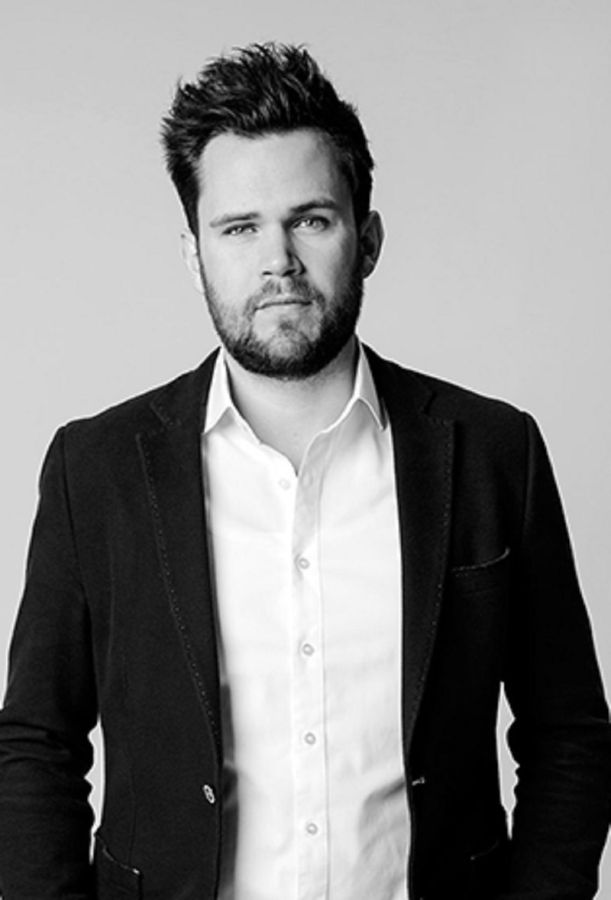
Pascal Bosetti
Pascal Bosetti is a German designer and craftsman who founded Bosetti Design Studio in Munich in 2015. His approach to design combines emotion, functionality and rigorous form. Trained as a master metalworker, Bosetti completed his Master's in Design at the Hochschule für Gestaltung und Kunst in Basel in 2010. His passion for materials and their properties is manifested in designs that harmoniously combine aesthetics with utility. He cooperated with renowned brands such as Bolia, for which he created, among others: the Kimono bar chair inspired by Japanese traditional costume and the Arco furniture collection characterized by arched forms and simplicity of construction. Bosetti has won numerous awards, including the German Design Award and the Good Design Award, and his works have been presented at international exhibitions. As a guest lecturer, he shares his knowledge in the field of product design and industrial design.
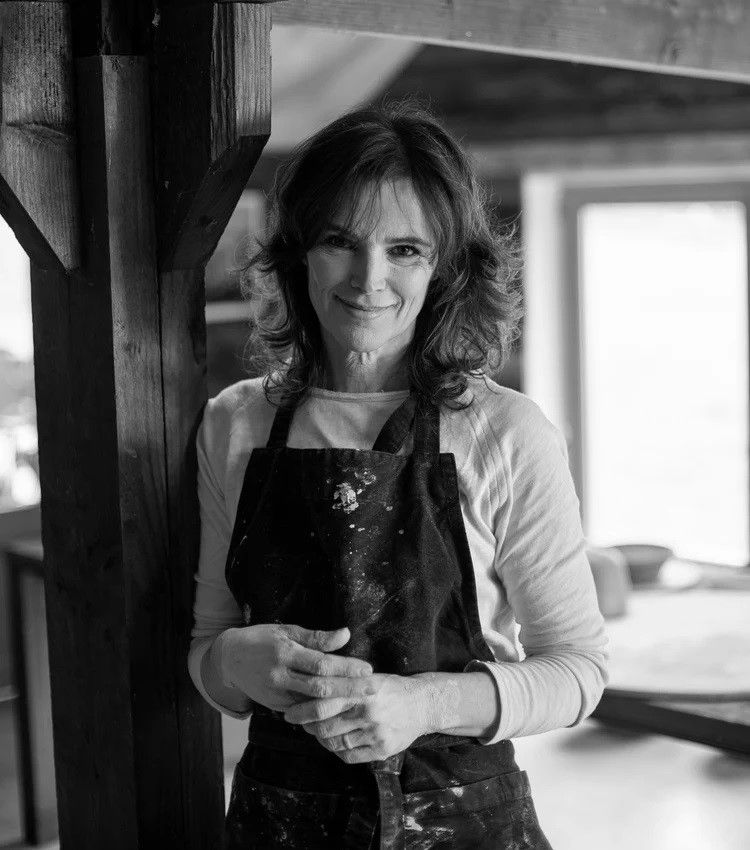
Pascale Naessens
Pascale Naessens is a Belgian designer, author and interior stylist, known for creating elegant, functional everyday objects. Her designs are distinguished by simplicity, natural materials and a minimalist style that combines aesthetics with practicality. It creates tableware, kitchen accessories and interior decorations, focusing on timeless design and high quality workmanship. Her works reflect the philosophy of "less is more", introducing harmony and peace to the home space.
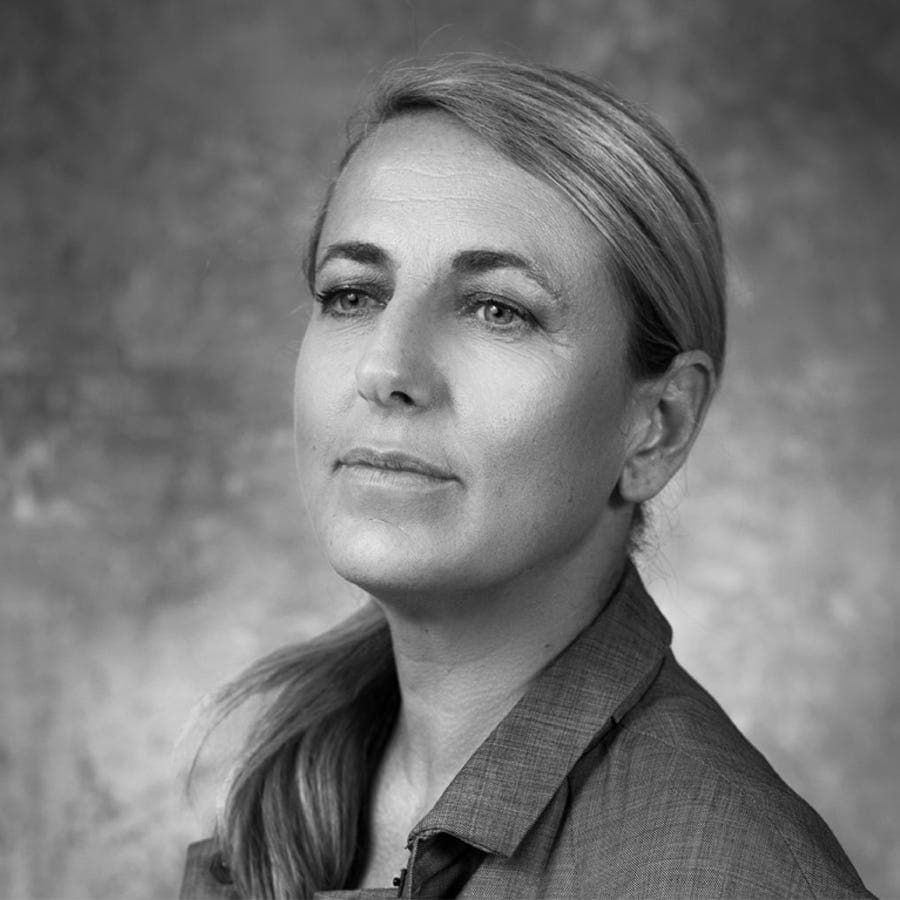
Patricia Urquiola
Patricia Urquiola is a renowned Spanish designer and architect living in Milan. She studied architecture in Madrid and Milan, where her mentor was Achille Castiglioni. In 2001, she founded her own studio, creating designs for brands such as Cassina, Moroso, Flos, Kartell and B&B Italia. Since 2015, he has been the artistic director of Cassina. Her style combines modernity with craftsmanship and technology, creating functional, emotional objects. It is known for furniture such as Tufty-Time and Fjord. Her works can be found at MoMA and the Vitra Design Museum. Winner of many awards, including the Order of Isabella the Catholic. It is also involved in sustainable development and the promotion of design as a tool for social change.
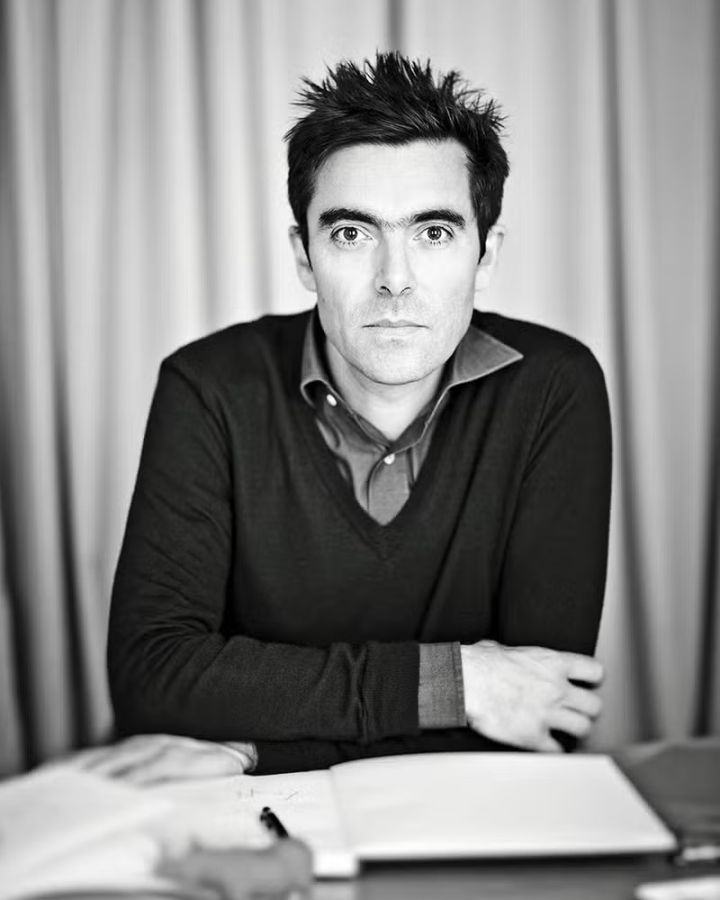
Patrick Jouin
Patrick Jouin is a French designer born in 1967 in Nantes, a graduate of École Nationale Supérieure de Création Industrielle (ENSCI). He started his career in the studio of Philippe Starck, and in 1998 he founded his own studio Patrick Jouin iD, specializing in industrial design and functional design. In 2006, together with architect Sanjit Manku, he created the Jouin Manku studio, which implements projects at the intersection of architecture and design. Jouin has collaborated with renowned brands such as Cassina, Kartell, Alessi, Pedrali and Fermob. His projects, combining elegance with innovation, include furniture, lighting and equipment for public spaces, including Vélib' stations and municipal toilets in Paris. In 2011, he received the Compasso d'Oro award for the project PastaPot for Alessi. His works are in the collections of MoMA, Center Pompidou and other prestigious museums. In 2020, he was awarded the Legion of Honor.
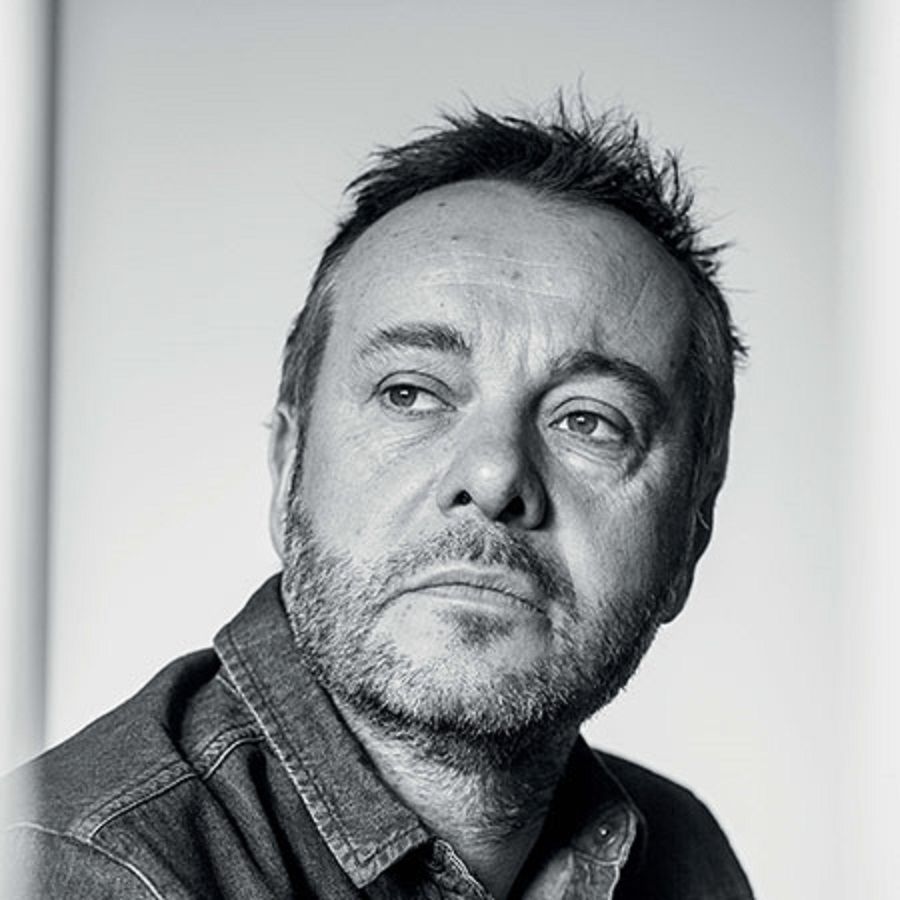
Patrick Norguet
Patrick Norguet is one of the most respected contemporary designers from France, known for the sophisticated combination of modern aesthetics with functionality. Born in 1969 in Tours, trained in industrial design, he gained international recognition thanks to his furniture, lighting and interior designs for brands such as Cassina, Poltrona Frau, Ligne Roset, Alias and TON. His style is characterized by clean lines, an innovative approach to materials and a deep understanding of the user's needs. Norguet often cooperates with manufacturers to create not only beautiful, but also ergonomic forms - both for the home and commercial sectors. His works are included in the collections of prestigious design museums. The designer focuses on timelessness, conscious choice of materials and excellent quality of workmanship.
Patrick Paris
Patrick Paris is a designer whose work balances between architecture, sculpture and functional design. In his designs, he focuses on raw materials, organic forms and the emotional character of objects that are intended to build the atmosphere of the interior as much as the functional function. His aesthetics is often inspired by brutalism, minimalist architecture and natural imperfections of materials, thanks to which the objects he creates are distinguished by their authenticity and expressive form. Cooperation with Serax resulted in collections of lighting and interior accessories with a sculptural character, which have gained the recognition of modern design lovers around the world.

Paul McCobb
Paul McCobb was an American furniture and interior designer, considered one of the most important creators of the modernist style in the mid-20th century. He was born in 1917 in Massachusetts and although he had no formal architectural education, he quickly gained recognition thanks to his sense of proportion, functionality and elegant form. He is best known for the Planner Group furniture collection, which was available to a wide audience and combined modern aesthetics with an affordable price. McCobb also designed lighting, ceramics, textiles and everyday objects. Its style is characterized by clean lines, light form and practicality, often using metal and light wood. McCobb's works still inspire designers and collectors, and his furniture is icons of American design. He died in 1969, leaving a lasting legacy in the world of design.
Paul Schneider-Esleben
Paul Schneider-Esleben was a German architect and designer, one of the key representatives of post-war modernism in Germany. He was born in Düsseldorf as the son of the architect Franz Schneider. He studied architecture at Technische Hochschule Darmstadt, and after the war he continued his education at the Technische Hochschule Stuttgart, obtaining a diploma in 1947. In 1949, he founded his own office design in Düsseldorf. Schneider-Esleben was also an academic, teaching at the Hochschule für bildende Künste in Hamburg and as a guest professor at the Technical University of Vienna. His works were characterized by functionality and the integration of art with architecture.
Pavel Vetrov
Pavel Vetrov is a Ukrainian furniture and interior designer born in 1987 in Kiev. His designs combine functionality with aesthetics and are often inspired by nature, culture and art. Collaborated with many renowned brands, including the Danish company Bolia, for which he created, among others, "Wave" shelf, inspired by the movement of waves. His portfolio also includes projects for companies such as Missana, Temahome and Hyundai Livart. Vetrov has won over 70 design awards including the Red Dot Award, German Design Award and Good Design Award . His works have been presented at international exhibitions such as Salone del Mobile Milano, Maison & Objet and IMM Cologne.
Pawlak&Stawarski
Pawlak & Stawarski is a Polish designer duo; Justyna Pawlak and Michał Stawarski specializing in furniture, product and interior design. Their works are characterized by a minimalist form, attention to detail and functionality, combining modern aesthetics with classic craftsmanship. They willingly cooperate with recognized brands such as Famegand local producers, promoting Polish design internationally. In their designs, they focus on simplicity, high quality materials and timelessness. They are inspired by everyday use of objects and natural materials, striving to create objects that are not only aesthetic, but also comfortable and durable.
PEDERJESSEN
PEDERJESSEN is a Danish design studio founded in 2015 by Søren Pedersen and Lasse Jessen, graduates of the University of Southern Denmark in industrial design engineering. Artists sspecializes in furniture and lighting design, combining traditional craftsmanship with modern technologies. Their approach to design is holistic; from concept to final product with an emphasis on functionality, aesthetics and durability. The studio is known for experimenting with new materials and technologies, which allows them to create innovative and aesthetic products. They cooperate with renowned brands such as Mater, for which they designed a collection of Ray lamps, characterized by a minimalist design and the use of natural materials such as wood and steel.

Pedro Salgado
Pedro Salgado is a Portuguese designer, graduate of the Escola Superior de Artes e Design (ESAD) in Porto. He started his career by collaborating with renowned designers, which allowed him to gain valuable experience and develop his own style. His approach for design is characterized by a wide range of interests and involvement in various business areas, including cooperation with universities and national and international brands. Currently, he is preparing to launch his own furniture brand, which proves his ambition and pursuit of independence creative.For the Polish brand Paged, he designed the LA BENDA furniture collection, which combines modern design with functionality, reflecting his unique approach to design. Salgado believes in the potential of design as a tool to create innovative solutions that meet the needs of the modern user. His works are characterized by attention to detail, aesthetics and understanding of materials and their properties, which makes his designs both visually attractive and practical in everyday use.
Pedro Sottomayor
Pedro Sottomayor is a Portuguese industrial designer whose practice focuses on the reduction of form, clarity of construction and functional logic of utility objects. His approach to design is based on architectural thinking about an object - as an element of space that is to be simple, durable and intuitive to use. In his work, he combines engineering precision with sensitivity to material and proportion, creating designs devoid of unnecessary decorativeness. Collaborating with brands such as FRAMA, Sottomayor develops the language of contemporary minimalism, in which form follows directly from function. His designs, including Tasca Chair, are characterized by visual lightness, modularity and high durability, which makes them suitable for both private and commercial spaces.
Pepe Valenti
Pepe Valenti is a talented designer whose work combines modern minimalism with an expressive, emotional message. His works are characterized by courage in experimenting with form, color and typography, which makes each project unique. Valenti specializes in visual identification, graphic design and brand communication, and his approach is based on a deep understanding of the client's identity and transforming it into a coherent, attention-grabbing visual narrative. It cooperates with both independent brands and large companies, providing solutions that stand out for their aesthetics and functionality. His works have been presented at international exhibitions and published in industry media. For Pepe Valenti, design is not just a profession - it is a way of thinking and a tool for building meaningful relationships.
Per Oie
Per Øie is a Norwegian designer who became famous for his innovative approach to ergonomics and movement in everyday life. His most famous work is Move™ - an iconic balancing chair that has been revolutionizing the way of sitting for years. Øie was an engineer by training, and his work always combined functionality with a deep understanding of human anatomy. In his design, he focused on activity, freedom and naturalness of movement - he believed that furniture should not limit, but support the body. Move™, designed in the 1980s, remains one of the most important symbols of Norwegian functional design to this day. Minimalism of form and maximalism of function - this is the essence of his philosophy. Working with the Varier brand, Øie contributed to the creation of a new product category: active seats that change the approach to everyday comfort and health.
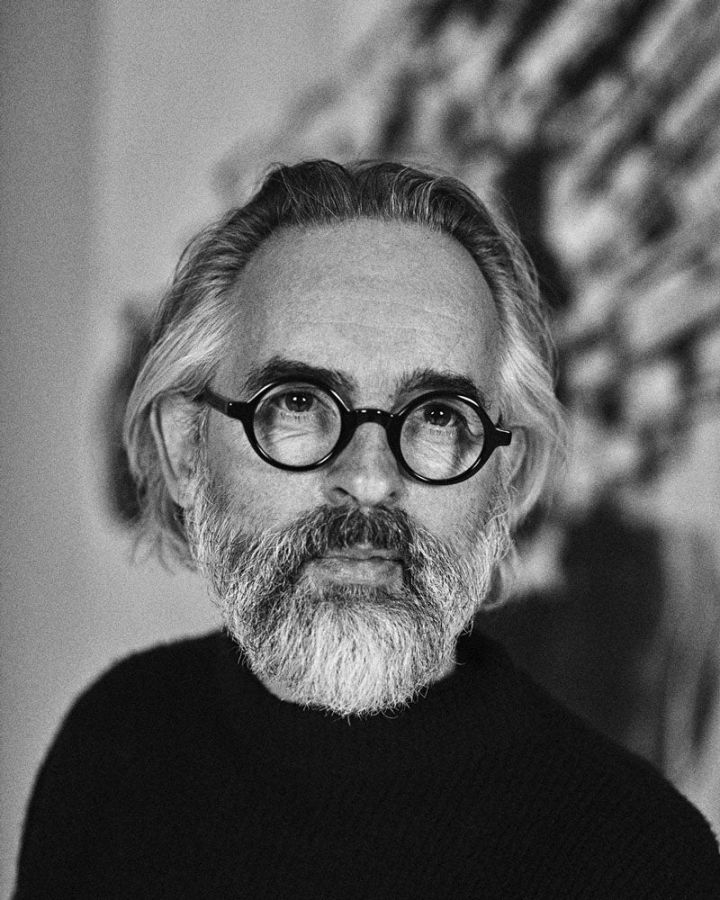
Per Weiss
Per Weiss is a talented designer whose works are distinguished by a modern approach and attention to detail. He specializes in creating innovative graphic solutions that combine functionality with aesthetics. His designs are characterized by a clear form, harmonious use of colors and well-thought-out composition, which makes them both effective and practical. Per Weiss works with a variety of clients, from small start-ups to large brands, always adapting his style to individual needs. His creativity and professionalism allow him to complete even the most demanding orders, creating solutions that engage and inspire recipients. He is a passionate designer for whom design is not only a job, but above all a way of expressing oneself.

PerezOchando
PerezOchando is a Spanish design studio founded in 2014 by Claudia Pérez and Pedro Ochando. The studio specializes in a wide range of design; from graphics through product design to art direction. Their works are characterized by minimalism of form, elegance and innovation, combining aesthetics with functionality. They cooperate with renowned brands such as Sancal, Marset, Missana, Inclass and Fambuena and Teulat, designing furniture, lighting and accessories. The studio focuses on sustainable development and a conscious approach to materials, which makes their designs modern and ecological. Additionally, team members conduct workshops and lectures at universities, sharing their knowledge and experience in the field of design.
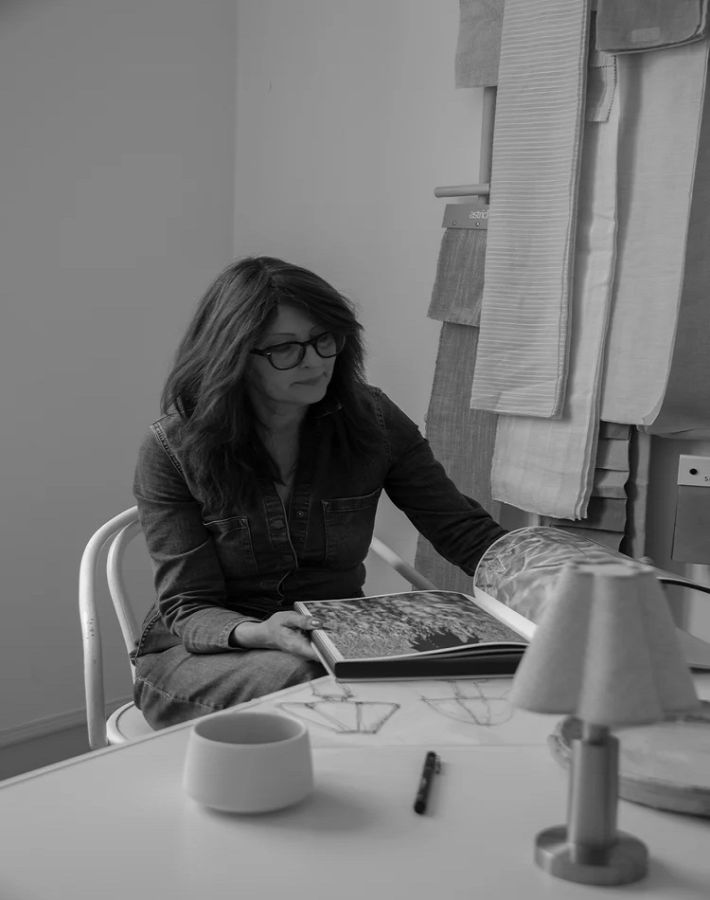
Pernille Arlien-Soborg
Pernille Arlien-Søborg is a Copenhagen-based designer specializing in the design of interiors and objects where atmosphere, materials and user experience are particularly important. She graduated from Spatial Design at the Royal Danish Academy, and in 2008 she founded her own design studio. Her portfolio mainly includes hotel, restaurant and office space designs. In his work, he pays attention not only to the appearance of the interior, but also to how space affects the senses and emotions. It combines light, textures, materials and sound, creating places conducive to meetings and interactions. For Audo, she designed Admiral Portable Lamp, inspired by the atmosphere of shared meals and evening meetings at the table.

Peter Holmblad
Peter Holmblad is a Danish designer and manager who played a key role in the development of the Stelton brand - one of the icons of Scandinavian design. As the company's managing director for over 30 years, he introduced a modern approach to industrial design, collaborating with, among others, with Arne Jacobsen and Erik Magnussen. Holmblad also created things himself - his most famous design is the classic Stelton corkscrew, appreciated for its functionality, simplicity and elegant form. It is characterized by a commitment to the idea that design should be both aesthetic and practical. Thanks to his vision and consistency, the Stelton brand has become a global symbol of minimalist, durable design. Peter Holmblad is a figure who defined a modern approach to the design of everyday objects, remaining faithful to the Scandinavian design philosophy.
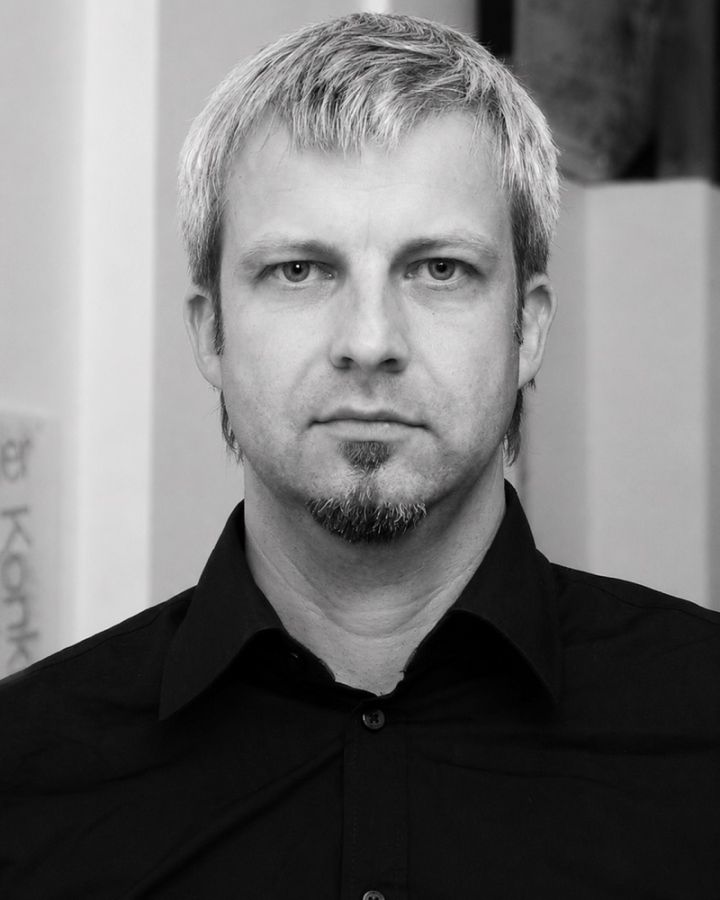
Peter Horn
Peter Horn is a German furniture designer and constructor, known for creating functional solutions combining modern design with everyday usability. He has been cooperating with the Richard Lampert brand for many years, for which he created a number of appreciated projects intended for both residential and educational spaces. In his projects, he pays particular attention to ergonomics, durability and the ability to adapt furniture to the changing needs of users. Peter Horn's most recognizable designs include children's furniture from the Richard Lampert collection, including the Turtle chair and FIXX containers. His designs are distinguished by their minimalist aesthetics, high quality of workmanship and timeless character, thanks to which they successfully serve users for many years.
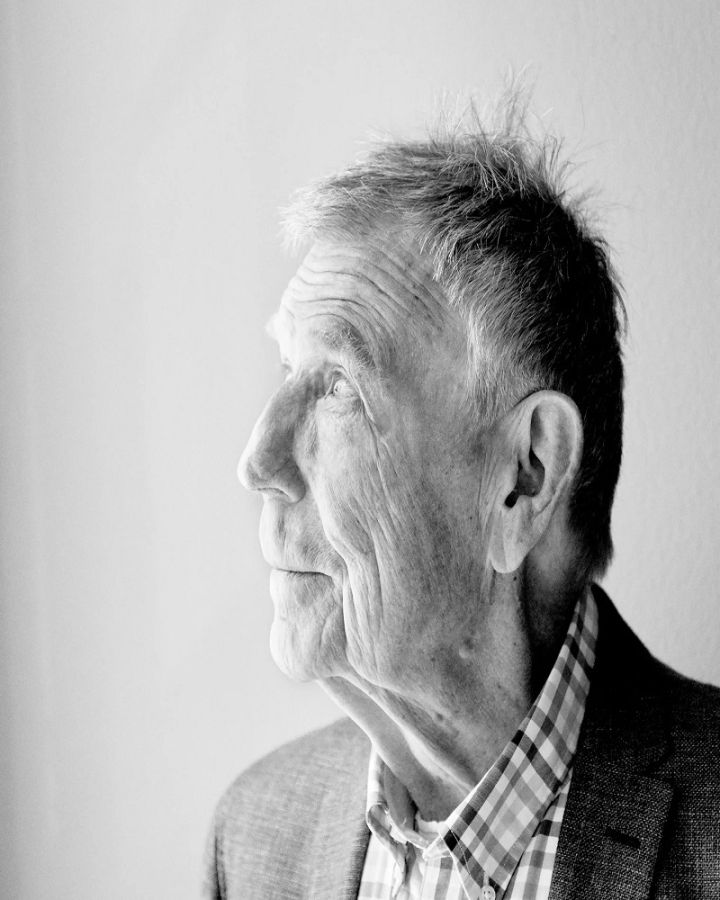
Peter J. Lassen
Peter J. Lassen is a Danish designer and founder of the cult brand Montana Furniture. For many years he collaborated with icons of modernism, such as Arne Jacobsen and Verner Panton, which shaped his approach to design - functional, modular and embedded in a strong aesthetic message. In 1982, he created Montana - a furniture system based on the principles of flexibility, freedom of choice and personal expression. His designs are characterized by simplicity of form, perfection of workmanship and vivid colors. Lassen believed that good design should serve the user for a lifetime.
Peter Johansen
Peter Johansen is a Danish furniture and space designer who graduated from the Royal Danish Academy of Fine Arts in 2004. After graduation, he founded his own design studio Peter Johansen/0501 in Copenhagen. His work is inspired by everyday life and surroundings, and his designs are characterized by a logical approach and flirtation with triviality. Johansen often works with 1:1 scale models, which allows him to precisely refine the proportions and Product functionality. One of his most famous designs is the Curve hanger for Normann Copenhagen, which combines a classic form with a modern expression. Johansen drew inspiration from 1950s Danish design, adding his own minimalist take on the design process.

Peter Kroehl
Peter Kroehl is a German industrial designer, known for his minimalist and functional designs that have gained recognition around the world. His approach to design is based on the principle that the product should be self-explanatory, meet all technical requirements and be perceived as a balanced whole with dynamic proportions. One of his most famous projects is the LOOP keychain for the PHILIPPI brand, which won three prestigious awards, including the Red Dot Award. The inspiration to create LOOP was the desire to design an individual key fob for his first car during his internship in a metal workshop. Kroehl values the combination of formal aesthetics with technical innovation and durability, which is visible in his projects. His works are appreciated for a clear concept of good design, combining functionality with aesthetics.
Peter Lienhart
Peter Lienhart is a German industrial designer, born in 1969, graduated from the University of Pforzheim. His design philosophy is based on the principle that form should follow function, and every detail must have a practical justification. He specializes in creating everyday products that combine technical precision with minimalist aesthetics. His designs are characterized by simplicity of form, clarity of construction and attention to detail, which gives them timeless and functional character. Lienhart has gained recognition for skillfully combining technical requirements with elegant minimalism, creating objects that are both practical and aesthetic.

Peter Natedal & Thomas Kalvatn Egset
Peter Natedal and Thomas Kalvatn Egset are Norwegian designers specializing in furniture and lighting, known for their innovative approach to traditional crafts. Both were born in 1981, graduated with a master's degree in furniture design from the Oslo National Academy of Arts - Natedal in 2008, and Egset in 2009. Natedal comes from Porsgrunn, where he continues the family tradition in the furniture trade, dealing with lighting and furniture design, 3D modeling and hotel interior design. Inspired by the crafts of his carpenter grandfather, Egset works as a freelance designer in Oslo. Their joint work is the Diva lamp collection for the Northern Lighting brand, combining modern design with Norwegian craftsmanship.
Peter Opsvik
Peter Opsvik is a Norwegian industrial designer and innovator in the field of ergonomics, known primarily as the creator of revolutionary active chairs that change the way we think about sitting. His approach combines functionality with modern design, focusing on natural body movements and promoting healthy posture. Opsvik is the author of the iconic Balans® model, which has become an icon of kneeling chairs, as well as the co-designer of models such as Variable™ and Ekstrem™, which have gained international recognition for their innovation and comfort of use. His works are distinguished by their minimalist form, light construction and the use of natural materials. Opsvik cooperates with the Varier brand, providing solutions ideal for modern offices, creative spaces and home offices. His designs combine aesthetics, health and functionality, inspiring active and conscious sitting.
Peter Svarrer
Peter Svarrer is a renowned Danish glass designer, born in 1957. He graduated from the Skolen for Brugskunst (now the Royal Danish Academy of Fine Arts, Faculty of Design) in 1981, and a year later he founded his own glass studio. Since 1997, he has been working closely with the renowned Holmegaard glassworks, for which he created cult series such as Cocoon, Future, Cabernet and Reflection. Svarrer is known for combining aesthetics with functionality, drawing inspiration from Nordic tradition and organic forms of nature. His designs are characterized by their ability to capture and reflect light, which has earned him the nickname "master of light". Pays special attention to details such as the proportions of the goblet, the height of the stem and the way the wine bouquet spreads in the glass, as seen in the Cabernet series.

Peter Zumthor
Peter Zumthor is a Swiss architect known for minimalist, sensual designs that focus on material, light and the emotional perception of space. The son of a carpenter, he started his career as a journeyman and then studied design in Basel and at the Pratt Institute in New York. In 1979, he founded his own studio in Haldenstein, where he works with a small team. His most famous works include: Therme Vals (1996), Kunsthaus Bregenz (1997), the Columbus Museum in Cologne (2007) and Brother Klaus' Chapel in Germany (2007). His designs are characterized by simplicity, attention to detail and a deep understanding of the context of the place. In 2009 he received the Pritzker Prize and in 2013 the RIBA Royal Gold Medal.
Phanta
Phanta is a Danish design studio founded in 2020 in Copenhagen, known for its experimental approach to design, fashion and visual identification. He creates everyday objects, campaigns, merch and installations combining art and craft. The studio is distinguished by its colorful, playful language of forms and a strong emphasis on sustainable development - many projects are based on recycled materials. Phanta cooperates with brands such as HAY and Mads Nørgaard, creating projects that combine aesthetics with functionality. Their works are characterized by joy, energy and a fresh look at contemporary design.
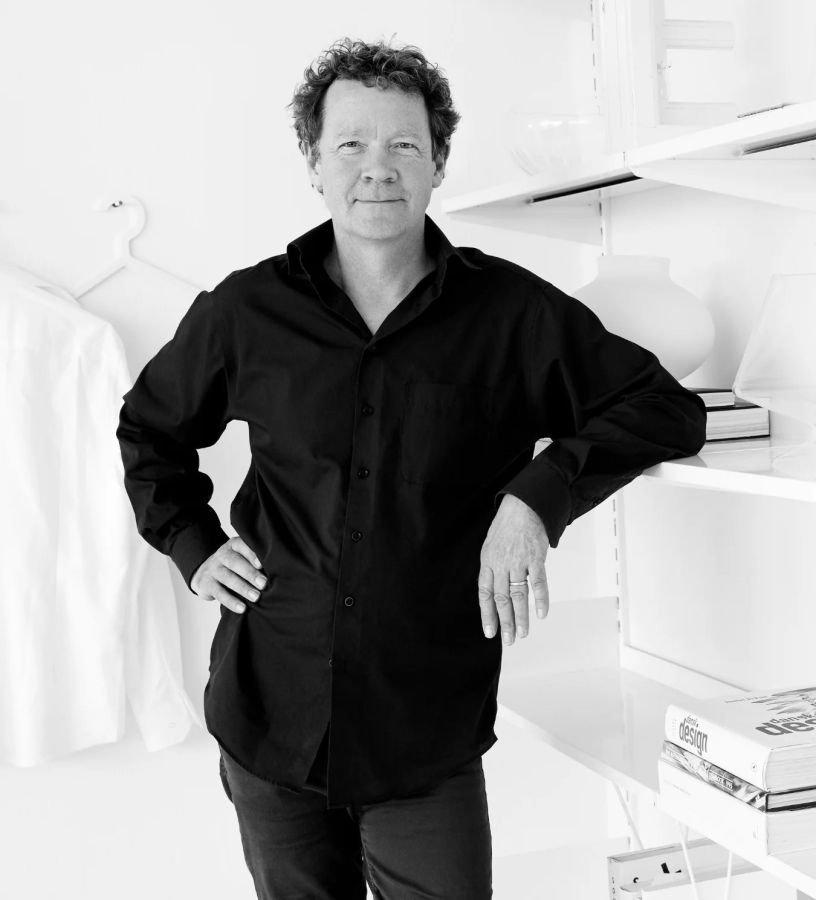
Philip Bro
Philip Bro Ludvigsen is a Danish industrial designer born in 1962 in Australia. In 1989, he graduated from the Danish Design School in Copenhagen, and in 2001 he founded his own studio, Philip Bro Design. He specializes in the design of furniture, lighting and interior accessories, combining functionality with a poetic, often surprising approach to form. His designs are characterized by soft lines, natural materials and innovative solutions, such as the UnderCover lamp for Le Klint with replaceable lampshades. He has collaborated with renowned brands such as Georg Jensen, Royal Copenhagen, Softline, Woud, Lyngby Porcelæn and IKEA. He has won numerous awards, including the Red Dot Design Award and the Good Design Award. Philip Bro is also involved in sustainable design projects such as Tiny Gardens and GrowBox. His work is proof that serious design can be stylish, funny and non-obvious at the same time.
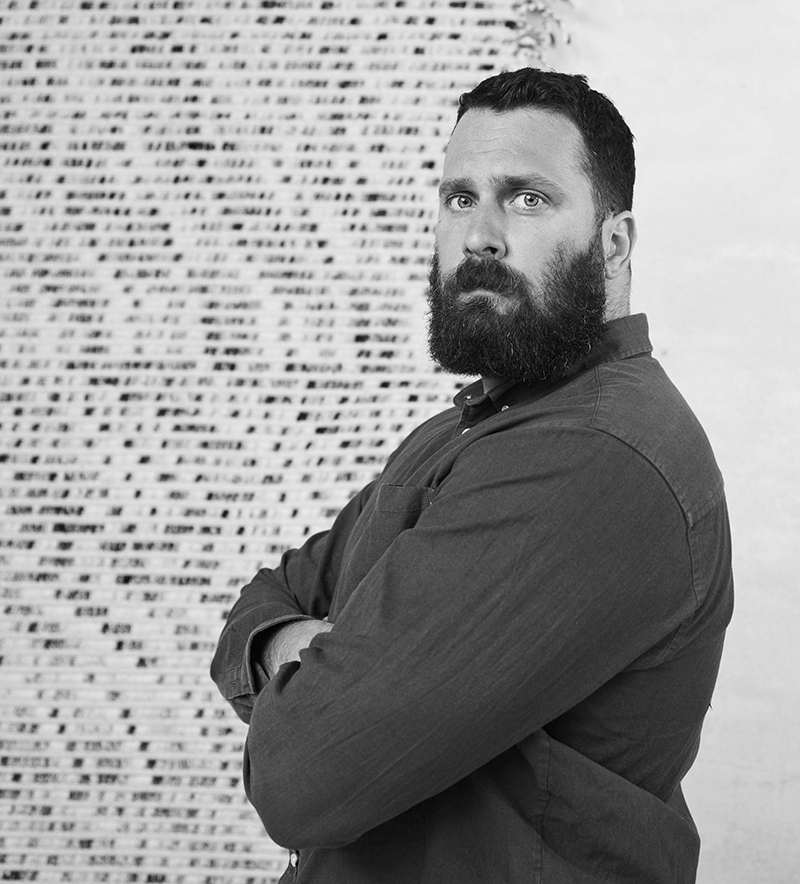
Philippe Malouin
Philippe Malouin is a Canadian designer living in London, known for his experimental approach to form and material. He graduated from the Design Academy Eindhoven and studied at the Ecole Nationale Supérieure de Création Industrielle in Paris and the University of Montreal. In 2008, he founded his own studio that designs furniture, carpets, lighting, installations and spaces. Malouin is famous for bold, often surprising solutions; his designs combine sculptural expression with functionality and minimalism. He collaborated with brands such as Kvadrat, SCP, Resident, Matter Made and Hem, and his works were presented at prestigious exhibitions, including: at Design Miami and Salone del Mobile in Milan.
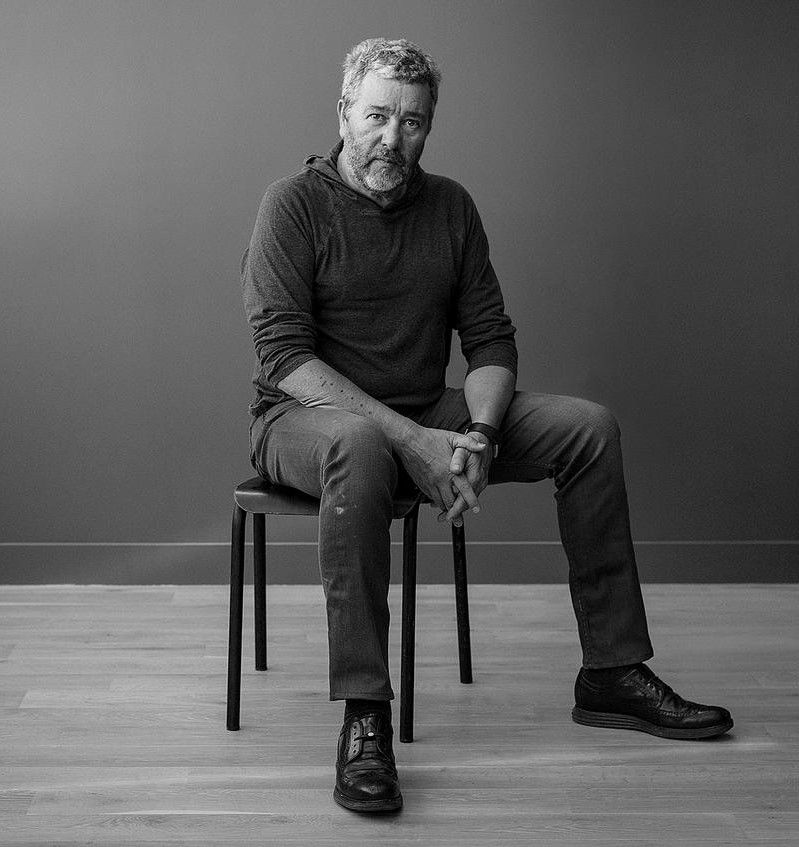
Philippe Starck
Philippe Starck is a French designer who revolutionized contemporary design. Artsta has gained international fame thanks to innovative, functional and artistic designs that combine minimalism with a surprising form. His career covers a wide range of fields: from architecture, through furniture to everyday products. Starck cooperated with renowned brands such as Alessi, Kartell and Flos. His designs, such as the "Louis Ghost" chair or the "Mama Shelter" hotel, are characterized by originality, elegance and a sense of humor. The designer's philosophy is to adapt form to function, while respecting ecology. Starck has won numerous awards and his works are exhibited in prestigious museums around the world.
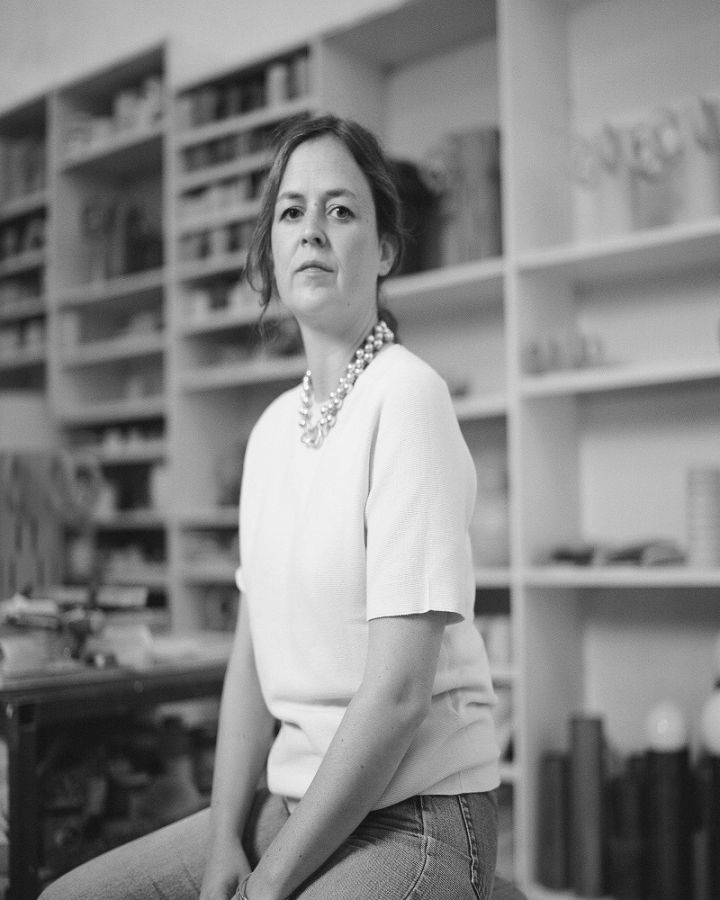
Pia Chevalier
Pia Chevalier is a French designer and artist who combines craft with design, creating objects on the border of applied art and sculpture. She graduated from École Boulle in Paris, specializing in decoration and surface treatment. Her works are characterized by spontaneity and an experimental approach to materials such as ceramics, steel, brass and fabrics. Chevalier transforms everyday objects into unique forms, giving them with an emotional dimension. She collaborated with brands such as Petite Friture, Longchamp and Le Tanneur. Her studio is located in Aubervilliers, where she continues to explore the boundaries between functionality and aesthetics.
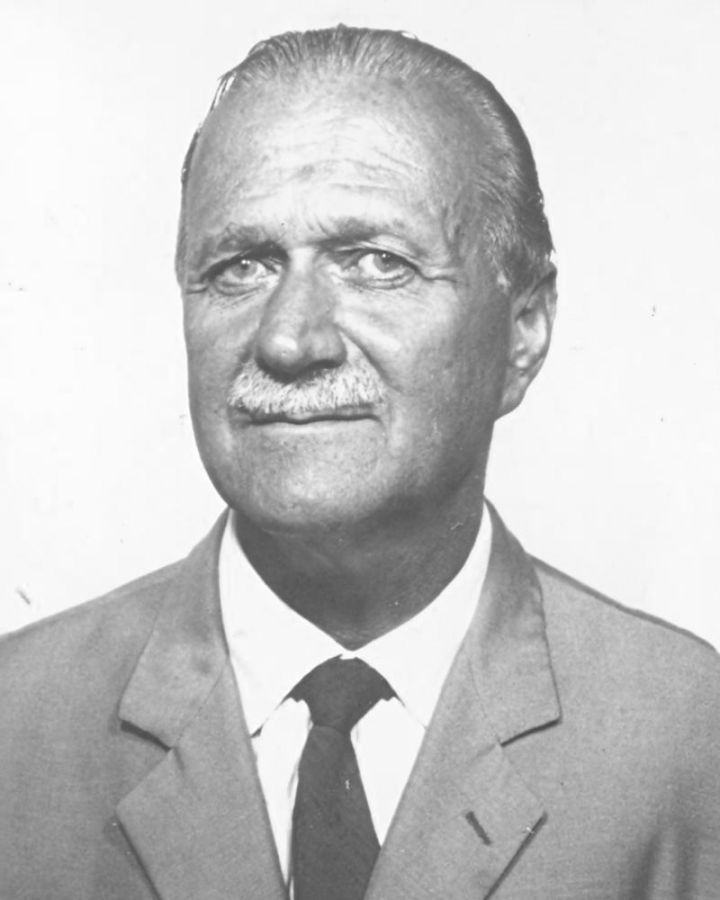
Piero Bottoni
Piero Bottoni was one of the most outstanding Italian designers of the 20th century, whose works had a huge impact on the development of contemporary design. He was born in Milan in 1913 and began his education at the Faculty of Architecture of the Polytechnic University of Milan. In the 1930s, at a time of fascination with modernity and functionalism, Bottoni began his professional career, which aimed to combine art, technology and functionality. In the initial stage of his career, he designed in accordance with the ideas ofmodernism, drawing inspiration from geometric forms and functional, but elegant solutions. As a furniture and interior designer, Bottoni placed great emphasis on minimalism, purity of lines and the use of new materials, which allowed him to create products that were both modern and timeless. His works were a response to social demand during the post-war economic boom in Italy.
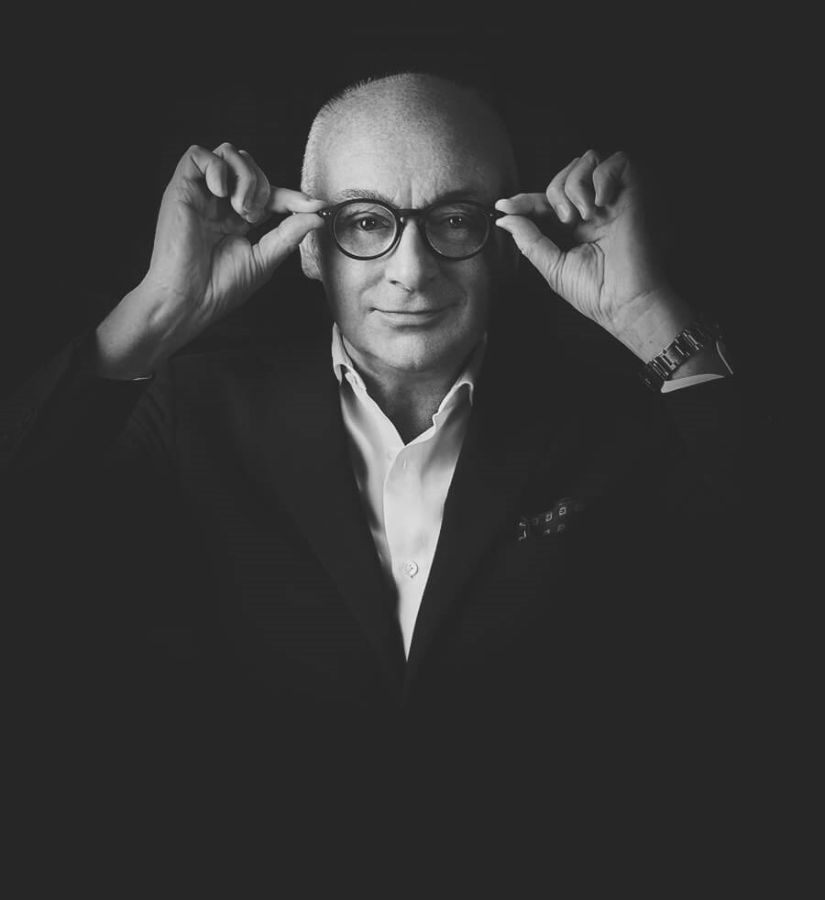
Piero Lissoni
Piero Lissoni is an Italian architect, designer and artistic director, recognized as a master of contemporary design. In 1986, he founded the Lissoni Associati studio in Milan, which plays a key role in his international career. As the artistic director cooperates with prestigious brands such as Alpi, Boffi, Living Divani, Lualdi, Porro and Sanlorenzo, designing furniture, interiors and public spaces for them. His projects include both architecture and product design, with an emphasis on simplicity, harmony and precise proportions. Among his most famous works are, among others: Conservatorium Hotel in Amsterdam, The Ritz-Carlton Residences in Miami Beach, restyling of Camparino in Milan and yacht designs for Sanlorenzo. Lissoni has won numerous international awards, including Compasso d'Oro, Good Design Award and Red Dot Award. His works are appreciated for their elegance, innovation and timeless character.
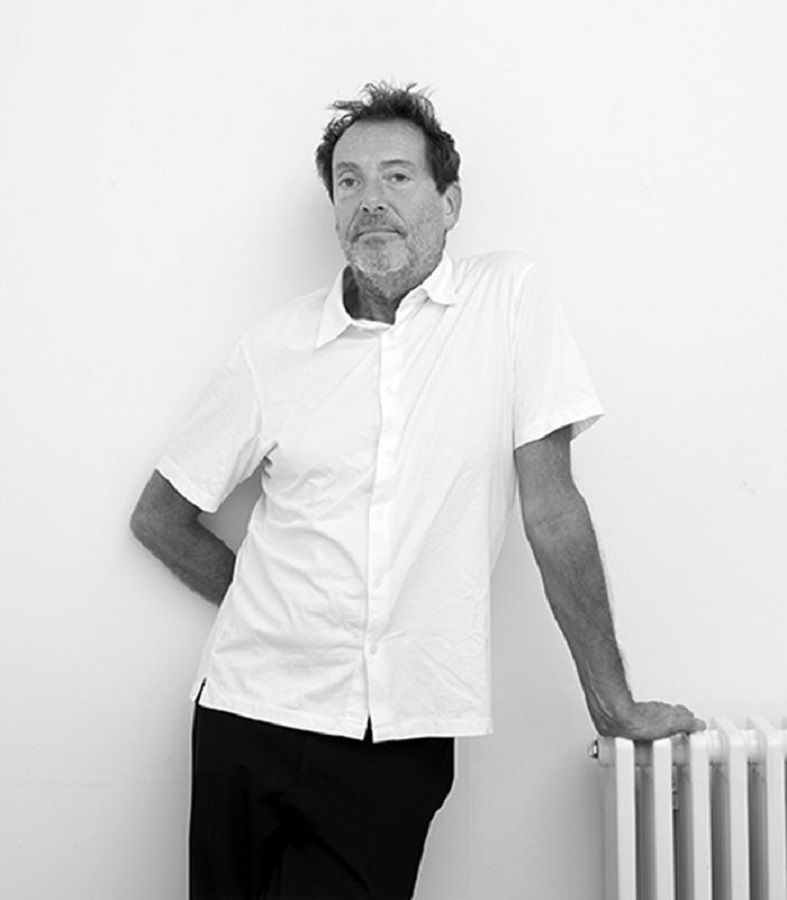
Pierre Charpin
Pierre Charpin is a French designer and artist born in 1962, known for his poetic approach to form and color. Educated as an artist, he devoted his career to designing furniture, glass and everyday objects. He collaborated with renowned brands such as Alessi, Hay, Hermès and Ligne Roset. His style is distinguished by minimalist shapes, subtle humor and a strong color accent. Charpin combines the sensitivity of an artist with the functionality of a designer, creating objects that are both functional and aesthetic.
Pierre Charrie
Pierre Charrié is a French designer who combines art, craft and technology to create objects that appeal to the senses. A graduate of École Nationale Supérieure de Création Industrielle (ENSCI – Les Ateliers) and Beaux-Arts de Nîmes, he specializes in designing everyday objects that engage hearing, touch and movement. His works, such as the "Surfaces Sonores" series, exploit the acoustic properties of materials, transforming furniture into sound instruments. Charrié experiments with a variety of materials, from wood and ceramics to feathers and mother of pearl, combining modern technologies with traditional craft techniques. He cooperates with brands such as Petite Friture, Ligne Roset and Radar Interior. His designs have been presented at international exhibitions, including: at the Grand Palais in Paris and during Dubai Design Week.
Pierre Favresse
Pierre Favresse is a French designer born in 1979 in Saint-Nazaire. He began his education at the prestigious École Boulle, where he studied artistic carpentry, and then continued his education at the École Nationale Supérieure des Arts Décoratifs in Paris, specializing in design. After graduation, he worked with Mathieu Lehanneur for five years as studio director, before establishing his own design studio in 2010. His work is characterized by simplicity and balance, combining craftsmanship with modern technology. Favresse focuses on social and environmental issues such as the use of new materials, reduction of production costs and the use of ecological manufacturing methods. He has collaborated with renowned brands such as Cinna, Petite Friture, Specimen Edition and La Chance.
Pierre Paulin
Pierre Paulin was a French designer who revolutionized furniture design in the 20th century, combining modernity with organic form. He graduated from École Camondo in Paris and gained fame in the 1950s and 1960s thanks to his cooperation with Artifort. His most famous designs are the Mushroom, Ribbon and Tongue armchairs - sculptural, upholstered with stretchable material, perfectly adapting to the body. Paulin rejected the classic form of a chair in favor of fluid, one-piece structures. He also designed the interiors for the Élysée Palace during the times of President Pompidou. His furniture, although avant-garde, was always functional. Today he is considered one of the pioneers of modern comfort, and his works are still produced and inspire subsequent generations of designers.
Pierric De Coster
Pierric De Coster is a Belgian architect and designer whose work focuses on finding a balance between light, space and form. In his designs, he focuses on minimalism, reducing the structure to the necessary minimum and proving that simplicity can create unique visual experiences. A characteristic element of his works is the skillful use of light as an integral part of the design, not just a functional addition. Working with the Valerie Objects brand, he created a collection of lamps that are both functional lighting and sculptural objects. His designs are distinguished by precision of workmanship, an architectural approach to form and a timeless design that fits perfectly into contemporary interiors.
Pietro Chiesa
Pietro Chiesa was an outstanding Italian designer and one of the most important creators of the 20th century in the field of glass and furniture. Initially, he ran his own art studio, and in 1932 he joined Gio Ponti and became the artistic director of Fontana Arte, where he created some of the most iconic designs of the brand. His style combined classic elegance with a modern approach to the material - he treated glass not only as a functional element, but above all as a carrier of light and aesthetics. His most famous designs include the Luminator lamp (1933) and the Fontana table (1932), which are still considered examples of timeless Italian design.
Pietro Maria Castiglioni
Pietro Maria Castiglioni is an Italian interior designer and architect whose work combines the elegance of Italian modernism with functional, timeless design. He specializes in the design of furniture, lighting and interior design elements, creating projects with refined aesthetics, harmonious proportions and attention to detail. Castiglioni is inspired by classic Italian craftsmanship while using modern materials and production techniques, which allows his designs to remain durable and practical. His works are distinguished by simplicity of form, elegant lines and a subtle combination of function and design, fitting the concept of modern, luxurious interiors.

Pininfarina
Pininfarina is a legendary Italian design studio founded in 1930 by Battista "Pinin" Farina. He specializes in car design, but his activities also include architecture, industrial design and engineering. It is best known for creating iconic bodies for brands such as Ferrari, Maserati, Alfa Romeo and Peugeot. Pininfarina's style combines elegance, innovation and aerodynamic forms. The company also develops designs for yachts, trains, electric bicycles and public spaces. Currently, the studio operates globally, based in Cambiano near Turin, and its projects have won numerous awards for design and technology. Pininfarina is a symbol of Italian style and perfection in the design of functional forms.
Pio & Tito Toso
Pio and Tito Toso are Italian brother designers, born in Venice in 1971 and 1973. Architecture graduates from IUAV in Venice founded the PIO&TITOTOSO studio in 1996. Their works include architecture, industrial design and interior and exhibition design. They have collaborated with renowned brands such as Artemide, Foscarini, Vistosi, Alessi, Pedrali and Metalco, creating, among others, lamps (e.g. Meteorite, Melete, Oxygen) and furniture (e.g. Ikon table for Pedrali). Their designs are characterized by a balance between form and function, with an emphasis on aesthetics and usability. They have won numerous awards, including the Red Dot Design Award, Good Design Award and Compasso d'Oro. Their works have been presented at exhibitions in Europe and the USA, and some of them have been included in the collection of MoMA in New York.
Pio Manzu
Pio Manzù was an Italian industrial designer, known for his minimalist style and functional approach to form. Despite his short life, he managed to have a significant impact on 20th century design. He studied at the Hochschule für Gestaltung in Ulm, where his rational and practical design ideas were developed. He is best known for the design of the Fiat 127 car, which revolutionized the city car market. He also cooperated with Olivetti and Cassina. His iconic Parentesi hanger design (completed by Achille Castiglioni after his death) is still a symbol of timeless design. Manzù created with ergonomics and a modern lifestyle in mind, combining technology with elegance. Despite his young age, his works remain an important part of the history of Italian design.
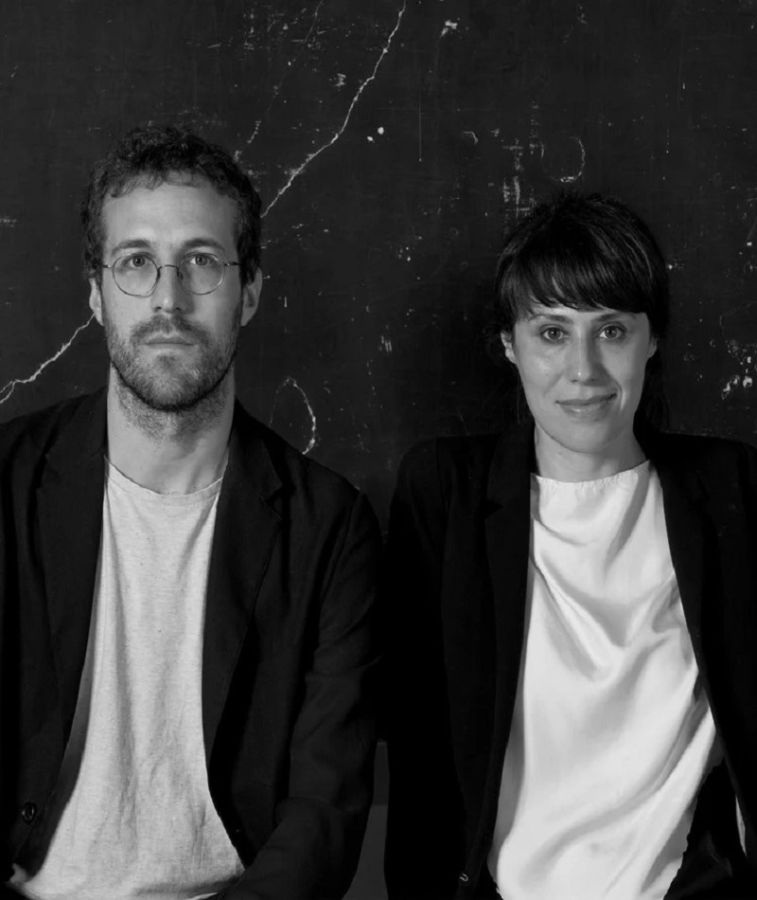
Piovenefabi
Piovenefabi is a design studio operating at the intersection of architecture, design and applied art, founded by an Italian duo of designers. The studio specializes in creating objects that balance between functionality and formal experiment, often drawing inspiration from public space, urban infrastructure and everyday elements of architecture. A characteristic aspect of their work is the ability to transform simple, almost industrial forms into objects with a strong aesthetic and narrative charge. Piovenefabi's designs often refer to the language of modernist architecture, reduction of form and conscious use of scale and proportion. The studio has gained international recognition thanks to projects presented, among others, at exhibitions and architecture biennials, where their works were interpreted as a commentary on contemporary urban space.

Poul Henningsen
Poul Henningsen (1894–1967) was one of the most influential Danish designers and architects of the 20th century, known primarily for his revolutionary achievements in the field of lighting. His works, which were a combination of functionality and aesthetics, introduced a new quality to lamp design. Henningsen's most recognizable work is the PH 5 lamp, which has become an icon of Scandinavian design. Thanks to an innovative system of reflectors that effectively disperse light, providing pleasant and even lighting, it has revolutionized the way lighting is perceived in residential and public spaces. Henningsen was also a supporter of the democratization of design, believing that beauty and functionality should be available to everyone.
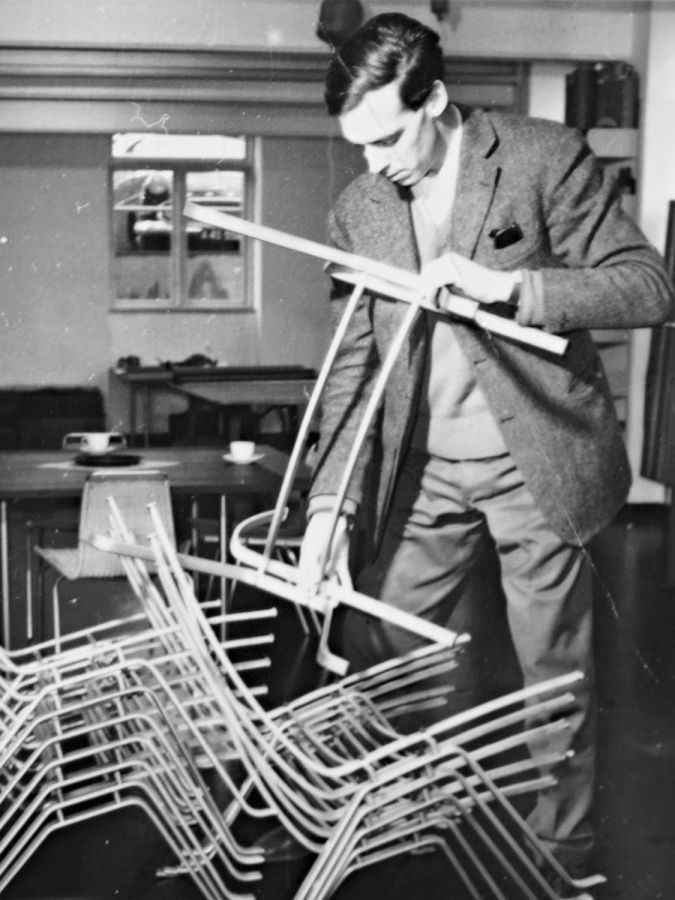
Poul Kjaerholm
Poul Kjærholm was a Danish furniture designer, known for his minimalist style and exceptional craftsmanship. Unlike many of his contemporaries, he often chose steel instead of wood, combining it with natural materials such as leather, rattan or marble. His designs combined craftsmanship precision with elegance of form and functionality. Iconic models such as the PK22 armchair or the PK80 lounger have gained the status of design classics of the 20th century. Kjærholm believed that steel could be as noble as wood - subtle, yet strong. He cooperated with the Fritz Hansen company and the furniture manufacturer Ejvind Kold Christensen. His works are in the collections of prestigious museums, including MoMA in New York.
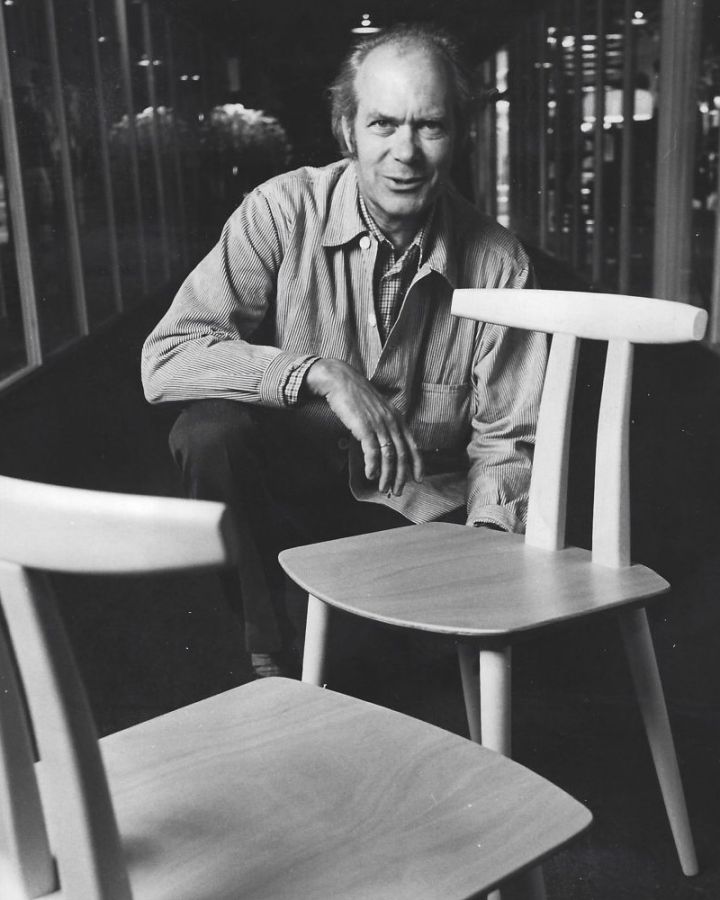
Poul M. Volther
Poul M. Volther was a Danish furniture designer who played a key role in the development of Scandinavian modernism. His approach to design combined functionality with aesthetics, avoiding short-lived trends in favor of timeless solutions. Volther completed his apprenticeship as a carpenter and then studied at the School of Arts and Crafts in Copenhagen. In 1949 he joined FDB Møbler, where he initially worked under Børge Mogensen, and after his departure in 1959, he took over as artistic director. His most famous design is the Corona armchair from 1961, which initially did not gain popularity, but years later became an icon of Danish design. Volther was also a teacher in Copenhagen, where he inspired subsequent generations of designers.
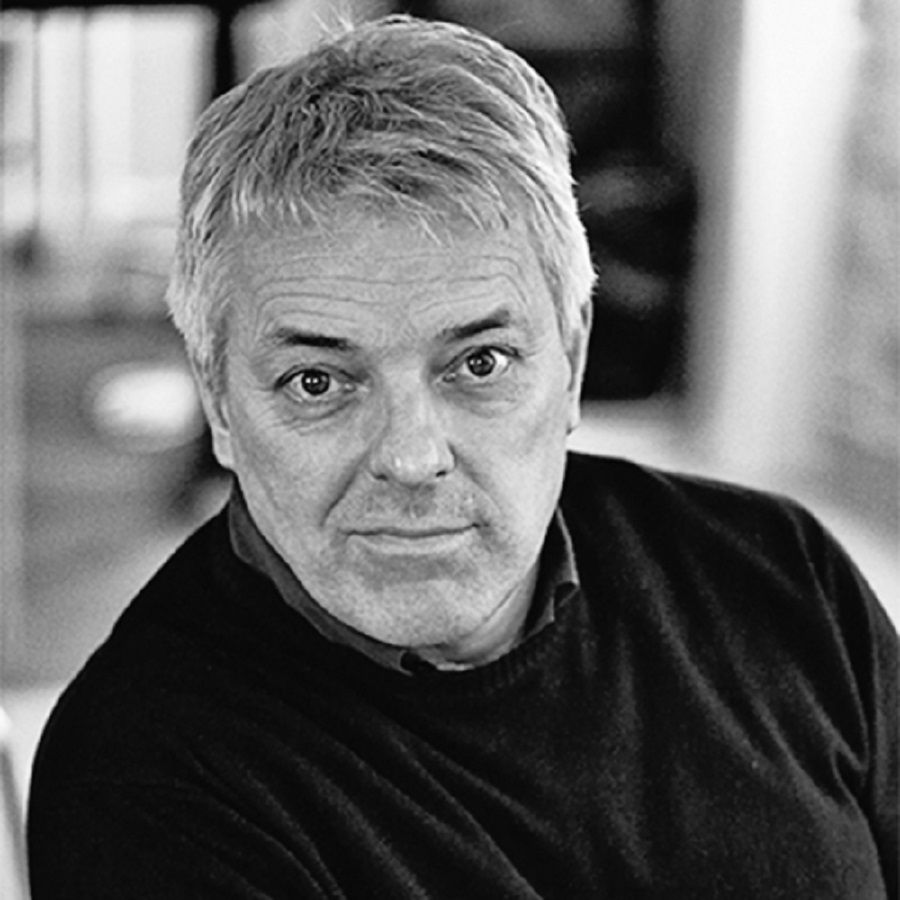
Povl B. Eskildsen
Povl B. Eskildsen is a Danish furniture designer who has gained international recognition thanks to his timeless style combining functionality with Scandinavian aesthetics. He graduated in architecture from the Aarhus School of Architecture in 1986 and quickly began working with leading furniture manufacturers in Europe, North America and Asia. Eskildsen specializes in interior and garden furniture designs, often using natural materials such as teak wood, underscoring its respect for craftsmanship and the environment. His designs are characterized by simplicity of form, comfort of use and attention to detail. Thanks to the balance between aesthetics and practicality, his furniture is very popular in both private homes and public spaces. Eskildsen remains faithful to the principles of Scandinavian design, creating objects that are elegant, durable and functional.

Prospero Rasulo
Prospero Rasulo is an Italian designer, artist and sculptor born in 1953, known for his multidisciplinary approach to form and space. He began his career as a set designer and painter, which influenced his unique, almost sculptural approach to design. He collaborated with brands such as Zanotta, Fiam, Antonio Lupi, Gessi and Bosa, creating furniture, lighting and everyday objects with a strong artistic expression. In 1994, he founded his own studio, Studio Oxido, focusing on designing utility items on the border of art and design. Rasulo explores organic and symbolic forms, often introducing an element of surprise and poetry. His works are characterized by sensual lines, emotionality and formal courage, which makes him one of the most unique creators of contemporary Italian design.
Quaglio Simonelli
Quaglio Simonelli is an Italian design studio founded by Andrea Quaglio and Manuela Simonelli, currently operating in Paris. Their approach combines industrial precision with craftsmanship sensitivity, creating everyday objects that combine functionality with poetic expression. They cooperate with many international brands such as Bolia, for which they designed, among others: Aluna lamp - a minimalist but expressive form that is the central point in any interior. Their portfolio also includes cooperation with brands such as Artemide, Oluce, Ligne Roset, L'Oréal, Barilla and Thomson, designing, among others, lighting, furniture, packaging and technology products. Their designs have won numerous awards, including the Red Dot, and are part of the collection of the Center Pompidou in Paris.
Quim Larrea
Quim?Larrea is one of the most important Spanish designers and architects, combining design, architecture and journalism in his career. Winner of the National Design Award for his entire professional career, he has been popularizing design culture in Spain and abroad for years, running his own studio and also engaging in curatorial and educational activities in the world of design. For the Sancal brand, he created the Boomerang collection, a series of furniture with clearly organic forms inspired by the shape of a boomerang, combining aesthetics, functionality and natural materials. The Boomerang project was a finalist of the Delta Awards and was selected for Designpreis Germany, which confirms its success and recognition in the international design environment.

Rafa García
Rafa García is a Spanish industrial designer, known primarily for his cooperation with the Zanotta brand, for which he creates modern, functional furniture with a distinct but restrained character. His designs combine Mediterranean aesthetic sensitivity with the precision and rationality of contemporary design. García places great emphasis on ergonomics, comfort of use and durability of form, avoiding temporary trends in favor of timeless solutions. His works show attention to detail, proportions and quality of materials, which makes the furniture elegant and practical at the same time.
Ragnheiour Osp Siguroardottir
Ragnheiður Ösp Sigurðardóttir is an Icelandic designer who became famous for her original, sculptural designs combining function and form. She graduated from the Iceland Academy of Arts and the Cranbrook Academy of Art. In 2011, she founded her own design studio, Umemi, in Reykjavik. It is best known for its Knot pillow - a soft, knitted tube weave that has become an icon of contemporary design. This project combines children's fascination with tying knots with modern aesthetics and was introduced to the Design House Stockholm offer. Her style is a combination of humor, applied art and Nordic minimalism.
Rainer Daumiller
Rainer Daumiller is a German designer known for his characteristic solid wood furniture, especially chairs and tables from the 1970s. His most popular designs produced by Hirtshals Sawmill are distinguished by their sculptural form, soft lines and ergonomics. Inspired by nature and Scandinavian functionalism, Daumiller created durable furniture with a strong material identity, especially pine, whose grain was part of the aesthetic. His chairs with armrests have become an icon of rustic modernism and today they are eagerly reissued and collected. Daumiller's style combines minimalism, comfort and nobility of wood, and his designs perfectly fit into current trends focused on naturalness, authenticity and durability.
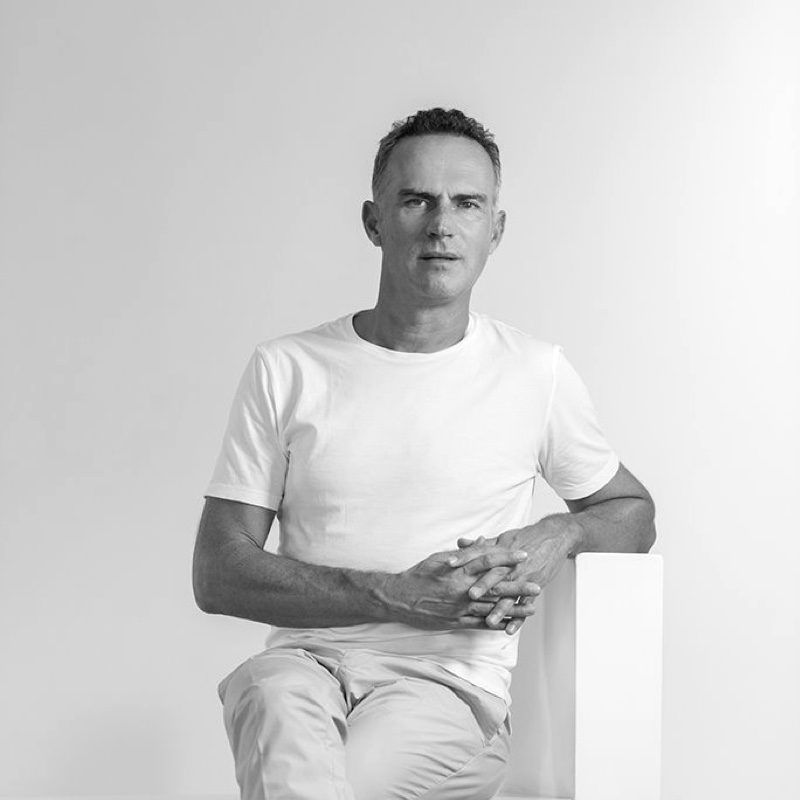
Ramon Esteve
Ramón Esteve is a respected Spanish architect and designer, born in 1964 in Valencia. In 1991, he founded Ramón Esteve Estudio - a multidisciplinary studio specializing in architecture, interiors and industrial design. His style is based on harmony, simplicity and timelessness, which can be seen in the designs of houses, furniture and lighting. He cooperated with brands such as Vondom, Vibia, Porcelanosa, Gandia Blasco and MDF Italia. His works are characterized by a dialogue between light, material and space, and he treats each work as part of a larger whole - thoughtful, coherent and aesthetic. Esteve has won numerous international awards, including the Red Dot Award, and is recognized as one of the most influential creators of contemporary design in Spain.
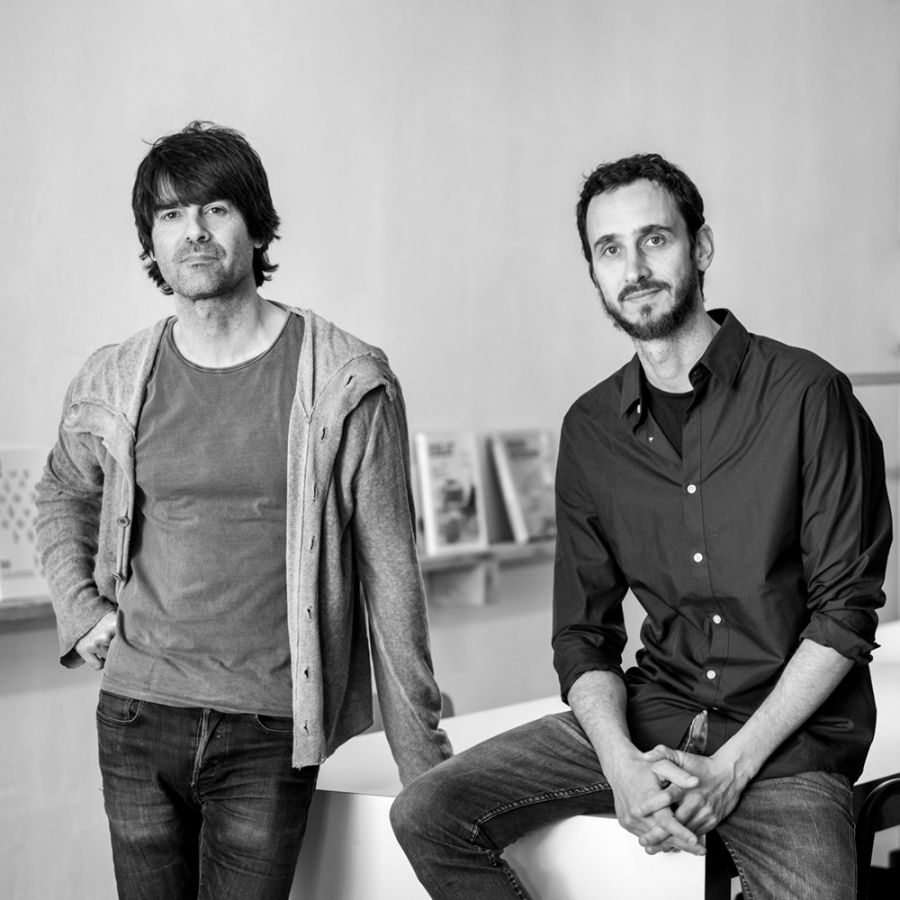
Ramos Bassols
Ramos Bassols is a Spanish design studio founded in 2004 in Barcelona by David Ramos and Jordi Bassols. Artists sspecialize in the design of furniture, lighting and interior furnishings, combining clean lines with warm aesthetics. Their designs are characterized by a balance between form, function and aesthetics, which makes them attractive and functional. They have collaborated with renowned brands such as Bolia, for which they created, among others, Alp collection - tables and benches with architectural lines made of FSC certified wood. Their works have won numerous awards, including the Red Dot Award and iF Design Award, and have been presented at international exhibitions. Sstudio Ramos Bassols combines modern design with craftsmanship precision, creating timeless and characterful products.

Rasmus Falkenberg
Rasmus Falkenberg is a Danish designer known for his minimalist approach to design and the ability to combine functionality with aesthetics. His designs are distinguished by their simple, transparent form, precision of workmanship and attention to detail. In her work, she draws inspiration from nature and the Scandinavian design tradition, creating timeless everyday objects. Falkenberg has collaborated with many renowned brands, creating furniture, lighting and accessories that have gained international recognition. His approach to design is based on the belief that good design should not only be beautiful, but also durable and useful. Thanks to his consistent style and innovative thinking, he has gained a reputation as one of the leading Scandinavian designers.
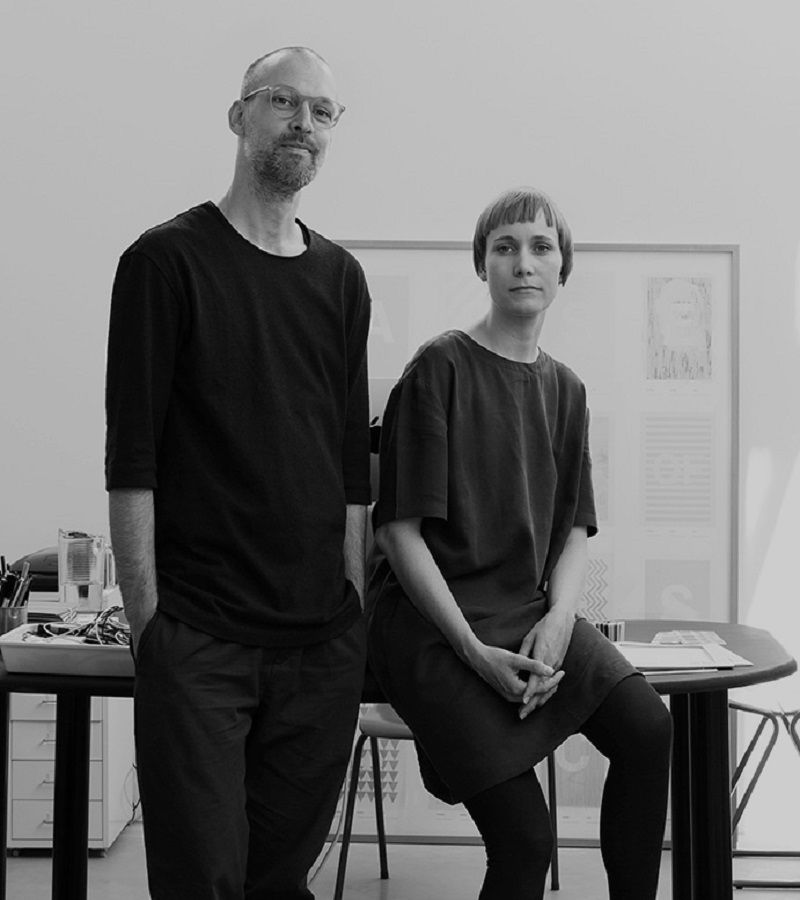
Raw Color
Raw Color is a Dutch design studio from Eindhoven, founded by Christoph Brach and Daniera ter Haar in 2007. Their works combine graphics, photography, product and textile design, and the central motif is color as a tool of communication and emotions. The name of the studio comes from their first joint project - an experiment with plant pigments, which turned into a full-fledged practice. Raw Color is known for its intuitive approach to design, combining analytical systems with the emotional perception of colors. The studio cooperated with brands such as Adidas, Kvadrat, Nanimarquina and Samsung. Their designs, such as the Link and Loop furniture collections for Sancal, are characterized by soft forms and bold color combinations.
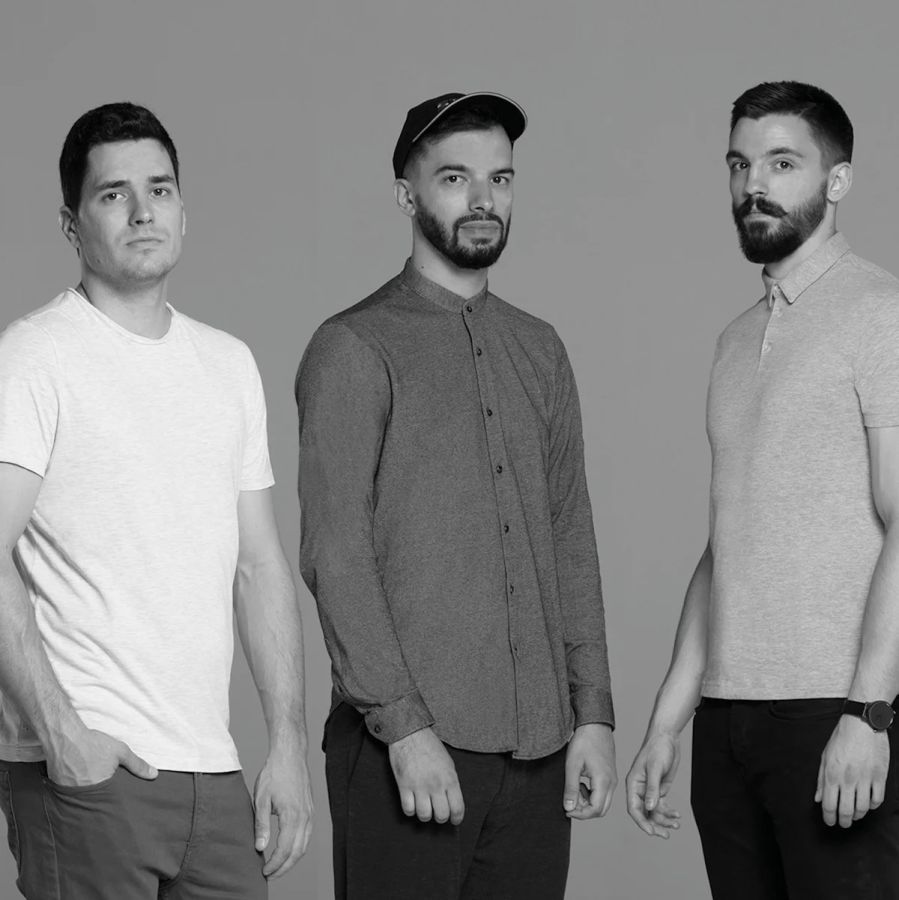
Regular Company
Regular Company is a multidisciplinary design studio from Zagreb specializing in product, interior, branding and digital design. Their approach combines functionality with aesthetics, as seen in designs such as Neva chairs, Mela sofas and Picard desks, which have gained international recognition. Studio focuses on creating simple but distinctive brands, offering comprehensive services from analysis to implementation, both in print and digital environments. Regular Company stands out for its attention to details and a consistent approach to design, which makes them a partner for companies looking for coherent and modern visual solutions.
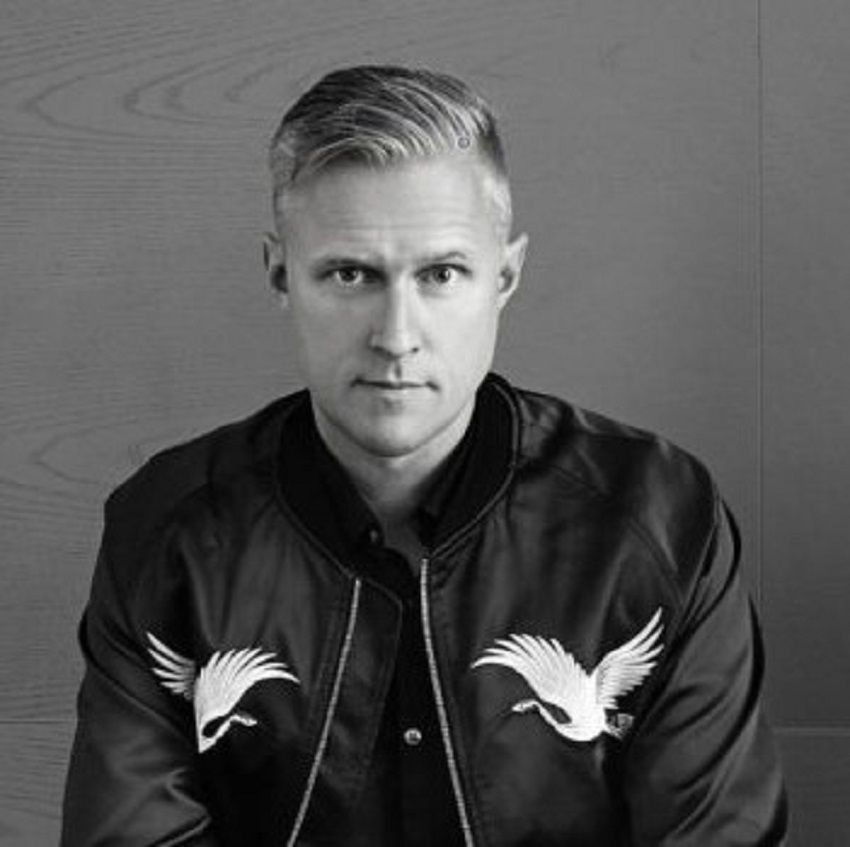
Rene Hougaard
René Hougaard is a Danish interior and furniture designer, known for creating elegant, functional designs combining modern aesthetics with the classic spirit of Scandinavian design. As the founder of the functionals by Rada brand, Hougaard focuses on simplicity of form, high quality materials and an innovative approach to everyday objects. His works are distinguished by precise workmanship and harmony between form and function. Hougaard designs both for individual clients and public spaces, creating furniture that is durable, comfortable and aesthetic. His style is conscious, economical design, in which details play a key role and each element has its well-thought-out place. Thanks to this, it has gained recognition among architects and lovers of modern design.
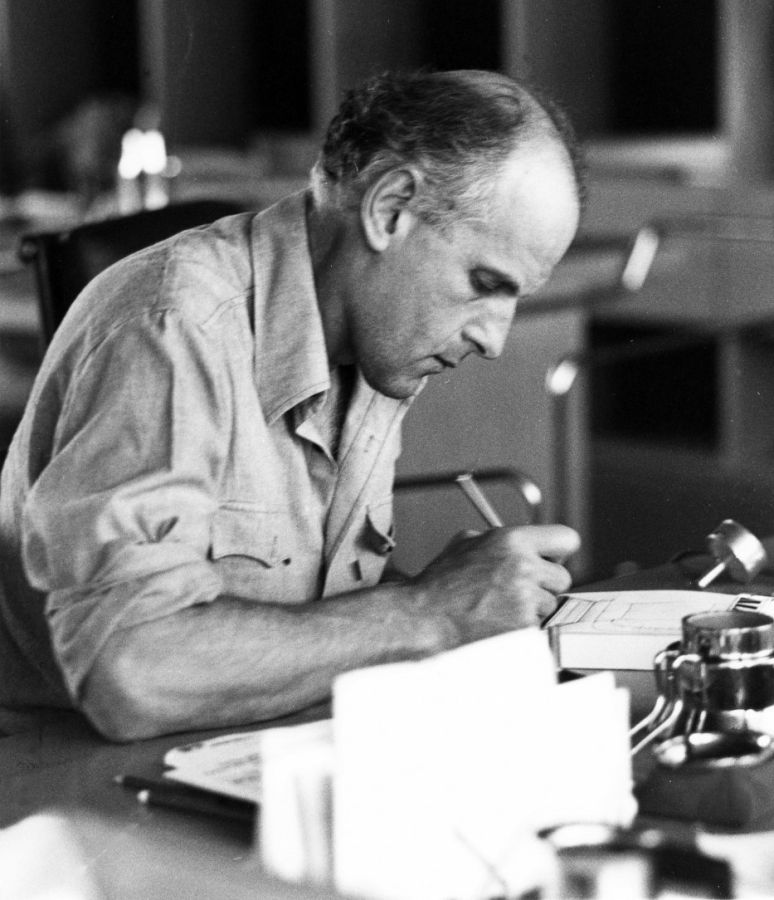
Richard Sapper
Richard Sapper was a German industrial designer, known for his innovative approach combining technology, functionality and elegant minimalism. He studied philosophy, anatomy and engineering, which influenced his interdisciplinary approach to design. He worked, among others, for Mercedes, IBM, Alessi or Artemide. His most famous design is the Tizio lamp (1972) - a wireless design with counterweights, considered an icon of 20th century design. Sapper also co-created the first IBM ThinkPad notebook. He won many prestigious awards, including 10 Compasso d'Oro gold medals. His works are characterized by minimalism of form, deep understanding of the user and technological innovation, which makes him one of the most important industrial designers of the 20th century.

Rik van Mierlo
Rik van Mierlo is a Dutch product designer specializing in creating functional and aesthetic objects with an emphasis on innovative use of materials and technical simplicity. A graduate of the Willem de Kooning Academy in Rotterdam, where he developed a passion for technology and material-oriented design. He is the founder of the SOFT STEEL brand, which transformed from a diploma project into a full-fledged lighting brand, known for the use of expanded steel to create unique light forms. He has collaborated with international brands such as Zuiver, for which he designed the Smokey lamp series and the Minimal wall clock. As the artistic director of the In-Zee acoustic collection, he combines aesthetics with functionality. His work has been featured at exhibitions such as Dutch Design Week, and the studio operates in Rotterdam and Leende, combining urban dynamics with the inspiring tranquility of the countryside.
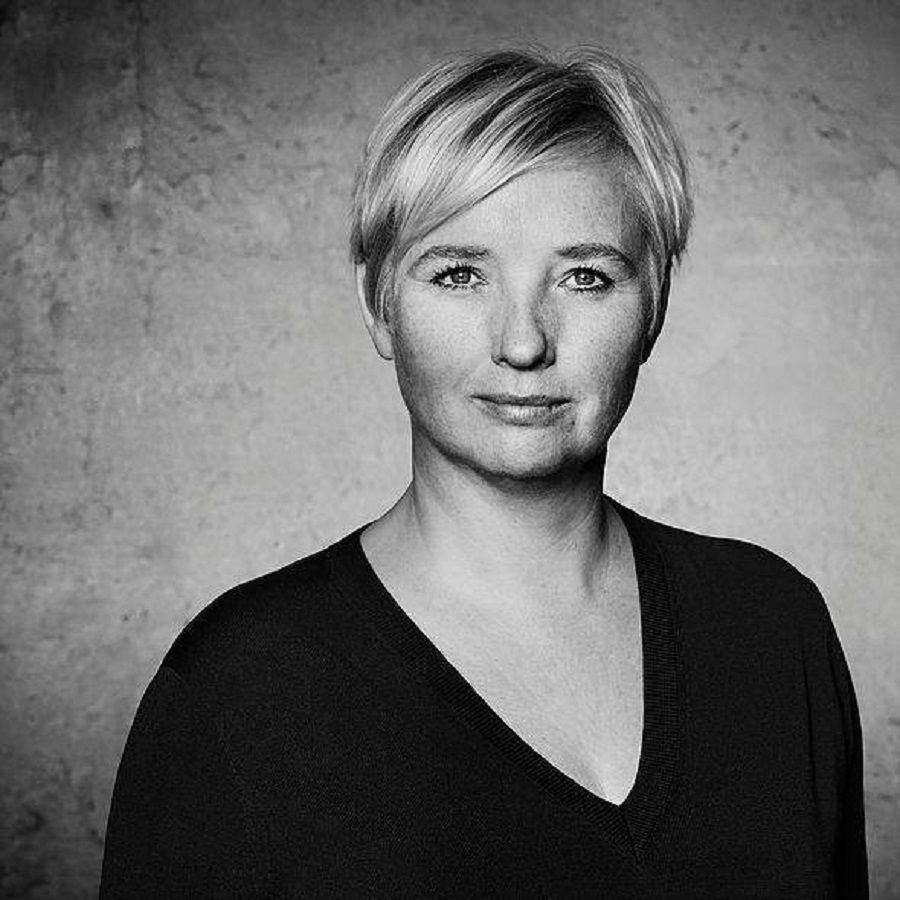
Rikke Hagen
Rikke Hagen is a Danish glass and ceramic designer, graduate of the Danish Design School. In the years 1998–2008 she ran her own glass studio, and in 2004 she founded the Copen Hagen design studio. Her style combines functionality with aesthetics and subtle humor. She collaborated with brands such as Normann Copenhagen and Holmegaard. For Normann Copenhagen she designed, among others: glasses for cognac, whiskey and liqueur, which have gained popularity thanks to their unique form emphasizing the aroma of the drink. For Holmegaard she created collections of glasses, vases and candlesticks. Hagen's designs are inspired by everyday life, and her creative process is based on direct contact with the material. He believes that good design should be both practical and visually pleasing, and that details are crucial to the perception of the product.
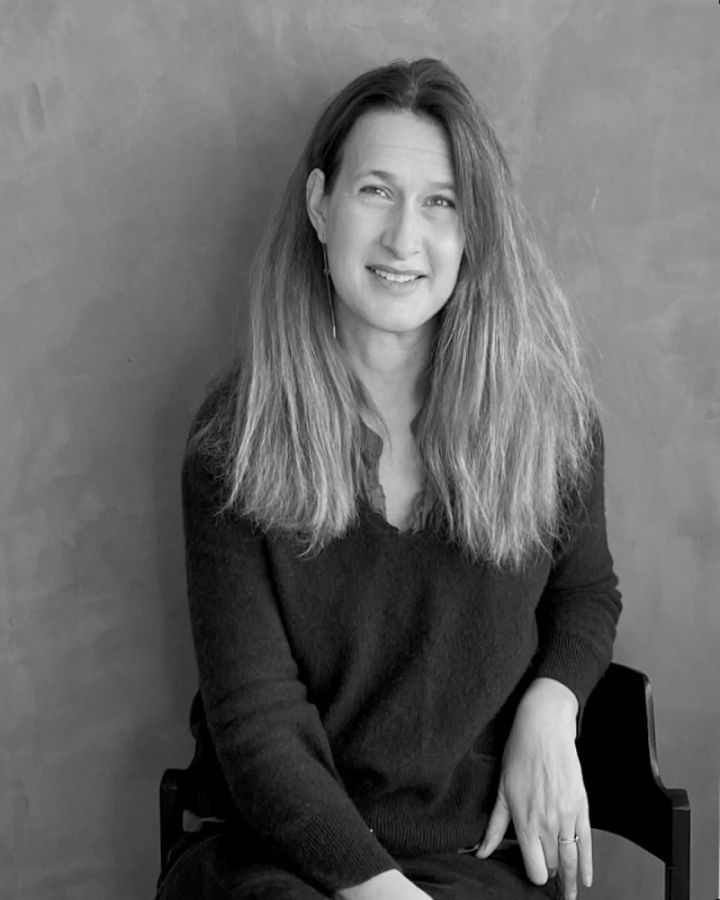
Rikke Rützou
Rikke Rützou Arnved is a Danish designer and architect, a graduate of the Royal Danish Academy of Fine Arts in Copenhagen. She founded her own studio, Ark Type, where she designs interiors, furniture and lighting, combining Nordic simplicity with functionality. Her works are distinguished by the harmony of materials, attention to detail and concern for user comfort. Arnved cooperates with brands such as New Works, designing, among others: furniture, bedside tables and desks, as well as creating modern lighting solutions. Its style combines elegance, minimalism and practicality in everyday use.

Robert Dudley Best
Robert Dudley Best was a British designer who revolutionized the lighting industry. As the heir to the Best & Lloyd company, he decided to create a modern collection of lamps, introducing innovative designs. He studied design in Düsseldorf and Paris, where he met Walter Gropius, the founder of Bauhaus, which influenced his later work. In 1930, he designed the Bestlite lamp, combining functionality with elegance with simple lines and geometric shapes. The lamp gained international recognition, especially after Winston Churchill chose it for his desk. Bestlite has become a symbol of modern design, and today it is produced by the GUBI brand, being an icon of the Bauhaus style. His works remain an important reference point in the history of design.
Robert Zoller
Robert Zoller is a German furniture designer, known for his minimalist approach to form and functionality. His designs are characterized by clean lines, simplicity and elegance, which is in the tradition of Scandinavian design. He cooperated with renowned brands such as Softline, for which he designed, among others, Scope armchair and Scope 2-P sofa. Zoller focuses on creating furniture that is not only aesthetic, but also practical and durable. His designs often combine modern materials with classic forms, which makes them timeless and universal. Thanks to this, his furniture fits perfectly into the into both residential and commercial spaces.
Roberto Barbieri
Roberto Barbieri was an Italian architect and designer known for his elegant, minimalist style that combined functionality with timeless aesthetics. He studied architecture in Milan, where he later started collaborating with various furniture brands such as Zanotta and B&B Italia. His designs are distinguished by simplicity of form, attention to proportions and comfort of use. Barbieri created both furniture and interior design elements, placing emphasis on the quality of materials and details. His works are characterized by subtle elegance and modernity, which make them relevant despite the passage of time. He was appreciated for his ability to create sustainable and well-thought-out projects that harmoniously fit into everyday life.
Roberto Romanello
Roberto Romanello is an Italian architect and designer born in 1958 in Udine. In 1985 he graduated in architecture from the University of Venice. His work includes fine arts, interior architecture and design industrial. He cooperated as an artistic director and consultant with renowned companies such as Segis, Adrenalina, Billiani and MOHDO, designing furniture that combines functionality with aesthetics. His famous designs include the Alphabet and Mygingol collections for Segis and the Micromega series for Adrenalina. His works have been presented at international exhibitions and published in professional literature. Romanello lives and works in Udine, continuing his activities in the field design and art.
Roberto Semprini
Roberto Semprini is an Italian architect and designer who graduated from the University of Florence. In 1987, he joined the Bolidismo movement, which expressed design in a symbolic way. After moving to Milan, he started working as a journalist with magazines such as Modo, L'Atelier (Paris), ARDI (Barcelona) and Vogue Italia. In 1989, he designed the "Tatlin" sofa for Edra, which won the prestigious TOP TEN award in Düsseldorf. In 1994, he created the "Manta" coffee table for Fiam, which won the Young & Design award. His works are in the permanent collections of institutions such as the Montreal Museum of Decorative Arts in Canada and the New Museum of Design in London. In 2000, he founded RM12 Art & Design, a gallery and design studio in Rimini.
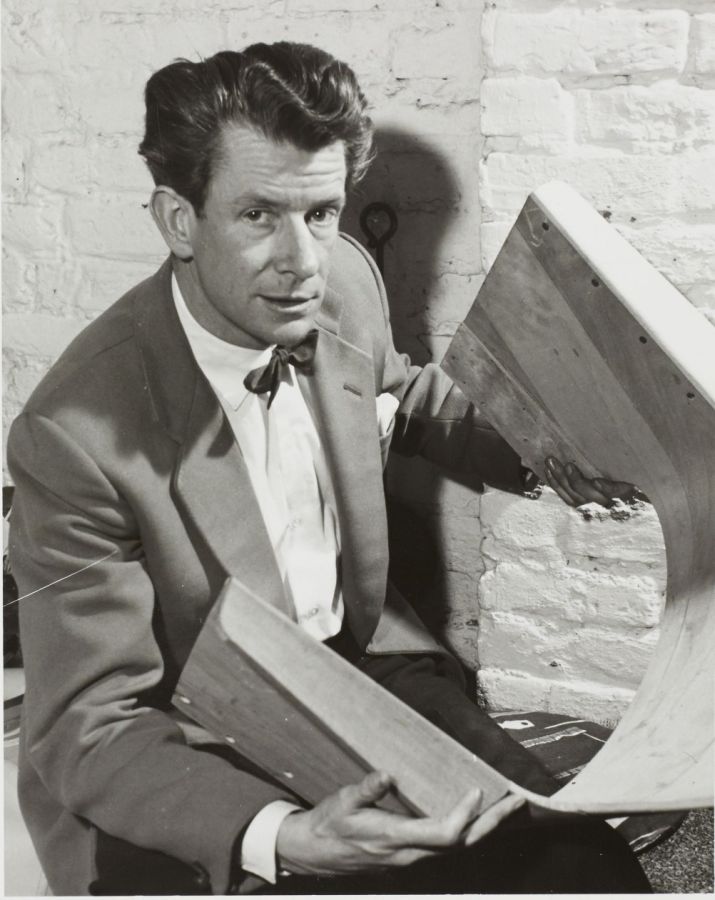
Robin Day
Robin Day was one of the most important British furniture designers of the 20th century. He became famous for creating functional, modern forms with a democratic character, available to a wide range of recipients. Working with Hille, he created iconic designs, including: Hillestak chair and furniture for the Royal Festival Hall in London. In 2024, the Danish brand &Tradition brought selected Daya designs back into production, creating the Daystak and RFH collections, showing the timelessness of its design. Day's aesthetic combined innovative technologies, such as curved plywood, with a simple, logical design. His works remain icons of modernism, and thanks to the cooperation with &Tradition, they reach a new generation of users.
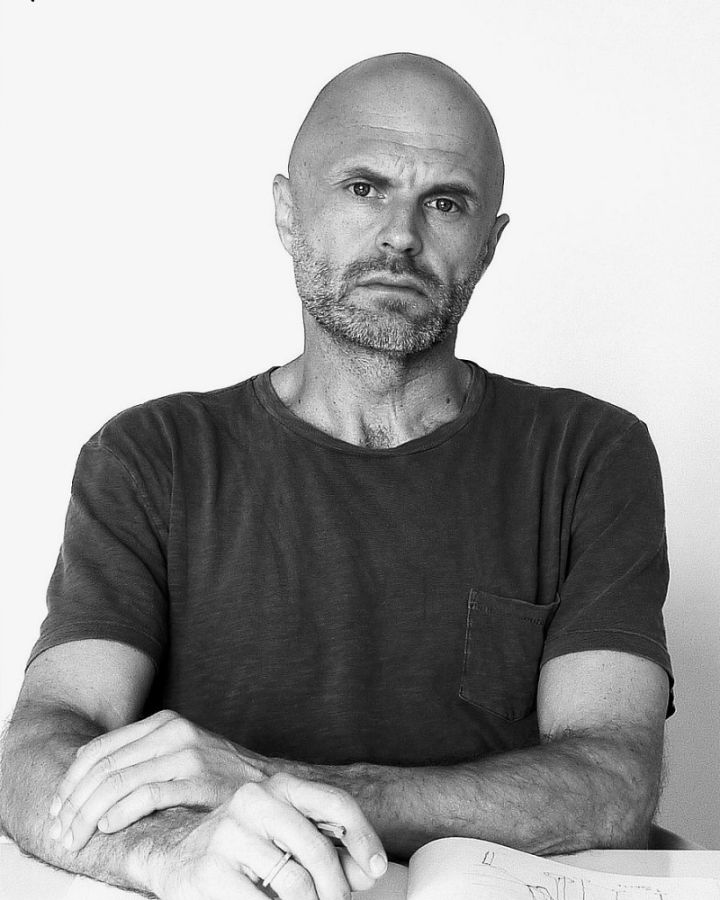
Robin Rizzini
Robin Rizzini is a renowned Italian-British designer, known for his modern approach to industrial design and furniture. He was born in Genoa in 1973. He started his career as an interior designer and then focused on furniture design, collaborating with brands such as MDF Italia, Pedrali, Knoll and Desalto. His style combines functionality with minimalist aesthetics, often using simple lines and high-quality materials. In 2013, he won the Compasso d'Oro - one of the most important awards in the world of design. Rizzini creates everyday items that are elegant, but also practical and durable. In his designs, he does not look for extravagance, but for balance and timelessness. He currently lives and works in Milan, where he runs his own design studio, continuing to cooperate with leading companies on the international market.

Robin Scholtysik
Robin Scholtysik is a German designer born in 1991 in Düsseldorf, combining traditional craftsmanship with modern design. He graduated from the Academy of Fine Arts in Münster and obtained the title of master carpenter, which gave him in-depth knowledge of materials and production techniques. His designs are characterized by simplicity, functionality and attention to detail. Scholtysik is the creator of the ORU collection for the Blomus brand, inspired by the Japanese art of origami. The products of this series, such as tables, benches and shelves, are distinguished by their light, geometric form and innovative construction of thin steel sheets that can be assembled without tools. His works combine aesthetics with utility and gain recognition at international design exhibitions.

Roccadadria
Luca Roccadadria is an Italian designer born in Pesaro, who in 2014, at the age of 24, founded his own studio, Roccadadria Design. He describes himself as a "street designer", emphasizing practical experience gained through collaboration with local studios and craftsmen. His style combines functionality with artistic intuition, inspired by nature and childhood memories. Roccadadria is known from furniture, mirror and lighting designs that are distinguished by unusual combinations of materials and attention to detail. He has collaborated with renowned brands such as Bontempi Casa, Cantori, Borzalino and Calligaris.
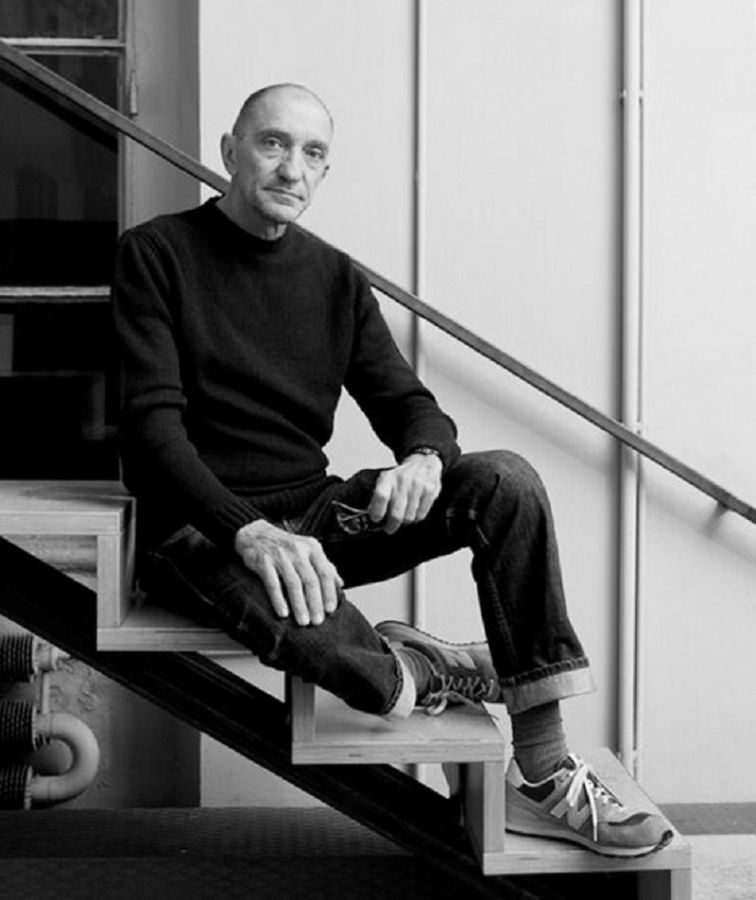
Rodolfo Dordoni
Rodolfo Dordoni is an Italian architect and designer, known for his modern and elegant approach to design. He studied architecture at Politecnico di Milano and developed his career as an interior, furniture and lighting designer, collaborating with renowned Italian brands such as Flexform, B&B Italia, Cassina and Minotti. His designs combine functionality with timeless aesthetics, characterized by simple, harmonious lines and high quality workmanship. Dordoni is also the author of numerous arrangements of private and public spaces in which the elegance of form goes hand in hand with comfort of use. His style is distinguished by a subtle balance between modernity and classic Italian design, which has earned him international recognition and numerous awards.

Rodrigo Torres
Rodrigo Torres is a Colombian-Italian designer specializing in product design. Born in Bogota in 1976, he graduated in industrial design from Jorge Tadeo Lozano University in Bogota, and then obtained a master's degree in design from Domus Academy in Milan. In 1997, he won the "Santo Domingo" award for the best design and architecture student in Colombia. From 2000 to 2004 he worked in Stefano Giovannoni's studio in Milan. In 2004, he founded his own design studio, collaborating with renowned brands such as Alessi, Poliform, Oras, Cassina IXC, Nike, Microsoft, Potocco, Domodinamica, Zavotti and Zientte. His designs cover a wide range, from furniture to everyday accessories.

Roee Magdassi
Roee Magdassi is an Israeli industrial designer living and working in Tel Aviv. A graduate of the Bezalel Academy of Arts and Design in Jerusalem, where he graduated with honors. His designs are characterized by simple, geometric forms and expressive, graphic shapes, combining the influences of contemporary art and minimalist architecture. It draws inspiration from various cultural traditions, creating everyday items with a strong, personal character that are intended to bring smiles and joy to people users. Magdassi is the winner of many prestigious awards, including the iF Design Award and the German Design Award. His works have been presented at international exhibitions such as Salone Satellite in Milan and IMM Cologne.
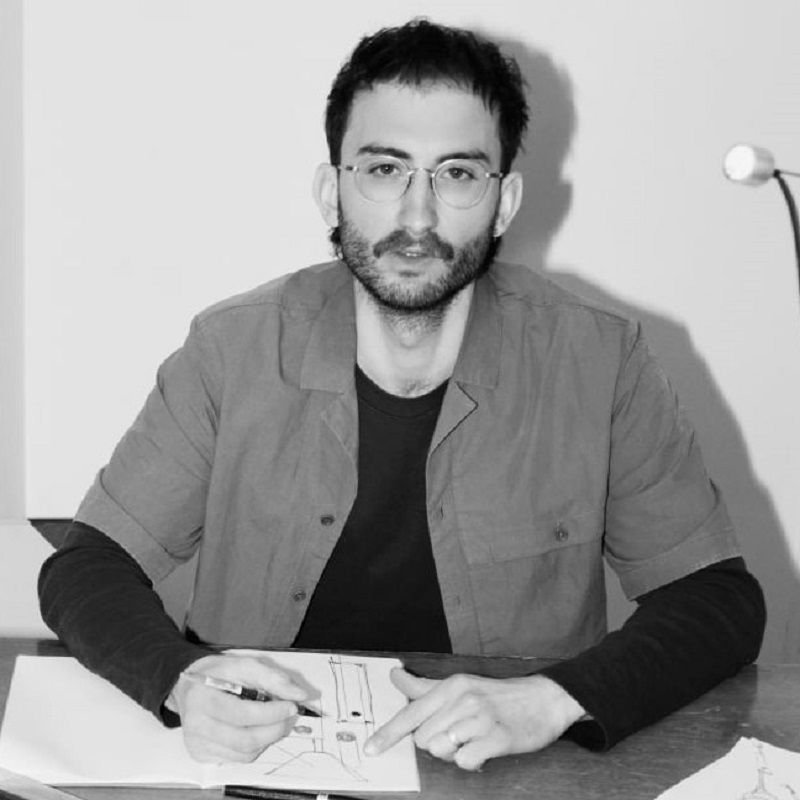
Romain Sillon
Romain Sillon is a French lighting designer and creator, known for innovative and functional solutions in lamp design. He cooperates with the renowned brand HAY, creating projects that combine minimalist aesthetics with practicality and intuitive operation. His works are characterized by simplicity of form, high quality of workmanship and emphasis on comfort of use. Lamps designed by Sillon, such as Twist, offer flexibility in light setting, adjustable height and a modern character that works well in a variety of interiors - from living rooms to offices and public spaces.

Roman Modzelewski
Roman Modzelewski (1912–1997) was a Polish furniture designer, painter, sculptor and teacher. He was born in Łoździej (now Lithuania), studied at the Academy of Fine Arts in Warsaw, and after the war he co-founded and for many years served as rector of the Academy of Fine Arts in Łódź. As an artist, he experimented with form, color and material, creating innovative furniture designs that combined aesthetics with functionality. His most famous designs are the RM56, RM57 and RM58 armchairs, which have become icons of Polish design. The RM58 armchair, made of polyester-glass laminate, was one of the first pieces of furniture of this type in Poland and gained recognition at international exhibitions. His works are in the collections of institutions such as the Victoria and Albert Museum in London and the National Museum in Warsaw.
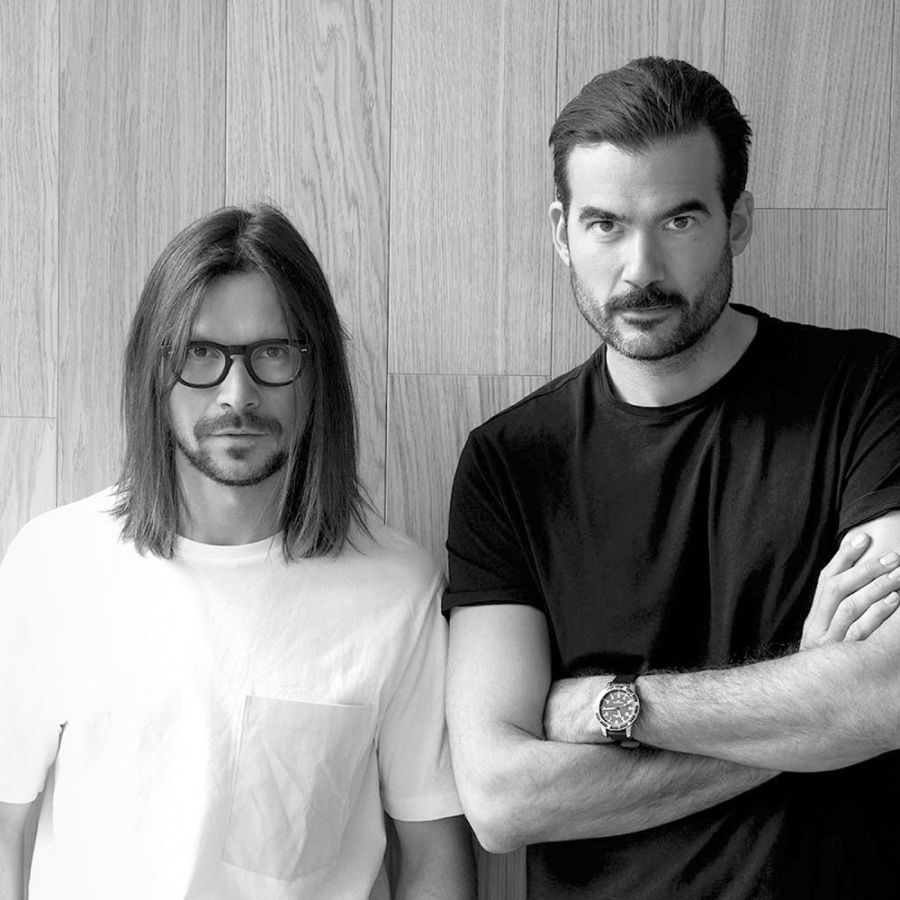
Roman Vrtiska and Vladimír Zak
Roman Vrtiška and Vladimír Žák are a Czech designer duo who have gained recognition thanks to their modern approach to industrial design, furniture and interior design. They met while studying at VŠUP in Prague, and they gained experience, among others, in Finland, in the studio of Alvar Aalto. Their studio, Vrtiška & Žák, is known for combining functionality with refined aesthetics and an innovative approach to materials. They create everyday objects as well as unusual installations and concepts for public spaces. They have won prestigious awards, including the title of Grand Designer of the Year. They design with the user in mind, paying attention to details and emotional messages. Their works are characterized by the pursuit of simplicity, but also by a fresh look, making their designs practical, yet visually intriguing and timeless.
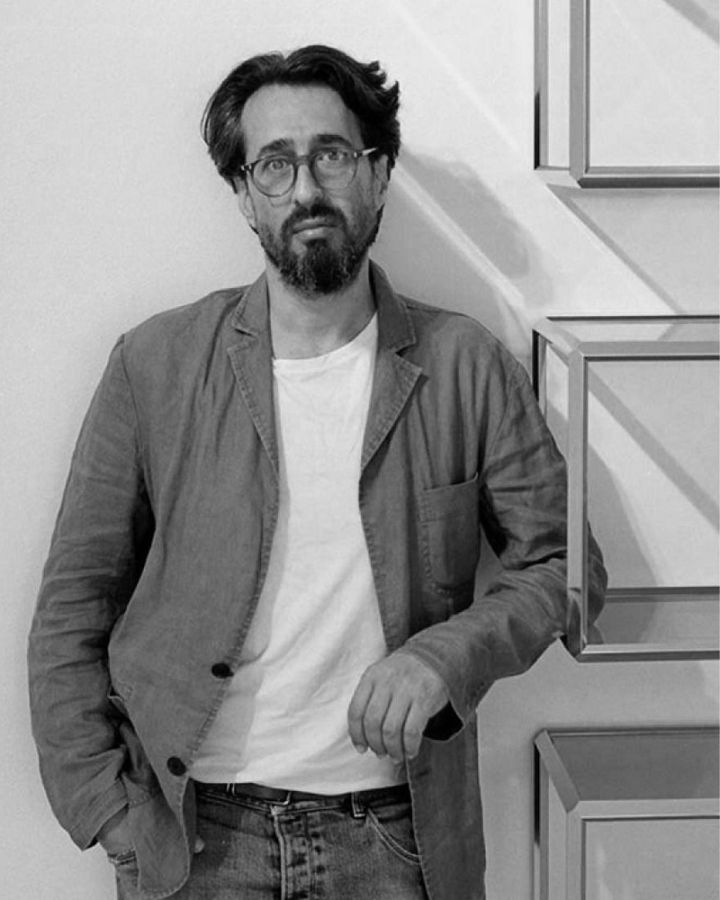
Ron Gilad
Ron Gilad is an Israeli designer living and working in New York and Milan. His work balances between art and design, combining a conceptual approach with functionality. Gilad creates furniture, lighting and utility objects in which he plays with the form, proportions and meaning of everyday objects. The designs are characterized by minimalism, a sense of humor and a poetic narrative, often expressed by reducing elements to their most basic shapes. He cooperated with prestigious brands such as Molteni&C, Flos and Cassina. His works are exhibited all over the world and have won numerous awards, including: Wallpaper* Design Award or Good Design Award.
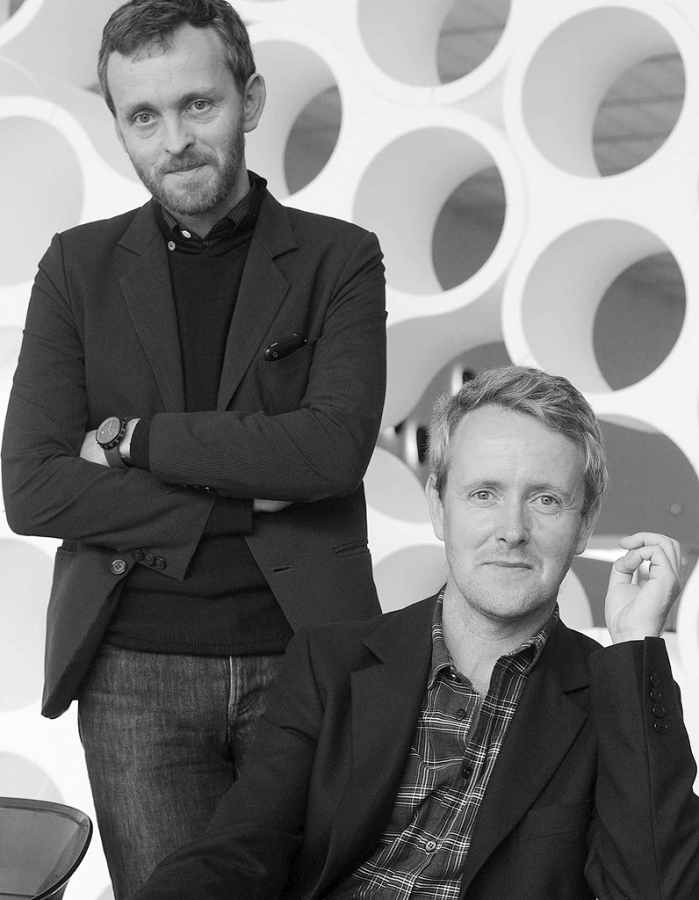
Ronan & Erwan Bouroullec
Ronan and Erwan Bouroullec are world-famous French designers, known for their innovative approach to the design of furniture, lighting and public spaces. Since the studio was founded in 1999, they have been cooperating with the largest design brands, such as Vitra, HAY, Flos or Magis. Their designs combine functionality with poetic aesthetics and precision of workmanship, often exploring modularity and flexibility of form. The Bouroullec brothers have won numerous international awards, and their works are in the collections of prestigious museums, including: MoMA in New York or Center Pompidou in Paris.
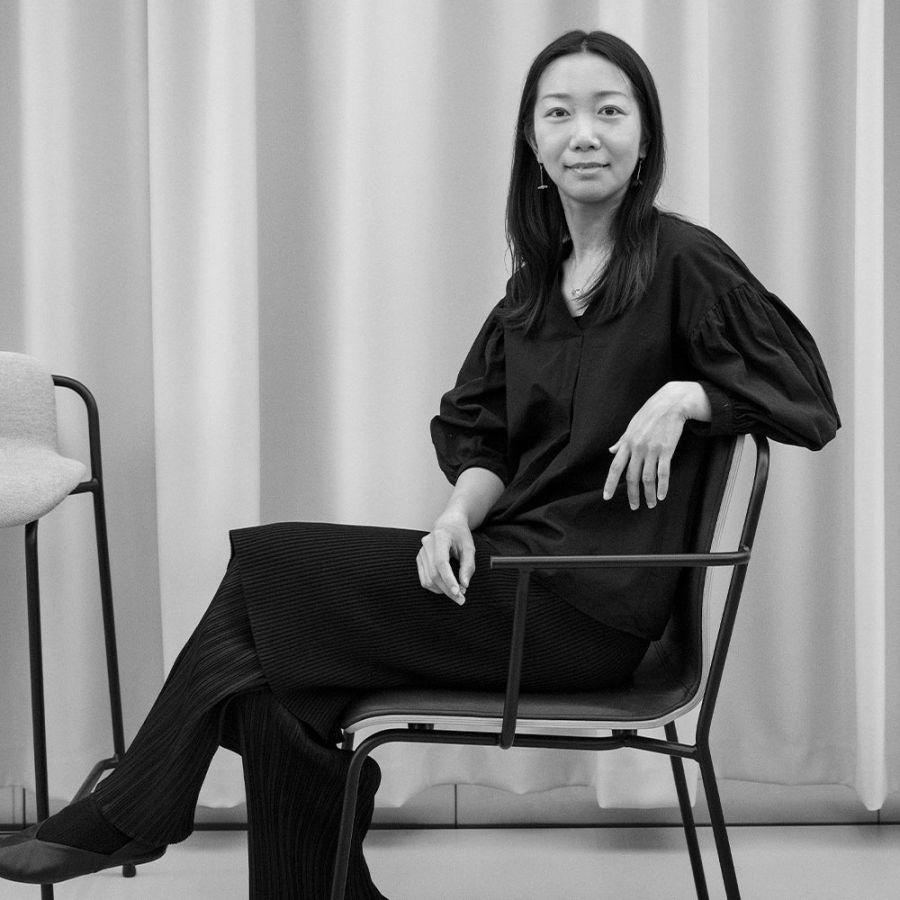
Rongrong Zhang
Rongrong Zhang is a Chinese designer born in 1989 in Qingdao. She graduated in engineering from Shandong University and then earned a master's degree in art from Lund University in Sweden. In the years 2014–2021 she was a member of the Normann Copenhagen design team, where she created, among others: Ring Box collection - minimalist jewelry boxes combining simplicity with functionality. Her approach to design is based on intuition and emotions, not on the traditional canons of Danish design. Zhang believes that a good design should be moving, simple and meaningful. Her works are characterized by a fresh look resulting from an unusual combination of engineering and artistic education.

Roos Van de Velde
Roos Van de Velde is a respected Belgian designer whose work combines organic aesthetics with the philosophy of accepting natural imperfection. In his work, he is consistently inspired by nature - its rhythm, asymmetry and subtle variability of forms. Van de Velde's designs, including the iconic Perfect Imperfection collection for the Serax brand, focus on the harmony between art and craft. The artist consciously rejects perfect, industrial finishes, focusing on handmade work and the unique character of each item.
Rop van Mierlo
Rop van Mierlo is an outstanding designer and visual artist whose works combine minimalism, functionality and artistic sensitivity. It specializes in creating furniture and objects that surprise with the simplicity of their form and at the same time offer innovative functional solutions. His designs are characterized by an elegant, raw style and attention to detail, often referring to nature and craftsmanship. Van Mierlo works at the intersection of art and design, which gives his works a unique character. His works are appreciated at international exhibitions and he cooperates with prestigious brands, creating collections that fit perfectly into contemporary interiors, combining aesthetics with practicality.
Ross Lovegrove
Ross Lovegrove is a British industrial designer, born in 1958 in Cardiff. He graduated from the Royal College of Art in London. His work combines technology, nature and organic forms, which he calls "DNA design". He has collaborated with companies such as Sony, Apple, Cappellini, Moroso, Artemide and Renault. Known for his futuristic and biomorphic designs, including: the Ty Nant bottle, the Cosmic lamp or the Twin'Z concept car. His works are in the collections of MoMA, the Center Pompidou and the Design Museum in London. Lovegrove creates functional but also emotional objects inspired by biology, light and new technologies. He is one of the leading representatives of the so-called "organic modernism".

Rudi Wulff
Rudi Wulff is a Norwegian designer and creative director of the Northern brand, based in Oslo. He graduated with a master's degree from the Oslo School of Architecture and Design, and in 2010 he founded his own Studio Wulff, specializing in product design and graphics. His works are characterized by Scandinavian functionality, clean lines and elegant finish. Wulff designed, among others, lighting, consumer electronics and furniture and home accessories. One of his most famous designs is the Hifive modular storage system for Northern, inspired by his experience as a DJ and vinyl collector. This system combines functionality with aesthetics, offering a variety of configurations for storing audio equipment and other items.
Rudolph Schelling Webermann
Rudolph Schelling Webermann (RSW) is a German design studio based in Hannover, founded in 2005 by Carsten Schelling, Ralf Webermann and Sven Rudolph. They met while studying at FH Hannover and initially operated under the name DING3000. Their designs, such as the Ding table for Normann Copenhagen, combine functionality with aesthetics, often inspired by everyday experiences and nature. RSW has won over 30 international awards, including iF and Red Dot, and their work is featured in museums and exhibitions around the world. The studio specializes in product design consumer, interiors, innovation consulting and creative leadership, working with clients from start-ups to global brands.

Rui Pereira & Ryosuke Fukusada
Rui Pereira and Ryosuke Fukusada are a dynamic duo of designers whose works combine diverse cultures and a modern approach to design. Rui Pereira, from Portugal, combines traditional craftsmanship with innovative forms, creating functional and aesthetic furniture and utility objects. Ryosuke Fukusada, a Japanese designer, is known for his minimalist style and precision of workmanship, which emphasize the subtlety of materials and details. Their joint designs are characterized by elegance, lightness and innovation, which makes their furniture fit perfectly into contemporary spaces, combining comfort with refined aesthetics. They cooperate with leading brands, gaining recognition in the international arena.

Sabina Grubbeson
Sabina Grubbeson is a Swedish designer known for her minimalist yet expressive style that combines Scandinavian simplicity with emotional depth. Her designs are characterized by pure form, precision of workmanship and a timeless approach to design. Grubbeson primarily designs lighting, but does not avoid experiments with other forms of use, always focusing on function, aesthetics and conscious choice of materials. She draws inspiration from nature, architecture and everyday observations, which gives her works authenticity and character. She collaborated with renowned brands such as Bsweden, for which she created iconic lamp collections appreciated at international design fairs. Her work is a perfect example of modern craftsmanship, where details matter and form follows emotion.
Sakura Adachi
Sakura Adachi is a Japanese designer born in 1977 in Aichi Prefecture. She graduated in Industrial Design and Crafts from Musashino University of the Arts, specializing in woodworking. She then obtained a master's degree in industrial design at Central Saint Martins College of Art & Design in London. Since 2004, she has been living and working in Milan, where she founded her own studio in 2008 design. Her designs combine a conceptual approach with craftsmanship, creating functional and aesthetic everyday objects. Collaborated with renowned brands such as Alessi, Campeggi, Fermob, Riva 1920 and Taschen. Her work has won numerous awards, including the Red Dot Design Award for ECLIPSE bowls. Adachi was also a lecturer at the Istituto Europeo di Design in Milan and at ISIA in Pordenone. Her designs have been presented at international exhibitions such as the Salone Internazionale del Mobile in Milan and Maison & Objet in Paris.
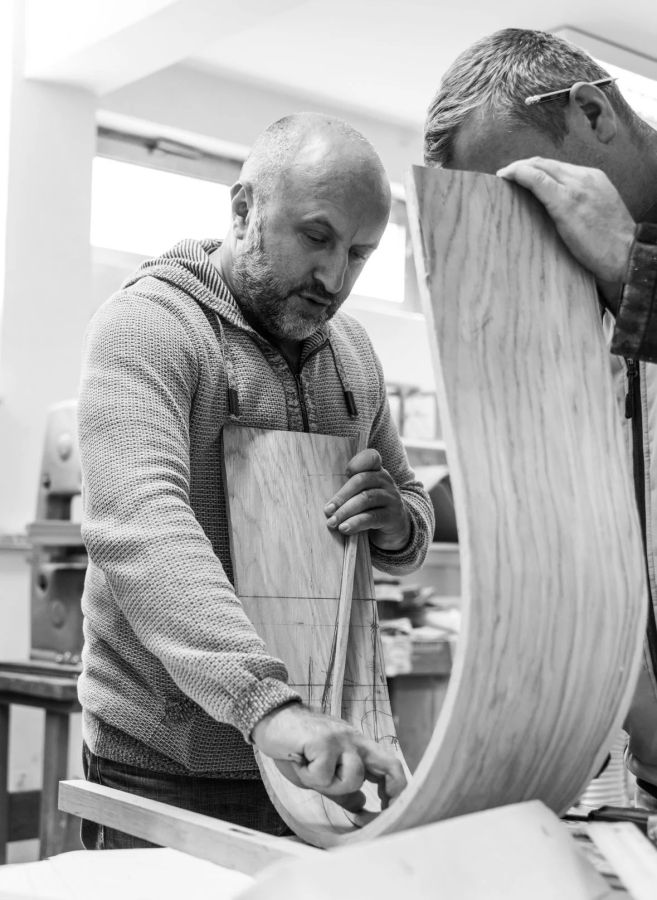
Salih Teskeredzic
Salih Teskeredžić is the co-founder and chief designer of the Gazzda brand, an architect and designer whose works are distinguished by minimalism, harmony and timeless character. He studied and lectures at the Academy of Fine Arts in Sarajevo, where for years he has been inspiring young designers to combine tradition with modernity. His philosophy is based on the use of natural materials, light forms and subtle minimalism, which gives the furniture elegance and durability regardless of changing trends. Teskeredžić is responsible not only for the projects, but also for the overall development of Gazzda - from concept to implementation, ensuring the quality of workmanship and cooperation with local carpentry workshops. His designs, such as the Dedo armchair, the Fawn collection or the Tink, have won prestigious Red Dot awards and recognition on international markets.
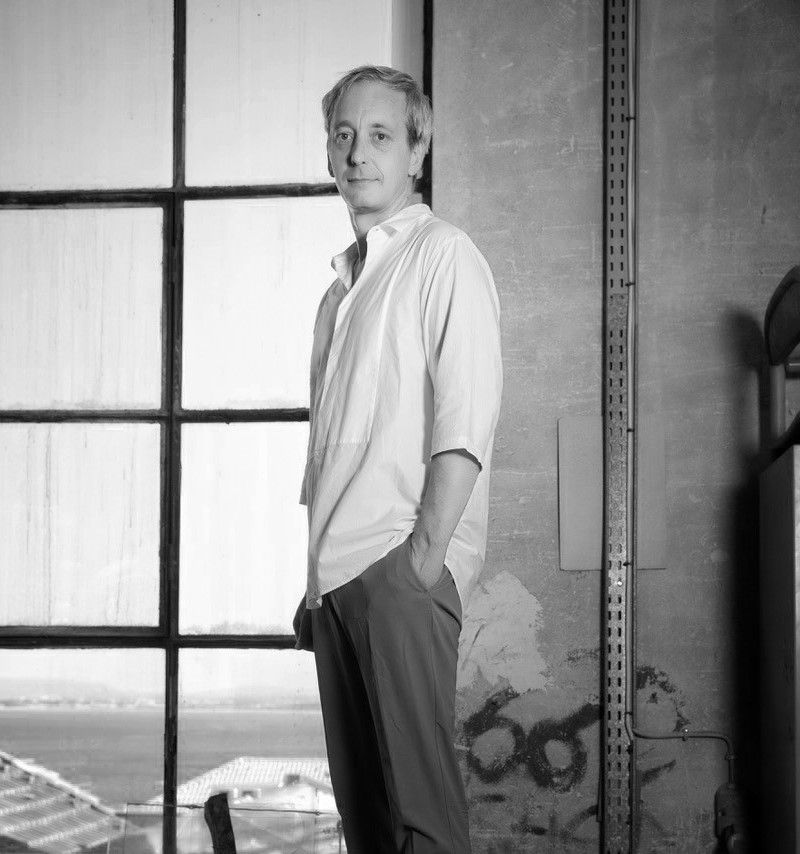
Sam Baron
Sam Baron is a renowned designer and art director, known for combining contemporary design with references to history and craftsmanship. He graduated from the École des Beaux-Arts in Saint-Étienne and the École Nationale des Arts Décoratifs in Paris. For over a decade, he headed the design department at Fabrica - the research center of the Benetton group. His work is a combination of functionality with the poetics of form and reflection on industrial production. He collaborated with brands such as Dior Maison, Vista Alegre, La Redoute, Louis Vuitton and Pierre Frey. In 2009, he won the Grand Prix de la Création de la Ville de Paris, and Philippe Starck recognized him as one of the most influential designers of the decade.

Sam Weller
Sam Weller is a talented designer, known for his modern approach to interior and furniture design. His work combines functionality with aesthetics, creating spaces and products that are both comfortable and stylish. Weller draws inspiration from minimalism and natural materials, which translates into timeless and elegant designs. His projects are distinguished by their attention to detail and high quality of workmanship, thanks to which they gain recognition among design lovers around the world. It cooperates with prestigious brands, providing solutions ideal for modern apartments, offices and commercial spaces. Its style is a harmonious combination of simplicity and comfort, which gives the interior a unique character.
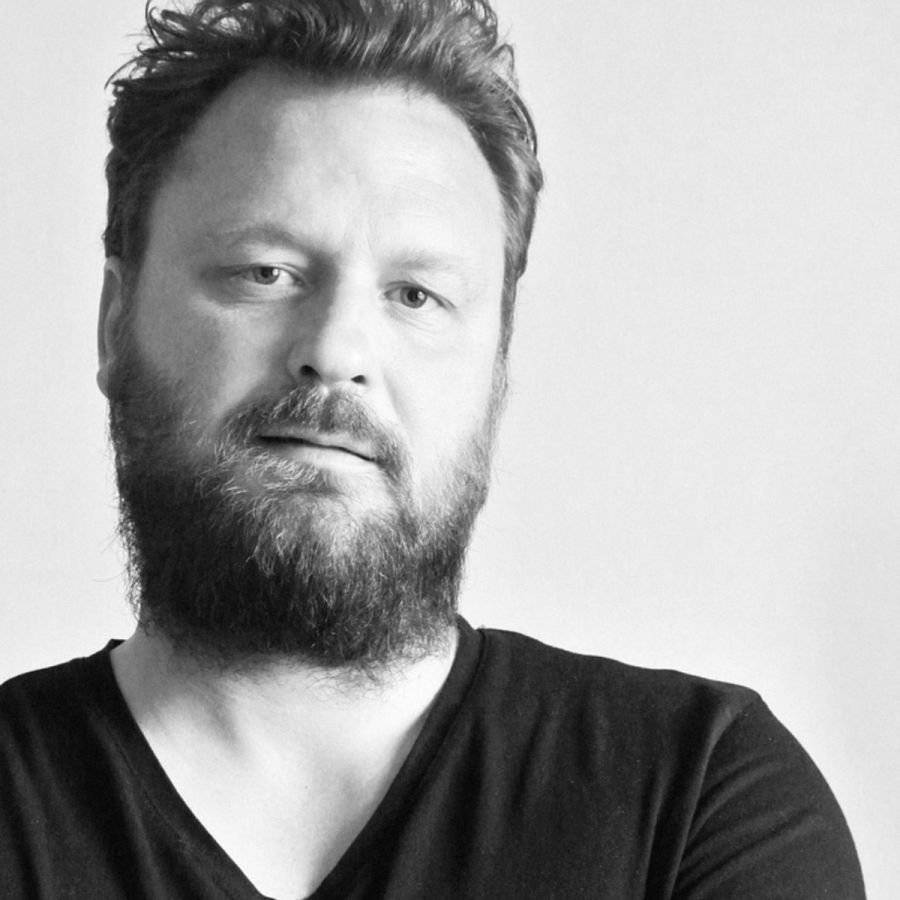
Sami Kallio
Sami Kallio is a Finnish-Swedish designer and craftsman whose work combines Scandinavian minimalism with a deep respect for traditional craftsmanship. He was born in Helsinki, but grew up in Gothenburg, where he also runs his studio. Kallio specializes in designing furniture, especially chairs, using classic carpentry techniques such as wood turning and hot forming. His works are characterized by purity of form, functionality and precise workmanship. He is known, among others, from the "In Between" collection for &Tradition, which combines modernity with Nordic heritage. He also designed for the Hans K, Northern and Nikari brands. Kallio believes that good design should be accessible, durable and honest with the materials.

Samuel Wilkinson
Samuel Wilkinson is a British industrial designer who has gained recognition for his innovative approach to design. After graduating from Kingston University, he began collaborating with various brands, creating products that combine functionality with aesthetics. His designs are characterized by light, simple form, precise workmanship and the search for new technologies and materials. He collaborated with companies such as Decode, Established & Sons and Tom Dixon. His works have been presented at international design exhibitions, winning numerous awards and distinctions. Wilkinson is also involved in education by conducting workshops and lectures in the field of design. His approach to design combines tradition with modernity, creating products that are both functional and aesthetically pleasing attractive.
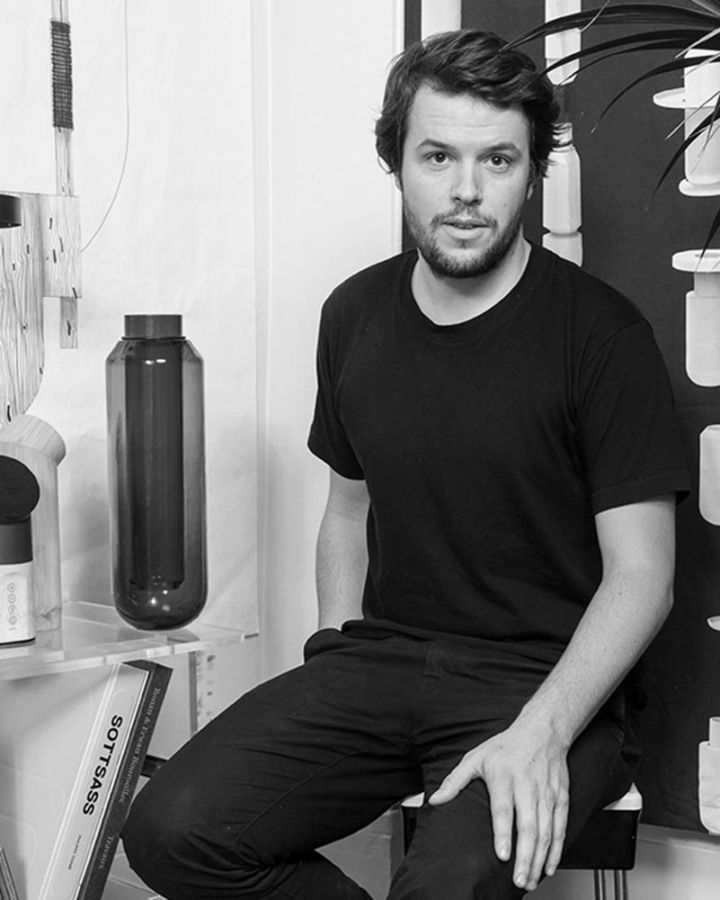
Samy Rio
Samy Rio is a French designer from Arles who combines craftsmanship with industry, creating sustainable and innovative functional objects. After four years of carpentry training, he completed five years of industrial design studies at ENSCI – Les Ateliers in Paris. His works are characterized by simplicity of form and a deep understanding of materials such as bamboo, ceramics, glass and invasive plants. In 2015, he won the Grand Prix Design Parade 10 at Villa Noailles for his bamboo industrialization project, which opened the door to artist residencies at CIRVA in Marseille, Cité de la Céramique in Sèvres, NTCRI in Taiwan and Villa Kujoyama in Kyoto. He cooperates with brands such as Petite Friture, for which he designed the Quasar lamp, combining functionality with aesthetics. Rio explores the boundaries between traditional craftsmanship and modern production, striving to create objects that are both ecological and accessible to a wide audience.
Sanna Volker
Sanna Völker is a Swedish designer living in Barcelona, specializing in the design of furniture and objects. Her works combine rawness with sophistication, often inspired by brutalist architecture and the relationship between nature and man. Working with the Bolia brand, she designed, among others: Closerside table combining marble, wood and steel, distinguished by its light form and precise craftsmanship. Völker runs her own design studio, and her works have been presented at international exhibitions such as Design Miami and Fundació Mies van der Rohe. She is also a design lecturer at Istituto Europeo di Design and Elisava Barcelona. Her style combines Scandinavian minimalism with urban elegance.

Sanne Protin
Sanne Protin is a Danish designer and long-time CEO of the Dan-Form brand, responsible for, among others, for the design chairs Aole. Her approach to design combines Scandinavian minimalism with a modern, international look at the form and functionality of furniture. In his designs, he focuses on the balance between aesthetics and comfort of use, creating furniture with sculptural and timeless shapes. For over 25 years of work at Dan-Form, she has developed collections of chairs and armchairs that are distinguished by refined details, high quality workmanship and a universal style that suits both private and commercial interiors.

Santiago Calatrava
Santiago Calatrava is a Spanish architect, engineer and sculptor born in 1951 in Valencia. Known for his futuristic, sculptural buildings combining architecture and engineering. His designs are characterized by dynamic form, inspiration from nature and the expressive use of concrete, glass and steel. He graduated in engineering in Zurich, where he founded his own studio. He designed, among others: The Oculus WTC station in New York, the City of Arts and Sciences in Valencia and bridges such as the Zubizuri in Bilbao. Calatrava creates works that combine art, function and technology, often causing controversy due to cost and technical challenges. His works, although sometimes criticized, remain symbols of modern architecture full of emotions and movement.

Sarah Roseman
Sarah Roseman is a designer whose work balances on the border of design, art and material experiment. Her works are characterized by a bold approach to form and innovative use of materials, often with an emphasis on sustainable development and the handicraft process. Roseman specializes in designing objects and installations that tell stories and engage the viewer on many levels - visual, tactile and emotional. Its aesthetics combines soft, organic shapes with modern functionality, which gives its designs a unique character. Sarah cooperates with galleries, cultural institutions and brands that are looking for a fresh perspective and an authentic message. Her approach to design is intuitive, reflective and deeply human - she treats design as a dialogue with the environment and the recipient.
Sascha Sartory
Sascha Sartory is a German industrial designer specializing in creating functional and durable everyday products. After graduating in product design and industrial design at the Aachen University of Applied Sciences and the University of Wuppertal, he gained experience in various design agencies, where he learned to combine the latest technologies, trends and materials in innovative consumer products In 2010, he co-founded the design studio FORMFUSION Produktdesign, and since 2014 he has been running his own studio SARTORY Design in Cologne. His designs are characterized by minimalist design, high quality of workmanship and attention to detail, which translates into the creation of products that are both aesthetic and functional.

Saskia Huebner
Saskia Hübner is a German designer, graduate of Münster School of Design. After graduation, she moved to Copenhagen, where she worked as a senior designer at Normann Copenhagen, creating, among others, Puff lamp collection. In 2024, she founded a design studio in Aarhus and FORM 22 - an initiative using design as a tool for communicating climate change. Her approach combines functionality, emotion and ecological awareness. In the VEN armchair, it used a textile alternative to foam, significantly reducing the product's carbon footprint. Hübner examines the relationship between man and object, focusing on sustainable development and social involvement. In 2025, she took part in the Danish program "Danmarks næste Klassiker", as the first foreign designer, gaining recognition for her fresh, innovative approach to functional design.
Says Who
Says Who is a Danish design studio founded in 2010 by Nikolaj Duve and Kasper Meldgaard. The studio specializes in designing furniture that combines Scandinavian minimalism with modern functionalism. Their designs are part of the New Scandinavian Design trend, which respects tradition, but at the same time adapted to contemporary needs. Says Who cooperates with international brands such as Bolia, for which they designed, among others: Angle modular sofa. Their works are distinguished by clean lines, geometric shapes and excellent functionality. The studio is involved in every stage of the design process, ensuring the highest standard of workmanship, and their projects have won numerous awards. Says Who is a brand that combines aesthetics with everyday usability, appealing to the tastes of a wide range of recipients.

Sebastian Herkner
Sebastian Herkner is a German designer whose style combines craftsmanship, tradition and modern technologies. He graduated from Offenbach University of Art and Design, and in 2006 he founded his own studio. It creates furniture, lighting and everyday items for recognized brands such as &Tradition, Pulpo or Fritz Hansen. His designs are characterized by soft forms, a sense of color and respect for materials - from glass to ceramics and wood. Herkner values cooperation with craftsmen and is often inspired by cultures from outside Europe.
Sebastian Holmback
Sebastian Holmbäck is a Danish designer and visual artist who combines minimalist design with a deep understanding of functionality and aesthetics. Artist uhe graduated in industrial design from the Danish School of Design in 1998. In the years 2008–2015 he collaborated with Ulrik Nordentoft as part of the HolmbäckNordentoft studio, creating, among others, award-winning series for Stelton such as Emma and Pure Black. After ending his cooperation with Nordentoft, Holmbäck founded his own studio, continuing to design products, lighting and interiors for renowned brands such as Holmegaard, Normann Copenhagen and Georg Jensen. His designs are characterized by simple, geometric forms that combine aesthetics with everyday usability. Holmbäck focuses on durability, quality workmanship and timeless design, which has earned it numerous international awards, including the Red Dot Award and the German Design Award.
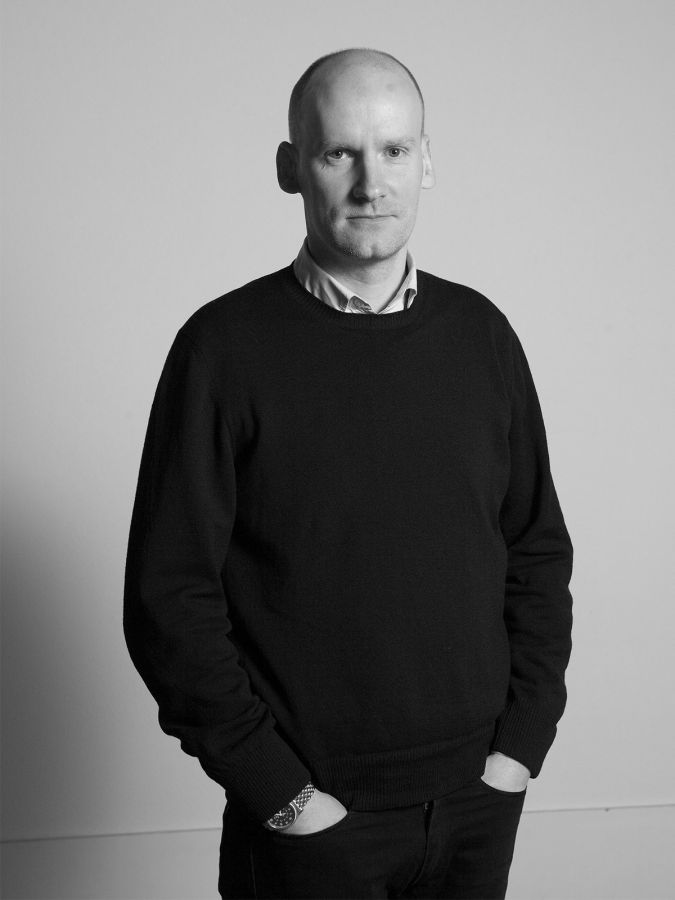
Sebastian Wrong
Sebastian Wrong is a British designer and entrepreneur, known for his multidisciplinary approach to design. He studied art and sculpture at the Norwich School of Art and Design, which strongly influenced his later work. In 2003, he was one of the founders of the Established & Sons brand, where he served as creative director, introducing iconic furniture and lighting designs to the market. His works combine sculptural sensitivity with functionality, and are characterized by technical precision and attention to detail. Wrong has collaborated with renowned producers, including: Flos, Hay and Magis, creating furniture, lamps and utility items with a distinct, modern character. In 2011, he founded the Wrong for Hay brand, developing collections of lighting and accessories.
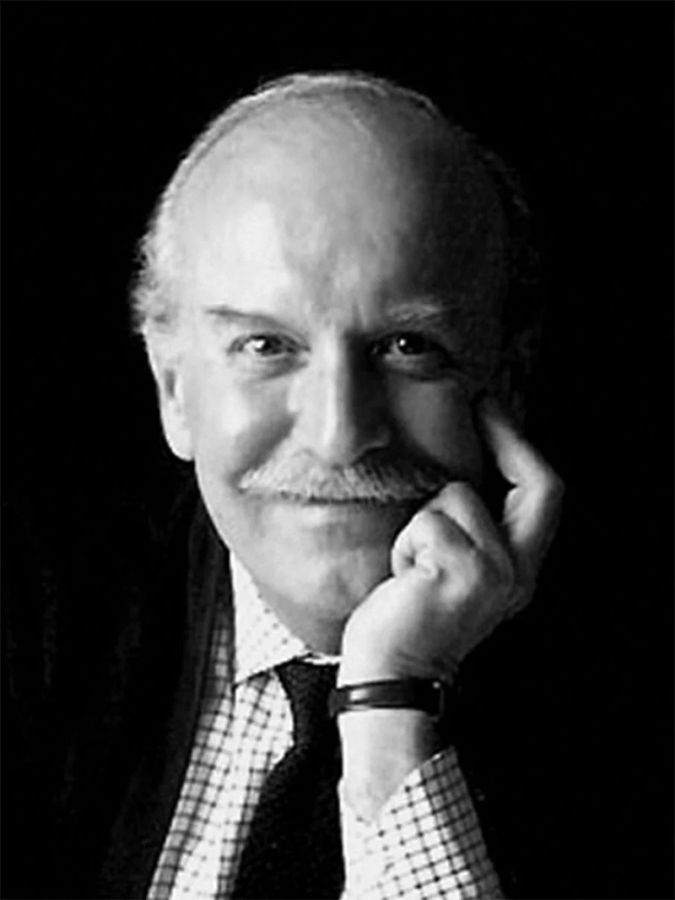
Sergio Asti
Sergio Asti was one of the leading representatives of post-war Italian design. Architect, industrial designer and co-founder of Associazione per il Disegno Industriale (ADI), he played a key role in shaping modern utility design. His designs were characterized by minimalism, functionality and an innovative approach to materials, often ahead of their times. He collaborated with brands such as Martinelli Luce, Artemideor Brionvega. His most recognizable works include, among others: lampa Visiere, Marco vase and S62 phone. Asti created objects that combined technique and poetics of form, often balancing on the border of craft and industry. His works can be found in museum collections, including: at MoMA in New York.
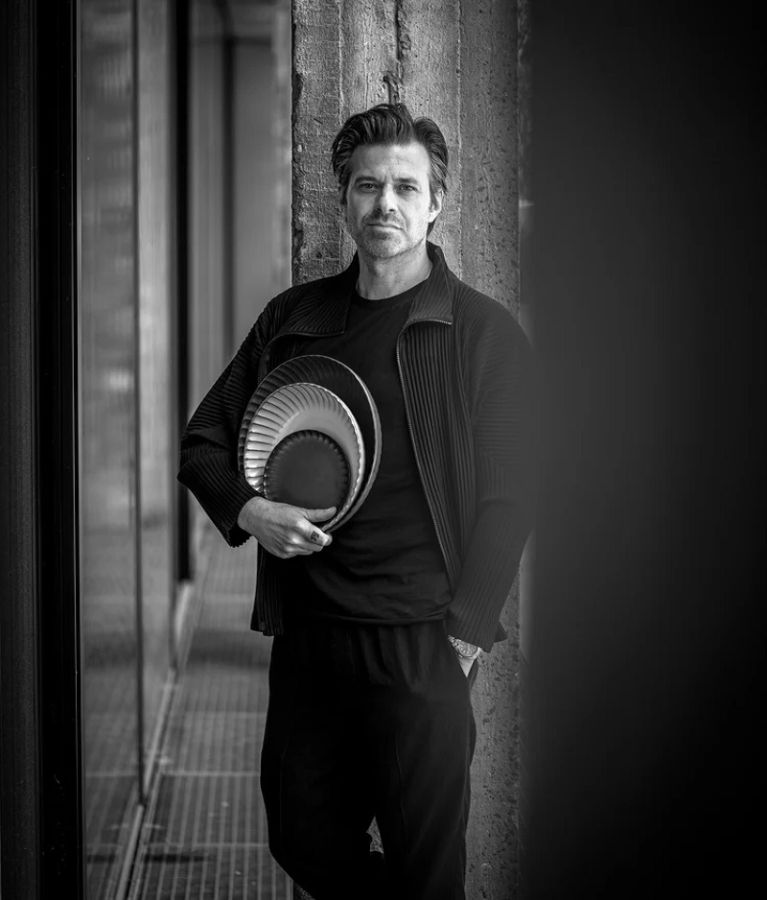
Sergio Herman
Sergio Herman is a world-famous Belgian chef, considered one of the most influential chefs in contemporary gastronomy. Known for his innovative approach to fine dining cuisine, he combines classic techniques with modern flavors, creating extremely creative and surprising dishes. He is the owner and creator of renowned restaurants, including one repeatedly awarded with Michelin stars. Herman inspires other chefs around the world, and his philosophy is based on the quality of ingredients, perfection of workmanship and passion for the culinary art.
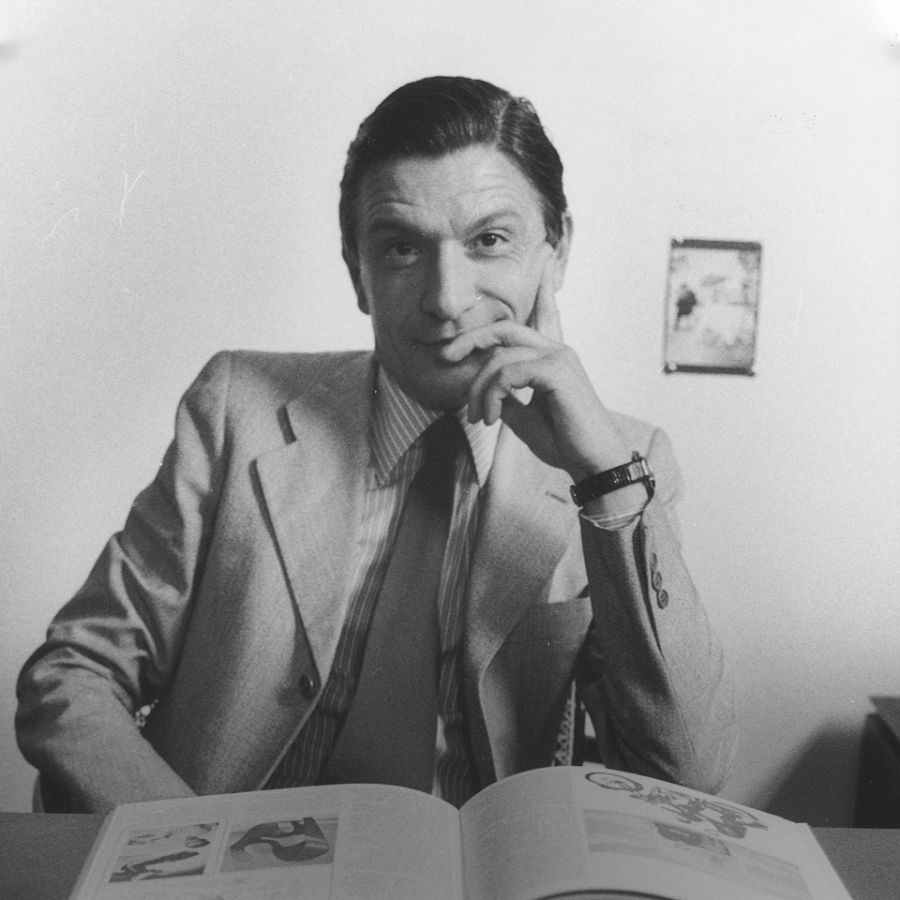
Sergio Mazza
Sergio Mazza is an Italian designer and architect, born in 1931 in Milan. In 1955, he started his own business, focusing on furniture design and industrial design . In 1959, he co-founded Artemide with Ernesto Gismondi, contributing to the development of modern lighting . His "Alfa" lamp from 1959, combining glass, marble and metal, became a design icon . In the 1960s, Mazza also designed molded fiberglass chairs that are popular with collectors . In 1961, he began working with Giuliana Gramigna at the Smc studio, focusing on furniture design and industrial design . His works, characterized by a combination of functionality and elegance, have gained recognition all over the world. Mazza is considered one of the pioneers of 20th century Italian design.
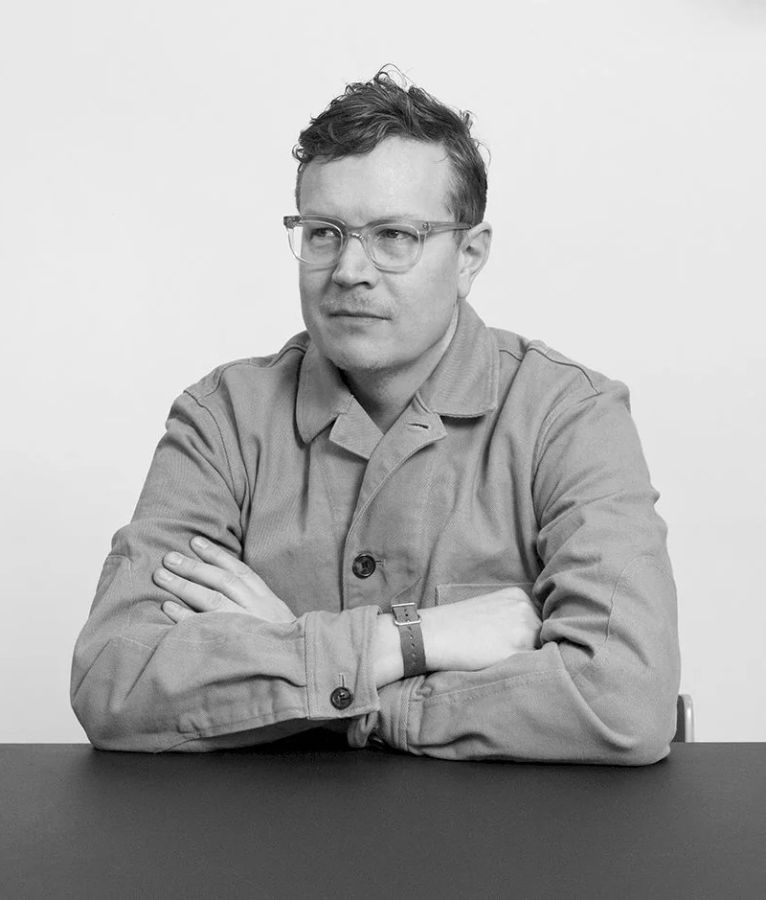
Shane Schneck
Shane Schneck is an American industrial designer based in Stockholm, known for creating innovative and functional objects with strong utility value. Founder of the Office for Design studio, cooperates with brands such as HAY, Fritz Hansen, Menu and Muji. His designs combine Scandinavian simplicity with the American approach to innovation, creating modern, accessible and aesthetically refined products. Schneck focuses on how objects are used every day, striving for maximum usability without unnecessary frills. The balance between form and function and the attention to detail, colors and materials are evident in his works. His approach makes design more accessible and at the same time full of character and ingenuity.

Shigeaki Asahara
Shigeaki Asahara is a Japanese designer who began his career in the 1980s, combining Japanese aesthetics with European modernism. After studying at Tokyo University of the Arts, he moved to Belgium, where he gained international recognition. His style is characterized by a harmonious combination of organic and geometric forms and the use of natural, sustainable materials. He has cooperated with many renowned companies in the furniture, lighting and household appliances sectors. His designs have been presented at numerous exhibitions around the world and have won many prestigious awards. Asahara is also involved in design education, lecturing at renowned universities in Japan and Belgium.
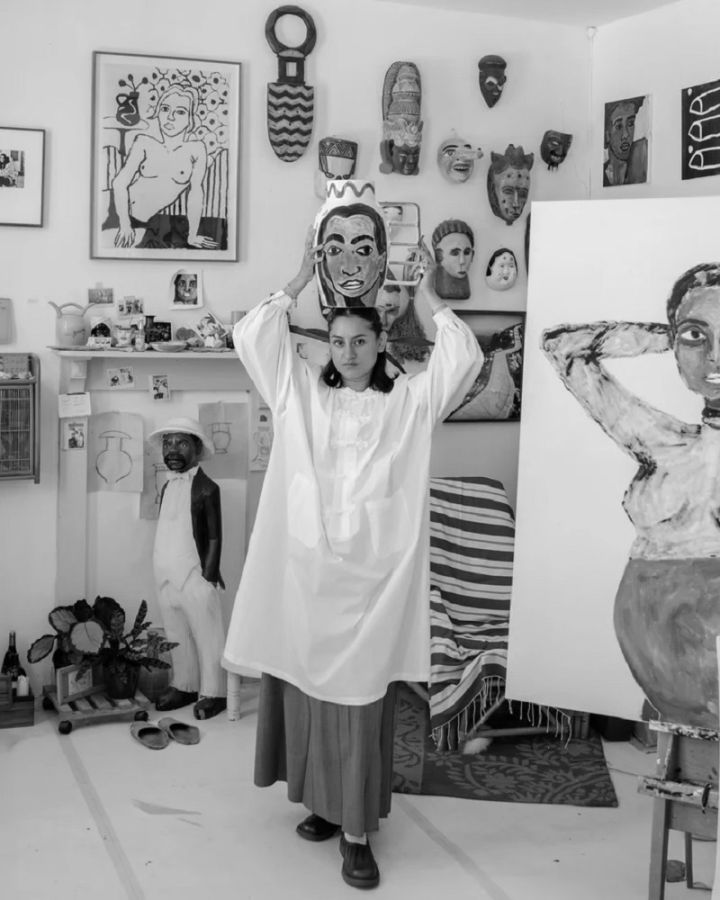
Shirley Villavicencio Pizango
Shirley Villavicencio Pizango is a Peruvian-Belgian artist known for her bold, expressive works inspired by her Amazonian roots. Growing up between Lima and the village of Santiago de Borja, he draws from culture, nature and everyday relationships, which he transfers onto canvas and ceramics. Her style is distinguished by intense colors, strong contours and intuitive brushstrokes, creating compositions full of energy and emotions. In his works, he often presents loved ones and people with various identities, giving them visibility and agency.
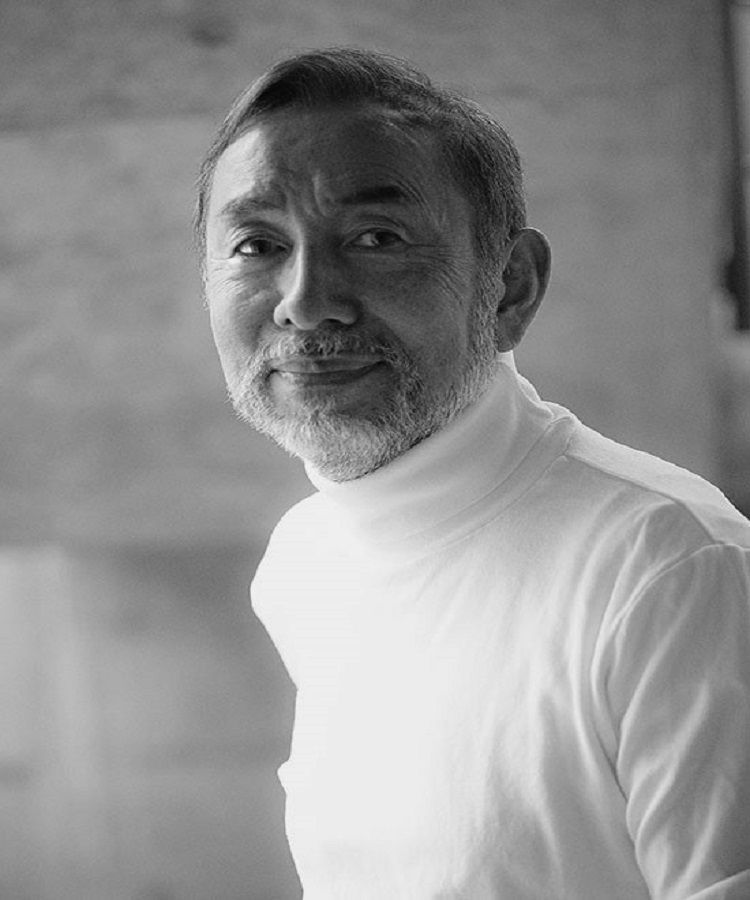
Shoichi Uchiyama
Shoichi Uchiyama is a Japanese industrial designer, known mainly for his lighting design. He gained international recognition thanks to his cooperation with the Danish brand Louis Poulsen, specializing in high-quality architectural lamps. Uchiyama is the creator of one of the most characteristic fixtures of this company - Enigma Pendant. The lamp is distinguished by a light, almost floating structure composed of translucent discs that evenly disperse the light and create a subtle visual effect. The designer's style is based on the principles of Japanese minimalism - simplicity, harmony and functionality. Uchiyama focuses on the quality of light and the relationship between form and space.

Signe Hytte
Signe Hytte is a Danish designer known for her minimalist approach to design, which combines minimalism of form with functionality. Born in Denmark, she has gained international recognition for her lighting designs and interior accessories. Signe Hytte focuses on careful workmanship, uses natural materials and avoids temporary trends. Her works are full of subtle emotions and tell visual stories. She has collaborated with brands such as &tradition, Kvadrat and New Works. Her designs, such as the Karl-Johan and Yuki series, are an example of elegance and timeless design.

Sigurjon Pálsson
Sigurjón Pálsson is an Icelandic designer and writer, a graduate of the Royal Danish Academy of Fine Arts. Its philosophy is based on a harmonious combination of form, function and material, striving for simplicity and timelessness. The most famous is from the Shorebirds series of wooden birds, originally designed for a local craftsman in Húsavík, which later became a bestseller by Normann Copenhagen. His other designs include Puffin, inspired by the puffin, and Ram and Walrus, reflecting Icelandic fauna. He collaborates with Epal, and his works are appreciated for their minimalist aesthetics and deep roots in Icelandic culture. Pálsson is also the author of crime novels, for which he received the Blóðdropinn Award in 2012. His credo is: "Looking right is always more beautiful than just looking beautiful".
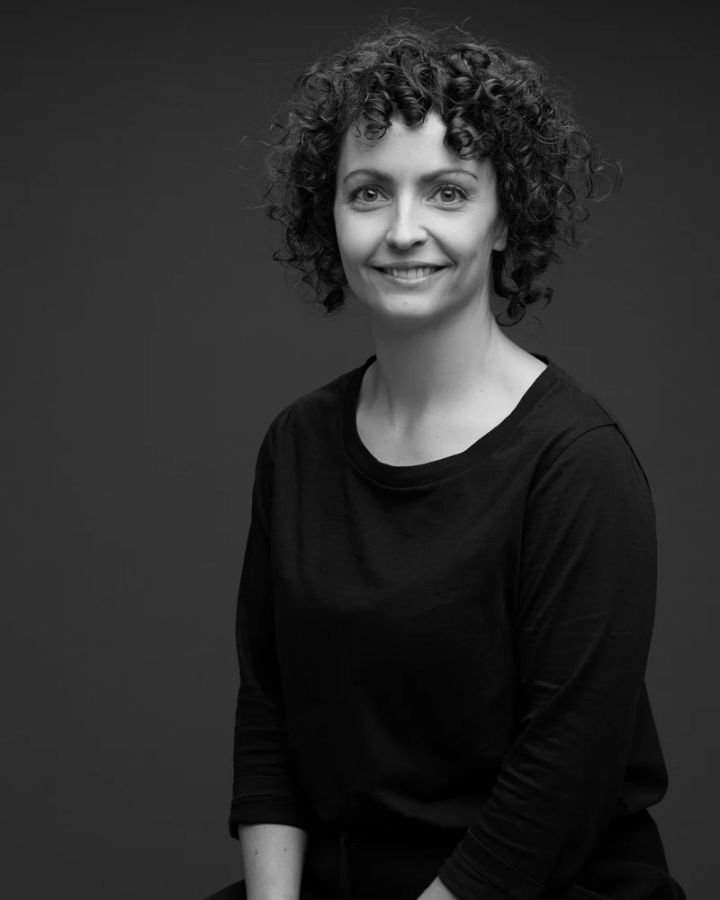
Silje Nesdal
Silje Nesdal is a Norwegian designer born in 1982 in Stryn, a picturesque fjord region in western Norway, known for its artisan traditions in woodworking and textiles. Her education includes a BA in Textile Design from Oslo University College and an MA in Furniture Design and Interior Architecture from Bergen Academy of Art and Design, with an exchange at Aalto University in Helsinki. She also gained experience in the fashion industry in Oslo and Japan. Nesdal combines inspirations from Norwegian, Finnish and Japanese crafts, creating minimalist designs with subtle forms and natural materials. Her works are characterized by simplicity, functionality and emotional impact. One of her most famous designs is the Reveal hanging lamp for the Northern brand, made of blown glass, which combines modern design with traditional craftsmanship.
Simon & Jahn
Simon & Jahn is a designer duo; Alexander Simon and Daniel Jahn from Germany, known for their innovative approach to the design of furniture and consumer products. Their works combine functionality with aesthetics, focusing on simplicity of form, precision of workmanship and environmental responsibility. The duo has gained recognition thanks to projects that combine traditional craftsmanship with modern technology, creating durable, practical and timeless objects. They have cooperated with many international brands, and their designs have been presented at prestigious design exhibitions in Europe and around the world. Simon & Jahn focuses on sustainable development, using natural materials and designing with the longevity of products in mind. Their style is pure form, function and subtle elegance rooted in German design tradition.
Simon Jones
Simon Jones is a British designer and architect whose works are distinguished by precision, minimalist aesthetics and a deep understanding of material and space. His approach to design is based on the analysis of context and function, which translates into timeless, sustainable solutions. He cooperates with galleries, cultural institutions and commercial brands, creating furniture, interior designs and architectural installations. Jones values craftsmanship and simplicity, often working with wood and metal, bringing out their natural properties. His designs combine technical sophistication with a subtle aesthetic, making them both useful and visually intriguing.

Simon Kalmer
Simon Kalmer is a Danish industrial designer, graduate of the Faculty of Architecture at Aarhus University, specializing in product design, development and production. She has been running her own business for several years, focusing on functionality, materials and simple, timeless design. His most recognizable project is the Trigono series of knives, created for the Stelton brand. This line is distinguished by a geometric, triangular handle, excellent balance and a precise blade made of Japanese stainless steel. Trigono knives combine aesthetics with everyday functionality, offering the user a unique experience when preparing meals.
Simon Karkov
Simon Karkov is a Danish architect and designer, graduate of The Danish Academy of Architecture in Copenhagen. Since the 1960s, he has been creating designs inspired by nature, combining functionality with organic form. For many years he worked as an architect in Danish offices and on public projects for the municipality of Frederiksberg, including: during the construction of a hospital and a school. His most famous work is the Norm 69 lamp - an icon of contemporary design, created in 1969, but only introduced to the market in 2002 by Normann Copenhagen. The product gained international recognition, winning the Formlandprisen award and the title of "Best Item" at IMM Cologne. Karkov continued to design other lamps: Norm 06 and Norm 12, resembling flower sculptures.

Simon Legald
Simon Legald is one of the most recognizable Danish designers of the young generation, whose works have gained recognition all over the world. A graduate of the prestigious Royal Danish Academy of Fine Arts, his work combines classic craftsmanship with modern technologies. He is known primarily for his cooperation with the Normann Copenhagen brand, for which he created iconic designs, such as the Form chair, the Era furniture series and the Amp lamps. Legald's style is functionality, honesty of materials and clarity of shapes - his objects are minimalist and at the same time full of expression.
Simona Sbordone
Simona Sbordone is an Italian designer and stylist, born in Naples, raised in France, currently living and working in Milan. Her work includes product design, interior styling and set design for photo sessions, as well as editorial work in prestigious design magazines. He collaborates with many well-known brands of Italian design, combining craftsmanship with modern aesthetics. Since 2024, she has been the creative director of the Brokisglass brand, where she created the Senza Fine collection, based on glass recycling. Her style is characterized by a combination of lightness and elegance with deep artistic sensitivity. He designs objects that evoke emotions and create an atmosphere, and at the same time are consistent with the idea of sustainable development. Sbordone believes that design should tell stories, inspire and build a relationship between space and people.

Simone Smelt
Simone Smelt is a Dutch designer from Amsterdam, graduate of Design Academy Eindhoven (2017), specializing in creating sculptural furniture and collectibles. Her works combine minimalist form with expressive detail, exploring the boundaries between functionality and art. Smelt places a strong emphasis on sustainability by using monomaterials and designing products that are easy to recycle and optimized for transportation. Her designs such as Speculum and 30x30, were presented at Dutch Design Week, and cooperation with the brands Studio HENK, FÉST Amsterdam and Zuiver resulted in furniture collections combining aesthetics with functionality. Smelt's work has been published in international media includingDezeen, Vogue andElle Decoration, and exhibited at events such as ART Rotterdam and 3 Days of Design Copenhagen. Her design approach combines intuition with material research, creating objects that are both visually calm and expressive.
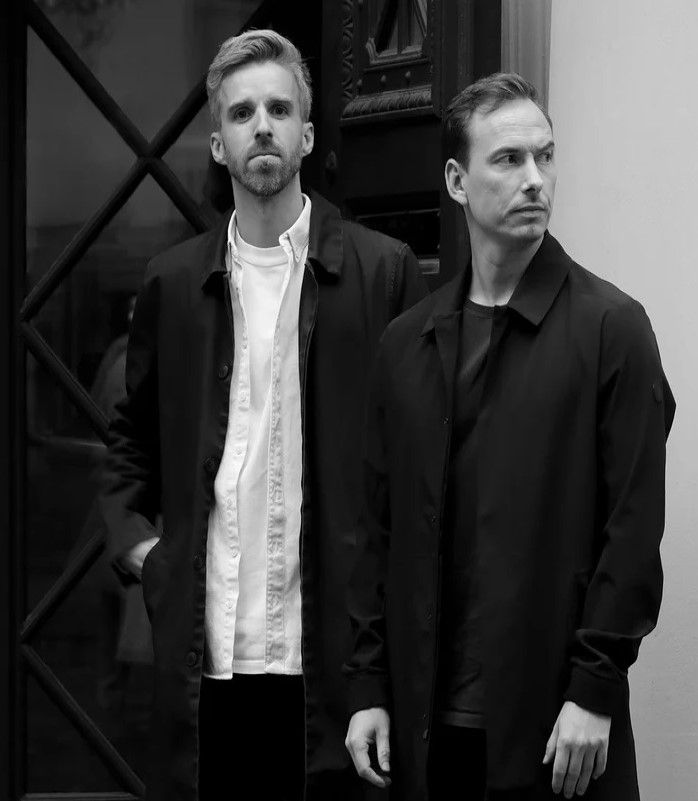
Skogstad & Waernes
Skogstad & Waernes is a design studio from Oslo, founded in 2020 by Norwegian designers Petter Skogstad and Fredrik Waernes (both born 1985). They met while studying product design at Oslo Metropolitan University and ECAL in Switzerland. Before establishing their own studio, they gained experience in renowned offices such as Anderssen & Voll, Andreas Engesvik and Snohetta. Their works include furniture, lighting and utility items, combining sincerity of form with a responsible approach to design. They have collaborated with brands such as Audo Copenhagen (Merkur chair for the Oslo Stock Exchange) ?, Roros Tweed (plaid collection) and Form Forums (Bud chair) . Their designs are characterized by minimalist aesthetics, functionality and a subtle expression of form.
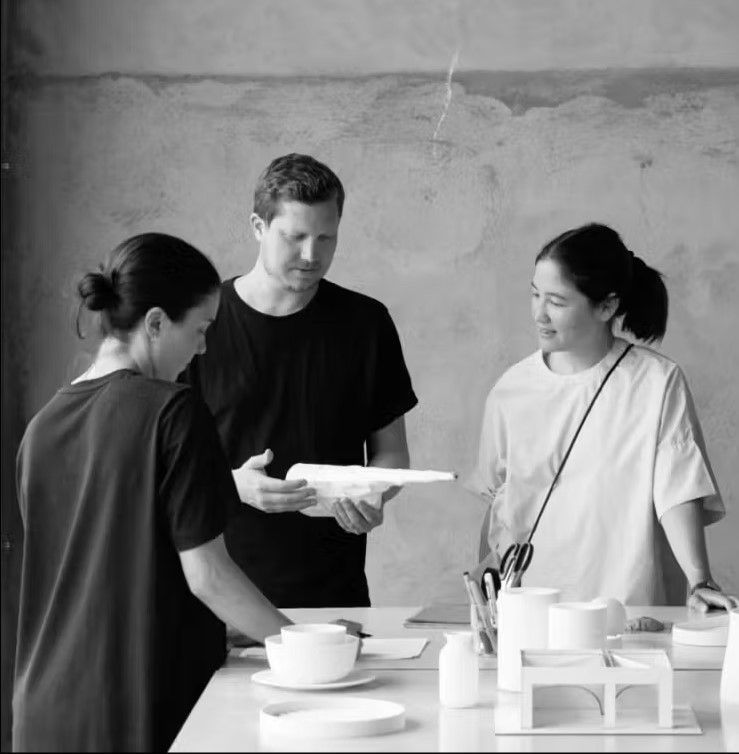
Snohetta
Snøhetta is a renowned international architecture and design studio, known for its innovative projects at the intersection of architecture, design and landscape. Founded in 1989, with main offices in Oslo and New York, Snøhetta creates projects with a strong social, cultural and ecological dimension. The studio is responsible for iconic buildings such as the Library of Alexandria in Egypt and the Opera House in Oslo. Their approach is based on multidisciplinary cooperation, humanism and the pursuit of creating spaces that integrate people and the environment. Snøhetta also designs furniture and everyday products, combining functionality with timeless aesthetics. The studio has won numerous international awards and remains one of the most influential design offices in the world.

Sofia Bordoni
Sofia Bordoni is an Italian multidisciplinary designer, graduate of IUAV in Venice, majoring in graphic design and industrial design. She gained experience in renowned studios such as Clara von Zweigbergk, Studio Homburger and Normann Copenhagen. Collaborating with Normann Copenhagen, she created collections of home textiles, including: Snooze bedding and Slumber bedspreads, which combine Scandinavian tradition with modern design. Her designs are characterized by attention to detail, color harmony and functionality. Bordoni is also involved in visual communication projects, creating identities for brands such as Klar and Betalab. She currently lives in Berlin, where she runs her own studio, focusing on sustainable design and social innovation. Her approach to design is based focuses on observation and empathy, which allows it to create aesthetic and useful products that meet the needs of users.
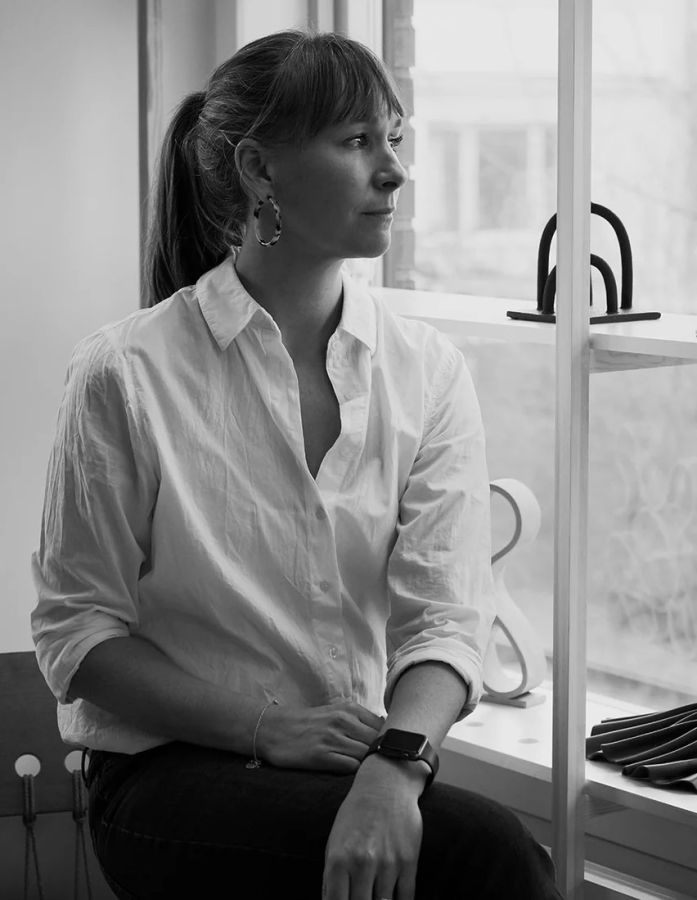
Sofia Tufvasson
Sofia Tufvasson is a Swedish ceramic artist who, after two decades of work as a graphic designer, discovered clay as an ideal medium for three-dimensional expression. In his Stockholm atelier, he creates hand-carved objects that combine functionality with sculptural form. Her works are characterized by clean lines, soft shapes and a subtle play of light and shadow. She draws inspiration from everyday observations; nature, architecture or random forms, which she transforms into timeless works. Tufvasson strives for her works to arouse curiosity and encourage touch, combining modernity with classic aesthetics. She collaborated with brands such as Audo Copenhagen, for which she created the Collapse vase, inspired by the soft folds of fabric. Her work has been presented in prestigious magazines, including: ELLE Decoration and RUM ID, as well as at exhibitions in galleries such as The Ode To and PHILIA.
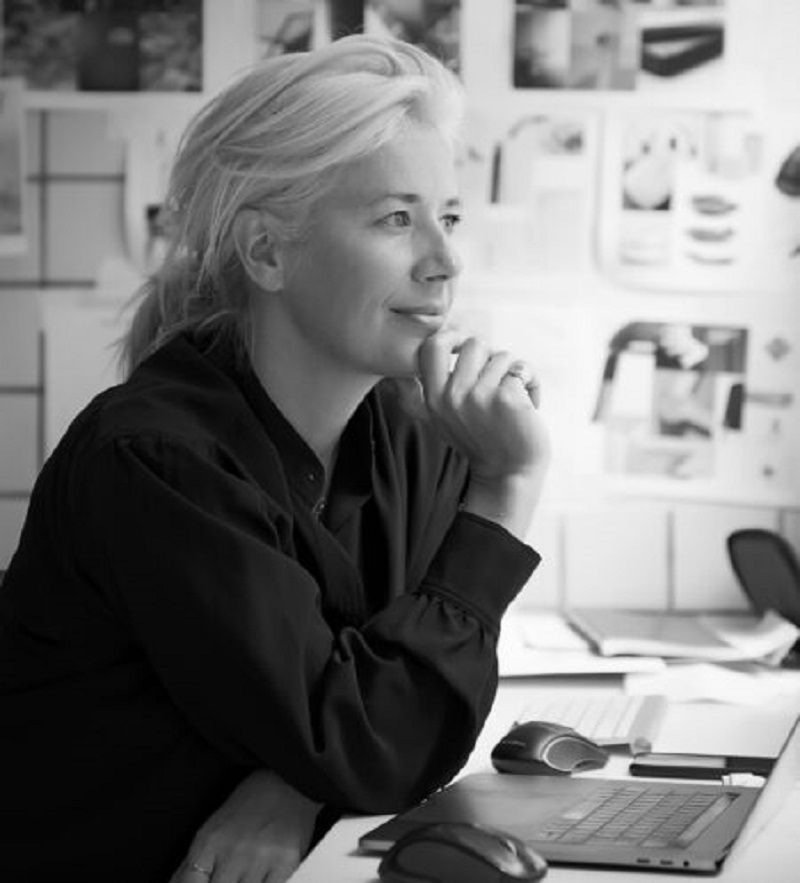
Sofie Lefevre
Sofie Lefèvre is a Danish designer of French origin, founder of the Mavro//Lefèvre studio in Copenhagen. She studied at the Royal College of Art in London, having previously started in medicine. Her designs focus on light as a tool for building emotions and atmosphere. It combines aesthetics with functionality, inspired by the art of Murano glass. It creates lighting that not only decorates, but also affects the user's mood. Her works, such as the "Mademoiselle" and "Navone" lamps, are gaining recognition all over the world. In design, he focuses on intuition, senses and details, believing that good design is born from observing everyday life.
Sonia Laudet
Sonia Laudet is a French designer and artistic director of the Market Set brand, known for her sense of trends and the ability to combine design with functionality. Her designs are distinguished by subtle elegance, lightness of form and attention to detail and quality of materials. It draws inspiration from nature, architecture and contemporary lifestyle, creating lighting that not only fulfills a practical role, but also creates the atmosphere of the interior. Under her direction, Market Set has gained a recognizable, modern character, offering collections that fit harmoniously into various arrangements - from minimalist to more decorative.
Soren Ravn Christensen
Søren Ravn Christensen is a Danish designer and co-founder of the UMAGE brand (formerly VITA Copenhagen), known for creating affordable, functional and aesthetic furniture and lighting. As a self-taught person, he gained experience in designing the interiors of bars, clubs and galleries, which influenced his approach to design. His philosophy is based on creating products that combine Scandinavian simplicity with innovation, while maintaining a sustainable approach to production. Christensen is the author of many designs for UMAGE, including Eos, Asteria and Clava Dine lamps and furniture such as Lounge Around, Heart'n'Soul and Comfort Circle. His works are characterized by minimalist style, functionality and attention to detail. UMAGE products are packed in flat boxes, which facilitates transportation and reduces the carbon footprint.

Soren Refsgaard
Soren Refsgaard is a Danish industrial designer who graduated from the Design Seminariet in Hojer in 2003 and then founded his own studio in Copenhagen. His works, including lighting, furniture and home accessories, are deeply rooted in the Scandinavian design tradition, combining minimalism with functionality. Refsgaard has collaborated with renowned brands such as Stelton, RIG-TIG, Le Klint and Skagerak.Artist has gained recognition in the industry, receiving awards such as the Red Dot Award and Design Plus. His approach to design focuses on creating products that are both aesthetic and practical with an emphasis on detail and quality of workmanship.
Soren Rose
Søren Rose is a talented designer who combines modern aesthetics with a unique approach to form and function. His works are characterized by minimalism, subtle details and the harmonious use of colors and materials. Søren pays attention to details that give his designs a unique character, combining elegance with practicality. Inspiracje czerpie z natury, sztuki oraz kultury współczesnej, co przekłada się na innowacyjne i ponadczasowe rozwiązania. Thanks to his sense of style and technical skills, Søren Rose is gaining recognition both at home and abroad, creating projects full of passion and originality.

Sori Yanagi
Sori Yanagi was one of the most important Japanese designers of the 20th century, combining traditional Eastern aesthetics with Western functionalism. The son of a famous mingei creator, he grew up in the spirit of minimalism and respect for craftsmanship. He studied industrial design in Tokyo, and his works, from furniture to everyday objects, are characterized by harmony of form, material and function. Yanagi believed that beauty comes from utility and that design should be "quiet but durable." His most famous work, Butterfly Stool (1956), became a symbol of the dialogue between nature, technology and the poetry of shape.

Space Copenhagen
Space Copenhagen is a Danish studio founded by Signe Bindslev Henriksen and Peter Bundgaard Rützou, specializing in the design of interiors, furniture and objects. His approach combines modern minimalism with respect for tradition and craftsmanship. The studio has gained international recognition thanks to projects for renowned brands such as &Tradition, Fredericia and Gubi. Space Copenhagen's designs are characterized by subtle elegance, attention to detail and the use of natural materials. They create spaces that combine functionality with aesthetics, and their works often balance between modernity and classic design.
Spalvieri & Del Ciotto
Spalvieri & Del Ciotto is an Italian design studio founded by Davide Spalvieri and Giacomo Del Ciotto, specializing in industrial design, furniture and interior design. The studio is known for its innovative approach to form and function, combining traditional craftsmanship with modern technologies. Spalvieri & Del Ciotto's designs are characterized by minimalist aesthetics, attention to detail and a harmonious combination of materials. They work for prestigious brands, creating furniture, lighting and accessories that combine practicality with artistic expression. Their works were presented at international exhibitions and won awards for originality and quality of workmanship. The studio focuses on sustainable development and conscious design that responds to the needs of the modern user, creating products that are timeless and full of character.
Spant Studio
Spant Studio is a Danish design studio founded by Troels Thorbjørnson and Kasper Baarup Holmboe, specializing in architecture, interior and furniture design. Studio combines the Scandinavian design tradition with a modern approach, creating spaces and objects that have a positive impact on the quality of life of their users. Their philosophy is based on simplicity, functionality and aesthetics, striving to create holistic experiences through design. Spant Studio collaborates with renowned brands such as Bolia, for which they designed lamps from the Campa collection, characterized by opal, fluted glass and wooden details. Their designs have been presented at international exhibitions and have gained recognition in the world of design
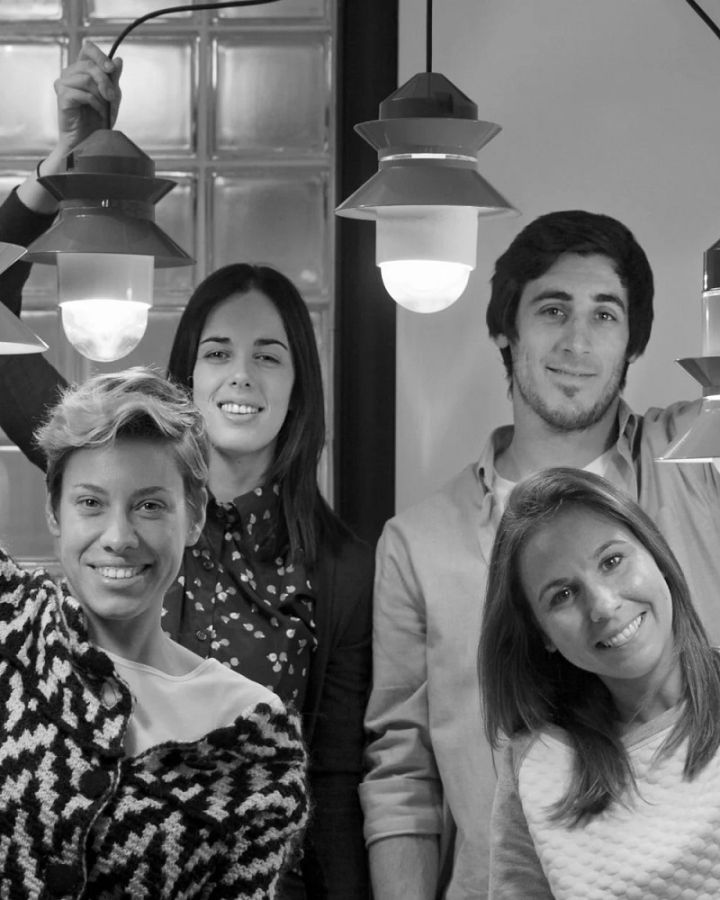
Sputnik Estudio
Sputnik Estudio is a Spanish, multidisciplinary design studio from Valencia, founded by Majo Fernández, María de la O Reyna, María Salar and Borja Sepulcre. The studio creates innovative and functional designs that reinterpret everyday objects in new ways. It places emphasis on interaction with the user and the use of environmentally friendly materials. Sputnik Estudio's designs combine simplicity, aesthetics and positive energy. They cooperate with brands such as Marset, creating lamps and accessories that stand out for their original design and practicality.
Stanisław Czarnocki
Stanisław Czarnocki is a Polish designer and co-founder of the Warsaw studio Umiar, which he runs with Katarzyna Kempa. A graduate of the Academy of Fine Arts in Warsaw and ECAL in Lausanne, he specializes in creating functional, minimalist forms. His design philosophy focuses on reducing unnecessary elements and creating timeless, practical and aesthetic items. He is the author of the KAL wall calendar, which combines minimalism with attention to environment. For the Audo brand, Copenhagen designed the Phare lamp, inspired by the architecture of Le Corbusier, distinguished by mobility and minimalist design. Czarnocki is also involved in artistic projects, combining traditional craft techniques with modern design. His works have been presented at exhibitions such as Gdynia Design Days and are appreciated for their conscious approach to design and respect for the environment.

Stefan Diez
Stefan Diez is a respected German designer known for his innovative approach to form, materials and sustainable development. He was born in 1971 in Freising and received his education at the University of Arts in Karlsruhe. In 2003, he founded his own studio Diez Office in Munich. His designs are distinguished by engineering precision, modularity and elegance, and are often inspired by craftsmanship and industry. Stefan Diez has collaborated with brands such as Thonet, HAY, Magis and Rosenthal. His works have been awarded many times and presented in international design galleries and museums.
Stefan Scholten
Stefan Scholten is a respected Dutch designer, known for creating functional and at the same time refined everyday products. Co-founder of the Scholten & Baijings duo, over the years he has developed a distinctive style combining minimalist forms with subtle colors and precisely designed details. His works include furniture, ceramics, textiles and accessories, often created in cooperation with prestigious brands such as HAY, IKEA, Maharam and Herman Miller. Scholten attaches great importance to the quality of materials and the production process, creating durable, aesthetic and accessible designs. After the duo's breakup, he continues his work as an independent designer, constantly searching for innovative solutions and redefining contemporary design.
Stefano Cavazzana
Stefano Cavazzana is an Italian architect and designer born in 1966 in Mestre. He graduated with honors in architecture from the University of Venice. In his studio in Mestre, he deals with architecture, design and graphics corporate. His approach to design is based on eliminating unnecessary elements, striving for the essence of form and combining functionality with aesthetics. He cooperated with renowned brands such as Calligaris, Novello, Zampieri Cucine and Porada. His designs, such as the Irori and Loggia kitchen collections for Zampieri or furniture for Calligaris, combine modernity with tradition, emphasizing the elegance of materials and simplicity of lines. Cavazzana has gained recognition for its minimalist but expressive designs that fit harmoniously into the space, offering users functionality and an aesthetic experience.
Stefano Giovannoni
Stefano Giovannoni is an Italian designer born in 1954 in La Spezia. He graduated in architecture from the University of Florence in 1978. Co-founder of the King-Kong studio, which he founded with Guido Venturini. His collaboration with Alessi resulted in projects such as Girotondo, Mami, Chin Family and OrienTales. As the artistic director of the Qeeboo brand, he created, among others: rabbit chair. He also worked for brands such as Magis, Flos, Siemens, Veneta Cucine, Tubes, Domodinamica and Laufen. His designs have won numerous awards, and his works are in the permanent collections of the Center Georges Pompidou and MoMA in New York. Giovannoni is also a professor of industrial design at the University of Genoa.

Stefano Prevosti
Stefano Prevosti is a designer associated with Italian industrial design, who focuses on functionality, form and careful attention to detail. In his work, he looks for the individual character of products, analyzing their shape, materials and method of use. Simplifying form without sacrificing the expressive character of the design plays an important role in his approach. He gained experience in cooperation with international brands, developing projects combining aesthetics with practical solutions. He is associated with Paul Rogers Design Studio, where he designed the Flow sofa collection.

Stefano Spessotto
Stefano Spessotto is an Italian designer and artistic director, founder of the Dedalo studio. Specializes in designing furniture, accessories and solutions for living spaces. He has collaborated with many renowned brands, such as Calligaris, Ditre Italia, Zanotta, Arbi and Teuco, creating innovative products. As artistic director of Ditre Italia for many years, he was responsible for designing elegant and functional collections. Spessotto combines aesthetics with functionality, and its designs are characterized by minimalism, elegance and high quality workmanship. His work is dominated by the philosophy of creating solutions tailored to the modern needs of users.
Steffen Kehrle
Steffen Kehrle is a German industrial designer from Munich. He studied at the University of Applied Arts in Vienna, where he gained knowledge under the supervision of outstanding designers. After internships at BMW and other companies, he worked with Stefan Diez to set up his own studio in 2009. He specializes in designing furniture, products and interiors, combining simplicity of form with functionality. His designs, such as the "Klapp" chair or the "SET" furniture system, are characterized by innovation and humor. Kehrle lectures at universities, sharing his experience with young creators. His works combine emotion with utility, creating a distinctive design.

Steffensen & Wurtz
Steffensen & Würtz is a Danish design studio founded in 2015 by Thomas Steffensen and Pia Würtz Mogensen. Based in Aalborg, the studio specializes in creating furniture and everyday products that combine functionality with aesthetics. Their approach to design is based on honesty and the pursuit of creating objects that push boundaries and add value to users' everyday lives. Working with renowned brands such as Bolia, SACKit, Muubs and DAN-FORM, Steffensen & Würtz have gained recognition for their innovative designs, such as the Haven furniture collection and the Hour vases series. Their works have been awarded prestigious awards, including Red Dot – Best of the Best and German Design Award.

Stephan Veit
Stephan Veit is a German designer who specializes in creating modern furniture and utility products with a minimalist aesthetic. His works are characterized by clean lines, elegance of form and functionality. Veit graduated in design from a prestigious university and collaborated with many renowned brands, such as Tonon, Interstuhl and Draenert. It designs with the user in mind, taking care of the ergonomics and durability of its products. He often combines innovative technologies with traditional craftsmanship, creating timeless items that fit into both residential and commercial spaces. His works have been awarded many times and presented at international design exhibitions. Stephan Veit consistently develops his style, remaining faithful to the idea of harmony between form and function.
Stephanie Jasny
Stephanie?Jasny is a German industrial designer, who has been running her own studio in Berlin since 2010. She studied industrial design at the University of Arts in Berlin, and during her studies she worked, among others, at Schamburg+Alvisse in Sydney. After graduating in 2008, she joined Heine/Lenz/Zizka, later Läufer+Keichel, and from 2009 she taught at her alma mater. A groundbreaking project - the Cordula floor lamp - became part of the permanent collection of Neue?Sammlung in Munich, and in 2012 it received the German Design Award as a Newcomer. Her studio designs furniture, lighting and interiors in cooperation with brands such as Ligne?Roset, Miniforms, Punt?Mobles and The?Hansen?Family. Jasna is characterized by minimalist aesthetics, functionality, attention to detail and honesty of the materials used, creating timeless, authentic designs with a subtle expression.

Steve McGugan
Steve McGugan is a Canadian industrial designer, living and working in Denmark since 1982. He graduated from Art Center College of Design in Pasadena, and then gained experience as a designer at Bang & Olufsen and in the David Lewis studio. In 1988, he founded his own studio in Copenhagen. He specializes in designing products for the medical, electronics and telecommunications industries, creating simple, functional and timeless forms. His Form 2 headphones for Bang & Olufsen became a design icon and were included in the permanent collection of MoMA in New York. McGugan has collaborated with brands such as Georg Jensen, Stelton, PHILIPPI and ReSound. He is the winner of many prestigious awards, including Red Dot, iF Design Award and the Danish Design Award.
Steven Bukowski
Steven Bukowski is a New York furniture designer known for creating functional, colorful and bold forms. He graduated from the Cleveland Institute of Art and in 2016 founded his own studio in Brooklyn. His designs combine classic craftsmanship with modern aesthetics, inspired by everyday life, art and architecture. His works are characterized by geometric shapes, expressive colors and precise workmanship. He has cooperated with many well-known brands, including: New Works. His furniture has been presented at numerous exhibitions and published in prestigious design magazines. Bukowski focuses on experimenting and playing with form, creating both utilitarian and artistic objects.
Steven Schilte
Steven Schilte is a Belgian designer specializing in modern design of upholstered furniture, appreciated for his ability to combine minimalist form with everyday comfort of use. In his designs, he focuses on timeless lines, subtle proportions and functionality, thanks to which the collections he creates fit perfectly into both modern and more classic interiors. Its aesthetics is based on Scandinavian lightness, soft shapes and refined details that give the furniture an elegant and at the same time friendly character. Steven Schilte cooperates with the SITS brand, for which he designs collections distinguished by comfort, high quality workmanship and balanced design.
Stine Aas
Stine Aas is a Norwegian furniture and product designer living and working in Bergen. She completed her master's degree in space and furniture design at the Bergen Academy of Art and Design in 2015, after which she founded her own design studio. Her designs combine simplicity with character, drawing inspiration from everyday interactions between people and objects. Aas creates objects that are both functional and aesthetically considered, often using natural materials and subtle details. One of her most famous designs is the Oaki chair for the Northern brand, which combines Nordic craftsmanship with Japanese aesthetics. This chair was appreciated for its elegance and innovative approach to traditional carpentry techniques.

Stine Engelbrechtsen
Stine Engelbrechtsen is a Danish industrial designer born in 1972. She graduated from Danmarks Designskole in 1999 with a thesis project entitled "Outdoor Living Equipment". Since August 2000, Engelbrechtsen has been associated with Softline as a designer and product manager. Her designs are characterized by Scandinavian aesthetics, functionality and vivid colors. Engelbrechtsen presented her works at exhibitions in Copenhagen and Herning, gaining recognition for her innovative approach to furniture design.
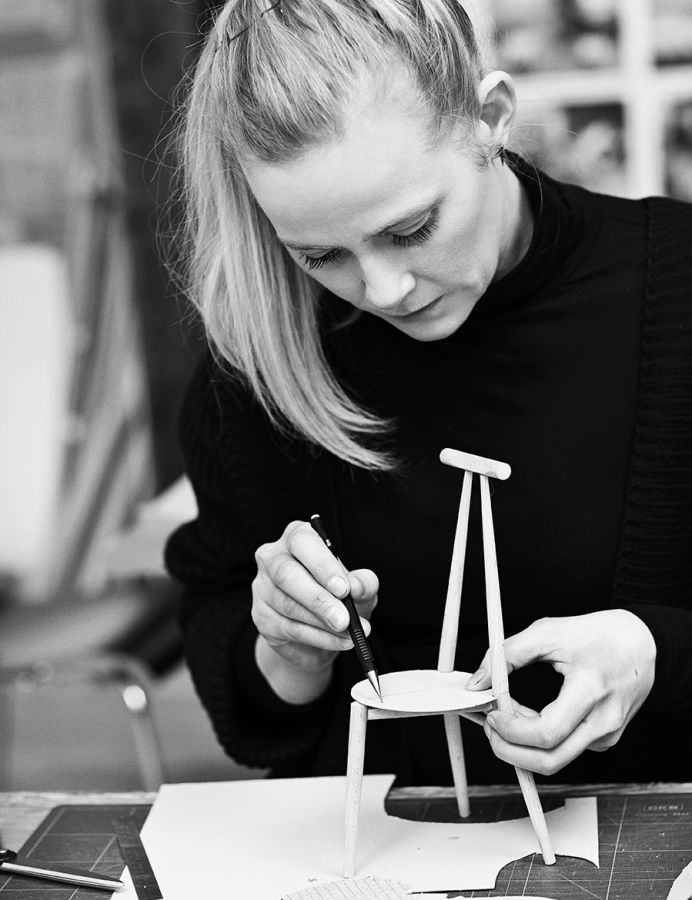
Stine Weigelt
Stine Lundgaard Weigelt is a Danish furniture designer, graduate of Design School Kolding. Runs her own studio in Aarhus, where she creates projects at the intersection of functional design, art and social design. Her style is characterized by a minimalist form, reduction of unnecessary details and an emphasis on functionality and aesthetics. Works with renowned brands such as FDB Møbler and Skagerak. Weigelt gained recognition for her design of the three-legged Anker chair for FDB Møbler, which combines the tradition of Danish design with a modern approach. Her works, such as the Søs coffee table or the Lønstrup chair, are characterized by simplicity and attention to detail. In 2017, she received the prestigious Finn Juhl Prisen award for her innovative contribution to Danish furniture design. Her designs are present in the collections of Designmuseum Danmark and Trapholt.

STUDIO 0405
STUDIO 0405 is a Copenhagen-based design studio founded by architect and designer Anders Buchwald, known for creating functional and timeless objects with a clear emphasis on craftsmanship and quality materials. The studio operates at the intersection of architecture, interior design and furniture design, and its style combines Scandinavian simplicity with refined attention to detail. STUDIO 0405 cooperates with prestigious brands such as HAY, creating designs that exude authenticity and a conscious approach to form. Their furniture and interiors are characterized by raw elegance, natural materials and a subtle sense of proportion. For STUDIO 0405, design is not only a function, but also an emotion and a story embedded in the structure of the object.
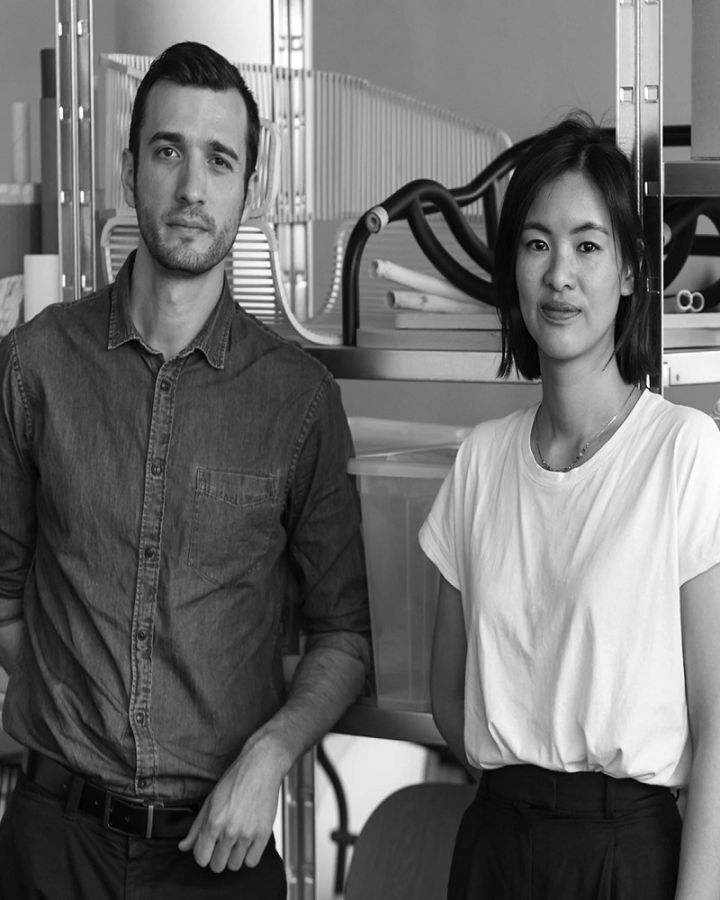
Studio AC/AL
Studio AC/AL is a Parisian design office founded by the duo Amandine Chhor and Aïssa Logerot. Both designers were educated at the prestigious École Nationale Supérieure de Création Industrielle (ENSCI Les Ateliers) and combine in their work experience in the field of craftsmanship, industrial design and interior design. Their designs are distinguished by simplicity, functionality and refined aesthetics. Studio AC/AL focuses on the durability of forms and materials, focusing on well-thought-out solutions that respond to the real needs of the user. They create furniture and everyday items for renowned brands such as Petite Friture and Muuto. They value local production and cooperation with craftsmen, which translates into the high quality and authenticity of their designs. AC/AL is a perfect example of contemporary French design, economical, conscious and timeless.
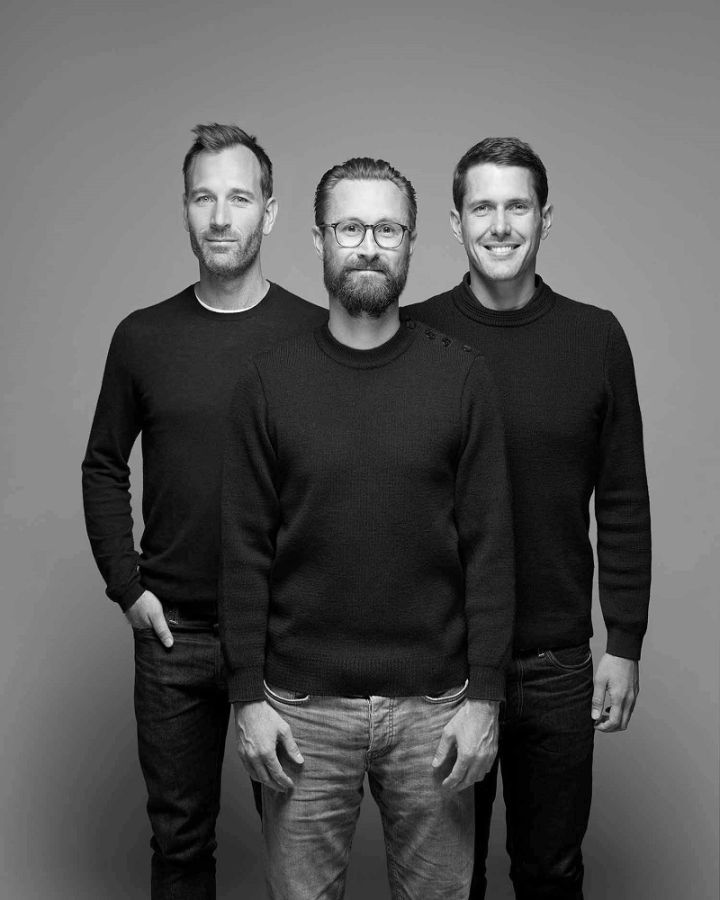
Studio Big Game
Big Game is a design studio specializing in creating unique visual experiences and comprehensive visual identification of brands. Combining creativity with a functional approach, the studio implements projects at the intersection of design, art and technology. Big Game is distinguished by a bold approach to design, focusing on originality, high quality and individual approach to each client. The team consists of experienced designers who approach every challenge with passion - from concept to final implementation. The studio cooperates with both local and international brands, offering a fresh look and thoughtful visual solutions that effectively build customer identity and recognition.
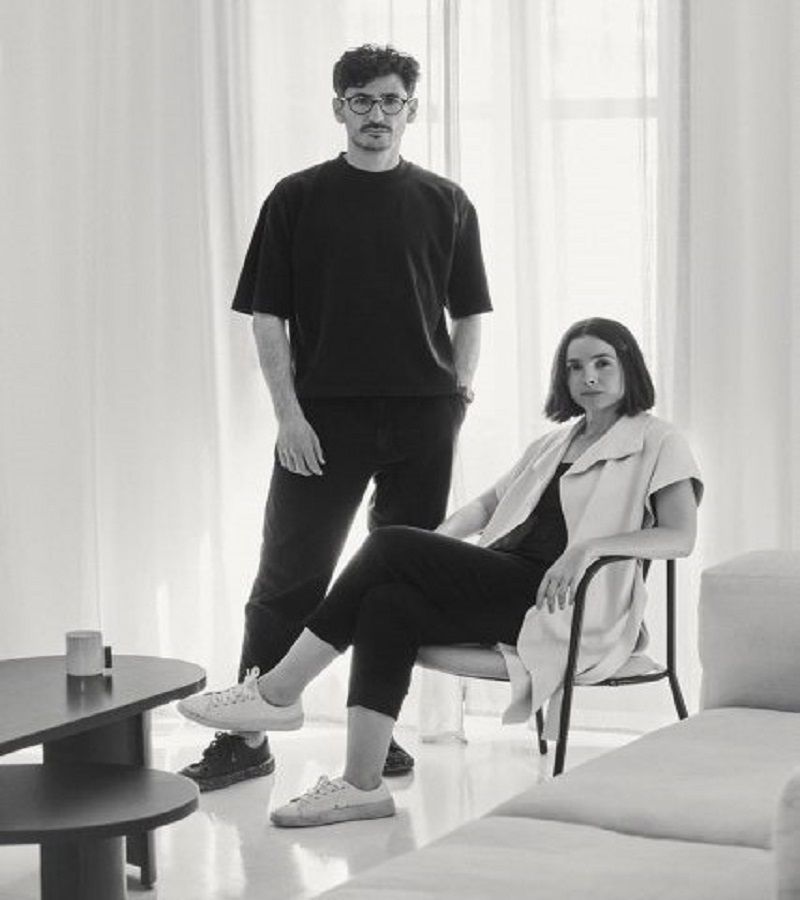
Studio CLAP
Clap Studio is a Spanish design studio founded in 2017 in Valencia by Jordi Iranzo and Àngela Montagud. Specializes in creating experiences through the design of interiors, products and art installations. Their works are characterized by simplicity, elegance and fun, which translates into unique and memorable designs. The studio has gained recognition internationally, implementing projects in cities such as Hong Kong, São Paulo, Barcelona and Minsk. Among their well-known implementations are, among others: the HER boutique in Hong Kong, the BAOVAN restaurant in Valencia and the MIST installation in Minsk. Clap Studio has cooperated with brands such as FILA, Lexus and Toyota Motor Europe. For its achievements, the studio has received numerous awards, including the Premio Nacional de Diseño in the "Young Designers" category in 2023, the German Design Award for the HER project and the FRAME Award for the Little Stories store.
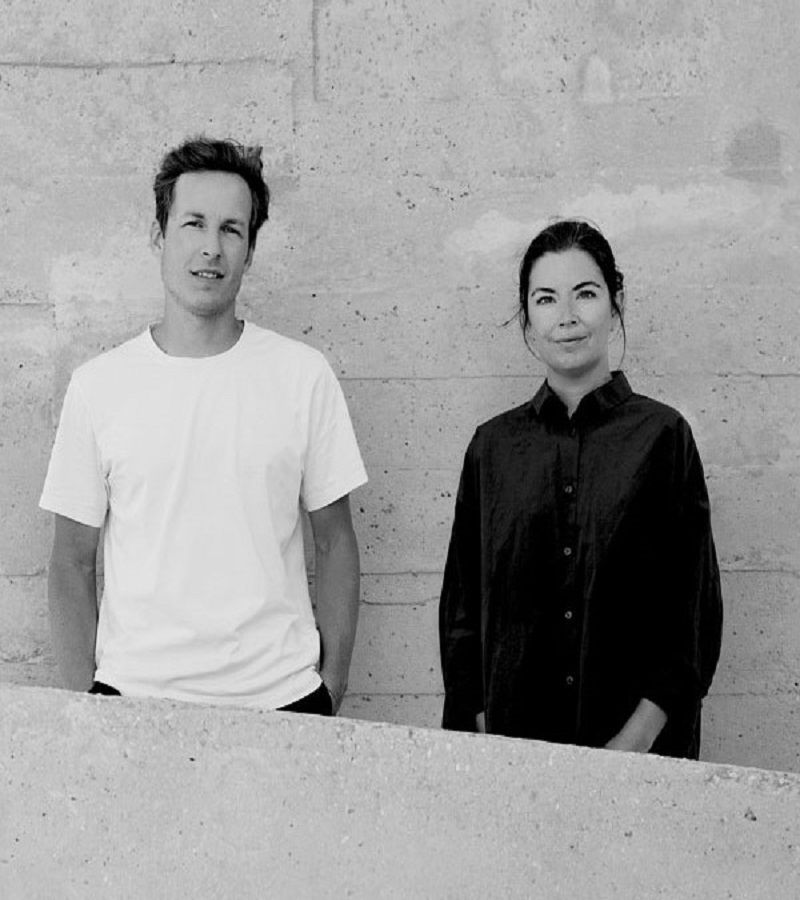
Studio CPRV
CPRV is a design studio founded by Camille Paillard and Romain Voulet, operating between London and Marseille. The designer duo focuses on creating everyday objects that combine simplicity of form, honesty of material and real functionality. Their approach is based on the belief that the best design comes from careful observation of the user's needs and conscious limitation of means of expression. The CPRV studio is known for working with light structures, paper, metal and simple production techniques that bring out the natural properties of the materials.

Studio CTRLZAK
CTRLZAK is an international design studio founded by Katja Sokolova, Brian Sironi and Rui Wu, known for their experimental approach to design and combining different cultures. The studio's designs are distinguished by their narrative character, in which tradition meets modernity, creating unique and surprising forms. CTRLZAK cooperates with brands such as Seletti, designing decorations, furniture and lighting with artistic expression. Their style is based on the reinterpretation of history and craftsmanship in a modern way. CTRLZAK products are perfect for original, eclectic interiors, giving them a distinctive and collectible character.

Studio CUNO
Studio CUNO is a modern creative space that combines design, art and innovation. We specialize in creating unique graphic designs, visual identification and comprehensive brand services - from concept to final implementation. Our team consists of experienced designers, illustrators and branding specialists who approach every challenge with passion. We work with both small companies and large enterprises, offering a fresh perspective and a personalized approach. At Studio CUNO, we focus on quality, aesthetics and functionality, creating projects that stand out on the market and are memorable. Our mission is to build strong, authentic brands that inspire and attract attention. We believe that good design is not only about appearance - it is also about effective communication.

Studio Dejawu
Studio Dejawu is a Stockholm-based design studio founded in 2015 by Qian Jiang, a designer from Suzhou, China. Jiang graduated with a bachelor's degree in industrial design from Jiangnan University and then a master's degree from Lund University in Sweden. His work combines an Eastern approach to design with Nordic craftsmanship, resulting in minimalist but emotional designs. Studio Dejawu focuses on creating objects everyday use, which act as "containers for memories", combining functionality with personal narratives. The studio's designs are characterized by a balance between form and function, often inspired by nature and everyday experiences. Studio has collaborated with renowned brands such as Normann Copenhagen, WOUD and Essem Design, creating products that are both aesthetic and practical.

Studio Emily Broom
Studio Emily Broom is a Danish design studio founded by Australian designer Emily Broom. The studio specializes in interior architecture, product design and creative management. The studio implements both commercial and private projects, placing great emphasis on simple geometry, high quality materials and respect for craftsmanship. Emily Broom's designs combine functionality with aesthetics, bringing harmony and balance to the space. Her Zen rug collection for Bolia has won praise for its minimalist design inspired by Japanese gardens. The studio is also involved in education, conducting workshops at universities such as Burg Giebichenstein Halle or HTW Berlin.

Studio Epoc
Studio Époc is a collective of specialists based in Costa Mesa, California, focused on creative digital marketing for streetwear and urban culture brands. The team consists of approximately 30 people and specializes in data-driven strategies that have generated over $250 million in revenue for clients. Studio offers services such as retention marketing, community building, conversion optimization, website and application design and development, cooperation with influencers, creative production and financial forecasting. With an innovative approach and experience, Époc Studios has helped many streetwear brands transform into profitable enterprises, while maintaining authenticity and respect for the culture they come from. Their the works can be seen on the official website and on social media profiles.
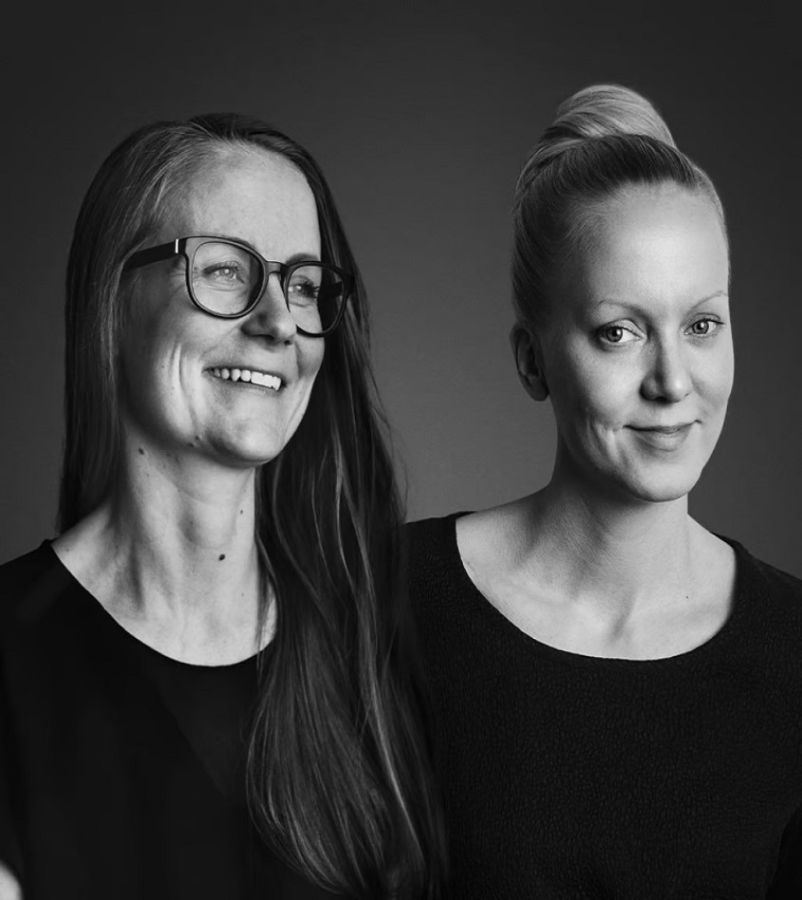
Studio Finna
Studio Finna is a Finnish design studio founded in 2014 by Anni Pitkäjärvi and Hanna-Kaarina Heikkilä. He specializes in the design of furniture, products, lighting and spaces, combining functionality with artistic vision. Their approach is based on discovery, innovation and problem solving. The studio cooperates with international brands such as Bolia, Artek, Hakola, Ferm Living and IKEA. For Bolia they designed, among others: Scribe lamp, characterized by a sculptural form. Their designs have been presented at exhibitions in many countries and published in magazines such as Wallpaper, Elle and Vogue Living. Finna Studio combines simplicity, aesthetics and functionality, creating objects full of emotions.
Studio Flip
Flip is the internal design team of the PHILIPPI brand, founded in 1992 by Jan Philippi. This team focuses on creating functional and aesthetic everyday items, combining modern design with practical solutions. They draw inspiration from everyday life, travel and observation of the environment, which allows them to create innovative products, such as a series of tea pots or collections of travel accessories. Flip is responsible for over 100 products in the catalog PHILIPPI, including for award-winning designs such as YAP Mikado, which won the brand's first design award. Thanks to the team's close collaboration with Jan Philippi, Flip plays a key role in shaping the aesthetic and offering PHILIPPI.
product
Studio Form Us With Love
Form Us With Love is a Swedish design studio founded in 2005 by Jonas Pettersson, John Löfgren and Petrus Palmér. Their designs combine aesthetics, functionality and sustainability, with the goal of creating products that respond to social and environmental needs. The studio is known for innovative projects for brands such as IKEA, Muuto, Cappellini and BAUX. Their works are characterized by modularity, simplicity and attention to detail. FUWL consistently promotes the idea of design with the future in mind - durable, repairable and circular.

Studio FORMAT
Format design studio was founded by Danish designers Thomas E. Alken and Andreas Lund, graduates of the Danish Design School. Their joint work focuses on creating functional, aesthetic and timeless furniture and utility products, rooted in the Scandinavian design tradition. Studio Format combines craftsmanship precision with a modern approach to form and material, placing emphasis on ergonomics, durability and a conscious approach to production. Alken and Lund's designs are characterized by simplicity, high quality of workmanship and well-thought-out function - they are a response to the real needs of users. The studio cooperates with many renowned brands, and their works have been presented at prestigious design exhibitions in Europe.

Studio Gridy
Studio Gridy is a Norwegian design studio founded in 2009 in Oslo by a duo of designers: Lars Olav Dybdal and Wilhelm Grieg Teisner. The name "Gridy" was created by combining their surnames - Grieg and Dybdal. Both designers graduated from the Bergen Academy of Art and Design, and then continued their education at prestigious universities: Dybdal at the Royal Danish Academy of Fine Arts in Copenhagen, and Teisner at the Oslo School of Architecture and Design. Studio Gridy specializes in the design of furniture, lighting and everyday objects, combining functionality with minimalism typical of Scandinavia. Their designs are characterized by simplicity, usefulness and a subtle sense of humor, which gives them a unique character. They collaborated with renowned brands such as Northern, Audo Copenhagen (formerly Menu), Normann Copenhagen and Grand Rapids Chair Company.

Studio Gud
Studio Gud is a Portuguese design studio founded by Alexandre Kumagai and Paulo Neves in 2010 in Porto. Their philosophy is based on finding beauty in the truth of forms and materials, creating objects that speak through culture, traditions and memories. Studio Gud draws inspiration from personal and collective experiences and design history. Working with the Danish brand Bolia, they have created a collection of Mix coffee tables that combine different types of wood and marble, creating elegant and functional furniture. Mix tables are characterized by a harmonious combination of various materials, referring to traditional craftsmanship and modern aesthetics. Studio Gud strives to create designs that are both beautiful and durable, reflecting their commitment to sustainable design and high quality craftsmanship.
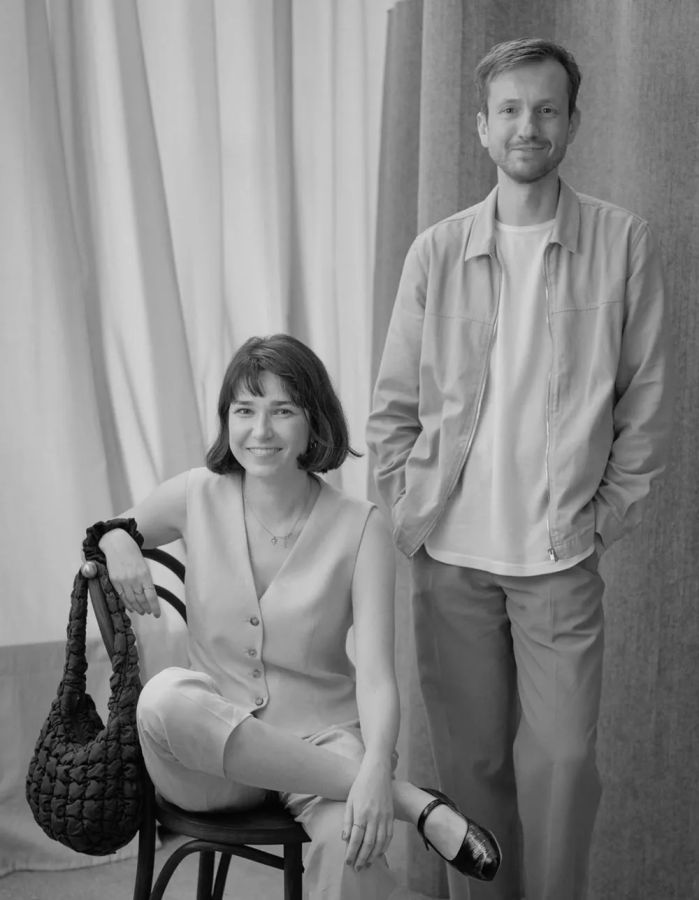
Studio Iskry
Studio Iskry is an interdisciplinary design studio from Warsaw, founded by Marysia Gajewska and Michał Niedośpiał. Specializes in the design of spaces, products and scenography, combining functionality with aesthetics. Their approach is based on intuition, curiosity and a deep understanding of the user's needs. The studio values cooperation with craftsmen, creating designs of high quality and durability. Among their projects is the interior of a house in Kashubia, where traditional elements were combined with modern design, using natural materials and bold colors inspired by local patterns. For the Paged brand, they designed the Fuoco chair, combining the yakisugi technique with a modern form and brass detail. Studio Iskry stands out with a fresh look at design, creating projects full of character and emotions.
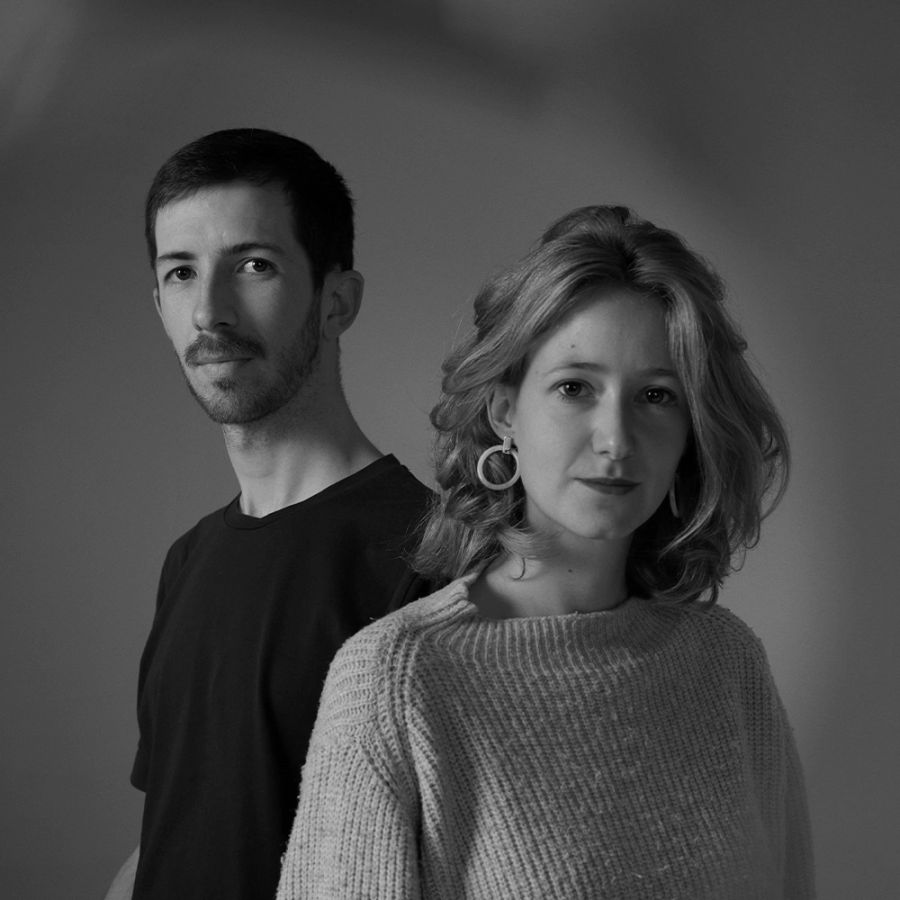
Studio Joachim-Morineau
Studio Joachim-Morineau is a Dutch design studio founded by Carl Joachim and Jordan Morineau, graduates of the Design Academy Eindhoven. Their works balance on the border of collectible design and functional objects, combining craftsmanship, technology and experimentation. Inspiration comes from classical architecture, such as Roman aqueducts, and modern production techniques. ch's debut project, MOCA, is a collection of ceramics that has become the basis of their business. The "Archetypes" collection reinterpreted elements of Roman architecture in a modern context. The studio collaborates with craftsmen and industry from different parts of the world, striving to create surprising effects. Their works have been presented at international exhibitions such as Dutch Design Week, Paris Design Week and Salone del Mobile.

Studio Job
Studio Job is an established design studio founded by Job Smeets and Nynke Tynagel, which is famous for its unique approach to design combining art, craftsmanship and modernity. The studio's designs are distinguished by rich ornamentation, expressive forms and inspirations from history and pop culture. Working with brands such as Seletti, Studio Job creates original furniture, lighting and decorations with a collectible character. Their style is a combination of luxury, humor and artistic expression. Studio Job products are perfect for modern and eclectic interiors, giving them a unique and unique character.
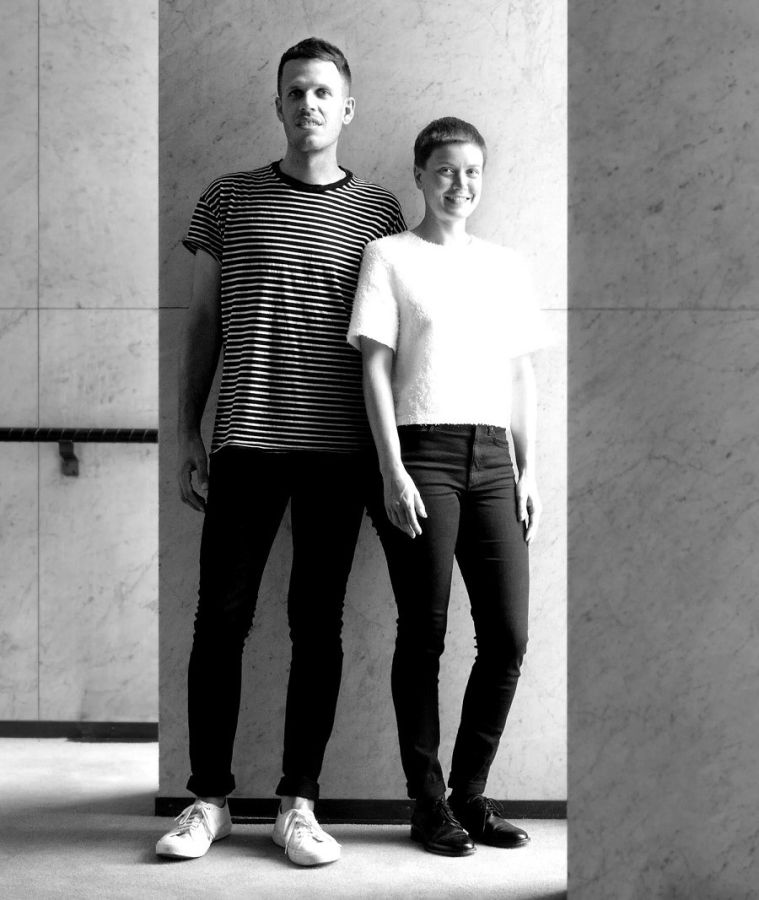
Studio Kaksikko
Studio Kaksikko is a Finnish design studio founded by Salla Luhtasela and Wesley Walter, graduates of Aalto University in Helsinki. The artists specialize in designing ceramic tableware and wooden furniture, combining Scandinavian aesthetics with American and Asian influences. Their designs are distinguished by simple, functional forms and a clear emphasis on the quality of materials and the production process. An example is the "Ridge" collection for Muuto, which combines classic shapes with a modern finish. Studio Kaksikko works both for international brands and carries out its own small-scale productions in its studio in Helsinki. Their approach to design combines craftsmanship with modern design, creating everyday objects with a timeless aesthetic.
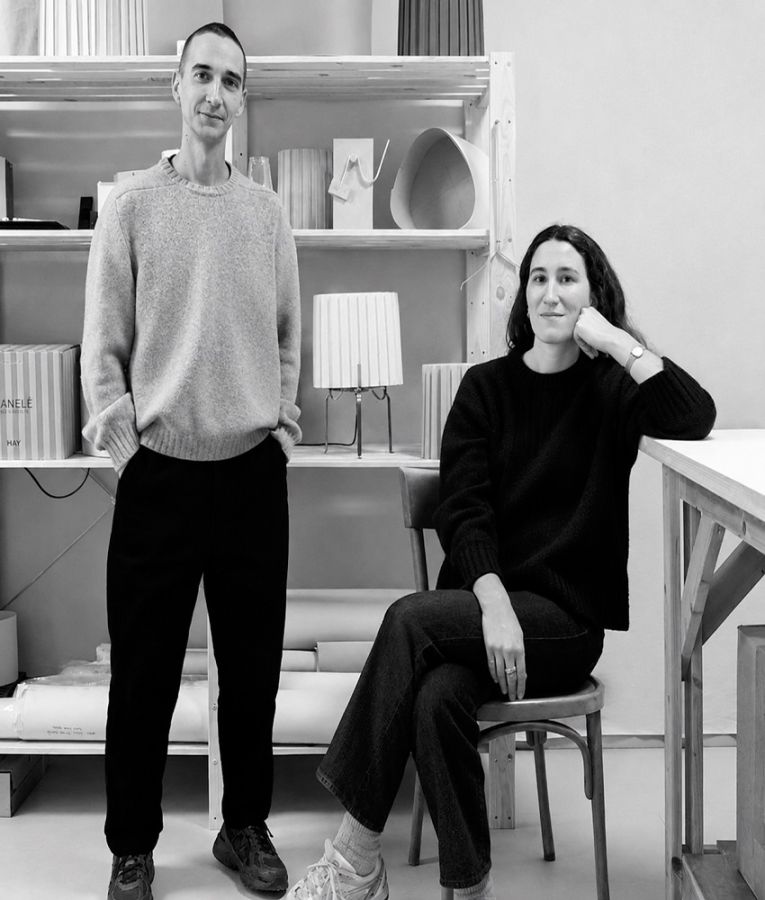
Studio Leclercq Viallet
Leclercq Viallet is a French design studio founded in 2016 by Camille Viallet and Théo Leclercq, graduates of the École Supérieure d'Art et de Design de Reims. Designers specialize in creating furniture, lighting, textiles and utility objects, combining craftsmanship with a modern approach to design. Their designs are distinguished by their simple structure, clear geometry and attention to detail, thanks to which they retain their functional character and timeless aesthetics. The studio cooperates with recognized design brands, including HAY, for which it created a collection of Posto and Canelé lamps.
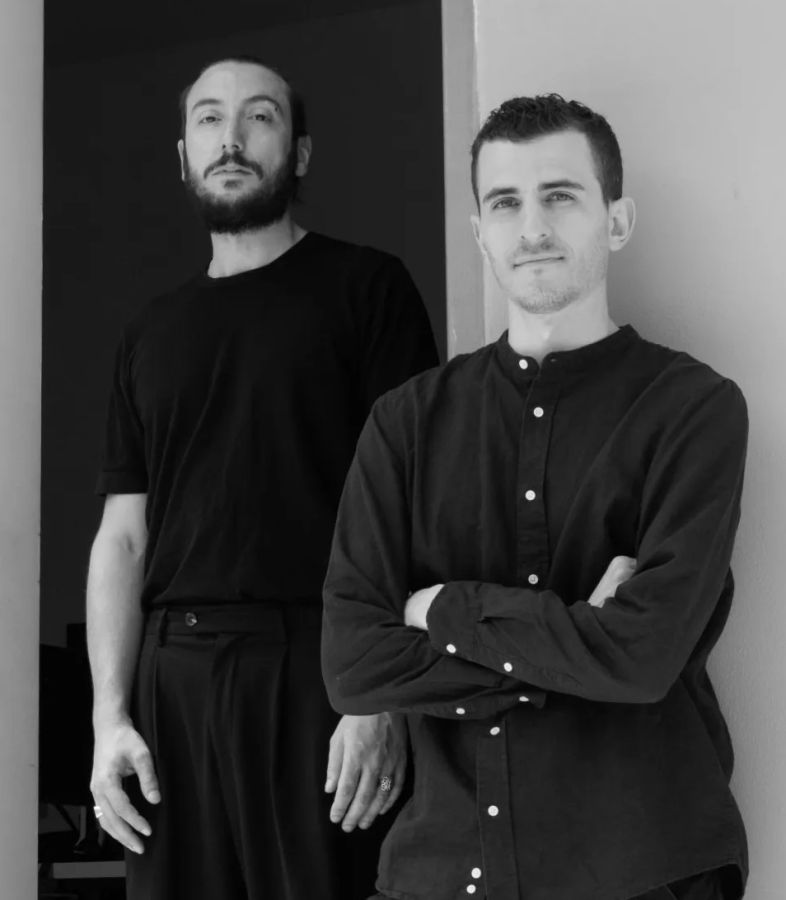
Studio Lualdimeraldi
LualdiMeraldi is a Milan-based design studio founded in 2018 by Matteo Lualdi and Matteo Meraldi. He specializes in product design, interior design and art direction, cooperating with brands such as Calligaris, Olivieri, SNOC and Tapis Rouge. The studio's style is based on simplicity, functionality and a deep understanding of the material and production process. They are distinguished by a flexible approach and attention to detail. They designed, among others: Calligaris flagship showroom in Milan, modern furniture, carpets and outdoor collections.
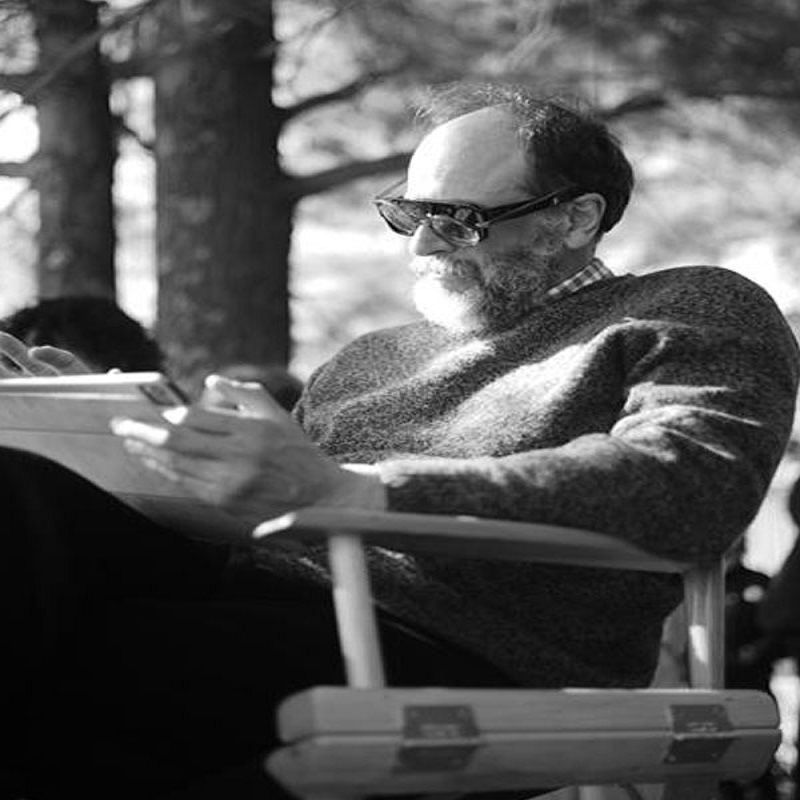
Studio Luca Guadagnino
Studio Luca Guadagnino is a Milan-based design office founded by the world-famous director Luca Guadagnino, known for the film Call Me by Your Name. The studio develops in parallel with his film career, focusing on interior architecture, furniture and utility design. His work shows film sensitivity - the ability to create mood, narrative and emotions through space. The Studio's designs are distinguished by their passion for craftsmanship, carefully selected materials, rich textures and non-obvious color combinations. He often draws inspiration from the history of 20th century design, reinterpreting them in a modern spirit. The result is interiors full of character, where tradition meets individual style.

Studio Moritz Putzier
Studio Moritz Putzier is a Berlin-based design studio founded by German designer Moritz Putzier, specializing in creating furniture, lighting and consumer products for renowned brands from around the world. The studio's designs are distinguished by their minimalist approach, functionality and attention to detail, which give everyday objects a unique character. Inspiration drawn from observations of everyday life, memories and simple forms translate into timeless design combining aesthetics with practical use. The studio cooperates with many renowned producers, creating projects valued for their freshness, innovation and emotional dimension.

Studio Natural
Studio Natural is an Italian design studio founded by Marco De Santi and Alessandro Paoletti, which since 2012 has been creating modern, functional forms with a strong emphasis on light and its emotional dimension. Their works combine technology with poetics, and aesthetics with usability. Known for their cooperation with the Martinelli Luce brand, they designed, among others: Cabriolette, Avro and Fluida lamps – icons of modern lighting. The studio works at the intersection of industrial design, applied graphics and artistic direction, creating simple objects but with a profound message. The minimalism of their designs is not an empty form, but a conscious choice - the result of observing life, needs and light.
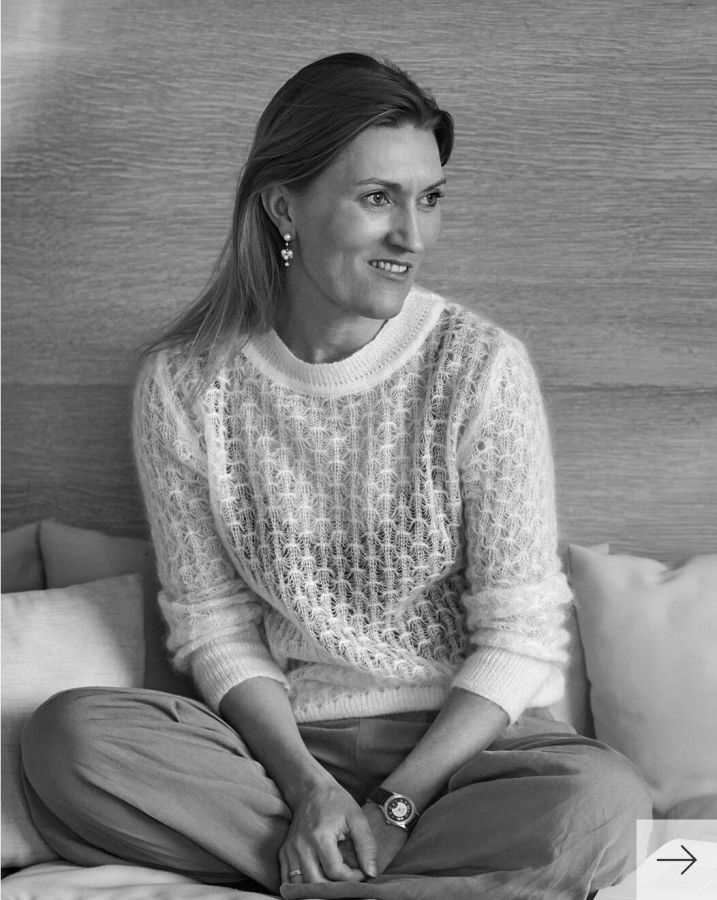
Studio NEU
Studio NEU is a Danish design studio founded by industrial designer Tilde Nygaard. Specializes in creating minimalist, functional products inspired by nature and Nordic aesthetic heritage. Nygaard draws inspiration from natural materials such as glass, wood and ceramics, as well as the colors of leaves, stones and weather phenomena. Her designs combine simplicity with subtle details, creating items with high utility and aesthetic value. Studio NEU cooperates with renowned brands such as Zone Denmark, for which it has created, among others, the award-winning Inu spa series. The studio's products are available in stores such as Finnish Design Shop, where you can find their tableware and tray collections. By combining functionality with elegant design, Studio NEU has gained recognition in the world of design, presenting its works at international exhibitions and in industry publications.
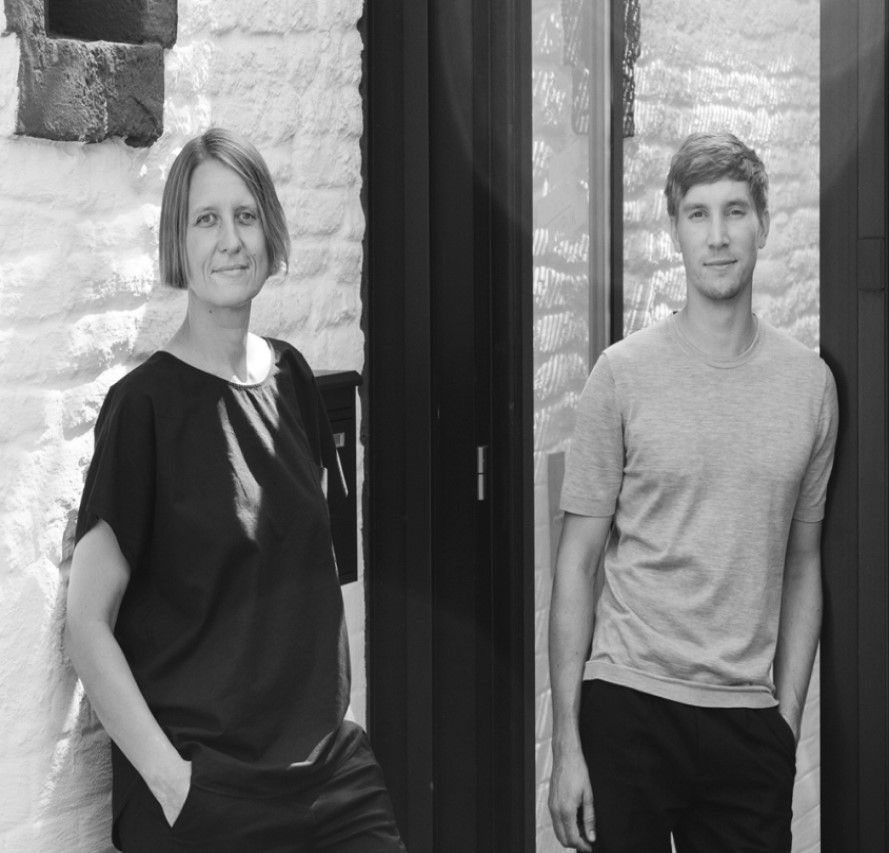
Studio NIRUK
Studio NIRUK is a German design studio founded in 2011 by Nina Ruthe and David Antonin, graduates of the Hochschule Niederrhein. Their works combine traditional craftsmanship with modern techniques, focusing on experimenting with materials and forms. The studio is known for projects for the Bolia brand, such as the Lunaria lamp, Lily candlesticks, Bramble vases and Tulip baskets. Their approach to design is based on aesthetics, functionality and user needs, drawing inspiration from nature and authentic materials. Studio NIRUK has won numerous awards, including the German Design Award and the Green Product Award, and their works have been presented at international exhibitions. By combining a passion for materials, craftsmanship and innovation, Studio NIRUK creates designs that are both timeless and full of character.
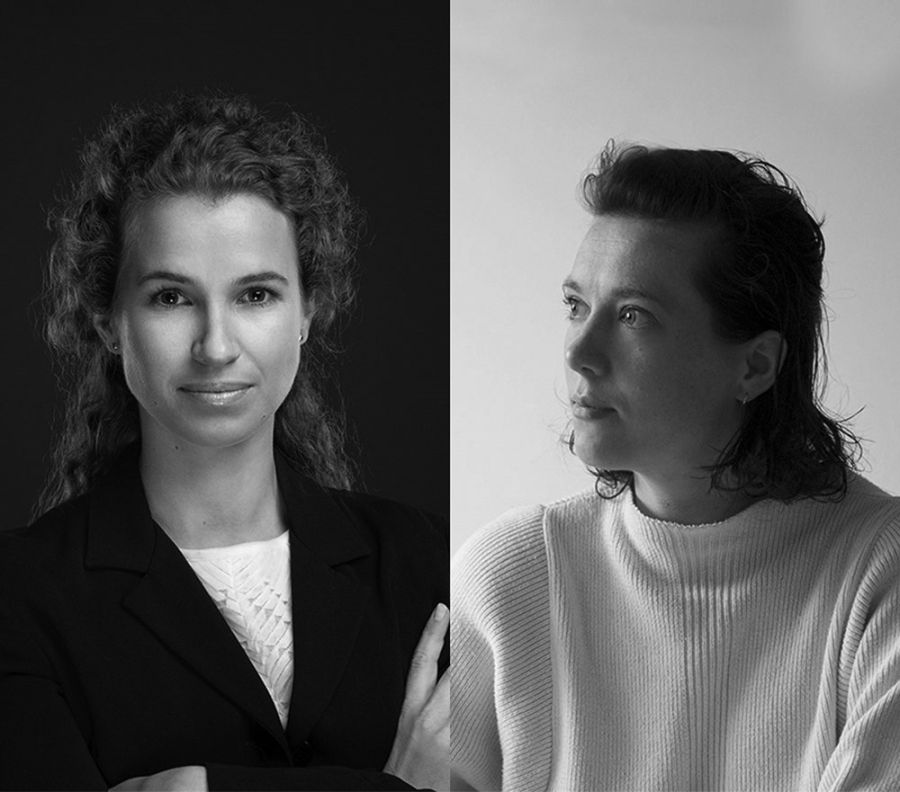
Studio NO-MADE
NO-MADE is a Dutch design studio founded by Cleo Maxime and Linde Freya, who met in 2008 at the Design Academy Eindhoven. Their cooperation is based on the concept of "apart together" - they work independently, but combine their forces and aesthetic visions, creating tactile, elegant and solid objects. The studio focuses on the design of furniture, lighting and spatial installations, combining various materials and cultural inspirations. One of the their famous projects include the "Kumo" lamp collection for the Pulpo brand, inspired by the silhouettes of Japanese lanterns and clouds. NO-MADE combines craftsmanship with modern design, creating objects that are both functional and artistic.
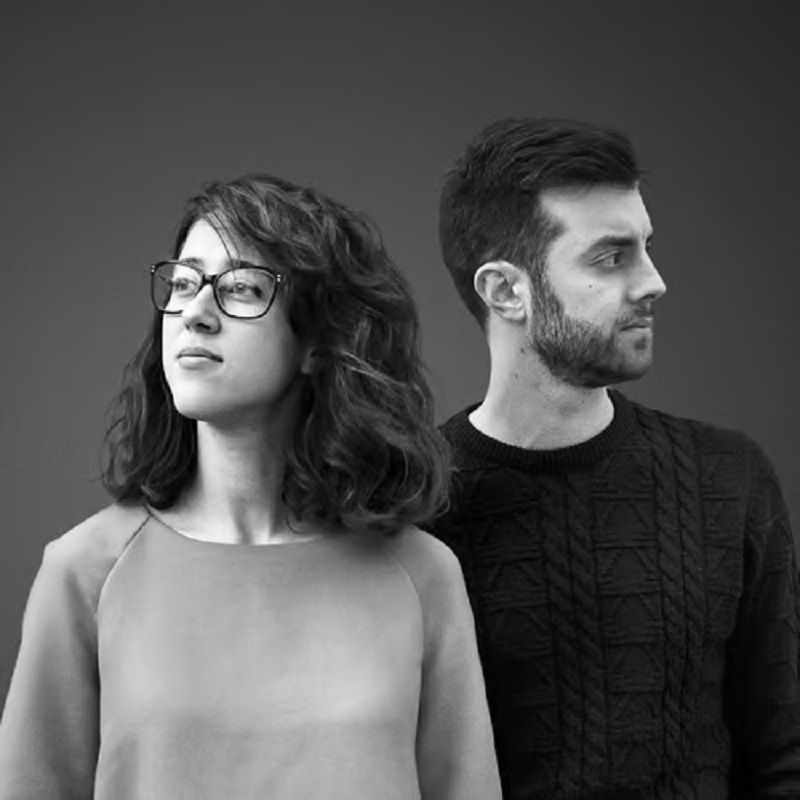
Studio Nooi
Studio Nooi is an Italian design studio founded in 2020 by Giulia Pesce and Ruggero Bastita in Turin. The name "Nooi" comes from the Italian word "noi", which means "we", emphasizing their belief that design is a collaborative process. The studio specializes in designing furniture and everyday products, combining functionality with aesthetics. They cooperate with international brands, including Bolia, for which they designed, among others: Track dining table and Visti sofa. Nooi's designs are characterized by simple forms, high quality workmanship and attention to detail. The studio is involved in every stage of the design process, taking care of sustainable development and respecting the needs of users.
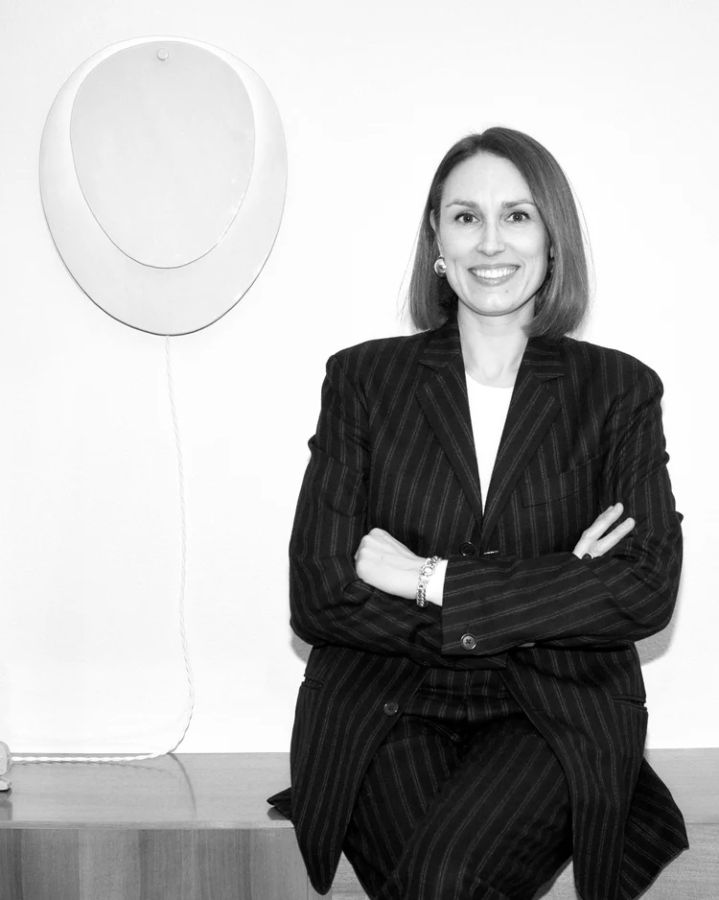
Studio Ottawa
Studio Ottawa is a Belgian duo of designers specializing in lighting and everyday objects, combining craftsmanship with modern design. Their works are characterized by a minimalist form, organic shapes and attention to detail, often showcasing natural materials such as ceramics or glass. Studio Ottawa has gained recognition thanks to collections that combine functionality with poetic aesthetics. Projects such as the Nebula collection for Serax combine elegance and subtle light, perfectly fitting into modern and artistic interiors.
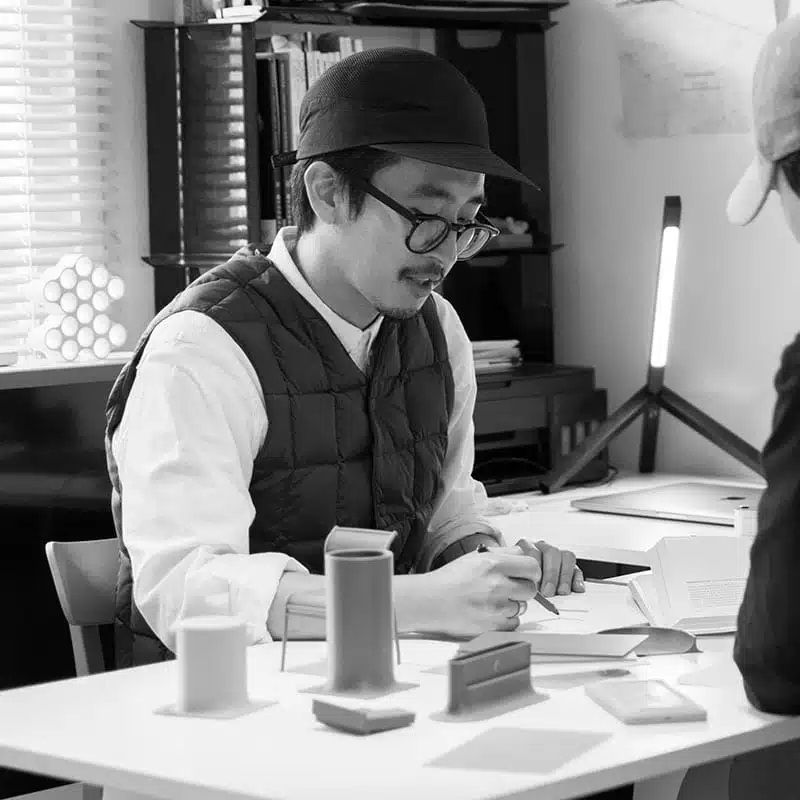
Studio PESI
Studio PESI is a South Korean design studio founded in 2015 by designers Jae Young Kim and Kyuhyung Cho. The name PESI is an acronym for "Possibility, Essential, Standpoint, Interpretation", reflecting the studio's philosophy focused on exploring new possibilities in design through a minimalist and functional approach. The studio specializes in the design of furniture, lighting and interior accessories, combining traditional Korean crafts with modern design. Their works are characterized by simplicity of form, attention to detail and the use of natural materials. Studio PESI has gained recognition at international exhibitions and design fairs, such as Salone del Mobile in Milan. Their designs are valued for innovation, aesthetics and functionality, which makes them recognizable on the global design market..
Studio Pool
Studio Pool is a Parisian design studio founded in 2010 by Léa Padovani and Sébastien Kieffer. This duo combines various fields of creativity: furniture design, interior design, graphics and artistic direction. Their style is characterized by minimalist aesthetics, refined geometry and a subtle play of colors. Studio Pool creates projects with a strong emotional charge, while ensuring the highest quality of workmanship and detail. Designers cooperate with prestigious brands such as Petite Friture, Habitat, La Redoute and Cassina. Their approach to design is based on close cooperation with craftsmen and striving for harmony between form and function. Studio Pool is not only functional design, but also a narrative - each project carries a story, balancing between art and functionality, modernity and timelessness.
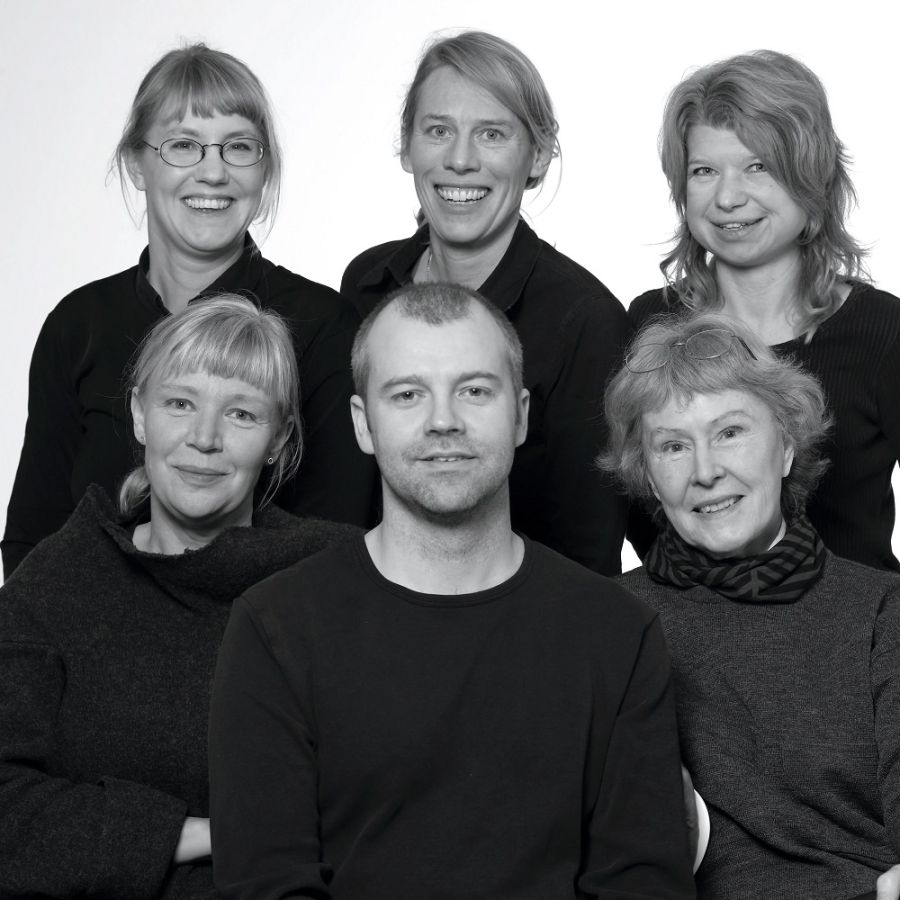
Studio Relief Group
Relief Group is a Swedish group of designers, founded on the initiative of prof. Signe Persson-Melin while studying at Konstfack in Stockholm. It is created, among others, by: Mia Eklund Göransson, Catharina Kippel and Jonas Lindholm. The team combines craftsmanship with modern design, focusing on functional forms. Their most recognizable "Blond" collection for Design House Stockholm is a series of porcelain with subtle patterns and textures - stripes, dots, delicate embossing. Relief Group focuses on minimalism, functionality and elegance of everyday items. Their designs are minimalist but expressive, perfectly fitting into the Scandinavian aesthetic.
Studio Selab Design
Selab Design is a creative design studio associated with the Italian brand Seletti, acting as its internal design laboratory. He is responsible for creating product concepts that combine art, pop culture and modern design. Selab Design's designs are distinguished by their originality, bold forms and an original approach to everyday objects. The studio cooperates with renowned designers, giving collections a consistent and recognizable style. The offer includes decorations, lighting and interior accessories that attract attention and give the space an individual character.
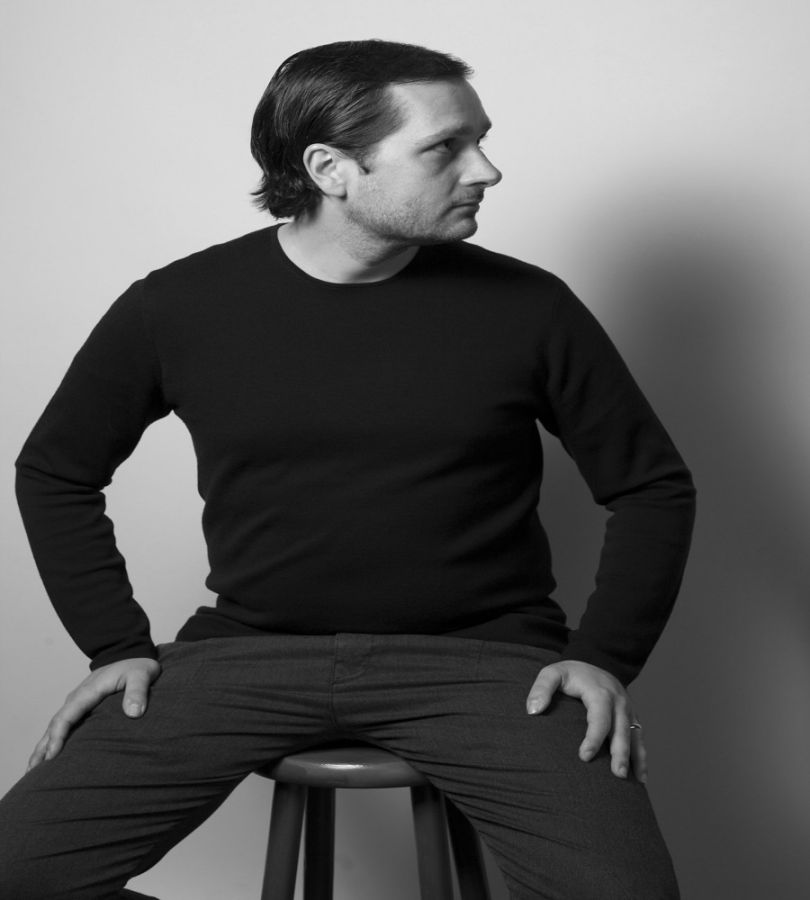
Studio Skrivo
Skrivo is a Milan-based design studio founded in 2011 by Croatian-Irish designer Stefan Krivokapic. Specializes in industrial design, focusing mainly on furniture and lighting, cooperating with manufacturers from all over Europe. Studio Skrivo distinguishes itself with an approach based on an in-depth study of materials, craftsmanship and production processes, striving to create innovative solutions that combine functionality with aesthetics . His clients include renowned brands such as Sancal, Miniforms, La Cividina, Softline, Danese Milano, Opinion Ciatti, Amura and Potocco.Skrivo's designs have been presented at international exhibitions such as Salone del Mobile in Milan, IMM Köln and Maison & Objet in Paris. The studio has won numerous awards, including Compasso d'Oro, Iconic Awards and the Elle Decor Croatia award for best furniture designer.
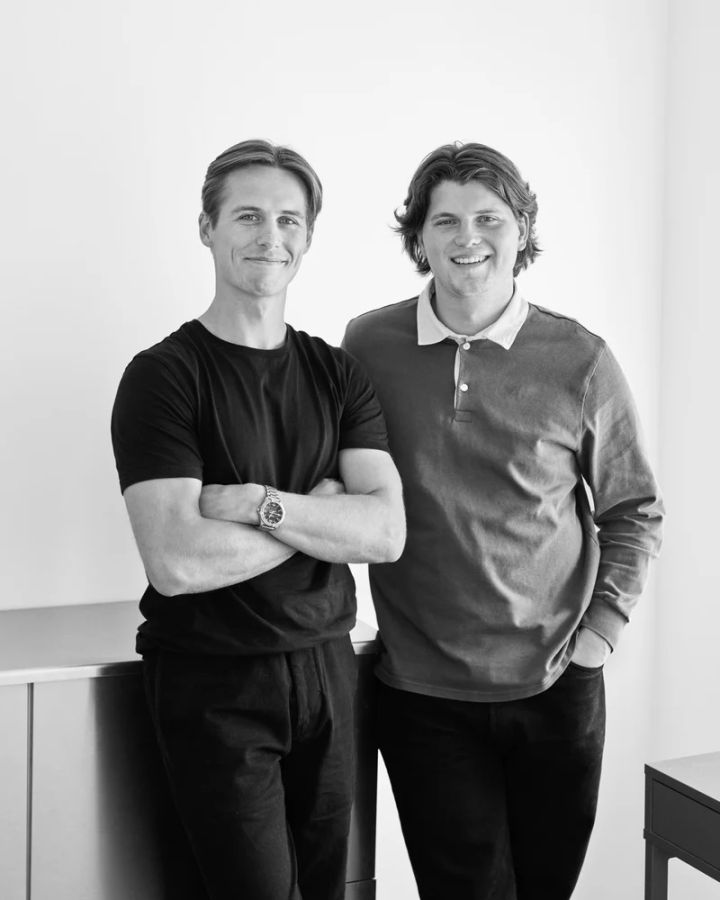
Studio Sloyd
Studio Sløyd is a Norwegian design studio founded in 2019 in Oslo by Herman Ødegaard and Mikkel Jøraandstad. The name of the studio refers to the Scandinavian education system "sløyd", promoting learning crafts and respect for materials from an early age. The studio specializes in the design of furniture, lighting and accessories, combining traditional craft techniques with modern aesthetics. Their works are characterized by simplicity of form, functionality and attention to detail. An example is the collection "Furuhelvete", which uses pine, an often underestimated material, to create modern furniture inspired by nature. Working with renowned brands such as Northern and LK Hjelle, Studio Sløyd has gained recognition on the international design scene.
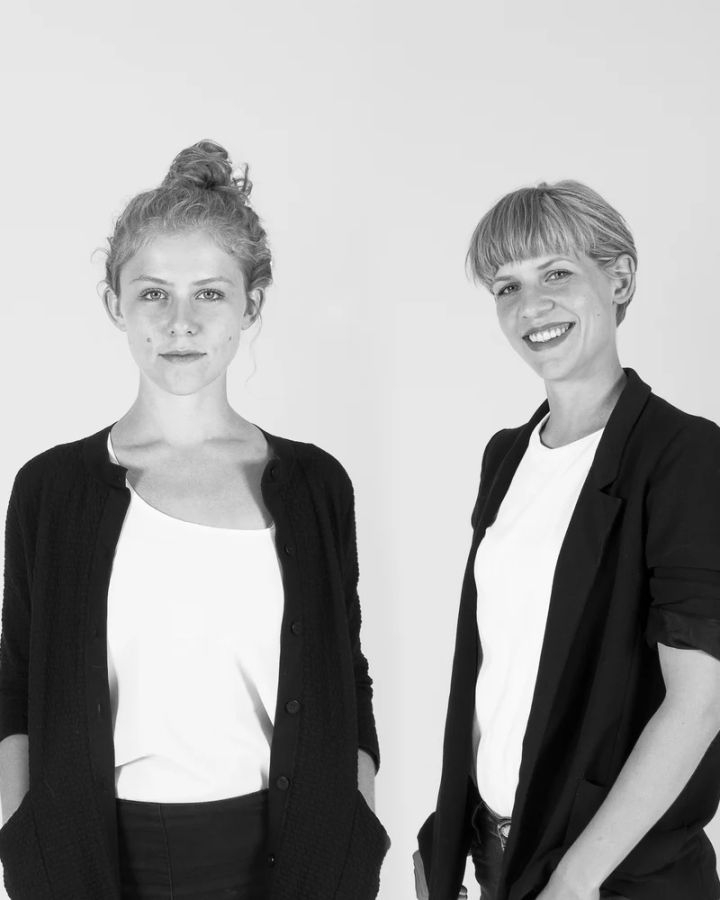
Studio Terhedebrugge
Studio Terhedebrügge is a Berlin-based design studio founded by sisters Antonia and Silvia Terhedebrügge, specializing in product design and visual communication. Antonia, a graphic designer, and Silvia, a product designer, combine their skills to create interdisciplinary projects that combine two-dimensional and three-dimensional forms, telling personal stories through design. Studio collaborates with renowned brands such as Schönbuch, Northern and Bolia, designing furniture, lighting and accessories. Their designs, such as the EZRA bench, KUKI hangers or YUNA mirrors for Schönbuch, are characterized by expressive colors and graphic shapes. For Northern they created the ROW rug, inspired by a bird's eye view of the landscape, which combines Scandinavian aesthetics with natural tones.
Studio VE2
Studio VE2 is a Danish design studio based in Aarhus, founded in 2007 by Hugo Dines Schmidt and Morten Lauritzen, graduates of the Faculty of Architecture at Aarhus. Specializes in product and interior design, combining functionality with aesthetics in the spirit of Scandinavian minimalism. Their approach is based on close collaboration with clients, striving to create sustainable and thoughtful solutions that enrich users' everyday lives. Studio VE2 cooperates with renowned brands such as Zone Denmark, Skagerak and furnipart, designing, among others: kitchen accessories, furniture and lighting. Their projects, such as the "UME" series for Zone Denmark or the "Edge" collection for Skagerak, have gained recognition for combining simplicity of form with high functionality. In 2020, the "NYE" bollard lamp received the prestigious Red Dot: Best of the Best award in the lighting category.
Studio WeissKrogh
WeissKrogh is a design studio created by the duo Oliver Weiss and Lukas Krogh, who share a passion for modern, functional design. Their approach is based on the Scandinavian design tradition, enriched with a fresh perspective and attention to every detail. They specialize in creating furniture and interior elements that combine minimalist form with comfort and durability. WeissKrogh designs with the user in mind - their works are not only aesthetic, but also practical and timeless. The duo focuses on quality, sustainable development and conscious design that meets the needs of modern lifestyle. Studio WeissKrogh is a combination of young energy, craftsmanship and a clear vision of design.
Studio WM
Studio WM is a Dutch design studio founded in 2010 in Rotterdam by Wendy Legro and Maarten Collignon. They both graduated from the Design Academy Eindhoven and from the beginning of their cooperation they have been combining different approaches to design, which results in coherent, subtle forms. They specialize in the design of furniture, lighting, commercial interiors and scenographic installations. Their designs are characterized by attention to detail and multisensory approach - they combine touch, smell, light and sound, creating poetic, timeless objects. They have collaborated with brands such as Audo Copenhagen, for which they designed, among others, WM String collection. The studio regularly presents its works at international exhibitions such as Salone del Mobile in Milan and Dutch Design Week. Their work has been awarded many times and published in prestigious magazines, including: Wallpaper*, Elle Decoration and Frame.
Studio Yolk
Studio Yolk is a Danish art and design studio founded by husband-and-wife team Pernille Iben Linde and Morten Linde. Their children, Amanda and Carl Otto, are also actively involved in the studio, making it a truly family affair. Studio combines various fields, from product and furniture design, through visual communication, to fashion and art, which allows for an interdisciplinary approach to creativity. An important element of their work is psychotherapy, which they both practice, which affects the emotional depth of their projects. Objects created in Studio Yolk often carry stories, emotions and reflections, encouraging viewers to stop and think. An example of such a project is the "Who Am I" series, which explores identity and belonging.
StudioLab
StudioLab is an Italian design studio specializing in creating furniture and accessories that combine functionality with elegant minimalism. One of their most recognizable projects is the Yard collection for the Cizeta brand, which includes chairs, stools and armchairs made of ash wood with upholstered seats and characteristic, large wooden or upholstered backrests ensuring comfort and a distinctive look. The Yard collection was designed to combine lightness and solidity, practicality and elegance, comfort and compactness. StudioLab designs are characterized by attention to detail, harmony of form and material, and a skillful balance between modern design and timeless aesthetics.
Studiopepe
Studiopepe is a Milan-based design agency founded in 2006 by Arianna Lelli Mami and Chiara Di Pinto, specializing in interior design, architecture, product design and creative direction. The artists are characterized by an eclectic approach that combines poetic vision with formal rigor, creating projects full of emotions. Studiopepe explores the dialogue between contrasts, experiments with materials and forms, creating functional and artistic spaces. It has collaborated with brands such as Muuto, Sancal, Paper Collective, Fendi and Tacchini. The studio's projects were presented at prestigious events, including: Milan Design Week, where they presented an installation inspired by tarot cards. Studiopepe has gained international recognition for its unique approach to design.
Superstudio
Superstudio is an iconic Italian architectural studio founded in Florence in 1966, which revolutionized thinking about architecture and design. The group, originating from the radical architecture trend, questioned traditional forms of design, focusing on visionary ideas and a critical look at consumerism. Their works – both conceptual and utopian – combined art, theory and provocation, inspiring subsequent generations of artists. Projects such as "Continuous Monument" have become a manifesto of a new approach to space and urban planning. Superstudio remains a symbol of intellectual courage and experiment in the world of architecture.

Susanne de Graef
Susanne de Graef is a Dutch designer from Eindhoven, specializing in creating lighting and furniture that combine innovation with a craftsmanship approach. A graduate of the Design Academy Eindhoven, she founded her own studio in 2010, focusing on projects in which light and textiles play a key role. Her works are characterized by a poetic approach to light, exploring its form, movement and interaction with space. The "Rhythm of Light" collection is an example of this philosophy - a lamp inspired by the movement of the sun, consisting of rings and colorful threads, creates dynamic light effects and shadows. De Graef combines technical thinking with aesthetics to create products that are both functional and visually appealing. Her designs have been presented at international exhibitions such as London Design Fair and Salone del Mobile in Milan.
Susanne Gronlund
Susanne Grønlund is a Danish designer known for her minimalist style, functionality and elegance in furniture design. She graduated from the Danish Design School in Copenhagen, and her works combine Scandinavian minimalism with modern solutions. In 1991, she founded her own studio, Grønlund Design, collaborating with many renowned brands, such as Softline, Fredericia and Normann Copenhagen. Her designs are distinguished by their attention to detail, ergonomic form and innovative approach to materials. She has won numerous awards, including: Red Dot Award and Good Design Award. Grønlund focuses on creating furniture that is not only aesthetic, but also practical and durable, meeting the needs of everyday life. Her works are recognized both in Europe and around the world.
Susanne Nielsen
Susanne Nielsen is a Danish designer and founder of the EBB?&?FLOW brand, which she created in 2009 after over 25 years of work in international trade, marketing and product development in the fashion and interior design industries. He draws inspiration from everyday objects and nature - especially the garden around his house. Although she did not complete formal design studies, she developed a sensitivity to form and detail. Her designs combine the classics of vintage glass with modern, organic lines and high quality workmanship. Lamps made of blown glass, polished metals and decorative fabrics are characteristic of the EBB?&?FLOW brand. Nielsen products are characterized by sophistication, warmth and a personal character - ideal for both private and commercial interiors.
Susanne Uerlings
Susanne Uerlings is a German industrial designer and founder of the Produktsalon studio in Aachen. She graduated in Integrated Product Design from Hochschule Coburg in 2006. After gaining experience in a renowned German design studio, she opened her own studio in 2011. Specializes in the design of furniture, lighting and kitchen and home accessories, combining functionality with aesthetics. Her designs are characterized by a minimalist approach and high emotional value. She has collaborated with international brands such as PHILIPPI, SLV, EGLO, XLBOOM and Born in Sweden. Her work has been recognized with many awards, including including the German Design Award for the GRID SUN and PHOTONI lighting designs. Uerlings strives to create products that are not only aesthetic, but also useful and durable. Her approach to design is based on understanding user needs and creating objects that enrich everyday life.
Sven I. Dysthe
Sven Ivar Dysthe was one of the greatest Norwegian furniture designers of the 20th century, known for elegant and functional design. Born in Oslo, he began his career as a carpenter, then graduated in industrial design from the Royal College of Art in London in 1953. Already during his studies, he designed a luxurious chest for Queen Elizabeth II on the occasion of her coronation. After returning to Norway in 1958, he founded his own design studio, working with his wife, Trinelise Dysthe, an interior designer. His breakthrough work was the 1001 armchair for Dokka Møbler from 1960, which became an icon of Scandinavian modernism.
Sylvain Willenz
Sylvain Willenz is a recognized Belgian designer, known for his minimalist, functional and expressive forms. He graduated from the famous Royal College of Art in London, and in 2004 he founded his own studio in Brussels. His work includes furniture, lighting and industrial designs that are characterized by an eye for materials, technical precision and graphic simplicity. Willenz has designed for international brands such as HAY, Muuto, Hem, Established & Sons and Ligne Roset. The most recognizable projects include the Torch lamps, Profile chairs and the Rebar collection. His works have been awarded many times and exhibited all over the world.
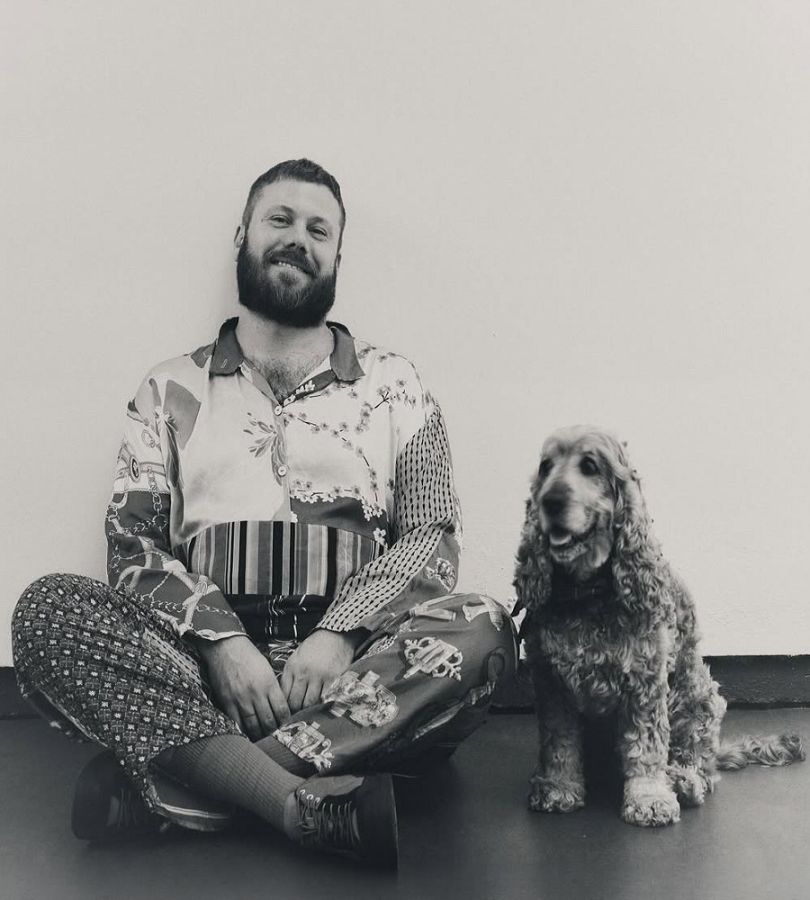
TABLEAU
TABLEAU is a Copenhagen-based creative studio specializing in design, art and interior design, founded and run by designer Julius Værnæs. A characteristic element of the studio's activity is combining contemporary design with craftsmanship and natural materials, resulting in objects with a distinctive, sculptural form. TABLEAU designs often draw inspiration from nature, architecture and art, and their common denominator is simplicity and attention to detail. Cooperation with the Normann Copenhagen brand resulted in the Draw collection, in which intuitive sketches made using the "blind drawing" method were transformed into three-dimensional objects made of transparent resin.
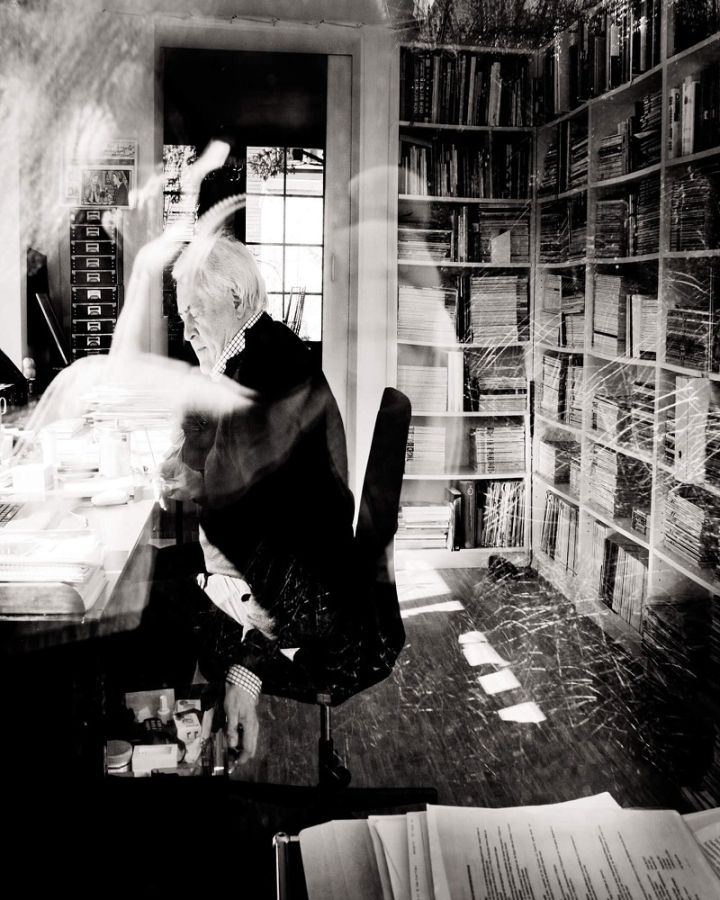
Tassilo von Grolman
Tassilo von Grolman is a renowned German industrial designer, known for his minimalist and functional forms. He studied mechanical engineering and industrial design, and in 1975 he founded his own studio. His greatest fame came with glass tea pots for the Mono brand, including: the iconic "Mono Classic" and "Mono Filio", which have found their way into the collections of museums around the world. He cooperated with companies such as Rosenthal, Ritzenhoff and Alfi. His designs combine steel, glass and precision craftsmanship to create timeless everyday objects. Von Grolman was also president of the German Design Club (DDC). Award-winning, including: Red Dot and German Design Award, it remains an icon of modern design.

Tatsuo Kuroda
Tatsuo Kuroda is a Japanese designer born in 1983 in Hokkaido. He studied architecture at Tama Art University and then graduated from Design Academy Eindhoven. In 2010, he founded his own studio in Tokyo, specializing in the design of furniture and everyday products. It combines Japanese sensitivity with Nordic minimalism, creating subtle, functional and timeless designs. His flagship project is the Knot Chair for Normann Copenhagen, which has gained recognition for combining classic materials with a modern form. Kuroda believes that well-designed objects should be intuitive to use and environmentally sustainable. He also collaborates with Koizumi Studio on tin projects. His works have been exhibited, among others, in Milan. It designs with the user in mind, focusing on simplicity, harmony and quality of workmanship.

Tatu Laakso
Tatu Laakso is a Finnish interior designer and architect, known for his minimalist approach and work with wood. He graduated from the Lahti Institute of Design and the Aalto University of Art and Design in Helsinki. His career was shaped by his internship with Timo Ripatti. Laakso is the author of the Olivia chair, which won a distinction at the fair in Cologne. His designs are characterized by lightness, ergonomics and durability, as well as a harmonious combination of functionality and aesthetics. He prefers natural materials, striving for a balance between style and usability. Currently, he works in the Minestrone Workshop collective in Helsinki.
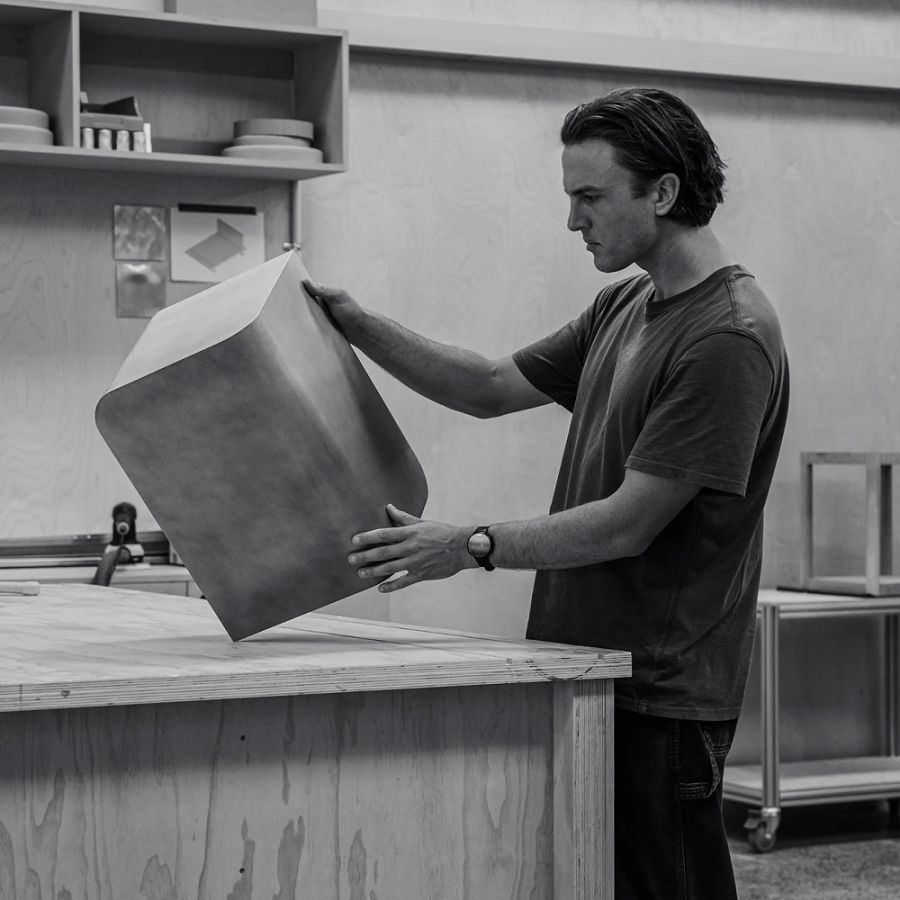
Ted Synnott
Ted Synnott is a New Zealand industrial designer whose work combines sculptural aesthetics with functionality. He initially studied marketing, but his passion for the craft led him to study carpentry at the Center for Fine Woodworking in Nelson. In 2019, he founded his own studio in Auckland, where he creates designs based on minimalist form, intuition and practicality enriched with soft curves and surprising details. His collections such as Otama or Volume are characterized by precise workmanship and well-thought-out design. The artist has cooperated with renowned brands, including Audo Copenhagen. Synnott draws inspiration from everyday observations and nature, creating timeless objects that combine traditional craftsmanship with modern design.
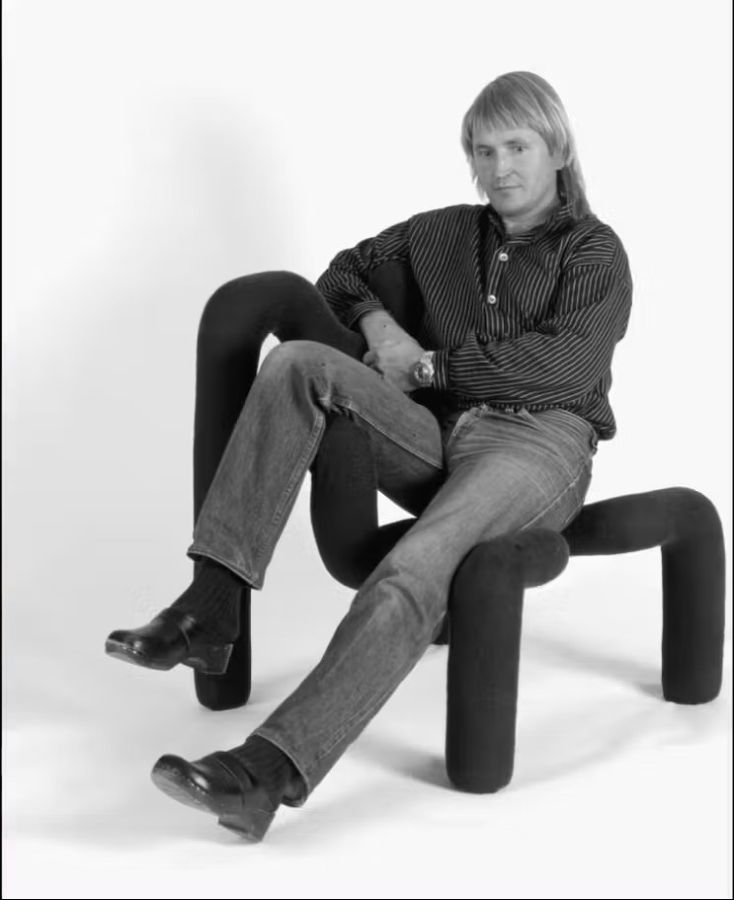
Terje Ekstrom
Terje Ekstrøm was one of the most innovative Norwegian designers of the 20th century, known for breaking the boundaries between applied art and sculpture. His most famous work is the iconic Ekstrem chair, which combines avant-garde design with ergonomic functionality. Ekstrøm was a pioneer of the postmodern style in Scandinavia, experimenting with form, material and color. His designs show a strong influence of contemporary art and a passion for movement and expression. He was one of the few Norwegian designers to gain international recognition during his lifetime. Today, his designs are design icons, present in museums, private collections and catalogs of renowned brands such as Varier. Terje Ekstrøm is a visionary whose work was ahead of its time.

Teruhiro Yanagihara
Teruhiro Yanagihara is a Japanese designer whose work combines a minimalist aesthetic with a deep respect for materials, craftsmanship and everyday user experiences. The founder of the Teruhiro Yanagihara Studio design studio, cooperates with recognized brands from the furniture, lighting and interior design industries, creating projects distinguished by timeless form and functionality. He draws inspiration from nature, architecture and culture of Japan, translating simple ideas into sophisticated design. His projects are characterized by clean lines, refined proportions and attention to every detail.

Tetsu Schokking
Tetsu Schokking is an industrial designer specializing in creating functional furniture and researching innovative materials. In his designs, he focuses on simplicity of form, durability and the possibility of long-term use. For Normann Copenhagenhe designed the Pap collection, in which he used panels made of 100% recycled packaging waste. His designs combine minimalist design with modern material solutions, proving that sustainable design can go hand in hand with high aesthetics and functionality.
Thau & Kallio
Thau & Kallio is a designer duo that combines Danish precision with Finnish craftsmanship. Together they create furniture characterized by minimalist design and functionality, drawing inspiration from the Nordic tradition. Their projects such as the collection "In Between" for &Tradition, combine modern forms with classic carpentry techniques. Thau & Kallio cooperate with renowned brands to create products that combine aesthetics with practicality. Their works have been presented at international exhibitions, gaining recognition for their innovative approach to traditional design. This duo continues the Scandinavian design heritage by introducing a fresh look at classic forms.
Theresa Rand
Theresa Rand is a German designer living in Copenhagen, known for her subtle, functional forms. She studied interior architecture and furniture design at the Peter Behrens School of Architecture and the Royal Danish Academy of Fine Arts. In 2010, she founded Studio Theresa Rand, where she creates furniture, lighting and utility items. Her style combines Nordic minimalism with feminine sensitivity - the designs are elegant, soft in expression, and at the same time practical. Rand cooperates with brands such as Audo Copenhagen and Carl Hansen & Søn. She is known, among others, from the design of the Snaregade desk and the Pepe mirror. Inspired by architecture, everyday life and emotions. Her goal is to create things that bring not only aesthetics, but also warmth and peace.
Thijs Prinsen
Thijs Prinsen is a Belgian architect and designer who combines architectural thinking with sensitivity to form, material and the way of perceiving space. In 2007, he graduated in architecture from the Provinciale Hogeschool Limburg, and since the same year he has been developing his practice at the Lens°ass Architects studio, of which he became a partner in 2012. In his work, he pays attention to the simplicity of shapes, geometric divisions and the importance of materials. For the Serax brand, he designed the Primary Shape lighting collection, inspired by recycled bricks used during the renovation of the building.
Thijs Smeets
Thijs Smeets is a Dutch designer and engineer who founded Studio Smeets in Amsterdam in 2007. His works cover a wide range - from furniture, through consumer electronics, to interior design and wellness products. They stand out They are an intelligent combination of functionality and elegance, which makes them timeless. Already as a student, he gained recognition by designing eyeglass frames for MaxMara, which are still in production today. In 2010, his biodegradable tableware for Hampi Products was awarded the Toon van Tuijl Design Award. The LiliLite lamp brought him international fame - an innovative combination of a bookshelf and a bedside lamp. Smeets has collaborated with many renowned brands such as Unilever, Nokia, Leolux and Gispen. His designs have been featured in exhibitions from Seoul to New York, and many of them have been included in permanent museum collections, including the Stedelijk Museum in Amsterdam.
Thomas Bentzen
Thomas Bentzen is a Danish designer whose works combine functionality, timeless aesthetics and attention to detail. He studied at the Danish Design School and gained experience in the renowned Louise Campbell studio, before establishing his own studio in Copenhagen in 2010. Bentzen designs furniture, lighting and everyday objects that are characterized by a balanced combination of simplicity, durability and innovation. His approach is based on the idea of creating things that serve the user for years, both in terms of quality and style. He collaborated with brands such as HAY, Muuto, MENU and Louis Poulsen. His designs, such as the Cover and Loft chairs and Linear tables, have gained recognition on the international design scene. Thomas Bentzen remains faithful to his Scandinavian roots, while giving them a contemporary, global dimension.

Thomas Chung & Jordan Murphy
Thomas Chung and Jordan Murphy are a Canadian design duo from Toronto, known for their thoughtful and functional projects at the intersection of industrial design and craftsmanship. Their works are distinguished by simplicity of form, intuitiveness of use and respect for the material. Designers cooperate with recognized brands such as Audo Copenhagen, where they became famous, among others. the Cast lamp collection, inspired by measuring tools. Chung and Murphy place a strong emphasis on local production, sustainability and authenticity in design. Their aesthetics is modernity rooted in tradition - spare, but not devoid of character. Thanks to the skillful balance between form and function, their designs have gained recognition on the international design scene.

Thomas Dudzinski
Thomas Dudzinski is a Danish product, furniture and interior designer known for his minimalist approach combining aesthetics with functionality. A graduate of the School of Architecture in Aarhus, specializing in design, gained professional experience working with Australian designer Charles Wilson in Sydney. Dudzinski runs his own design studio, focusing on creating everyday objects that are both practical and aesthetically refined. His designs are characterized by simplicity of form and attention to detail, which can be seen in the Nova One bathroom collection for the Zone Denmark brand. This series, including: soap dishes, dispensers and waste bins, was appreciated for combining elegance with usability.
Thomas Jenkins
Thomas Jenkins is a British industrial designer based in Oslo, known for minimalist furniture and lighting designs that combine craftsmanship with modern technologies. After gaining experience at Dyson and the Norwegian design office Frost, he founded his own studio in 2010. In 2015, together with the Norwegian designer Sverre Uhnger, he created the duo Jenkins & Uhnger, specializing in projects combining functionality with emotional impact. Their works, such as the "Edel" furniture collection for Design Within Reach or the "Tangent" lamp for Pallucco, have gained recognition at international exhibitions and competitions. Jenkins places emphasis on durability and the timelessness of their designs, striving to create objects that build a lasting relationship with the user.
Thomas Pedersen
Thomas Pedersen is a Danish designer known for creating modern furniture with a sculptural, organic form. Its style combines functionality with inspiration from nature and the tradition of Scandinavian design. Pedersen's most recognizable work is the Stingray armchair - a distinctive deckchair resembling a stingray that has gained international recognition for its form and comfort. Pedersen often experiments with materials, using both bent wood and modern composites. In his work, he is guided by the principle that aesthetics should go hand in hand with ergonomics. His designs are in the collections of prestigious brands and design museums. Pedersen graduated from the Faculty of Architecture in Aarhus, where he developed his interest in form, technology and sustainable design.
Tias Eckhoff
Tias Eckhoff (1926–2016) was one of the greatest Norwegian designers of the 20th century, a pioneer of Scandinavian industrial design, whose works defined the aesthetics of everyday objects. He was born in Vestre Slidre, and began his artistic education in 1945 in Oslo, continuing his studies in Denmark under the supervision of Nathalie Krebs. After graduating in 1949, he started working at Porsgrunds Porselænsfabrik, where he served as chief designer from 1952. His first important projects were the Det riflede and Glohane sets, which established his position on the Scandinavian market. In 1953, Eckhoff designed Cypress cutlery for Georg Jensen, which won a gold medal at the Triennial in Milan. In 1962, he created another iconic series - Maya for Norstaal (now Stelton), whose characteristic triangular handle and rounded edges made it one of the most important designs in the history of Scandinavian design.
Tilde Grynnerup
Tilde Grynnerup is a Danish multidisciplinary artist, born in 1973, living and working in Copenhagen. She graduated in textile design, specializing in embroidery. Her work spans a variety of media such as wood, textiles, photography, installations and conceptual works. She draws inspiration from her experiences in the fashion industry and her family's carpentry traditions, collaborating with her father in their shared workshop in the countryside. Grynnerup's works are characterized by a combination of soft materials such as textiles with hard ones such as wood and brass, reflecting her pursuit of a balance between nature and urban life. Her works often address social issues such as feminism and equality, using humor and reflection to communicate deep emotions and thoughts. Grynnerup has presented her works at numerous individual and group exhibitions in Europe and Asia, gaining recognition in the world of contemporary art.
Tilla Goldberg
Tilla Goldberg is a German designer who has been the director of product design and brand space at Ippolito Fleitz Group since 2009. In her work, she combines the design of furniture, lighting, spatial installations and communication strategies, creating solutions that reflect the identity of clients. After graduating in product design from the Academy of Fine Arts in Stuttgart, she worked in renowned studios: Ross Lovegrove in London, Idée Workstation in Tokyo and Nick Dine in New York. In 2001, she founded her own studio, Golden Planet Design, in Cologne. Her approach to design is based on a holistic understanding of space and context, which allows for the creation of designs that engage the senses and evoke emotions.
Tim Rundle
Tim Rundle is a New Zealand industrial designer known for elegant and functional solutions. A graduate of the School of Architecture and Design in Wellington, he worked on innovative projects for Air New Zealand, and moved to London in 2008. There he gained experience in renowned studios, including: as chief designer at Tom Dixon and design director at Conran and Partners. In 2015, he founded his own studio, creating furniture, lighting and consumer products for brands such as Audo Copenhagen, Resident and Joseph Joseph. His designs, like the TR Bulb, combine simplicity with technical precision, responding to the needs of modern life. Rundle is also involved in education, lecturing at the Royal College of Art and Central Saint Martins. His approach to design is based on a deep understanding of materials and production processes, striving to create timeless and sustainable objects.

Tobia Scarpa
Tobia Scarpa is an Italian designer and architect, a representative of contemporary Italian design. He is the son of the famous architect Carlo Scarpa, from whom he drew inspiration in designing spaces and furniture. He studied architecture at the Politecnico di Venezia, and developed his career by combining furniture design with interior design and set design. Scarpa collaborated with renowned Italian companies such as B&B Italia, Cassina and Knoll, creating furniture characterized by functionality, elegant simplicity and high quality workmanship. His designs are characterized by a harmonious combination of craft traditions with modern technologies and subtle aesthetics of form.

Todd Bracher
Todd Bracher is an American industrial designer, known for creating minimalist and functional designs of furniture, lighting and accessories. His approach to design combines aesthetics with science, focusing on understanding human needs and behavior. Bracher gained experience working in Europe, among others. in Copenhagen and Milan, which influenced his international view of design. In 2007, he founded his own studio in New York, which cooperates with global brands such as 3M, Herman Miller and Humanscale. His works are characterized by simplicity of form, precision of workmanship and an innovative approach to materials and technologies. Bracher is also involved in design education, giving lectures and workshops around the world. His designs have been featured at numerous exhibitions and have won many prestigious awards in the field of industrial design.

Tom Chung
Tom Chung is a Canadian industrial designer, born in 1990 in Vancouver, currently living in Amsterdam. In 2016, he founded his own design studio, focusing on creating utility objects and interior design spaces that combine contemporary culture with local industry. His approach to design is based on context, functionality and user experience. He draws inspiration from an active childhood spent in nature, which translates into designs characterized by mobility, lightness and durability. He has collaborated with renowned brands such as Muuto, Petite Friture or EQ3, creating, among others, the "Piton" lamp and the "Fromme" furniture collection. His works are characterized by minimalist aesthetics and precise workmanship, and the designer himself emphasizes the importance of simplicity and a clear goal in design. Chung actively participates in the production process, taking care of every stage of the project. His work combines poetic vision with functionality, crossing the boundaries between art and utility.
Tom Dixon
Tom Dixon is one of the most influential British contemporary designers. A self-taught welder who started out as a welder, became famous for his innovative approach to form, material and light. In 2002, he founded his own brand Tom Dixon Studio and since then he has been creating iconic collections of lighting, furniture and accessories, combining luxury with industrial austerity. His projects, such like the Beat or Melt series, are present in the best interiors in the world. Dixon was the creative director of Habitat and received the title of Royal Designer for Industry. Each of his products is an expression of original style and bold thinking about design.

Tom Kelley
Tom Kelley is an American designer and innovation strategist, known for his long-term cooperation with IDEO, where he served as a partner and CEO. Together with his brother, David Kelley, founder of IDEO, he played a key role in transforming the company into a global leader in user-centered design and design thinking methodologies. Under his leadership, IDEO has grown from a team of 15 designers to over 600 employees on three continents, implementing innovative projects for companies such as Apple, Shimano and GE. Kelley is the author of best-selling books, including The Art of Innovation, The Ten Faces of Innovation, and Creative Confidence, written with his brother. These books promote creativity as a skill accessible to everyone and offer practical tools for implementing innovation in organizations.
Tom Stepp
Tom Stepp was a respected Danish architect and designer, known for creating functional furniture and lighting. He graduated from the Royal Danish Academy of Fine Arts, and his previous experience as a construction technician and carpenter influenced his practical approach to design. In 1980, he founded his own studio, Stepp Industrial Design, which collaborated with many renowned brands such as Mater, Normann Copenhagen, Fredericia Furniture and Halo Design. His designs such as the Prime Time armchair and the Nestor chair combine modern functionalism with the subtle aesthetics of Scandinavian design. Stepp has won numerous awards, including the Formland Prize and Scandinavian Furniture Award. His works are characterized by minimalism, durability and attention to detail, which makes them timeless and appreciated in both private and commercial spaces.

Tomek Rygalik
Tomek Rygalik is one of the most outstanding Polish designers, lecturer, curator and doctor of art. He studied architecture at the Lodz University of Technology, then industrial design at the Pratt Institute in New York, and obtained a master's degree at the Royal College of Art in London. After graduation, he cooperated with renowned companies such as Kodak, Polaroid, MTV, PerkinElmer, Dentsply, Unilever and DuPont. In 2006, he founded Studio Rygalik, which he runs together with his wife, designer Gosia Rygalik. The studio is based in Warsaw, and its activities include designing furniture, interiors, scenography and implementing projects for cultural institutions. Rygalik cooperated with brands such as Moroso, Noti, Profim, Ideal Standard, Siemens, Heineken and Ikea. He also served as artistic director in Polish furniture companies such as Comforty, Paged and Nobonobo.
Toni Rie
Toni Rie is a Danish designer specializing in modern lighting design. Her style is based on Scandinavian simplicity, harmony of proportions and the conscious use of light as an element building the interior mood. In her designs, she combines clean lines with geometric forms, paying attention to detail and high quality materials. It draws inspiration from architecture, nature and contemporary visual culture, which translates into the timeless nature of its implementation. The lamps she creates are not only functional, but also decorative, constituting an expressive element of space arrangement. Her approach to design combines aesthetics with usability, thanks to which the designs remain current despite changing trends.

Tools Design
Tools Design is a multidisciplinary design studio specializing in creating functional, aesthetic and refined tools, products and solutions for industry, culture and everyday life. We combine passion for craftsmanship with an innovative approach to design, focusing on the user and their real needs. Our projects are created at the intersection of design, technology and engineering, and each stage - from concept to prototype and implementation - is carried out with attention to detail and quality of workmanship. We cooperate with clients from various industries, offering thoughtful, durable and responsible design solutions. At Tools Design, we believe that a well-designed tool can not only make life easier, but also inspire and change the way we work, learn and create.

Tor Hadsund
Tor Hadsund is a Danish furniture designer and carpenter, a graduate of VIA Design with a PBA in furniture design, and since 2015 a professor of design at VIA University College. His works draw on the tradition of Scandinavian design, combining aesthetics, functionality and durability. Hadsund focuses on the use of natural materials and creating modern designs that meet the needs of modern users. He is the author of the "The Reader" armchair for the UMAGE brand, which stands out for its high backrest, ergonomic shape and the possibility of replacing the upholstery, which allows you to easily adapt the furniture to changing trends and user preferences.
Torsten Neeland
Torsten Neeland is a German designer living and working in Hamburg, known for his minimalist approach to form and function. He studied industrial design in Cologne, and in his works he combines the precision of German craftsmanship with emotional depth inspired by Eastern culture. His designs are characterized by economy of means of expression, clarity of lines and balanced proportions, which allows him to create timeless objects of high utility. Neeland designs furniture, lighting and accessories for renowned international brands, and also carries out individual interior designs. His works have been awarded many times and presented at international exhibitions, emphasizing his position as one of the leading representatives of contemporary European design.

Toyo Ito
Toyo Ito is one of the most outstanding contemporary Japanese architects, known for combining innovative technologies with a poetic approach to form and space. His designs often refer to nature, and light, organic structures blend with the surroundings. Ito designed, among others: Tama University Library, Tokyo National Theater and the famous Sendai Mediatheque. In 2013, he was awarded the Pritzker Prize for his contribution to the development of modern architecture. His work goes beyond pure functionality - it is an architecture of emotions, light and constant dialogue between technology and man.
Troels Oder and HuskMitNavn
Troels Øder Hansen and HuskMitNavn are an extraordinary creative duo from Copenhagen, combining industrial design with illustration and street art. Troels Øder specializes in functional design, valuing simplicity and minimalism, while HuskMitNavn is a renowned graffiti artist, known for his humorous and reflective drawings. Their joint work for Normann Copenhagen – the Flip mirror project – combines utilitarian aesthetics with artistic expression. Functional and fun at the same time, these mirrors reflect the collision of two worlds: precise design and vivid illustration. Flip has gained recognition for its creative approach to everyday objects. The Hansen–HuskMitNavn collaboration is proof that design can be both practical and full of personality. Their work inspires us to look at everyday objects with a grain of salt and deeper consideration.
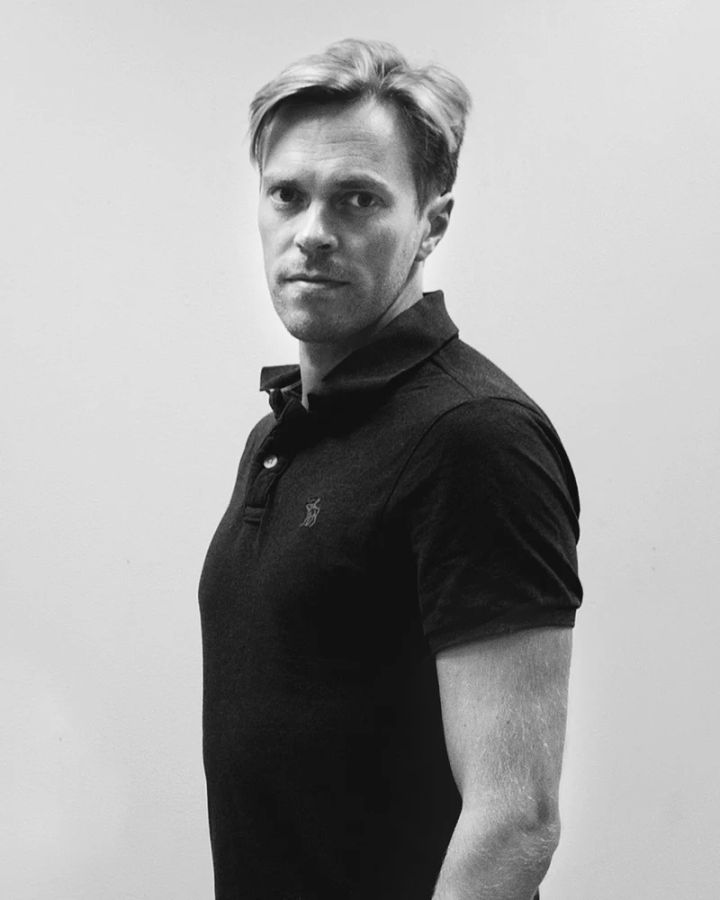
Trond Svendgard
Trond Svendgård is a Norwegian designer and chef, born in Rognan. As co-founder of the Northern Lighting brand (now Northern) in 2005, he made his debut as a designer with the Snowball lamp - a minimalist design inspired by Bauhaus aesthetics, combining a steel base with blown glass. This lamp became an icon of Scandinavian design and sold over 25,000 copies. In 2008, together with Ove Rogne, he created the Moo wall lamp in the shape of a moose head on a scale of 1:1. Made of translucent polyester resin, this lamp emits a soft light, combining humor with Norwegian symbolism.
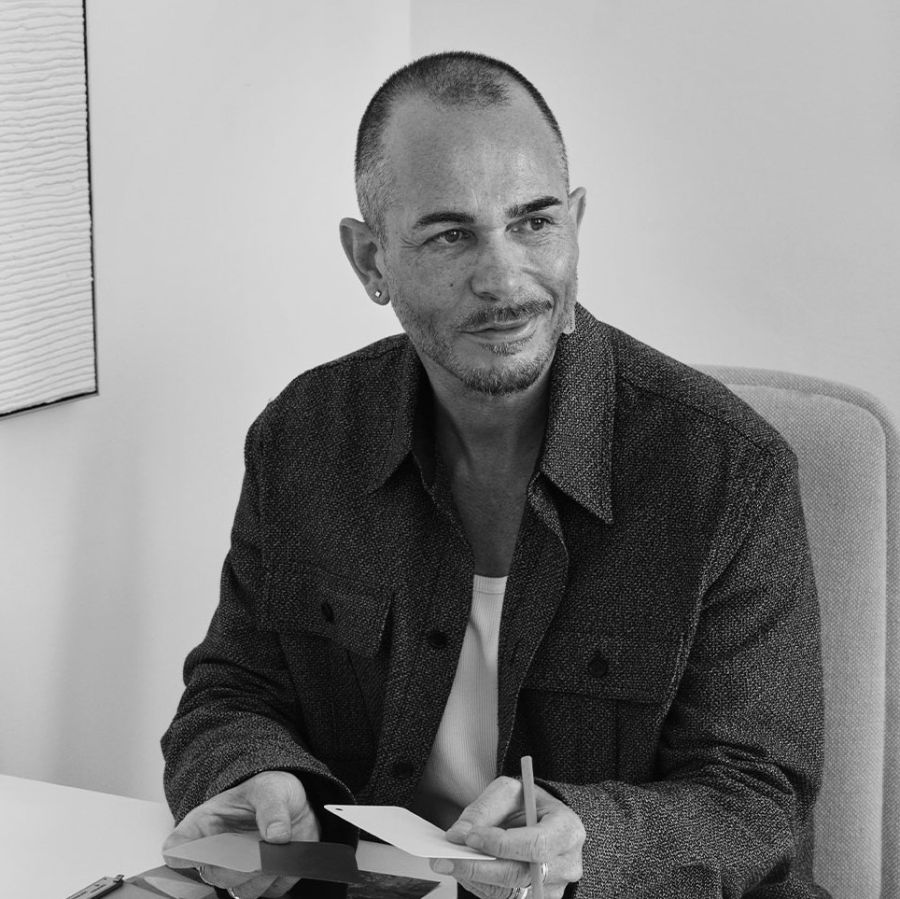
Uffe Buchard
Uffe Buchard is one of the most recognizable figures on the Danish fashion and design scene. For over two decades, she has been actively shaping the aesthetics and narrative around lifestyle, combining fashion, art and design. He is the editor-in-chief of DANSK magazine and the creative director of Darling Creative Studio, which cooperates with brands such as IKEA and Bang & Olufsen. Co-created The Darling - a boutique apartment in Copenhagen, a tribute to classic Danish design and contemporary art. As the curator of the Fashion on Print collection for Paper Collective, he combines fashion with graphics artistic. For Normann Copenhagen he designed the Crooked Candlestick, combining function with sculptural form. His designs are characterized by attention to detail, refined aesthetics and deep knowledge of visual culture. Buchard creates spaces and objects that are not only beautiful, but also full of meaning, inspiring viewers to reflect on the world around them.
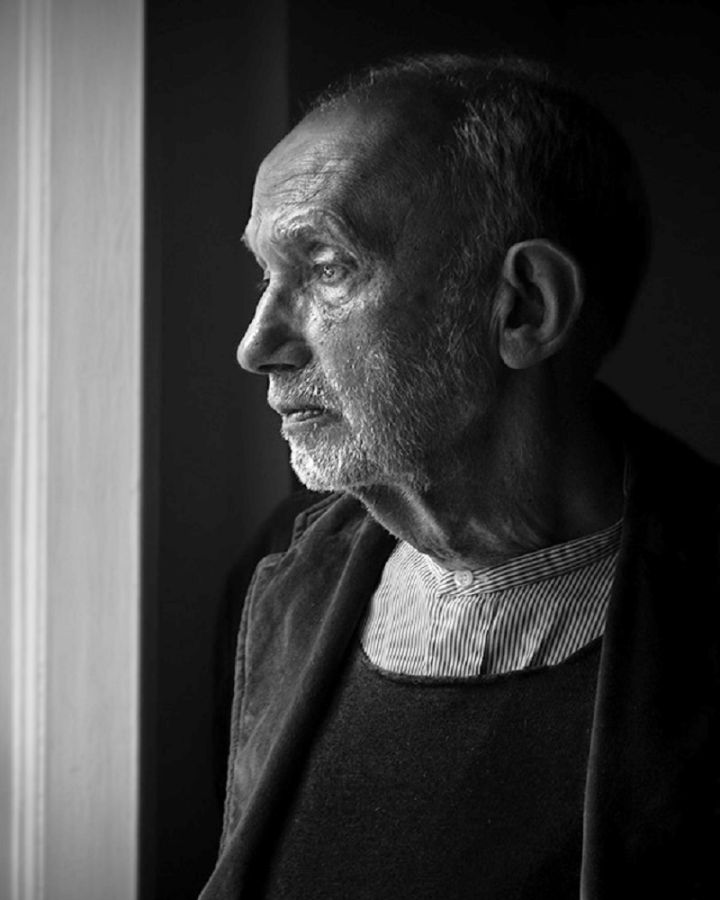
Umberto Riva
Umberto Riva was an Italian architect, interior and lighting designer, considered one of the most sensitive creators of post-war modernism. He studied in Venice under Ernesto Nathan Rogers, which shaped his approach to design - subtle, full of respect for space and light. Riva specialized in creating interiors and lamps that combined functionality with poetic expression. His lighting designs, such as the E63 lamp or lampa Metafora, are still design icons, appreciated for their minimalist form and skillful use of light as an architectural element.
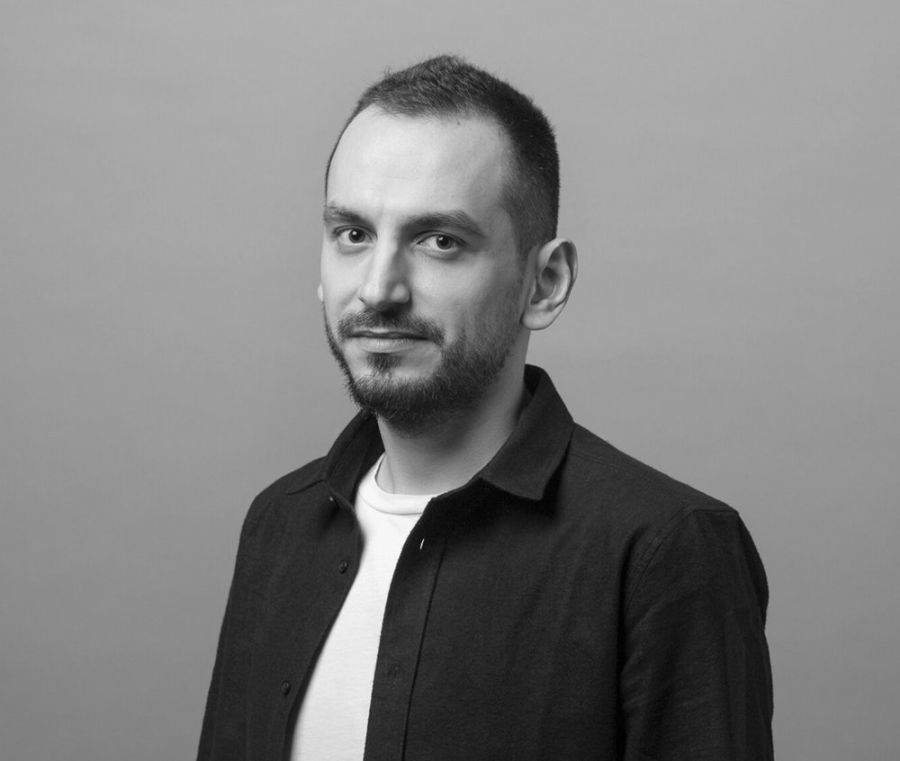
Umit Caglar
Umit Caglar is a Turkish designer and interior architect who combines the tradition of craftsmanship with modern design. His works are distinguished by elegant, organic forms that harmoniously combine natural materials with new technologies. Growing up in a carpenter's family, he learned respect for detail and craftsmanship, which has a huge impact on his approach to design. Caglar has collaborated with many renowned brands, such as Bolia, Krafta, De Padova and Wewood, creating furniture, lighting and accessories that delight with minimalism and functionality. His works were presented at prestigious exhibitions such as Salone del Mobile and Maison&Objet. Thanks to his passion for design, he has gained international recognition as the creator of modern and timeless designs.
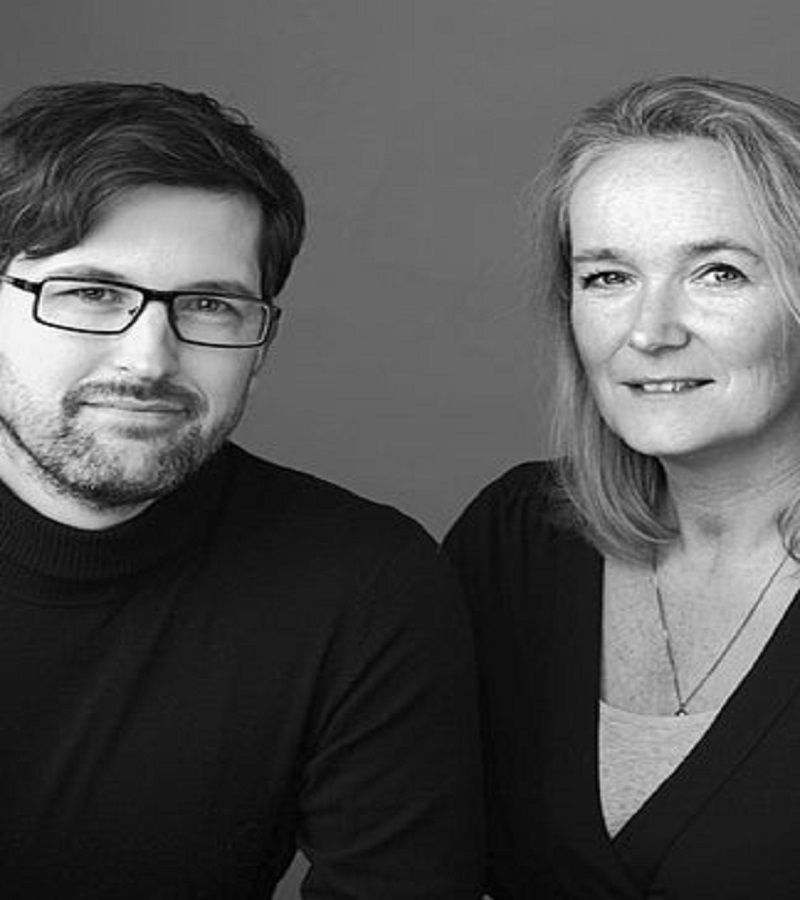
UNIT 10
UNIT 10 is a Danish design studio founded by Anne Marie Raaschou-Nielsen and Francis Cayouette, based in central Copenhagen. Specializes in the design of products, furniture and space arrangement, combining Scandinavian simplicity with functionality and emotional message. The studio is known for designs such as the One Step Up shelf for Normann Copenhagen, inspired by a folding ladder that can be easily assembled without tools, and the Heima candlestick, a reinterpretation of the classic cast iron candlestick from the 1980s 50. Cooperates with renowned brands such as Stelton, for which it has created, among others: a series of Pilastro glasses, referring to the Art Deco aesthetics. UNIT 10 believes that good design should not only be functional, but also evoke emotions and convey meaning. Their approach is based on creating simple, well-thought-out and durable objects that respond to the real needs of users.
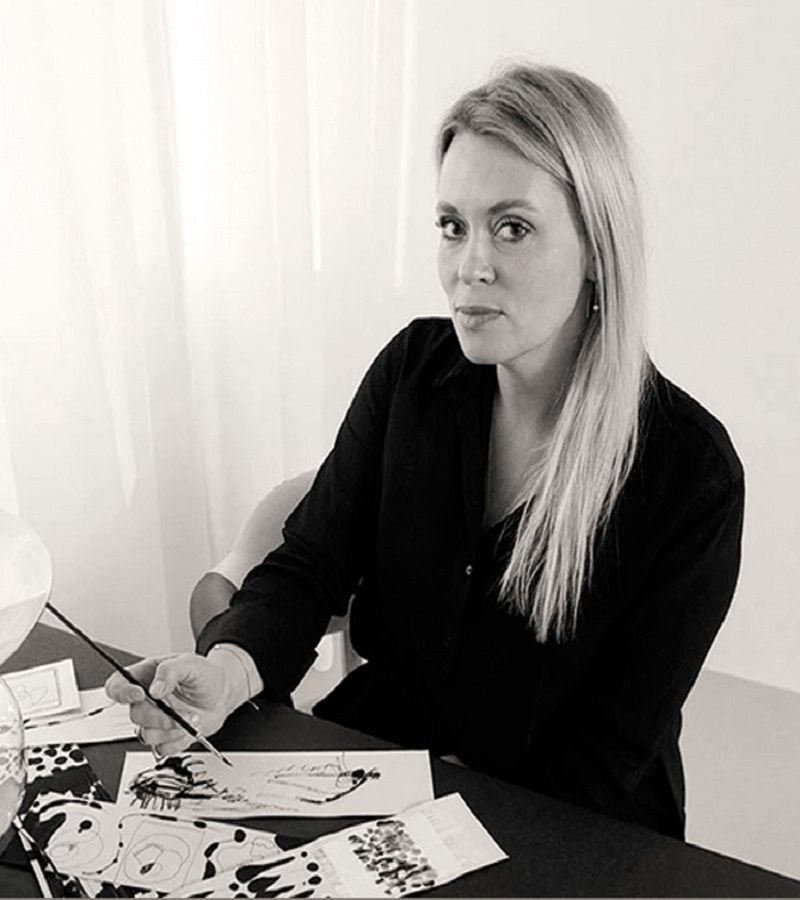
Urd Moll Gundermann
Urd Moll Gundermann is a Danish designer and creative director of the Linie Design brand. He specializes in designing textiles and carpets combining Scandinavian simplicity with expressive structure and detail. She graduated in design from the Royal Danish Academy of Fine Arts in Copenhagen. In his works, he focuses on the relationship between form, texture and light, creating patterns with an architectural character and timeless aesthetics. Her designs are distinguished by the balance between minimalism and the softness of organic lines, as well as attention to the quality of craftsmanship.
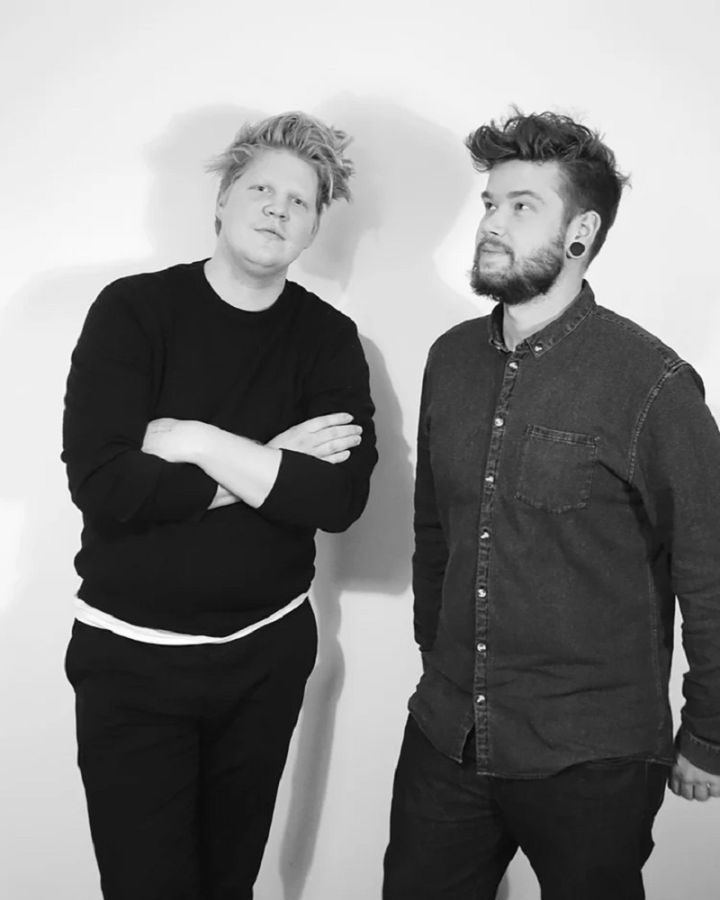
Utilise.Objects
Utilise.Objects is a Belgian design studio created by Giel Dedeurwaerder and Brent Neve, cooperating with the Serax brand. Designers specialize in creating utility objects that combine functionality with sophisticated, minimalist design. Their works are created at the intersection of craftsmanship and contemporary aesthetics, with great emphasis on the quality of materials and simplicity of form. The most recognizable collection "Collage" includes, among others: cast iron kettles and wooden accessories inspired by the Japanese tradition of tea brewing. Their designs are characterized by a combination of contrasts: cast iron and wood, tradition and modernity, austerity and elegance.
Uto Balmoral
Uto Balmoral is a figure deliberately shrouded in mystery - a designer hiding his identity behind a mask and an artistic concept. It functions more as an idea than a specific person, undermining the cult of personality in design. His works balance between irony, provocation and reflection on consumption and the role of objects in everyday life. By collaborating, among others, with the Seletti brand, creates bold, often surreal objects that combine art with functionality. His style is recognizable - experimental, conceptual and consciously crossing the boundaries of traditional design.

Valerio Sommella
Valerio Sommella is an Italian industrial designer born in 1980 in Cortona, graduated with honors from the Politecnico di Milano. He started his career in Stefano Giovannoni's studio, and then worked in Marcel Wanders' team in Amsterdam. In 2009, he founded his own studio in Milan, where he designs lighting, furniture and accessories for brands such as Alessi, Apple, Moooi, Falmec, Kdln, Panasonic and Honda. His approach to design is based on treating each project as a separate story, resulting from the dialogue between context, user, material and technology. His award-winning designs include lamps Kushi and Nami, Brigata kitchen set and the Hyppo collection for Cantarutti. Sommella combines functionality with the poetics of form, creating objects with a strong identity and timeless aesthetics.
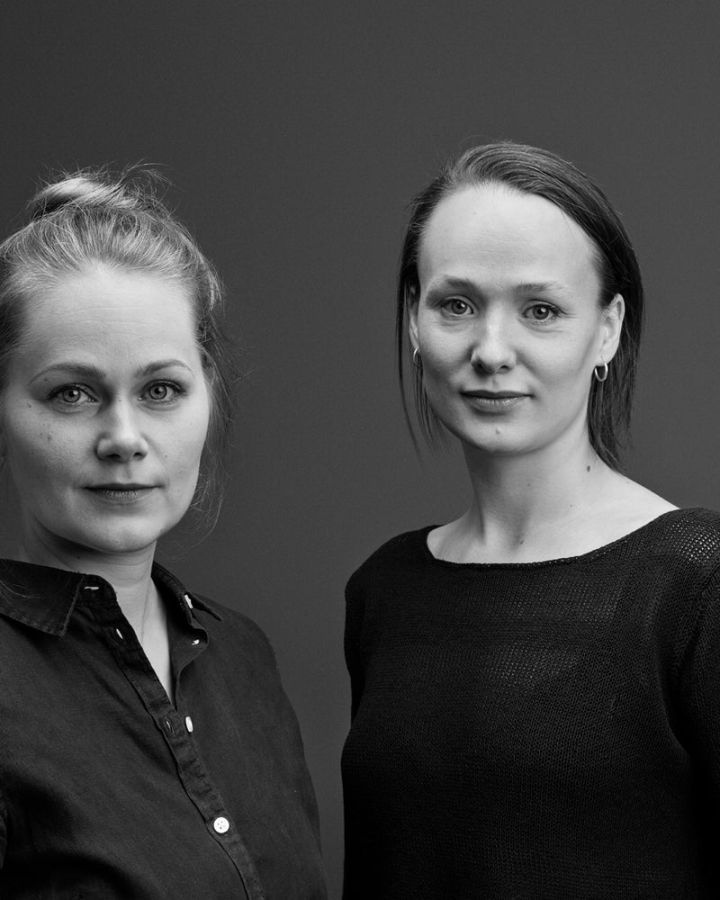
Vera & Kyte
Vera & Kyte is a Norwegian design studio founded in 2013 by designers Vera Kleppe (born 1988) and Åshild Kyte (born 1983), graduates of the University of Bergen. Their works include furniture, lighting, accessories and space design, combining functionality with aesthetics. They are characterized by an analytical approach, experimenting with materials and colors and searching for new techniques and aesthetics. Their designs often draw inspiration from avant-garde dance, as in the case of a series of spinning figures that introduce movement and color into the space. Studio collaborates with renowned brands such as Northern, Heymat, Bolia and Fram Oslo. Their designs, such as the "Dis" carpet collection for Heymat or the "Trapèze" lamp for Bolia, combine modern design with Norwegian tradition.

Verner Panton
Verner Panton was one of the greatest Danish designers of the 20th century who revolutionized the world of design. Known for his futuristic approach, he created furniture, lighting and accessories that broke traditional forms and introduced bold colors and modern materials. His most famous work is the Panton chair - the first ever fully one-piece seat made of plastic, which combines sculptural form with functionality. He collaborated with brands such as Vitra and &Tradition. His designs combined functionality with experimenting with form, which made him a design icon of the 1960s and 1970s.
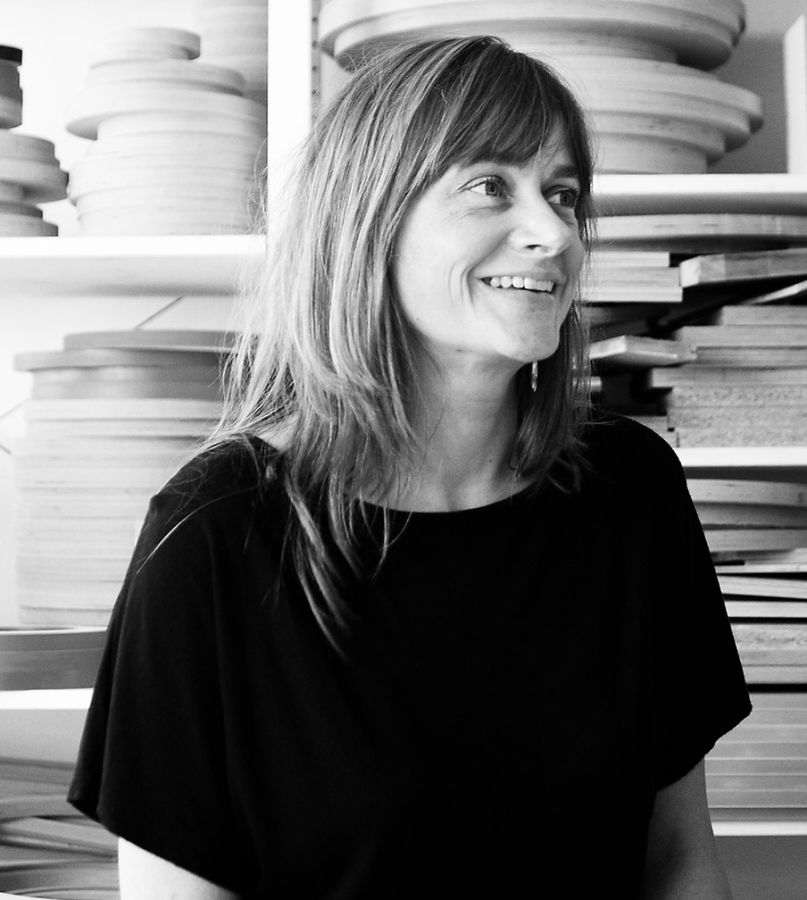
Vibeke Fonnesberg Schmidt
Vibeke Fonnesberg Schmidt is a Danish designer and artist who combines craft, art and design. Born in 1967, studied ceramics in Japan and then graduated from the Royal Danish Academy of Fine Arts and Glasgow School of Art. Initially, she created unique works of porcelain, but over time she focused on designing lighting, using plexiglass and brass. Her works are characterized by geometric forms and play light, creating a harmonious yet dynamic aesthetic. She is known for her designs for brands such as Normann Copenhagen and GUBI. Her lamps, often inspired by architecture and art, are handmade in a Copenhagen studio. Fonnesberg Schmidt has won numerous awards, including Craftsman of the Year in 2016. Her works have been presented in many museums, including: at Designmuseum Danmark and Trapholt Museum.
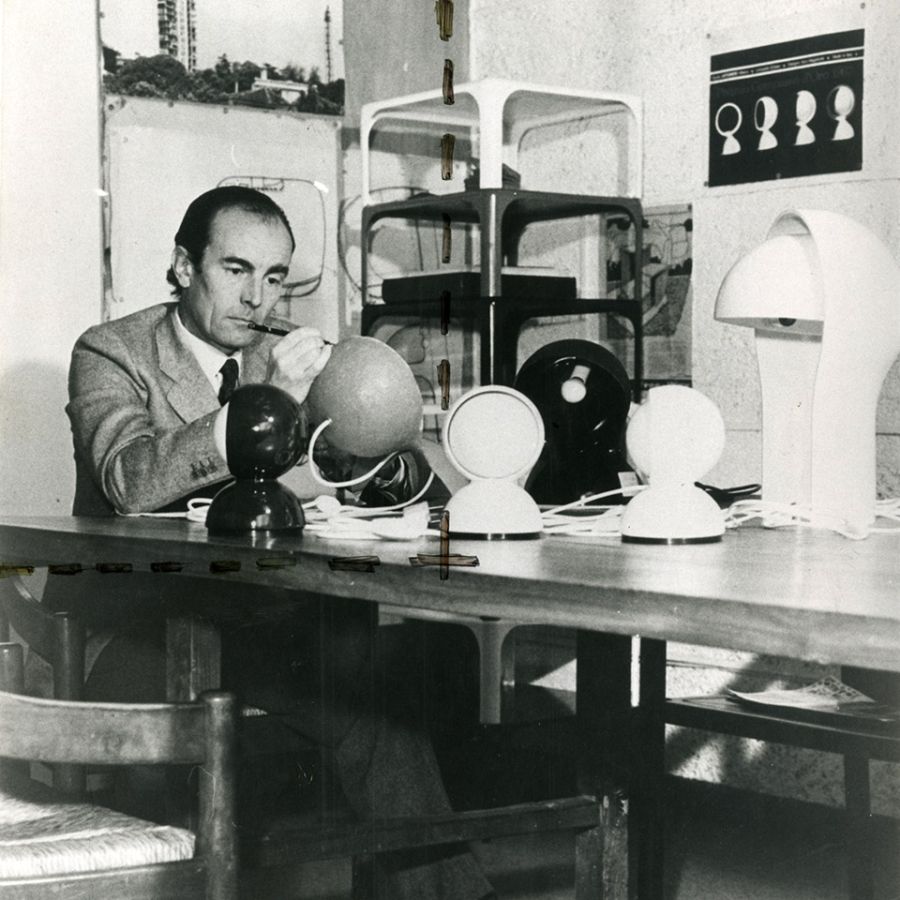
Vico Magistretti
Vico Magistretti was an Italian architect and designer whose work defined the style of modern Italian design. Known for elegance, simplicity and innovative solutions, he designed furniture, lighting and interiors for brands such as Artemide, Cassina and Kartell. His iconic designs include: Eclisse lamp and Maralunga armchair. He combined functionality with poetic form, creating timeless and useful objects. Magistretti was also a lecturer at the Royal College of Art in London and a winner of the prestigious Compasso d'Oro award. His legacy continues to inspire new generations of designers.
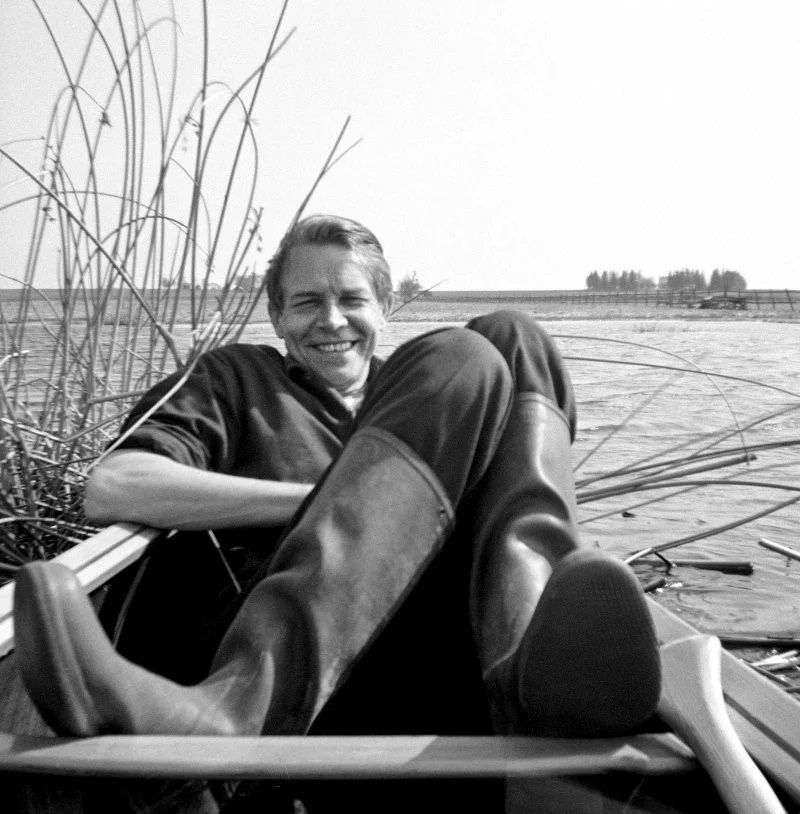
Viggo Boesen
Viggo Boesen was a Danish architect and designer, active in the 1930s and 1940s, known for his contribution to the development of the Funkis style - the Danish interpretation of functionalism. His designs, such as the "Little Petra" armchair from 1938, were characterized by soft lines, organic forms and coziness, contrasting with the then dominant modernism. Boesen used natural materials such as wood and rattan to create furniture that combines aesthetics with comfort. His works have been presented at exhibitions, gaining recognition for his innovative approach to design. Although for some time he remained in the shadow of his more famous contemporaries, his designs are experiencing a renaissance thanks to contemporary reissues, highlighting the timelessness of his vision.
Vilhelm Lauritzen
Vilhelm Lauritzen was one of the greatest Danish architects of the 20th century, who played a key role in shaping modernist architecture in Denmark. His works were characterized by minimalism, functionality and elegance, combining modern solutions with classic Danish aesthetics. Lauritzen was known for his public building designs, including important projects such as the headquarters of Danish Radio and Copenhagen Airport. As an architect, he aimed to create spaces that were conducive to everyday life, while placing great emphasis on the quality of details and materials used. His works had a major impact on the development of contemporary architecture and design, and his design philosophy still inspires contemporary creators.

Vincent Laine
Vincent Laine is a Finnish designer who combines Scandinavian precision with modern minimalism. He was born in Finland and moved to Sweden at the age of 9, where he grew up in an artistic environment, which influenced his later creative career. As a designer, he collaborated with brands such as Leica, Hasselblad and Db Journey. His major projects include the Leica Q and Q2 cameras, the Hasselblad CFV-50c camera, and the Db Ramverk Pro case collection. In 2019, he joined Db Journey as the lead designer of the hard luggage category, where he created the product category and also participated in other brand projects.
Vincent Van Duysen
Vincent Van Duysen is a Belgian architect and interior designer, known for his timeless style combining minimalism with warmth and subtle elegance. Born in 1962, he studied architecture in Belgium and in 1990 founded his own studio in Antwerp. His architectural and furniture designs are characterized by attention to proportions, natural materials and refined simplicity. Van Duysen avoids formal coldness, focusing on sensual textures, light and harmony. He cooperated with many prestigious brands, such as Molteni&C, Flos, Dada and Zara Home, where he served as creative director. His works combine functionality with the emotional dimension of space, which brings him international recognition and numerous design awards.
Viola Heyn-Johnsen & Jonas Trampedach
Viola Heyn-Johnsen and Jonas Trampedach are a duo of designers from Copenhagen, combining experience in visual communication and industrial design. Viola, a graphic designer by profession, specializes in aesthetics and visual storytelling, while Jonas - a graduate of the Royal College of Art - is known for creating functional furniture and lighting. Their joint project "Parade" for the HAY brand is a series of geometric glass lamps combining art and functionality. The duo combines craftsmanship with modern technology, creating objects with a strong visual character. Their works are an example of contemporary Scandinavian design - simple, aesthetic and form-conscious.
Visser & Meijwaard
Visser & Meijwaard is a Dutch design studio founded in 2013 in Arnhem by Steven Visser (born 1985) and Vera Meijwaard (born 1988), graduates in product design at ArtEZ University of the Arts. Their works are characterized by a minimalist approach in which materials, color and form play a key role. Designers are inspired by everyday objects, discovering the hidden beauty in them and giving them new meaning through experiments with context and scale . The studio specializes in the design of furniture, lighting, textiles and exhibition scenography. They have collaborated with renowned brands such as Hermès, Linteloo, Moooi Carpets and Pulpo Products . Their designs have been presented at international exhibitions in cities such as London, Paris, Milan, New York, Tokyo and Copenhagen.
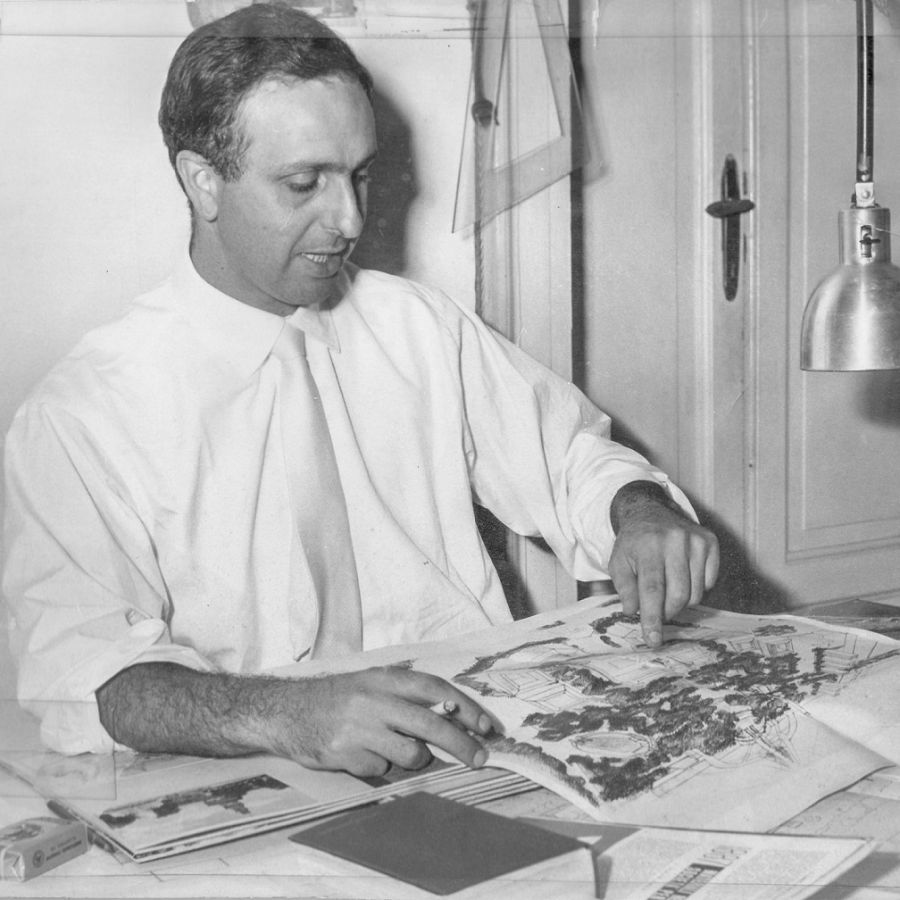
Vittoriano Vigano
Vittoriano Viganò was an outstanding Italian architect and designer considered one of the leading representatives of post-war brutalism in Italy. His works were characterized by formal courage, austerity of materials and deep humanism. He collaborated with Gio Ponti and ran his own studio, creating public buildings as well as interior and furniture designs. He experimented with concrete, iron and glass, combining function with expressive aesthetics. Viganò was also a professor at the Politecnico di Milano, where he influenced subsequent generations of architects. His work, combining rationalism with expression, remains an inspiration for contemporary designers and a testimony to the strong connection between architecture and the social and urban context.
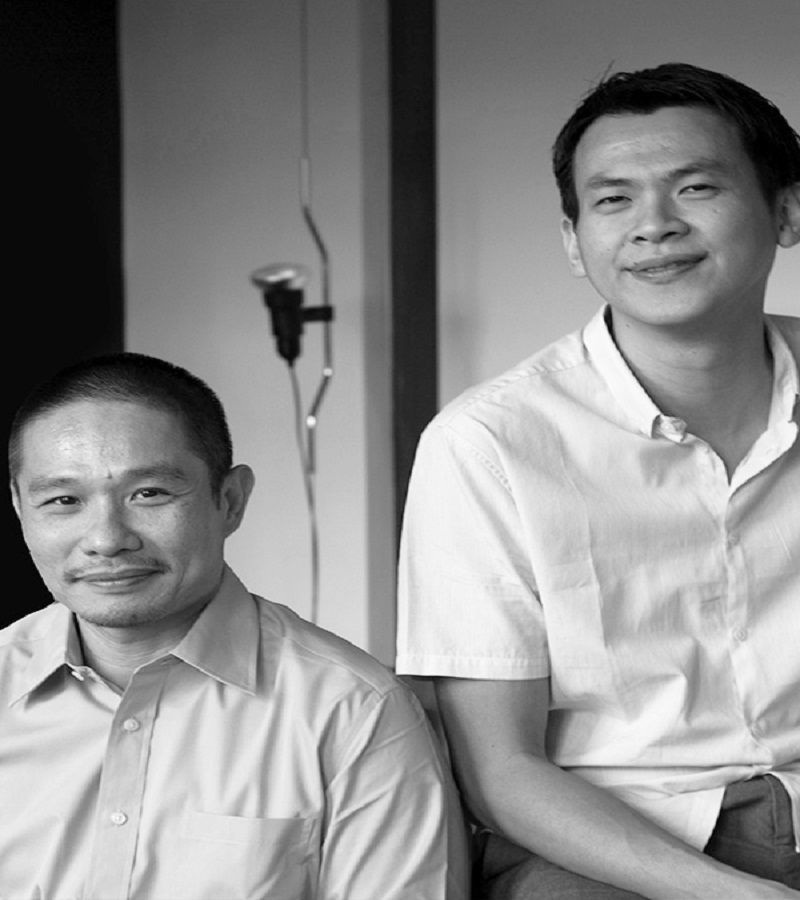
Voon Wong & Benson Saw
Voon Wong and Benson Saw are a duo of designers who founded the Viewport Studio studio in London, specializing in industrial design, architecture and industrial design. Their cooperation began in 2001 during the Designers Block exhibition in London, where they presented their works, which led to the creation of their joint studio. Their designs combine engineering with aesthetics, creating innovative solutions such as theLooplamp, which won the Compasso d'Oro award in 2004. Their work has been exhibited in prestigious venues such as the Milan Triennale, and their approach to design combines functionality with artistic expression.
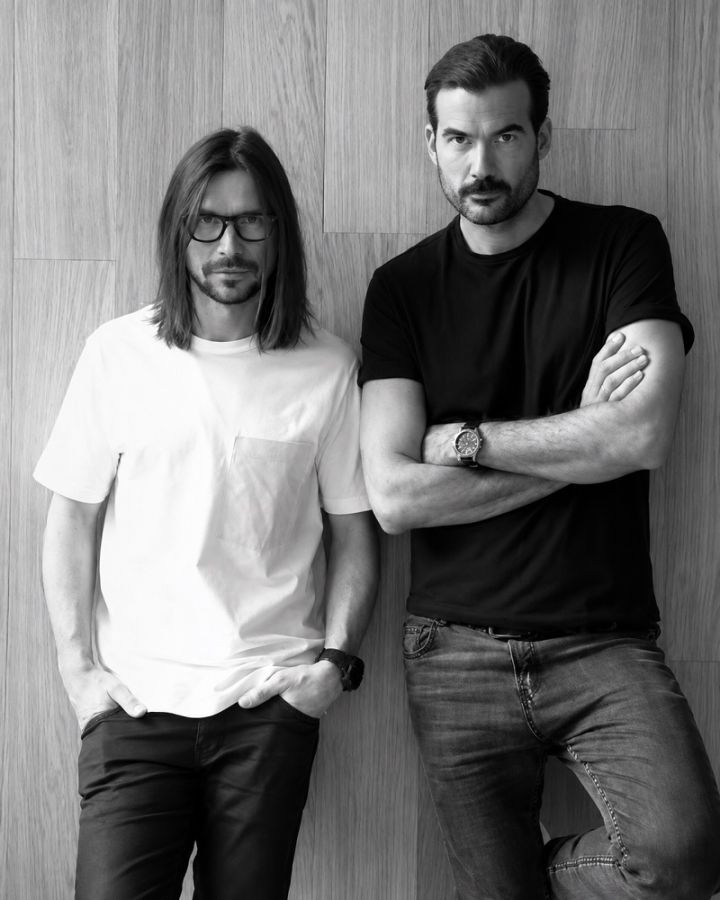
Vrtiska & Zak
Vrtiška & Žák is a Czech design duo - Roman Vrtiška and Vladimír Žák - who started collaborating while still studying at the Academy of Arts, Architecture and Design in Prague. The next stage of their development was an internship at Aalto University in Finland, where their projects were awarded many times. After graduating, they created one of the recognizable Czech design studios, implementing projects in the field of architecture, interior design and industrial design. Their approach is based on functionality, precision and the search for simple solutions to complex problems.
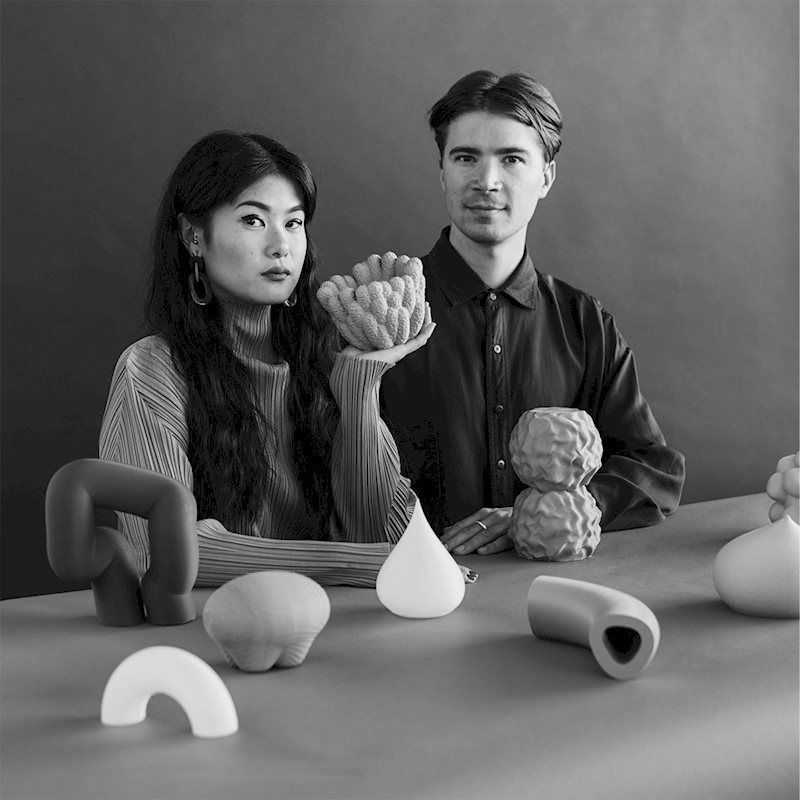
Wang & Soderstrom
Wang & Söderström is a Danish-Swedish design studio founded by Anya Wang and Tim Söderström, operating at the intersection of art, design and technology. The duo is known for their experimental approach, combining digital 3D modeling with physical craftsmanship. Their works often balance between the virtual and real worlds, creating organic, surprising forms and textures. The studio designs objects, installations, animations and interactive experiences, cooperating with brands such as Nike, IKEA and Kvadrat. Wang & Söderström explore new materials and the aesthetics of the digital age, redefining the boundaries of contemporary design. Their work is characterized by a strong visual charge, narrative nature and an innovative approach to form.
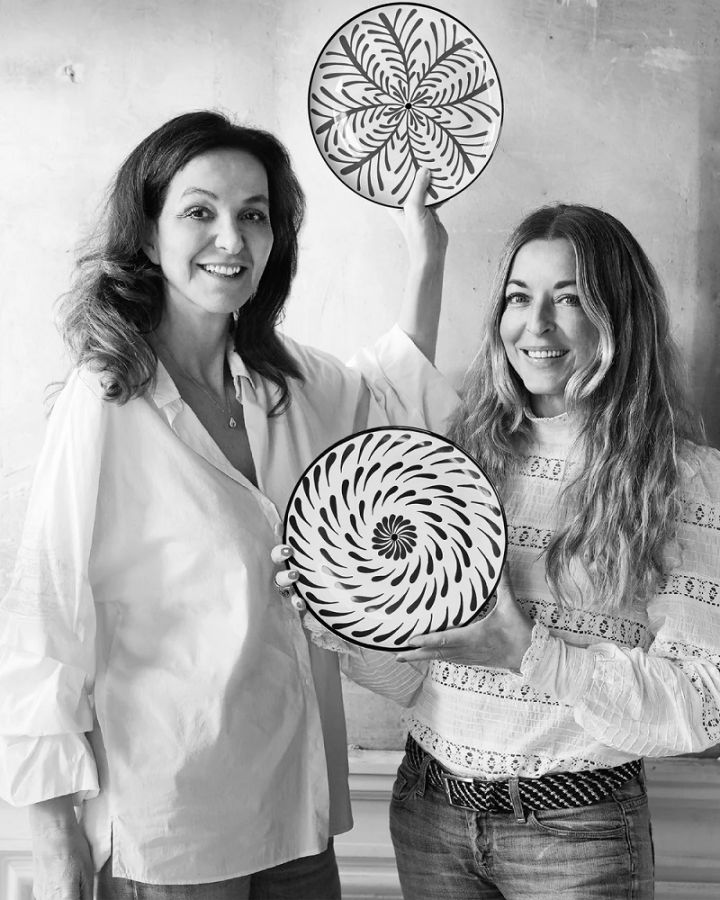
Waww La Table
Waww La Table is a creative design duo specializing in creating bold, expressive collections of tableware and household ceramics. Their works combine art with design, bringing strong colors, graphic patterns and hand-painted details to the table. The brand's creators focus on an emotional approach to everyday objects, treating them as small works of art that are intended to enliven the space and give it an individual character. Working with the Serax brand, they create collections such as Bazaar, which combine artistic freedom with functionality. Their designs are distinguished by hand-finishing, making each element unique and inimitable.
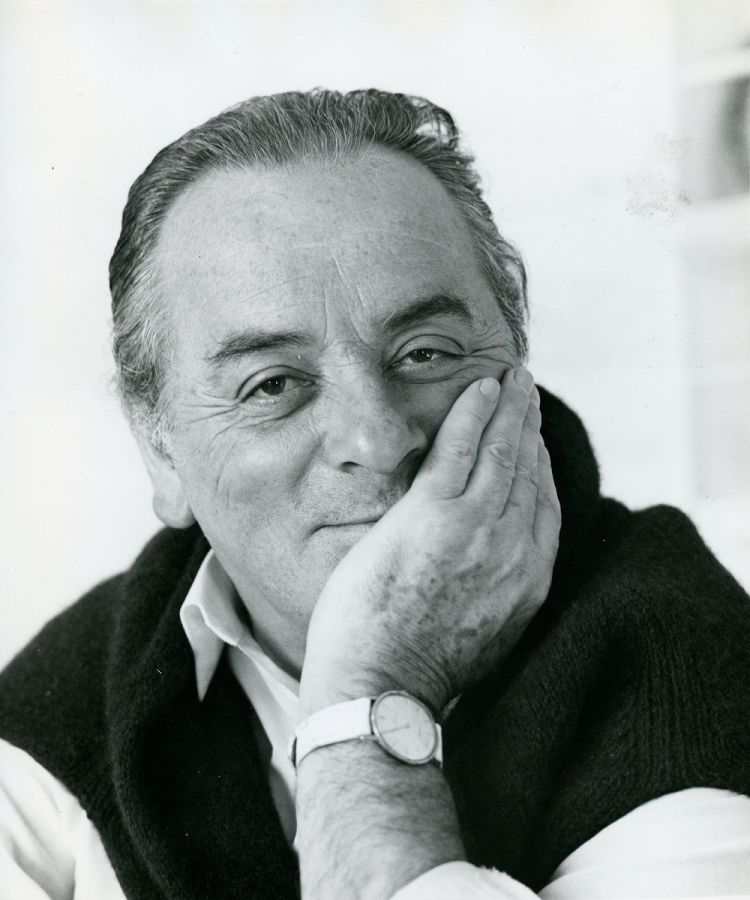
Willie Landels
Willie Landels is a British designer, art director and editor, known for his influence on the world of fashion, design and art in the second half of the 20th century. The artist gained fame as the editor-in-chief ofHarper's & Queenmagazine, where he combined art, style and high culture, shaping a modern approach to luxury and aesthetics. As an interior and furniture designer, he became famous for his minimalist forms and refined approach to detail. His works created, among others, for the Italian brand Zanotta is characterized by timeless elegance and functionality. Willie Landels brought a unique aesthetic sensitivity, combining British classics with modern Italian design.
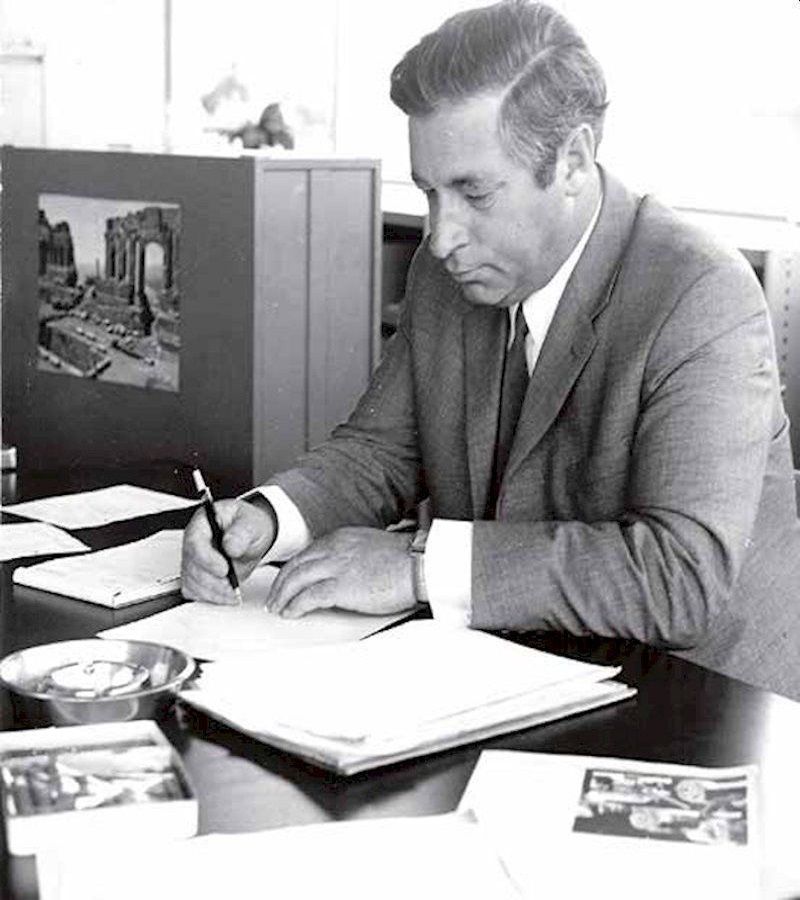
Wim Rietveld
Wim Rietveld was a Dutch industrial designer, known for his functional and economical designs of furniture and utility items. The son of the famous Gerrit Rietveld, also a designer, Wim developed his own style, combining a modern approach with practicality. He cooperated with, among others: with Gispen and Ahrend, creating light, modular furniture made of metal and plywood, ideal for offices and public spaces. His works were characterized by simplicity, ergonomics and the use of modern production technologies. Rietveld was also a lecturer at the Royal Academy of Fine Arts in The Hague, where he promoted the ideas of rational design. To this day, he is considered one of the pioneers of Dutch post-war design.
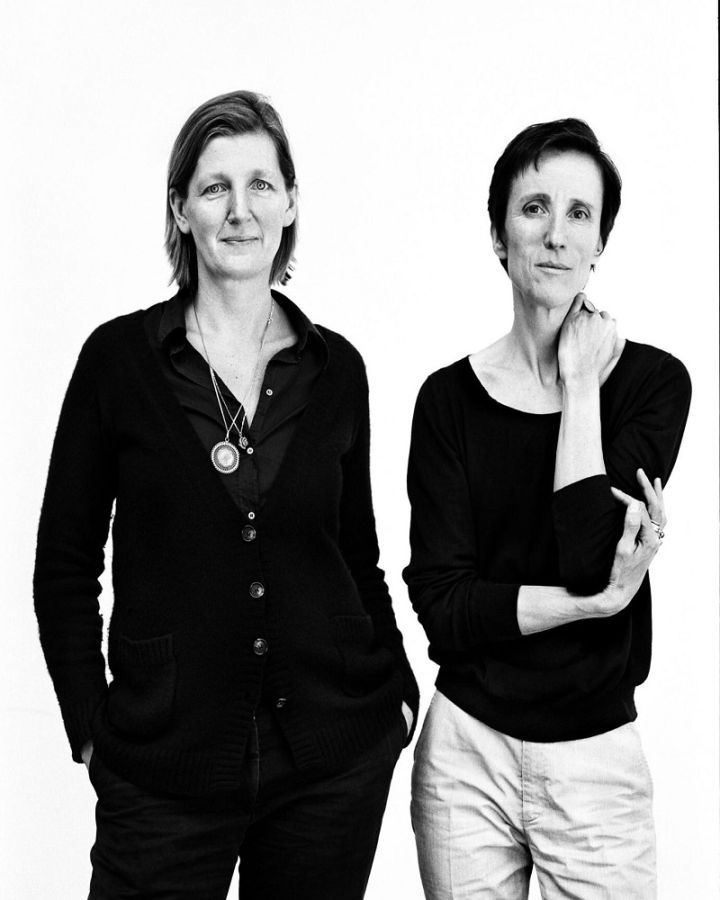
Wouters & Hendrix
Wouters & Hendrix is a Belgian design duo known for creating objects at the intersection of jewelry, art and functional design. Founded by Anna Wouters and Katrina Hendrix, the band has been building a recognizable visual language based on imagination, symbolism and light surrealism for years. Their works often balance between humor and elegance, combining craftsmanship precision with artistic freedom. The duo's work goes beyond the traditional concept of design - it is rather about telling stories through objects. They draw inspiration from nature, mythology and the world of dreams, which gives their designs a strong, emotional character. Each object is designed to arouse curiosity and engage the user not only functionally, but also visually and symbolically.
Yabu Pushelberg
The Yabu Pushelberg design duo, founded by George Yabu and Glenn Pushelberg, has been setting standards in global interior and furniture design for years. Their designs combine minimalist elegance with functionality, paying attention to every detail and proportion. They specialize in creating harmonious spaces where form and materials harmonize with the surroundings, and each element is both aesthetic and practical. In their projects, Yabu et Pushelberg use innovative combinations of materials, texture contrasts and subtle details that give the designs a unique character. The Pukka coffee table is an example of their philosophy: sensual, ergonomic, and at the same time timeless design that fits harmoniously into modern and classic interiors, combining prestige and functionality in one product.
Yiannis Ghikas
Yiannis Ghikas is a renowned Greek designer who successfully combines functionality with the emotional impact of form. His approach to design involves finding a balance between simplicity and ingenuity, thanks to which his furniture and everyday objects become both practical and surprisingly original. Ghikasa's designs often draw on traditional Greek crafts, but are reinterpreted in a modern spirit, which gives them a timeless character. He collaborated with brands such as Miniforms, with which he created, among others: a collection of tables and chairs characterized by a minimalist form and refined details. His works have been awarded many times at international design exhibitions, such as the Red Dot Award. Ghikas proves that design can be a dialogue between culture, function and aesthetics.

Yonoh Studio
Yonoh Studio is a Spanish design studio founded in 2006 in Valencia by Clara del Portillo and Álex Selma. Their works are characterized by a combination of functionality, minimalism and subtle elegance. Artists sspecialize in the design of furniture, lighting and accessories, cooperating with renowned brands around the world. Yonoh Studio style combines a modern approach with classic forms, creating timeless and aesthetic products. Their projects have been awarded many times, including: Red Dot Design Award and IF Design Award, which proves their high level of creativity and innovation.
Yotam Ottolenghi
Yotam Ottolenghi is a British-Israeli chef, restaurateur and cookbook author who revolutionized the modern approach to Mediterranean and Middle Eastern cuisine. He is known for his bold combination of flavors, intense colors and fresh ingredients, which have become his trademark both in restaurants and culinary publications. His culinary style is based on the simplicity of products, but at the same time the extraordinary depth of flavor and composition. Ottolenghi popularizes plant-based cuisine, in which vegetables, spices and herbs play the main role, giving the dishes a characteristic, expressive aesthetic.
In addition to his catering activities, he is the author of best-selling cookbooks and co-creator of lifestyle projects, including a collection of tableware with the brand Serax. Its aesthetics - full of color, expression and freedom - permeates both the world of food and design, creating a coherent, recognizable visual language.

Yuchen Wu
Yuchen Wu is a Taiwanese designer who was born in 1992 in Taitung. She graduated in industrial design from Shih Chien University in Taipei. After graduation, she worked in a Taiwanese design studio, where she gained experience in various fields of design, discovering her passion for designing furniture and accessories. In search of international experience, she moved to Denmark, where she currently works as a designer at Normann Copenhagen. Her design philosophy is based on a harmonious combination of aesthetics and functionality. He draws inspiration from nature, especially the landscapes of Taiwan, and from observing people's interactions with everyday objects. In his projects such as the Fyr stool or the Bubba lamp, tries to combine beauty with practicality, creating objects that enrich the everyday life of users. Yuchen attaches great importance to sustainable development, striving to create durable and responsible solutions design.

Yuue
YUUE is a Berlin-based design studio founded in 2015 by Chinese designer Weng Xinyu and artist Tao Haiyue, graduates of Bauhaus-Universität in Weimar. Since 2018, the studio has been run by Weng Xinyu, who obtained German citizenship in 2022. YUUE specializes in the design of furniture, lighting, accessories and installations, focusing on the human-object relationship, interactivity and emotions. Their designs, such as the Balancer lamp or the Fido stool, combine functionality with minimalist aesthetics, often containing elements of surprise. The studio has gained recognition in the industry, being named "Top 50 German Designer" by AD Germany and "Emerging Design Star" by AD China in 2016. Their works have been nominated for prestigious awards such as the German Design Award and the Dezeen Design Award.

Zaha Hadid
Zaha Hadid was an Iraqi-British architect and one of the most prominent figures in contemporary architecture. Known for its bold, dynamic forms and futuristic aesthetics, it broke traditional design boundaries. Her works were characterized by fluid lines, asymmetry and innovative use of technology. She was the first woman to receive the Pritzker Prize (2004) as well as the RIBA Prize (2016). Her most famous projects include the Heydar Aliyev Center in Baku, MAXXI in Rome and the opera in Canton. Hadid also created furniture, utility objects and installations. Her work combined art, science and modern engineering, changing the way we perceive architecture as a form of expression.
Zaven
Zaven is a multidisciplinary design studio founded in 2006 in Venice by Enrica Cavarzan and Marco Zavagno. He works at the intersection of design, art and visual communication, creating projects that combine aesthetics with functionality and a strong conceptual message. The studio is known for its experimental approach and attention to detail, implementing projects for brands, cultural institutions and public spaces. Zaven is also committed to education and research, which makes their practice deeply reflective and contemporary. Their works were presented at prestigious exhibitions around the world, confirming their position as one of the most interesting representatives of new Italian design.